

Technical Contents
Engineering Guide: Cnc Stainless Steel Machining
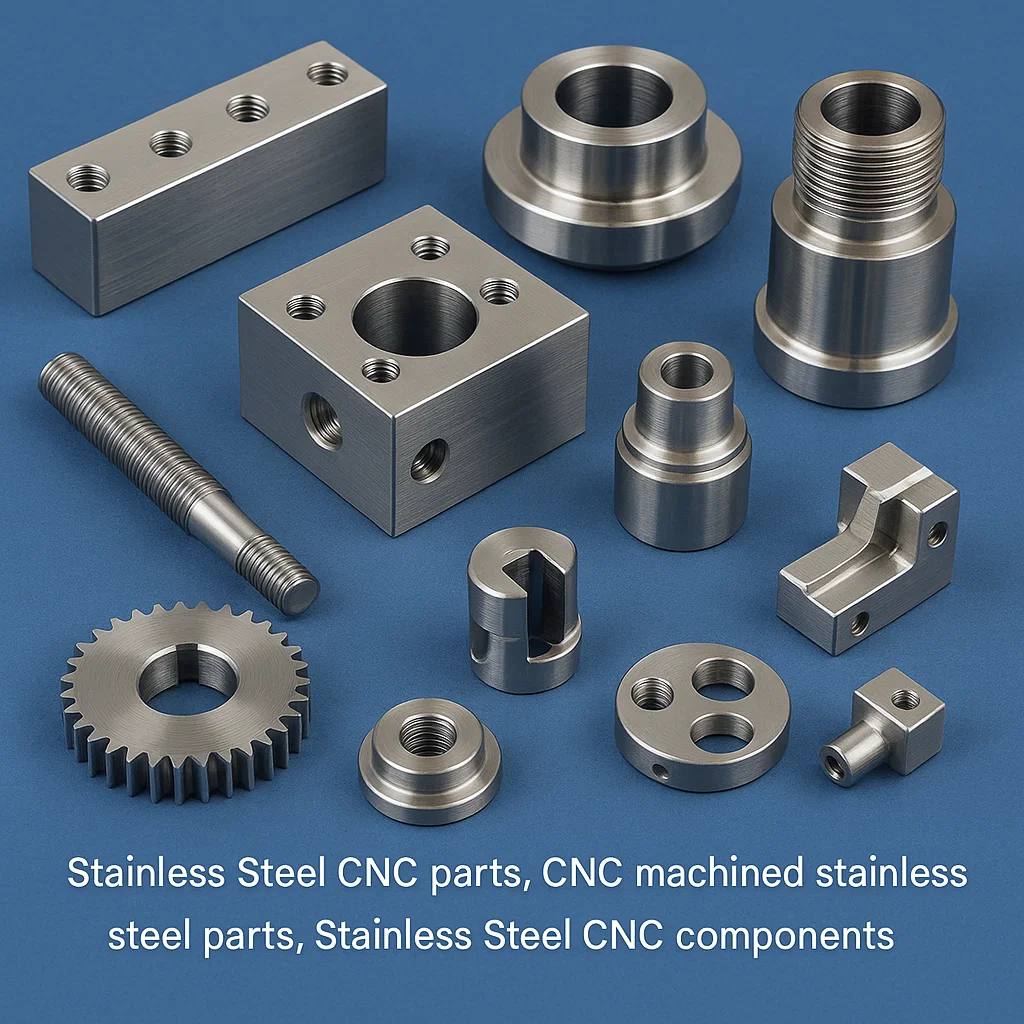
Engineering Insight: CNC Stainless Steel Machining – The Role of Precision in High-Performance Manufacturing
In the realm of advanced manufacturing, CNC stainless steel machining stands as a cornerstone of modern engineering, enabling the production of components that demand exceptional strength, corrosion resistance, and dimensional accuracy. Stainless steel, with its superior mechanical properties and ability to perform under extreme conditions, is widely used across aerospace, medical, defense, and energy sectors. However, its inherent toughness and work-hardening characteristics present significant challenges during machining, making precision not just desirable—but essential.
At Wuxi Lead Precision Machinery, we recognize that achieving tight tolerances in stainless steel components requires more than advanced equipment—it demands deep material understanding, refined toolpath strategies, and rigorous process control. Precision in CNC stainless steel machining directly impacts part functionality, longevity, and system integration. Even micron-level deviations can lead to assembly failures, premature wear, or compromised performance in critical applications. This is especially true in sectors such as military and high-end industrial systems, where reliability under stress is non-negotiable.
Our engineering team leverages decades of accumulated expertise in machining austenitic, martensitic, and duplex stainless steel grades, including 304, 316, 17-4PH, and 440C. By optimizing cutting speeds, feed rates, and tool geometries, we mitigate heat buildup and tool wear—two primary concerns when machining stainless alloys. Additionally, our use of high-rigidity CNC centers with real-time monitoring systems ensures consistent dimensional accuracy across both prototypes and high-volume production runs.
Wuxi Lead has been entrusted with manufacturing components for mission-critical applications, including systems deployed in Olympic-standard facilities and military-grade equipment. These projects underscore our ability to meet the most stringent quality and performance benchmarks. Our ISO 13485 and ISO 9001 certifications, combined with in-house metrology using CMM and optical inspection systems, guarantee that every machined part conforms to exact specifications.
The integration of precision engineering with material science enables us to deliver stainless steel components that perform reliably in corrosive, high-pressure, and high-temperature environments. Whether it’s a complex manifold for a defense system or a surgical instrument requiring biocompatible finishes, our machining processes are designed to exceed expectations.
Below are representative machining specifications we routinely achieve with stainless steel:
| Parameter | Capability |
|---|---|
| Material Types | 304, 316, 17-4PH, 440C, 2205 Duplex |
| Tolerance Range | ±0.005 mm to ±0.025 mm |
| Surface Finish (Ra) | 0.4 μm to 3.2 μm (custom finishes available) |
| Maximum Part Size | 800 mm × 600 mm × 500 mm |
| Spindle Speed Range | Up to 24,000 rpm (5-axis) |
| Production Volume | Prototypes to 50,000+ units/year |
| Quality Standards | ISO 9001, ISO 13485, MIL-STD compliance |
Precision in CNC stainless steel machining is not merely a technical goal—it is a commitment to performance, safety, and innovation. At Wuxi Lead Precision Machinery, we combine engineering excellence with proven experience to deliver components that power the world’s most demanding applications.
Precision Specs & Tolerances
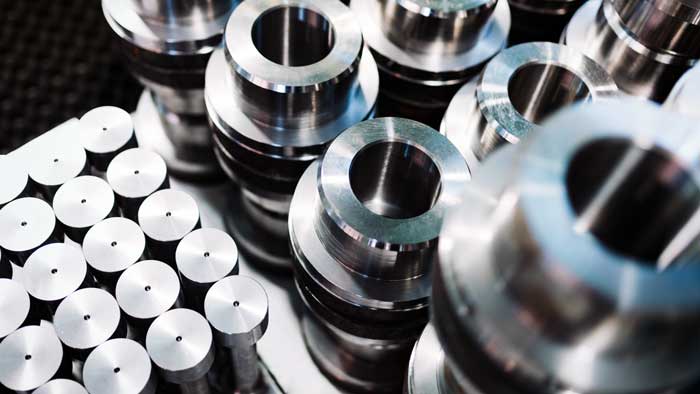
Advanced CNC Stainless Steel Machining Capabilities
Wuxi Lead Precision Machinery delivers uncompromising precision for mission-critical stainless steel components through integrated 5-axis CNC machining and metrology systems. Our technical foundation centers on HAAS UMC-750 and DMG MORI CTX beta 1250 5-axis platforms, engineered to conquer the unique challenges of austenitic and martensitic stainless alloys including 304, 316, 17-4PH, and custom superalloys. These machines eliminate secondary fixturing through simultaneous multi-axis motion, achieving complex geometries—such as impeller blades, medical instrument housings, and aerospace manifolds—with micron-level accuracy while minimizing thermal distortion during high-speed cutting. Rigorous material-specific protocols govern spindle speed, coolant pressure, and toolpath strategies to prevent work hardening and ensure surface integrity down to Ra 0.4 µm.
Precision Tolerance Specifications
| Feature Type | Standard Capability (mm) | Enhanced Capability (mm) |
|---|---|---|
| Linear Dimensions | ±0.010 | ±0.005 |
| Hole Diameter | ±0.012 | ±0.003 |
| Positional Tolerance | ±0.015 | ±0.008 |
| Flatness | 0.025 | 0.008 |
| True Position (Ø) | 0.030 | 0.010 |
These specifications reflect our baseline performance for features under 300 mm; capabilities scale proportionally for larger assemblies up to 1,200 mm. Tolerance consistency is maintained through real-time in-process probing and thermal compensation algorithms that counteract ambient fluctuations in our climate-controlled 22±1°C production floor.
Integrated Quality Assurance Protocol
Every stainless steel component undergoes mandatory CMM validation using Zeiss CONTURA and Hexagon GLOBAL S 121510 systems calibrated to ISO 17025 standards. Our inspection sequence begins with pre-machining material certification review, transitions to mid-process feature verification via Renishaw probes, and culminates in full 3D geometric dimensioning and tolerancing (GD&T) analysis against ASME Y14.5-2018 criteria. Critical aerospace and medical parts receive additional scrutiny through surface roughness testers and optical comparators to validate edge radii and micro-finish requirements. All inspection data is digitally archived with traceability to raw material heat numbers, providing auditable proof of conformance for regulated industries.
This closed-loop manufacturing ecosystem—combining 5-axis agility, material science expertise, and metrology-grade validation—ensures stainless steel parts meet the structural reliability and functional performance demanded by semiconductor, energy, and life science sectors. We consistently achieve first-article approval rates exceeding 98.5% through predictive process modeling that anticipates stainless steel’s springback and galling tendencies during machining. Partner with Wuxi Lead to transform demanding stainless steel designs into production-ready components with zero compromise on dimensional fidelity.
Material & Finish Options
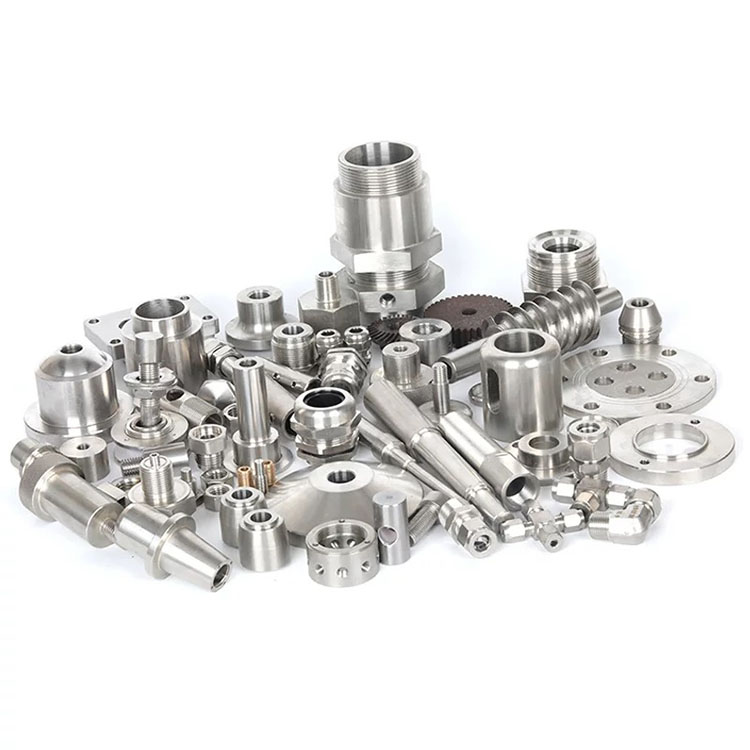
Material Selection for High-Precision CNC Stainless Steel Machining
Selecting the appropriate material is critical in precision CNC machining, particularly when engineering components for aerospace, medical, automotive, and industrial applications. While the focus at Wuxi Lead Precision Machinery often centers on CNC stainless steel machining, a comprehensive understanding of alternative high-performance materials—such as aluminum, steel, and titanium—ensures optimal performance, durability, and cost-efficiency for end-use parts.
Stainless steel remains a dominant choice due to its excellent corrosion resistance, high tensile strength, and ability to maintain integrity under extreme temperatures. Within the stainless steel family, grades such as 304, 316, and 17-4 PH offer varying balances of machinability, strength, and environmental resistance. 316 stainless steel, for example, contains molybdenum, enhancing its resistance to chlorides and making it ideal for marine and chemical processing environments. These materials are frequently specified when longevity and structural reliability are non-negotiable.
Aluminum, particularly 6061 and 7075 alloys, offers a compelling alternative where weight reduction is paramount. Despite lower density, aluminum maintains good strength-to-weight ratios and excellent machinability, allowing for faster production cycles and tighter tolerances. It is widely used in aerospace and transportation sectors. However, aluminum lacks the wear and corrosion resistance of stainless steel in harsh environments unless enhanced through surface treatments.
Titanium, notably Grade 5 (Ti-6Al-4V), delivers exceptional strength-to-density ratios and outstanding resistance to fatigue and corrosion, especially in saline or high-temperature conditions. Its biocompatibility makes it a preferred material in medical implants. However, titanium’s low thermal conductivity and high chemical reactivity pose machining challenges, requiring specialized tooling and slower cutting speeds—factors that increase production cost and cycle time.
Surface finishing further influences material performance. Anodizing, primarily applied to aluminum, enhances surface hardness, wear resistance, and corrosion protection while allowing for color coding. Type II (sulfuric acid) and Type III (hardcoat) anodizing are standard, with the latter providing thicker, more durable layers suitable for industrial applications. While stainless steel does not anodize, it benefits from passivation, electropolishing, or bead blasting to improve surface integrity and aesthetic consistency.
Below is a comparative overview of key material properties relevant to CNC machining:
| Material | Tensile Strength (MPa) | Density (g/cm³) | Corrosion Resistance | Machinability Rating | Common Finishes |
|---|---|---|---|---|---|
| Stainless Steel 304 | 505–860 | 8.0 | Excellent | Moderate | Passivation, Electropolishing |
| Stainless Steel 316 | 570–700 | 8.0 | Outstanding | Moderate | Passivation, Bead Blasting |
| Aluminum 6061 | 125–290 | 2.7 | Good | Excellent | Anodizing (Type II/III) |
| Titanium Ti-6Al-4V | 900–1,170 | 4.4 | Excellent | Poor | As-machined, Passivation |
At Wuxi Lead Precision Machinery, we guide clients through these material and finish selections based on functional requirements, environmental exposure, and production scalability. Our expertise in CNC stainless steel machining extends to optimizing tool paths, coolant strategies, and post-processing to ensure every component meets exacting international standards.
Manufacturing Process & QC
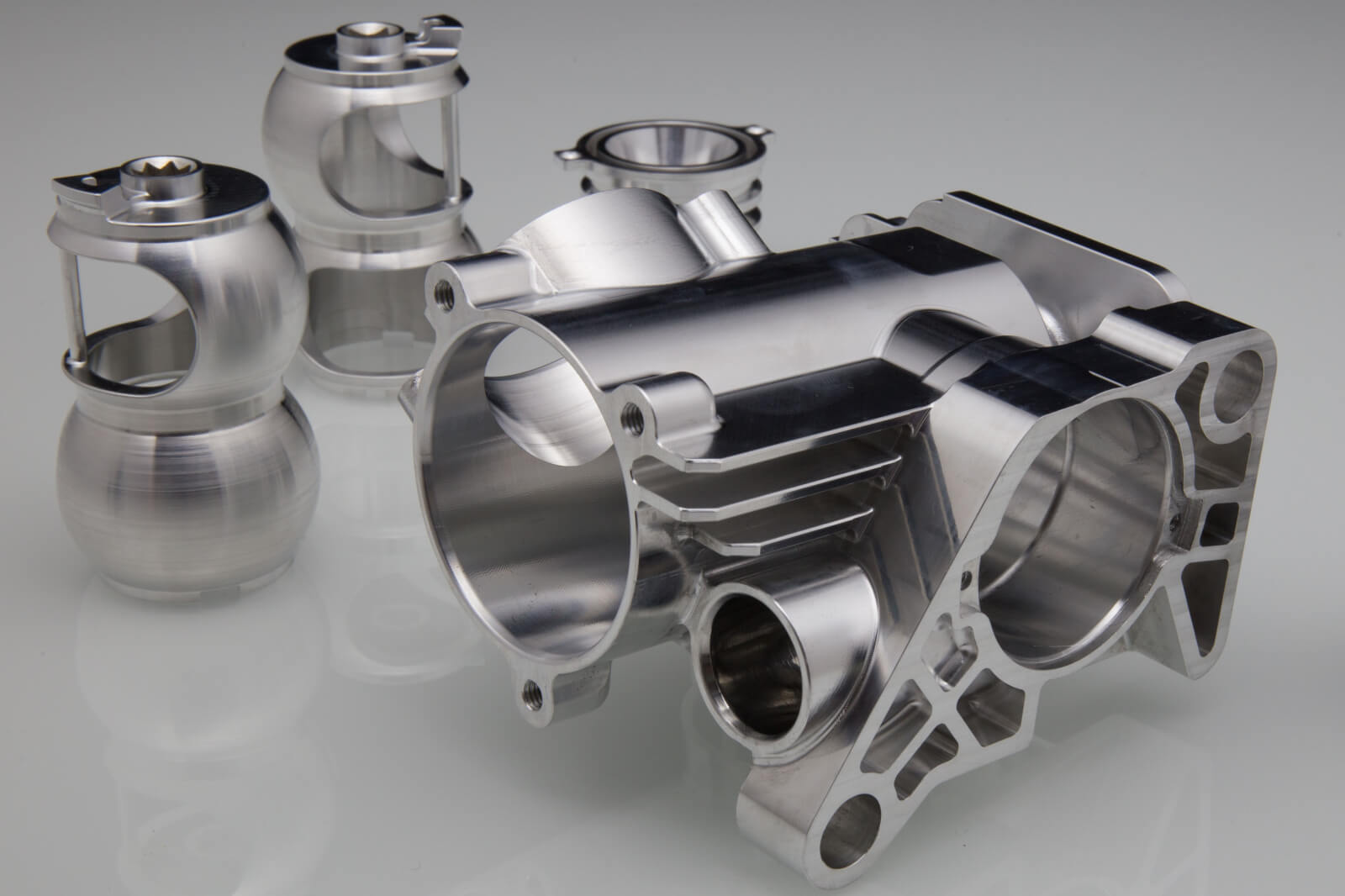
Precision CNC Stainless Steel Manufacturing: From Concept to Zero-Defect Production
At Wuxi Lead Precision Machinery, our CNC stainless steel machining process is engineered for uncompromising quality and repeatability, starting with meticulous design validation. We begin by rigorously reviewing client CAD/CAM files against material properties and manufacturability constraints. Our engineering team leverages advanced simulation software to identify potential stress points, thermal deformation risks, and toolpath inefficiencies specific to austenitic (304, 316) and martensitic (410, 420) stainless grades. This phase includes verifying material certifications (ASTM A276, AMS 5645) and ensuring geometric dimensioning and tolerancing (GD&T) align with functional requirements. Only after full digital validation do we proceed, eliminating downstream errors before metal is cut.
Prototyping serves as our critical physical verification stage. Using identical 5-axis CNC milling and turning centers designated for full production, we machine initial units under controlled parameters. Each prototype undergoes comprehensive metrology: coordinate measuring machine (CMM) scans validate all critical dimensions against the master CAD model, surface roughness testers confirm Ra values, and cross-sectional analysis checks internal integrity. We perform functional fit checks and material hardness verification. This step is not merely a sample run; it is a full process dry-run where we calibrate cutting speeds, coolant strategies, and in-process inspection protocols. Client feedback on prototypes triggers immediate process refinement, ensuring the production recipe is perfected.
Mass production executes the validated process with embedded zero-defect controls. Our Haas and DMG MORI machining centers operate under strict Statistical Process Control (SPC), with real-time monitoring of tool wear, vibration, and dimensional drift. Every 15-30 parts, automated CMM or vision systems perform first-article inspections on critical features. Full batch traceability is maintained via laser-etched part numbers linked to machine logs, tooling data, and inspection reports. Final inspection includes 100% visual examination for surface defects and random destructive testing of mechanical properties per ASTM standards. This closed-loop system, combined with operator certification and Six Sigma methodologies, ensures consistent output meeting the most stringent aerospace and medical requirements.
The following table defines our standard critical quality parameters for stainless steel components:
| Parameter | Standard Capability | High-Precision Capability | Verification Method |
|---|---|---|---|
| Dimensional Tolerance | ±0.01 mm | ±0.005 mm | CMM, Optical Comparator |
| Geometric Tolerance | ±0.02 mm | ±0.008 mm (GD&T) | CMM, Vision System |
| Surface Roughness (Ra) | 1.6 µm | 0.4 µm | Surface Profilometer |
| Material Certification | Mill Test Reports | Full Chemical/Mechanical | Third-Party Lab Reports |
| Batch Traceability | Lot Number | Individual Part Number | ERP System Audit Trail |
This integrated approach—grounded in proactive design analysis, physics-based prototyping, and statistically controlled mass production—eliminates defects at the source. Wuxi Lead delivers not just parts, but guaranteed performance, reducing your total cost of ownership through absolute reliability in every stainless steel component we machine.
Why Choose Wuxi Lead Precision
Partner with Lead Precision for Unmatched CNC Stainless Steel Machining Excellence
At Wuxi Lead Precision Machinery, we understand that precision, reliability, and consistency are non-negotiable in high-performance industrial applications. When your project demands the highest standards in CNC stainless steel machining, partnering with a trusted leader ensures your components meet exacting specifications—on time and to the highest quality benchmarks. As a premier provider of precision CNC machining services in China, we specialize in delivering engineered solutions tailored to aerospace, medical, energy, and advanced manufacturing sectors.
Our advanced manufacturing facility is equipped with state-of-the-art CNC milling, turning, and multi-axis machining centers, enabling us to handle complex geometries and tight tolerances with unwavering accuracy. Every stainless steel component we produce undergoes rigorous quality control, including CMM inspection, surface finish analysis, and material verification, ensuring full compliance with international standards such as ISO 9001 and AS9100.
We work with a wide range of stainless steel alloys—including 304, 316, 17-4 PH, and 440C—each selected for superior corrosion resistance, mechanical strength, and thermal stability. Whether your application requires high-volume production runs or low-volume, high-mix prototyping, our agile manufacturing systems and experienced engineering team ensure seamless scalability and rapid turnaround.
Partnering with Wuxi Lead Precision Machinery means gaining a collaborator committed to engineering excellence and operational transparency. From initial design review and DFM analysis to final inspection and global logistics, we provide end-to-end support with real-time project updates and open communication channels. Our engineers work closely with your team to optimize part design for manufacturability, reduce costs, and accelerate time-to-market.
We pride ourselves on building long-term relationships grounded in trust, precision, and performance. When your project demands flawless execution, you need a partner with proven expertise in high-tolerance stainless steel components. Our track record with global OEMs and Tier-1 suppliers reflects our commitment to exceeding expectations on every order.
Contact us today to discuss your CNC stainless steel machining requirements. Send your drawings and specifications to [email protected] and receive a detailed quotation within 24 hours. Let Wuxi Lead Precision Machinery become your strategic manufacturing partner in delivering precision-engineered solutions that stand the test of performance and time.
Key CNC Machining Specifications
| Parameter | Capability |
|---|---|
| Material Types | 304, 316, 17-4 PH, 440C, and other SS alloys |
| Tolerance | ±0.005 mm (±0.0002″) |
| Surface Finish | Ra 0.8 µm (32 µin) standard, down to Ra 0.2 µm |
| Maximum Work Envelope | 1200 x 800 x 600 mm (47 x 31.5 x 23.6 in) |
| Axis Machining | 3-axis, 4-axis, 5-axis simultaneous |
| Secondary Operations | Deburring, passivation, polishing, laser marking |
| Quality Standards | ISO 9001, ISO 13485, AS9100 (upon request) |
| Lead Time (Typical) | 7–15 days, expedited options available |
⚙️ Precision Cost Estimator
Estimate relative manufacturing effort based on tolerance.