

Technical Contents
Engineering Guide: Cnc Prototype Service Georgia
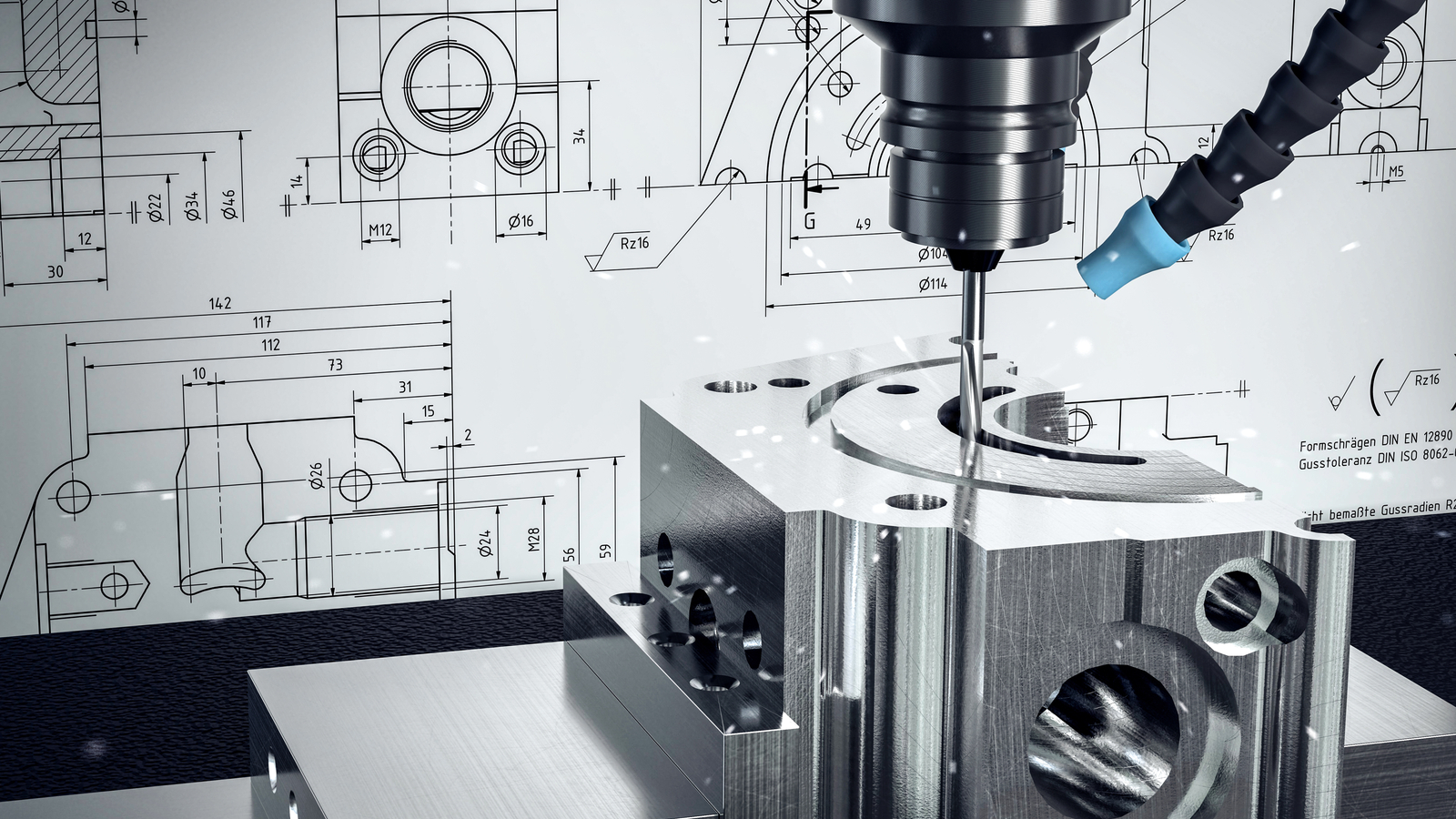
Engineering Insight: CNC Prototype Services in Georgia – The Role of Precision in High-Stakes Manufacturing
When evaluating CNC prototype services in Georgia, engineering teams and procurement managers must recognize that precision is not merely a performance metric—it is a foundational requirement for product integrity, regulatory compliance, and time-to-market success. In industries such as aerospace, defense, medical devices, and advanced automation, even micron-level deviations can cascade into system failures, costly redesigns, or safety risks. As global supply chains evolve, companies in Georgia seeking high-precision prototyping are increasingly partnering with offshore leaders like Wuxi Lead Precision Machinery, where uncompromising accuracy is backed by proven experience in mission-critical applications.
At Wuxi Lead, precision is engineered into every phase of the CNC prototyping process. Our facility in Wuxi, China, operates under ISO 9001 and IATF 16949 standards, with a technical team that has delivered components for Olympic-grade motion control systems and classified military equipment. These projects demanded not only sub-micron tolerances but also rigorous material traceability, environmental resilience, and zero-defect validation. This level of discipline directly benefits clients in Georgia who require prototypes that perform as true functional representatives of final production units.
CNC prototyping is fundamentally different from volume machining. It requires adaptive programming, rapid setup, and materials flexibility—all while maintaining tight tolerances. At Lead Precision, we utilize 5-axis CNC machining centers with automated tool calibration and in-process probing systems that ensure dimensional consistency across aluminum, titanium, PEEK, and other advanced alloys and polymers. Our engineers apply Design for Manufacturability (DFM) principles during the quoting phase, reducing iteration cycles and accelerating prototype validation.
For Georgia-based innovators, partnering with a globally certified precision shop like Wuxi Lead means access to military-grade quality without domestic premium pricing. We support fast turnaround times—often delivering functional prototypes within 7 to 12 business days—while maintaining full documentation, including first-article inspection reports (FAIR), coordinate measuring machine (CMM) data, and material certifications.
Below are key technical capabilities that define our CNC prototype service:
| Specification | Detail |
|---|---|
| Positional Accuracy | ±0.002 mm |
| Repeatability | ±0.001 mm |
| Maximum Work Envelope | 1200 x 800 x 600 mm |
| Materials Supported | Aluminum (6061, 7075), Stainless Steel (303, 316), Titanium (Gr 5), PEEK, Delrin, Brass |
| Surface Finish | As low as Ra 0.4 μm (polished to Ra 0.1 μm) |
| Inspection Equipment | Zeiss CMM, Optical Comparator, Surface Roughness Tester |
| Lead Time (Prototype) | 7–12 days (including QC and shipping) |
Precision in prototyping is not an incremental advantage—it is the threshold for credibility in high-performance engineering. For companies across Georgia’s growing advanced manufacturing corridor, Wuxi Lead Precision Machinery offers a strategic alternative: globally proven expertise, military-grade standards, and CNC prototype services engineered for real-world performance.
Precision Specs & Tolerances
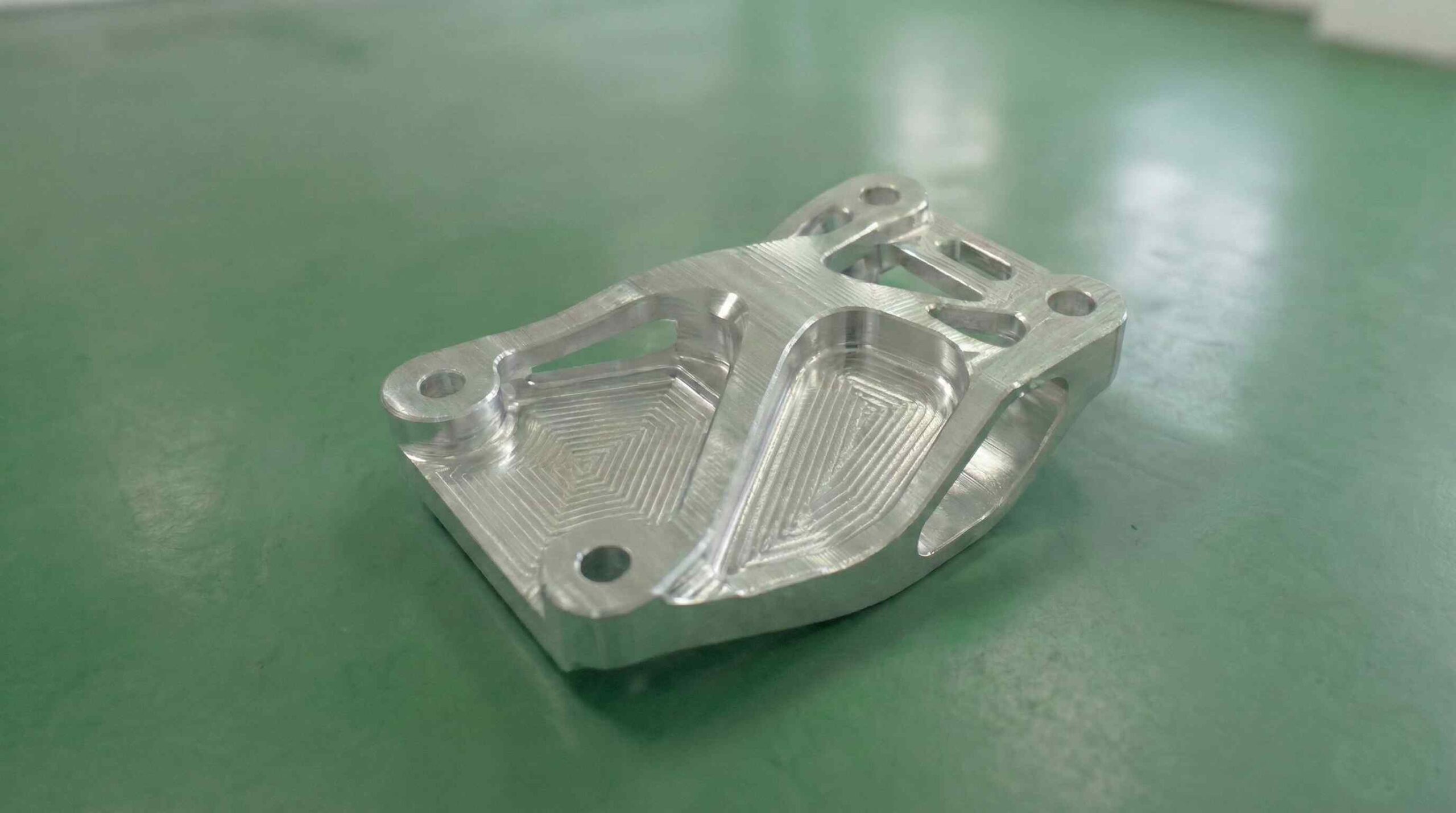
Technical Capabilities for Precision CNC Prototyping
Wuxi Lead Precision Machinery delivers advanced CNC prototype services engineered to meet the stringent demands of Georgia’s aerospace, medical device, and industrial equipment sectors. Our core strength lies in high-precision 5-axis CNC machining, enabling the production of complex geometries with exceptional accuracy and surface finish in a single setup. This capability eliminates multiple fixture changes, significantly reducing lead times and potential error sources inherent in prototype development. Our Haas and DMG MORI 5-axis vertical machining centers feature high-speed spindles (up to 24,000 RPM) and rigid construction, ensuring stability during intricate contouring and deep cavity milling operations critical for functional prototypes. We routinely machine challenging materials including aerospace-grade aluminum alloys (7075-T6, 2024), medical titanium (Ti-6Al-4V), stainless steels (17-4PH, 316L), and high-performance engineering plastics (PEEK, ULTEM), maintaining tight tolerances even on thin-walled or delicate features.
Rigorous quality control is integral to our prototype process, ensuring dimensional integrity and functional reliability from the first article. Every critical prototype undergoes comprehensive inspection using state-of-the-art Coordinate Measuring Machines (CMMs), including a 1000x700x600mm GLOBAL S series system with PC-DMIS software. This provides full 3D verification against CAD models, generating detailed inspection reports with GD&T analysis. Our quality management system is ISO 9001:2015 certified, with CMMs calibrated annually to ISO/IEC 17025 standards. Dimensional validation extends beyond final parts; we implement in-process checks during machining for high-complexity prototypes, ensuring deviations are corrected immediately. Surface roughness is verified using portable profilometers, and material certifications are provided with every shipment, offering complete traceability for Georgia clients requiring stringent regulatory compliance.
The following table details our standard and precision tolerance capabilities across common prototype materials, reflecting achievable results under controlled production conditions with appropriate fixturing and material stability:
| Material Category | Standard Tolerance (mm) | Precision Tolerance (mm) | Notes |
|---|---|---|---|
| Aluminum Alloys | ±0.05 | ±0.0125 | Achievable on features <150mm; stress-relieved stock recommended for precision |
| Carbon & Stainless Steel | ±0.05 | ±0.01 | Precision requires pre-machined stress relief; excludes cast/forged stock |
| Titanium Alloys | ±0.05 | ±0.015 | Precision tolerance dependent on part geometry and wall thickness |
| Engineering Plastics | ±0.08 | ±0.025 | Material moisture content and thermal stability significantly impact precision |
This technical foundation ensures Georgia-based engineering teams receive prototypes that accurately validate design intent, perform reliably in testing, and seamlessly transition toward production. Our integration of 5-axis flexibility, material expertise, and metrology-grade inspection provides the confidence necessary for critical design iterations, directly supporting accelerated product development cycles within Georgia’s advanced manufacturing ecosystem. We prioritize first-time-right execution to minimize costly redesign loops for our clients.
Material & Finish Options
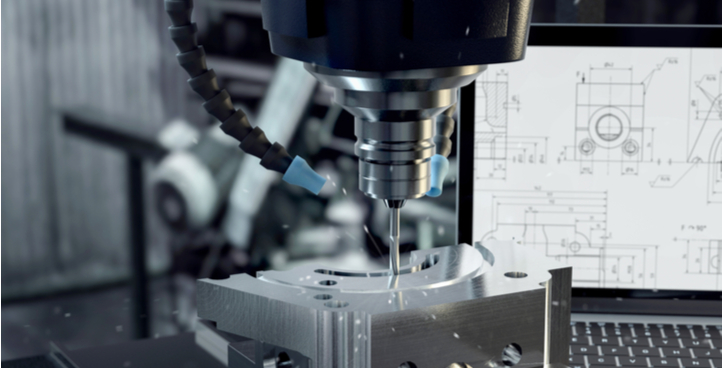
Material selection is a critical step in the CNC prototyping process, directly influencing performance, durability, and cost-efficiency. For high-precision applications in industries such as aerospace, medical, and advanced manufacturing, understanding the mechanical properties and finishing compatibility of aluminum, steel, and titanium is essential. At Wuxi Lead Precision Machinery, we guide engineering teams in Georgia and across North America through informed material decisions tailored to functional requirements, environmental exposure, and production scalability.
Aluminum remains the most widely used material in CNC prototyping due to its excellent strength-to-weight ratio, machinability, and thermal conductivity. Grade 6061-T6 is ideal for general-purpose prototypes, offering good weldability and corrosion resistance. For higher strength demands, 7075-T6 provides superior mechanical performance, often used in aerospace components. Aluminum’s compatibility with anodizing enhances surface hardness and wear resistance while allowing for color coding and improved aesthetics.
Steel, particularly in the form of 303, 304, and 17-4 PH stainless variants, is selected when higher strength, wear resistance, and structural integrity under load are required. 303 stainless steel offers improved machinability for complex geometries, while 304 provides excellent corrosion resistance for medical and food-grade applications. 17-4 PH stainless steel delivers high strength through heat treatment, making it suitable for high-stress industrial and defense prototypes. Although steel cannot be anodized, surface treatments such as passivation, powder coating, or plating are available to enhance durability.
Titanium, specifically Grade 5 (Ti-6Al-4V), is the premium choice for applications demanding exceptional strength-to-density ratios and resistance to extreme environments. Common in aerospace, defense, and medical implant development, titanium offers outstanding corrosion resistance and biocompatibility. While more challenging to machine due to its low thermal conductivity and high chemical reactivity, our advanced CNC systems ensure precision and surface integrity. Titanium can undergo anodizing for both protective and decorative purposes, with voltage-controlled coloring options.
Anodizing is a key surface treatment for aluminum and titanium prototypes, creating a durable, non-conductive oxide layer that improves wear and corrosion resistance. Type II (sulfuric acid) anodizing is standard for aluminum, allowing dye absorption for identification. Type III (hardcoat) anodizing provides a thicker, harder layer suitable for high-wear applications. For titanium, anodizing produces vibrant, interference-based colors without dyes, useful for part differentiation in assemblies.
Below is a comparative overview of key material properties and finishing options.
| Material | Common Grades | Tensile Strength (MPa) | Density (g/cm³) | Corrosion Resistance | Anodizing Compatible |
|---|---|---|---|---|---|
| Aluminum | 6061-T6, 7075-T6 | 310–570 | 2.7 | Good to Excellent | Yes (Type II & III) |
| Stainless Steel | 303, 304, 17-4 PH | 500–1300 | 7.9 | Excellent | No |
| Titanium | Grade 5 (Ti-6Al-4V) | 900–1000 | 4.5 | Excellent | Yes (decorative/protective) |
Selecting the right material and finish ensures your CNC prototype performs reliably through testing and scales effectively into production. Wuxi Lead Precision Machinery supports Georgia-based innovators with expert consultation, precision machining, and surface treatment integration for optimal prototype outcomes.
Manufacturing Process & QC
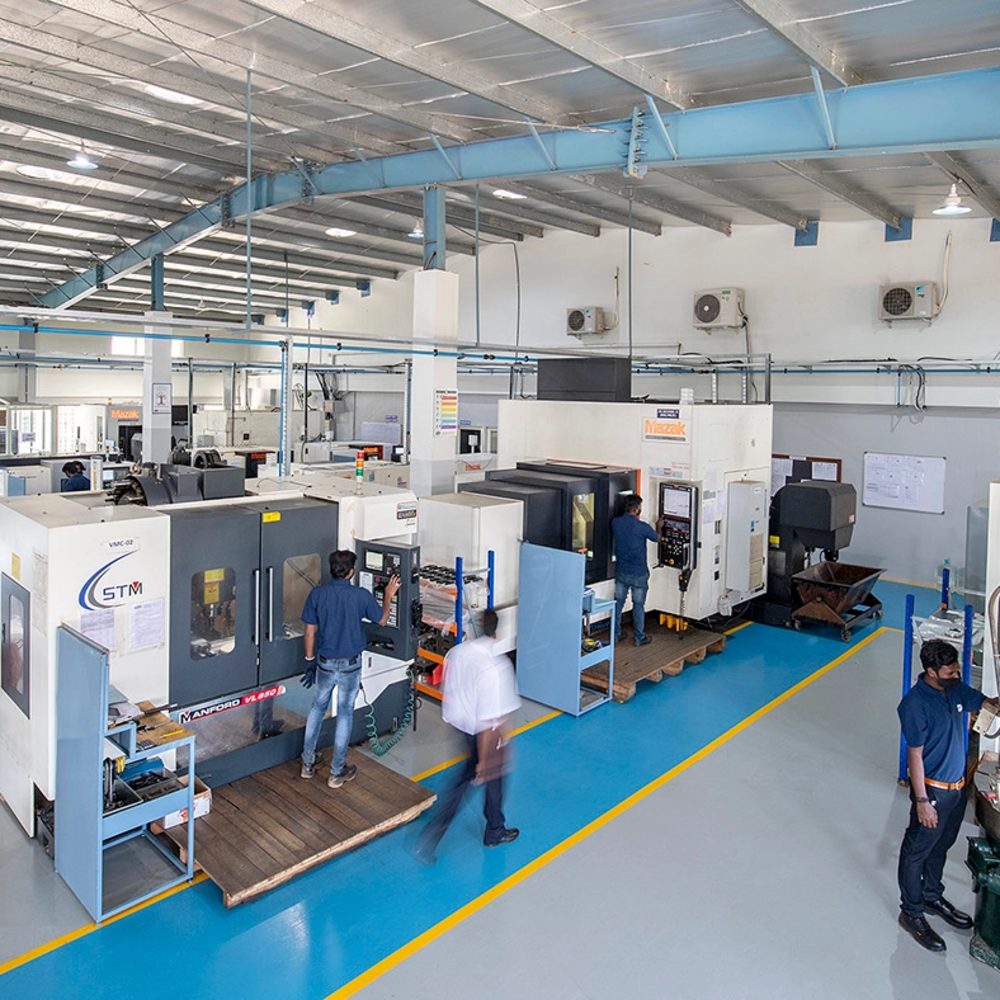
Precision CNC Prototype to Production Workflow: Zero Defects Guaranteed
At Wuxi Lead Precision Machinery, we deliver seamless transition from concept to volume production for Georgia’s demanding aerospace, medical, and industrial sectors. Our integrated process eliminates traditional prototyping bottlenecks, ensuring your CNC prototype service in Georgia meets exacting specifications before scaling to mass production. Every component undergoes rigorous validation against AS9100 and ISO 13485 standards, with zero defects as the non-negotiable outcome.
The journey begins with collaborative Design for Manufacturability (DFM) analysis. Our engineers review CAD models for geometric feasibility, material optimization, and toolpath efficiency, identifying potential flaws before metal is cut. This phase reduces iteration cycles by 40% and prevents costly downstream revisions. Upon approval, we proceed to prototyping using 5-axis CNC milling and turning centers with sub-micron repeatability. Prototypes are machined from your specified production-grade materials—including titanium alloys, Inconel, and medical polymers—to validate form, fit, and function under real-world conditions. Critical dimensions undergo first-article inspection via Zeiss CMM and optical comparators, with full GD&T reporting provided within 72 hours.
Only after prototype sign-off do we initiate mass production. Our Georgia-optimized workflow leverages automated pallet systems and real-time process monitoring to maintain ±0.0002″ tolerances across batches. In-process gauging at every 50-part interval ensures statistical process control, while final inspection cross-references 100% of features against your blueprint. This closed-loop methodology, combined with our Atlanta logistics hub for rapid US delivery, guarantees defect-free components ready for assembly.
Key Production Specifications
| Parameter | Capability | Industry Standard |
|---|---|---|
| Tolerances | ±0.0002″ (5 µm) | ±0.001″ (25 µm) |
| Materials | Titanium, Inconel 718, PEEK, 17-4PH, Aluminum 7075 | Common Alloys Only |
| Max Work Envelope | 2000 x 1000 x 800 mm | 1000 x 500 x 400 mm |
| Lead Time (Prototype) | 5-7 business days | 10-14 days |
| Quality Protocol | AS9100D/ISO 13485 Full Traceability | ISO 9001 Basic |
Our Georgia clients benefit from dedicated project management that synchronizes every phase—from initial DFM through Atlanta-based shipping. By embedding quality at each step rather than inspecting defects out, we achieve 99.98% first-pass yield rates. This precision-engineered workflow transforms prototyping from a risk point into your competitive advantage, ensuring production readiness without compromise. Contact our Georgia support team to initiate a zero-defect manufacturing partnership.
Why Choose Wuxi Lead Precision
Partner with Lead Precision for Unmatched CNC Prototype Services
When your project demands precision, speed, and reliability in CNC prototype manufacturing, aligning with a globally trusted partner is essential. At Wuxi Lead Precision Machinery, we specialize in delivering high-accuracy CNC prototype services tailored to the rigorous standards of industries such as aerospace, medical devices, automotive engineering, and advanced industrial equipment. Our strategic location in Wuxi, China, positions us as a cost-effective yet technologically advanced alternative to domestic manufacturing in Georgia and across the United States—without compromising on quality or delivery timelines.
Our facility is equipped with state-of-the-art 3-, 4-, and 5-axis CNC machining centers, supported by automated tooling systems and real-time quality monitoring. Every prototype is machined from premium-grade materials including aluminum alloys, stainless steel, titanium, brass, and engineering plastics, ensuring that your design performs under real-world conditions. We adhere to strict ISO 9001 quality management protocols and provide full traceability, first-article inspection reports (FAIR), and PPAP documentation upon request.
What sets Wuxi Lead Precision Machinery apart is our engineering-first approach. Our team of CNC specialists collaborates directly with your design and R&D departments to optimize manufacturability, reduce lead times, and minimize material waste—often before the first cut is made. Whether you’re iterating a single prototype or preparing for low-volume production runs, our agile manufacturing ecosystem scales with your needs.
We understand that time-to-market is critical. That’s why our average turnaround for CNC prototypes is just 5 to 7 business days, with expedited options available. All shipments are securely packed and delivered via DHL, FedEx, or your preferred carrier, with full tracking and customs documentation handled seamlessly by our logistics team.
Below are the key technical capabilities that define our CNC prototype service:
| Specification | Detail |
|---|---|
| Machining Types | 3-axis, 4-axis, 5-axis CNC milling, CNC turning, mill-turn |
| Tolerances | As tight as ±0.005 mm (±0.0002″) |
| Maximum Work Envelope | 1200 x 600 x 500 mm (47 x 23.6 x 19.7 in) |
| Materials | Aluminum (6061, 7075), Stainless Steel (303, 304, 316), Titanium (Gr2, Gr5), Brass, PEEK, Delrin, and more |
| Surface Finishes | As-machined, anodizing (Type II & III), powder coating, passivation, polishing, bead blasting |
| Quality Standards | ISO 9001:2015, FAIR, PPAP, First Article Inspection, CMM reporting |
Your next-generation product deserves a manufacturing partner that combines precision engineering with global scalability. We invite engineering teams, product developers, and procurement managers to contact us today to discuss how Wuxi Lead Precision Machinery can support your CNC prototype requirements with unmatched accuracy and responsiveness.
For project inquiries, technical collaboration, or quoting requests, email us at [email protected]. Let’s build the future—together.
⚙️ Precision Cost Estimator
Estimate relative manufacturing effort based on tolerance.