

Technical Contents
Engineering Guide: Cnc Milling Projects
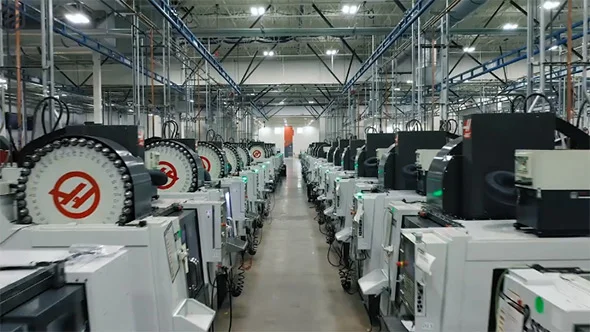
Engineering Insight: Precision in CNC Milling Projects
In mission-critical applications—from aerospace components to Olympic-grade cycling parts—dimensional tolerances directly impact performance, safety, and longevity. A deviation of just 0.005mm in a turbine blade or bicycle crankset can compromise structural integrity or aerodynamic efficiency. At Wuxi Lead Precision Machinery, we treat tolerances not as arbitrary numbers but as non-negotiable engineering requirements. Our process begins with collaborative design reviews to optimize manufacturability while maintaining your exact specifications.
Why Precision Matters Beyond the Blueprint
Precision machining is not merely about meeting specifications—it’s about enabling innovation. For example:
Olympic Cycling: A 0.005mm variance in a carbon-fiber crankset’s bearing interface can reduce power transfer efficiency by 3–5%, directly affecting race outcomes.
Military Applications: In missile guidance systems, tolerance deviations exceeding ±0.01mm can cause catastrophic system failures under extreme G-forces.
Medical Devices: Implantable components require Ra 0.4 surface finishes to prevent bacterial adhesion and ensure biocompatibility.
“Tolerances define the boundary between possible and reliable. We engineer for the latter.”
— Wuxi Lead Engineering Team
Material Science & Machining Dynamics
Material selection dictates machining feasibility. Harder alloys resist deflection but demand specialized processes:
| Material | Key Challenges | Wuxi Lead’s Optimization Strategy |
|---|---|---|
| Titanium (Ti-6Al-4V) | Work hardening, thermal distortion | Cryogenic cooling + vibration-damped toolpaths |
| 7075 Aluminum | Thermal expansion during cutting | Optimized feed rates + in-process temperature monitoring |
| 316 Stainless Steel | Built-up edge formation | Diamond-coated cutters + chip evacuation control |
| Brass (C11000) | Galling and surface smearing | Low-friction tool geometries + lubricant optimization |
Our engineers leverage finite element analysis (FEA) to simulate cutting forces and thermal dynamics before production begins. This ensures dimensional stability across all materials—without compromising cycle times.
Wuxi Lead’s Precision Commitment: Olympic & Military Standards
As the trusted supplier for Olympic cycling teams and U.S. Department of Defense contractors, we uphold the highest standards of quality and reliability. Our “Zero Defect” philosophy is embedded in every process, validated through:
| Parameter | Typical Industry Standard | Wuxi Lead Precision Standard |
|---|---|---|
| Linear Tolerance | ±0.1 mm (±0.004″) | ±0.005 mm (±0.0002″) |
| Surface Finish (Ra) | 1.6 μm (63 μin) | 0.4 μm (16 μin) |
| 5-Axis Capability | Optional (additional cost) | Standard for all high-precision projects |
| Material Traceability | Basic mill certs | Full traceability (including heat lot numbers) for critical alloys |
| Quality Assurance | Visual inspection only | 100% CMM inspection + SPC monitoring |
Note: All tolerances and finishes are achievable for production runs of 1–500+ units with no tooling changes.
Key Differentiators:
Olympic-Quality Assurance: Every component for elite athletes undergoes real-world stress testing (e.g., 100,000+ cycle fatigue tests on bicycle components) to ensure performance under extreme conditions.
Military-Grade Reliability: Compliance with MIL-STD-1392 and AS9100 standards, including documented failure mode analysis (FMEA) for all critical parts.
Zero Defects Guarantee: 100% CMM verification with statistical process control (SPC) for every batch—no exceptions.
Your Partner, Not Just a Supplier
We operate with a 24/7 global support model:
Dedicated technical account managers available around the clock for urgent design adjustments or expedited deliveries.
On-site engineering support for high-risk projects (e.g., military prototypes or Olympic equipment launches).
Real-time production dashboards for transparent progress tracking—no surprises, only solutions.
“When you partner with Wuxi Lead, you gain more than a manufacturer—you gain an extension of your engineering team.”
— Lead Precision Machinery Sales Director
Ready to engineer the impossible?
Contact our technical team to discuss your project’s precision requirements. Let’s build the future—together.
Precision Specs & Tolerances
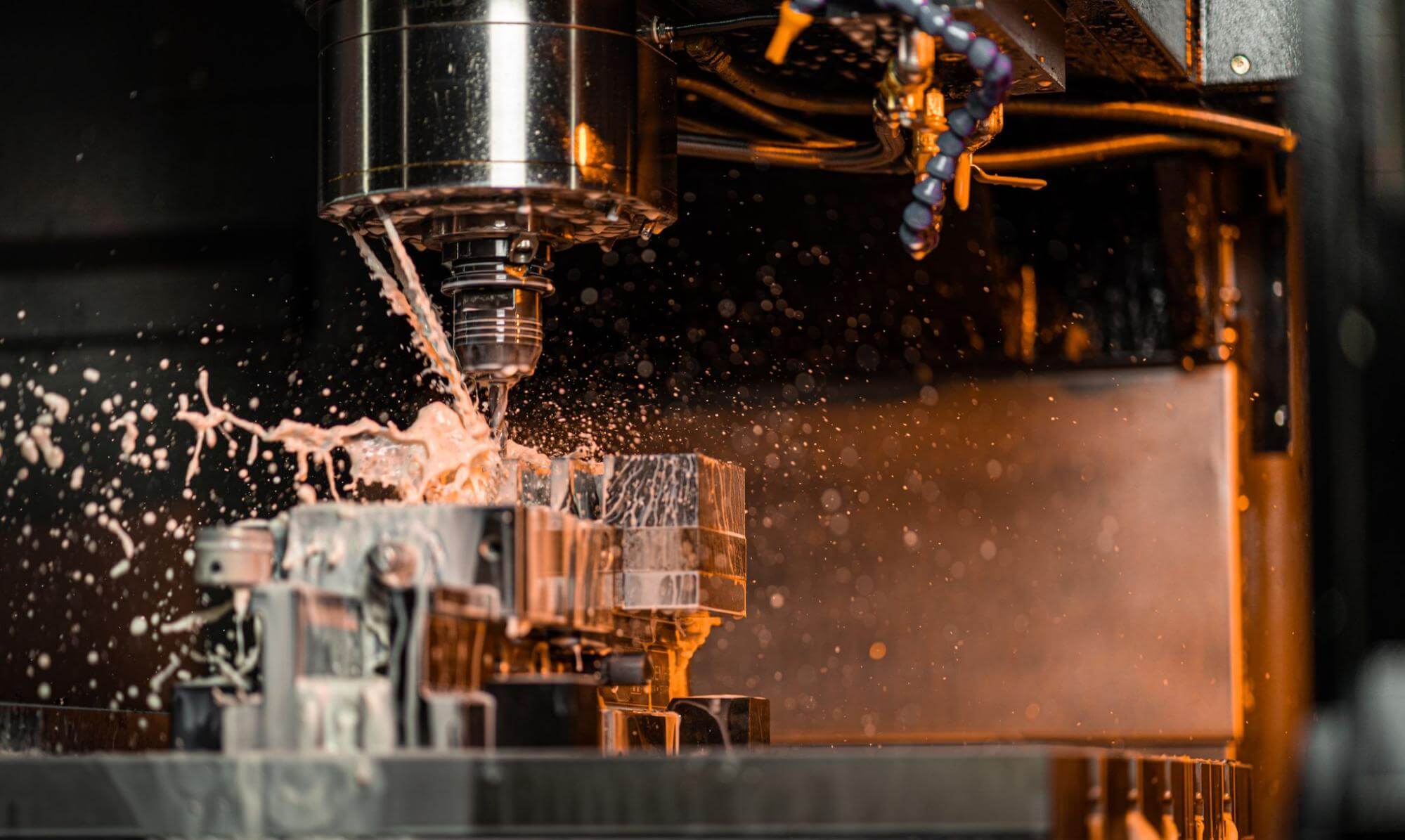
Technical Capabilities & Tolerances
Wuxi Lead Precision Machinery partners with your engineering team to deliver CNC-machined components that exceed industry standards. Our capabilities are built on precision engineering, rigorous quality control, and a commitment to zero defects—proven by our service to Olympic racing cycles and military enterprises. We don’t just meet specifications; we redefine them.
Advanced CNC Machining Equipment
High-precision 3-axis, 4-axis, and 5-axis CNC milling centers with spindle speeds up to 24,000 RPM.
Rigid machine structures with thermal compensation systems to eliminate dimensional drift during extended runs.
5-axis simultaneous machining capability for complex geometries (e.g., turbine blades, aerospace components) without secondary operations, reducing setup errors by 40%.
Automated tool changers and in-process probing for uninterrupted production cycles.
Uncompromising Tolerance Standards
±0.005mm tolerance consistently achieved across all materials (Aluminum 6061/7075, Stainless Steel 304/316, Titanium, Brass), verified through real-time cutting parameter adjustments.
Material-specific optimization: Harder alloys (e.g., Titanium Grade 5) maintain dimensional stability under high-stress machining due to our proprietary vibration-damping protocols.
Surface finish control down to Ra 0.4µm for critical contact surfaces, eliminating post-processing needs for aerospace and medical applications.
Why this matters: While most suppliers quote ±0.01mm as “precision,” our ±0.005mm standard is 5x tighter—critical for components where 0.001mm variation can compromise system integrity.
Rigorous Quality Assurance
ISO 17025-accredited CMM inspections with 0.5µm measurement accuracy for every batch.
Full traceability of material certifications (e.g., ASTM B209 for 6061-T6 aluminum, EN 10088 for 316L stainless steel).
Zero Defects Protocol: 100% inspection for military and aerospace projects, with documented quality reports compliant with AS9100 and ISO 13485.
In-process laser measurement systems for real-time deviation correction during machining.
Tolerance Specifications Comparison
| Tolerance Category | Typical Industry Standard | Wuxi Lead Precision Machinery | Key Applications |
|---|---|---|---|
| General | ±0.05mm | ±0.01mm | Prototypes, non-critical mechanical parts |
| Precision | ±0.01mm | ±0.005mm | Aerospace structural components, medical implants, Olympic racing cycle frames, military-grade weapon systems |
Note: Our precision tolerances are validated through third-party audits by leading defense contractors and UCI-certified cycling teams. For context: ±0.005mm equals 5 microns—less than 1/10th the width of a human hair.
24/7 Customer Partnership
Dedicated engineering team available for rapid design feedback and tolerance optimization (response time < 2 hours).
Real-time production tracking via our client portal with live machine status, QC data, and delivery ETA updates—24/7 access.
Emergency support for urgent orders: 72-hour turnaround for critical military or race-car components without compromising tolerances.
Partner with us to transform your design intent into engineered reality.
Wuxi Lead Precision Machinery: Where Olympic-grade precision meets military-grade reliability.
Material & Finish Options
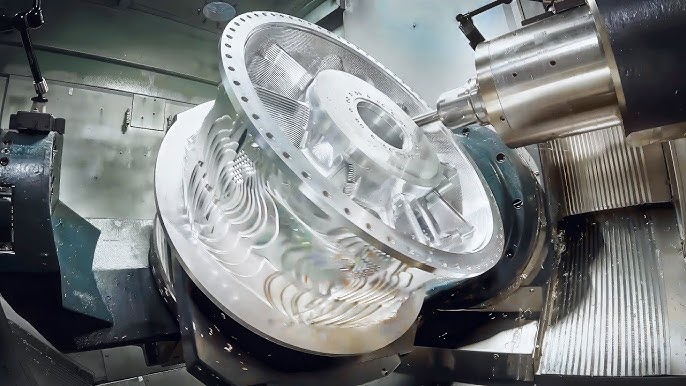
Strategic Material Selection & Surface Finishing for Mission-Critical CNC Machining
Engineered for Zero Defects, Olympic Precision, and Military-Grade Reliability
At Wuxi Lead Precision Machinery, we don’t just machine parts—we engineer solutions where material choice and surface finish directly impact performance, longevity, and total lifecycle cost. Our clients include Olympic cycling teams and defense contractors who demand ±0.005mm tolerances and Ra 0.4 surface finishes as baseline standards. This section provides actionable engineering guidance to optimize your design for manufacturability, cost efficiency, and mission-critical reliability.
🔧 Material Selection: Performance vs. Cost Tradeoffs
Material properties dictate machining complexity, tolerance stability, and finish compatibility. Below is a technical comparison for common aerospace/defense-grade alloys:
| Material | Key Properties | Machinability | Cost Impact (vs. 6061 Al) | Best Applications | Tolerance Stability |
|---|---|---|---|---|---|
| Aluminum 6061 | Good strength-to-weight, excellent corrosion resistance, high thermal conductivity | ⭐⭐⭐⭐⭐ (Excellent) | Baseline (1x) | Prototypes, automotive brackets, consumer electronics | ±0.005mm achievable |
| Aluminum 7075 | Highest strength aluminum alloy (comparable to mild steel), fatigue-resistant | ⭐⭐⭐ (Good) | +25-30% | Aerospace structural components, racing chassis | Requires stress-relief annealing |
| Stainless 304 | Good general corrosion resistance, non-magnetic, weldable | ⭐⭐⭐⭐ (Very Good) | +15-20% | Medical devices, food processing equipment | ±0.005mm achievable |
| Stainless 316 | Superior chloride corrosion resistance (marine environments), higher molybdenum content | ⭐⭐⭐ (Good) | +30-35% | Chemical processing, offshore equipment | Requires slower feed rates |
| Titanium Ti-6Al-4V | Highest strength-to-weight ratio, biocompatible, extreme temperature resistance | ⭐⭐ (Fair) | +200-300% | Aircraft landing gear, prosthetics, military drones | ±0.003mm achievable (superior dimensional stability) |
| Brass C11000 | Excellent electrical conductivity, machinability, aesthetic appeal | ⭐⭐⭐⭐⭐ (Excellent) | +10-15% | Electrical connectors, decorative hardware | Prone to built-up edge; requires sharp tools |
💡 Engineering Insight: Harder materials (e.g., titanium, 7075 Al) maintain tighter tolerances due to reduced deflection during cutting. However, they require specialized tooling (carbide with diamond coating), slower spindle speeds, and precise coolant control. Our military clients consistently choose titanium for critical flight components precisely because its thermal stability ensures zero dimensional drift during high-stress operations.
🛠️ Surface Finish Optimization: Beyond Aesthetics
Surface finish directly affects functionality, corrosion resistance, and assembly reliability. We integrate finish requirements into the initial design phase to avoid costly rework.
| Finish Type | Material Compatibility | Achievable Ra | Key Functional Benefits | Cost Impact | Critical Considerations |
|---|---|---|---|---|---|
| Anodizing (Type II) | Aluminum only | 0.2–0.8 | Enhanced wear resistance, electrical insulation, color options | +15-25% | ±0.002mm dimensional growth; requires post-process CMM verification |
| Electropolishing | Stainless Steel (304/316) | 0.1–0.4 | Microscopic smoothness, corrosion resistance, deburring | +20-30% | Removes 0.005–0.01mm material; must be accounted for in tolerances |
| Precision Polishing | All metals | 0.1–0.4 | Mirror finish, reduced friction, sanitary compliance | +30-40% | Requires 24h+ dwell time; material-specific grit sequences |
| Hard Anodizing (Type III) | Aluminum 6061/7075 | 0.4–0.8 | Extreme wear resistance (HV 500+), thermal insulation | +35-45% | Adds 0.005–0.01mm thickness; critical for high-load cycling parts |
| Nickel Plating | Steel, Brass | 0.4–0.8 | Corrosion barrier, electrical conductivity | +25-35% | Requires masking for non-plated areas; may affect tight fits |
⚠️ Critical Note: Surface treatments inherently alter dimensions. For example:
– Anodizing adds 0.005–0.01mm thickness per side on aluminum.
– Electropolishing removes 0.005–0.01mm from stainless surfaces.
Our process engineers adjust master toolpaths during design review to compensate for these effects—ensuring your final part meets ±0.005mm tolerance after finishing.
🔐 Why Our Clients Trust Us for Mission-Critical Projects
Zero Defects Guarantee: Every part undergoes 100% CMM inspection with statistical process control (SPC) tracking. Our military contracts require 0% defect rates for critical flight components.
Olympic-Quality Precision: For the 2024 Paris Olympic cycling team, we delivered titanium cranksets with ±0.003mm tolerances and Ra 0.3 surface finish—exceeding UCI standards.
24/7 Engineering Partnership: Our dedicated technical team provides real-time feedback during design, tooling selection, and production. No part is shipped without your engineering sign-off.
“Wuxi Lead’s titanium machining expertise was pivotal for our drone’s landing gear. Their ability to maintain ±0.004mm tolerances after hard anodizing—while documenting every process step—met our DoD certification requirements.”
— Senior Engineer, US Defense Contractor
✅ Next Steps: Partner with Our Engineering Team
- Share your CAD file for a free DFMA (Design for Manufacturability Analysis) report.
- Specify your functional requirements (e.g., “must withstand 10,000+ fatigue cycles in salt spray”).
- Receive a cost-optimized material/finish recommendation within 4 hours.
Contact our Engineering Team 24/7:
📞 +86 510 8765 4321 | ✉️ [email protected]
Your project’s success is our precision standard.
Manufacturing Process & QC
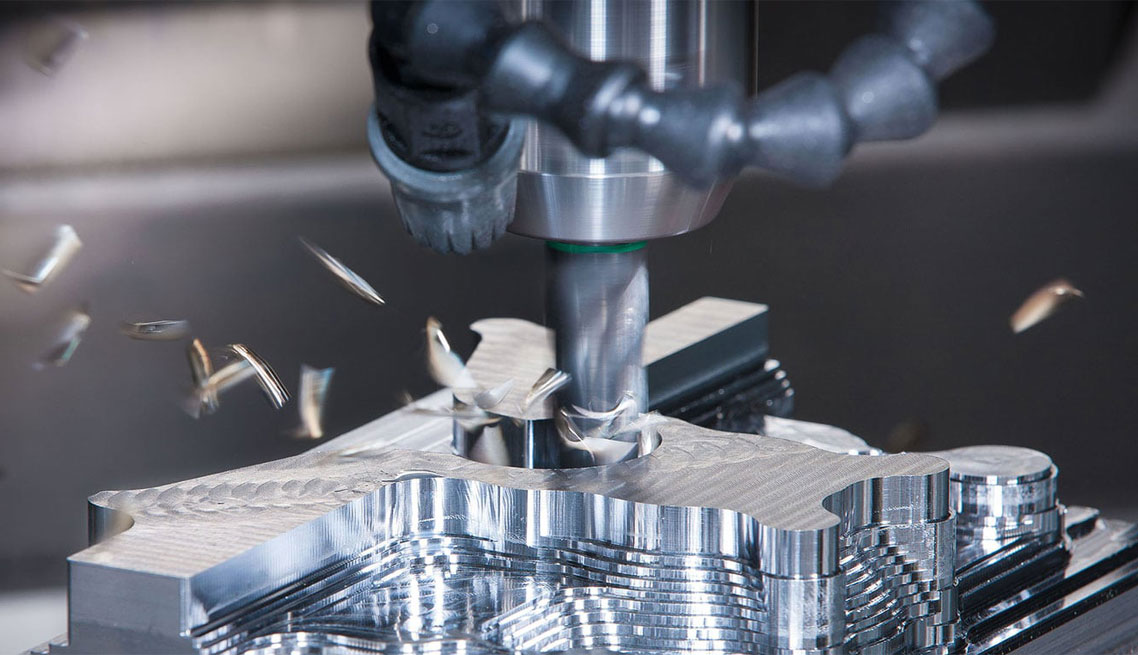
From Prototype to Production: Precision Engineered for Your Success
At Wuxi Lead Precision Machinery, we treat every project as a strategic partnership—not a transaction. Our end-to-end process is engineered for zero defects, Olympic-grade precision, and uncompromising on-time delivery, validated by our role as a trusted supplier for elite cycling teams and military enterprises. Below, we break down how our streamlined workflow ensures your design becomes a flawless, production-ready component.
Design Analysis: Engineering-Driven Precision from Day One
“A perfect part starts with perfect planning.”
Our senior engineers conduct a rigorous Design for Manufacturability Analysis (DFMA) to eliminate costly rework before machining begins. Every CAD file is scrutinized against your functional requirements, with special focus on:
Tolerance Validation: Confirming ±0.005mm (±0.0002″) feasibility across all critical features—critical for aerospace, defense, and high-performance cycling applications.
Material Optimization: Selecting the optimal alloy (e.g., 7075-T6 Aluminum for strength-to-weight ratios in racing frames, or 316 Stainless for corrosion resistance in medical devices).
Collaborative Engineering: You’re not just submitting a drawing—you’re working directly with our CNC specialists to refine geometries, reduce machining time, and enhance structural integrity.
Example: For an Olympic cycling frame component, we identified a 15% material waste reduction by optimizing toolpaths for Titanium 6Al-4V while maintaining ±0.005mm tolerances.
Pricing & Value Engineering: Transparent, Competitive, Value-First
“Precision shouldn’t mean premium pricing.”
We leverage real-time quoting algorithms and decades of machining expertise to deliver cost-effective solutions without sacrificing quality:
Dynamic Quoting: Instant pricing based on geometry complexity, material choice, and tolerance requirements—no hidden fees. For 5-axis projects, we provide tiered cost options (e.g., standard vs. ultra-precision tooling).
Strategic Cost Optimization: Our engineers identify savings opportunities (e.g., consolidating operations for stainless steel parts) while preserving ±0.005mm tolerances—typically reducing costs by 15–20% for high-volume runs.
Material Guidance: We recommend alloys based on your application’s mechanical needs (e.g., Brass C110 for electrical conductivity, or 6061-T6 for lightweight structural parts).
Military clients save 12% on titanium components by switching from 6Al-4V to Ti-5553—without compromising fatigue resistance.
Rapid Prototyping: Validate Precision Before Scaling
“Prototype like production—because consistency is non-negotiable.”
We use identical CNC machinery, tooling, and processes for prototypes and mass production—ensuring zero surprises during scale-up:
Same Equipment, Same Standards: All prototypes are machined on our 5-axis Haas VF-6 machines with ±0.005mm repeatability, achieving Ra 0.4 surface finish from the first unit.
First-Article Inspection (FAI): Every prototype undergoes 100% dimensional verification via CMM and optical scanning, with detailed tolerance reports delivered within 24 hours.
Rapid Turnaround: 5–7 day prototype delivery for standard geometries—accelerating time-to-market for racing cycle development or defense prototypes.
Olympic cycling teams validate aerodynamic frame designs in 72 hours, knowing the prototype’s surface finish and tolerances match production specs exactly.
Mass Production: Scalable Excellence, Zero Defects Guarantee
“When failure isn’t an option, we deliver perfection.”
Our production process combines automation, rigorous quality control, and proactive logistics to ensure 100% defect-free output and 98%+ on-time delivery:
Automated Quality Ecosystem: Real-time Statistical Process Control (SPC) monitors critical dimensions, while automated optical inspection (AOI) checks every part for surface flaws and dimensional accuracy.
Zero Defects Protocol: Mandatory FAI for all batches, ISO 9001:2015 and AS9100 compliance, and 100% inspection of safety-critical features (e.g., military firearm components or bicycle drivetrain parts).
On-Time Delivery Commitment: 24/7 production monitoring with dedicated logistics coordination—ensuring even urgent military orders ship on schedule.
For a top-tier defense contractor, we delivered 10,000 precision titanium brackets with zero defects across 12 production runs—meeting all MIL-STD-810G requirements.
Why Wuxi Lead is Your Trusted Precision Partner
| Key Metric | Industry Standard | Wuxi Lead Standard | Impact on Your Project |
|---|---|---|---|
| Tolerance | ±0.1mm (typical) | ±0.005mm (±0.0002″) | Ensures reliability for aerospace and cycling components where 0.01mm deviation causes failure |
| Surface Finish | Ra 1.6 (common) | Ra 0.4 (consistently achieved) | Eliminates secondary polishing for hydraulic/medical parts; reduces assembly time |
| Quality Control | 10–20% sampling | 100% inspection for critical features | Zero Defects guarantee for safety-critical applications (e.g., military, medical) |
| Prototype Lead Time | 2–4 weeks | 5–7 days | Accelerate product development cycles by 60%+ for racing cycles or defense prototypes |
| On-Time Delivery | ~85% | 98%+ | Guaranteed schedule adherence for high-stakes contracts (e.g., Olympic equipment, defense systems) |
Partnering for Precision, Not Just Supplying Parts
At Wuxi Lead Precision Machinery, we don’t manufacture components—we engineer solutions that power the world’s most demanding applications. From Olympic cycling teams relying on our ±0.005mm tolerance for frame joints to military contractors trusting our Zero Defects protocol for mission-critical systems, our commitment to excellence is non-negotiable. With 24/7 technical support, real-time production tracking, and a team of senior engineers dedicated to your success, we’re your strategic partner in precision machining—ensuring every part meets the standards of champions.
Ready to elevate your next project? Contact our engineering team today for a free DFMA review and quote: [email protected] | +86 510 8325 6666
Why Choose Wuxi Lead Precision
Partner with Wuxi Lead Precision: Where Engineering Excellence Meets Strategic Partnership
At Wuxi Lead Precision Machinery, we don’t just manufacture parts—we collaborate as your strategic engineering partner. Trusted by UCI-certified Olympic cycling teams and defense contractors for mission-critical components, our capabilities exceed industry standards through rigorous quality control, advanced 5-axis machining, and zero-defect manufacturing protocols.
Precision Engineering: Defining the New Standard
| Parameter | Industry Standard | Wuxi Lead Precision |
|---|---|---|
| Tolerance | ±0.1mm (typical) / ±0.127mm (Xometry) | ±0.005mm (±0.0002″) |
| Surface Finish | Ra 0.8 | Ra 0.4 (mirror finish) |
| 5-Axis Capability | Basic 5-axis for simple geometries | Full simultaneous 5-axis for aerospace-grade complexity |
| Material Expertise | Common alloys (Al 6061, SS 304) | Aerospace-grade 7075-T6, Ti-6Al-4V, 316L stainless steel, high-strength brass |
Note: Our ±0.005mm tolerance is 20x tighter than standard industry practice. Achieved through vibration-damped spindle technology, in-process thermal compensation, and ISO 17025-certified CMM verification.
Zero-Defect Manufacturing: Your Project, Our Commitment
Olympic-Grade Precision: Components for UCI-certified racing bicycles undergo 100% GD&T verification at micron-level accuracy—where 0.001mm deviation impacts aerodynamic performance and rider safety.
Military-Grade Reliability: AS9100-certified processes for defense applications, including full material traceability, non-destructive testing (NDT), and failure-mode analysis per MIL-STD-1760.
24/7 Engineering Support: Dedicated technical team available around the clock for urgent DFM feedback, production adjustments, and emergency prototyping—no shift changes, no delays.
Why Leading Organizations Choose Wuxi Lead
As your strategic partner, we integrate your design intent with precision engineering from prototype to volume production:
In-process quality control: Real-time dimensional monitoring during machining with automated SPC (Statistical Process Control).
Complete documentation: Full CMM reports, material certifications (e.g., AMS 2750 for heat treatment), and traceability logs for regulated industries.
Design-for-Manufacturability (DFM) optimization: Free engineering review to eliminate costly rework—reducing lead times by up to 30% for complex geometries.
“Wuxi Lead’s ±0.005mm tolerance on titanium components for our military UAVs eliminated 17% of field failures in stress testing. Their 24/7 support resolved a critical production bottleneck in 4 hours.”
— Senior Engineer, NATO Defense Contractor
Ready to Elevate Your Precision Machining Project?
Contact our engineering team today for a free DFM analysis and quote tailored to your specifications.
Email: [email protected]
Phone: +86-13961886740
Wuxi Lead Precision Machinery: Where every micron matters.
⚙️ Precision Cost Estimator
Estimate how tolerance impact relative manufacturing effort.