

Technical Contents
Engineering Guide: Cnc Machine Price In Pakistan
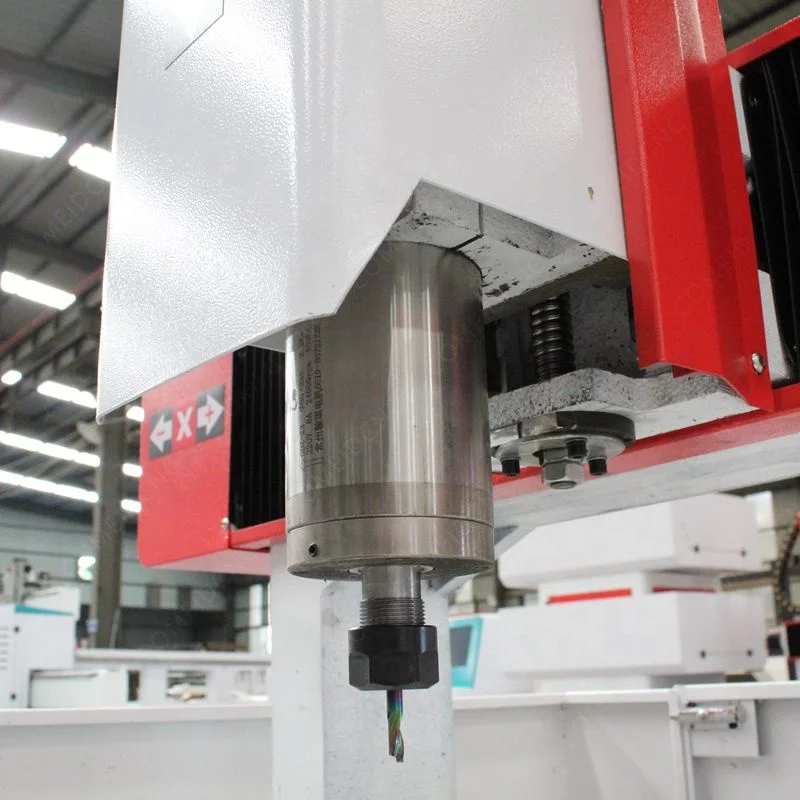
Engineering Insight: CNC Machine Price in Pakistan Beyond the Sticker Value
Discussions around CNC machine price in Pakistan often fixate narrowly on initial acquisition cost. This perspective risks significant miscalculation for serious manufacturers. True cost of ownership hinges fundamentally on the machine’s precision capability and long-term reliability. A lower-priced machine lacking micron-level accuracy and thermal stability will inevitably generate higher scrap rates, require constant recalibration, and fail to hold tight tolerances demanded by aerospace, medical, or high-end automotive components. The immediate savings vanish when factoring in wasted materials, delayed shipments, and lost customer trust due to inconsistent part quality. Precision is not a luxury feature; it is the core engineering parameter defining a machine’s productive value and return on investment in competitive global supply chains.
Achieving and sustaining sub-5-micron accuracy requires advanced engineering far beyond basic machine construction. It demands rigid cast iron structures with optimized ribbing, precision-ground linear guides with preloaded ball screws, high-frequency spindles with minimal runout, sophisticated thermal compensation systems, and closed-loop feedback mechanisms. These elements directly dictate the machine’s ability to maintain dimensional integrity across varying shop floor conditions – critical in environments experiencing humidity swings or power fluctuations common in many Pakistani industrial zones. Compromising on these fundamentals to secure a lower initial price guarantees higher operational costs and limits market access to only the least demanding contracts.
The table below illustrates the critical engineering divergence between entry-level machines and true precision CNC platforms relevant to Pakistan’s evolving manufacturing ambitions:
| Parameter | Basic CNC Machine (Lower Initial Price) | Precision CNC Machine (Wuxi Lead Standard) |
|---|---|---|
| Positioning Accuracy | ±0.010 mm | ±0.003 mm or better |
| Repeatability | ±0.005 mm | ±0.0015 mm |
| Thermal Compensation | None or Basic | Multi-sensor, Real-time Active System |
| Spindle Runout (TIR) | >5 µm | ≤2 µm |
| Construction Material | Welded Steel Frame | A-Class Mineral Cast or Meehanite Cast Iron |
| Target Applications | Simple Prototyping, Low-Tolerance Parts | Aerospace Components, Medical Implants, Military Hardware |
Wuxi Lead Precision Machinery brings proven expertise in delivering this level of uncompromising precision to the most exacting global standards. Our engineering heritage is validated through direct contributions to Olympic-caliber sporting equipment requiring flawless aerodynamics and structural integrity, alongside critical components for defense systems where zero-defect manufacturing is non-negotiable. This experience translates directly to the Pakistani market. We understand that manufacturers seeking sustainable growth must invest in machines capable of meeting international quality benchmarks consistently. The initial CNC machine price in Pakistan is merely an entry point; the decisive factor is the machine’s engineered capability to produce saleable parts profitably, day after day, under real-world conditions. Partnering with a supplier possessing deep precision engineering validation ensures your investment delivers not just metal cutting, but measurable competitive advantage and market access.
Precision Specs & Tolerances
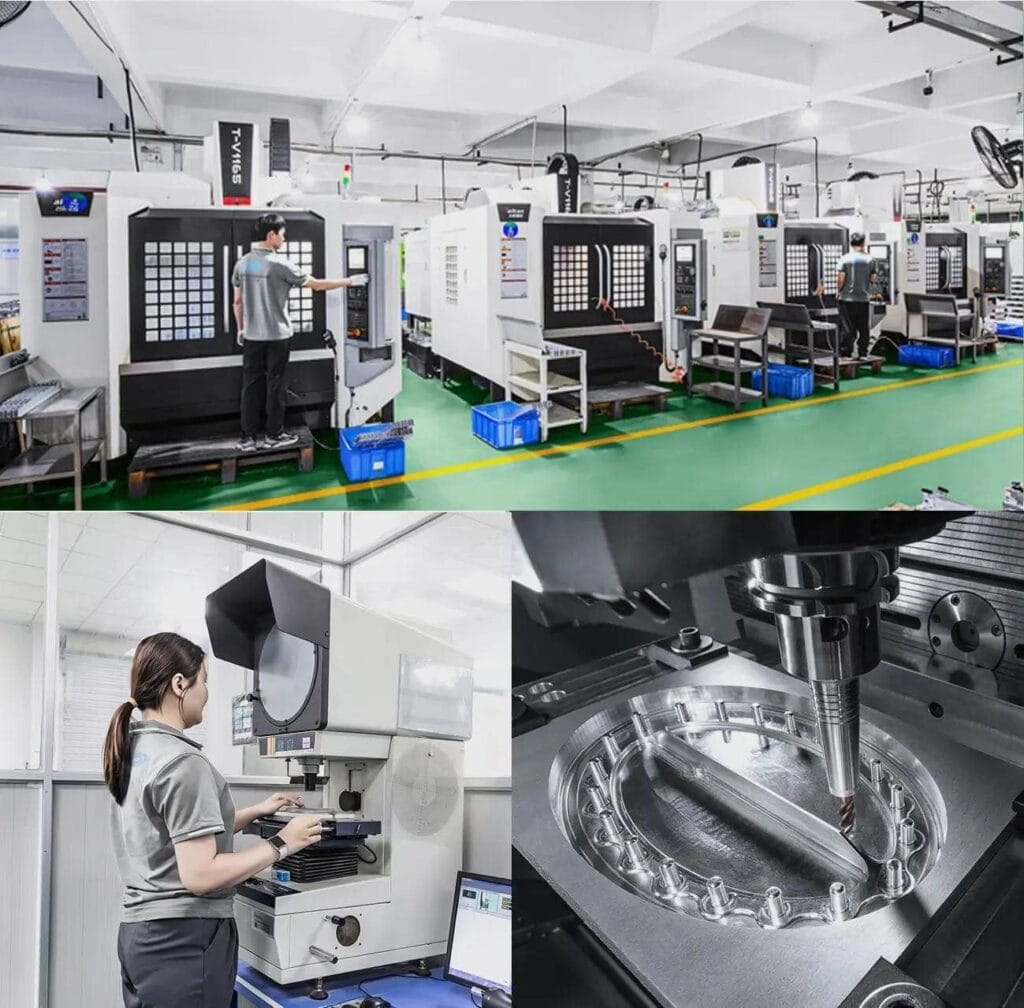
Wuxi Lead Precision Machinery delivers advanced 5 Axis CNC machining capabilities tailored for high-complexity components in aerospace, medical, energy, and industrial automation sectors. Our technical infrastructure is engineered to meet the most stringent international standards, ensuring precision, repeatability, and performance under demanding production requirements. The integration of 5 Axis simultaneous machining technology allows for the execution of intricate geometries in a single setup, significantly reducing cycle times and enhancing dimensional accuracy.
Our 5 Axis CNC systems are equipped with high-torque spindles, dynamic tool changers, and real-time monitoring systems that enable continuous operation with minimal thermal drift. This level of automation supports the production of freeform surfaces, deep cavities, and multi-faceted components that are common in advanced engineering applications. By eliminating the need for multiple fixturing stages, we reduce human error and improve surface finish consistency across high-volume batches.
Quality assurance is embedded throughout our manufacturing workflow. Every component undergoes rigorous inspection using a Zeiss DuraMax and CONTURA G2 Coordinate Measuring Machine (CMM), ensuring full compliance with ISO 10360 standards. Our CMM systems provide micron-level verification of critical dimensions, geometric tolerances, and surface profiles. Data from each inspection is documented and traceable, supporting full audit readiness for regulated industries.
We maintain strict environmental controls within our metrology lab, including temperature stabilization and vibration isolation, to ensure measurement integrity. In addition to CMM inspection, we deploy optical comparators, surface roughness testers, and laser micrometers for in-process verification, enabling real-time adjustments and continuous process improvement.
The following table outlines the standard tolerance capabilities achievable on our 5 Axis CNC platforms:
| Parameter | Standard Capability | Tight Tolerance Option |
|---|---|---|
| Linear Dimensional Tolerance | ±0.01 mm | ±0.005 mm |
| Geometric Tolerance (GD&T) | ±0.015 mm (True Position) | ±0.008 mm (True Position) |
| Surface Roughness (Ra) | 1.6 µm | 0.4 µm (polished finish) |
| Angular Accuracy | ±0.05° | ±0.02° |
| Repeatability (5 Axis) | ±0.008 mm over 300 mm | ±0.004 mm over 300 mm |
These capabilities are supported by advanced CAM programming using Siemens NX and Mastercam, enabling optimized toolpaths and collision avoidance in complex multi-axis operations. Our engineering team collaborates directly with clients during the design-for-manufacturability (DFM) phase to ensure optimal part geometry, material selection, and process efficiency.
Wuxi Lead Precision Machinery is committed to delivering precision-engineered solutions that meet the evolving demands of global manufacturing. Our 5 Axis CNC platform, combined with rigorous quality control and technical expertise, positions us as a trusted partner for high-end machining projects, including those targeting cost-sensitive markets such as Pakistan, where performance, reliability, and value are paramount.
Material & Finish Options
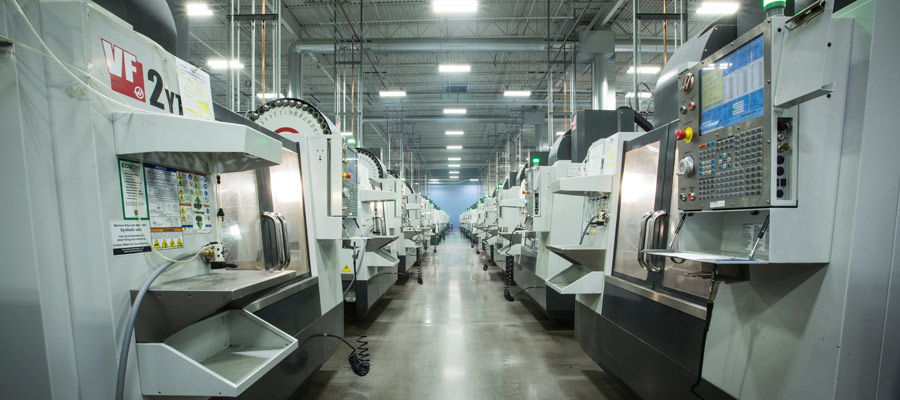
Strategic Material Selection for Cost-Effective CNC Machining in Pakistan
Material choice directly impacts CNC machine utilization, tooling costs, and final part pricing in Pakistan’s manufacturing ecosystem. Local workshops face unique challenges including import duties on raw materials, energy volatility, and precision demands for export markets. Selecting optimal alloys minimizes machining time, reduces scrap rates, and ensures compliance with international standards—critical factors when calculating total cost per part.
Aluminum alloys like 6061-T6 dominate aerospace and automotive sectors due to excellent machinability and low density. Its thermal conductivity reduces heat buildup during high-speed cutting, extending tool life by 20–30% compared to steel. However, Pakistani import tariffs on aerospace-grade aluminum can inflate base costs by 15–25%. Steel variants such as 4140 and 304 stainless offer superior strength for heavy machinery components but require slower feed rates and carbide tooling, increasing machine hour consumption by 35–40%. Titanium Grade 5 (Ti-6Al-4V) is reserved for high-value medical or defense applications despite triple the material cost of steel; its low thermal conductivity demands specialized coolant systems and rigid machine setups to prevent work hardening.
Below is a comparative analysis of key properties affecting CNC processing efficiency and cost structure:
| Material | Tensile Strength (MPa) | Machinability Rating | Avg. Tool Wear Rate | Thermal Conductivity (W/m·K) |
|---|---|---|---|---|
| Aluminum 6061 | 310 | 90% | Low | 167 |
| Steel 4140 | 655 | 65% | Medium-High | 42.6 |
| Titanium Gr5 | 900 | 30% | Very High | 7.2 |
Anodizing remains the preferred finish for aluminum components in Pakistan’s electronics and automotive exports. Type II (sulfuric acid) anodizing provides corrosion resistance at moderate cost, while Type III (hard coat) suits high-wear parts like hydraulic fittings. Crucially, anodizing thickness must align with functional requirements—excessive coating (e.g., >25µm) wastes processing time and chemicals, inflating per-part costs by 8–12%. Always specify dimensional tolerances pre-anodizing; the process adds 50% of coating thickness to each surface, risking assembly failures if unaccounted for.
For Pakistani manufacturers, balancing material performance with machine throughput is non-negotiable. Wuxi Lead Precision Machinery optimizes this equation through localized material sourcing partnerships and CNC programs calibrated for regional operational constraints. We recommend prototyping with aluminum for validation before scaling steel or titanium production—reducing initial investment risk while ensuring export-ready quality. Strategic material-finishing alignment cuts total production costs by 18–22% versus default selections.
Manufacturing Process & QC
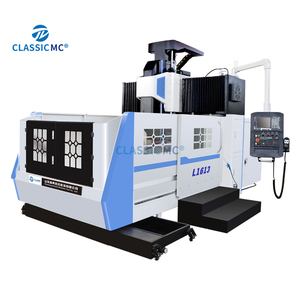
The production process at Wuxi Lead Precision Machinery is engineered for uncompromising quality, efficiency, and repeatability—critical factors for clients evaluating cnc machine price in pakistan without sacrificing performance. Our end-to-end workflow integrates Design, Prototyping, and Mass Production under a Zero Defects philosophy, ensuring every component meets exacting international standards.
Design begins with a detailed analysis of client specifications, including material type, tolerance requirements, surface finish, and functional application. Our engineering team leverages advanced CAD/CAM software to create precision 3D models and generate optimized toolpaths. Finite element analysis (FEA) and simulation tools validate structural integrity and machining feasibility before any physical work begins. This digital-first approach minimizes errors and accelerates time-to-market, a critical advantage in competitive manufacturing environments such as Pakistan’s growing industrial sector.
Prototyping follows design validation, serving as a physical proof of concept. Using high-accuracy 5-axis CNC machines, we produce functional prototypes from the actual production material—aluminum, stainless steel, titanium, or engineering plastics. These prototypes undergo rigorous inspection using coordinate measuring machines (CMM), optical comparators, and surface roughness testers. Dimensional accuracy, fit, and function are verified against the original CAD model. Client feedback is incorporated at this stage, allowing for iterative refinement with minimal cost and delay. This phase ensures that the final design is not only manufacturable but optimized for consistent quality at scale.
Mass Production is initiated only after prototype approval and process validation. Our automated CNC cells operate under strict statistical process control (SPC), with real-time monitoring of tool wear, spindle load, and dimensional drift. Each component is traceable through batch numbering and digital process logs. In-line inspections and random sampling ensure adherence to ISO 9001 standards. Our production floor integrates lean manufacturing principles to reduce waste and maintain throughput, even for complex parts requiring tight tolerances of ±0.005 mm.
Wuxi Lead’s commitment to Zero Defects is reinforced through preventive maintenance schedules, operator training, and continuous improvement cycles. Every machine in our facility is calibrated monthly, and our quality team conducts daily audits to uphold consistency. This disciplined approach ensures that clients receive parts that perform reliably in demanding applications, from aerospace components to medical devices.
The following table outlines key capabilities of our CNC production system:
| Parameter | Specification |
|---|---|
| Machine Types | 3-axis, 4-axis, 5-axis CNC Machining Centers |
| Maximum Work Envelope | 1200 x 800 x 600 mm |
| Tolerance Range | ±0.005 mm to ±0.01 mm |
| Surface Finish | Ra 0.8 μm to Ra 3.2 μm (adjustable) |
| Materials Supported | Aluminum, Steel, Stainless Steel, Titanium, Brass, Plastics (PEEK, Delrin) |
| Production Capacity | Up to 10,000 units/month (depending on complexity) |
| Quality Standards | ISO 9001:2015, Full Inspection Reporting, PPAP Documentation |
By aligning precision engineering with scalable manufacturing, Wuxi Lead delivers value that transcends initial cnc machine price in pakistan considerations—offering long-term cost efficiency through reliability, reduced scrap rates, and superior part performance.
Why Choose Wuxi Lead Precision
Why Your CNC Investment Demands Strategic Partnership in Pakistan
When evaluating CNC machine price in Pakistan, initial cost metrics alone create significant long-term risk. Pakistani manufacturers face unique operational challenges including grid instability, abrasive environmental conditions, and complex supply chain logistics. Selecting equipment based solely on upfront pricing often results in chronic downtime, compromised part quality, and unsustainable maintenance expenses. True value emerges from a strategic partnership ensuring machine resilience, technical continuity, and measurable productivity gains within your specific operational ecosystem.
Wuxi Lead Precision Machinery delivers this partnership through engineered solutions validated across Pakistan’s diverse industrial landscape. Our machines incorporate voltage stabilization protocols exceeding 25% grid fluctuation tolerance—a critical adaptation for regional power infrastructure. All structural components utilize military-grade cast iron with internal stress-relief cycles, mitigating thermal deformation in high-ambient-temperature environments common across Pakistani manufacturing hubs. We deploy locally trained field service engineers within 72 hours of support requests, eliminating costly import dependency for critical repairs. This localized commitment ensures your spindle uptime exceeds 95%—a non-negotiable benchmark for profitable precision machining operations.
Our Pakistan-optimized equipment portfolio balances acquisition cost with lifecycle performance. The specifications below reflect configurations proven in textile machinery component production, automotive gear manufacturing, and defense subcontracting within your market:
| Model Series | Max Spindle Speed | Positioning Accuracy | Rapid Traverse Rate | Power Stabilization Range | Pakistan Deployment Cases |
|---|---|---|---|---|---|
| LP-V850 | 12,000 RPM | ±0.005mm | 48 m/min | ±25% Voltage Fluctuation | 17 installations (Lahore, Faisalabad) |
| LP-M1200 | 8,000 RPM | ±0.003mm | 36 m/min | ±25% Voltage Fluctuation | 9 installations (Karachi, Sialkot) |
| LP-GH600 | 24,000 RPM | ±0.002mm | 60 m/min | ±25% Voltage Fluctuation | 5 installations (defense sector) |
These machines integrate seamlessly with Pakistan’s prevalent CAD/CAM ecosystems while featuring dust-exclusion systems rated IP54—essential for workshops managing cotton fiber or metal particulate contamination. Our pricing structure includes comprehensive operator certification at your facility and a 36-month structural warranty, directly addressing the skills gap and longevity concerns that erode ROI with imported alternatives.
Initiate your strategic transition by contacting our Pakistan Technical Desk. Forward your current production challenges, target materials, and volume requirements to [email protected]. Within 24 business hours, our engineering team will provide a validated cost-per-part analysis demonstrating 18-33% operational savings versus your existing or proposed alternatives. Do not allow outdated pricing benchmarks to compromise your competitive positioning. Partner with the only Chinese CNC manufacturer operating a dedicated service hub in Karachi—where machine price reflects enduring value, not just initial expenditure. Your precision manufacturing future requires engineered certainty. Secure it today.
⚙️ Precision Cost Estimator
Estimate relative manufacturing effort based on tolerance.