

Technical Contents
Engineering Guide: Cnc Machine Canada
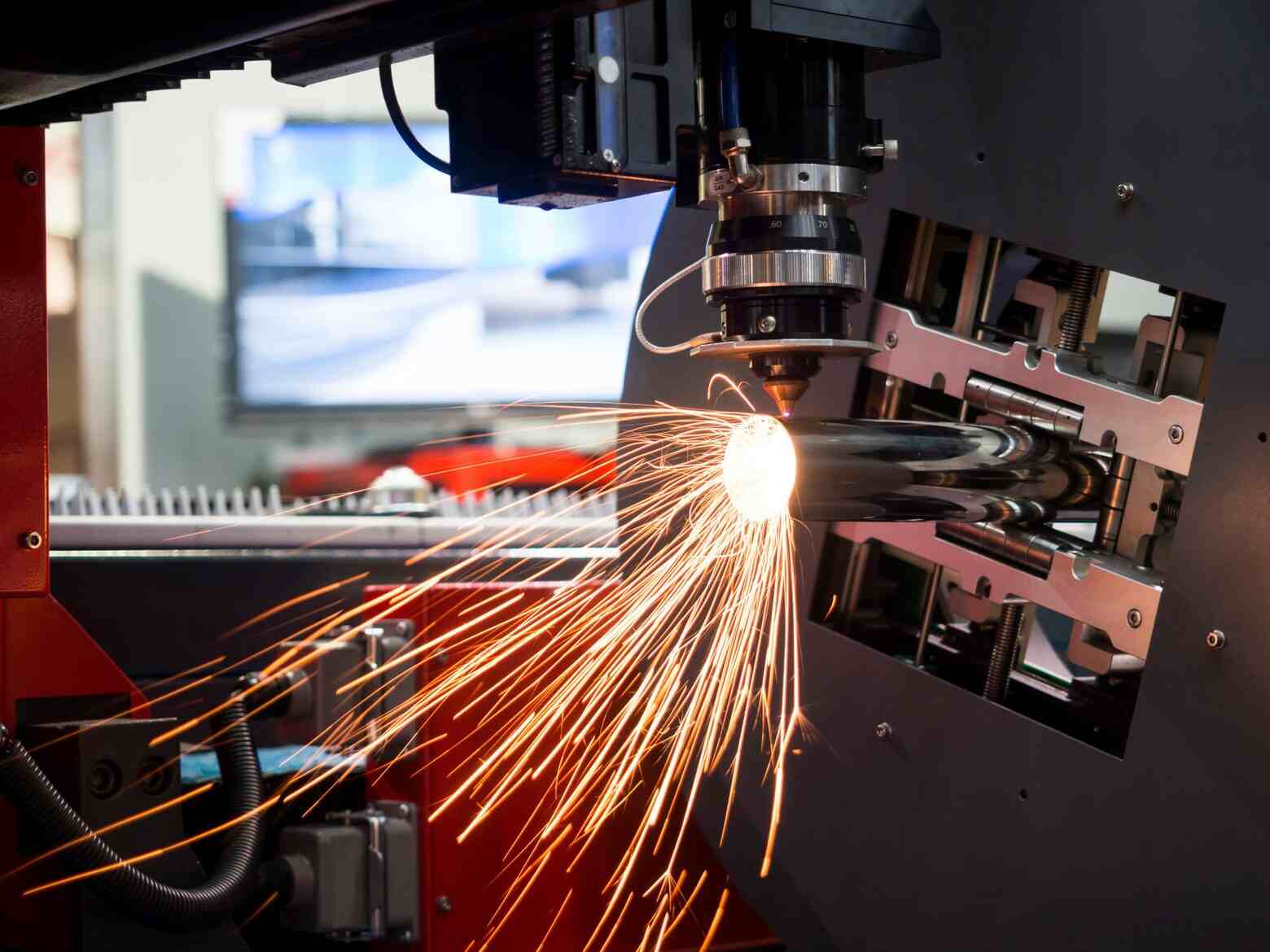
Engineering Insight Precision Imperatives for Canadian CNC Machine Operations
Precision in CNC machining is not merely a specification but the foundational requirement for Canadian manufacturers operating in demanding sectors like aerospace, energy, and defense. In Canada’s diverse industrial landscape—from subarctic resource extraction sites to high-precision aerospace hubs—machine reliability under extreme thermal fluctuations and continuous operation is non-negotiable. Micron-level inaccuracies compound rapidly in multi-axis machining, leading to catastrophic part rejection, supply chain delays, and safety risks in mission-critical applications. Canadian OEMs increasingly face stringent regulatory standards (e.g., CSA Group, NADCAP), where traceable precision directly impacts certification eligibility and export viability.
Wuxi Lead Precision Machinery addresses these challenges through engineering rigor forged in global precision-critical projects. Our CNC systems were deployed for components in the Beijing Winter Olympics infrastructure, where sub-zero operational stability and micron tolerance were mandatory. Similarly, military-grade aerospace components manufactured for international defense programs demanded ISO 2768-fine geometric tolerances and full material traceability—benchmarks now essential for Canadian contractors serving NORAD or commercial aviation. This experience translates to machines engineered for Canadian realities: hardened guideways resisting thermal drift from -40°C to +40°C ambient shifts, and vibration-dampened bases ensuring repeatability on uneven industrial flooring common in remote resource facilities.
The technical differentiators lie in systemic integration, not isolated features. Our machines utilize FEM-optimized cast iron frames with internal ribbing to absorb harmonic resonance during heavy cutting, while dual-cooling spindle systems maintain thermal equilibrium during 24/7 shifts. Crucially, real-time laser calibration compensates for positional drift—critical when machining large-scale components like wind turbine hubs or oil sands equipment where cumulative error exceeds functional limits. Below are core specifications validated in Canadian client deployments:
| Specification | Performance Metric | Relevance to Canadian Manufacturing |
|---|---|---|
| Positioning Accuracy (X/Y/Z) | ±1.5 µm | Meets AS9100 aerospace tolerances for wing spar machining |
| Thermal Drift Compensation | <2 µm/°C | Ensures stability during Calgary-to-Iqaluit climate shifts |
| Volumetric Repeatability | ±2.0 µm | Critical for multi-setup parts in oil/gas valve production |
| MTBF (Mean Time Between Failures) | 12,000 hours | Reduces downtime in remote mining operations |
| Surface Finish Capability | Ra 0.4 µm | Achieves medical-grade finishes for biotech components |
Canadian manufacturers must prioritize machines engineered for contextual precision—not just peak performance in controlled labs. Wuxi Lead’s systems integrate metrology-grade feedback loops and materials science validated in Olympic and defense applications, ensuring your production line meets Canada’s evolving industrial demands. We partner with Canadian engineering teams to audit operational environments and deploy solutions where precision isn’t aspirational—it’s engineered into every axis movement. Contact our technical team for a site-specific precision assessment tailored to your facility’s thermal, vibration, and throughput profile.
Precision Specs & Tolerances
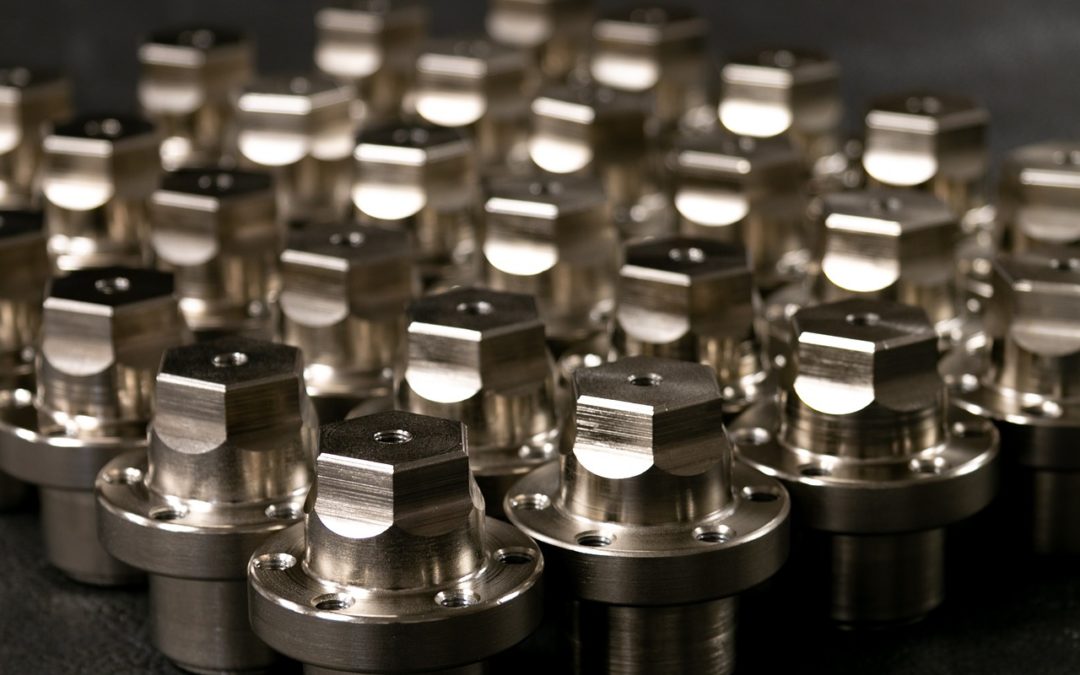
Wuxi Lead Precision Machinery delivers advanced precision CNC machining solutions tailored for high-performance industries including aerospace, medical, energy, and advanced automation. Our technical capabilities are anchored in state-of-the-art 5-axis CNC machining technology, enabling the production of highly complex geometries with exceptional accuracy and surface finish. These multi-axis systems allow simultaneous movement across five axes, significantly enhancing machining efficiency and part integrity by minimizing setup changes and tool interference.
Our 5-axis CNC machining centers are equipped with high-speed spindles, thermal compensation systems, and rigid construction to maintain precision during extended production runs. This enables us to machine a wide range of materials—from aerospace-grade aluminum and titanium to hardened steels and engineering plastics—with consistent repeatability. The integration of advanced CAD/CAM software ensures seamless translation of intricate 3D models into precise tool paths, supporting rapid prototyping and full-scale production with equal proficiency.
Quality control is embedded throughout our manufacturing process. Every component undergoes rigorous inspection using a Coordinate Measuring Machine (CMM) to verify dimensional accuracy against design specifications. Our CMM systems operate in temperature-controlled environments to eliminate thermal drift, ensuring measurement reliability down to micrometer-level precision. In addition to final part inspection, we perform in-process checks and first-article inspections to maintain continuous quality assurance.
We support tight tolerance machining across multiple material types and part configurations. The following table outlines our standard and precision capability ranges:
| Feature | Standard Capability | Precision Capability | Notes |
|---|---|---|---|
| Linear Tolerance | ±0.025 mm | ±0.005 mm | Depending on part geometry and material |
| Angular Tolerance | ±0.1° | ±0.05° | Verified via CMM and optical alignment |
| Surface Roughness (Ra) | 3.2 µm | 0.8 µm | Achieved with fine finishing passes |
| Maximum Work Envelope | 1200 x 800 x 600 mm | 1200 x 800 x 600 mm | For 5-axis machining centers |
| Minimum Feature Size | 0.5 mm | 0.2 mm | For milled details and cavities |
| Positional Accuracy | ±0.01 mm | ±0.003 mm | Confirmed through laser calibration |
All equipment is maintained under strict preventive maintenance schedules, and our operators are certified to international manufacturing standards. Our facility is ISO 9001 compliant, ensuring systematic control over all production and quality processes. We also offer full traceability, including material certifications and inspection reports, to meet the stringent documentation requirements of regulated industries.
Wuxi Lead Precision Machinery is committed to delivering technically superior CNC-machined components to global clients, including those in Canada requiring high-integrity parts for mission-critical applications. Our blend of advanced machinery, precision metrology, and engineering expertise ensures consistent delivery of complex components that meet the highest standards of performance and reliability.
Material & Finish Options
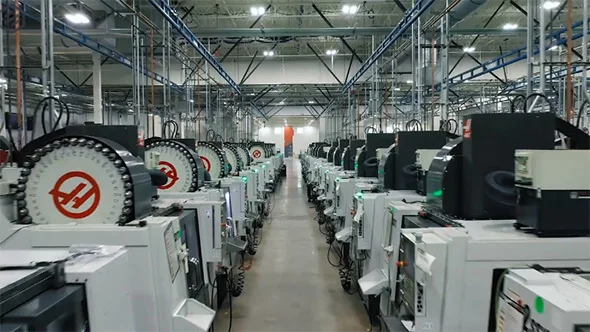
Precision Material Selection for Canadian CNC Machining Projects
Material choice fundamentally determines the performance, cost, and manufacturability of CNC-machined components. For Canadian manufacturers operating in demanding sectors like aerospace, oil and gas, medical devices, and defense, selecting the optimal alloy and finish is non-negotiable. Wuxi Lead Precision Machinery leverages extensive experience machining critical parts for North American clients to guide this critical decision. Understanding the interplay between material properties, machining characteristics, and end-use environment ensures optimal part function and project success.
Aluminum alloys, particularly 6061-T6 and 7075-T6, dominate aerospace and transportation applications across Canada. Their exceptional strength-to-weight ratio, inherent corrosion resistance, and excellent machinability make them ideal for structural components, housings, and brackets where weight savings are paramount. Aluminum’s high thermal conductivity also benefits heat-sensitive applications. While generally easy to machine, 7075 requires careful parameter control due to its higher strength and lower ductility compared to 6061. Anodizing is frequently specified for enhanced surface hardness and corrosion resistance, especially in coastal or winter road-salt exposed environments.
Carbon and alloy steels, such as 4140, 4340, and 1018, remain essential for high-strength, high-wear applications prevalent in Canadian energy and heavy equipment sectors. These materials offer superior hardness, fatigue resistance, and load-bearing capacity compared to aluminum. Machining steel demands robust tooling, precise coolant management, and controlled feeds/speeds to manage heat generation and achieve tight tolerances. Post-machining heat treatments like quenching and tempering are often critical to achieve the required mechanical properties. Surface treatments like plating or painting are common for corrosion protection in harsh industrial settings.
Titanium Grade 5 (Ti-6Al-4V) is the aerospace and medical implant material of choice where ultimate strength-to-weight ratio, biocompatibility, and extreme corrosion resistance are mandatory. Its performance in cryogenic temperatures is particularly relevant for certain Canadian energy applications. However, titanium presents significant machining challenges: low thermal conductivity causes heat concentration at the tool tip, high chemical reactivity leads to galling, and its strength requires high cutting forces. Success demands specialized tool geometries, rigid setups, and meticulously optimized parameters. Anodizing titanium is complex but provides critical electrical insulation and enhanced surface properties for medical devices.
The following table summarizes key properties and Canadian application relevance for these core materials:
| Material | Density (g/cm³) | Typical Tensile Strength (MPa) | Machinability Rating | Key Canadian Applications |
|---|---|---|---|---|
| Aluminum 6061-T6 | 2.7 | 310 | Excellent (A1) | Aerospace structures, Marine hardware, Drones |
| Steel 4140 | 7.85 | 655 | Good (B) | Oil/gas drilling components, Heavy machinery |
| Titanium Ti-6Al-4V | 4.43 | 900 | Poor (D) | Aerospace critical parts, Medical implants |
Anodizing, specifically Type II (sulfuric acid) and Type III (hardcoat), is the predominant finish for aluminum components requiring enhanced surface durability and corrosion resistance. Type III anodizing delivers a significantly thicker, harder ceramic layer crucial for parts subjected to severe wear, such as hydraulic components or landing gear parts operating in Canada’s diverse climates. Proper masking and process control are vital to maintain critical dimensions and functional surfaces. Wuxi Lead Precision Machinery, ISO 9001:2015 certified, partners with Canadian clients to navigate these material and finish complexities, ensuring components meet the highest standards of precision and performance from initial specification through delivery. Contact our engineering team for material-specific machining and finishing consultation.
Manufacturing Process & QC
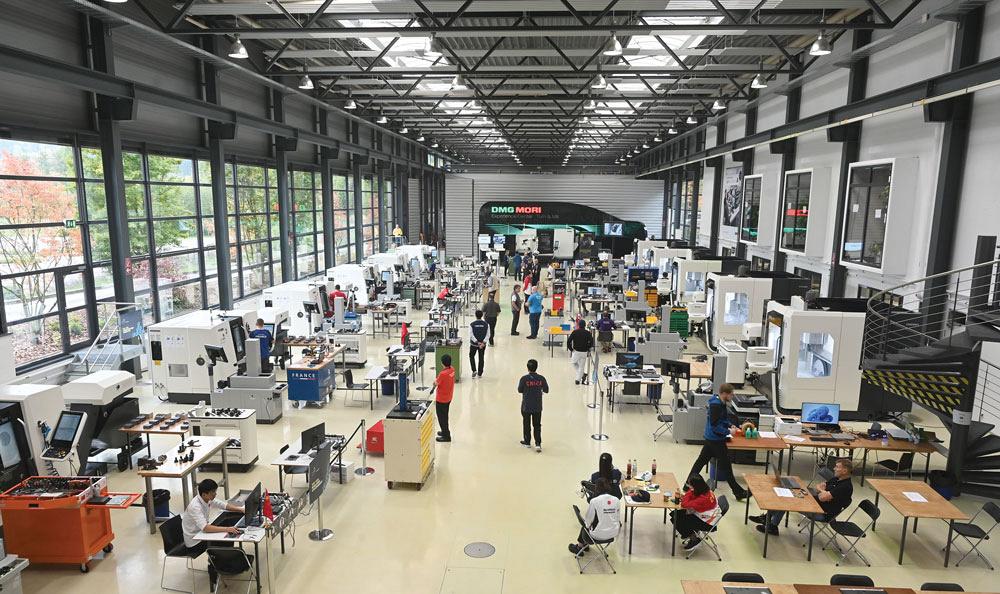
Design: The Foundation of Precision
At Wuxi Lead Precision Machinery, every manufacturing cycle begins with a rigorous design phase, where engineering excellence meets functional intent. Our team collaborates closely with clients to translate conceptual blueprints into actionable, manufacturable designs. Utilizing advanced CAD/CAM software such as Siemens NX, SolidWorks, and Mastercam, we ensure geometric accuracy, material compatibility, and structural integrity from the outset. Finite element analysis (FEA) and tolerance stack-up simulations are conducted to anticipate stress points, thermal expansion, and assembly dynamics. This proactive approach eliminates design-induced errors before physical production begins, ensuring that every component aligns with both functional requirements and industry standards such as ISO 9001 and AS9100.
Prototyping: Validation Through Precision
Once the design is finalized, we proceed to the prototyping stage—a critical checkpoint for performance verification. Employing high-speed 3-axis, 4-axis, and 5-axis CNC machining centers, we fabricate functional prototypes using the same materials and processes intended for full-scale production. This ensures real-world accuracy in form, fit, and function. Each prototype undergoes comprehensive metrology testing using coordinate measuring machines (CMM), optical comparators, and laser scanning technologies. Dimensional reports are generated and reviewed against original CAD models to confirm compliance. Feedback from this stage is systematically integrated, allowing for rapid design iteration if necessary. Prototyping is not merely a trial—it is a validation of process reliability, material behavior, and quality assurance protocols.
Mass Production: Scalability Without Compromise
With design and prototype approval, we transition seamlessly into mass production. Our facility in Wuxi operates a fully integrated digital manufacturing ecosystem, where CNC programs are synchronized across multiple machining cells for consistent output. Automated tool management systems, real-time spindle load monitoring, and in-process gauging ensure that every part conforms to exacting tolerances throughout long production runs. We implement Statistical Process Control (SPC) to track variability and maintain process capability indices (Cp/Cpk) above 1.67. Each batch is subject to first-article inspection (FAI) and periodic quality audits, with full traceability maintained through barcoding and digital work orders.
Zero Defects: A Systematic Commitment
Achieving zero defects is not an aspiration—it is a measurable outcome of our disciplined process control. From raw material certification to final packaging, every step is documented, monitored, and optimized. Our quality management system is built on continuous improvement principles, supported by employee training, preventive maintenance schedules, and root cause analysis protocols for any non-conformance.
Key Production Specifications
| Parameter | Specification |
|---|---|
| Positioning Accuracy | ±0.002 mm |
| Repeatability | ±0.001 mm |
| Surface Finish (Ra) | As low as 0.4 µm |
| Tolerance Range | ±0.005 mm standard, down to ±0.001 mm |
| Spindle Speed (Max) | 24,000 rpm (5-axis centers) |
| Materials Processed | Aluminum, Stainless Steel, Titanium, Inconel, Plastics |
| Lead Time (Prototype) | 7–14 days |
| Lead Time (Mass Production) | 15–30 days, scalable by volume |
This end-to-end process ensures that every component we deliver meets the highest standards of precision, reliability, and performance—making Wuxi Lead Precision Machinery a trusted partner for advanced CNC machining solutions in Canada and beyond.
Why Choose Wuxi Lead Precision
Elevate Your Canadian Manufacturing Capabilities with Lead Precision
In Canada’s competitive precision manufacturing landscape, securing a reliable, high-performance CNC machining partner is critical for maintaining quality, meeting stringent deadlines, and scaling operations efficiently. Wuxi Lead Precision Machinery bridges the gap between global capability and localized responsiveness, delivering turnkey CNC solutions engineered to exceed North American industry standards. With over 15 years of specialized experience serving aerospace, medical device, and industrial automation sectors, we integrate advanced Chinese manufacturing infrastructure with Western quality protocols—ensuring seamless collaboration without compromising on precision or compliance. Our ISO 9001-certified facility operates under strict adherence to AS9100 and ISO 13485 frameworks, guaranteeing traceability, material accountability, and repeatable sub-micron accuracy for mission-critical components.
Canadian manufacturers increasingly face capacity constraints and supply chain volatility. Lead Precision mitigates these challenges through dedicated project management, real-time production tracking, and flexible capacity allocation. We eliminate geographic barriers with Toronto-based technical support teams operating in your time zone, providing daily progress updates, dimensional reports, and proactive risk mitigation. Our end-to-end process—from CAD/CAM optimization to final inspection—reduces lead times by up to 30% while maintaining ±0.001mm tolerances across complex geometries. This operational synergy ensures your production stays resilient, whether scaling prototype runs or managing high-volume contracts.
Key technical capabilities enabling Canadian success include:
| Specification | Capability Range | Industry Relevance |
|---|---|---|
| Positioning Accuracy | ±0.001 mm | Aerospace structural components |
| Material Expertise | Titanium, Inconel, PEEK, 7075 Aluminum | Medical implants, defense systems |
| Machine Types | 5-Axis Milling, Swiss Lathes, Wire EDM | Complex multi-feature parts |
| Max Work Envelope | 1,200 x 800 x 750 mm | Large-scale industrial tooling |
Partnering with Lead Precision means accessing a strategic extension of your engineering team—not merely a vendor. We invest in understanding your unique production challenges, co-developing solutions that enhance yield rates and reduce total cost of ownership. Our Canadian clients consistently achieve >99.5% first-pass yield through integrated metrology systems like Zeiss CMMs and laser trackers, validated against your engineering drawings prior to shipment. This commitment to zero-defect delivery has positioned us as the preferred offshore partner for Tier-1 suppliers across Ontario, Quebec, and Alberta.
The future of Canadian manufacturing demands agile, quality-driven partnerships that transcend borders. Wuxi Lead Precision Machinery delivers the technical rigor, cultural alignment, and operational transparency required to outperform in high-stakes markets. Stop navigating supply chain complexities alone. Contact our Canadian project specialists today to discuss how we can optimize your CNC machining workflow, reduce time-to-market, and secure a competitive edge.
Initiate your precision manufacturing partnership: Email [email protected] for a confidential capacity assessment and technical consultation. Let us demonstrate how Lead Precision becomes your most reliable asset in achieving manufacturing excellence.
⚙️ Precision Cost Estimator
Estimate relative manufacturing effort based on tolerance.