

Technical Contents
Engineering Guide: China 3D Printing Service
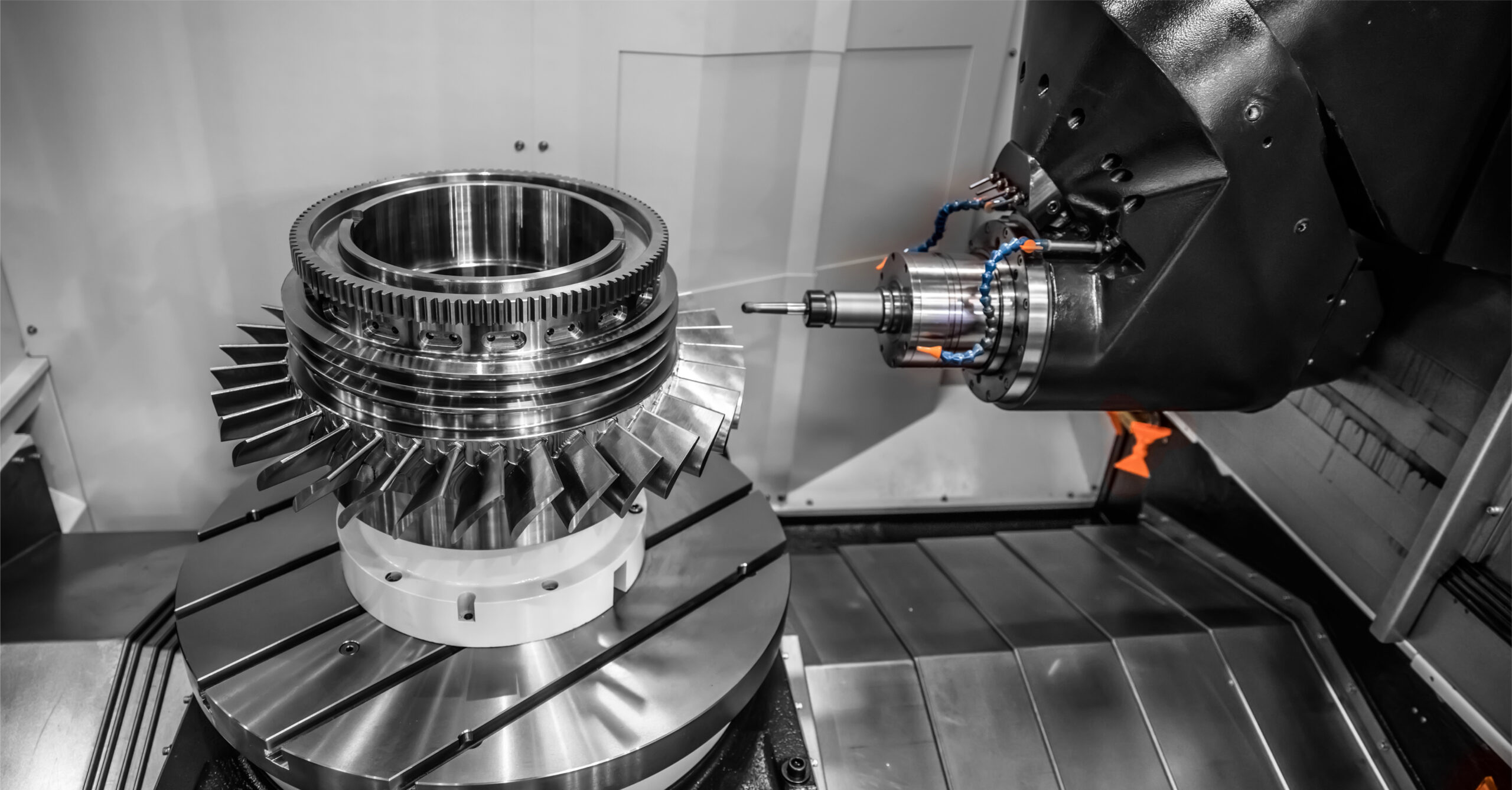
Engineering Insight: Precision as the Non-Negotiable Foundation of China 3D Printing Services
In the realm of industrial metal additive manufacturing, the term “precision” transcends mere marketing rhetoric; it is the absolute cornerstone determining functional viability, longevity, and ultimate success of mission-critical components. While accessibility of 3D printing services in China has expanded significantly, the critical differentiator for high-stakes applications lies not in the ability to produce a shape, but in the unwavering consistency and accuracy of that shape down to the micron level. Subsurface integrity, dimensional stability under thermal cycling, and the management of inherent anisotropic properties demand engineering rigor far beyond standard prototyping tolerances. A variance of mere microns can cascade into catastrophic fatigue failure in aerospace actuators, disrupt fluid dynamics in medical implants, or compromise the nanosecond timing accuracy essential in high-performance systems. True precision engineering in metal AM requires deep material science understanding, sophisticated in-process monitoring, and post-processing expertise honed through demanding real-world validation.
Wuxi Lead Precision Machinery embodies this precision imperative. Our engineering team possesses demonstrable experience delivering components where failure is not an option. We have engineered and manufactured critical sub-assemblies for international sporting event timing systems, where accuracy demands operate at the 0.001mm scale, ensuring fair and definitive results under global scrutiny. Furthermore, our facility adheres to stringent protocols developed through supplying certified parts for specialized defense and aerospace applications within China’s advanced manufacturing ecosystem. This background instills a culture where every build parameter, every heat treatment cycle, and every metrology check is executed with the understanding that the component’s performance is directly tied to the precision of its manufacture. We approach each customer project with the same uncompromising standards applied to these elite sectors.
The gap between standard and precision-focused metal 3D printing services is quantifiable. Below outlines key performance indicators where rigorous engineering control delivers tangible value for demanding industrial applications:
| Critical Parameter | Standard Service Capability | Wuxi Lead Precision Capability | Impact of Enhanced Precision |
|---|---|---|---|
| Dimensional Accuracy | ±0.1 mm to ±0.2 mm | ±0.02 mm to ±0.05 mm | Enables direct assembly, reduces post-machining |
| Surface Roughness (As-Built) | 15-25 μm Ra | 5-12 μm Ra | Improves fatigue life, reduces fluid drag |
| Material Density | 98-99.5% | >99.95% | Eliminates porosity-induced failure points |
| Feature Repeatability | Moderate (±0.1 mm) | High (±0.03 mm) | Ensures consistent performance across batches |
| Metrology Validation | Basic dimensional checks | Full GD&T, CT Scanning | Guarantees conformance to critical specs |
Selecting a China 3D printing service partner demands scrutiny beyond machine count or material lists. For applications where performance, safety, and reliability are paramount, the engineering depth, process control, and proven track record in achieving true micron-level precision are non-negotiable. Wuxi Lead Precision Machinery leverages its experience from the most exacting sectors to ensure your metal AM components meet not just the drawing, but the demanding reality of their operational environment. Precision isn’t just our capability; it’s our commitment to your success.
Precision Specs & Tolerances
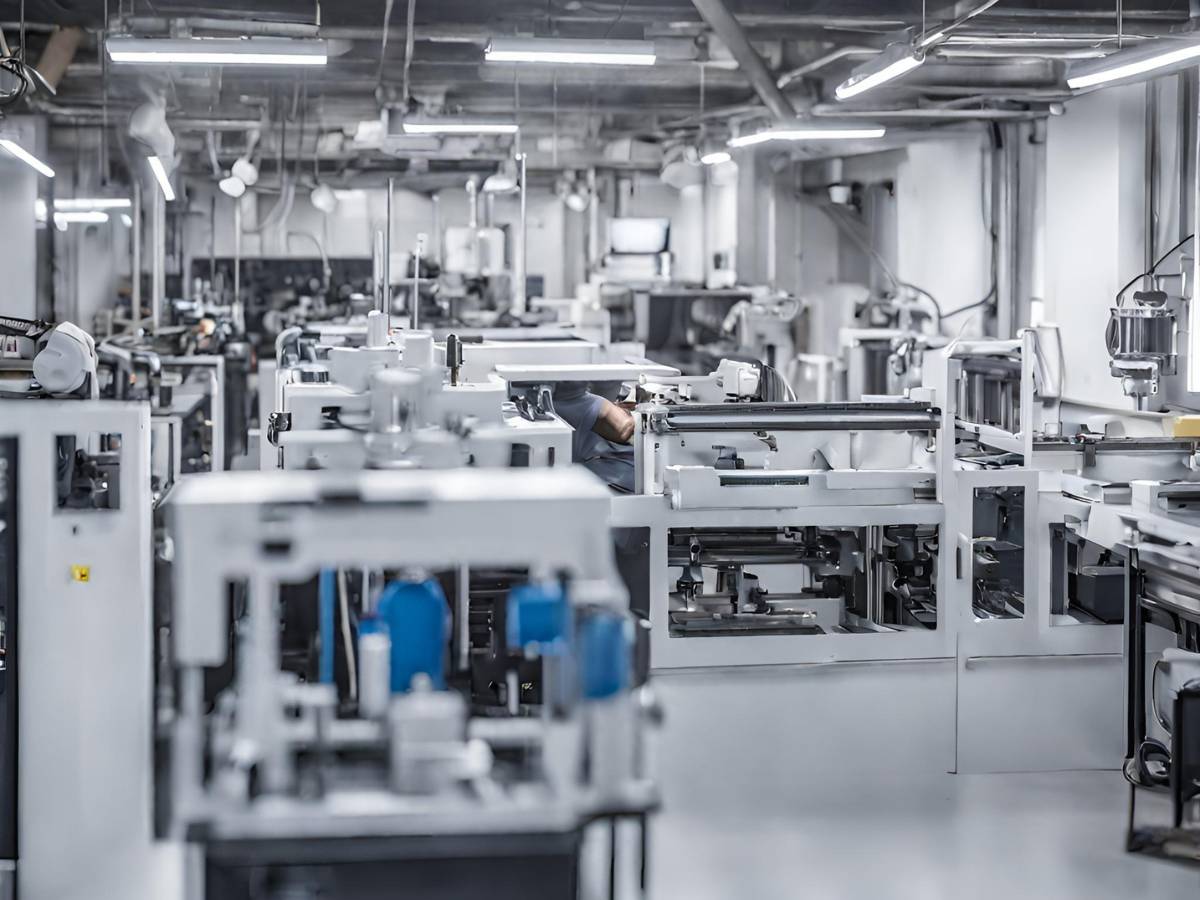
Wuxi Lead Precision Machinery delivers advanced custom metal manufacturing solutions through integrated 5-axis CNC machining and precision 3D printing technologies. Our technical capabilities are engineered to meet the stringent demands of aerospace, medical, automotive, and industrial equipment sectors, where complexity, accuracy, and repeatability are non-negotiable. At the core of our production floor lies a fleet of high-performance 5-axis CNC machining centers, enabling simultaneous multi-directional cutting for intricate geometries that cannot be achieved with conventional 3-axis systems. This level of motion control allows for single-setup machining of complex parts, reducing human error, improving surface finish, and significantly shortening lead times.
Our 5-axis platforms are complemented by a comprehensive metal additive manufacturing suite, specializing in selective laser melting (SLM) processes for materials such as titanium (Ti6Al4V), stainless steel (316L, 17-4 PH), Inconel (718, 625), and aluminum (AlSi10Mg). This hybrid approach—combining additive freedom with subtractive precision—enables us to produce fully dense, functionally optimized metal components with internal channels, lattice structures, and topology-optimized forms, while maintaining tight dimensional control through post-processing CNC operations.
Quality assurance is embedded into every stage of production. All critical components undergo full inspection using state-of-the-art Coordinate Measuring Machines (CMM) with tactile and optical probing systems. These machines provide micron-level verification of geometric dimensions and tolerances, ensuring compliance with ISO 10360 standards. Our inspection protocols include first-article inspection (FAI), in-process checks, and final certification reports, with full traceability of materials and process parameters.
To support high-precision outcomes, we maintain strict environmental controls in both machining and metrology labs, minimizing thermal drift and vibration interference. Our engineering team collaborates directly with clients during design for manufacturability (DFM) reviews, leveraging simulation software to predict deformation, optimize support structures for 3D printed parts, and define the most efficient hybrid manufacturing sequence.
The following table outlines the standard technical specifications and achievable tolerances across our metal 3D printing and 5-axis CNC finishing processes:
| Parameter | Metal 3D Printing (SLM) | 5-Axis CNC Machining |
|---|---|---|
| Material Options | Ti6Al4V, 316L, 17-4 PH, In718, AlSi10Mg | Full range of engineering metals including above and tool steels, brass, etc. |
| Standard Tolerance (as-built) | ±0.05 mm | ±0.01 mm |
| Precision (after CNC finishing) | ±0.01 mm | ±0.005 mm |
| Surface Roughness (as-built) | Ra 8–12 µm | Ra 0.8–1.6 µm |
| Surface Roughness (polished/CNC) | Ra 0.4–0.8 µm | Ra 0.2–0.4 µm |
| Feature Resolution | Min. hole: Ø0.5 mm | Min. cavity: Ø2 mm |
| Maximum Build Volume | 250 x 250 x 325 mm | 1000 x 600 x 500 mm |
| Positional Accuracy (CMM verified) | ±0.025 mm over 100 mm | ±0.008 mm over 100 mm |
This combination of advanced equipment, rigorous quality control, and engineering expertise ensures that every component produced at Wuxi Lead meets the highest standards of performance and reliability.
Material & Finish Options
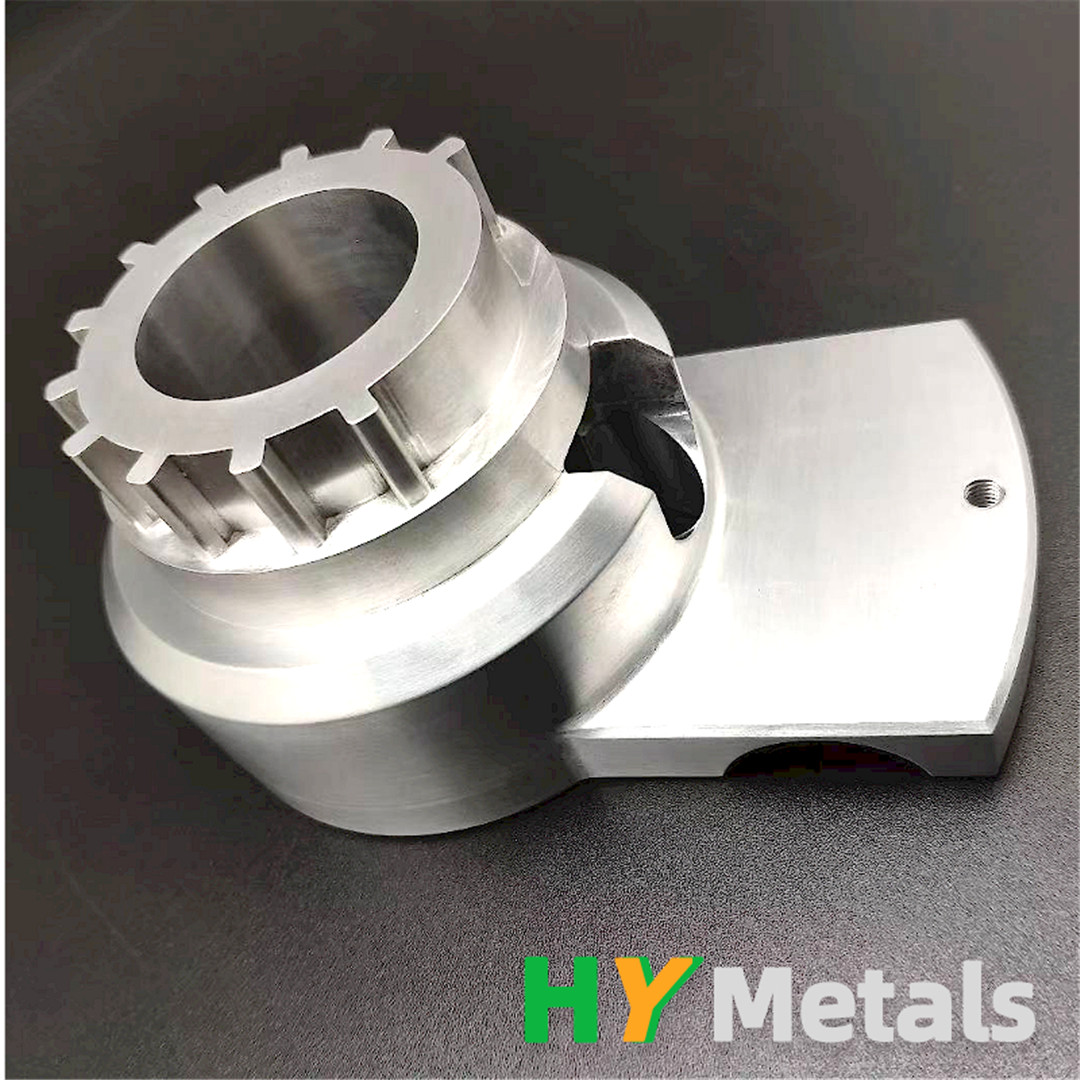
Strategic Material Selection for Metal Additive Manufacturing
Material choice fundamentally determines the performance lifespan and cost efficiency of 3D printed metal components. At Wuxi Lead Precision Machinery we prioritize metallurgical integrity alongside functional requirements ensuring your aerospace automotive or medical parts meet stringent operational demands. Aluminum alloys like AlSi10Mg dominate lightweight applications requiring thermal conductivity and corrosion resistance. This material excels in heat exchangers drone components and complex brackets where weight reduction is critical without sacrificing structural reliability. Our optimized printing parameters achieve near-full density minimizing porosity while maintaining fine feature resolution down to 50 microns.
Stainless steel variants particularly 17-4 PH and 316L deliver exceptional strength and wear resistance for high-stress environments. 17-4 PH stainless steel undergoes precipitation hardening post-processing to reach yield strengths exceeding 1200 MPa making it ideal for hydraulic manifolds and tooling inserts. Conversely 316L stainless steel offers superior chemical resistance for marine or biomedical implants where biocompatibility and sterilization tolerance are non-negotiable. Both materials benefit from our in-house HIP treatment eliminating internal defects for mission-critical applications.
Titanium Ti6Al4V remains the premium choice for aerospace and medical sectors demanding unparalleled strength-to-weight ratios and biocompatibility. With a fatigue strength of 720 MPa at 10⁷ cycles this alloy withstands extreme cyclic loading in turbine blades or orthopedic implants. Its natural oxide layer provides inherent corrosion resistance while our controlled build atmosphere prevents oxygen embrittlement ensuring consistent mechanical properties across large builds.
Anodizing Finishes for Enhanced Performance
Post-processing anodizing transforms aluminum surfaces adding critical functional benefits beyond aesthetics. Type II sulfuric acid anodizing creates a 5-25 micron porous layer that accepts dye for identification while improving corrosion resistance. For engineering applications Type III hardcoat anodizing generates a 25-50 micron dense ceramic layer with 600-700 HV hardness significantly enhancing abrasion resistance in high-wear components like actuators or bushings. All anodizing processes at Wuxi Lead adhere to AMS 2469 and ISO 10074 standards with rigorous thickness and adhesion testing.
Comparative Material Properties for Metal AM
| Material | Tensile Strength (MPa) | Yield Strength (MPa) | Elongation (%) | Max Continuous Temp (°C) | Key Applications |
|---|---|---|---|---|---|
| AlSi10Mg | 400-450 | 250-280 | 8-12 | 250 | Heat exchangers drone arms |
| 17-4 PH Stainless | 1300-1400 | 1200-1250 | 12-15 | 300 | Hydraulic manifolds tooling |
| 316L Stainless | 600-650 | 300-350 | 40-50 | 550 | Marine parts surgical implants |
| Ti6Al4V | 950-1050 | 880-950 | 10-15 | 600 | Aircraft brackets bone screws |
Selecting the optimal material requires balancing mechanical needs environmental exposure and total cost of ownership. Wuxi Lead Precision Machinery provides material testing data including ASTM E8 tensile reports and micro-CT porosity analysis for every build. Contact our engineering team to validate your material and finish selection against real-world performance criteria.
Manufacturing Process & QC
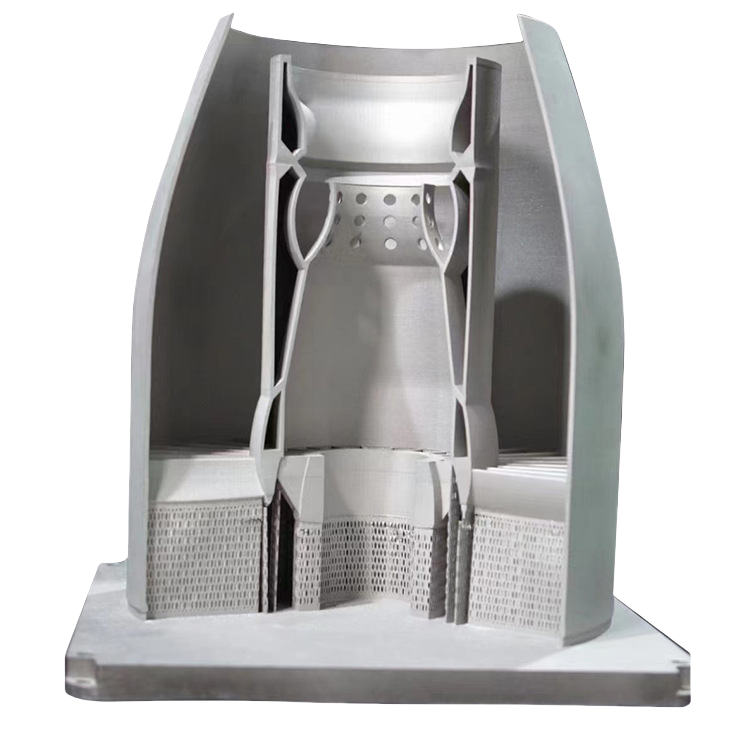
From Design to Mass Production: A Zero-Defect Manufacturing Process at Wuxi Lead Precision Machinery
At Wuxi Lead Precision Machinery, we deliver uncompromising quality in custom metal manufacturing through a rigorously controlled production process. Our approach integrates advanced 3D printing technology with precision engineering to ensure every component meets the highest standards of performance, consistency, and reliability. The journey from concept to mass production is structured into three key phases: Design, Prototyping, and Full-Scale Manufacturing—each engineered for zero defects.
The process begins with collaborative design engineering. Our team works directly with clients to analyze technical specifications, functional requirements, and environmental conditions. Using advanced CAD and simulation software, we optimize part geometry for additive manufacturability, ensuring structural integrity, material efficiency, and thermal stability. Design for Additive Manufacturing (DfAM) principles are applied to eliminate unnecessary mass, reduce assembly complexity, and enhance performance—all while maintaining full compliance with industry standards such as ISO 9001 and AS9100.
Once the design is finalized, we proceed to high-fidelity prototyping using state-of-the-art metal 3D printing systems. This phase serves as a critical validation step, allowing us to verify form, fit, and function before committing to mass production. Parts are fabricated using selective laser melting (SLM) or electron beam melting (EBM) technologies with materials including titanium alloys, Inconel, stainless steel, and aluminum. Each prototype undergoes comprehensive metrology testing, including coordinate measuring machine (CMM) inspection and 3D scanning, to confirm dimensional accuracy within ±0.02 mm. Any deviations trigger immediate design or process adjustments, ensuring perfection before scale-up.
With prototype approval, we transition seamlessly into mass production. Our automated 3D printing cells operate under strict environmental controls, ensuring batch-to-batch consistency. In-process monitoring systems track laser power, layer deposition, and thermal profiles in real time, enabling instant corrective actions. Every part is traceable through our digital manufacturing platform, which logs machine parameters, material lot numbers, and quality checkpoints. Post-processing—including heat treatment, stress relieving, CNC machining, and surface finishing—is performed in-house under controlled conditions to maintain dimensional stability and mechanical properties.
Final inspection is the cornerstone of our zero-defect commitment. Each component undergoes non-destructive testing (NDT), including X-ray and ultrasonic inspection, to detect internal discontinuities. Only parts that pass all quality gates are shipped, supported by full inspection reports and material certifications.
| Parameter | Specification |
|---|---|
| Layer Resolution | 20–60 μm |
| Build Envelope (Max) | 500 x 500 x 500 mm |
| Dimensional Accuracy | ±0.02 mm |
| Surface Roughness (as-built) | Ra 6–12 μm |
| Common Materials | Ti6Al4V, Inconel 718, 316L, AlSi10Mg, CoCr |
| Post-Processing Options | Heat Treatment, HIP, CNC Machining, Polishing, Coating |
Wuxi Lead Precision Machinery ensures that every stage—from digital design to final shipment—is engineered for precision, repeatability, and zero defects. This disciplined approach makes us a trusted partner in high-end industrial 3D printing services across aerospace, medical, and energy sectors.
Why Choose Wuxi Lead Precision
Partner with Lead Precision for Uncompromised Metal Additive Excellence
Global supply chains demand more than generic production. When your aerospace component, medical implant, or energy sector part requires micron-level precision and material integrity, generic 3D printing services introduce unacceptable risk. At Wuxi Lead Precision Machinery, we engineer certainty into every build. As your strategic manufacturing partner in China, we merge German-calibrated Direct Metal Laser Sintering (DMLS) systems with AS9100-certified quality protocols, ensuring your complex geometries meet stringent international standards without compromise.
Our facility operates beyond standard contract manufacturing. We deploy industrial-grade EOS M 400-4 and SLM 500 platforms, paired with in-house metallurgical analysis and post-processing capabilities spanning heat treatment, HIP, and 5-axis CNC finishing. This integrated approach eliminates the handoff errors common with fragmented supply chains. Where others deliver parts, we deliver validated performance—backed by full material traceability, first-article inspection reports, and iterative design collaboration from prototype to volume production.
The table below details our core DMLS capabilities for critical applications:
| Specification | Detail | Industry Relevance |
|---|---|---|
| Build Volume | 500 x 400 x 400 mm | Large turbine housings, structural brackets |
| Layer Thickness | 20–60 µm | Microfluidic channels, thin-walled medical devices |
| Material Range | Inconel 718, Ti6Al4V, 316L, AlSi10Mg, Maraging Steel | Aerospace, biomedical, automotive |
| Dimensional Accuracy | ±0.05 mm per 100 mm | Hydraulic manifolds, sealing surfaces |
| Surface Roughness (as-built) | Ra 12–25 µm | Pre-machining optimization |
| Post-Processing | HIP, stress-relief, precision machining | Fatigue-critical components |
This technical rigor translates to reduced time-to-market and zero-defect delivery. Our clients—Fortune 500 aerospace firms and innovative medical OEMs—leverage our Shenzhen-based facility to bypass import delays while exceeding ISO 13485 and NADCAP requirements. We don’t outsource quality control; our metrology lab houses Zeiss CONTURA CMMs and Nikon X-ray CT scanners, providing real-time data you can audit remotely.
Your designs demand more than generic production. They require a partner who treats your tolerances as non-negotiable and your deadlines as commitments. Wuxi Lead Precision Machinery delivers this through engineered accountability: dedicated project managers fluent in English and German, cloud-based production tracking, and responsive engineering support that resolves issues before they escalate.
Initiate your precision manufacturing partnership today. Email [email protected] with your part specifications and quality requirements. Our engineering team will respond within 4 business hours with a feasibility assessment, DfAM recommendations, and a transparent timeline. For urgent projects, reference “URGENT-CTA” in your subject line to trigger our 24-hour rapid-response protocol. Trust Lead Precision to transform your most demanding metal additive challenges into certified, production-ready reality.
⚙️ Precision Cost Estimator
Estimate relative manufacturing effort based on tolerance.