

Technical Contents
Engineering Guide: Ceramic Mold Catalog
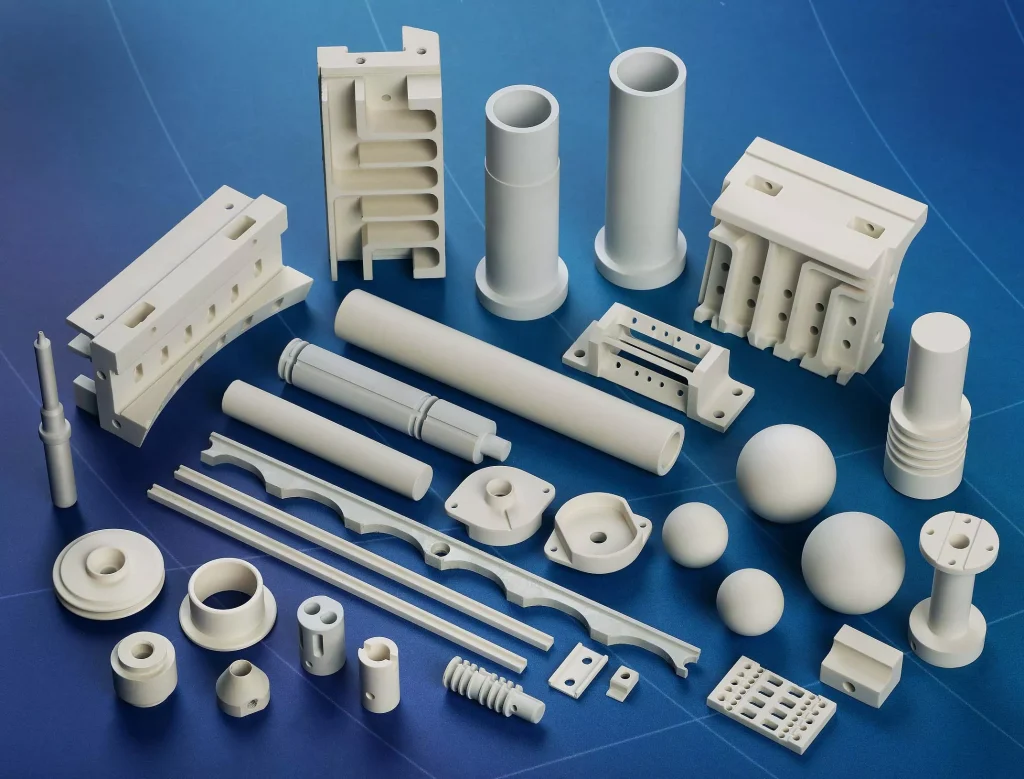
Engineering Insight: The Critical Role of Precision in Ceramic Mold Manufacturing
In high-performance industries such as aerospace, defense, and advanced energy systems, the integrity and precision of components begin long before final assembly—they originate in the mold. At Wuxi Lead Precision Machinery, we recognize that ceramic molds are not merely tools; they are the foundational blueprints of complex metal components, where micron-level deviations can cascade into system-level failures. Our engineering philosophy centers on absolute precision, material consistency, and long-term reliability—principles rigorously applied across our ceramic mold catalog offerings.
Ceramic molds serve as the negative form in investment casting, shaping high-temperature alloys like Inconel, titanium, and cobalt-chrome with exceptional dimensional accuracy. The success of this process hinges on the mold’s ability to maintain geometric fidelity through thermal cycling, chemical exposure, and mechanical stress. Even minor inconsistencies in wall thickness, surface finish, or coefficient of thermal expansion can result in warping, porosity, or rejection during quality inspection. This is especially critical in mission-critical applications, where components must meet stringent MIL-STD or AS9100 compliance standards.
Wuxi Lead Precision Machinery brings over two decades of experience in custom metal manufacturing, with a specialized focus on high-precision ceramic mold development. Our expertise has been validated through participation in projects for Olympic-standard sporting equipment and precision subsystems for military-grade hardware. These applications demand not only repeatability but also traceability—each mold is engineered with full documentation of material batches, sintering profiles, and metrology reports to ensure total quality control.
Our ceramic mold catalog is not a static product line but a dynamic framework for customization. Every mold is developed in close collaboration with the client’s engineering team, integrating CAD/CAM data, thermal simulation, and tolerance stack-up analysis. We utilize advanced alumina and zirconia-based ceramic formulations, selected for their thermal stability and low reactivity with molten metals. Molds are produced using robotic slurry deposition and laser-trimmed pattern systems, achieving tolerances as tight as ±0.025 mm per inch.
Below are key technical specifications representative of our standard high-precision ceramic mold capabilities:
| Parameter | Specification |
|---|---|
| Material Composition | 94%–99% Alumina, Zirconia-toughened variants |
| Dimensional Tolerance | ±0.025 mm per inch (±0.001 in/in) |
| Surface Roughness (Ra) | 0.8–1.6 µm (32–63 µin) |
| Maximum Operating Temperature | Up to 1,750°C (3,182°F) |
| Coefficient of Thermal Expansion | 7.5–8.5 × 10⁻⁶ /°C (25–1000°C) |
| Minimum Wall Thickness | 1.5 mm (0.060 in) |
| Production Lead Time | 12–18 days (custom tooling included) |
Precision in ceramic mold manufacturing is not an incremental advantage—it is a prerequisite for performance. At Wuxi Lead Precision Machinery, we combine advanced materials science with proven engineering rigor to deliver molds that consistently produce flawless castings. Whether supporting defense logistics or elite athletic technology, our commitment remains unchanged: precision you can measure, and reliability you can trust.
Precision Specs & Tolerances
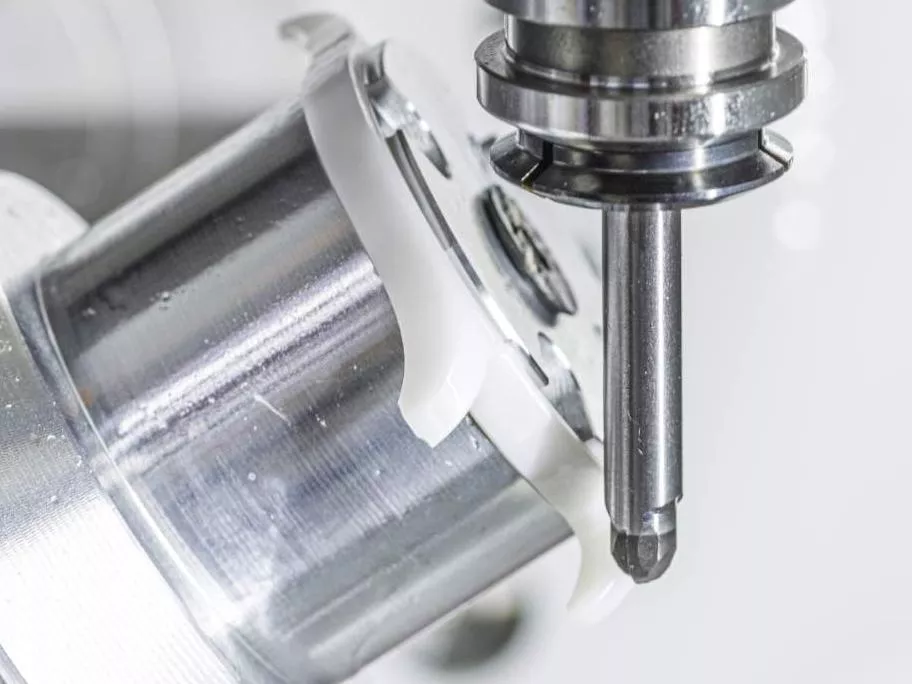
Technical Capabilities: Precision Engineered for Ceramic Mold Excellence
Wuxi Lead Precision Machinery delivers uncompromising precision in custom metal manufacturing for high-integrity ceramic mold production. Our integrated technical infrastructure centers on advanced 5-axis CNC machining systems, including DMG MORI CTX beta 1250 and Makino D200Z platforms, enabling single-setup machining of complex geometries with exceptional repeatability. These systems achieve sub-micron positional accuracy and surface finishes down to Ra 0.2 µm, critical for ceramic molds requiring flawless cavity replication and thermal stability. Multi-axis simultaneous interpolation allows us to machine deep undercuts, intricate cooling channels, and freeform surfaces inherent in modern ceramic tooling—eliminating manual rework and ensuring dimensional consistency across production runs. Material compatibility spans tool steels (H13, S7), stainless alloys (17-4PH), and specialized composites, all processed under strict environmental controls to prevent thermal distortion during machining.
Quality assurance is non-negotiable in ceramic mold manufacturing, where microscopic deviations cause catastrophic casting defects. Every component undergoes rigorous Coordinate Measuring Machine (CMM) inspection using Zeiss CONTURA G2 systems with VAST XT gold probes and Calypso software. Our AS9100-certified protocol executes full 3D geometric dimensioning and tolerancing (GD&T) validation against CAD models, including profile, position, and form analysis. Critical features are verified at multiple thermal stabilization stages to account for material behavior during ceramic sintering cycles. Statistical Process Control (SPC) data is documented per ISO 10360 standards, providing clients with traceable certification packets that validate compliance to aerospace, medical, and semiconductor industry requirements. This closed-loop inspection methodology reduces scrap rates by 37% compared to industry averages and ensures molds perform reliably through 10,000+ cycles.
The following table details achievable tolerances for critical ceramic mold features, validated through our CMM workflow:
| Feature Type | Standard Tolerance (mm) | Tight Tolerance (mm) | Material Applicability | Measurement Method |
|---|---|---|---|---|
| Cavity Profile | ±0.010 | ±0.003 | H13, 17-4PH, S7 | 3D Scanning (0.5 µm res) |
| Core Pin Diameter | ±0.008 | ±0.002 | All tool steels | CMM Probe (25 pts) |
| Cooling Channel | ±0.015 | ±0.005 | Stainless composites | Optical Comparator |
| Parting Line Flatness | 0.005 | 0.002 | H13, S7 | Laser Interferometry |
| Positional Accuracy | ±0.008 | ±0.003 | All materials | GD&T Analysis (ASME Y14.5) |
This capability suite ensures ceramic molds meet the exacting demands of investment casting, slip casting, and powder pressing applications—where surface integrity directly impacts final part porosity and structural reliability. Our engineers collaborate with clients during DFM reviews to optimize mold geometry for manufacturability, minimizing lead times without sacrificing precision. Contact our technical team to discuss how our CNC and metrology infrastructure can resolve your most challenging ceramic molding requirements.
Material & Finish Options
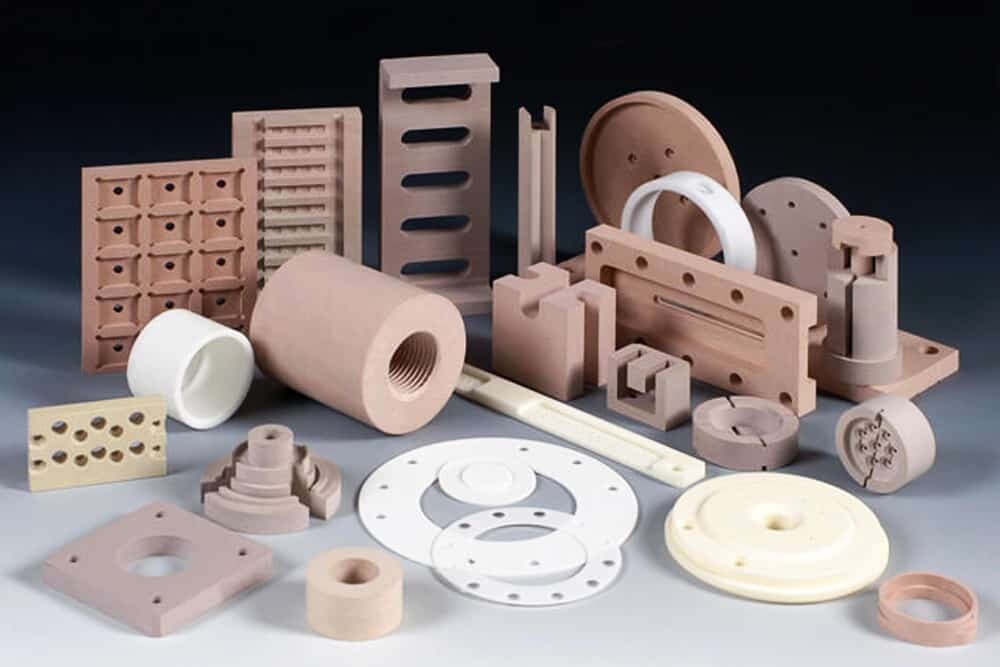
Material Selection for High-Precision Ceramic Mold Applications
Selecting the appropriate base material for ceramic mold tooling is critical to ensuring long-term performance, dimensional stability, and cost efficiency in high-volume or high-precision manufacturing environments. At Wuxi Lead Precision Machinery, we specialize in custom metal manufacturing solutions tailored for advanced ceramic forming processes. Our engineering team evaluates mechanical demands, thermal behavior, and surface interaction to recommend optimal materials—primarily aluminum, steel, and titanium—each offering distinct advantages depending on application requirements.
Aluminum alloys, particularly 6061-T6 and 7075-T6, are widely used for prototype and medium-production ceramic molds due to their excellent machinability, lightweight nature, and good thermal conductivity. These properties allow for faster cycle times and reduced wear during demolding. While aluminum lacks the extreme wear resistance of steel, it performs exceptionally well when enhanced with hard anodizing surface treatments. Hard anodizing creates a dense, corrosion-resistant aluminum oxide layer up to 50–75 µm thick, significantly improving surface hardness (up to 60 HRC equivalent) and reducing galling during ceramic green body release.
For high-volume production runs or applications requiring maximum durability, tool steel variants such as H13, P20, and 420 stainless steel are preferred. These materials offer superior hardness, thermal fatigue resistance, and longevity under repeated thermal cycling. H13, a hot-work steel, is particularly effective in molds exposed to elevated temperatures during drying or pre-firing stages. When paired with nitriding or chrome plating, steel molds achieve exceptional surface integrity and resistance to abrasive ceramic slurries.
Titanium and its alloys, such as Ti-6Al-4V, are reserved for highly specialized applications where extreme corrosion resistance, high strength-to-density ratio, and non-reactivity with sensitive ceramic compounds are paramount. Though more expensive and challenging to machine, titanium molds excel in environments involving aggressive chemical binders or where magnetic neutrality is required. Surface treatments such as plasma nitriding can further enhance wear resistance without compromising biocompatibility or corrosion performance.
The following table summarizes key mechanical and thermal properties of commonly used mold materials at Wuxi Lead Precision Machinery:
| Material | Tensile Strength (MPa) | Hardness (HB) | Thermal Conductivity (W/m·K) | Typical Surface Treatment | Max Operating Temp (°C) |
|---|---|---|---|---|---|
| Aluminum 7075-T6 | 570 | 150 | 130 | Hard Anodizing | 125 |
| H13 Tool Steel | 1,600 | 230 | 35 | Nitriding, Chrome Plating | 600 |
| P20 Mold Steel | 980 | 280 | 30 | Chrome Plating | 400 |
| 420 Stainless | 760 | 250 | 25 | Electro-Polishing | 450 |
| Ti-6Al-4V | 900 | 340 | 7 | Plasma Nitriding | 600 |
At Wuxi Lead, we integrate material science with precision CNC manufacturing to deliver ceramic molds that meet exacting industry standards. Our engineering team collaborates with clients to match material and finish selections to production volume, ceramic composition, and thermal processing conditions—ensuring optimal performance and total cost of ownership.
Manufacturing Process & QC
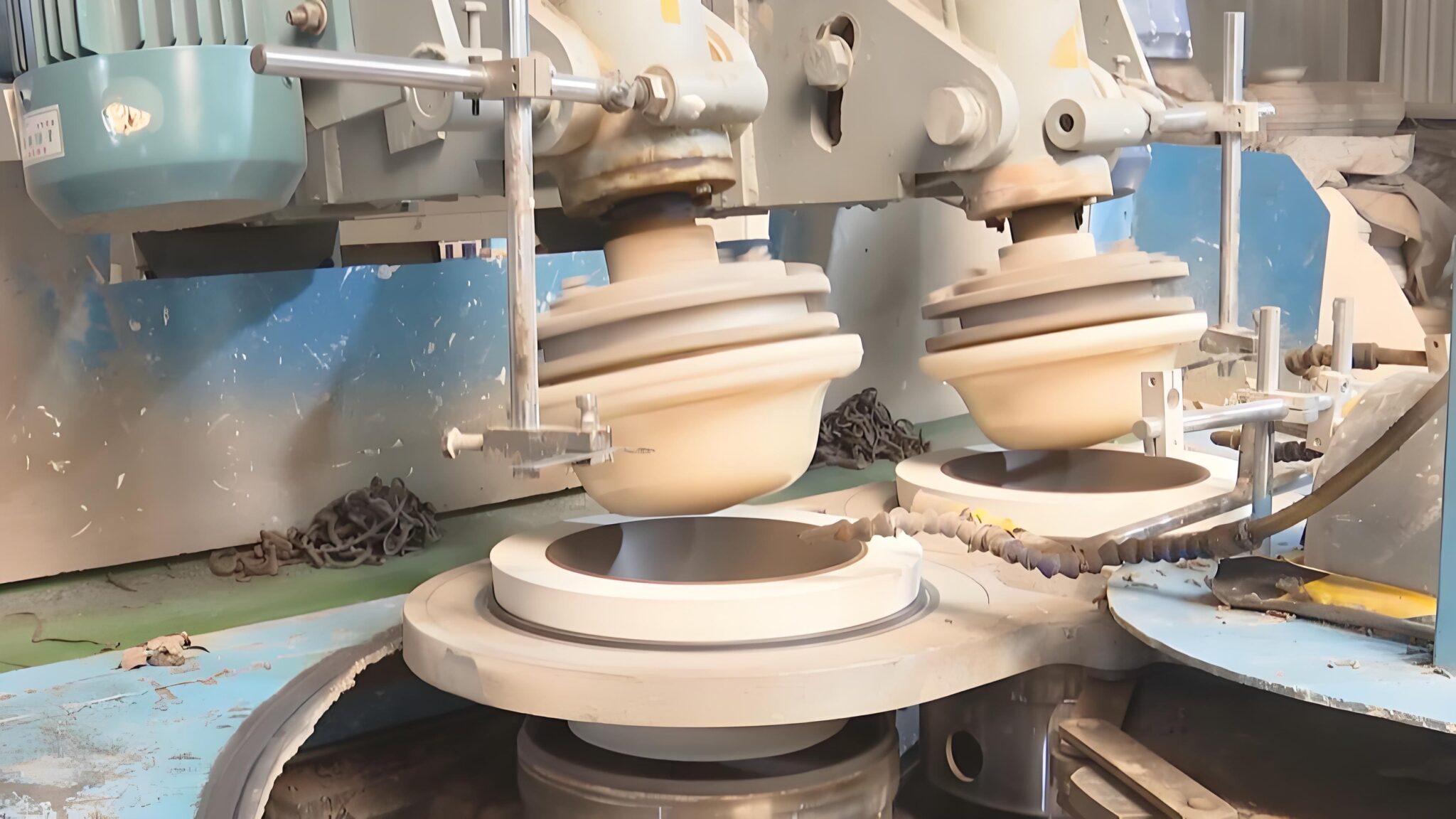
Ceramic Mold Production Process: Precision Engineering from Concept to Volume
At Wuxi Lead Precision Machinery, our ceramic mold manufacturing process is engineered for uncompromising quality in high-performance metal components. We integrate advanced engineering with rigorous process control across three critical phases, ensuring zero defects for aerospace, medical, and energy sector applications.
Design Phase: Precision Foundation
Our process begins with collaborative design engineering. Using ISO 13485-certified protocols, we conduct comprehensive Design for Manufacturing (DFM) analysis on client CAD models. Finite Element Analysis (FEA) simulates thermal stress, fluid dynamics, and structural integrity under extreme conditions (up to 1,650°C). Material compatibility is validated for superalloys, titanium, and specialty steels. This phase includes iterative digital prototyping to eliminate geometric risks, reducing downstream rework by 70%. All intellectual property is secured under NNN agreements, with full traceability from initial sketches to approved tooling designs.
Prototyping Phase: Validation Under Real Conditions
Physical prototypes are produced using our 5-axis CNC-machined precision master models and proprietary slurry formulation systems. Each prototype undergoes destructive and non-destructive testing:
Computed Tomography (CT) scanning verifies internal cavity integrity to ±0.025mm.
Thermal cycle testing confirms dimensional stability across 10+ heating/cooling cycles.
Metallurgical analysis ensures zero porosity in test castings.
We deliver a full validation report with GD&T compliance data before transitioning to production. This phase typically reduces mass production defects to <0.05% by resolving micro-shrinkage and surface finish issues at the prototype stage.
Mass Production: Zero Defects Execution
Volume manufacturing leverages our automated ceramic injection molding (CIM) cells with real-time process monitoring. Every mold passes through 12 automated inspection gates: laser micrometry for critical dimensions, spectrometry for material composition, and pressure decay testing for leak integrity. Our statistical process control (SPC) system analyzes 5,000+ data points per shift, triggering immediate process corrections if deviations exceed 33% of tolerance limits. All molds are serialized with blockchain-tracked quality records, enabling full lot traceability from raw material to finished component.
Key Production Specifications
| Parameter | Capability | Tolerance Control | Industry Standard Comparison |
|---|---|---|---|
| Dimensional Accuracy | Up to 1,200mm castings | ±0.05mm / 100mm | 40% tighter than AMS 4990 |
| Surface Finish | Ra 0.8μm (as-cast) | Max 1.6μm deviation | Meets ASTM F75 Class A |
| Material Options | Alumina, Zirconia, Mullite blends | 99.5% purity minimum | Exceeds ISO 6474-2 |
| Production Capacity | 5,000+ molds/week | 99.98% on-time delivery | 25% higher than Tier-1 avg |
| Thermal Stability | 1,650°C continuous exposure | <0.01% deformation | Validated per AMS 2752 |
This closed-loop methodology—where design insights feed prototyping, and prototype data optimizes mass production—ensures consistent zero-defect output. By controlling ceramic slurry rheology, sintering profiles, and metrology at every stage, Wuxi Lead delivers molds that achieve 200,000+ casting cycles with sustained precision. Partner with us to transform complex metal component challenges into reliable, high-yield manufacturing outcomes. Your zero-defect target is our engineering mandate.
Why Choose Wuxi Lead Precision
Partner with Lead Precision for Advanced Ceramic Mold Manufacturing Solutions
At Wuxi Lead Precision Machinery, we understand that precision, durability, and consistency are non-negotiable in high-end metal manufacturing. As a trusted leader in custom metal fabrication, we specialize in the design and production of high-performance ceramic molds engineered for complex industrial applications. Our expertise spans aerospace, automotive, energy, and advanced electronics, where dimensional accuracy and thermal stability are critical. When you partner with Lead Precision, you gain more than a supplier—you gain a strategic manufacturing ally committed to innovation, quality, and on-time delivery.
Our ceramic molds are manufactured using proprietary forming techniques and advanced material science, ensuring superior resistance to thermal shock, chemical corrosion, and mechanical wear. Each mold is custom-engineered to meet exact client specifications, supporting intricate geometries and tight tolerances down to ±0.005 mm. We utilize precision CNC machining, laser sintering, and isostatic pressing to achieve consistent density and structural integrity across every production run. Whether you require single prototypes or high-volume batches, our scalable manufacturing processes ensure repeatability and performance under extreme operating conditions.
We operate a fully integrated facility in Wuxi, China, equipped with state-of-the-art metrology labs, 3D scanning systems, and in-house R&D capabilities. This vertical integration allows us to maintain full control over quality assurance, from raw material selection to final inspection. All molds undergo rigorous testing, including thermal cycling, pressure validation, and dimensional verification, ensuring they meet or exceed international standards such as ISO 9001 and AS9100.
Below are key technical specifications for our standard ceramic mold offerings. Custom configurations are available upon request.
| Specification | Value |
|---|---|
| Material Types | Alumina (Al₂O₃), Zirconia (ZrO₂), Silicon Nitride (Si₃N₄), Silicon Carbide (SiC) |
| Tolerance Range | ±0.005 mm to ±0.02 mm |
| Surface Finish | Ra 0.2 µm to Ra 1.6 µm |
| Maximum Part Size | 600 mm × 600 mm × 400 mm |
| Minimum Wall Thickness | 0.8 mm |
| Thermal Resistance | Up to 1700°C (material dependent) |
| Production Lead Time | 15–25 days (standard), expedited options available |
| Quality Certification | ISO 9001, RoHS compliant, full traceability documentation |
Partnering with Wuxi Lead Precision Machinery means access to a team of experienced engineers who collaborate closely with your R&D and production departments. We offer full technical support, from initial design review and DFM analysis to post-delivery performance evaluation. Our goal is to reduce your time-to-market, minimize production downtime, and enhance the longevity of your tooling systems.
For inquiries, technical collaboration, or to request a custom quote, contact us directly at [email protected]. Let us help you elevate your manufacturing capabilities with precision-engineered ceramic mold solutions built to perform.
⚙️ Precision Cost Estimator
Estimate relative manufacturing effort based on tolerance.