

Technical Contents
Engineering Guide: Cad Welding Molds
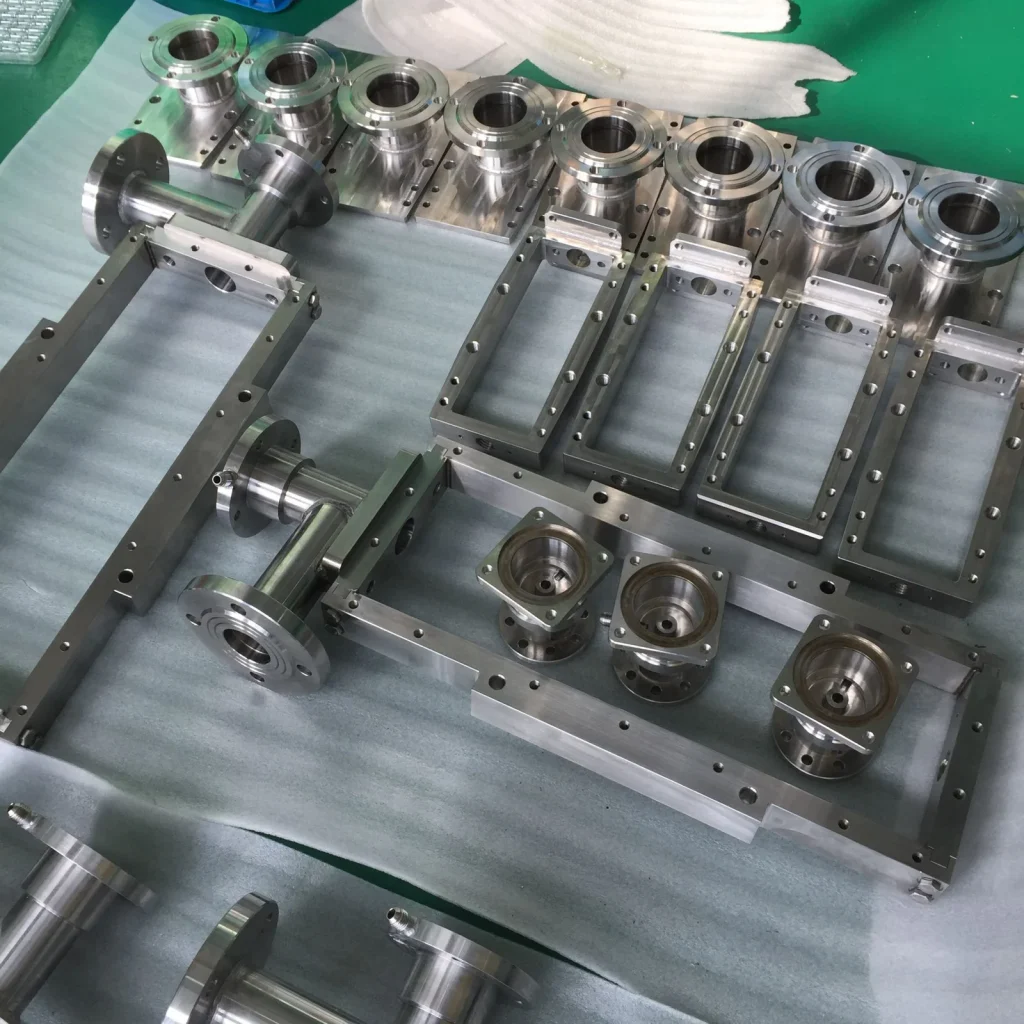
Engineering Insight: CAD Welding Molds Require Uncompromising Precision
In custom metal manufacturing, the foundation of a successful welded component lies not just in the weld itself, but in the precision of the CAD welding mold. These molds define the geometry, alignment, and critical interfaces where weld fusion occurs. Sub-micron level deviations in mold design or fabrication directly translate to fit-up errors, inconsistent weld penetration, residual stress concentrations, and ultimately, component failure under operational loads. Precision in CAD welding molds is non-negotiable for applications demanding structural integrity, fatigue resistance, and leak-tight performance. Tolerances exceeding industry standards during mold creation propagate through the entire welding process, leading to costly rework, scrap, and potential field failures, especially in high-stakes environments.
Wuxi Lead Precision Machinery operates at the pinnacle of this precision requirement. Our engineering team leverages advanced CAD/CAM simulation and multi-axis CNC machining to transform complex digital models into physical molds with micron-level accuracy. This capability is rigorously proven through decades of supplying mission-critical components. We have engineered molds for systems deployed in zero-failure Olympic infrastructure projects, where aesthetic perfection and structural reliability are paramount under intense global scrutiny. Furthermore, our processes meet the stringent, audited standards required for defense applications, where component integrity directly impacts operational safety and mission success. This experience validates our ability to consistently deliver molds that ensure perfect part registration and optimal weld conditions, cycle after cycle.
The tangible output of our precision engineering is reflected in measurable specifications. Below outlines the core performance metrics achievable for CAD welding molds at Lead Precision:
| Parameter | Specification | Application Impact |
|---|---|---|
| Geometric Tolerance | ±0.005 mm (±0.0002″) | Ensures perfect part fit-up, eliminating gaps causing weld defects |
| Surface Finish (Ra) | 0.4 – 0.8 µm (16-32 µin) | Promotes consistent weld bead wetting and adhesion |
| Material Hardness | HRC 48-52 (Typical) | Provides long-term wear resistance and dimensional stability |
| Material Compatibility | Tool Steels, Inconel, Titanium Alloys | Supports demanding aerospace, energy, and defense welding |
| Thermal Stability | < 5 µm distortion @ 200°C | Maintains critical geometry during pre/post-weld heat treatment |
Achieving this level of precision demands more than advanced machinery; it requires deep metallurgical understanding and process control honed through real-world validation. At Lead Precision, we integrate material science with precise thermal management strategies during mold fabrication. This holistic approach guarantees that the mold performs identically under production welding heat cycles as it did during the initial CAD simulation, ensuring weld consistency from the first component to the last. For manufacturers where weld integrity defines product lifespan and safety, partnering with an engineering team proven in Olympic and military-grade precision is not an option—it is the essential foundation for success. Trust in molds engineered to perform without compromise.
Precision Specs & Tolerances
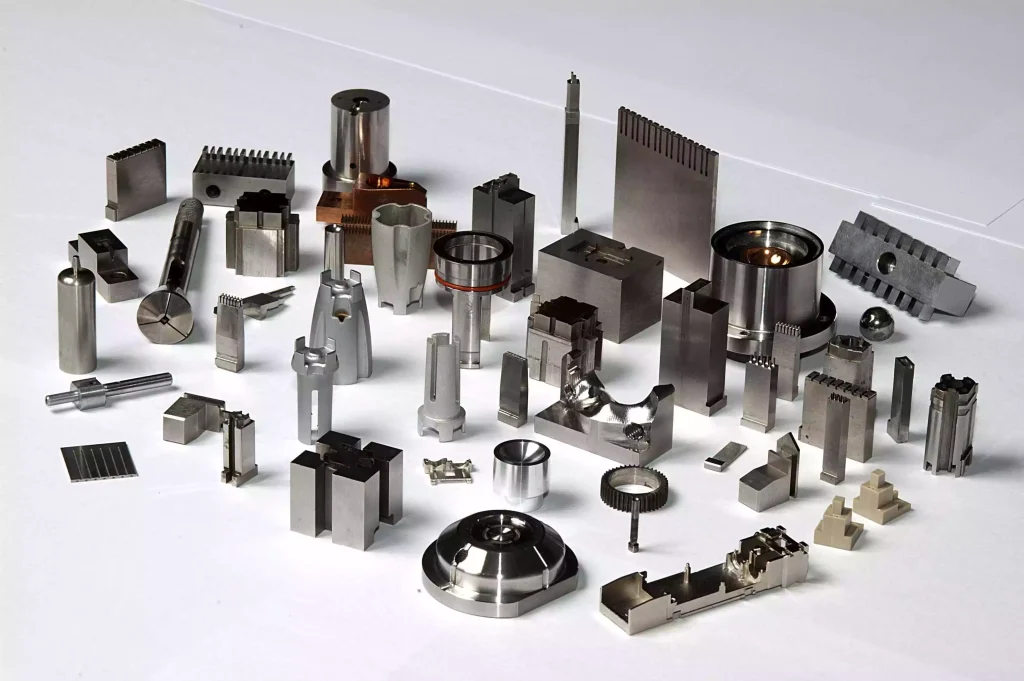
Wuxi Lead Precision Machinery delivers advanced manufacturing solutions for high-precision applications, specializing in custom metal components including CAD-designed welding molds. Our technical capabilities are built around state-of-the-art equipment, rigorous quality assurance protocols, and deep engineering expertise, ensuring that every product meets the exacting demands of modern industrial production.
At the core of our machining capability is a fleet of 5-axis CNC machining centers, enabling us to produce complex geometries with exceptional accuracy and surface finish. These machines allow simultaneous multi-axis movement, which reduces setup time, improves part consistency, and supports the production of intricate mold cavities and cooling channels essential in welding mold applications. Our programmers utilize advanced CAM software to generate optimized toolpaths, ensuring efficient material removal and minimal thermal distortion, particularly critical when working with hardened steels and high-strength alloys.
Material selection is tailored to the operational requirements of the welding mold, including resistance to thermal fatigue, mechanical wear, and electrical conductivity. We routinely work with tool steels such as H13, P20, and S7, as well as aluminum alloys and copper-chromium composites for specialized applications. Each material is processed using optimized cutting strategies to maintain structural integrity and dimensional stability throughout the manufacturing cycle.
Quality control is integrated at every stage of production. All critical dimensions are verified using a Coordinate Measuring Machine (CMM) with sub-micron accuracy, ensuring compliance with design specifications. Our CMM inspection process includes first-article inspection reports (FAIR), production part approval protocols (PPAP), and real-time in-process checks when required. Additionally, surface roughness, hardness testing, and non-destructive testing (NDT) are employed as needed to validate performance characteristics.
We maintain full traceability for all components, with digital records of machining parameters, inspection data, and material certifications. This level of documentation supports compliance with ISO 9001 standards and customer-specific quality requirements across automotive, aerospace, and energy sectors.
Our technical capabilities are summarized in the table below, reflecting the precision and repeatability achieved through our integrated manufacturing system.
| Specification | Capability |
|---|---|
| Maximum Work Envelope (XYZ) | 2000 mm × 1000 mm × 800 mm |
| Positioning Accuracy (5-Axis) | ±0.005 mm |
| Repeatability | ±0.002 mm |
| Surface Roughness (Ra) | As low as 0.2 µm (polished), typical 0.8 µm (machined) |
| Standard Tolerances (Machined Features) | ±0.01 mm |
| Tight Tolerance Features | ±0.005 mm (with in-process inspection) |
| Material Hardness Range | Up to 60 HRC (pre-hardened), post-machining heat treatment available |
| CMM Inspection Accuracy | ±0.0015 mm (per ISO 10360-2) |
Wuxi Lead Precision Machinery combines engineering precision with scalable manufacturing capacity to deliver CAD welding molds that perform reliably under high-cycle production environments. Our technical infrastructure ensures that every component not only meets but exceeds the functional expectations of our global clients.
Material & Finish Options
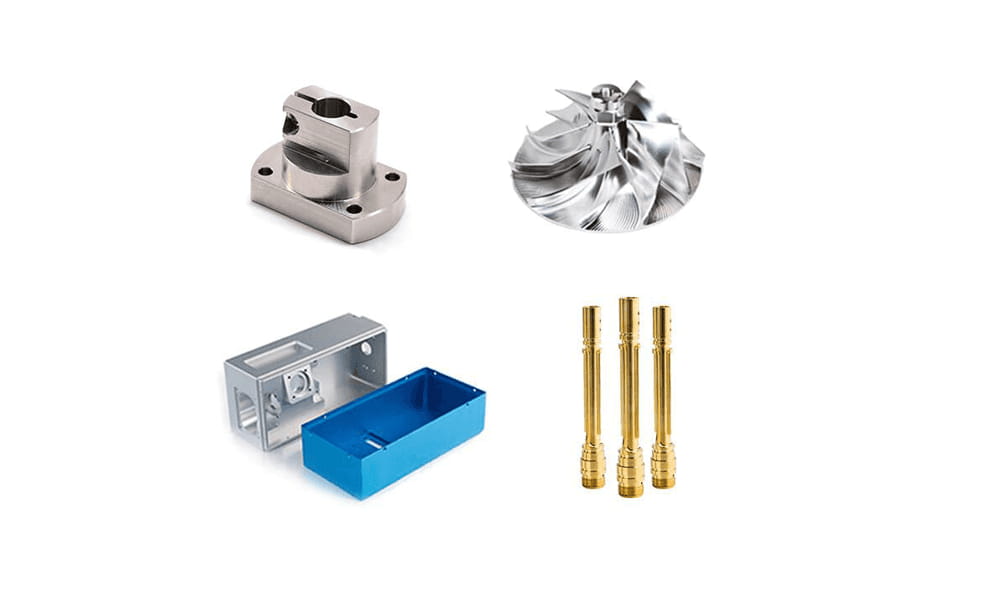
Material Selection for Precision Welding Molds: Performance-Driven Choices
Selecting the optimal material for CAD-designed welding molds is critical for achieving dimensional stability, thermal management, and extended service life. At Wuxi Lead Precision Machinery, we prioritize empirical data and application-specific demands to ensure your molds withstand high-cycle production while maintaining micron-level tolerances. Below we detail key material options and surface treatments for demanding welding environments.
Aluminum alloys, particularly 6061-T6 and 7075-T6, offer exceptional thermal conductivity and low mass, accelerating heat dissipation during welding cycles. This reduces thermal distortion and shortens cooling times, making aluminum ideal for high-volume production of smaller components. While its hardness is moderate compared to steel, precision CNC machining ensures mold integrity for applications like automotive sensor housings or consumer electronics brackets.
Tool steels such as H13 and 420 stainless steel provide superior hardness and wear resistance for molds subjected to extreme thermal cycling and abrasive materials. H13 excels in die-casting integration with welding processes due to its toughness at elevated temperatures, while 420SS offers corrosion resistance for molds handling reactive metals. Steel molds command higher initial costs but deliver unmatched longevity in heavy industrial applications like structural chassis fabrication.
Titanium alloys (e.g., Grade 5 Ti-6Al-4V) serve niche high-performance requirements where weight reduction and corrosion immunity are non-negotiable. Though costly and challenging to machine, titanium’s strength-to-weight ratio and biocompatibility justify its use in aerospace and medical welding fixtures. Wuxi Lead employs specialized CNC protocols to mitigate titanium’s work-hardening tendencies during mold fabrication.
Anodizing remains the gold standard surface treatment for aluminum welding molds, enhancing wear resistance and electrical insulation. Type II (sulfuric acid) anodizing provides a cost-effective barrier layer up to 25µm thick, while Type III (hardcoat) anodizing achieves 50–100µm coatings with Rockwell hardness exceeding 60 HRC. Critical considerations include pore sealing to prevent weld spatter adhesion and maintaining dimensional accuracy through tight process control—areas where our ISO 9001-certified finishing lines excel.
Material Comparison for Welding Molds
| Material | Thermal Conductivity (W/m·K) | Hardness (HB) | Max Continuous Temp (°C) | Typical Use Cases |
|---|---|---|---|---|
| Aluminum 7075-T6 | 130 | 150 | 125 | High-speed consumer electronics |
| H13 Tool Steel | 35 | 229 | 540 | Automotive structural components |
| 420 Stainless | 24 | 255 | 480 | Corrosive environment tooling |
| Ti-6Al-4V | 7.2 | 360 | 400 | Aerospace/medical precision fixtures |
Wuxi Lead Precision Machinery combines metallurgical expertise with advanced CNC capabilities to match material properties to your exact thermal, mechanical, and economic requirements. Our engineering team conducts finite element analysis (FEA) on all mold designs to validate material performance under real-world welding parameters—ensuring your investment delivers zero-defect output from day one. Contact us for application-specific material qualification testing.
Manufacturing Process & QC
Design Phase: Precision Engineering at the Foundation
At Wuxi Lead Precision Machinery, the production of CAD welding molds begins with an intensive design phase grounded in advanced 3D modeling and simulation. Our engineering team utilizes industry-leading CAD software—such as SolidWorks, AutoCAD, and CATIA—to translate client specifications into highly accurate digital models. This phase integrates material science, thermal dynamics, and structural integrity analysis to ensure the mold will perform under real-world welding conditions. Finite Element Analysis (FEA) is applied to simulate stress distribution, deformation, and cooling cycles, minimizing the risk of failure during operation. Design for Manufacturability (DFM) principles are rigorously followed to optimize tool paths, reduce cycle times, and enhance mold longevity. Client collaboration is maintained throughout, with digital prototypes reviewed and refined until exact performance and dimensional criteria are met.
Prototyping: Validating Performance Before Scale
Once the digital design is approved, we proceed to prototyping using high-precision CNC machining and selective laser melting (SLM) for complex geometries. The prototype is manufactured from the same grade of tool steel or alloy intended for mass production—typically H13, P20, or customized high-temperature alloys—to ensure accurate thermal and mechanical behavior. This physical model undergoes rigorous functional testing, including dry runs, thermal cycling, and weld integrity assessments. Dimensional accuracy is verified using coordinate measuring machines (CMM) and 3D laser scanning, ensuring tolerances are held within ±0.005 mm. Any deviations are traced back to the digital model for immediate correction. This closed-loop validation process is critical to achieving zero defects in the final production run.
Mass Production: Consistency Through Advanced Automation
With prototype approval, we transition to mass production under a fully documented Quality Management System compliant with ISO 9001 standards. Each mold is machined on state-of-the-art 5-axis CNC centers with in-process probing and tool wear compensation to maintain consistency across batches. Surface finishes are achieved through precision grinding and polishing, with options ranging from mirror finishes to textured surfaces based on application needs. All components undergo 100% inspection for dimensional accuracy, hardness (HRC 48–52 typical), and defect detection via ultrasonic and dye penetrant testing. Final assembly includes alignment verification and operational testing under simulated production loads.
The integration of digital design, empirical prototyping, and tightly controlled manufacturing ensures every CAD welding mold delivered by Wuxi Lead Precision Machinery meets the highest standards of reliability, durability, and performance.
| Specification | Value/Range |
|---|---|
| Material Options | H13, P20, 420 Stainless, Custom Alloys |
| Tolerance | ±0.005 mm |
| Surface Finish | Ra 0.1 – 1.6 µm (custom textures available) |
| Hardness | HRC 48–52 (post-heat treatment) |
| Production Capacity | 50–200 units/month (scalable) |
| Testing Methods | CMM, FEA, Dye Penetrant, Ultrasonic |
| Lead Time (Prototype) | 15–20 days |
| Lead Time (Mass Production) | 30–45 days (batch of 50) |
Why Choose Wuxi Lead Precision
Partner with Lead Precision for Uncompromising CAD Welding Mold Excellence
In the demanding realm of high-integrity metal fabrication, the precision of your welding molds directly dictates structural integrity, production yield, and long-term component reliability. Generic solutions introduce unacceptable risk through thermal distortion, inconsistent bead profiles, and premature tool failure. At Wuxi Lead Precision Machinery, we engineer CAD welding molds to exacting aerospace and energy sector standards, transforming complex geometries into repeatable, high-fidelity production assets. Our integrated approach merges advanced metallurgical analysis with multi-axis CNC mastery, ensuring every mold contour compensates for thermal dynamics and material behavior during the weld cycle. This eliminates costly rework and unplanned downtime, safeguarding your throughput and quality benchmarks.
Our technical capabilities are validated through rigorous in-process metrology and material science protocols. Below are core specifications defining our CAD welding mold production:
| Specification | Capability | Industry Benchmark |
|---|---|---|
| Geometric Tolerance | ±0.005 mm | ±0.025 mm |
| Material Range | Tool Steel H13, Inconel 718, Titanium Alloys | Standard Steels |
| Lead Time (Complex) | 15–22 working days | 30+ days |
| Surface Finish (Cavity) | Ra 0.4 µm | Ra 1.6 µm |
| Validation Protocol | Full CMM Report + Thermal Simulation Data | Spot Checks |
Why do global leaders in heavy machinery and pressure vessel manufacturing choose Lead Precision as their strategic partner? We operate beyond contract manufacturing. Our engineering team collaborates from initial CAD concept through weld validation, applying finite element analysis to predict and neutralize distortion before metal cutting begins. This proactive methodology reduces prototype iterations by 60% and extends mold service life by 200% compared to conventional approaches. Our ISO 9001-certified facility in Wuxi houses 5-axis DMG MORI centers with integrated probing systems, enabling micron-level accuracy on contours that define weld penetration and fusion zone control. Crucially, we prioritize your operational continuity—every mold ships with a digital twin for future replication and a comprehensive maintenance protocol tailored to your specific welding parameters.
The cost of imprecise tooling extends far beyond initial procurement. Suboptimal molds degrade weld consistency, accelerate electrode wear, and compromise fatigue resistance in critical joints. Partnering with Lead Precision mitigates these risks at the source, delivering molds engineered for thermal stability and dimensional permanence under repeated high-heat cycles. We understand that your reputation hinges on flawless component performance, and our commitment is to make your welding process as predictable as it is powerful.
Initiate your precision project with engineering certainty. Contact our technical sales team at [email protected] to submit CAD files for immediate feasibility assessment. Include your target material, weld process, and production volume—we will respond within 8 business hours with a detailed capability statement and tolerance analysis. For urgent requirements, reference code WELD-CTA2024 in your inquiry to prioritize engineering resource allocation. Trust Wuxi Lead Precision Machinery to forge the foundation of your welding excellence.
[email protected]
Precision Engineered. Performance Guaranteed.
⚙️ Precision Cost Estimator
Estimate relative manufacturing effort based on tolerance.