

Technical Contents
Engineering Guide: Brass Screw Machine Parts
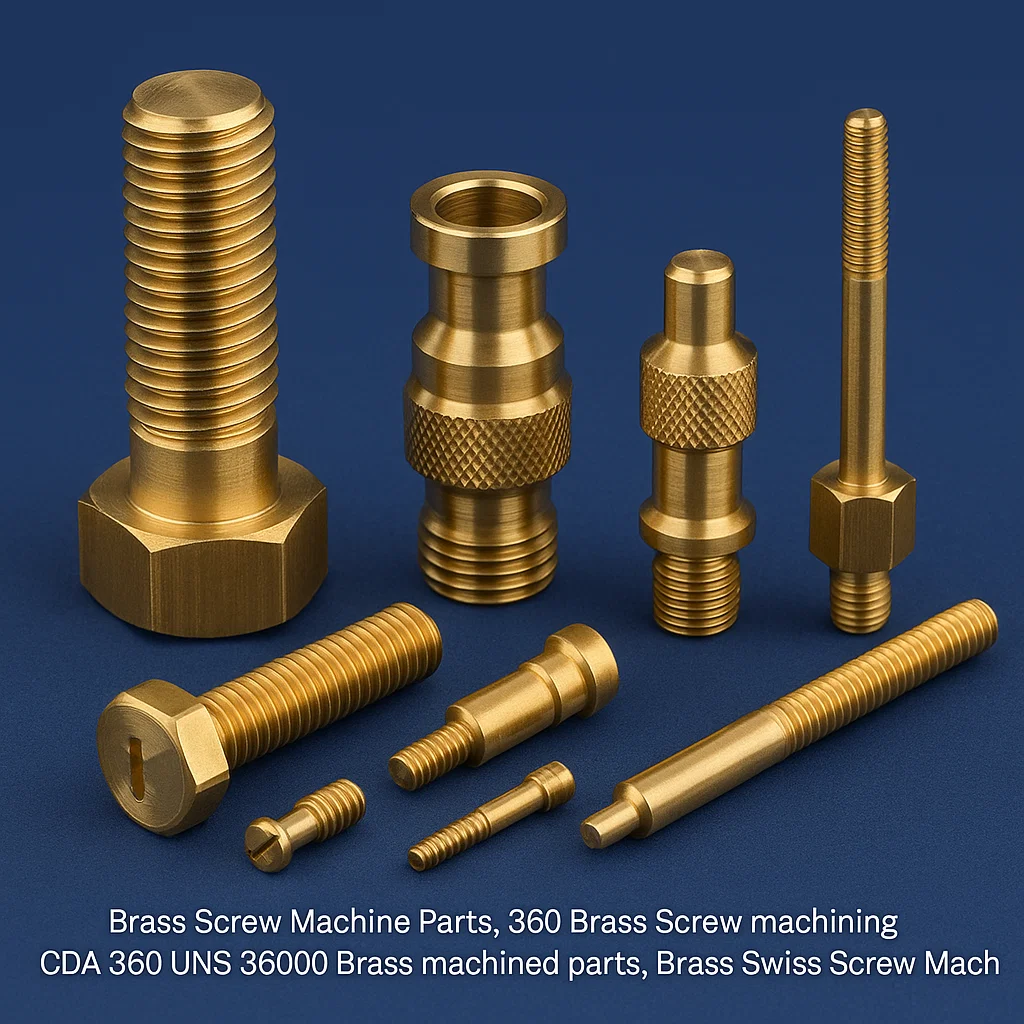
Engineering Insight: The Critical Role of Precision in Brass Screw Machine Parts
In the realm of custom metal manufacturing, few components demand the level of accuracy and consistency required by brass screw machine parts. These precision-engineered elements serve as foundational components across high-performance industries including aerospace, medical devices, automotive systems, and industrial automation. At Wuxi Lead Precision Machinery, we recognize that even the smallest deviation in dimensions or surface finish can compromise the functionality, reliability, and safety of the final assembly. This understanding drives our unwavering commitment to micron-level precision in every brass screw machine part we produce.
Brass, with its excellent machinability, corrosion resistance, and electrical conductivity, is a preferred material for complex turned components. However, its softness and tendency to work-harden require expert handling during high-speed screw machining. Achieving tight tolerances—often within ±0.005 mm—demands not only advanced CNC Swiss and automatic screw machines but also deep process knowledge and rigorous quality control. At Lead Precision, our engineering team leverages over 15 years of experience in high-mix, low-volume production to optimize tool paths, manage thermal drift, and maintain consistent material flow, ensuring repeatable accuracy across production runs.
Our expertise has been validated through mission-critical applications, including components manufactured for Olympic-standard timing systems and select military communication devices. These projects required adherence to MIL-STD and ISO 2768 standards, where failure was not an option. The success of these engagements underscores our capability to deliver not just parts, but engineered solutions that meet the most stringent performance criteria.
We integrate precision at every stage—from raw material sourcing and in-process inspection using coordinate measuring machines (CMM), to final packaging. Our ISO 9001-certified facility employs real-time monitoring systems to track tool wear and dimensional stability, minimizing variability and ensuring that every batch meets exacting customer specifications.
Below are typical specifications achievable for brass screw machine parts at Wuxi Lead Precision Machinery:
| Parameter | Standard Capability | High-Precision Capability |
|---|---|---|
| Material | C3604, C37710, C38500, etc. | Free-cutting brass alloys |
| Outer Diameter Range | 1.0 mm – 25.0 mm | 1.0 mm – 20.0 mm |
| Length Range | 2.0 mm – 100 mm | Up to 75 mm |
| Tolerance (±) | ±0.01 mm | ±0.005 mm |
| Surface Roughness (Ra) | 1.6 μm | 0.4 μm – 0.8 μm |
| Runout | ≤ 0.02 mm | ≤ 0.01 mm |
| Secondary Operations | Threading, knurling, slotting, drilling, chamfering, plating, heat treatment | Custom assembly, laser marking |
At Wuxi Lead Precision Machinery, we do not merely manufacture brass screw machine parts—we engineer confidence. Our precision-driven approach ensures that every component contributes to the integrity and performance of the systems they enable.
Precision Specs & Tolerances
Technical Capabilities for Precision Brass Screw Machine Parts
Wuxi Lead Precision Machinery delivers uncompromising accuracy in brass screw machine part production through integrated advanced manufacturing and rigorous quality control systems. Brass presents unique machining challenges due to its softness, thermal conductivity, and tendency toward built-up edge formation. Our engineered approach mitigates these factors using optimized toolpaths, specialized carbide tooling, and high-pressure coolant systems to achieve burr-free finishes and dimensional stability critical for hydraulic, aerospace, and medical applications.
Central to our capability is a dedicated fleet of 5-axis CNC Swiss-type lathes and multi-spindle screw machines. These platforms enable complete part fabrication in a single setup, eliminating secondary operations and cumulative error sources. Live tooling stations perform milling, cross-drilling, and polygonal shaping down to 0.1 mm features, while Y-axis functionality creates off-center geometries without manual intervention. Thermal compensation systems and rigid cast-iron beds maintain sub-micron repeatability across extended production runs, even for complex geometries like multi-start threads or micro-bore fittings. Material utilization is maximized through intelligent nesting software, reducing brass waste by up to 22% versus conventional methods.
Quality assurance is non-negotiable. Every production batch undergoes 100% first-article inspection via Zeiss O-INSPECT 544 multisensor CMMs, combining tactile probing with optical scanning for GD&T validation. In-process checks at defined intervals verify critical dimensions using Marposs gauging systems integrated directly into machine turrets. Final inspection includes surface roughness verification (Ra 0.2–0.8 µm achievable), material certification traceability, and helium leak testing for fluid-critical components. Our ISO 9001:2015-certified workflow ensures compliance with AS9100 and NADCAP requirements for defense and aviation sectors.
Tolerance performance is systematically validated against international standards. The following table reflects achievable capabilities for brass alloys (C36000, C37700, etc.) under controlled production conditions:
| Feature | Standard Tolerance | Tight Tolerance Capability | Reference Standard |
|---|---|---|---|
| Linear Dimensions | ±0.025 mm | ±0.005 mm | ISO 2768-mK |
| Hole Diameter | ±0.015 mm | ±0.003 mm | ISO 286-2 H6 |
| Concentricity | 0.02 mm | 0.005 mm | ISO 1101 |
| Surface Roughness (Ra) | 1.6 µm | 0.2 µm | ISO 1302 |
| Thread Pitch Diameter | 6H/6g | 4H/4g | ISO 965 |
This precision foundation allows us to solve complex engineering challenges—from micro-valve spools requiring 5-micron roundness to high-volume connector bodies with 12+ simultaneous features. All processes are supported by full digital thread documentation, including 3D inspection reports and SPC data packages. Partner with Wuxi Lead to transform brass component specifications into reliably manufactured realities, backed by 15 years of Swiss machining expertise and a 99.82% on-time delivery record.
Material & Finish Options
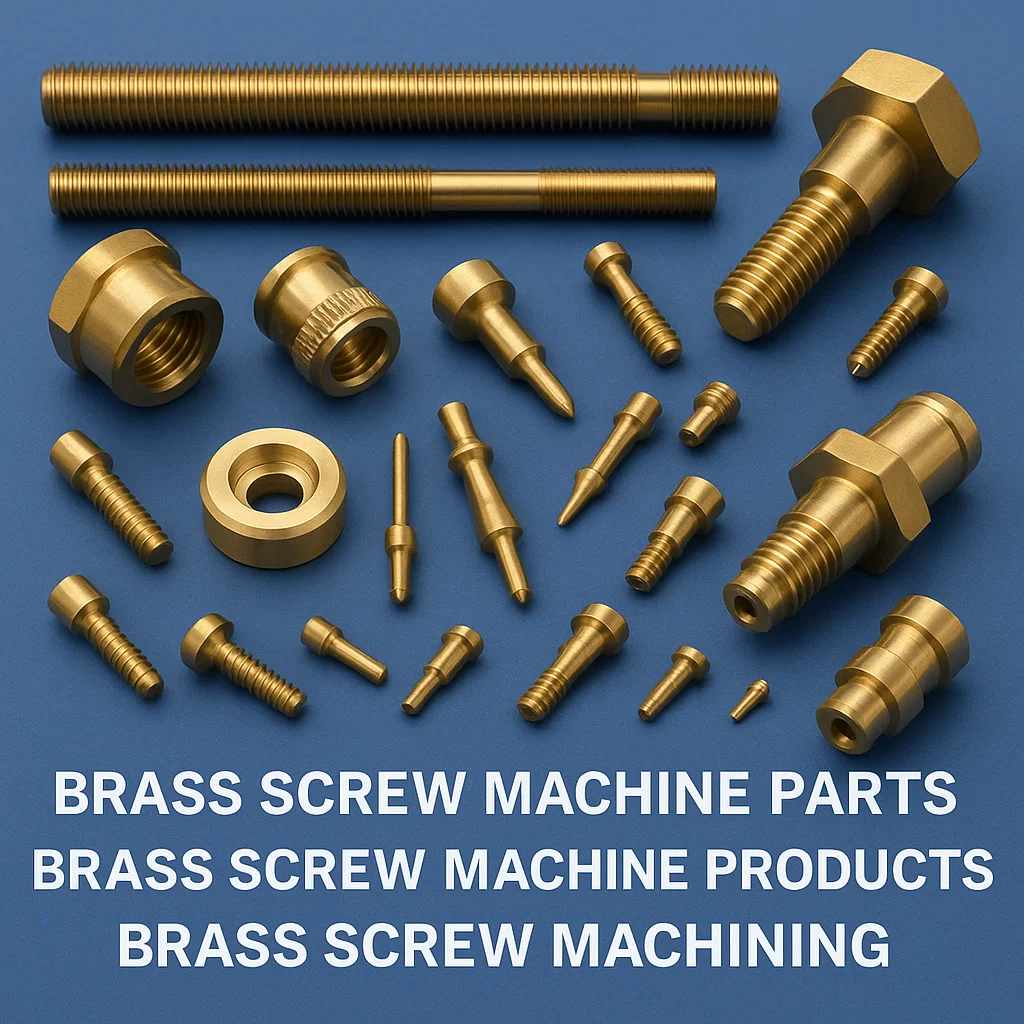
Material selection is a critical step in the production of high-performance brass screw machine parts, directly influencing functionality, durability, and cost-efficiency. While brass remains a preferred base material due to its excellent machinability, corrosion resistance, and electrical conductivity, complementary materials such as aluminum, steel, and titanium are often specified depending on the application’s mechanical and environmental demands. Understanding the properties and trade-offs of each material ensures optimal performance in precision components used across aerospace, medical, automotive, and industrial sectors.
Aluminum is widely used when lightweight and moderate strength are required without sacrificing corrosion resistance. It offers excellent thermal and electrical conductivity and is highly machinable, making it suitable for complex screw machine parts. However, aluminum lacks the wear resistance of steel or brass, necessitating protective finishes such as anodizing to enhance surface hardness and longevity. Anodizing creates a durable oxide layer that improves wear and corrosion resistance while allowing for color coding through dye integration—valuable in assembly and quality control processes.
Steel, particularly alloy and stainless grades, delivers superior strength, hardness, and wear resistance. It is ideal for high-stress environments where dimensional stability under load is essential. Stainless steel variants such as 303 and 304 are commonly used in precision screw machining due to their balance of machinability and corrosion resistance. While heavier than aluminum or brass, steel’s mechanical robustness makes it indispensable in structural and load-bearing applications. Passivation is typically applied to stainless steel parts to remove surface contaminants and enhance corrosion resistance, though additional coatings may be applied for extreme environments.
Titanium stands at the premium end of material options, offering an exceptional strength-to-density ratio and outstanding resistance to corrosion, especially in saline or high-temperature environments. Its biocompatibility makes it a standard in aerospace and medical implant applications. However, titanium is more challenging to machine due to its low thermal conductivity and tendency to gall, requiring specialized tooling and process controls. Despite higher material and processing costs, titanium’s performance in critical applications justifies its use where failure is not an option.
The following table summarizes key mechanical and physical properties of these materials relevant to screw machine part production.
| Material | Density (g/cm³) | Tensile Strength (MPa) | Corrosion Resistance | Machinability Rating | Common Finishes |
|---|---|---|---|---|---|
| Aluminum | 2.7 | 110–480 | Moderate to High | Excellent | Anodizing, Passivation |
| Steel (Stainless 304) | 8.0 | 505–860 | High | Good | Passivation, Electropolish |
| Titanium (Grade 5) | 4.4 | 860–895 | Very High | Fair | Anodizing, Thermal Oxidation |
| Brass (C36000) | 8.5 | 300–500 | High | Excellent | Chromate, Lacquer |
At Wuxi Lead Precision Machinery, we support comprehensive material and finish selection based on application-specific requirements. Our expertise in CNC screw machining ensures that each material is processed under optimized conditions to maintain tight tolerances and surface integrity. Whether integrating anodized aluminum for lightweight enclosures or titanium components for aerospace systems, we deliver precision-engineered solutions with consistent quality and performance.
Manufacturing Process & QC
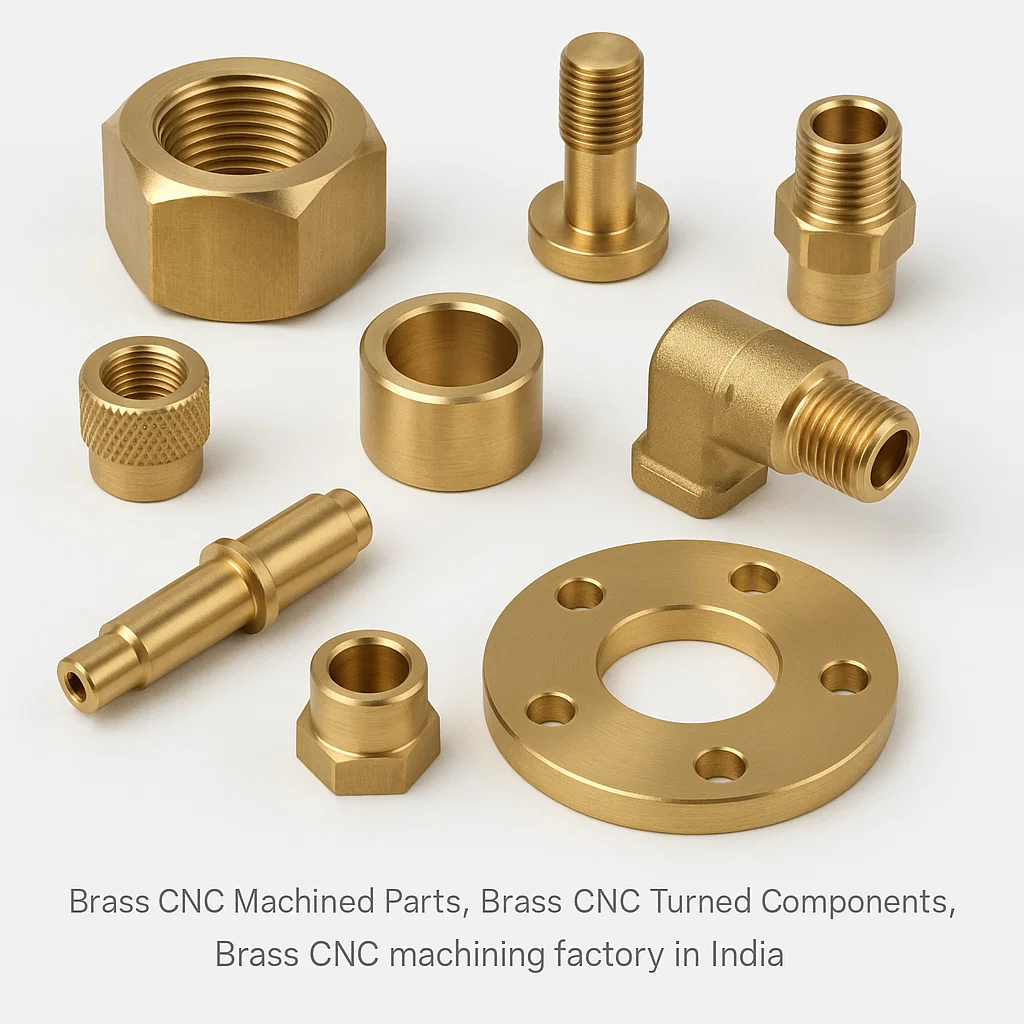
Precision Brass Screw Machine Parts: Engineering Flawless Production
At Wuxi Lead Precision Machinery, our production process for custom brass screw machine parts is engineered from inception to delivery for absolute dimensional integrity and zero defects. This rigorous methodology ensures components meet the stringent demands of aerospace, medical, and fluid control applications where failure is not an option. The journey begins with collaborative design engineering. Our technical team partners with your engineers to review CAD models, optimizing geometry for brass machinability (primarily C36000, C37700, C46400) while ensuring manufacturability within micron-level tolerances. We conduct comprehensive Design for Manufacturability (DFM) analysis, identifying potential stress points, wall thickness challenges, and feature interactions specific to brass’s unique thermal and mechanical properties. This phase prevents costly errors before metal is cut, establishing the blueprint for perfection.
Prototyping transitions design into physical validation under production-intent conditions. Utilizing our advanced CNC Swiss screw machines and multi-spindle automatics, we produce initial runs with the exact tooling, speeds, feeds, and coolant strategies planned for volume production. Each prototype undergoes exhaustive first-article inspection per AS9102 or customer-specific forms. Critical dimensions, thread profiles, concentricity, and surface finishes are verified using calibrated CMMs, optical comparators, and surface roughness testers. This stage is non-negotiable for confirming design viability and process stability.
Key Brass Machining Specifications Achieved
| Parameter | Typical Capability | Critical Control Method |
|---|---|---|
| Material | C36000, C37700, C46400 | Certified Mill Test Reports |
| Tolerance (Dia.) | ±0.0002″ (5µm) | In-process gaging, SPC charts |
| Surface Finish (Ra) | 8-16 µin (0.2-0.4 µm) | Profilometer verification |
| Thread Accuracy | Class 2A/2B, 3A/3B | Thread ring/plug gages |
| Runout | < 0.0004″ (10µm) | Dial indicator, CMM |
| Lead Time (Proto) | 7-10 business days | Dedicated rapid prototyping |
Mass production leverages the validated process with uncompromising zero-defect controls. Every production run initiates with a documented first-piece approval. Statistical Process Control (SPC) is embedded at critical stations; real-time data from in-line sensors and periodic operator checks monitor key characteristics like diameter and length. Automated vision systems inspect complex geometries and surface defects at line speed. Crucially, 100% critical dimension verification is standard, not optional. Our brass-specific expertise addresses challenges like chip control and thermal stability through optimized coolant delivery and stress-relief protocols. Final inspection includes comprehensive material verification, dimensional certification, and functional testing per your requirements. Traceability from raw bar stock to finished part is maintained via serialized lot tracking. This closed-loop system, combining precision engineering, advanced metrology, and disciplined execution, guarantees every brass screw machine part shipped from Wuxi Lead meets the uncompromising standard of zero defects demanded by high-reliability industries.
Why Choose Wuxi Lead Precision
Partner with Wuxi Lead Precision Machinery for Unmatched Quality in Brass Screw Machine Parts
When it comes to precision brass screw machine parts, consistency, accuracy, and material integrity are non-negotiable. At Wuxi Lead Precision Machinery, we specialize in delivering high-performance custom components tailored to the exacting demands of industries ranging from automotive and aerospace to medical devices and industrial automation. Our decades of expertise in CNC turning, Swiss machining, and multi-spindle screw machining ensure that every brass component meets the highest standards of dimensional accuracy and surface finish.
We understand that your supply chain depends on reliability. That’s why we combine advanced manufacturing technology with stringent quality control protocols to deliver parts that perform flawlessly in real-world applications. Whether you require low-volume prototypes or high-volume production runs, our facility in Wuxi, China, is equipped with state-of-the-art machinery and staffed by engineers who are experts in brass alloy behavior, thread precision, and secondary operations such as plating, heat treatment, and custom packaging.
Our commitment extends beyond production. We act as a true engineering partner—working closely with your design and procurement teams to optimize part geometry, reduce material waste, and shorten lead times without compromising performance. From initial design review to final inspection, we ensure full traceability and compliance with international standards including ISO 9001 and IATF 16949.
Below are key specifications and capabilities that define our brass screw machine part production:
| Specification | Capability |
|---|---|
| Material Types | C36000, C37700, C38500, C46400, and other custom brass alloys |
| Diameter Range | 1 mm to 25 mm |
| Length Range | Up to 100 mm |
| Tolerance | ±0.005 mm typical, tighter upon request |
| Surface Finish | Ra 0.4 µm to Ra 1.6 µm standard |
| Machining Processes | CNC Turning, Swiss Machining, Multi-Spindle Automatic Screw Machining |
| Secondary Operations | Threading, knurling, slotting, drilling, tapping, plating (Ni, Cr, Zn), passivation, heat treatment |
| Quality Standards | ISO 9001, IATF 16949, RoHS compliant |
| Production Volume | Prototype to high-volume, 1 million+ units annually |
| Lead Time | 7–15 days for samples, 15–30 days for production batches |
Choosing the right manufacturing partner is critical to your product’s success. At Wuxi Lead Precision Machinery, we don’t just meet specifications—we exceed expectations. Our focus on continuous improvement, technical agility, and customer collaboration has made us a trusted supplier to global OEMs and tier-one subcontractors.
If you are sourcing high-precision brass screw machine parts and demand a partner who delivers on quality, timing, and innovation, contact us today. Send your RFQ or technical drawings to [email protected] and let our engineering team provide a fast, detailed quotation with actionable insights to optimize your component design and production strategy. Partner with Lead Precision—where precision meets performance.
⚙️ Precision Cost Estimator
Estimate relative manufacturing effort based on tolerance.