

Technical Contents
Engineering Guide: Brass Casting Kit

Engineering Insight: The Critical Role of Precision in Brass Casting Kits
In the realm of custom metal manufacturing, brass casting stands as a cornerstone process for producing high-integrity components used across aerospace, defense, medical, and high-performance industrial applications. At the heart of this process lies the brass casting kit—an engineered system that governs mold integrity, flow dynamics, and dimensional accuracy. The performance of the final component is only as reliable as the precision embedded in every element of the casting kit.
Brass, with its excellent machinability, corrosion resistance, and thermal conductivity, demands exact control during casting to prevent defects such as porosity, shrinkage, or misruns. These flaws are not merely cosmetic—they compromise mechanical performance and can lead to catastrophic failure in mission-critical systems. This is where the engineering sophistication of the casting kit becomes paramount. From gating design to riser placement, every feature must be optimized through computational fluid dynamics (CFD) and solidification modeling to ensure consistent metal flow and directional solidification.
At Wuxi Lead Precision Machinery, we approach brass casting kits not as off-the-shelf tools but as precision-engineered systems tailored to the exact geometry, volume, and performance requirements of the end component. Our engineering team leverages over 15 years of experience in high-demand sectors, including contributions to components used in Olympic-grade equipment and military-grade hardware. These applications leave no margin for error—each casting must meet rigorous standards for repeatability, material integrity, and dimensional stability.
Our proprietary design methodology integrates advanced simulation software with hands-on foundry expertise, allowing us to predict and correct potential defects before the first pour. This proactive approach reduces scrap rates, accelerates time-to-market, and ensures that every casting kit delivers optimal yield and consistency. Furthermore, our in-house CNC machining and metrology systems guarantee that all components of the kit—patterns, cores, molds, and feeders—are manufactured to tolerances within ±0.02 mm, a benchmark that aligns with international aerospace and defense specifications.
Material selection for the kit itself is equally critical. We utilize high-strength, thermally stable composites and tool-grade alloys that withstand repeated thermal cycling without deformation. This durability ensures long service life and consistent performance across production batches.
Below is a representative specification table outlining the precision capabilities we apply to brass casting kit development:
| Parameter | Specification |
|---|---|
| Dimensional Tolerance | ±0.02 mm to ±0.05 mm (depending on size) |
| Surface Finish (as-cast) | Ra 1.6 μm to 3.2 μm |
| Minimum Feature Resolution | 0.3 mm |
| Mold Material Options | High-silica sand, ceramic shell, tool steel |
| Simulation Tools Used | ANSYS, MAGMA, SolidWorks Flow Simulation |
| Quality Standards Complied | ISO 9001, AS9100, MIL-STD-883 |
| Production Lead Time (avg.) | 15–25 days (custom designs) |
Precision in brass casting is not an outcome—it is a design principle. At Wuxi Lead Precision Machinery, we engineer every casting kit with the understanding that our clients depend on flawless performance. Whether supporting national defense systems or elite athletic equipment, our commitment to accuracy, reliability, and innovation remains absolute.
Precision Specs & Tolerances
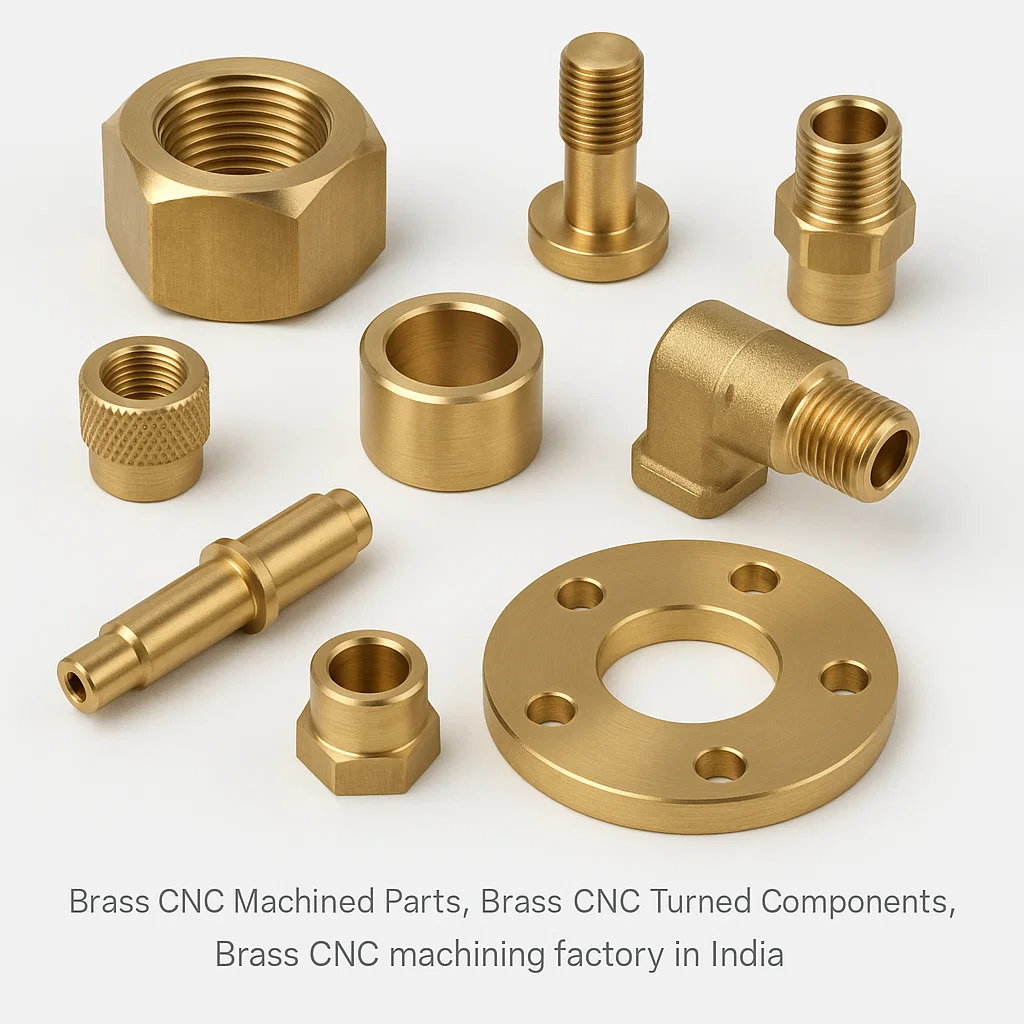
Technical Capabilities: Precision Brass Casting Kit Manufacturing
Wuxi Lead Precision Machinery delivers uncompromising precision for brass casting kits through integrated advanced manufacturing and metrology systems. Our facility leverages 5-axis CNC machining centers to execute complex geometries inherent in casting molds, cores, and precision components. This capability eliminates manual repositioning, ensuring micron-level accuracy across multi-faceted features while reducing lead times by up to 40% compared to traditional 3-axis methods. We utilize DMG MORI CTX beta 1250 and Hermle C 800 U milling centers, equipped with high-frequency spindles (up to 24,000 RPM) and Heidenhain iTNC 640 controls, enabling simultaneous machining of intricate undercuts and thin-walled structures common in investment and sand casting tooling. Material compatibility spans all standard brass alloys (C36000, C46400, C63000) with optimized toolpaths for chip evacuation and surface integrity.
Quality assurance is non-negotiable. Every brass casting kit component undergoes rigorous validation via Zeiss CONTURA G3 coordinate measuring machines (CMM) with VAST XXT scanning probes. This provides full 3D geometric dimensioning and tolerance (GD&T) verification against CAD models, including critical features like draft angles, parting lines, and gating system interfaces. Our CMM inspection protocol captures 100% of first-article dimensions and statistical process control (SPC) data for production runs, ensuring conformance to ISO 2768-mK and customer-specific standards. Surface roughness is validated to Ra 0.8 µm using Mitutoyo SJ-410 profilometers, critical for mold release performance and final casting finish.
Achievable tolerances reflect our process mastery, as demonstrated in the table below. These values represent standard production capabilities under controlled environmental conditions (20±1°C) using stabilized brass stock. Tighter tolerances are attainable through iterative process refinement and thermal compensation strategies, validated by our metrology suite.
| Feature Type | Standard Tolerance (mm) | Tight Tolerance Option (mm) | Applicable Brass Alloys |
|---|---|---|---|
| Linear Dimensions | ±0.025 | ±0.005 | C36000, C46400, C63000 |
| Geometric (Flatness) | 0.02 per 100mm | 0.005 per 100mm | C36000, C46400 |
| Geometric (Concentricity) | Ø0.03 | Ø0.01 | All |
| Hole Diameter (Reamed) | +0.015 / -0.005 | +0.005 / -0.002 | C36000 |
| Surface Roughness (Ra) | 1.6 µm | 0.4 µm | All |
Our technical workflow integrates design for manufacturability (DFM) analysis with production, utilizing Siemens NX CAM for simulation-driven toolpath generation. This minimizes in-process adjustments and ensures first-pass yield rates exceeding 98%. All operators hold ISO 9001:2015-certified machining credentials, with annual recertification on brass-specific cutting parameters and thermal management protocols. For mission-critical casting kits requiring aerospace or medical certification, we implement full material traceability (MTRs) and NADCAP-accredited inspection documentation. Partner with Wuxi Lead to transform brass casting kit requirements into dimensionally stable, production-ready solutions backed by metrology-grade validation.
Wuxi Lead Precision Machinery
Engineered Precision, Delivered Reliably
Material & Finish Options

Material Selection for High-Performance Brass Casting Kits
When engineering precision brass casting kits for industrial applications, the choice of base materials and surface treatments plays a critical role in determining performance, durability, and cost-efficiency. While the primary casting material is brass—known for its excellent machinability, corrosion resistance, and thermal conductivity—supporting components often require alternative metals to meet mechanical or environmental demands. At Wuxi Lead Precision Machinery, we guide clients through strategic material pairings, including aluminum, steel, and titanium, to ensure optimal system integration and long-term reliability.
Aluminum is frequently selected for housings, brackets, or lightweight structural parts within brass casting systems. Its low density reduces overall assembly weight, making it ideal for automation and robotics applications. Aluminum also offers good thermal dissipation and moderate strength, particularly in aerospace-grade alloys such as 6061-T6 and 7075-T6. However, aluminum’s lower wear resistance compared to brass necessitates protective finishes in high-friction environments.
Steel, particularly stainless steel grades like 304 and 316, provides superior tensile strength and wear resistance. It is commonly used for fasteners, shafts, and load-bearing elements that interface with brass castings. The combination of brass and stainless steel delivers a balanced solution—brass offering self-lubricating properties and steel ensuring structural integrity. In corrosive environments, 316 stainless steel is preferred due to its enhanced resistance to chlorides and acids.
Titanium, though more costly, is deployed in extreme conditions where strength-to-density ratio and corrosion resistance are paramount. Used in marine, chemical processing, and high-temperature applications, titanium components paired with brass castings ensure longevity under stress and exposure. Its biocompatibility also makes it suitable for medical and pharmaceutical tooling systems.
Surface finishing, particularly anodizing, significantly enhances aluminum’s functional properties. Anodizing creates a controlled oxide layer that improves wear resistance, electrical insulation, and adhesion for coatings. Type II (sulfuric acid) anodizing is standard for decorative and moderate protection needs, while Type III (hardcoat anodizing) delivers a dense, wear-resistant surface capable of withstanding industrial abrasion. Anodized layers can be dyed for identification or branding, adding value in OEM applications.
It is important to note that anodizing is exclusive to aluminum and certain aluminum alloys. Brass components require alternative surface treatments such as passivation, chromate conversion, or electropolishing to enhance corrosion resistance and surface cleanliness.
Below is a comparative overview of key materials used in conjunction with brass casting kits.
| Material | Tensile Strength (MPa) | Corrosion Resistance | Typical Use Case | Compatible Finishes |
|---|---|---|---|---|
| Aluminum 6061-T6 | 310 | Moderate | Lightweight housings, brackets | Anodizing (Type II/III), powder coat |
| Stainless Steel 304 | 505–700 | High | Fasteners, structural supports | Passivation, electropolishing |
| Stainless Steel 316 | 570–800 | Very High | Marine, chemical environments | Passivation, PTFE coating |
| Titanium Grade 5 | 895–1000 | Exceptional | Aerospace, medical, high-stress parts | Anodizing (medical grade), oxide layering |
At Wuxi Lead Precision Machinery, we integrate material science with precision manufacturing to deliver brass casting kits tailored to your operational demands. Our engineering team supports material certification, prototyping, and finish selection to ensure every component meets international quality standards.
Manufacturing Process & QC

Brass Casting Kit Production Process: Achieving Zero Defects
At Wuxi Lead Precision Machinery, our brass casting kit production adheres to a rigorously controlled three-phase methodology designed explicitly for zero-defect delivery in high-precision B2B applications. This integrated approach ensures dimensional accuracy, material integrity, and functional reliability from concept to final shipment, meeting the stringent demands of aerospace, medical, and industrial automation sectors.
The process initiates with Engineering Design & Simulation. Our engineering team collaborates directly with client specifications to develop 3D CAD models incorporating critical functional geometries and assembly interfaces. Advanced casting simulation software predicts metal flow, solidification patterns, and potential shrinkage risks within the mold cavity. This virtual prototyping phase identifies and resolves design flaws early, optimizing gating systems and riser placement to eliminate porosity and ensure homogeneous material structure. Concurrently, Design for Manufacturability (DFM) analysis validates tooling feasibility and establishes precise dimensional tolerances aligned with ASME Y14.5 standards, forming the foundational blueprint for defect prevention.
Following design validation, Precision Prototyping & Validation commences. Utilizing rapid tooling techniques, we produce initial casting samples under controlled production-equivalent conditions. Each prototype undergoes comprehensive metrological verification via Coordinate Measuring Machines (CMM) and optical comparators, cross-referencing critical dimensions against the approved CAD model. Material composition is certified through spectrometric analysis, while destructive and non-destructive testing—including pressure testing and X-ray inspection—confirms internal soundness and mechanical properties. Client feedback on functional fit and performance triggers immediate design or process refinements. Only prototypes passing 100% of validation criteria advance to mass production, guaranteeing the manufacturing process is fully de-risked.
Zero-Defect Mass Production leverages the validated parameters within our automated foundry environment. Molten brass alloy C36000 is precisely metered and poured using robotic systems under inert atmosphere control to prevent oxidation. Real-time process monitoring tracks melt temperature, cooling rates, and mold integrity via IoT-enabled sensors. Every casting undergoes 100% automated visual inspection using AI-powered vision systems detecting surface imperfections down to 10-micron resolution. Dimensional conformity is continuously verified through in-line CMM sampling with Statistical Process Control (SPC) charts maintaining CpK >1.67. Final kits are assembled with traceable components, subjected to functional testing, and packaged using anti-corrosion protocols. Full material test reports (MTRs) and first-article inspection reports (FAIRs) accompany each shipment, providing auditable quality evidence.
The following table details our standard brass casting kit specifications, achievable through this disciplined process:
| Parameter | Specification | Testing Method |
|---|---|---|
| Material Standard | ASTM B16 / C36000 Free-Cutting Brass | Spectrometric Analysis |
| Dimensional Tolerance | ±0.05 mm (Critical Features) | CMM / Optical Comparator |
| Surface Finish | Ra 0.8 µm (As-Cast) | Surface Roughness Tester |
| Internal Integrity | Zero Porosity / Inclusions | X-Ray / Pressure Testing |
| Production Capacity | 500 – 10,000 units/week | SPC Monitored |
| Lead Time | 15 – 25 days (Post-Approval) | ERP-Driven Scheduling |
This seamless integration of predictive design, empirical validation, and closed-loop manufacturing control ensures Wuxi Lead delivers brass casting kits that consistently meet the highest reliability standards, eliminating costly field failures and supporting our clients’ mission-critical operations.
Why Choose Wuxi Lead Precision
Partner with Lead Precision for Unmatched Expertise in Brass Casting Solutions
At Wuxi Lead Precision Machinery, we specialize in delivering high-performance, fully customized brass casting kits designed to meet the rigorous demands of advanced manufacturing industries. As a trusted leader in custom metal manufacturing, we understand that precision, reliability, and consistency are non-negotiable. Whether you are producing complex components for aerospace, marine systems, industrial valves, or high-pressure hydraulic equipment, our brass casting kits provide the foundation for superior part integrity and long-term durability.
Our engineering team works closely with global partners to develop casting solutions tailored to exact specifications. From initial design consultation and material selection to mold development and final quality validation, we manage every stage with strict adherence to international standards. Our ISO-certified production facility in Wuxi, China, combines state-of-the-art foundry technology with decades of metallurgical expertise to ensure every casting meets the highest benchmarks for dimensional accuracy, surface finish, and mechanical performance.
We offer complete brass casting kits that include precision molds, gating systems, riser configurations, and process documentation optimized for your production environment. These kits are engineered for compatibility with both gravity and pressure casting methods, supporting alloys such as C38500 (Free-Cutting Brass), C46400 (Naval Brass), and custom formulations based on client requirements.
Our commitment extends beyond product delivery. We provide full technical support, on-site training if required, and continuous process optimization to help you achieve maximum yield and minimal waste. By partnering with Wuxi Lead Precision Machinery, you gain a long-term manufacturing ally focused on innovation, efficiency, and operational excellence.
Below are key specifications of our standard brass casting kit configurations:
| Specification | Details |
|---|---|
| Material Options | C38500, C46400, C48500, Custom Brass Alloys |
| Tolerance Range | ±0.1 mm to ±0.5 mm (based on part geometry) |
| Surface Finish | Ra 3.2 μm standard, Ra 1.6 μm optional |
| Maximum Part Weight | Up to 25 kg |
| Minimum Order Quantity | 50 units (custom molds), 100 units (standard kits) |
| Production Lead Time | 15–25 days (after design approval) |
| Quality Standards | ISO 9001:2015, ASTM B584, GB/T 13819-2013 |
| Packaging | Export-grade wooden crates with humidity control |
Partnering with us means access to scalable, precision-driven manufacturing solutions backed by real technical expertise. We are ready to support your next project with responsive service and engineering excellence.
For inquiries, technical collaboration, or to request a customized brass casting kit quotation, contact us today at [email protected]. Let Wuxi Lead Precision Machinery be your strategic partner in precision metal manufacturing.
⚙️ Precision Cost Estimator
Estimate relative manufacturing effort based on tolerance.