

Technical Contents
Engineering Guide: Black Moulding
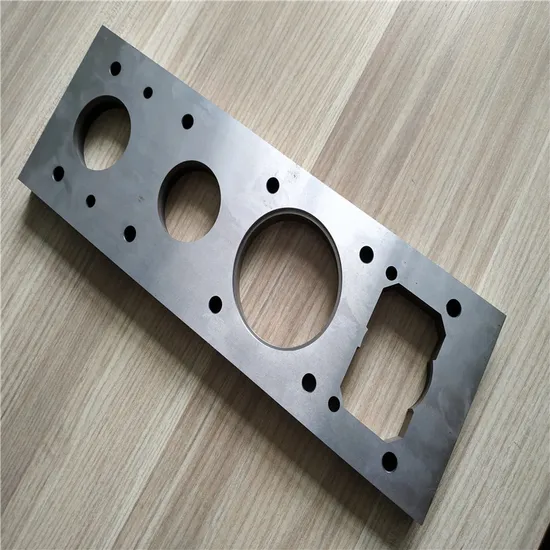
Engineering Insight Precision Imperatives in Black Oxide Surface Treatment
The term black moulding is frequently misapplied in industrial contexts. Within precision metal manufacturing we reference black oxide coating a chemically induced conversion coating primarily applied to ferrous materials. This process demands micron-level dimensional control far beyond standard finishing operations. Inadequate precision during pre-treatment machining directly compromises coating integrity leading to micro-cracks accelerated corrosion and catastrophic field failure in mission-critical applications. Surface roughness deviations exceeding Ra 0.8μm create capillary channels where corrosive agents penetrate beneath the oxide layer negating its protective function. Dimensional instability during thermal cycling of the substrate induces stress fractures in the coating layer a risk amplified in components subjected to vibration or thermal shock.
At Wuxi Lead Precision Machinery our CNC machining protocols treat black oxide integration as a core engineering parameter not a secondary finish. Every component destined for this treatment undergoes rigorous pre-coating validation. Our 5-axis milling and turning centers maintain sub-5-micron positional repeatability ensuring geometric tolerances remain within specified limits after thermal exposure during oxidation. This precision prevents the dimensional drift that causes coating delamination under load. We enforce strict surface roughness ceilings prior to processing as smoother substrates yield more uniform oxide crystallization and superior corrosion barriers. Our in-house metrology lab verifies flatness parallelism and critical feature tolerances against baseline CAD models before parts enter the chemical bath eliminating variables that degrade final performance.
This discipline is non-negotiable for sectors where failure is unacceptable. We engineered housings for Olympic timing systems requiring uninterrupted operation in coastal humidity and supplied hardened connectors for military communication arrays deployed in desert sandstorms. Both applications demanded black oxide coatings surviving 500+ hours of salt spray testing without blistering a result only achievable through absolute machining fidelity. The coating process amplifies underlying part quality it cannot correct deficiencies.
Critical Pre-Coating Machining Specifications for Black Oxide Applications
| Parameter | Standard Tolerance | Lead Precision Tolerance | Verification Method |
|---|---|---|---|
| Dimensional Stability | ±0.05 mm | ±0.005 mm | CMM Thermal Mapping |
| Surface Roughness (Ra) | ≤1.6 μm | ≤0.4 μm | Profilometer 5-Point Scan |
| Flatness Tolerance | 0.1 mm/m | 0.005 mm/m | Optical Flat Interferometry |
| Edge Break Consistency | Variable | 0.05–0.10 mm Uniform | Vision System Inspection |
| Residual Stress Level | Uncontrolled | <50 MPa Compressive | X-Ray Diffraction |
Achieving military-grade corrosion resistance hinges on the marriage of machining science and surface chemistry. At Lead Precision we engineer the substrate to the coating’s exacting demands not the reverse. This integrated approach ensures black oxide performs as a true engineering solution not merely an aesthetic finish delivering extended service life in the harshest operational environments. The cost of precision machining is insignificant against the lifecycle cost of premature component failure in critical systems.
Precision Specs & Tolerances
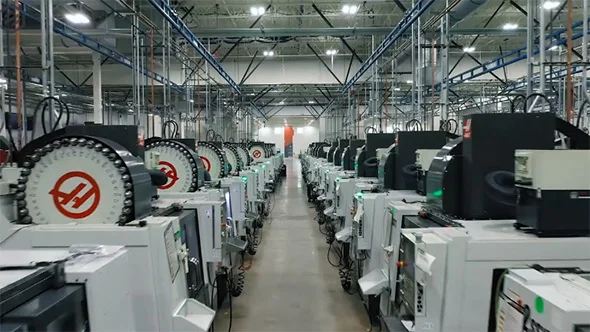
Wuxi Lead Precision Machinery delivers advanced custom metal manufacturing solutions tailored for high-precision industries such as aerospace, medical devices, automotive, and industrial automation. At the core of our technical capabilities is our state-of-the-art 5-axis CNC machining platform, which enables us to produce complex geometries with exceptional accuracy and surface integrity. These multi-axis systems provide simultaneous movement across five planes, allowing for intricate contours, undercuts, and compound angles to be machined in a single setup. This reduces cumulative error, improves part consistency, and significantly shortens lead times compared to traditional 3-axis methods.
Our machining centers are equipped with high-speed spindles, automated tool changers, and real-time tool wear compensation systems, ensuring optimal performance across a wide range of materials including aluminum alloys, stainless steel, titanium, and high-performance engineering plastics. The integration of advanced CAM software allows for precision toolpath optimization, minimizing material waste and maximizing surface finish quality—critical for components used in black moulding applications where cosmetic and functional precision are equally important.
To maintain the highest standards of quality, every production run undergoes rigorous inspection using our Coordinate Measuring Machine (CMM) system. This metrology-grade equipment provides full 3D verification of part geometry against CAD models, ensuring conformity to design intent. Our CMM process captures critical dimensions, positional tolerances, and surface profiles with micron-level resolution. All inspection data is documented and traceable, supporting full compliance with ISO 9001 and customer-specific quality requirements. In addition to CMM, we employ optical comparators, surface roughness testers, and calibrated hand tools for in-process and final quality checks.
Our commitment to precision is reflected in the tight tolerances we consistently achieve across diverse part configurations and materials. Below is a summary of our standard and advanced capability ranges.
| Feature | Standard Capability | Advanced Capability | Notes |
|---|---|---|---|
| Linear Tolerances | ±0.025 mm | ±0.005 mm | Achieved with CMM validation |
| Geometric Tolerances (GD&T) | ±0.03 mm | ±0.01 mm | Includes position, flatness, runout |
| Surface Roughness (Ra) | 1.6 µm | 0.4 µm | Achievable with fine finishing passes |
| Hole Diameter Tolerance | ±0.01 mm | ±0.005 mm | Reamed or honed features |
| Feature Repeatability | ±0.01 mm | ±0.003 mm | Across production batches |
| Maximum Work Envelope | 1200 x 800 x 600 mm | Custom fixturing available | For large-scale components |
With integrated 5-axis CNC technology and comprehensive quality assurance protocols, Wuxi Lead Precision Machinery ensures that every component meets the demanding requirements of black moulding and other high-specification applications. Our technical team works closely with clients during the design for manufacturability (DFM) phase to optimize part geometry, material selection, and process efficiency—delivering precision-engineered metal components that perform reliably in the most challenging environments.
Material & Finish Options
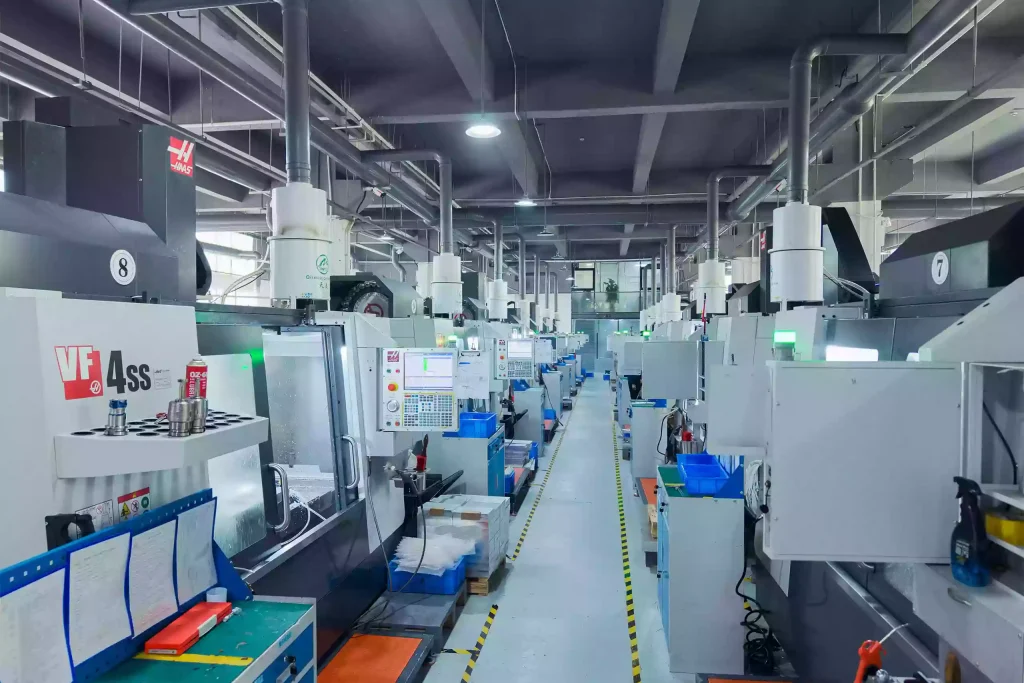
Material Selection for Precision Black-Finished Components
Selecting the optimal material for black-finished precision components is critical in high-performance applications. At Wuxi Lead Precision Machinery, we emphasize that material choice directly impacts dimensional stability, corrosion resistance, and the longevity of the black surface treatment. Misalignment here often leads to premature finish degradation or functional failure, particularly in aerospace, medical, and semiconductor tooling. Aluminum, steel, and titanium each present distinct advantages and limitations when paired with black anodizing or equivalent finishes. Understanding these nuances ensures your components meet stringent operational demands while maintaining aesthetic integrity.
Aluminum alloys, particularly 6061-T6 and 7075-T6, are the industry standard for black anodized components. Their natural oxide layer bonds exceptionally well with Type II anodizing, producing deep, uniform black finishes resistant to UV exposure and mild chemicals. Aluminum’s low density reduces weight-sensitive assembly costs, while its machinability ensures tight tolerances (±0.005mm achievable). However, aluminum lacks the hardness of steel for high-wear interfaces and may require sealants in salt-spray environments. For applications demanding extreme hardness, 7075-T6 anodized to 50+ microns offers superior abrasion resistance but at higher material cost.
Steel—specifically 304 and 316 stainless grades—is chosen when structural rigidity or magnetic properties are non-negotiable. Black oxide (chem film) is the typical finish, but it provides minimal corrosion protection versus anodizing. Unsealed black oxide on steel will corrode rapidly in humid conditions, making passivation or supplemental coatings essential. We advise against black finishes on carbon steel for outdoor use; stainless variants only mitigate this risk partially. Steel’s higher density also increases inertia in moving parts, a critical factor in high-speed automation.
Titanium (Grade 5 Ti-6Al-4V) excels in corrosive or high-temperature settings but poses challenges for black finishes. Standard anodizing yields bronze or purple hues; achieving true black requires specialized electrolytic processes with strict voltage control. While titanium’s biocompatibility and strength-to-weight ratio are unmatched, the finish consistency is harder to guarantee than with aluminum. Cost and machining complexity further limit its use to mission-critical applications like medical implants or aerospace actuators.
Below is a comparative overview of key properties affecting black finish performance:
| Material | Density (g/cm³) | Tensile Strength (MPa) | Corrosion Resistance (Neutral pH) | Anodizing Suitability for Black Finish |
|---|---|---|---|---|
| Aluminum 6061-T6 | 2.7 | 310 | Good (with anodizing) | Excellent |
| Stainless 304 | 8.0 | 505 | Moderate (requires passivation) | Poor (black oxide only) |
| Titanium Ti-6Al-4V | 4.4 | 900 | Exceptional | Moderate (specialized process needed) |
Material selection must align with environmental exposure, mechanical stress, and finish longevity requirements. Aluminum remains our top recommendation for most black-finished components due to its balanced performance and cost efficiency. For steel or titanium, we conduct rigorous pre-production finish validation to prevent field failures. Partner with our engineering team early—we analyze your operational environment to specify the exact alloy, temper, and finishing protocol that eliminates guesswork. At Wuxi Lead, precision begins with the right material foundation.
Manufacturing Process & QC
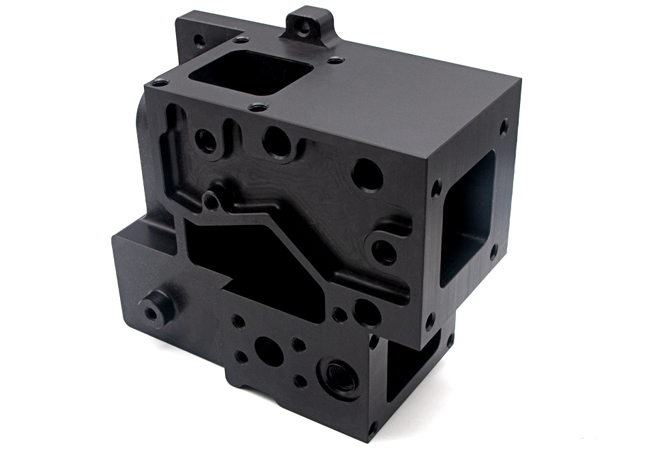
Design: Precision Engineering at the Foundation
The journey of black moulding production begins with meticulous design engineering, where form, function, and manufacturability converge. At Wuxi Lead Precision Machinery, our engineering team utilizes advanced CAD/CAM software to develop 3D models and technical drawings that meet exact client specifications. The design phase integrates material selection, tolerance analysis, surface finish requirements, and structural integrity assessments. For black moulding applications—where aesthetics and performance are equally critical—designs are optimized to ensure uniform wall thickness, minimal stress concentration, and compatibility with high-gloss or matte black surface treatments. Finite Element Analysis (FEA) is employed to simulate mechanical behavior under load, ensuring reliability in real-world conditions. This stage also includes Design for Manufacturability (DFM) reviews to preempt production challenges and reduce cycle times.
Prototyping: Validating Performance Before Scale
Once the design is finalized, we proceed to prototyping using CNC machining or rapid tooling techniques. This phase allows clients to evaluate physical samples for fit, function, and finish before committing to full-scale tooling. For black moulding components, prototype validation includes adhesion testing of black coatings, UV resistance checks, and dimensional verification using coordinate measuring machines (CMM). We conduct functional testing under simulated operational environments to identify potential flaws in sealing, load-bearing, or thermal performance. Client feedback is integrated swiftly, and iterative refinements are made until the prototype meets all performance and aesthetic benchmarks. This stage is critical in achieving zero defects, as it eliminates design risks early in the process.
Mass Production: Consistency Through Automation and Control
With approved prototypes, we transition to high-precision mass production using advanced die-casting, stamping, or CNC machining lines, depending on the component’s complexity and volume requirements. Our production floor is equipped with automated monitoring systems that track key parameters in real time—temperature, pressure, cycle time, and tool wear—to maintain consistency across batches. Each black moulded part undergoes inline inspection via vision systems and laser measurement tools to ensure dimensional accuracy and surface quality. Final products are subjected to 100% visual inspection under controlled lighting to detect surface imperfections such as orange peel, flow lines, or micro-scratches that compromise the premium black finish.
To uphold our zero-defect commitment, we implement Six Sigma methodologies and Statistical Process Control (SPC) throughout production. All processes are documented and traceable, with full batch records maintained for quality audits.
Typical Production Specifications
| Parameter | Specification |
|---|---|
| Material Options | Aluminum Alloys (6061, 7075), Stainless Steel (304, 316), Zinc Alloys |
| Tolerance Range | ±0.02 mm (CNC), ±0.05 mm (Die-Casting) |
| Surface Roughness (Ra) | 0.4–0.8 µm (as-machined), <0.2 µm (polished) |
| Coating Type | Electrophoretic Coating (E-coat), Powder Coating, PVD Black |
| Production Capacity | Up to 500,000 units/month |
| Lead Time (Mass Production) | 4–6 weeks after prototype approval |
| Quality Standard | ISO 9001:2015, IATF 16949 compliant |
Through seamless integration of design validation, precision prototyping, and tightly controlled mass production, Wuxi Lead Precision Machinery delivers flawless black moulded metal components tailored to the highest industrial standards.
Why Choose Wuxi Lead Precision
Elevate Your Precision Manufacturing Partnership
In high-stakes industries like aerospace, medical devices, and semiconductor equipment, the integrity of black oxide or black phosphate moulded components directly impacts system reliability and longevity. Sub-micron deviations or inconsistent surface treatments risk catastrophic field failures. Wuxi Lead Precision Machinery delivers engineered certainty where standard suppliers compromise. Our ISO 9001:2015-certified facility in Wuxi integrates 5-axis CNC milling, Swiss turning, and proprietary black moulding finishing under one roof, eliminating supply chain fragmentation and quality handoffs. We specialize in mission-critical components requiring tight tolerances, corrosion resistance, and electromagnetic shielding properties inherent to precision black moulding processes.
Our technical edge lies in closed-loop process control and material science expertise. Unlike generic job shops, we optimize every parameter—from substrate metallurgy to bath chemistry and post-treatment sealing—for your exact operational environment. This ensures dimensional stability after black oxide application, preventing the warpage or adhesion failures common with outsourced finishing. All processes undergo rigorous first-article inspection (FAI) per AS9102 standards, with full traceability from raw bar stock to final packaging.
Critical Process Specifications
| Parameter | Capability Range | Material Compatibility | Surface Finish (Ra) | Typical Lead Time |
|---|---|---|---|---|
| Dimensional Tolerance | ±0.001 mm to ±0.005 mm | Stainless Steels (303, 316, 17-4PH), Titanium, Aluminum Alloys | 0.2 µm to 1.6 µm | 15-25 days |
| Black Oxide Thickness | 0.5 µm to 2.5 µm | Tool Steels (D2, A2), Carbon Steels | Consistent matte black | Included in lead time |
| Coating Adhesion | ASTM B117 > 500 hours | Nickel Alloys (Inconel 718) | Non-reflective | N/A |
| Batch Traceability | Full lot serialization | Custom alloys (upon approval) | Uniform coverage | Standard |
This precision is non-negotiable for components operating in extreme thermal cycles or corrosive media. Our engineering team collaborates from DFM stage to validate manufacturability, reducing your time-to-market by up to 30% while mitigating NRE cost risks. We enforce strict IP protection protocols, including NDAs signed by all technical staff and segregated production cells for sensitive projects.
Partnering with Lead Precision means accessing China’s advanced manufacturing ecosystem without sacrificing Western-quality governance. We absorb the complexity of regulatory compliance—ITAR registration, REACH, and RoHS—so your supply chain remains audit-ready. Our clients achieve 99.8% on-time delivery through dynamic capacity allocation and buffer stock programs for critical parts.
Do not compromise on the foundation of your product’s performance. Contact our engineering team directly to discuss your black moulding specifications. Email [email protected] with your part drawings and volume requirements. We will provide a detailed capability analysis and process validation plan within 48 hours. Schedule your confidential engineering consultation today—let us prove why global leaders trust Lead Precision for zero-defect metal manufacturing. Your next breakthrough component demands nothing less than engineered excellence.
⚙️ Precision Cost Estimator
Estimate relative manufacturing effort based on tolerance.