

Technical Contents
Engineering Guide: Best Plastic For Injection Molding
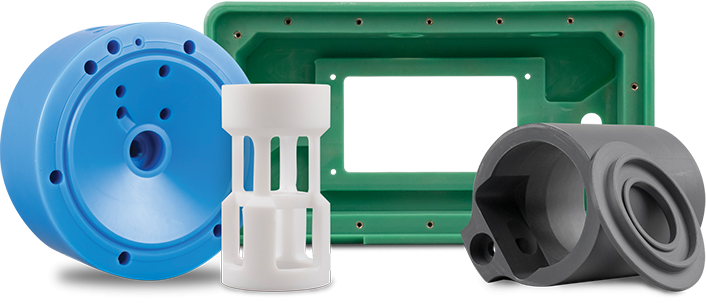
Engineering Insight: Material Selection Precision in Injection Molding
Selecting the optimal plastic resin is a foundational engineering decision in injection molding, directly impacting part functionality, manufacturability, and crucially, dimensional precision. While material properties like strength, chemical resistance, and thermal stability are well-considered, the interplay between resin behavior and mold tooling accuracy is often underestimated. Shrinkage rates, moisture sensitivity, and thermal expansion characteristics vary significantly across polymers. These factors dictate how consistently a part will replicate the mold cavity’s exact geometry across thousands of cycles. Neglecting these nuances leads to warpage, sink marks, and tolerance stack-up failures – costly defects in high-performance applications where microns matter. Precision molding demands resin selection calibrated not just to the end-use environment, but to the mold’s engineered compensation for inherent material behavior.
Understanding key material specifications is non-negotiable. The following table highlights critical properties influencing dimensional stability for common engineering thermoplastics:
| Material | Typical Shrinkage Rate (%) | Moisture Sensitivity | Key High-Precision Applications |
|---|---|---|---|
| ABS | 0.4 – 0.7 | Low | Automotive interior components, Consumer electronics housings |
| Polycarbonate (PC) | 0.5 – 0.7 | High | Optical lenses, Medical device housings, Safety components |
| Nylon (PA 6/66) | 0.7 – 1.5 | Very High | Gears, Bearings, Under-hood automotive |
| Acetal (POM) | 1.8 – 2.5 | Low | Precision gears, Fasteners, Fluid system components |
| PPS | 0.1 – 0.2 | Moderate | Aerospace connectors, Semiconductor carriers, High-temp sensors |
Resins like PPS exhibit exceptionally low shrinkage, enabling tighter tolerances with less mold compensation complexity, while high-shrinkage materials like POM demand meticulous mold design adjustments. Moisture-sensitive resins such as Nylon require rigorous pre-processing drying; inadequate moisture control causes splay and unpredictable dimensional shifts, directly compromising repeatability. This is where the precision of the mold tool itself becomes paramount. A mold cavity must be machined to exacting specifications that anticipate and counteract the selected resin’s specific thermal contraction and flow characteristics. The mold’s thermal management system must also maintain uniform temperature distribution to prevent localized warpage.
Wuxi Lead Precision Machinery excels in transforming these material science challenges into manufacturing reality. Our core competency in ultra-precision CNC machining for mold cores, cavities, and critical inserts ensures geometries are held to ±0.002mm tolerances, directly addressing the shrinkage and stability demands of advanced resins. This precision engineering capability is proven in mission-critical applications. We have manufactured mold components for Olympic-standard equipment requiring flawless repeatability under extreme conditions, and supplied tooling for military-grade communication housings where environmental resilience and micron-level accuracy are non-negotiable. Material selection sets the stage, but only a mold built with uncompromising precision can consistently deliver parts that meet the stringent demands of aerospace, medical, and high-end industrial sectors. Partnering with a mold maker possessing deep material knowledge and proven precision execution mitigates risk and ensures your injection molding process achieves its full potential.
Precision Specs & Tolerances
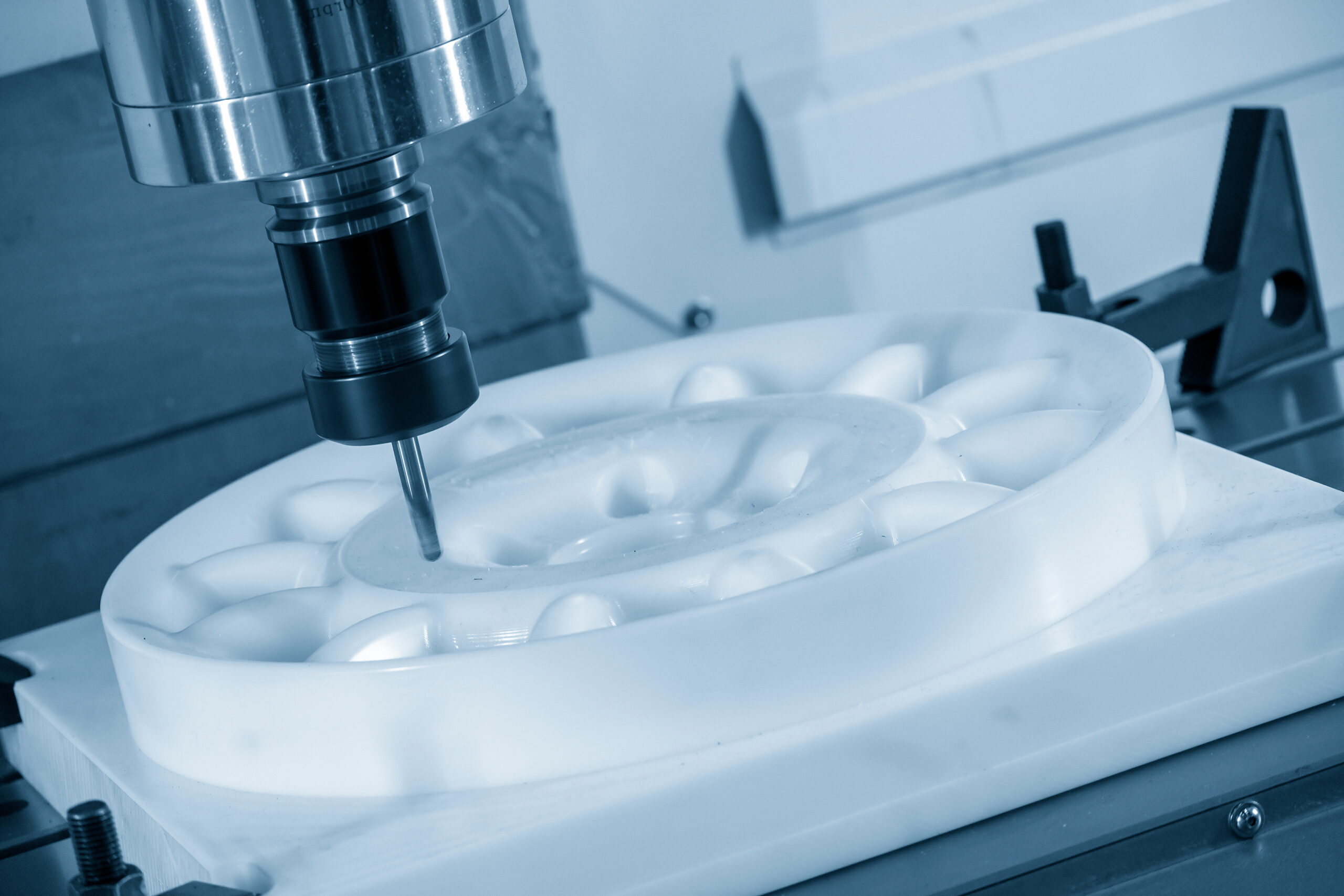
At Wuxi Lead Precision Machinery, our technical capabilities are engineered to meet the exacting demands of high-precision custom metal manufacturing for advanced injection molding applications. Central to our production ecosystem is our fleet of 5-axis CNC machining centers, which enable us to produce complex geometries with exceptional accuracy and surface finish. These systems allow simultaneous multi-directional cutting, reducing setup times and part handling while maintaining tight tolerances across intricate features. This capability is particularly critical when manufacturing mold cores, cavities, and inserts for high-performance plastic injection molds, where dimensional stability and detail fidelity directly influence final part quality.
Our machining processes are supported by a rigorous quality control framework anchored in metrology-grade inspection. Every component undergoes comprehensive evaluation using a Coordinate Measuring Machine (CMM), ensuring that all critical dimensions conform to design specifications. The CMM system provides traceable, high-resolution data for geometric dimensioning and tolerancing (GD&T), surface profiles, and positional accuracy. This level of inspection is essential for clients in aerospace, medical, and automotive industries, where component failure is not an option.
Material selection plays a pivotal role in mold performance, and while this guide focuses on plastics for injection molding, our expertise extends to the metal components that form the mold itself. We work with hardened tool steels, aluminum alloys, and stainless steels, all machined to mirror finishes and micron-level precision. Our 5-axis CNC systems are optimized for these materials, delivering consistent results even under high-volume production cycles.
To ensure alignment with international standards, we adhere to ISO 2768 and ASME Y14.5 for geometric tolerances. Below is a detailed specification table outlining our standard and precision machining capabilities.
| Feature | Standard Capability | Precision Capability | Notes |
|---|---|---|---|
| Linear Tolerance | ±0.05 mm | ±0.01 mm | Per ISO 2768 medium precision |
| Geometric Tolerance (GD&T) | ±0.03 mm | ±0.005 mm | Verified via CMM |
| Surface Roughness (Ra) | 3.2 µm | 0.8 µm | Achieved with fine finishing passes |
| Positional Accuracy | ±0.02 mm | ±0.008 mm | Critical for mold alignment features |
| Feature Resolution | 0.1 mm min. detail | 0.05 mm min. detail | Dependent on tooling and material |
| Maximum Work Envelope | 1200 x 600 x 500 mm | 800 x 400 x 300 mm | For precision-grade tolerances |
| Repeatability | ±0.02 mm over 10 cycles | ±0.005 mm over 10 cycles | Validated with SPC methods |
All processes are documented and controlled under a full production traceability system, ensuring that every component can be audited from raw material to final inspection. Our technical team collaborates closely with clients during the design-for-manufacturability (DFM) phase to optimize mold performance and longevity. By integrating advanced 5-axis CNC machining with metrology-grade quality assurance, Wuxi Lead Precision Machinery delivers mold components that meet the highest standards of precision and reliability in the injection molding industry.
Material & Finish Options
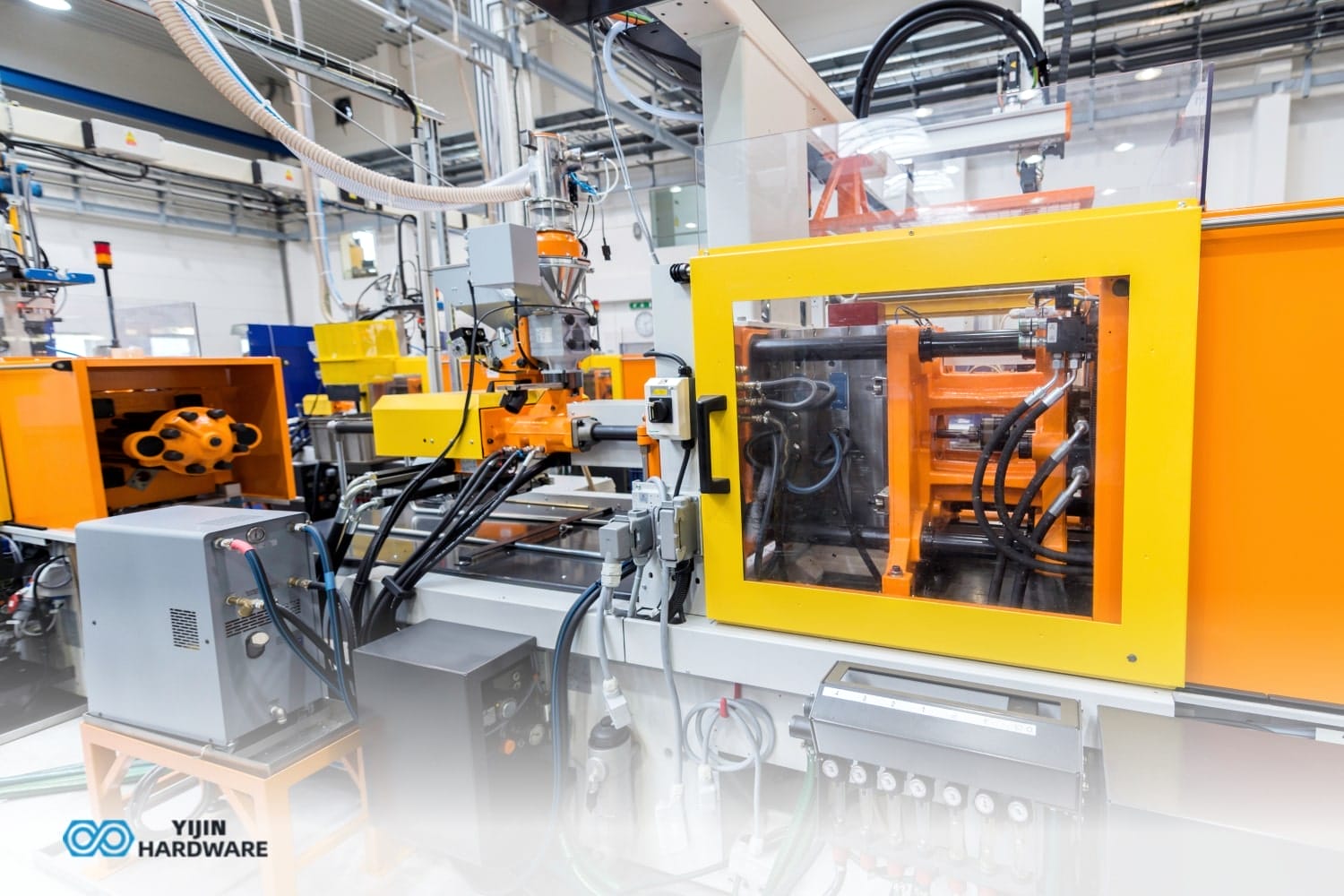
Material Selection for High-Performance Injection Molding Tooling
Selecting the optimal metal substrate for injection molding tooling directly impacts production efficiency, part quality, and total cost of ownership. At Wuxi Lead Precision Machinery, we prioritize material science to ensure molds withstand extreme cavity pressures, thermal cycling, and abrasive polymer flows while maintaining micron-level tolerances. Aluminum, steel, and titanium each serve distinct production scenarios, with surface engineering like anodizing further enhancing performance.
Aluminum alloys (e.g., 7075-T6) excel in rapid prototyping and low-volume production due to superior machinability and thermal conductivity. Tooling lead times decrease by 40–60% compared to steel, accelerating time-to-market. However, aluminum’s lower hardness (150 HB) limits use to under 100,000 cycles, particularly with glass-filled resins. Anodizing creates a wear-resistant, non-conductive barrier, extending mold life in corrosive environments but requires precise voltage control to avoid dimensional shifts.
Hardened tool steels (P20, H13, S136) remain the industry standard for high-volume runs exceeding 500,000 cycles. Their high hardness (28–52 HRC) resists deformation from abrasive polymers like polycarbonate or nylon composites. Thermal stability minimizes warpage in precision optics or medical components. Anodizing is incompatible with steel; instead, nitriding or PVD coatings are applied for corrosion resistance. Wuxi Lead’s CNC processes achieve ±0.005 mm flatness on steel cavities, critical for zero-flash molding.
Titanium alloys (Grade 5) address niche applications demanding extreme corrosion resistance and strength-to-weight ratios, such as chemical processing molds. Though costly, titanium withstands aggressive PVC or flame-retardant additives without degradation. Its poor thermal conductivity necessitates strategic cooling channel design. Anodizing titanium generates vibrant, durable oxide layers for decorative molds but offers minimal wear improvement.
Anodizing remains a strategic finish for aluminum molds, converting the surface into a hard aluminum oxide layer. This process improves release properties, reduces galling with high-shrinkage plastics, and blocks moisture ingress in humid climates. However, anodized thickness must align with part tolerances—exceeding 25 µm risks dimensional drift in micro-molded features.
The table below summarizes critical properties for informed selection:
| Material | Hardness (HRC/HB) | Thermal Conductivity (W/mK) | Max Cycles (Typical) | Anodizing Compatibility |
|---|---|---|---|---|
| Aluminum 7075 | 150 HB | 130 | 10,000–100,000 | Excellent |
| Tool Steel H13 | 46–52 HRC | 28–36 | 500,000+ | None |
| Titanium Grade 5 | 36 HRC | 7.2 | 200,000+ | Good (decorative only) |
Material choice must align with polymer chemistry, annual volume, and geometric complexity. Wuxi Lead Precision Machinery leverages decades of metallurgical expertise to match substrate and finish to your operational demands. Our ISO-certified facility combines Japanese Mori Seiki CNCs with rigorous in-process metrology, ensuring molds deliver consistent part conformance from startup to end-of-life. Contact our engineering team to optimize your tooling investment against real-world production variables.
Manufacturing Process & QC
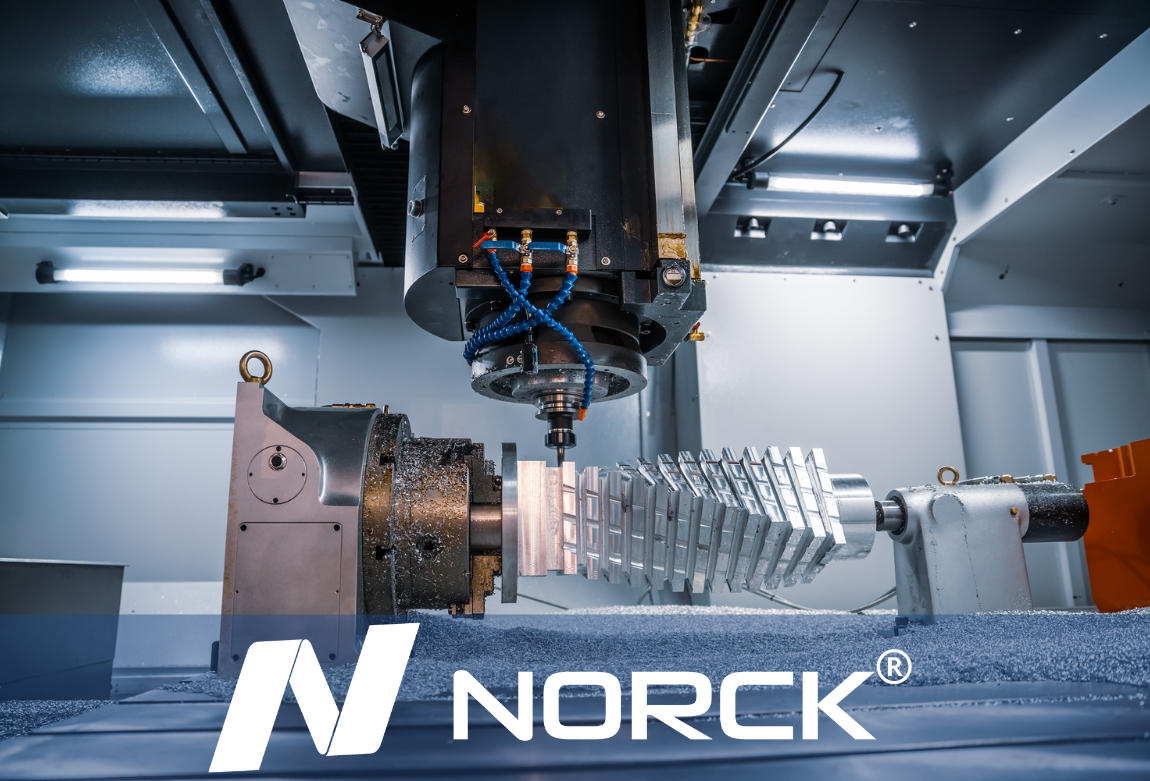
Design, prototyping, and mass production form the backbone of precision injection molding, especially when selecting the best plastic materials for high-performance applications. At Wuxi Lead Precision Machinery, we integrate advanced engineering with stringent quality control to ensure zero defects across every phase of manufacturing. Our custom metal manufacturing expertise extends into the polymer domain, where material selection directly influences tooling longevity, part consistency, and final product reliability.
The process begins with design engineering, where material properties are matched to functional requirements. Key considerations include thermal stability, mechanical strength, chemical resistance, and dimensional accuracy. Engineering-grade thermoplastics such as PEEK, PPS, and PEI are often selected for aerospace, medical, and automotive components due to their superior performance under stress and extreme environments. Design for manufacturability (DFM) analysis ensures wall uniformity, gate placement, and cooling channels are optimized to prevent warping, sink marks, or voids—common defects in injection molded parts.
Prototyping follows design validation, utilizing rapid tooling or 3D-printed molds to produce functional samples. This stage allows for real-world testing of material behavior under actual processing conditions. We conduct flow analysis, shrinkage evaluation, and mechanical testing to confirm that the selected plastic performs as predicted. Adjustments in melt temperature, injection speed, or packing pressure are fine-tuned during this phase. Our prototyping cycle reduces time-to-market while ensuring that only validated designs proceed to full-scale production.
Mass production leverages high-precision steel molds manufactured in-house using CNC machining and electrical discharge machining (EDM). These molds are engineered for longevity and dimensional repeatability, capable of withstanding tens of thousands of cycles without degradation. Automated injection molding machines, monitored by real-time sensors, maintain consistent process parameters. Each cycle is logged, and statistical process control (SPC) systems detect deviations before defects occur. Inline vision systems and coordinate measuring machines (CMM) verify part geometry, ensuring tolerances as tight as ±0.005 mm are consistently achieved.
Our zero-defect philosophy is enforced through full traceability, from raw material batch numbers to mold cavity identification. Every component undergoes 100% visual inspection or automated defect detection, depending on application criticality.
Below is a comparison of commonly used high-performance plastics in injection molding, highlighting key physical and thermal properties essential for demanding industrial applications.
| Material | Tensile Strength (MPa) | Heat Deflection Temp (°C) | Shrinkage (%) | Typical Applications |
|---|---|---|---|---|
| PEEK | 90–100 | 143–160 | 0.1–0.2 | Aerospace, Medical Implants |
| PPS | 65–80 | 110–120 | 0.2–0.4 | Automotive Sensors, Electrical Connectors |
| PEI | 100–110 | 200–210 | 0.6–0.8 | Sterilizable Medical Devices |
| PA66+GF30 | 180–200 | 250–260 | 0.3–0.5 | Structural Components, Gears |
| PC | 60–70 | 130–140 | 0.5–0.7 | Transparent Housings, Lenses |
Through disciplined integration of material science, precision tooling, and process control, Wuxi Lead Precision Machinery delivers injection molded components that meet the highest standards of quality and reliability.
Why Choose Wuxi Lead Precision
Strategic Partnership for Injection Molding Excellence
Selecting the optimal plastic resin is a critical first step, but ultimate part success hinges on the precision and durability of the metal tooling that forms it. At Wuxi Lead Precision Machinery, we understand that your injection mold is not merely a tool—it is the foundation of your production efficiency, part consistency, and long-term profitability. Generic machining tolerances or substandard materials lead directly to costly downtime, scrap, and compromised part quality, negating the benefits of even the most advanced polymer. True manufacturing excellence demands a partner with deep expertise in both high-precision metal fabrication and the specific thermal, mechanical, and wear challenges inherent in injection molding processes.
We bridge this gap. As a specialized provider of custom metal manufacturing for the global injection molding industry, Lead Precision delivers CNC-machined mold bases, cavities, cores, inserts, and critical wear components engineered for uncompromising performance. Our vertically integrated facility in Wuxi, China, utilizes state-of-the-art multi-axis machining centers, strict environmental controls, and rigorous quality protocols to achieve the micron-level tolerances and surface finishes essential for complex geometries and high-volume production. We move beyond standard specifications to address the real-world stresses your molds face daily.
Our commitment translates into measurable advantages for your operation. Partnering with Lead Precision ensures your tooling maximizes the potential of your chosen plastic material by providing exceptional dimensional stability under thermal cycling, superior resistance to abrasive wear from filled compounds, and minimized maintenance intervals. This directly reduces your cost per part and safeguards your production schedule. Consider the technical foundation we provide:
| Critical Specification | Lead Precision Standard | Industry Typical Range | Impact on Your Molding Process |
|---|---|---|---|
| Geometric Tolerance (GD&T) | ±0.002 mm | ±0.01 – ±0.05 mm | Ensures perfect part fit, eliminates flashing |
| Surface Finish (Cavity/Core) | Ra 0.05 – 0.2 µm | Ra 0.4 – 1.6 µm | Improves part release, reduces defects |
| Hardness (Core Components) | HRC 52-58 (Customizable) | HRC 30-45 | Extends mold life with abrasive plastics |
| Thermal Stability (ΔL/L) | < 5 ppm/°C | 10-20 ppm/°C | Maintains precision during thermal cycling |
| Lead Time (Complex Mold Base) | 25-35 Days | 45-60+ Days | Accelerates time-to-market |
This level of precision engineering is not an expense; it is a strategic investment protecting your production output and brand reputation. We collaborate closely with your engineering team from initial design review through final inspection, providing actionable feedback to optimize manufacturability and longevity before metal is cut. Our goal is to become your trusted extension, solving complex tooling challenges so you can focus on delivering flawless plastic parts consistently.
Do not let inadequate tooling undermine your material selection or production goals. Elevate your injection molding capability with a partner dedicated to the highest standards of metal precision. Contact our engineering team today at [email protected]. Specify your part geometry, material requirements, and target production volume. We will provide a detailed technical assessment and quotation within 48 hours, demonstrating precisely how Lead Precision can enhance your molding performance and reduce your total cost of ownership. Initiate the conversation that transforms your tooling from a cost center into a competitive advantage.
⚙️ Precision Cost Estimator
Estimate relative manufacturing effort based on tolerance.