

Technical Contents
Engineering Guide: Anodized Aluminum Plate
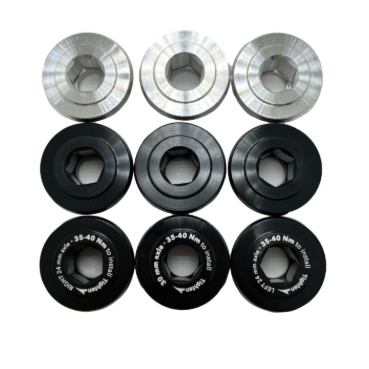
Engineering Insight: Anodized Aluminum Plate – Precision as a Performance Imperative
In high-performance manufacturing, the anodized aluminum plate is more than a structural component—it is a critical interface where material science, surface engineering, and dimensional accuracy converge. At Wuxi Lead Precision Machinery, we understand that the integrity of an anodized aluminum solution depends not only on the alloy or coating thickness but fundamentally on the precision of the underlying substrate. Even the most advanced anodizing process cannot compensate for dimensional inconsistencies introduced during machining or forming. That is why our engineering philosophy places precision at the core of every anodized aluminum plate we produce.
Anodizing enhances corrosion resistance, surface hardness, and aesthetic consistency, making it indispensable in aerospace, military systems, medical devices, and high-end industrial equipment. However, the anodizing process itself can magnify microscopic surface defects or geometric deviations. For example, uneven material removal prior to anodizing leads to inconsistent oxide layer growth, resulting in color variation, reduced wear resistance, or non-compliance with tight-tolerance assembly requirements. Our experience manufacturing components for Olympic-standard equipment and mission-critical defense systems has reinforced a simple truth: precision machining precedes precision performance.
At Lead Precision, we employ CNC machining centers with sub-micron repeatability to ensure that every aluminum plate meets exact geometric and surface finish specifications before surface treatment. Our process integrates metrology-grade inspection using CMM (Coordinate Measuring Machines) and optical profilometry to validate flatness, parallelism, and edge definition—parameters that directly influence the uniformity and functional reliability of the anodized layer.
We specialize in 6000 and 7000 series aluminum alloys, optimized for anodizing response and structural performance. Each plate undergoes rigorous pre-treatment, including de-burring, etching, and cleaning, to ensure optimal adhesion and consistency of the oxide layer. Our in-house anodizing partners adhere to MIL-A-8625 and ISO 7599 standards, with full traceability and batch certification.
The result is a component that performs reliably under extreme environmental conditions, maintains dimensional stability, and meets the exacting visual and functional requirements of global OEMs. Whether for heat dissipation in military electronics or structural frames in precision robotics, our anodized aluminum plates reflect a standard of excellence forged through decades of engineering discipline.
| Specification | Detail |
|---|---|
| Material Grades | 6061-T6, 7075-T6, 5052-H32 |
| Anodizing Standards | MIL-A-8625, ISO 7599, AMS 2471 |
| Coating Thickness | 10–50 μm (standard), up to 100 μm (hard coat) |
| Surface Finish | Ra ≤ 0.8 μm (machined), customizable |
| Tolerance Capability | ±0.01 mm (critical dimensions) |
| Color Options | Clear, Bronze, Black, Gold (dyed) |
| Flatness | ≤ 0.1 mm per 300 mm (guaranteed) |
| Secondary Processes | Laser engraving, passivation, masking |
Precision in anodized aluminum manufacturing is not an option—it is the foundation of performance, longevity, and compliance. At Wuxi Lead Precision Machinery, we engineer that foundation with the rigor demanded by the world’s most demanding industries.
Precision Specs & Tolerances
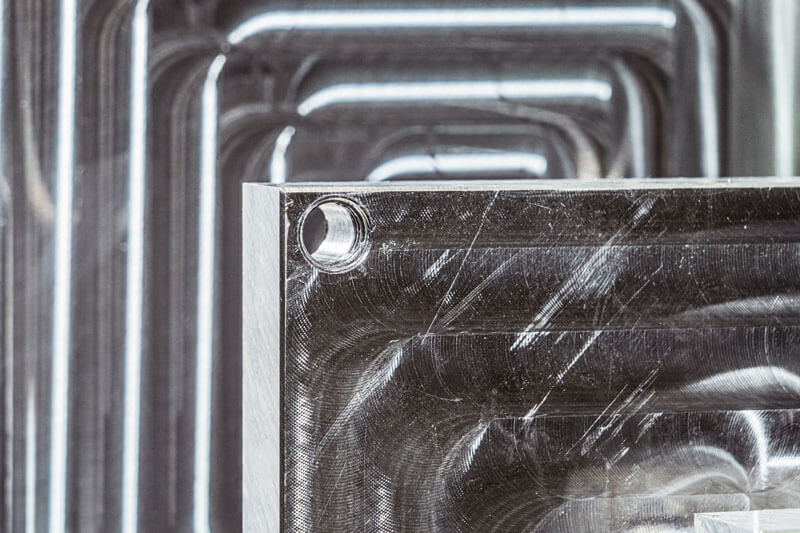
Technical Capabilities for Precision Anodized Aluminum Plate Manufacturing
At Wuxi Lead Precision Machinery, our advanced manufacturing infrastructure ensures unparalleled precision for anodized aluminum plate components. Central to our process is a dedicated fleet of 5-axis CNC machining centers, enabling complex geometries and tight tolerances unachievable with conventional 3-axis systems. These machines utilize high-rigidity spindles and thermal compensation systems to maintain micron-level accuracy during extended operations, critical for parts requiring uniform anodized layer adhesion. Our programming team employs industry-leading CAM software to optimize toolpaths, minimizing vibration and thermal distortion while maximizing material removal rates for aluminum alloys such as 6061-T6 and 7075-T6. This precision machining foundation directly impacts anodizing quality, as surface integrity and dimensional consistency prevent coating defects like uneven thickness or edge peeling.
Surface preparation is rigorously controlled to meet anodizing specifications. We implement multi-stage cleaning and etching protocols within our in-house facility, ensuring optimal substrate activation for Type II (sulfuric acid) and Type III (hardcoat) anodization. All machined surfaces undergo non-destructive verification via profilometry to confirm Ra values align with client requirements before anodizing, eliminating post-coating rework. Crucially, our process accounts for dimensional shifts during anodizing; we preemptively adjust critical features to compensate for the 5–25µm oxide layer growth, guaranteeing final dimensions remain within tolerance after treatment.
Quality assurance is non-negotiable. Every anodized aluminum plate undergoes comprehensive inspection using calibrated Coordinate Measuring Machines (CMM) with 4.5 + L/100 µm accuracy. Our CMM routines validate geometric dimensioning and tolerancing (GD&T) per ASME Y14.5 standards, including flatness, parallelism, and critical feature relationships. Dimensional reports are provided with each shipment, alongside material certifications and anodizing thickness verification via eddy current testing. This end-to-end traceability ensures compliance with aerospace, medical, and semiconductor industry demands where coating integrity is mission-critical.
The following table details achievable tolerances for machined aluminum plates prior to anodizing, reflecting our standard production capabilities. Note that tighter tolerances are attainable for critical features with specialized fixturing and process validation.
| Feature | Standard Capability | Relevance to Anodized Components |
|---|---|---|
| Positional Tolerance | ±0.010 mm | Ensures hole patterns align with assembly interfaces post-anodizing |
| Linear Dimension | ±0.005 mm | Compensates for oxide growth; maintains critical fit dimensions |
| Angular Tolerance | ±0.05° | Guarantees mating surfaces achieve uniform coating thickness |
| Surface Finish (Ra) | 0.4–0.8 µm | Optimized for consistent dye absorption and corrosion resistance |
Wuxi Lead integrates machining, surface engineering, and metrology to deliver anodized aluminum plates that exceed industry benchmarks. By controlling the entire workflow—from CNC fabrication to final inspection—we eliminate supply chain variables that compromise anodizing performance. Partner with us for components where dimensional stability and coating reliability are non-negotiable.
Material & Finish Options
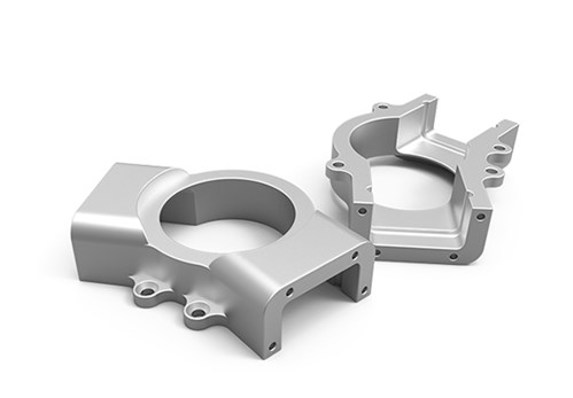
Material Selection for High-Performance Applications: Aluminum, Steel, and Titanium with Anodized Finishes
In precision manufacturing, material selection directly influences performance, durability, and cost-efficiency. At Wuxi Lead Precision Machinery, we guide engineering teams through the optimal choice of base metals—aluminum, steel, and titanium—paired with advanced surface treatments such as anodizing. Each material offers distinct mechanical and chemical properties, making them suitable for specialized industrial applications.
Aluminum stands out for its excellent strength-to-weight ratio, corrosion resistance, and machinability. It is particularly favored in aerospace, automotive, and electronics industries where lightweight components are critical. When anodized, aluminum forms a durable, non-conductive oxide layer that enhances surface hardness and wear resistance. Anodized aluminum plates are ideal for components exposed to abrasive environments or requiring electrical insulation. The process allows for color coding and improved aesthetic consistency, which is beneficial for consumer-facing hardware and enclosures.
Steel, particularly stainless and alloy variants, delivers superior tensile strength and thermal stability. It is the preferred choice for high-load structural components and tools requiring long-term dimensional stability. However, steel is more prone to corrosion than aluminum unless treated. While anodizing is not applicable to steel, alternative finishes such as passivation, plating, or powder coating are used to enhance durability. Steel remains essential in heavy machinery, oil and gas equipment, and high-temperature applications.
Titanium offers exceptional corrosion resistance and strength at elevated temperatures, with a density lower than steel. It is widely used in aerospace, medical implants, and marine environments. Though titanium can undergo surface oxidation treatments, it does not anodize in the same way as aluminum. Instead, specialized thermal or chemical processes are used to improve surface characteristics. Due to its high cost and challenging machinability, titanium is typically reserved for mission-critical applications where performance justifies investment.
Below is a comparative overview of key properties for common materials used in precision plate manufacturing.
| Material | Density (g/cm³) | Tensile Strength (MPa) | Corrosion Resistance | Suitable Finishes | Common Applications |
|---|---|---|---|---|---|
| Aluminum 6061-T6 | 2.7 | 310 | High (with anodizing) | Anodizing, powder coating | Aerospace, electronics, robotics |
| Stainless Steel 304 | 8.0 | 505–700 | Very High | Passivation, electropolishing | Food processing, chemical plants |
| Titanium Grade 5 | 4.5 | 900–1000 | Excellent | Thermal oxidation, coating | Medical devices, jet engines |
At Wuxi Lead Precision Machinery, we support clients in aligning material and finish selection with functional requirements, environmental exposure, and lifecycle expectations. Our in-house anodizing capabilities ensure tight control over coating thickness, adhesion, and uniformity—critical for meeting stringent industry standards. Whether you require lightweight anodized aluminum plates for a precision enclosure or high-strength steel for industrial tooling, our engineering team provides tailored solutions backed by ISO-certified manufacturing practices.
Manufacturing Process & QC
Anodized Aluminum Plate Production: Precision Engineering from Concept to Volume
At Wuxi Lead Precision Machinery, delivering flawless anodized aluminum components begins with a rigorously controlled production sequence. We understand that for critical applications in aerospace, medical devices, and high-end electronics, dimensional accuracy and surface integrity are non-negotiable. Our integrated process eliminates defects at source, ensuring every plate meets exacting specifications before it leaves our facility. This commitment starts with collaborative engineering and culminates in certified mass production.
The Design phase is foundational. Our engineering team works directly with client CAD models, conducting thorough Design for Manufacturing (DFM) and Design for Anodizing (DFA) reviews. We validate geometric complexity, wall thickness uniformity, and feature placement to prevent stress concentrations or anodizing inconsistencies. Material selection is critical; we specify aerospace-grade alloys like 6061-T6 or 7075-T6 based on required strength, corrosion resistance, and anodizing response. Thermal management simulations predict distortion during machining, enabling proactive compensation strategies. This stage concludes with finalized CAM programming and documented process parameters, setting the benchmark for zero deviations.
Prototyping transforms validated designs into physical proof. We produce initial samples using the exact tooling, fixturing, and CNC parameters planned for volume runs. Each prototype undergoes comprehensive metrology: CMM scans verify all critical dimensions against GD&T callouts, surface profilometry checks roughness (Ra), and cross-sectional analysis confirms internal integrity. Crucially, prototypes undergo full anodizing per the client’s specification, followed by salt spray testing (ASTM B117) and adhesion checks (ASTM D3359). Only after rigorous validation—where we demand 100% conformance to AQL 0.65 sampling plans—does the process advance. This phase identifies microscopic flaws invisible in simulation, ensuring mass production parameters are perfected.
Mass Production executes the validated process with uncompromising discipline. Our CNC machining centers operate under real-time thermal compensation, maintaining tolerances as tight as ±0.005mm. Automated material handling minimizes human touchpoints, while in-process gauging at defined checkpoints intercepts potential drift. The anodizing line is strictly controlled: bath chemistry, temperature, voltage, and immersion time are continuously monitored and logged against ISO 9001 protocols. Every batch receives full certification, including material traceability, dimensional reports, and anodizing thickness verification. This closed-loop system, combined with operator certification and statistical process control (SPC), guarantees consistent output where defects are statistically eliminated, not merely inspected out.
Key production specifications governing our anodized aluminum plates include:
| Parameter | Specification | Standard Compliance |
|---|---|---|
| Common Alloys | 6061-T6, 7075-T6, 5052-H32 | ASTM B209 |
| Thickness Tolerance | ±0.05mm (up to 6mm) | ISO 2768-m |
| Anodizing Thickness | 15-25µm (Standard); 50µm (Hardcoat) | MIL-A-8625 Type II/III |
| Surface Roughness | Ra ≤ 0.8µm (machined) | ISO 1302 |
| Dimensional Tolerance | ±0.005mm (critical features) | ISO 2768-f |
| Corrosion Resistance | >1000 hours salt spray (clear) | ASTM B117 |
This end-to-end methodology—where design foresight, prototype validation, and production control converge—ensures Wuxi Lead delivers anodized aluminum plates that perform reliably in the most demanding environments, every time.
Why Choose Wuxi Lead Precision
Partner with Lead Precision for Unmatched Expertise in Anodized Aluminum Plate Manufacturing
At Wuxi Lead Precision Machinery, we specialize in delivering high-precision, custom anodized aluminum plate solutions tailored to the exacting demands of advanced manufacturing industries. With over 15 years of engineering excellence and a fully integrated production line, we are the trusted partner for global OEMs, aerospace firms, medical device manufacturers, and industrial automation leaders. Our commitment to quality, consistency, and technical innovation ensures that every component we produce meets international standards while aligning perfectly with your application requirements.
Anodized aluminum plates are critical in environments where corrosion resistance, surface hardness, and aesthetic precision are non-negotiable. Whether you require architectural panels with Class A surface finishes, heat-dissipating enclosures for electronics, or lightweight structural components for transportation systems, our in-house capabilities cover every stage—from raw material sourcing and CNC machining to multi-stage anodizing and final inspection. We utilize ISO 9001-certified processes and advanced quality control systems, including CMM inspection and spectrometry analysis, to guarantee dimensional accuracy and coating integrity.
Our engineering team works closely with your design and procurement departments to optimize manufacturability, reduce lead times, and lower total production costs. From prototype development to high-volume production runs, we offer scalable solutions with strict confidentiality and full traceability. As a vertically integrated manufacturer based in Wuxi, China, we combine cutting-edge automation with skilled craftsmanship to deliver components that perform reliably under real-world conditions.
We understand that your supply chain depends on consistency, responsiveness, and technical reliability. That’s why we go beyond standard manufacturing—we act as an extension of your engineering team. Our project managers provide real-time updates, detailed production reports, and DFM feedback within 48 hours of design submission. With rapid tooling capabilities and a 98.6% on-time delivery rate, we ensure your timelines are not just met, but exceeded.
Choose a partner who combines industrial precision with customer-centric service. At Wuxi Lead Precision Machinery, we don’t just manufacture parts—we build long-term manufacturing partnerships.
Contact us today to begin your next project. Send your technical drawings, material specifications, and production requirements to [email protected]. Our engineering team will respond within one business day with a detailed quotation, process plan, and recommendations for optimal performance and cost-efficiency.
| Specification | Capability |
|---|---|
| Material Grades | 6061, 6063, 5052, 7075, and custom alloys |
| Plate Thickness Range | 1.0 mm – 100 mm |
| Dimensional Tolerance | ±0.02 mm (CNC machined) |
| Anodizing Types | Sulfuric Acid Anodizing (Type II), Hard Anodizing (Type III), Chromic Acid (Type I) |
| Coating Thickness | 10–25 μm (standard), up to 50 μm (hard coat) |
| Color Options | Clear, Black, Bronze, Blue, Gold, Custom RAL/Pantone |
| Surface Finish | Mill finish, brushed, polished, sandblasted |
| Certifications | ISO 9001:2015, RoHS, REACH compliant |
⚙️ Precision Cost Estimator
Estimate relative manufacturing effort based on tolerance.