

Technical Contents
Engineering Guide: Aluminum Sheet Fabrication
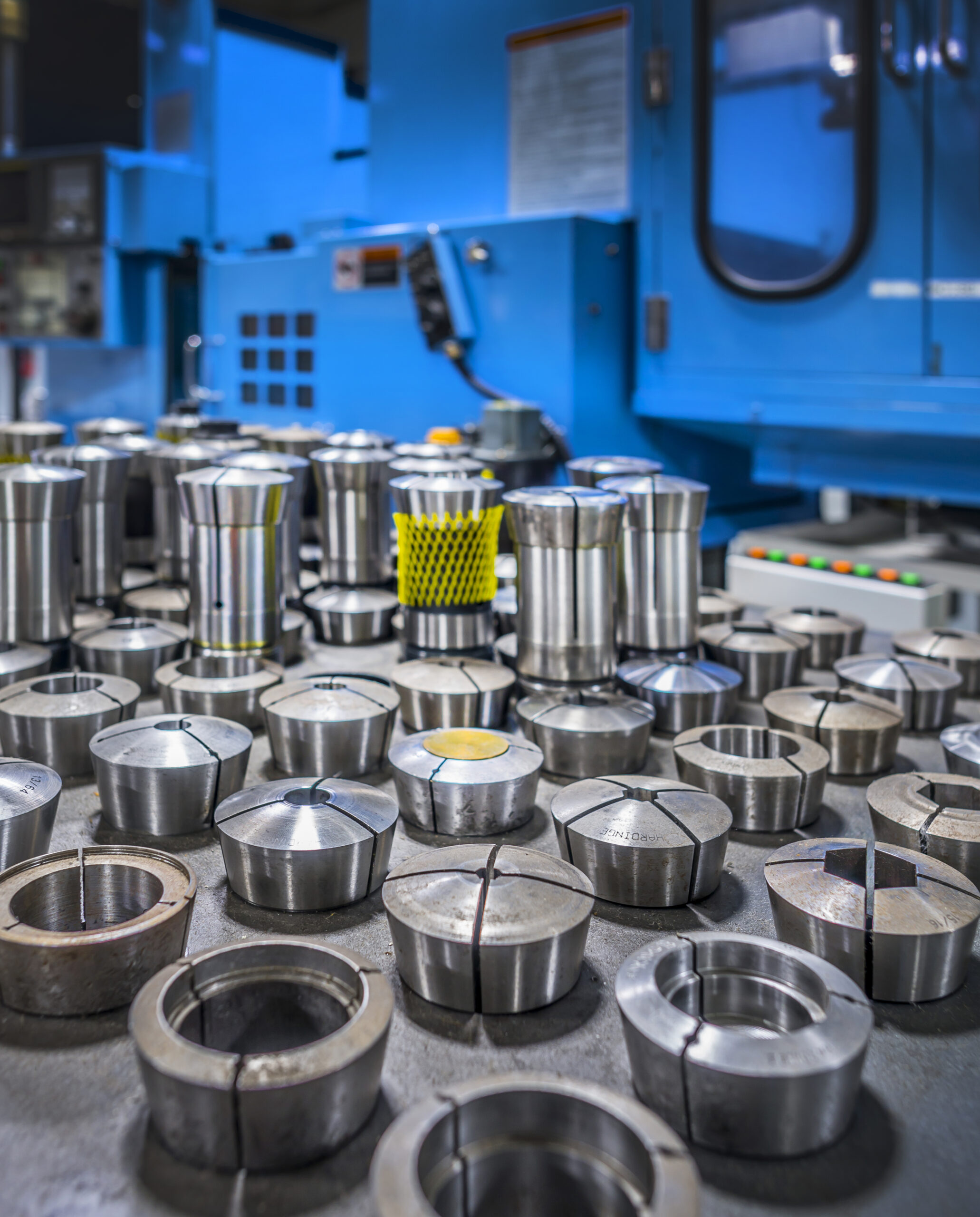
Engineering Insight: Precision in Aluminum Sheet Fabrication
Aluminum sheet fabrication is a cornerstone of modern industrial manufacturing, valued for its optimal strength-to-weight ratio, corrosion resistance, and thermal conductivity. However, the true performance of aluminum components hinges not just on material selection but on the precision of fabrication. At Wuxi Lead Precision Machinery, we understand that even micron-level deviations can compromise structural integrity, fitment, and long-term reliability—especially in high-stakes applications such as aerospace, defense, and large-scale infrastructure.
Precision in aluminum sheet fabrication begins with advanced CNC-controlled cutting, bending, and forming technologies. Aluminum’s unique mechanical properties—its malleability and tendency to spring back after bending—demand exact control over tooling pressure, angle, and feed rates. Without such control, dimensional inaccuracies and surface defects can occur, leading to costly rework or component failure. Our engineering team employs real-time feedback systems and laser-guided alignment to ensure each bend and cut meets ISO 2768 and customer-specific tolerances consistently.
At Wuxi Lead, our expertise extends beyond standard industrial requirements. We have contributed precision-fabricated aluminum components for Olympic-grade sports infrastructure and mission-critical military equipment. These projects demanded not only flawless dimensional accuracy but also repeatable quality across large production batches. Our involvement in such high-profile applications underscores our capability to deliver under stringent regulatory and performance demands.
Material handling is another critical factor. Aluminum sheets are susceptible to surface scratching and warping if not handled with care. Our fabrication lines incorporate non-marring conveyors, controlled environmental zones, and automated clamping systems to maintain surface integrity throughout processing. Additionally, our welding procedures follow strict protocols to prevent heat distortion, using pulsed MIG and TIG techniques tailored to alloy type and thickness.
We fabricate across a broad spectrum of aluminum alloys, including 5052, 6061, and 7075, each selected for specific performance characteristics. Our in-house metallurgical testing ensures material consistency, while our quality assurance team conducts full dimensional inspections using CMM (Coordinate Measuring Machines) and 3D scanning technology.
The following table outlines key fabrication capabilities for aluminum sheet processing at Wuxi Lead Precision Machinery:
| Parameter | Specification |
|---|---|
| Material Thickness Range | 0.5 mm – 10.0 mm |
| Maximum Sheet Size | 1500 mm × 3000 mm |
| Cutting Tolerance | ±0.1 mm |
| Bending Tolerance | ±0.2°, ±0.5 mm positional accuracy |
| Common Alloys Processed | 5052, 5754, 6061, 6082, 7075 |
| Surface Finish Options | Mill finish, anodized, powder-coated, brushed |
| Quality Standards | ISO 9001:2015, ISO 2768, MIL-STD compliant |
Precision is not a feature—it is the foundation. At Wuxi Lead Precision Machinery, we combine advanced technology, rigorous process control, and proven experience in elite engineering environments to deliver aluminum sheet fabrication that meets the highest global standards.
Precision Specs & Tolerances
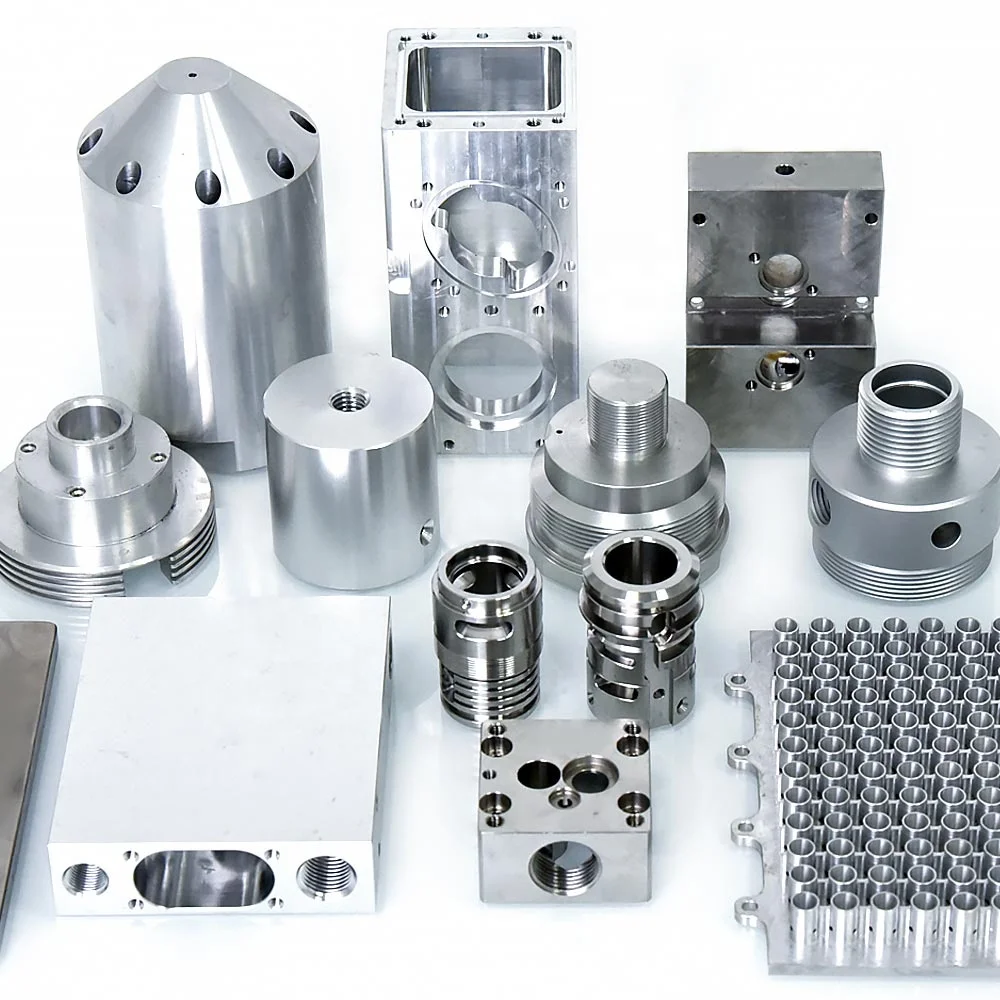
Advanced Aluminum Sheet Fabrication Capabilities
Wuxi Lead Precision Machinery delivers uncompromising precision in aluminum sheet fabrication for mission-critical aerospace, medical, and defense applications. Our integrated technical ecosystem combines cutting-edge 5-axis CNC machining with rigorous metrology protocols to achieve aerospace-grade repeatability in complex aluminum components. We specialize in processing high-strength alloys including 6061-T6, 7075-T6, and 2024-T3, addressing thermal stability challenges inherent in thin-sheet aluminum through proprietary fixturing and adaptive machining strategies.
Our DMG MORI 5-axis CNC centers feature high-torque spindles (24,000 RPM) and Heidenhain controls, enabling single-setup machining of intricate geometries up to 1,500 x 800 x 600 mm. This eliminates cumulative errors from multiple repositioning, critical for maintaining ±0.025 mm positional accuracy across multi-faceted aluminum enclosures and structural brackets. Advanced coolant-through-spindle systems prevent work hardening during high-speed contouring of aluminum sheets as thin as 0.8 mm, while vacuum table technology ensures distortion-free clamping for large panels.
Quality assurance is anchored by Zeiss CONTURA CMM systems with 0.0005 mm probe resolution, conducting full-surface 3D scans against CAD models per AS9100D standards. Every batch undergoes first-article inspection (FAI) with GD&T validation, including critical flatness checks on large panels (≤0.1 mm/m²) and thread integrity verification via optical comparators. Statistical process control (SPC) monitors key parameters in real-time, with traceable calibration records maintained for all measurement equipment.
Material certification and process documentation are integral to our workflow. We provide full material test reports (MTRs) with chemical composition and mechanical properties, alongside detailed inspection certificates showing actual vs. nominal dimensions. Our ERP system tracks each component from raw material lot to final shipment, ensuring complete chain-of-custody for regulated industries.
Precision Tolerance Specifications for Aluminum Fabrication
| Parameter | Standard Capability | Tight Tolerance Option | Measurement Method |
|---|---|---|---|
| Material Thickness | 0.8 mm – 12.7 mm | 0.5 mm – 25.4 mm | Micrometer / Ultrasonic |
| Feature Size | ±0.05 mm | ±0.025 mm | CMM / Optical Comparator |
| Positional Tolerance | ±0.08 mm | ±0.03 mm | CMM (3D Scanning) |
| Hole Diameter | +0.05 / -0.00 mm | +0.02 / -0.00 mm | Plug Gauges / CMM |
| Surface Finish (Ra) | 1.6 µm | 0.4 µm | Profilometer |
| Flatness (per 100 mm) | 0.05 mm | 0.02 mm | Surface Plate / CMM |
This technical foundation enables us to consistently produce aluminum components meeting MIL-A-8625 for anodizing readiness and ASTM B928 for structural integrity. Our engineering team collaborates with clients during DFM analysis to optimize toolpaths for aluminum grain direction and minimize residual stress, ensuring dimensional stability through post-machining processes. For applications demanding extreme precision, we implement thermal stabilization cycles and in-process probing to counter ambient temperature fluctuations. Partner with Wuxi Lead to transform complex aluminum sheet designs into certified, high-performance components with zero defect delivery.
Material & Finish Options
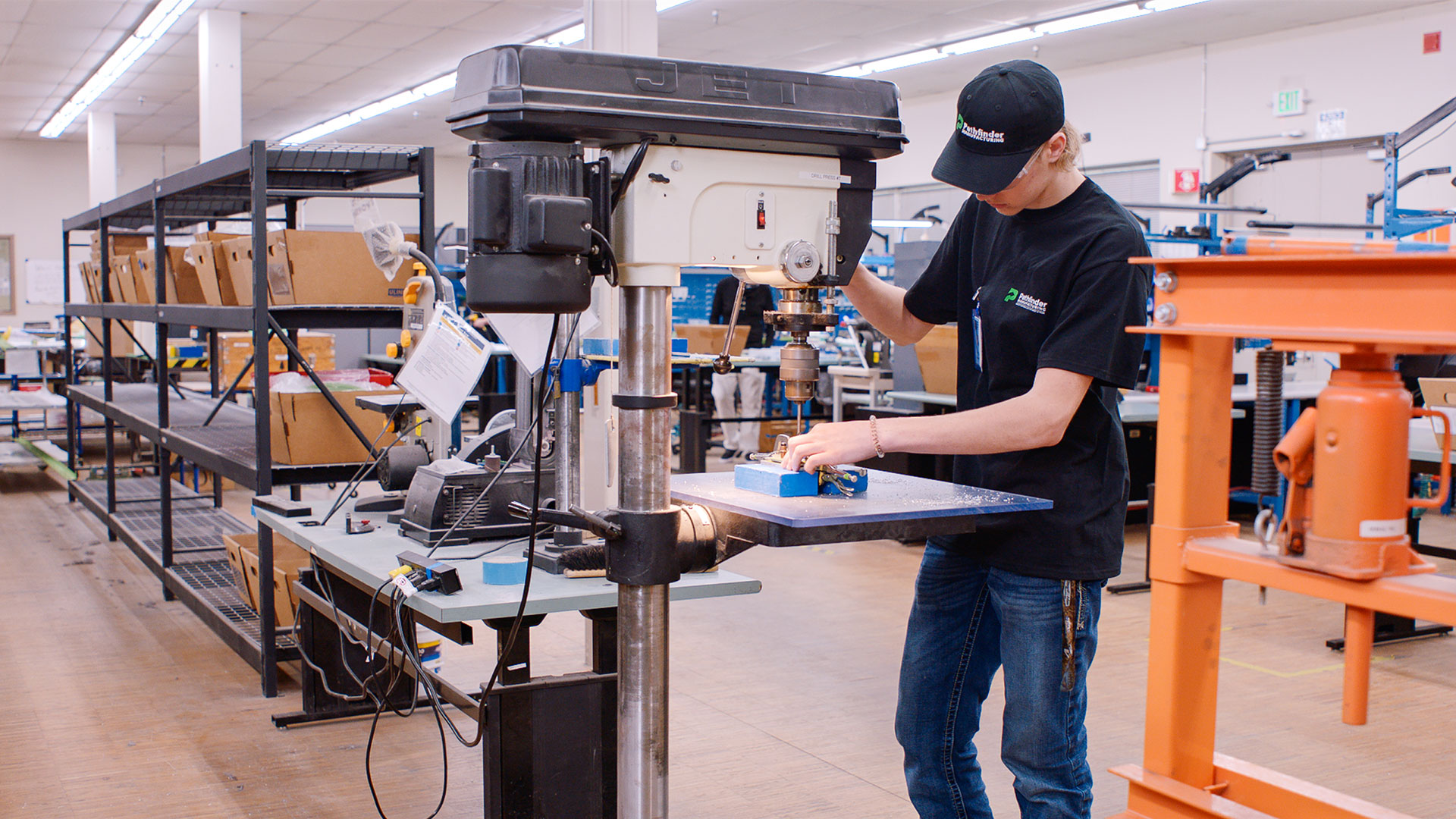
Material selection is a critical phase in precision sheet metal fabrication, directly influencing performance, durability, and cost-efficiency. At Wuxi Lead Precision Machinery, we specialize in high-accuracy fabrication of aluminum, steel, and titanium sheets, each offering distinct advantages depending on application requirements. Understanding the mechanical properties, environmental resistance, and compatibility with finishing processes such as anodizing is essential for optimal component design and long-term reliability.
Aluminum is widely favored in aerospace, transportation, and electronics due to its excellent strength-to-weight ratio, corrosion resistance, and thermal conductivity. Grade 6061-T6 is particularly popular for structural components, offering good weldability and machinability. For applications demanding higher strength and fatigue resistance, 7075-T6 is preferred, though it is less weldable. Aluminum’s natural oxide layer provides inherent corrosion protection, but when enhanced surface durability and wear resistance are required, anodizing becomes a key post-processing step.
Steel remains the backbone of heavy industrial applications. Mild steel (A36) offers high ductility and is ideal for general fabrication, while stainless steel grades such as 304 and 316 deliver superior corrosion resistance and are commonly used in medical, food processing, and marine environments. Stainless variants also maintain strength at elevated temperatures, making them suitable for high-stress thermal applications.
Titanium, though more costly, is unmatched in strength-to-density ratio and resistance to extreme environments. Grade 2 is commercially pure and offers excellent formability and corrosion resistance, often used in chemical processing and medical implants. Grade 5 (Ti-6Al-4V) is the most widely used alloy in aerospace and high-performance automotive sectors, where weight reduction and structural integrity under stress are paramount.
Anodizing is a critical surface treatment primarily applied to aluminum. This electrochemical process thickens the natural oxide layer, significantly improving wear resistance, corrosion protection, and aesthetic control. Type II anodizing (sulfuric acid) is standard for decorative and moderate-duty applications, while Type III (hard anodizing) delivers a thicker, harder coating suitable for aerospace and military specifications. Anodized surfaces also accept dyes, enabling color coding or brand alignment without compromising performance.
Below is a comparative overview of key material properties relevant to sheet fabrication:
| Material | Typical Grades | Tensile Strength (MPa) | Density (g/cm³) | Key Applications | Compatible Finishes |
|---|---|---|---|---|---|
| Aluminum | 6061-T6, 7075-T6 | 310–570 | 2.7 | Aerospace, Electronics, Automotive | Anodizing (Type II/III), Powder Coat |
| Mild Steel | A36, SPCC | 400–550 | 7.8 | Structural Frames, Enclosures | Paint, Zinc Plating |
| Stainless Steel | 304, 316 | 505–760 | 8.0 | Medical, Food Processing, Marine | Passivation, Electropolishing |
| Titanium | Gr 2, Gr 5 | 345–900 | 4.5 | Aerospace, Defense, Medical Implants | Anodizing (decorative), Passivation |
Selecting the right material and finish requires a balance of functional demands, environmental exposure, and lifecycle costs. Wuxi Lead Precision Machinery supports clients in making informed decisions through engineering consultation and precision fabrication capabilities tailored to high-end industrial needs.
Manufacturing Process & QC
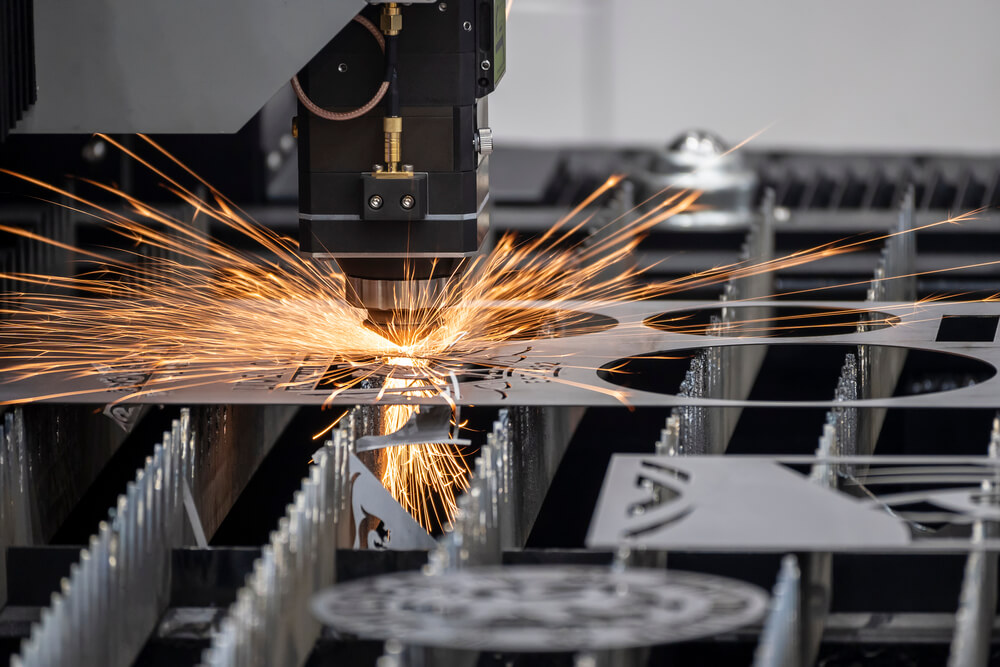
Aluminum Sheet Fabrication: Precision Through Process Control
Achieving flawless aluminum sheet components demands more than advanced machinery; it requires a rigorously defined and executed production pathway. At Wuxi Lead Precision Machinery, our Zero Defects philosophy is embedded within every stage of fabrication, transforming design intent into perfect physical reality. This systematic approach ensures dimensional accuracy, structural integrity, and consistent performance for demanding industrial applications.
The process begins with meticulous Design for Manufacturability (DFM) analysis. Our engineering team collaborates closely with client CAD models, scrutinizing geometries for optimal material utilization, bend allowances, and tooling feasibility specific to aluminum alloys. We proactively identify potential stress points or manufacturability issues, providing actionable feedback before metal is cut. This critical validation phase prevents costly errors downstream and establishes the foundation for defect prevention. Material selection is validated against stringent specifications to ensure compatibility with the intended application environment and fabrication steps.
Prototyping serves as the essential physical verification checkpoint. Utilizing our high-precision CNC punch presses, laser cutters, and press brakes, we produce initial samples under full production conditions. Each prototype undergoes comprehensive First Article Inspection (FAI), measuring all critical dimensions against the approved drawing using calibrated CMMs and optical comparators. Material properties and surface finish are rigorously verified. This stage confirms process parameters and provides tangible validation before committing to volume production, eliminating assumptions.
Mass production leverages our fully integrated, automated manufacturing cells operating under strict Statistical Process Control (SPC). Real-time monitoring tracks key parameters like laser power, press brake tonnage, and tool wear. In-process inspections at defined intervals verify critical features, while final inspection employs 100% dimensional checks on key attributes and random sampling for full GD&T validation per ASME Y14.5. Our ISO 9001-certified quality management system, combined with operator expertise and calibrated metrology equipment, guarantees every component meets the exacting tolerances required for seamless integration. Zero Defects is not aspirational; it is the direct outcome of this controlled, data-driven production sequence.
Key Aluminum Alloy Specifications for Precision Fabrication
| Alloy Designation | Typical Temper | Tensile Strength (MPa) | Key Characteristics | Common Applications | Max Sheet Size (Wuxi Lead) |
|---|---|---|---|---|---|
| 5052 | H32 | 193-228 | Excellent corrosion resistance, good formability, weldable | Marine components, tanks, panels | 2500mm x 6000mm |
| 6061 | T6 | 290-330 | High strength-to-weight, good machinability, weldable | Structural frames, aerospace parts | 2000mm x 4000mm |
| 7075 | T6 | 503-572 | Very high strength, fatigue resistant, lower corrosion resistance | High-stress aerospace, military | 1500mm x 3000mm |
This integrated methodology, from validated design through prototype confirmation to SPC-governed mass production, ensures Wuxi Lead Precision Machinery consistently delivers aluminum sheet fabrications where zero defects are the measurable standard, not merely a goal. Our process is your guarantee of uncompromised quality.
Why Choose Wuxi Lead Precision
Partner with Wuxi Lead Precision Machinery for Unmatched Aluminum Sheet Fabrication Excellence
When your manufacturing operations demand precision, consistency, and scalability in aluminum sheet fabrication, partnering with a trusted industry leader is not just an advantage—it’s a necessity. At Wuxi Lead Precision Machinery, we specialize in high-end sheet metal fabrication solutions tailored to the exacting standards of aerospace, automotive, energy, and industrial equipment sectors. With over 15 years of engineering expertise and a fully integrated production facility in Wuxi, China, we deliver precision-crafted aluminum components that meet global quality benchmarks.
Aluminum presents unique challenges in fabrication due to its thermal conductivity, ductility, and susceptibility to warping under stress. Our team of certified CNC engineers and manufacturing specialists applies deep material science knowledge to optimize every stage of processing—from laser cutting and CNC bending to precision welding and surface finishing. We utilize state-of-the-art fiber laser cutting systems, automated bending cells, and real-time metrology to ensure tolerances as tight as ±0.05 mm, even across complex geometries and large production runs.
Our clients choose Wuxi Lead not only for our technical capabilities but for our commitment to partnership. We engage early in the design phase, offering Design for Manufacturability (DFM) analysis to reduce waste, lower costs, and accelerate time-to-market. Whether you require low-volume prototypes or high-volume serial production, our agile manufacturing model supports flexible batch sizing with rapid turnaround—typically 7–12 days from drawing approval to shipment.
We maintain full traceability across all processes, with ISO 9001:2015 and IATF 16949 certifications ensuring compliance with international quality systems. All aluminum materials are sourced from verified suppliers and undergo rigorous incoming inspection, including alloy verification via handheld XRF analyzers. Surface treatments such as anodizing, powder coating, and chemical conversion are performed in-house or through tightly controlled partner networks.
Below is an overview of our core aluminum fabrication capabilities:
| Specification | Detail |
|---|---|
| Material Types | 5052, 6061, 6063, 7075, and custom alloys |
| Thickness Range | 0.5 mm – 12.0 mm |
| Laser Cutting Accuracy | ±0.05 mm |
| Max Laser Cutting Size | 4000 mm × 2000 mm |
| CNC Bending Tolerance | ±0.1° angular, ±0.2 mm linear |
| Max Press Brake Capacity | 300 tons, 6-meter bed |
| Welding Processes | TIG, MIG, and Pulse Arc with argon shielding |
| Surface Treatments | Anodizing (Type II & III), powder coating, chromate conversion |
| Quality Standards | ISO 9001:2015, IATF 16949, RoHS compliant |
| Lead Times | 7–12 working days (standard orders) |
Your success is driven by reliable, high-precision manufacturing partners who understand both engineering demands and supply chain realities. At Wuxi Lead Precision Machinery, we are built to support global clients with scalable capacity, technical transparency, and unwavering quality.
Contact us today at [email protected] to discuss your aluminum fabrication project. Let our engineering team provide a detailed quotation, DFM feedback, and production timeline—within 24 hours of receiving your drawings.
⚙️ Precision Cost Estimator
Estimate relative manufacturing effort based on tolerance.