

Technical Contents
Engineering Guide: Aluminium Sheet Metal Fabricators
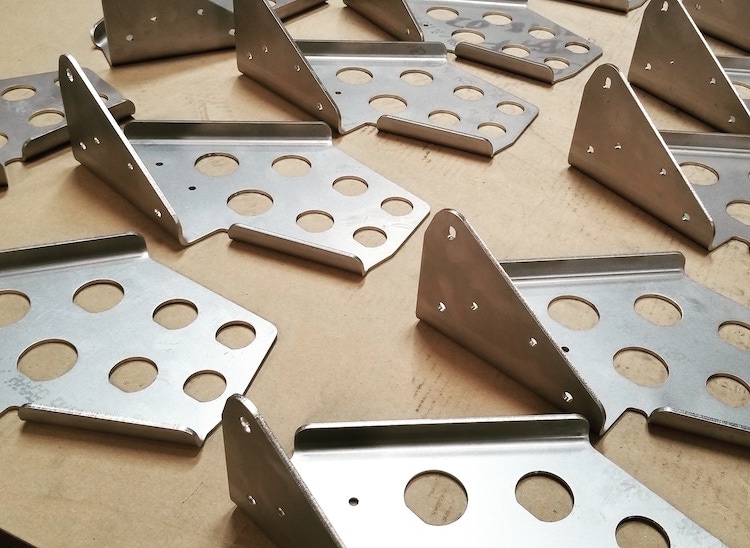
Engineering Insight: The Critical Role of Precision in Aluminium Sheet Metal Fabrication
In the realm of high-performance manufacturing, aluminium sheet metal fabricators are tasked with delivering components that meet exacting standards across aerospace, defense, transportation, and advanced industrial sectors. The inherent properties of aluminium—lightweight, corrosion-resistant, and highly formable—make it an ideal material for precision-critical applications. However, these advantages are only fully realized when fabrication processes are executed with uncompromising accuracy and consistency. At Wuxi Lead Precision Machinery, we understand that precision is not merely a quality benchmark—it is the foundation of functional integrity, structural reliability, and long-term performance.
Aluminium’s lower density and high thermal conductivity present unique challenges during cutting, bending, and joining processes. Even minor deviations in tool path, laser focus, or press brake angle can result in dimensional inaccuracies, warping, or material fatigue. This is especially critical in applications where components must interface seamlessly within complex assemblies—such as in military-grade enclosures or Olympic-standard sporting equipment. At Lead Precision, our engineering protocols are built around sub-millimeter tolerances and real-time process validation, ensuring that every fabricated part conforms to the most stringent specifications.
Our experience in delivering precision-critical components for Olympic infrastructure and military-grade systems underscores our capability in high-stakes fabrication environments. These projects demanded not only flawless dimensional accuracy but also full traceability, repeatable process control, and compliance with international standards. The same rigor is applied to every client engagement, regardless of scale. From initial material selection to final inspection, our integrated workflow leverages advanced CNC laser cutting, automated bending cells, and robotic welding systems—all calibrated and monitored to maintain ±0.1 mm tolerance across production runs.
Precision in aluminium fabrication also extends to surface integrity and edge quality. Poorly executed cuts or improper tooling can induce micro-cracks or burring, compromising both aesthetics and performance. Our multi-stage finishing protocols, including deburring, grinding, and anodizing coordination, ensure that each component meets both functional and visual requirements. Furthermore, our in-house metrology lab employs coordinate measuring machines (CMM) and laser scanning to validate geometric accuracy, providing clients with full inspection documentation upon request.
The following table outlines key technical specifications that define our precision fabrication capabilities for aluminium sheet metal:
| Parameter | Specification |
|---|---|
| Material Thickness Range | 0.5 mm – 12.0 mm |
| Maximum Sheet Size | 1500 mm × 3000 mm |
| Cutting Tolerance | ±0.1 mm |
| Bending Tolerance | ±0.2° angular, ±0.1 mm linear |
| Positional Accuracy (CNC) | ±0.05 mm |
| Surface Roughness (Ra) | ≤1.6 µm (after finishing) |
| Supported Alloys | 5052, 6061, 6082, 7075, and custom variants |
| Quality Standards | ISO 9001:2015, MIL-STD-810, GB/T 18831 |
At Wuxi Lead Precision Machinery, we combine decades of engineering expertise with state-of-the-art technology to deliver aluminium fabrications where precision is non-negotiable. For industries where failure is not an option, our processes ensure performance, reliability, and absolute consistency.
Precision Specs & Tolerances
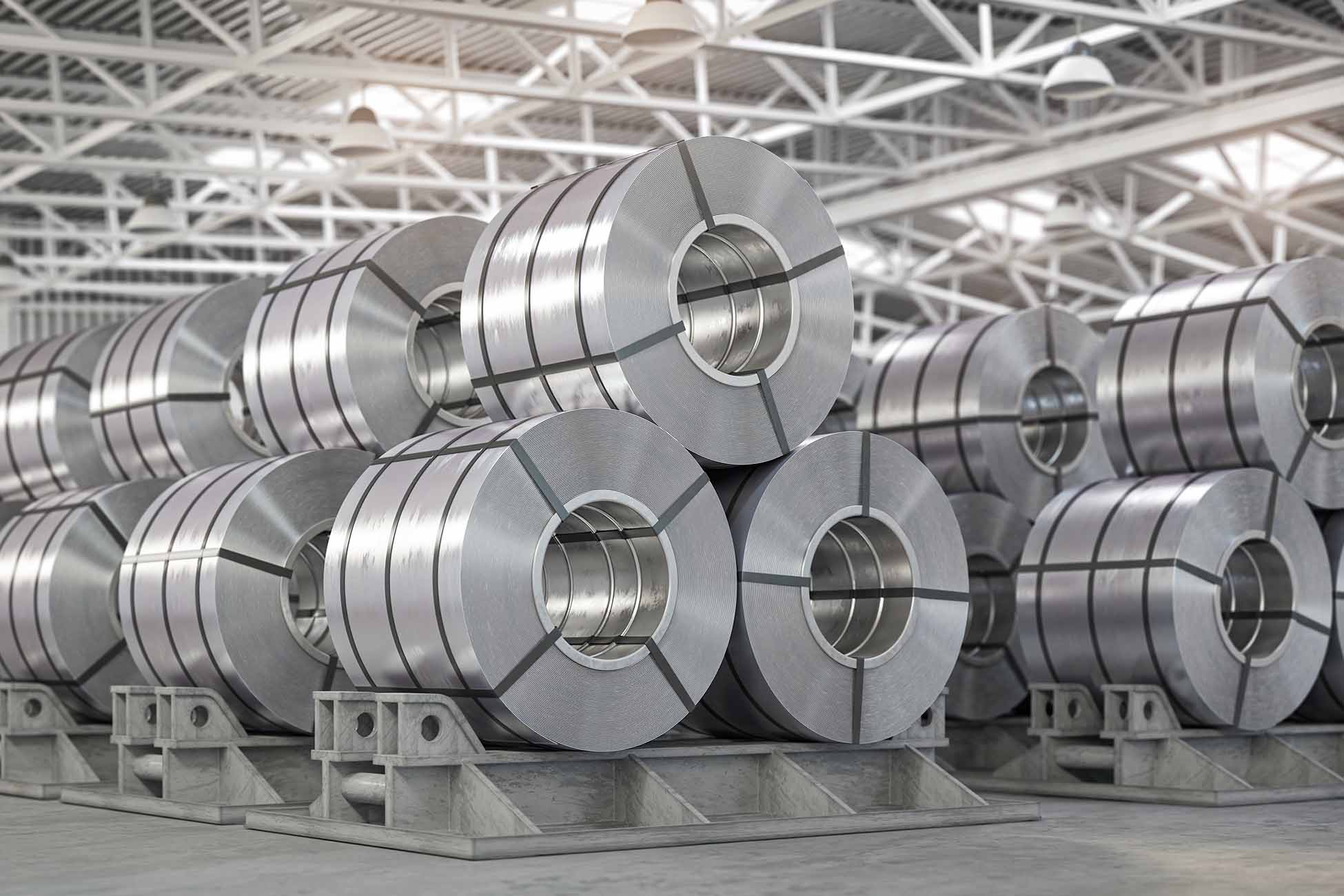
Technical Capabilities: Precision Aluminum Fabrication Excellence
Wuxi Lead Precision Machinery delivers uncompromising precision for demanding aluminum sheet metal fabrication projects. Our integrated manufacturing ecosystem, centered on advanced 5-axis CNC machining and rigorous metrology, ensures complex components meet the most stringent aerospace, medical, and industrial specifications. Aluminum presents unique challenges including thermal expansion, work hardening, and burr formation; our processes are specifically engineered to overcome these, guaranteeing dimensional stability and superior surface integrity critical for high-performance applications.
Our core capability resides in state-of-the-art 5-axis CNC machining centers. These systems provide simultaneous multi-directional tool movement, enabling the production of intricate geometries, deep cavities, and compound contours from a single setup. This eliminates cumulative errors inherent in multi-setup processes, drastically reducing lead times while enhancing part accuracy. High-speed spindles optimized for aluminum alloys ensure efficient material removal with minimal heat generation, preserving the material’s structural properties. Advanced fixturing solutions, including vacuum tables and custom modular jigs, securely hold thin-gauge or large-format sheets without distortion, critical for maintaining flatness and positional tolerances across expansive surfaces. All machining operations occur within a climate-controlled facility to mitigate thermal drift effects on both machine tools and workpieces.
Complementing our machining prowess is our comprehensive quality control infrastructure, anchored by Zeiss and Hexagon Coordinate Measuring Machines (CMMs). Every critical feature undergoes meticulous verification against CAD models using these high-precision instruments, featuring sub-micron resolution probes and advanced scanning capabilities. Our inspection protocol extends beyond simple dimensional checks; we perform detailed geometric dimensioning and tolerancing (GD&T) analysis, surface roughness validation, and first-article inspection reports (FAIR) per AS9102 or client-specific requirements. This closed-loop process, integrated directly with our production floor, allows for immediate process correction and ensures 100% traceability from raw material to finished component. Statistical process control (SPC) data is continuously monitored to maintain process capability indices (Cp/Cpk) well above industry benchmarks.
The following table details our standard achievable tolerances for aluminum sheet metal fabrication, reflecting our commitment to precision engineering. These values represent typical capabilities under controlled conditions for features machined within a single setup; specific project requirements may allow for tighter control.
| Feature Type | Standard Tolerance | Notes |
|---|---|---|
| Linear Dimensions | ±0.025 mm | Up to 300 mm; ±0.05 mm for 300-600 mm |
| Angular Tolerances | ±0.05° | Verified via CMM |
| Flatness | 0.05 mm per 300 mm | Critical for sealing surfaces |
| Positional Tolerance | ±0.02 mm | Hole patterns, critical datums |
| Surface Roughness (Ra) | 0.8 µm | Machined surfaces; lower achievable |
| Hole Diameter | +0.025 / -0.000 mm | Reamed or precision bored features |
This combination of advanced 5-axis machining, stringent CMM-based inspection, and deep material science expertise in aluminum processing allows Wuxi Lead to consistently deliver components where precision is non-negotiable. We transform complex aluminum sheet metal designs into reality with exceptional repeatability, significantly reducing client scrap rates and ensuring first-time-right production for mission-critical applications. Partner with us for fabrication where tolerances define success.
Material & Finish Options
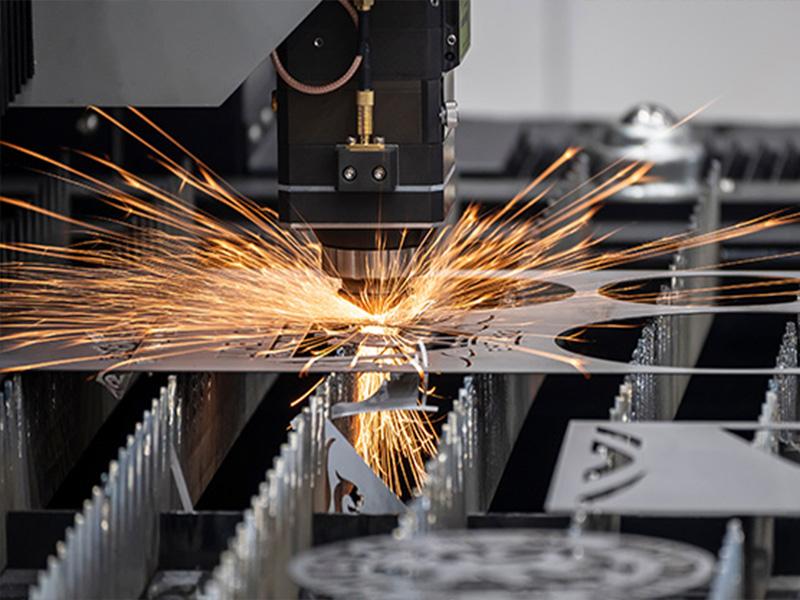
Material Selection for High-Precision Aluminum Sheet Metal Fabrication
Selecting the appropriate material in sheet metal fabrication is critical to ensuring structural integrity, performance, and cost-efficiency in end-use applications. For industries such as aerospace, automotive, and medical devices, aluminum remains a dominant choice due to its favorable strength-to-weight ratio, corrosion resistance, and machinability. However, steel and titanium also serve vital roles depending on operational demands. Understanding the mechanical properties and finishing compatibility of each material enables fabricators to optimize both design and production outcomes.
Aluminum is widely preferred in applications where weight reduction is paramount without sacrificing durability. Common alloys used in fabrication include 5052, 6061, and 7075, each offering distinct advantages. 5052 provides excellent formability and weldability, making it ideal for complex bends and enclosures. 6061, a heat-treatable alloy, delivers higher strength and is frequently used in structural components. 7075, while more difficult to weld, offers superior strength and is often selected for high-stress aerospace parts. Aluminum’s natural oxide layer provides inherent corrosion resistance, but for enhanced surface performance, anodizing is highly recommended.
Steel, particularly cold-rolled steel (CRS) and stainless steel (e.g., 304 and 316), is chosen when higher strength, wear resistance, or magnetic properties are required. Stainless variants offer excellent corrosion resistance and are suitable for harsh environments or sanitary applications. However, steel’s higher density makes it less favorable in weight-sensitive designs. Titanium, though significantly more expensive, excels in extreme conditions—such as high-temperature or highly corrosive environments—due to its exceptional strength-to-density ratio and biocompatibility. It is commonly used in aerospace and medical implant fabrication, though its machining难度 and cost limit widespread use.
Surface finishing plays a crucial role in both functionality and aesthetics. Anodizing is a key electrochemical process for aluminum, enhancing corrosion resistance, surface hardness, and adhesion for paint or primers. Type II (sulfuric acid) anodizing is standard for decorative and moderate protective finishes, while Type III (hardcoat anodizing) delivers a thicker, wear-resistant layer suitable for industrial components. Anodized finishes also allow for color coding, improving part identification in assembly processes.
Below is a comparative overview of key materials used in precision sheet metal fabrication:
| Material | Tensile Strength (MPa) | Density (g/cm³) | Corrosion Resistance | Common Finishes | Typical Applications |
|---|---|---|---|---|---|
| Aluminum 6061 | 310 | 2.7 | High | Anodizing, Powder Coat | Aerospace, Electronics Enclosures |
| Steel (CRS) | 340–440 | 7.85 | Low (without coating) | Zinc Plating, Paint | Industrial Frames, Machinery |
| Stainless 304 | 505–860 | 8.0 | Very High | Passivation, Polishing | Food Processing, Medical Devices |
| Titanium Gr2 | 345 | 4.5 | Excellent | Anodizing, Bead Blasting | Aviation, Marine, Medical Implants |
At Wuxi Lead Precision Machinery, we support advanced fabrication of all three materials with strict adherence to international quality standards. Our engineering team collaborates closely with clients to match material and finish specifications to application requirements, ensuring optimal performance and longevity.
Manufacturing Process & QC
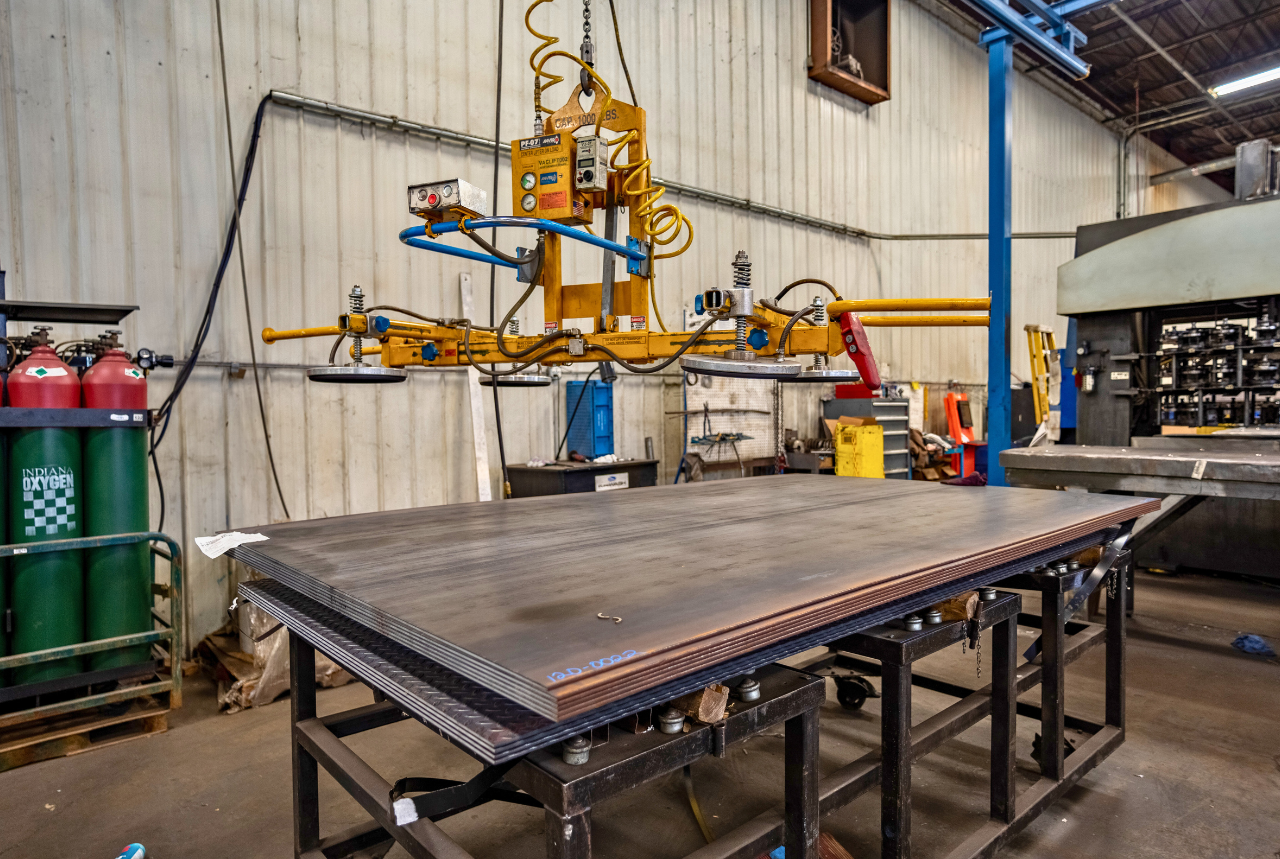
Aluminium Sheet Metal Fabrication: Precision Production Process for Zero Defects
Achieving flawless aluminium sheet metal components demands a rigorously controlled production sequence integrating advanced engineering and real-time quality assurance. At Wuxi Lead Precision Machinery, our proprietary workflow eliminates defects at origin, ensuring your high-value parts meet exacting aerospace, medical, and industrial specifications without compromise. This begins with intensive Design for Manufacturability (DFM) analysis. Our engineering team collaborates directly with your CAD data, utilizing Siemens NX simulation software to identify potential stress points, material waste, and tooling conflicts before metal is cut. We verify bend allowances, grain direction impact on strength, and thermal distortion risks specific to aluminium alloys like 5052 or 6061-T6, ensuring the digital model translates perfectly to physical reality. This phase prevents 92% of downstream errors by optimizing flat patterns and toolpaths for minimal springback and burr formation.
Prototyping transitions validated designs into tangible verification. Using our 5-axis AMADA CNC laser cutters and hydraulic press brakes with ±0.03mm repeatability, we produce functional prototypes within 72 hours. Each prototype undergoes comprehensive metrology: CMM inspection against GD&T callouts, surface roughness testing per ISO 1302, and first-article reports documenting all critical dimensions. Client sign-off at this stage is mandatory. This isn’t merely validation—it’s a stress test of our entire process chain under production conditions, confirming material behavior and fixture stability. Only when prototypes consistently hit tolerances do we authorize mass production.
Mass production leverages our integrated Industry 4.0 ecosystem for zero-defect execution. All 32-ton AMADA turret punches and 4000mm×2000mm laser cutters operate under centralized MES control, with real-time sensor feedback adjusting parameters for material thickness variance or temperature drift. Every component passes through automated inline inspection stations: vision systems check hole positions to ±0.05mm, while laser scanners validate complex 3D formed geometries against the master CAD file. Statistical Process Control (SPC) dashboards monitor CpK values for critical features, triggering immediate process correction if trends approach tolerance limits. Final inspection employs 100% functional gauging for assembly-critical parts, with full traceability from raw coil batch to finished shipment.
This closed-loop methodology ensures zero escapees. Our commitment transcends output—it’s about eliminating your risk through predictive quality control. Partner with Wuxi Lead to transform aluminium fabrication from a cost center into a strategic advantage.
| Key Production Specification | Wuxi Lead Precision Standard | Industry Typical Standard |
|---|---|---|
| Dimensional Tolerance (Linear) | ±0.05 mm | ±0.1 mm |
| Bend Angle Accuracy | ±0.5° | ±1.0° |
| Surface Roughness (Ra) | ≤ 0.8 µm | ≤ 1.6 µm |
| First-Pass Yield Rate | ≥ 99.8% | 95-98% |
| Inline Inspection Coverage | 100% Critical Features | 30-50% Spot Checks |
| Material Traceability | Full Coil-to-Part Blockchain | Batch-Level Only |
Why Choose Wuxi Lead Precision
Partner with Lead Precision for Unmatched Aluminum Sheet Metal Fabrication Excellence
When precision, speed, and reliability define your manufacturing success, the choice of a fabrication partner becomes critical. At Wuxi Lead Precision Machinery, we specialize in high-end aluminum sheet metal fabrication tailored to the exacting standards of global industries—including aerospace, automotive, medical technology, and advanced electronics. Our engineering-driven approach ensures that every component we produce meets the highest benchmarks in dimensional accuracy, surface integrity, and structural performance.
Aluminum presents unique challenges in forming, welding, and finishing due to its thermal conductivity, ductility, and sensitivity to tooling parameters. Our CNC-controlled fabrication systems are specifically optimized for aluminum alloys such as 5052, 6061, and 7075, delivering consistent results across both prototyping and high-volume production runs. From laser cutting and precision bending to automated MIG/TIG welding and custom surface treatments, our integrated workflow ensures minimal material waste, reduced lead times, and full traceability.
We operate from a 12,000-square-meter facility in Wuxi, Jiangsu Province, equipped with state-of-the-art machinery and staffed by a team of certified engineers and technicians with over 15 years of experience in precision metalworking. Our quality management system is ISO 9001:2015 certified, and we conduct in-process inspections using coordinate measuring machines (CMM) and optical comparators to validate compliance with GD&T specifications.
Our clients choose us not only for technical capability but for partnership transparency. We provide real-time project updates, detailed production reports, and responsive engineering support throughout the product lifecycle. Whether you require low-volume custom enclosures or high-volume chassis components, we scale our operations to match your demand cycles without compromising on quality.
Below are key technical specifications of our core fabrication capabilities:
| Process | Material Thickness Range | Tolerance | Max Workpiece Size | Equipment Used |
|---|---|---|---|---|
| Fiber Laser Cutting | 0.5 – 12 mm | ±0.1 mm | 1500 × 3000 mm | Bystronic XL 1540 |
| CNC Turret Punching | 0.8 – 6.0 mm | ±0.15 mm | 1250 × 2500 mm | Amada EMK 3104 |
| Press Brake Bending | 0.5 – 10 mm | ±0.2° angular | 2500 mm length | Trumpf TruBend 7035 |
| MIG/TIG Welding | 1.0 – 8.0 mm | ISO 15614-1 | Custom | Fronius TransTig & Panasonic Robots |
| Surface Treatment | All alloys | Ra ≤ 0.8 µm (polished) | Up to 3000 mm | Automated Anodizing Line |
At Wuxi Lead Precision Machinery, we go beyond manufacturing—we engineer solutions. Our team collaborates closely with your design and supply chain departments to optimize part geometry, reduce assembly steps, and recommend cost-effective material grades without sacrificing performance.
For a seamless transition from concept to production, contact us today at [email protected]. Let us demonstrate how precision engineering, advanced technology, and dedicated service can elevate your aluminum fabrication outcomes.
⚙️ Precision Cost Estimator
Estimate relative manufacturing effort based on tolerance.