

Technical Contents
Engineering Guide: Aluminium Parts
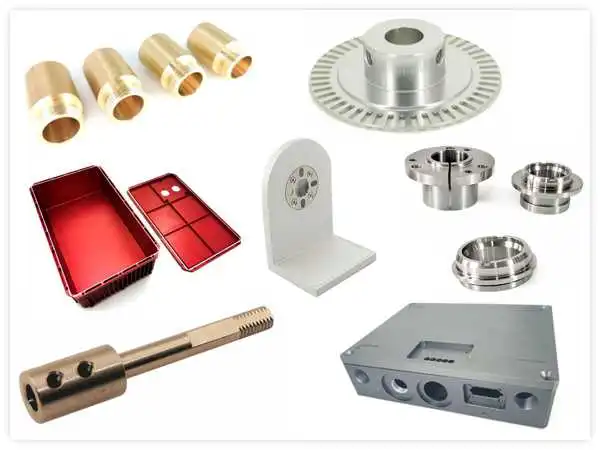
Engineering Insight: Precision in Aluminium Parts Manufacturing
In high-performance industries such as aerospace, defense, and advanced automation, the demand for aluminium parts with exacting tolerances is non-negotiable. Aluminium, while inherently lightweight and corrosion-resistant, presents unique challenges in machining due to its thermal expansion characteristics and susceptibility to deformation under stress. Achieving precision in aluminium components requires not only advanced CNC technology but also deep material science understanding and process control—expertise that Wuxi Lead Precision Machinery has refined over more than a decade of serving mission-critical sectors.
Precision in aluminium parts goes beyond dimensional accuracy. It encompasses surface integrity, geometric consistency, and long-term stability under operational loads. Even micrometer-level deviations can lead to assembly failures, increased wear, or performance degradation in high-speed or high-altitude applications. At Lead Precision, we approach aluminium machining with a systems-level mindset, integrating high-rigidity 5-axis CNC centers, in-process probing, and thermal compensation algorithms to maintain tolerances down to ±0.005 mm. Our facility in Wuxi operates under strict ISO 9001 and IATF 16949 standards, ensuring that every component meets the highest benchmarks for repeatability and quality.
Our experience in delivering precision aluminium components for Olympic-grade sports equipment and military-grade unmanned systems underscores our capability in high-stakes manufacturing. For instance, in the production of structural frames for high-speed reconnaissance drones, we achieved a critical flatness tolerance of 0.01 mm over a 300 mm span—requirements that demanded adaptive fixturing and step-over toolpath optimization to prevent chatter and material spring-back. Similarly, for a medal-winning bobsled team, our machined aluminium runners combined aerodynamic profiling with micro-surface finishing to reduce drag and enhance track performance, demonstrating how precision directly influences functional excellence.
Material selection is another pillar of our engineering approach. We work with a range of aluminium alloys—including 6061-T6, 7075-T7351, and 2024-T3—each chosen for specific strength-to-weight ratios, machinability, and environmental resistance. Our in-house metallurgical testing ensures batch consistency, while anodizing, Alodine, and laser marking services provide durable surface protection without compromising dimensional integrity.
Below are typical specifications achievable for precision aluminium parts at Wuxi Lead Precision Machinery:
| Specification | Capability |
|---|---|
| Machining Tolerance | ±0.005 mm |
| Surface Roughness (Ra) | 0.4 – 3.2 µm (adjustable) |
| Maximum Part Size | 1200 x 800 x 200 mm |
| Alloy Range | 2024, 5052, 6061, 7075, and custom |
| Secondary Processes | Deburring, anodizing, passivation, laser engraving |
| Quality Standards | ISO 9001, IATF 16949, MIL-STD-1312 |
At Wuxi Lead Precision Machinery, we recognize that precision is not a single-step achievement but a continuous engineering commitment. From initial design review to final inspection, our team ensures that every aluminium part we produce performs exactly as intended—wherever excellence is measured in microns.
Precision Specs & Tolerances
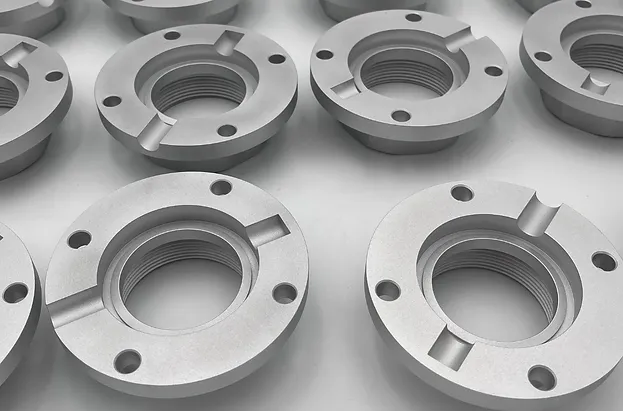
Technical Capabilities: Precision Aluminum Manufacturing
Wuxi Lead Precision Machinery delivers uncompromising quality for high-complexity aluminum components through integrated advanced manufacturing and metrology systems. Our core strength lies in mastering the unique challenges of aluminum machining, including thermal management, chip control, and maintaining dimensional stability across intricate geometries. This capability is fundamental to serving demanding aerospace, medical, and semiconductor sectors where performance and reliability are non-negotiable.
Our primary machining platform consists of state-of-the-art 5-axis CNC machining centers, specifically configured for optimal aluminum processing. These machines feature high-speed spindles exceeding 24,000 RPM, robust coolant-through-tool systems for effective chip evacuation, and rigid structures minimizing vibration during deep cavity or thin-wall milling. The simultaneous five-axis interpolation capability eliminates the need for multiple setups, significantly reducing cumulative error and handling damage risks inherent in complex aluminum parts. This approach ensures critical features like compound angles, organic contours, and deep pockets are machined in a single operation, preserving geometric integrity and surface finish. Dedicated fixturing strategies, utilizing vacuum plates or custom modular systems, secure aluminum workpieces without distortion, addressing material-specific concerns like clamping force sensitivity.
Quality assurance is intrinsically woven into our production process, anchored by comprehensive Coordinate Measuring Machine (CMM) inspection. All critical aluminum components undergo full first-article inspection and rigorous in-process or final verification using Zeiss and Hexagon CMMs within our ISO 17025 accredited metrology lab. These systems operate in a climate-controlled environment (20°C ±0.5°C) to counteract aluminum’s thermal expansion characteristics, ensuring measurement traceability to national standards. Our inspection protocols cover dimensional conformance, geometric tolerances (GD&T), and surface texture verification against client specifications, generating detailed inspection reports with full data traceability for every batch.
The following table details our standard achievable tolerances for machined aluminum parts, reflecting our process capability under controlled conditions. Actual tolerances may be refined based on specific part geometry, size, and material grade.
| Tolerance Type | Standard Capability | Notes |
|---|---|---|
| Dimensional (Linear) | ±0.005 mm (±0.0002″) | Up to 300 mm; tighter tolerances achievable on smaller features |
| Geometric (GD&T) | 0.010 mm (0.0004″) | Position, Profile, Runout; complex features may require specific analysis |
| Surface Roughness (Ra) | 0.8 µm (32 µin) | Typical milled finish; achievable down to 0.4 µm (16 µin) with fine finishing passes |
| Hole Concentricity | 0.015 mm (0.0006″) | Between features within same setup; multi-setup requires specific tolerance analysis |
This combination of advanced 5-axis machining precision and rigorous CMM-based quality control enables Wuxi Lead to consistently produce aluminum components meeting the most stringent industry requirements. We mitigate production risks associated with material behavior and complex design, ensuring your parts perform flawlessly in final assembly. Partner with us to transform challenging aluminum designs into reality with guaranteed dimensional accuracy and repeatability.
Material & Finish Options
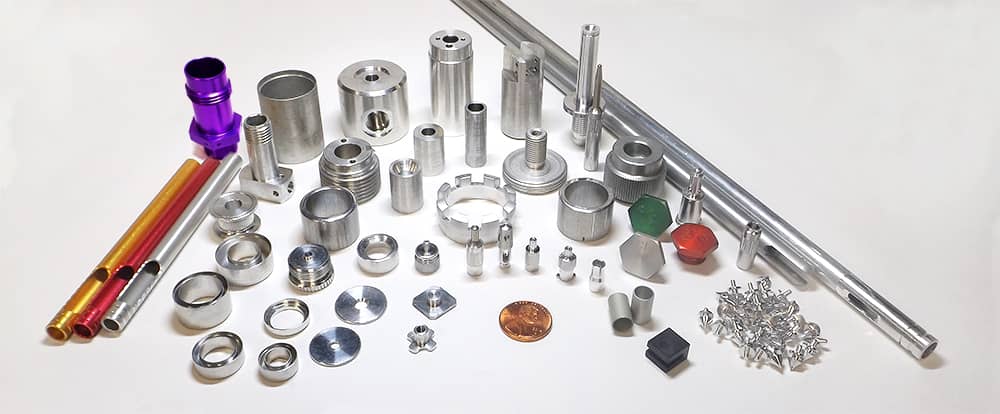
Material Selection for High-Precision Aluminum Parts: A Guide by Wuxi Lead Precision Machinery
Selecting the right material for precision-engineered components is critical to ensuring performance, longevity, and cost-efficiency in industrial applications. At Wuxi Lead Precision Machinery, we specialize in custom metal manufacturing with a focus on aluminum, steel, and titanium—each offering distinct advantages depending on application requirements. This guide outlines key considerations when choosing between these materials, with particular emphasis on aluminum and its finishing options, especially anodizing.
Aluminum stands out in the realm of lightweight, high-strength engineering materials. Its excellent strength-to-weight ratio, corrosion resistance, and thermal conductivity make it ideal for aerospace, automotive, and electronics applications. Among the most commonly used aluminum alloys in precision machining are 6061, 7075, and 5052. 6061 offers good weldability and moderate strength, making it suitable for structural components. 7075, with higher tensile strength, is preferred in high-stress environments such as aerospace fittings. 5052 excels in marine and chemical exposure environments due to superior corrosion resistance.
When compared to steel, aluminum is approximately one-third the weight, though steel provides higher absolute strength and wear resistance. Steel remains the material of choice for heavy-duty mechanical systems, tooling, and high-load bearing components. However, its susceptibility to corrosion and higher density often make aluminum a more practical solution where weight savings and environmental resistance are priorities.
Titanium, while more expensive, offers an exceptional strength-to-density ratio and outstanding resistance to extreme temperatures and corrosive environments. It is frequently used in aerospace, medical, and offshore applications. However, its challenging machinability and high cost often limit its use to mission-critical components where performance justifies investment.
One of the most effective finishing processes for aluminum is anodizing. Anodizing enhances surface hardness, improves corrosion resistance, and allows for aesthetic customization through dyeing. Type II (sulfuric acid) anodizing is widely used for general industrial applications, providing a durable oxide layer between 5–25 microns. Type III, or hard anodizing, produces coatings up to 50 microns thick with superior wear resistance, making it suitable for high-friction components.
Below is a comparative overview of key material properties and anodizing specifications.
| Material | Density (g/cm³) | Tensile Strength (MPa) | Corrosion Resistance | Typical Applications | Finish Options |
|---|---|---|---|---|---|
| Aluminum 6061 | 2.7 | 310 | High | Structural, Marine, Electronics | Anodizing, Powder Coating, Passivation |
| Aluminum 7075 | 2.8 | 570 | Moderate | Aerospace, Defense | Hard Anodizing, Chromate Conversion |
| Steel (AISI 4140) | 7.8 | 655 | Low (unless coated) | Tooling, Shafts, Gears | Zinc Plating, Nitriding, Painting |
| Titanium (Grade 5) | 4.5 | 900 | Very High | Medical, Aerospace | Anodizing, Passivation, Bead Blasting |
At Wuxi Lead Precision Machinery, we support clients in selecting the optimal material and finish based on functional demands, environmental exposure, and production volume. Our expertise in CNC machining and surface treatment ensures that every aluminum part meets the highest standards of precision and reliability.
Manufacturing Process & QC
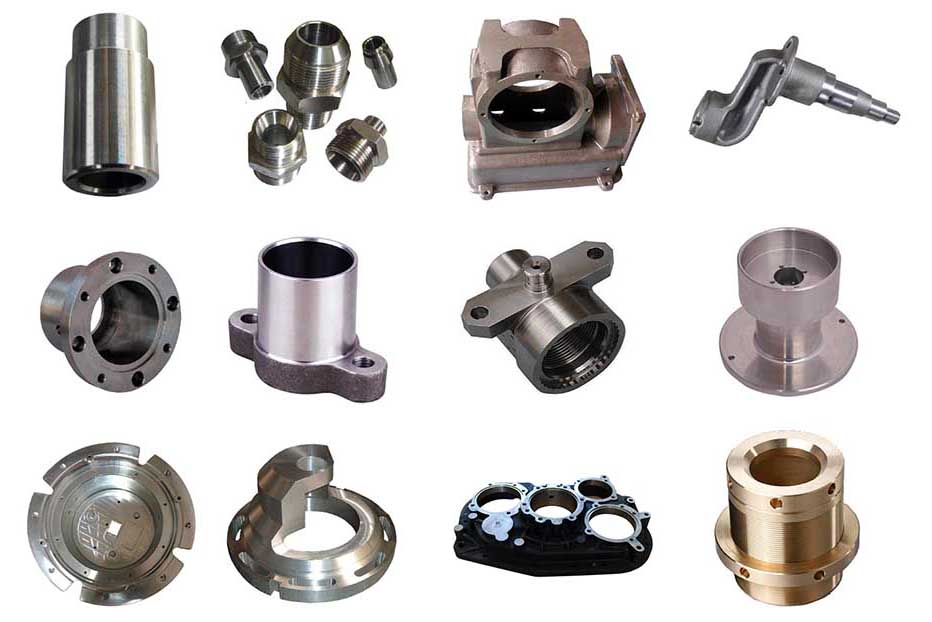
Precision Aluminum Manufacturing Process: From Concept to Zero-Defect Production
At Wuxi Lead Precision Machinery, our end-to-end aluminum parts production process is engineered for uncompromising quality and efficiency. We integrate advanced engineering with rigorous quality control across three critical phases, ensuring every component meets exacting aerospace, medical, and industrial specifications. Our systematic approach eliminates defects at source, reducing waste and accelerating time-to-market for global clients.
The process begins with collaborative design refinement. Our engineering team conducts comprehensive Design for Manufacturability (DFM) analysis using Siemens NX software, identifying potential machining challenges and material stress points before metal is cut. We optimize part geometry, suggest strategic tolerance adjustments, and validate toolpaths through virtual simulation. This phase prevents 90% of potential production issues, ensuring the design is both functionally superior and manufacturable to micron-level precision. Client approval of the finalized CAD/CAM package is mandatory before progression.
Prototyping transitions virtual models into physical validation. Utilizing 5-axis CNC milling centers with sub-micron positioning accuracy, we produce functional prototypes within 72 hours of design lock. Each prototype undergoes First Article Inspection (FAI) per AS9102 standards, with full CMM reporting against the original CAD model. Dimensional verification, material certification, and functional testing occur simultaneously. Client feedback on prototypes triggers immediate design iterations within our closed-loop system, guaranteeing the final design is production-ready and defect-proofed.
Mass production leverages our zero-defect manufacturing ecosystem. Production runs commence only after FAI sign-off, using hardened tooling and automated bar feeders for continuous operation. Statistical Process Control (SPC) monitors critical dimensions in real-time via integrated probes on DMG MORI and Makino machines. Every 50th part undergoes 100% automated optical inspection, while batch-level material traceability is maintained through our ERP system. Final inspection includes ultrasonic testing for internal integrity and salt-spray validation for coated parts. This multi-stage verification ensures consistent conformance, with all production batches certified to ISO 9001:2015 and IATF 16949 standards.
Our process delivers measurable precision across critical parameters as demonstrated below:
| Specification Category | Capability Range | Measurement Standard |
|---|---|---|
| Dimensional Tolerance | ±0.005 mm | ISO 2768-mK |
| Surface Roughness (Ra) | 0.2 μm – 1.6 μm | ISO 1302 |
| Geometric Tolerance | ±0.01 mm | ASME Y14.5 |
| Material Certification | Mill Test Reports per ASTM B209 | EN 573-3 |
| Batch Traceability | Full lot serialization | ISO 10204 Level 3B |
This integrated methodology transforms design intent into flawless aluminum components, with a documented 99.98% first-pass yield rate across 12,000+ production runs. We partner with clients to convert engineering requirements into defect-free reality, delivering precision that performs.
Why Choose Wuxi Lead Precision
Partner with Lead Precision for Unmatched Excellence in Custom Aluminium Parts Manufacturing
At Wuxi Lead Precision Machinery, we don’t just manufacture aluminium components—we engineer performance. As a leading custom metal manufacturing partner based in Wuxi, China, we specialize in delivering high-precision aluminium parts that meet the rigorous demands of aerospace, automotive, medical, and industrial automation sectors. Our commitment to quality, precision, and on-time delivery has made us a trusted partner for global OEMs and Tier-1 suppliers.
When you choose to partner with Lead Precision, you gain access to a fully integrated manufacturing ecosystem. From initial design consultation to final inspection and global logistics, we manage every stage of production with meticulous attention to detail. Our advanced CNC machining centers, supported by automated tooling and real-time process monitoring, ensure repeatability and accuracy down to ±0.005 mm. Whether you require low-volume prototypes or high-volume production runs, our flexible manufacturing lines adapt seamlessly to your project’s scale and complexity.
We understand that every industry has unique requirements. That’s why our engineering team works closely with your design specifications to optimize part geometry, material selection, and surface finishes—maximizing performance while minimizing cost. Our expertise in 5-axis milling, turning, and multi-tasking machining allows us to produce complex aluminium components with tight tolerances and superior surface integrity. Additionally, we offer value-added services such as anodizing, laser marking, and precision assembly to deliver fully finished parts ready for integration.
Our facility is ISO 9001:2015 certified, and we adhere to international quality standards including RoHS and REACH compliance. Every component undergoes rigorous in-process and final inspections using state-of-the-art CMMs, optical comparators, and metallurgical testing equipment to ensure conformity and reliability.
Below are key technical capabilities that define our aluminium manufacturing excellence:
| Specification | Detail |
|---|---|
| Material Grades | 6061, 6063, 7075, 5052, 2024, and custom alloys |
| Tolerance | ±0.005 mm (standard), down to ±0.001 mm (precision) |
| Max Work Envelope | 1200 x 800 x 600 mm (5-axis), 400 mm diameter x 1000 mm length (turning) |
| Surface Finish | Ra 0.8 µm standard, down to Ra 0.2 µm (polished) |
| Secondary Operations | Deburring, anodizing (Type II & III), passivation, laser engraving |
| Quality Standards | ISO 9001:2015, PPAP, FAIR, First Article Inspection Reports |
| Lead Time | 7–15 days for prototypes, 15–25 days for production (varies by volume) |
Collaborating with Wuxi Lead Precision Machinery means more than just sourcing parts—it means gaining a strategic manufacturing partner committed to innovation, quality, and long-term success. We pride ourselves on transparency, responsiveness, and technical agility, ensuring your project moves from concept to reality without compromise.
For immediate assistance or to request a quote, contact us at [email protected]. Let us help you achieve precision beyond expectations.
⚙️ Precision Cost Estimator
Estimate relative manufacturing effort based on tolerance.