

Technical Contents
Engineering Guide: Aluminium Injection Molding Machine
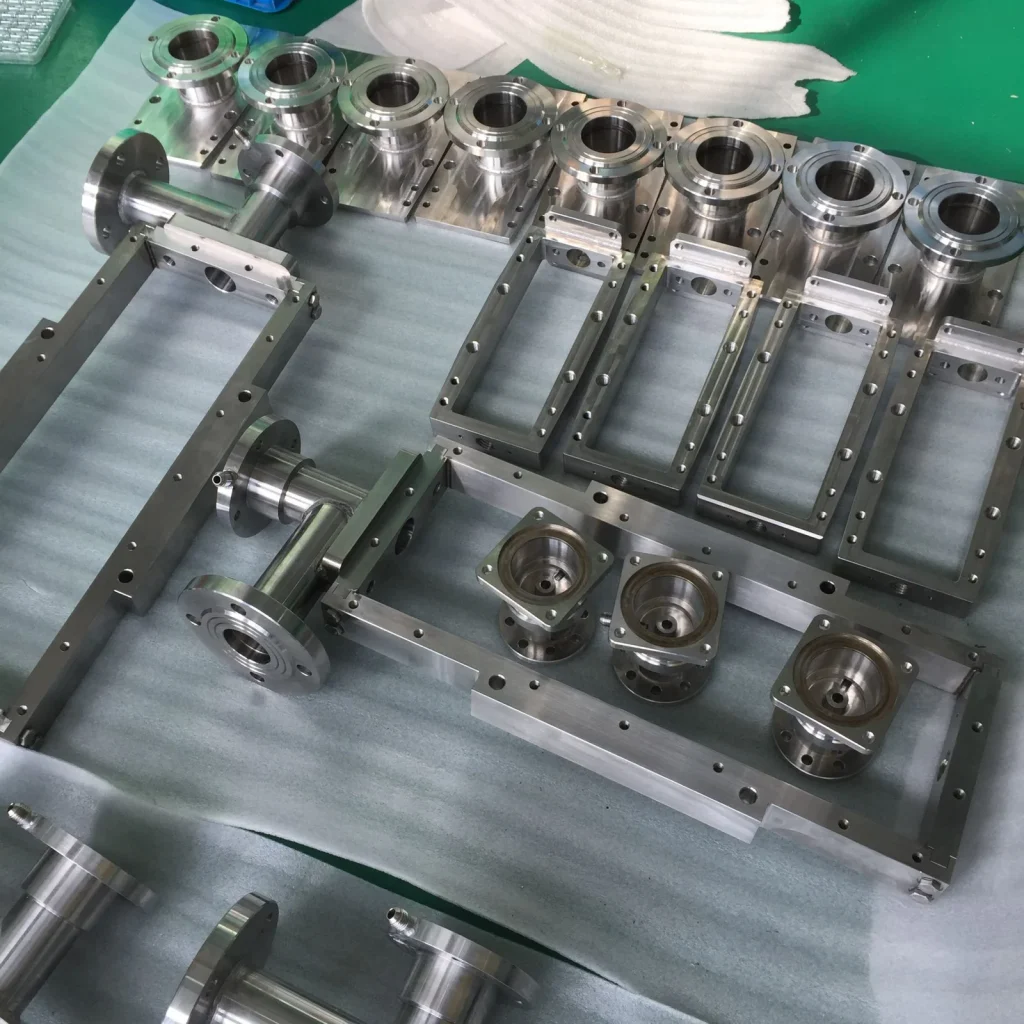
Engineering Insight: The Role of Precision in Aluminium Injection Moulding Machines
In the realm of custom metal manufacturing, aluminium injection moulding stands at the intersection of advanced materials science and high-precision engineering. Unlike traditional die casting, aluminium injection moulding involves forcing molten aluminium into precision-engineered dies under high pressure, enabling the production of complex, net-shape components with exceptional dimensional accuracy and surface finish. At Wuxi Lead Precision Machinery, we recognize that the success of this process hinges on one critical factor—machine precision.
Precision in an aluminium injection moulding machine is not merely a performance metric; it is the foundation of product integrity. Minute deviations in injection pressure, temperature control, or clamping force can result in defects such as porosity, warping, or incomplete filling. These flaws compromise structural performance, especially in mission-critical applications such as aerospace, defence, and high-performance automotive systems. Our engineering philosophy centers on eliminating variability through robust machine design, closed-loop control systems, and real-time monitoring capabilities.
Wuxi Lead Precision Machinery brings over a decade of specialized expertise to this field, having supplied and engineered systems for applications meeting Olympic-standard tolerances and military-grade durability. Our collaboration with tier-1 suppliers for national defence projects has reinforced the necessity of micron-level repeatability and long-term reliability under continuous operation. These experiences have directly informed the development of our proprietary injection control algorithms and thermal management systems, ensuring consistent material flow and minimized cycle times without sacrificing part quality.
Our aluminium injection moulding machines are engineered with high-rigidity C-frames, servo-hydraulic drive systems, and advanced cooling channel integration. These features collectively enhance stability during high-pressure injection phases and reduce thermal deformation—a common challenge in aluminium processing due to its high melting point and reactivity. Moreover, our machines support full process traceability, enabling clients to meet stringent regulatory requirements in sectors such as medical device manufacturing and transportation.
Below are key technical specifications representative of our standard high-precision aluminium injection moulding systems:
| Parameter | Specification |
|---|---|
| Maximum Injection Pressure | 180 MPa |
| Clamping Force | 800–2,500 Tons |
| Shot Weight (Al) | 1,200–6,000 grams |
| Control System | Siemens S7-1500 with HMI Touch Interface |
| Positioning Repeatability | ±0.01 mm |
| Melting System | Induction-heated, nitrogen-protected |
| Cooling Efficiency | Dual-circuit, zone-controlled |
| Data Logging | Real-time, cloud-enabled (optional) |
At Wuxi Lead Precision Machinery, we do not merely build machines—we engineer solutions for precision-driven manufacturing. Our commitment to excellence is validated not only by our technical capabilities but by our proven performance in the most demanding industrial environments. For manufacturers seeking to push the boundaries of what aluminium components can achieve, precision is not optional. It is imperative.
Precision Specs & Tolerances
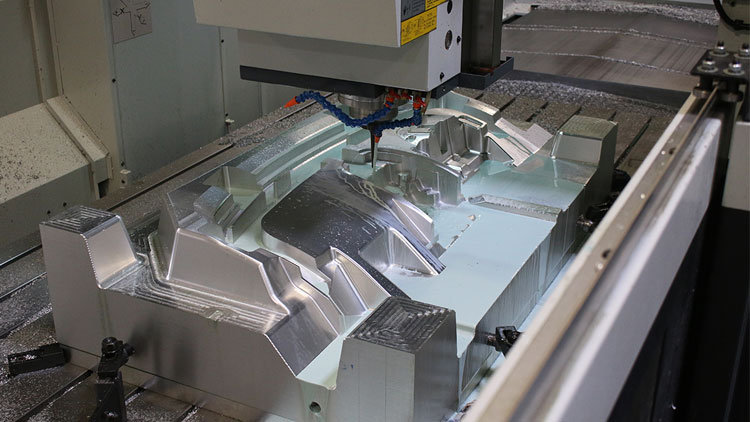
Technical Capabilities: Precision Engineering for Aluminum Injection Molding Components
Wuxi Lead Precision Machinery delivers uncompromising precision for critical aluminum injection molding machine components through advanced manufacturing infrastructure and rigorous process control. Our core capability centers on state-of-the-art 5-axis CNC machining centers, specifically configured for the demanding geometries and tight tolerances inherent in mold bases, cavities, cores, and precision inserts. These machines feature robust cast-iron frames, high-torque spindles (up to 24,000 RPM), and linear scales providing real-time positional feedback, ensuring micron-level accuracy across complex 3D contours and deep cavities. The integrated Heidenhain or Fanuc controls guarantee exceptional surface finishes and dimensional stability, directly impacting mold longevity and part consistency in high-pressure aluminum injection cycles.
Process stability is paramount for aluminum injection molding applications where thermal management and repeatability are non-negotiable. Our machining cells operate within a climate-controlled facility maintained at 20±1°C, minimizing thermal drift during extended production runs. Advanced toolpath simulation and in-process probing verify setups and compensate for tool wear before deviations affect part geometry. We utilize high-performance cutting tools optimized for aluminum alloys, coupled with high-volume coolant systems, to achieve superior surface integrity and prevent material adhesion or micro-warping – critical factors for mold release and final part quality. This controlled environment ensures every component meets the stringent demands of high-cycle aluminum injection molding operations.
Quality verification is embedded at every stage, not merely a final checkpoint. All critical features undergo comprehensive inspection using Zeiss and Hexagon Coordinate Measuring Machines (CMMs) equipped with high-precision probes and advanced metrology software. This provides full geometric dimensioning and tolerancing (GD&T) validation against CAD models, generating detailed inspection reports with traceable calibration data. Statistical Process Control (SPC) methodologies are applied to monitor key characteristics, enabling proactive process adjustments and guaranteeing consistent output. Material certifications and full lot traceability are standard, providing complete confidence in component integrity for mission-critical molding applications.
Our commitment to precision is quantified in the achievable tolerances for machined aluminum injection molding components, reflecting both standard industry expectations and the enhanced capabilities of our processes:
| Dimensional Range | Standard Machining Tolerance | Wuxi Lead Precision Achievable Tolerance | Critical Feature Notes |
|---|---|---|---|
| Linear Dimensions (up to 100mm) | ±0.025mm | ±0.005mm | Including critical bore alignments |
| Linear Dimensions (100mm – 500mm) | ±0.050mm | ±0.010mm | Mold base flatness critical |
| Linear Dimensions (500mm – 1000mm) | ±0.100mm | ±0.025mm | Requires thermal stabilization |
| Geometric (Flatness/Parallelism) | 0.05mm/m | 0.01mm/m | Verified on surface plates & CMM |
| Geometric (Positional) | ±0.05mm | ±0.01mm | Critical for cavity/core alignment |
| Surface Roughness (Ra) | 1.6 µm | 0.4 µm | As-molded surfaces post-finishing |
Note: Achievable tolerances are material and geometry-dependent; final specifications are validated during engineering review. All tolerances apply to post-machining states under controlled conditions. This precision engineering foundation, combined with our integrated quality management system, ensures Wuxi Lead components deliver optimal performance, extended mold life, and superior part consistency within your aluminum injection molding process.
Material & Finish Options
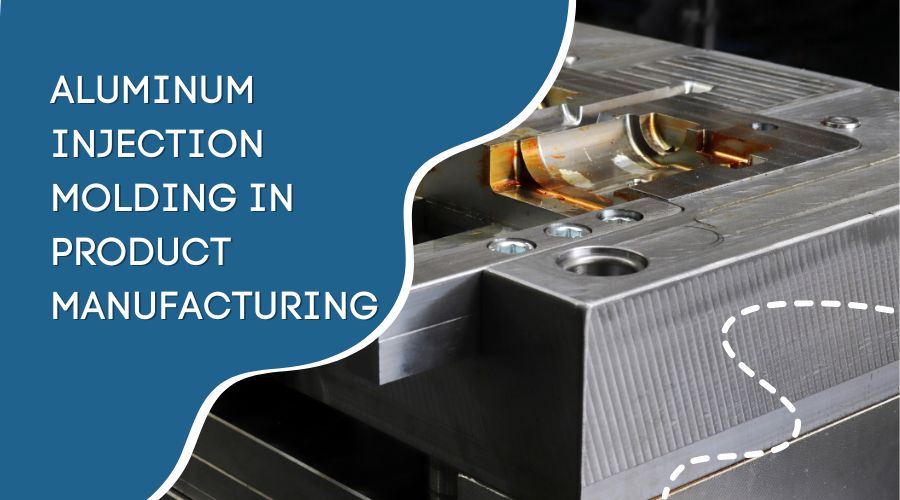
Material Selection for High-Performance Aluminium Injection Molding Applications
Selecting the appropriate material is critical when utilizing an aluminium injection molding machine for precision metal components. At Wuxi Lead Precision Machinery, we specialize in custom metal manufacturing solutions that demand tight tolerances, structural integrity, and repeatable performance. Among the most widely used materials in this process are aluminum, steel, and titanium—each offering distinct mechanical properties and application advantages.
Aluminum stands as the primary material for injection molding due to its low melting point, excellent flow characteristics, and lightweight strength. It is particularly suitable for high-volume production of complex geometries, such as automotive housings, heat sinks, and consumer electronics enclosures. Our advanced aluminium injection molding machines are optimized for A380, A360, and ADC12 aluminum alloys, ensuring minimal porosity and maximum dimensional accuracy. Aluminum’s thermal conductivity also supports rapid cycle times, enhancing manufacturing efficiency.
Steel, while not typically injection molded in the same way as aluminum, is often used in hybrid applications or structural inserts where higher strength and wear resistance are required. In custom manufacturing, steel components may be overmolded with aluminum to create composite parts with reinforced load-bearing zones. Tool steel is also essential in mold fabrication, where durability under high pressure and thermal cycling is paramount.
Titanium, though less common due to its high melting point and reactivity, is employed in specialized aerospace and medical applications. While not directly processed on standard aluminium injection molding equipment, titanium inserts or coatings can be integrated into aluminum-molded assemblies to enhance performance in extreme environments.
Surface finish plays a pivotal role in both functionality and aesthetics. Anodizing is the most effective post-processing method for aluminum components, providing enhanced corrosion resistance, wear protection, and electrical insulation. Hard anodizing (Type III) is particularly recommended for industrial and automotive applications where surface hardness exceeds 60 HRC. Decorative anodizing (Type II) supports color customization and improved appearance for consumer-facing products.
Our engineering team at Wuxi Lead Precision Machinery works closely with clients to match material and finish selection with application requirements, production volume, and environmental conditions. Understanding these variables ensures optimal part performance and cost-efficiency across the product lifecycle.
| Material | Density (g/cm³) | Tensile Strength (MPa) | Melting Point (°C) | Typical Applications | Compatibility with Injection Molding |
|---|---|---|---|---|---|
| Aluminum (A380) | 2.7 | 320 | 595 | Automotive, Electronics, Housings | Excellent |
| Steel (Tool Steel) | 7.8 | 1800 | 1370 | Mold Tools, Inserts | Limited (Mold Use Only) |
| Titanium (Grade 5) | 4.4 | 900 | 1660 | Aerospace, Medical Implants | Not Compatible (High Temp) |
Manufacturing Process & QC
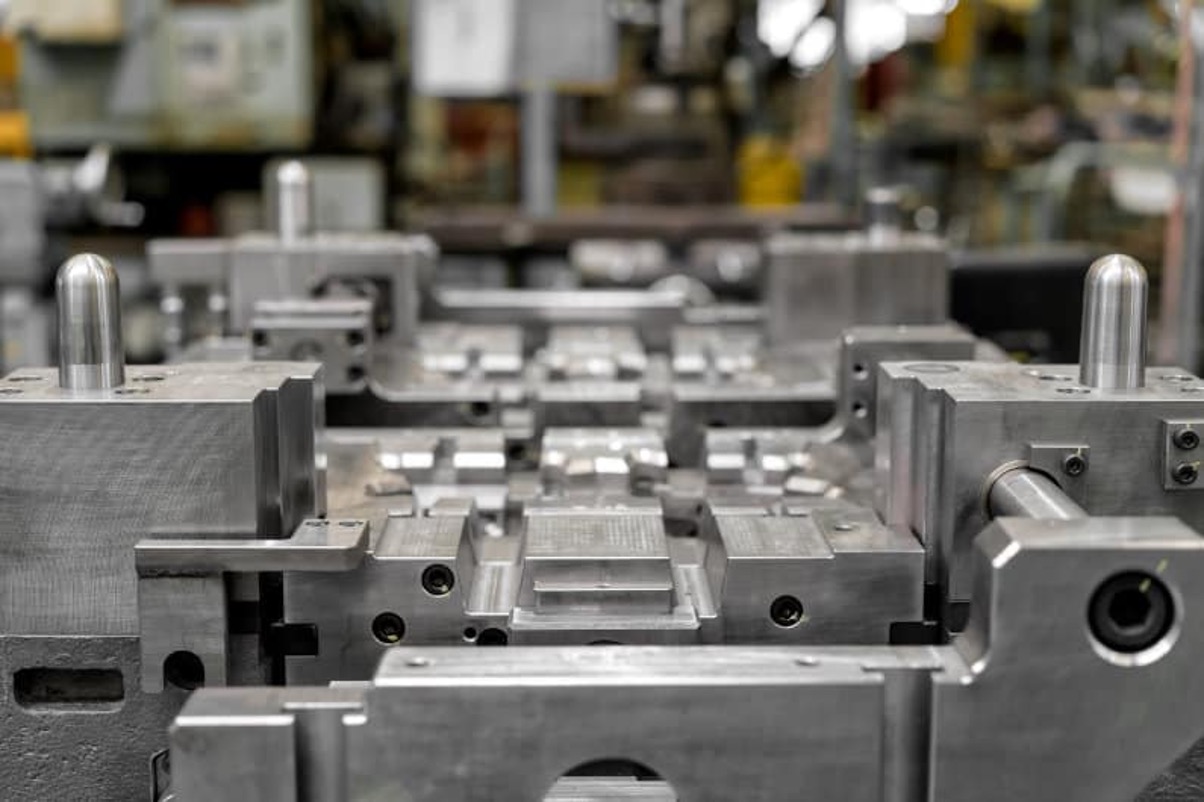
Aluminium Injection Molding: The Zero Defect Production Process
At Wuxi Lead Precision Machinery, achieving zero defects in aluminium injection molded components is not an aspiration but a rigorously engineered outcome. Our integrated process, from initial concept to high-volume manufacturing, embeds precision and quality assurance at every stage, eliminating costly rework and ensuring component integrity for demanding aerospace, automotive, and medical applications.
Design Phase: Engineering Defect Prevention from the Start
The foundation for zero defects is laid during the design phase. Our engineering team utilizes advanced simulation software to model metal flow, solidification, and thermal gradients within the cavity. This predictive analysis identifies potential porosity, shrinkage, or weld lines before tooling begins. Concurrently, Design for Manufacturability (DFM) reviews optimize part geometry, gate location, and cooling channel layout specifically for aluminium’s high thermal conductivity and viscosity. Crucially, our thermal stability protocols ensure the mold design maintains consistent temperature distribution, preventing surface defects and dimensional drift. This proactive virtual validation significantly reduces physical iterations and inherent process risks.
Prototyping Phase: Validating Performance Under Production Conditions
Moving beyond simple form-and-fit checks, our prototyping phase subjects the initial mold to full production-intent parameters on Wuxi Lead machines. We conduct multi-point validation: pressure mapping verifies uniform cavity filling, microstructure analysis confirms optimal grain structure and absence of inclusions, and CMM measurements validate dimensional stability across thermal cycles. Each prototype run undergoes stringent metallurgical testing per ASTM B108 standards. Only when mechanical properties, surface finish (Ra ≤ 0.8 µm achievable), and geometric accuracy consistently meet specifications do we approve the process for scale-up. This phase isolates and resolves microscopic defects invisible to standard inspection.
Mass Production Phase: Sustained Precision Through Closed-Loop Control
Zero defects in volume production demands unwavering process stability. Wuxi Lead machines implement real-time, closed-loop monitoring of critical parameters: injection speed profile, holding pressure, melt temperature (±2°C control), and cooling time. Statistical Process Control (SPC) charts track key dimensions continuously, triggering automatic adjustments before deviations exceed tolerance bands. Our integrated systems perform 100% automated visual inspection for surface defects and utilize in-line X-ray for internal porosity verification on critical zones. Every component is traceable to its specific machine parameters and material lot, enabling rapid root-cause analysis should any anomaly occur – though our target, consistently achieved, is zero non-conforming parts.
The table below outlines core specifications enabling this zero-defect capability in our LEAD-AM Series machines:
| Parameter | Specification | Zero Defect Relevance |
|---|---|---|
| Clamping Force Range | 800 – 2500 Tons | Ensures cavity integrity under high injection pressures, preventing flash |
| Shot Weight (Al) | 800 – 5000 g | Precise dosing control minimizes material variation and air entrapment |
| Platen Size (Max) | 1800 x 1800 mm | Supports complex, multi-cavity molds with uniform pressure distribution |
| Repeatability (Weight) | ±0.15% | Critical for consistent density and mechanical properties part-to-part |
This systematic approach – predictive design, validated prototyping, and intelligently controlled production – transforms zero defects from a goal into a measurable standard. Wuxi Lead Precision Machinery delivers not just machines, but guaranteed process excellence for your most critical aluminium components.
Why Choose Wuxi Lead Precision
Partner with Lead Precision for Advanced Aluminium Injection Molding Solutions
At Wuxi Lead Precision Machinery, we specialize in delivering high-performance aluminium injection molding machines engineered for precision, durability, and industrial scalability. As a trusted leader in custom metal manufacturing, we understand that your production demands go beyond standard equipment — they require intelligent engineering, responsive support, and long-term reliability. When you partner with Lead Precision, you’re not just purchasing a machine — you’re gaining a strategic manufacturing ally committed to optimizing your operational efficiency and product quality.
Our aluminium injection molding machines are designed for high-pressure die casting applications, integrating advanced servo-hydraulic systems, real-time monitoring, and precision clamping technology. Whether you’re producing complex automotive components, aerospace fittings, or high-tolerance industrial housings, our machines deliver consistent repeatability and superior surface finish. Each system is built to meet international quality standards and can be fully customized to align with your production workflow, material specifications, and automation requirements.
We recognize that every client operates within a unique manufacturing ecosystem. That’s why our engineering team works directly with your technical staff to evaluate cycle times, part geometry, alloy selection, and integration needs. From initial consultation to post-installation support, we ensure seamless implementation and sustained performance. Our machines are manufactured in our ISO-certified facility in Wuxi, China, where rigorous quality control and innovation drive every stage of production.
Below are key technical specifications of our standard high-end aluminium injection molding machine series. All models support customization for clamping force, shot weight, and automation interface.
| Specification | Value |
|---|---|
| Clamping Force Range | 800 to 3,500 tons |
| Shot Weight (Al) | 1,200 to 8,500 grams |
| Injection Pressure | Up to 1,800 bar |
| Hydraulic System | Servo-driven, energy-efficient |
| Control System | Siemens PLC with HMI touchscreen interface |
| Cycle Time | As low as 28 seconds (depending on part complexity) |
| Machine Dimensions (L×W×H) | Customizable based on model and integration |
| Power Supply | 380V / 50Hz (custom voltages available) |
| Connectivity | OPC UA, Ethernet/IP, and remote diagnostics support |
Choosing the right manufacturing partner is critical to maintaining a competitive edge. At Wuxi Lead Precision Machinery, we combine cutting-edge technology with deep application expertise to deliver solutions that enhance productivity, reduce waste, and improve part consistency. Our global service network ensures prompt technical assistance, spare parts availability, and on-site support when needed.
To discuss your specific aluminium injection molding requirements or request a detailed technical proposal, contact us today. Our engineering team is ready to assist with feasibility studies, mold flow analysis, and machine configuration tailored to your production goals.
Email us at [email protected] to start the conversation. Let Lead Precision be the foundation of your next-generation metal manufacturing success.
⚙️ Precision Cost Estimator
Estimate relative manufacturing effort based on tolerance.