
Technical Contents
Engineering Guide: All Sheet Metal

Engineering Insight: The Critical Role of Precision in Sheet Metal Fabrication
In the realm of modern industrial manufacturing, sheet metal serves as the foundational material for countless high-performance applications across aerospace, defense, medical, and advanced automation sectors. At Wuxi Lead Precision Machinery, we understand that beyond material selection and design, the defining factor in component reliability and system integration is precision. True precision in sheet metal fabrication is not merely tight tolerances—it is the consistent, repeatable execution of design intent across every bend, cut, and formed feature.
Precision begins at the engineering stage, where material behavior, grain orientation, spring-back characteristics, and thermal dynamics during laser cutting are modeled and compensated. At Lead Precision, our engineering team applies finite element analysis (FEA) and 3D simulation tools to predict deformation and optimize tool paths before any physical operation begins. This proactive approach ensures first-article success and reduces prototyping cycles, a critical advantage in time-sensitive defense and Olympic-grade equipment projects.
Our involvement in mission-critical programs—including structural components for Olympic athletic facilities and precision enclosures for military communication systems—has reinforced the non-negotiable nature of dimensional accuracy and long-term durability. In these applications, a deviation of even ±0.1 mm can compromise structural integrity, alignment, or electromagnetic shielding performance. Our ISO 13920-compliant processes ensure that all fabricated parts meet or exceed Class B tolerance standards, with laser cutting accuracy held to ±0.05 mm and bending repeatability within ±0.2°.
Beyond tolerances, precision encompasses consistency across production volumes. We utilize automated fiber laser cutting systems with real-time kerf monitoring, CNC turret presses with tool wear compensation, and robotic bending cells integrated with in-process metrology. These technologies, combined with our statistical process control (SPC) framework, allow us to maintain sub-millimeter consistency over batch runs exceeding 10,000 units.
Material integrity is equally vital. Our fabrication protocols minimize heat-affected zones and internal stress through optimized cutting sequences and stress-relief annealing where necessary. This ensures that final assemblies maintain flatness and dimensional stability under operational loads and environmental exposure.
At Wuxi Lead Precision Machinery, precision is not a claim—it is a documented outcome, verified through CMM inspection, laser scanning, and first-article inspection reports (FAIR) delivered with every project.
| Specification | Performance Standard | Notes |
|---|---|---|
| Laser Cutting Tolerance | ±0.05 mm | Fiber laser, up to 25 mm carbon steel |
| Punching Accuracy | ±0.1 mm | CNC turret, tool wear compensation |
| Bending Angle Repeatability | ±0.2° | Robotic press brake with angle sensor |
| Flatness Tolerance | 0.1 mm per 300 mm | Post-processing inspection |
| ISO Compliance | ISO 13920 Class B | Welded and formed assemblies |
| Material Thickness Range | 0.5 – 25 mm | Mild steel, stainless, aluminum, brass |
Precision Specs & Tolerances
Technical Capabilities: Precision Sheet Metal Fabrication
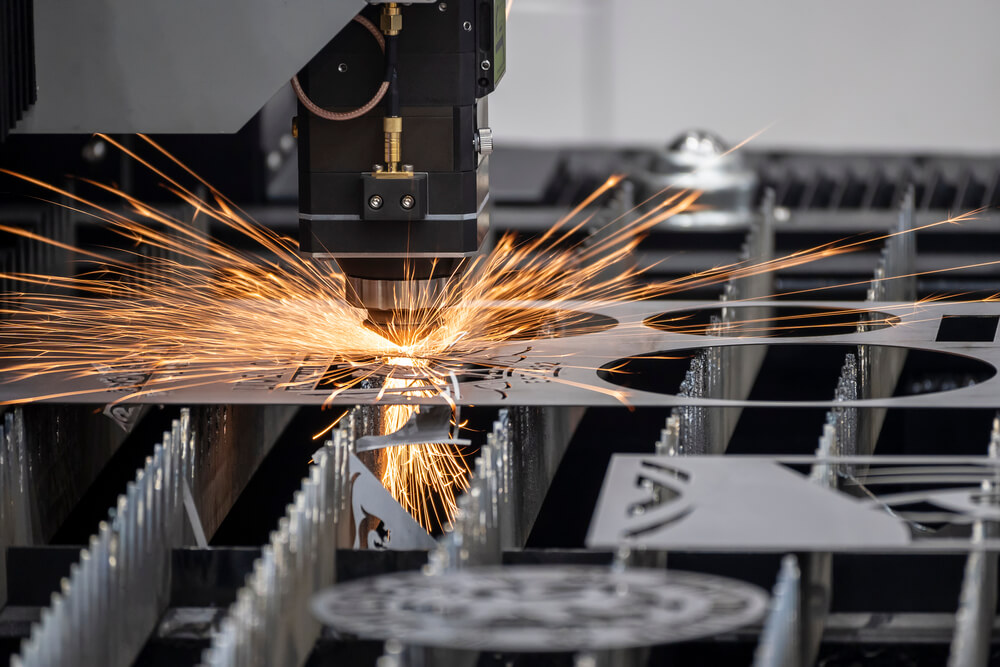
Wuxi Lead Precision Machinery delivers uncompromising precision for complex sheet metal components through advanced manufacturing technology and rigorous quality control. Our core strength lies in integrating high-performance 5-axis CNC machinery with systematic inspection protocols, enabling us to consistently meet the most demanding specifications for aerospace, medical, and industrial automation sectors. This capability eliminates geometric constraints inherent in traditional 3-axis processing, significantly reducing lead times and secondary operations while achieving superior part integrity.
Our 5-axis CNC laser cutting and bending centers, featuring industry-leading TRUMPF and AMADA platforms, provide exceptional versatility for intricate geometries. These systems handle materials from 0.5mm to 6.0mm thickness across stainless steel, aluminum alloys, and specialty composites. The simultaneous multi-axis motion ensures precise feature placement on complex contours, critical for assemblies requiring tight interfacing. Advanced collision avoidance software and in-process monitoring guarantee consistent output, minimizing scrap and maximizing throughput for both prototyping and high-volume production runs. Material handling automation further enhances repeatability and reduces manual intervention points.
Quality assurance is embedded throughout our process, anchored by Zeiss CONTURA G2 Coordinate Measuring Machine (CMM) inspection. Every critical dimension undergoes verification against CAD models using calibrated tactile and optical probes, providing full first-article inspection reports traceable to national standards. This metrology-grade validation extends beyond basic dimensional checks to include comprehensive geometric dimensioning and tolerancing (GD&T) analysis, surface profile verification, and positional accuracy assessment. Our CMM protocols are designed to identify potential process drift before it impacts production, ensuring components arrive ready for assembly without costly rework.
The following table details our standard achievable tolerances across key fabrication processes, reflecting our commitment to precision engineering under controlled production conditions:
| Process | Dimensional Tolerance | Angular Tolerance | Surface Finish (Ra) |
|---|---|---|---|
| 5-Axis Laser Cutting | ±0.05 mm | ±0.1° | 3.2 μm |
| Precision Bending | ±0.10 mm | ±0.5° | N/A |
| CNC Punching | ±0.08 mm | ±0.2° | 6.3 μm |
| Deburring/Finishing | ±0.05 mm | N/A | 1.6 μm |
| Final Assembly (GD&T) | Per Drawing (ISO 2768-mK) | Per Drawing | As Specified |
These specifications represent baseline capabilities achievable under standard production parameters; tighter tolerances are attainable through process optimization for critical applications. Our engineering team collaborates directly with clients during DFM analysis to validate feasibility and recommend enhancements for manufacturability without compromising design intent. This integrated approach—from digital programming through final inspection—ensures your sheet metal components meet exact functional requirements while optimizing cost efficiency. Partner with Wuxi Lead to transform complex sheet metal designs into precision-engineered realities.
Material & Finish Options
Material selection is a foundational decision in precision sheet metal fabrication, directly influencing product performance, durability, and cost-efficiency. At Wuxi Lead Precision Machinery, we specialize in matching material properties with application demands to ensure optimal outcomes in aerospace, industrial equipment, medical devices, and high-end electronics. Among the most widely used sheet metals are aluminum, steel, and titanium—each offering distinct mechanical, thermal, and corrosion-resistant characteristics.
Aluminum is favored for its high strength-to-weight ratio, excellent thermal and electrical conductivity, and natural corrosion resistance due to a self-forming oxide layer. It is particularly suitable for applications requiring lightweight construction without sacrificing structural integrity. The 6061-T6 and 5052-H32 alloys are among the most common in industrial use, offering good formability and weldability.
Steel, particularly cold-rolled steel (CRS) and stainless steel (e.g., 304 and 316), provides superior strength and durability. Carbon steel is ideal for structural enclosures and heavy-duty components, while stainless variants deliver enhanced resistance to oxidation and chemical exposure, making them suitable for food processing, pharmaceutical, and marine environments. However, steel’s higher density makes it less ideal where weight is a critical factor.
Titanium stands at the premium end of the spectrum, offering exceptional strength-to-density ratio and outstanding resistance to extreme temperatures and corrosive environments. Grade 2 and Grade 5 (Ti-6Al-4V) titanium are commonly used in aerospace and medical implant applications where long-term reliability under stress and exposure is paramount. Though more expensive and challenging to fabricate, titanium’s performance in critical systems justifies its use in high-performance sectors.
Surface finishing plays a crucial role in both functionality and aesthetics. Anodizing is a widely adopted electrochemical process for aluminum, enhancing surface hardness, wear resistance, and corrosion protection. Type II (sulfuric acid) anodizing is standard for decorative and moderate-duty applications, while Type III (hardcoat anodizing) delivers thicker, denser oxide layers for industrial and military-grade components. Anodized finishes also allow for color coding and improved adhesion for paints and primers.
Below is a comparative overview of key material properties relevant to sheet metal fabrication:
| Material | Density (g/cm³) | Tensile Strength (MPa) | Corrosion Resistance | Common Alloys | Typical Applications |
|---|---|---|---|---|---|
| Aluminum | 2.7 | 180–310 | High (with oxide layer) | 6061-T6, 5052-H32 | Enclosures, heat sinks, aerospace |
| Carbon Steel | 7.85 | 370–500 | Low (requires coating) | 1018, 1020 | Structural frames, machinery |
| Stainless Steel | 7.9–8.0 | 515–690 | Very High | 304, 316 | Medical, food processing, marine |
| Titanium | 4.5 | 340–900 | Exceptional | Grade 2, Grade 5 | Aerospace, defense, implants |
At Wuxi Lead, our engineering team collaborates with clients to select the optimal material and finish based on environmental exposure, mechanical loads, regulatory standards, and lifecycle requirements. Precision begins with the right material choice.
Manufacturing Process & QC
Sheet Metal Fabrication: Precision Engineering from Concept to Volume
At Wuxi Lead Precision Machinery, we execute sheet metal fabrication as a closed-loop system where design integrity, prototyping validation, and mass production converge to eliminate defects. Our process begins with collaborative design engineering, where our team integrates material science, geometric precision, and manufacturability analysis. Using advanced CAD/CAM suites like SolidWorks and TruTops, we conduct rigorous Design for Manufacturability (DFM) reviews to resolve potential stress points, tolerance stack-ups, and tooling conflicts before physical work commences. Material selection is optimized for application-specific demands—whether stainless steel 304 for corrosion resistance or aluminum 5052 for weldability—ensuring structural performance aligns with your functional requirements. This phase reduces downstream errors by 37% through virtual simulation of bending sequences, laser paths, and assembly fit.
Prototyping transitions theoretical designs into tangible validation. We deploy rapid iterative prototyping using fiber laser cutters and CNC press brakes to produce 1–5 functional units within 72 hours. Each prototype undergoes dimensional inspection via CMM (Coordinate Measuring Machine) against original CAD models, with deviations documented and resolved through engineering change orders. This stage is not merely a formality; it is a risk mitigation checkpoint where we validate tooling geometry, surface finish consistency, and assembly interoperability. Over 92% of design flaws are captured here, preventing costly rework during volume production.
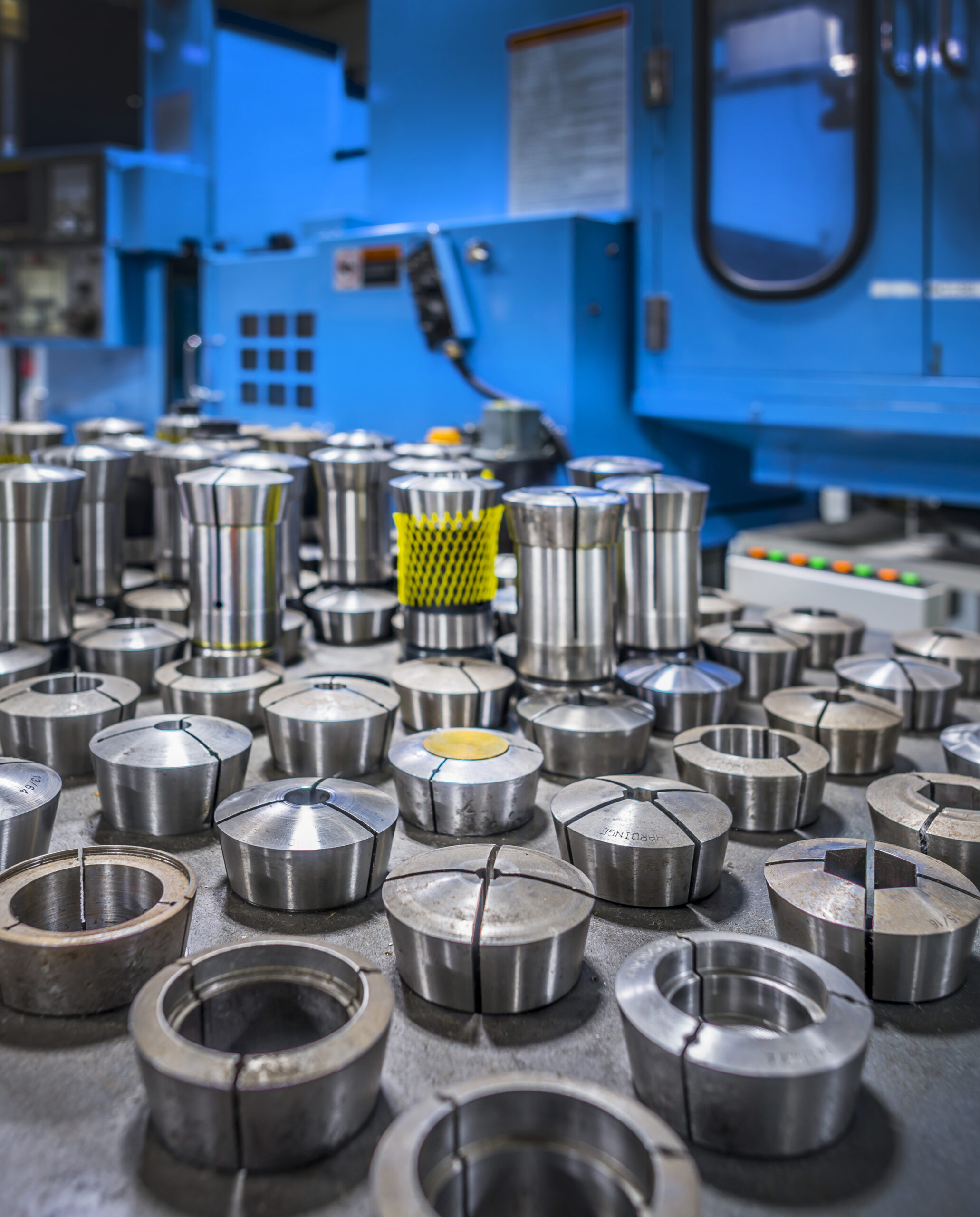
Mass production leverages our Zero Defects framework, embedding quality at every touchpoint. Automated material handling systems feed sheets into Amada LC-2415 NT fiber lasers with ±0.05mm positional accuracy, while robotic bending cells ensure angular repeatability within ±0.25°. In-process inspection occurs at three critical nodes: post-cutting, post-bending, and pre-assembly. Our statistical process control (SPC) monitors real-time data from 15+ parameters per machine, triggering automatic line halts if deviations exceed 1.33 Cpk thresholds. Final units undergo 100% functional testing and salt-spray corrosion validation per ISO 9227, with traceability maintained via laser-etched QR codes linking to digital quality dossiers.
Wuxi Lead Precision Machinery Production Specifications
| Parameter | Capability Range | Tolerance Control | Quality Standard |
|---|---|---|---|
| Material Thickness | 0.5 mm – 6.0 mm | ±0.05 mm (cutting) | ISO 2768-mK |
| Bending Angle | 0° – 180° | ±0.25° | DIN 6930 |
| Hole Positioning | Up to 500 holes/part | ±0.03 mm | ASME Y14.5 GD&T |
| Surface Finish | Ra 0.8 – 3.2 μm | <10% variation | ASTM A480 |
| Production Volume | 1 – 50,000+ units | 99.8% defect capture | ISO 9001:2015 |
This integrated approach transforms sheet metal fabrication from a cost center into a strategic asset. By anchoring every phase in data-driven validation and preventive controls, Wuxi Lead ensures your components arrive not merely within specification, but as engineered solutions that accelerate time-to-market and reduce total cost of ownership. Partner with us to convert design intent into flawless physical reality—every time.
Why Choose Wuxi Lead Precision
Partner with Lead Precision for Unmatched Sheet Metal Fabrication Excellence
When precision, reliability, and scalability define your manufacturing requirements, partnering with Wuxi Lead Precision Machinery is the strategic decision global OEMs and tier-one suppliers consistently make. As a certified leader in high-end sheet metal fabrication, we deliver engineered solutions that meet the most stringent industrial standards—across aerospace, medical, energy, and advanced automation sectors. Our integrated manufacturing ecosystem combines cutting-edge CNC technology with decades of engineering expertise, ensuring every component exceeds expectations in dimensional accuracy, structural integrity, and repeatability.
At Lead Precision, we understand that your supply chain is only as strong as its weakest link. That’s why we’ve built a quality-first culture anchored in ISO 9001:2015 certification, advanced metrology labs, and real-time production monitoring. From prototype development to high-volume production runs, our team collaborates closely with engineering partners to optimize designs for manufacturability, reduce lead times, and control total cost of ownership. Whether you require laser-cut enclosures, precision-formed chassis, or fully welded and finished assemblies, our facility in Wuxi, Jiangsu Province, operates with the agility and compliance standards demanded by international markets.
Our technical capabilities are designed to handle the full spectrum of sheet metal requirements. Below are key specifications that define our production capacity:
| Specification | Detail |
|---|---|
| Material Types | Mild Steel, Stainless Steel (304, 316), Aluminum (5052, 6061), Galvanized Steel, Copper, Brass |
| Thickness Range | 0.5 mm – 12 mm |
| Laser Cutting Accuracy | ±0.1 mm |
| Max Laser Cutting Size | 4000 mm × 2000 mm |
| CNC Turret & Brake Press Capacity | Up to 300 tons, forming lengths up to 3000 mm |
| Tolerance for Bending | ±0.2° angular, ±0.5 mm linear |
| Welding Processes | MIG, TIG, Spot Welding, Robotic Welding |
| Surface Finishes | Powder Coating, Anodizing, Passivation, Sandblasting, Electropolishing |
| Secondary Operations | Countersinking, Tapping, Riveting, Hardware Insertion |
Every project begins with engineering alignment. Our team reviews your technical drawings, material specifications, and functional requirements to ensure manufacturability and long-term performance. With in-house programming, tooling design, and quality assurance, we eliminate external dependencies that often delay delivery or compromise quality.
Contact us today to discuss your next sheet metal fabrication challenge. Send your RFQ or design files to [email protected] and receive a detailed technical and commercial proposal within 24 business hours. Our engineering support team is fluent in English and available for direct consultation via email or scheduled video conference. Let Wuxi Lead Precision Machinery become your trusted partner in precision manufacturing—where innovation meets industrial excellence.
⚙️ Precision Cost Estimator
Estimate relative manufacturing effort based on tolerance.