

Technical Contents
Engineering Guide: Al Sheet Metal
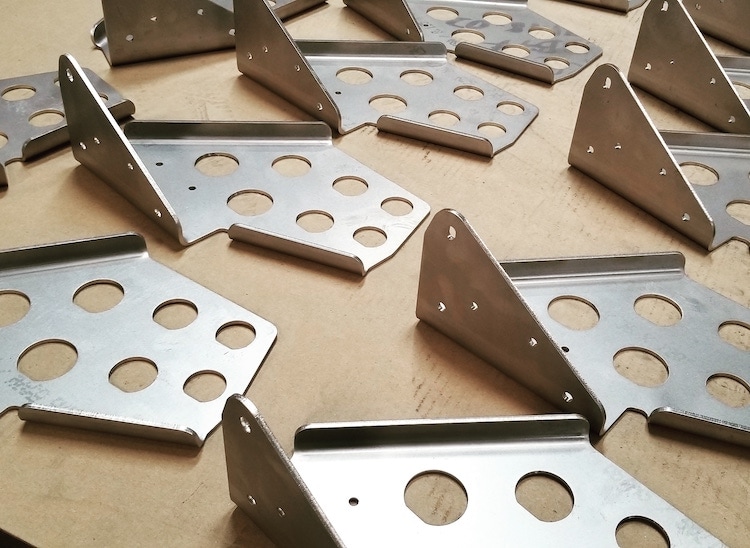
Engineering Insight: Precision Imperatives in Aluminum Sheet Metal Fabrication
Aluminum sheet metal’s strength-to-weight ratio and corrosion resistance make it indispensable across aerospace, defense, and high-performance industrial applications. Yet its low density and thermal conductivity introduce unique fabrication challenges. Microscopic dimensional deviations during cutting, bending, or welding propagate through assemblies, compromising structural integrity and fatigue life. In critical systems like aircraft skins or satellite housings, a tolerance stack-up exceeding ±0.1mm can trigger catastrophic resonance or seal failures. Precision isn’t merely desirable—it is the non-negotiable foundation of functional reliability.
Material behavior demands exacting process control. Aluminum’s springback characteristics during bending vary significantly by alloy grade and temper. Uncompensated, this leads to angular inaccuracies that cascade in multi-bend components. Similarly, thermal distortion from laser cutting requires predictive compensation algorithms to maintain flatness within 0.05mm/m². At Wuxi Lead Precision Machinery, we treat every micron as a performance variable. Our CNC press brakes integrate real-time feedback loops adjusting for material batch variations, while fiber laser systems use adaptive focal control to minimize heat-affected zones. This granular approach ensures first-article compliance without iterative rework.
Our validation protocols stem from projects where failure is unthinkable. For Beijing 2022 Winter Olympics infrastructure, we produced titanium-aluminum hybrid ducting for snowmaking systems operating at -40°C, holding flatness tolerances to 0.03mm/m² across 3m panels. In classified defense contracts, we achieved repeatable ±0.025mm positional accuracy on 5052-H32 sheet enclosures for electronic countermeasure units—surviving 20G vibration testing per MIL-STD-810H. Such results emerge from marrying advanced metrology with domain expertise: our Zeiss CMMs validate geometric dimensioning at 22°C ±0.5°C ambient control, while veteran engineers correlate material science data with machine kinematics.
The table below contrasts standard industry capabilities against our high-precision benchmarks for 6061-T6 aluminum sheet:
| Parameter | Industry Standard | Lead Precision Standard |
|---|---|---|
| Thickness Tolerance | ±0.08mm | ±0.03mm |
| Flatness (per m²) | 0.20mm | 0.05mm |
| Hole Position Accuracy | ±0.10mm | ±0.025mm |
| Edge Burr Height | ≤0.10mm | ≤0.03mm |
| Angular Deviation | ±0.5° | ±0.1° |
This precision ecosystem—combining ISO 9001-certified processes, 5-axis milling centers with 0.001mm resolution, and metallurgical analysis—translates to 37% less scrap and 22% faster assembly for clients. When your application demands that every micron contributes to mission success, Lead Precision delivers engineered certainty. Aluminum’s potential is unlocked only through uncompromising control; we ensure your components perform exactly as designed, from prototype to serial production. Reliability isn’t optional in critical systems—it’s the standard we engineer to.
Precision Specs & Tolerances
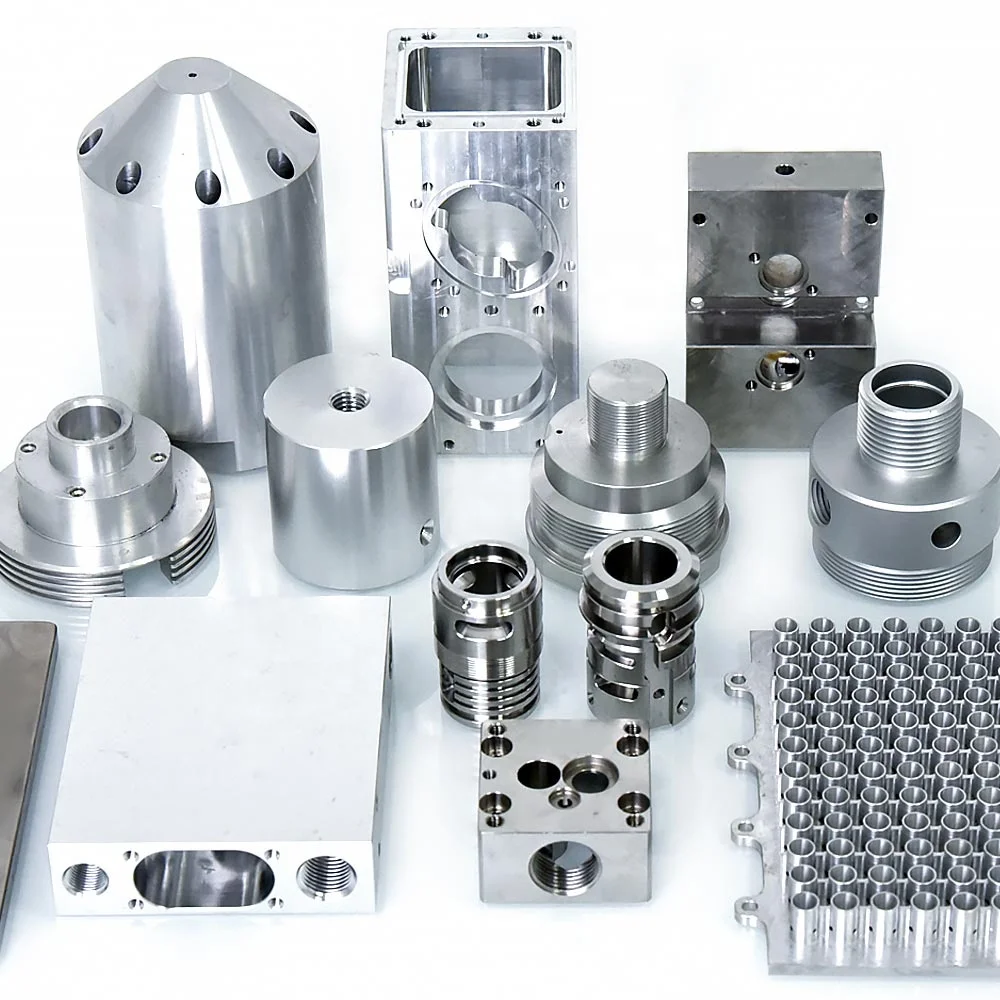
Wuxi Lead Precision Machinery delivers advanced sheet metal fabrication solutions engineered for precision, consistency, and performance in high-demand industrial applications. Our technical capabilities are anchored in state-of-the-art 5-axis CNC machining systems, enabling complex geometries, tight tolerances, and superior surface finishes across a wide range of aluminum alloys. These multi-axis platforms provide simultaneous movement across five planes, allowing for intricate contouring, deep cavity machining, and reduced setup cycles—critical advantages when producing mission-critical components for aerospace, medical, automation, and high-end electronics sectors.
Our integrated manufacturing workflow begins with precision laser cutting and CNC punching to achieve accurate blank forms, followed by bending and forming using high-tolerance press brakes with automated tool changers. However, it is our 5-axis CNC milling and drilling centers that distinguish our capability portfolio. These systems eliminate the need for multiple fixtures by enabling dynamic part repositioning during machining, ensuring dimensional integrity while significantly reducing cycle times. This level of automation supports both low-volume prototyping and scalable production runs with consistent repeatability.
Quality assurance is embedded at every stage of production. All critical dimensions are verified using a Coordinate Measuring Machine (CMM) with a 0.5 μm probing resolution, ensuring compliance with ISO 10360-2 standards. Our CMM inspection process is fully programmable and integrated into our production checkpoints, allowing real-time feedback for process correction and continuous improvement. Additionally, first-article inspection reports (FAIR), production part approval protocols (PPAP), and statistical process control (SPC) data are available to support client audits and traceability requirements.
Material traceability, environmental controls, and operator certification further reinforce our commitment to quality. We process a wide range of aluminum sheet grades, including 5052, 6061, and 7075, with thicknesses ranging from 0.5 mm to 12.0 mm, tailored to meet mechanical, thermal, and corrosion resistance specifications.
The following table outlines our standard technical specifications and achievable tolerances for aluminum sheet metal fabrication:
| Parameter | Specification |
|---|---|
| Material Thickness Range | 0.5 mm – 12.0 mm |
| Maximum Work Envelope | 1200 mm × 800 mm × 500 mm |
| 5-Axis CNC Positioning Accuracy | ±0.005 mm |
| Linear Dimensional Tolerance | ±0.05 mm (standard), ±0.02 mm (precision) |
| Hole Diameter Tolerance | H7 for diameters ≥ Ø3 mm |
| Angular Tolerance | ±0.1° |
| Surface Roughness (Ra) | As low as 0.8 μm (machined), 3.2 μm (formed) |
| CMM Measurement Uncertainty | < 1.5 μm (over full measuring range) |
| Lead Time (Prototype) | 7–10 working days |
| Lead Time (Production) | 15–25 working days, scalable by volume |
Wuxi Lead Precision Machinery combines advanced equipment, rigorous quality control, and deep engineering expertise to deliver aluminum sheet metal components that meet the most stringent technical and regulatory demands.
Material & Finish Options
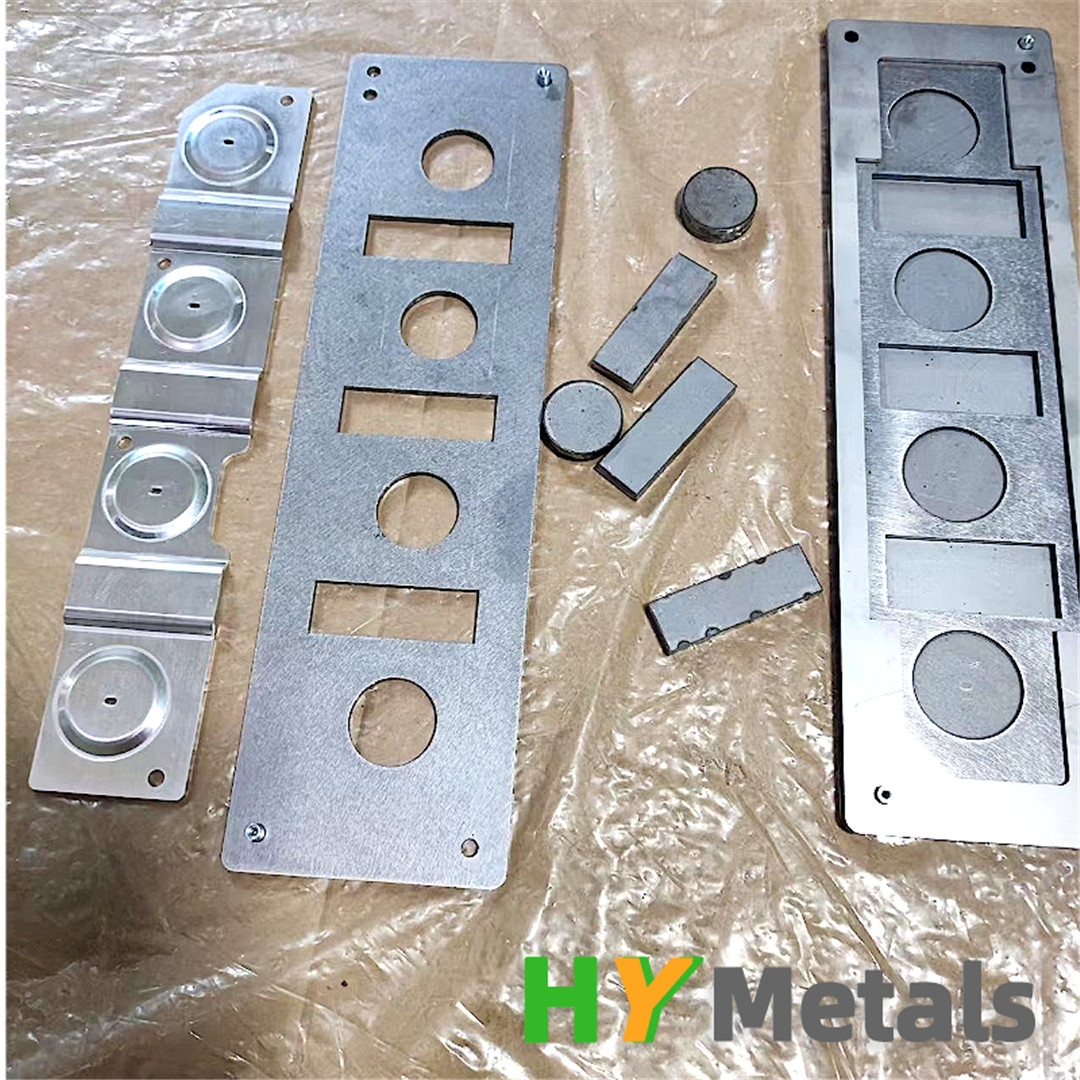
Material Selection for Precision Sheet Metal Fabrication
Material choice fundamentally impacts part performance, manufacturability, and lifecycle cost in high-end sheet metal applications. At Wuxi Lead Precision Machinery, we prioritize aligning material properties with functional requirements, environmental exposure, and production efficiency. Aluminum alloys dominate aerospace, electronics, and transportation sectors due to their optimal strength-to-weight ratio and corrosion resistance. Steel remains essential for structural integrity in heavy machinery and construction, while titanium serves critical roles in medical implants and extreme-environment aerospace components where weight savings and biocompatibility are non-negotiable. Each material demands specific CNC processing parameters to achieve micron-level tolerances and surface integrity.
Aluminum 6061-T6 and 7075-T6 are industry standards for precision work. 6061 offers excellent weldability and moderate strength for enclosures and brackets. 7075 provides superior strength for high-stress components like aircraft fittings but requires careful handling due to reduced corrosion resistance. Steel options range from mild steel (A36) for cost-sensitive structural parts to stainless grades (304, 316) for chemical resistance in medical or marine applications. Titanium Grade 5 (Ti-6Al-4V) delivers exceptional strength and heat tolerance but necessitates specialized tooling and slower machining speeds to prevent work hardening. Material thickness consistency directly affects laser cutting accuracy and bending repeatability; we rigorously inspect incoming coil stock to ensure ±0.05mm thickness tolerance compliance.
Critical Material Specifications Comparison
| Material | Density (g/cm³) | Tensile Strength (MPa) | Corrosion Resistance | Typical Applications |
|---|---|---|---|---|
| Aluminum 6061-T6 | 2.70 | 310 | High | Enclosures, brackets, frames |
| Aluminum 7075-T6 | 2.81 | 572 | Moderate | Aerospace fittings, gears |
| Stainless 304 | 8.00 | 515 | Very High | Medical devices, food processing |
| Titanium Grade 5 | 4.43 | 900 | Excellent | Aircraft components, implants |
Surface finishing transforms functional performance and aesthetics. Anodizing is the premier choice for aluminum, creating a durable, non-conductive oxide layer. Type II (sulfuric acid) anodizing offers good corrosion resistance and dye acceptance for decorative or low-wear parts. Type III (hard coat) anodizing delivers 50-100µm thickness with Rockwell C60+ hardness, essential for hydraulic pistons or military hardware requiring abrasion resistance. We integrate finish specifications early in the design phase—ensuring hole tolerances accommodate coating buildup and masking critical interfaces. Wuxi Lead’s certified anodizing partners adhere to MIL-A-8625 and ISO 7599 standards, with rigorous salt spray testing (1,000+ hours) for mission-critical components.
Material selection must account for the entire fabrication workflow. Aluminum’s thermal conductivity demands optimized laser power settings to prevent warping, while titanium requires rigid machine setups to avoid chatter. Our engineering team collaborates with clients during DFM reviews to mitigate material-specific risks—such as stainless steel’s springback in bending or aluminum’s susceptibility to galvanic corrosion when joined with dissimilar metals. Choosing the right alloy and finish upfront prevents costly rework and ensures parts perform reliably across their operational lifespan.
Manufacturing Process & QC
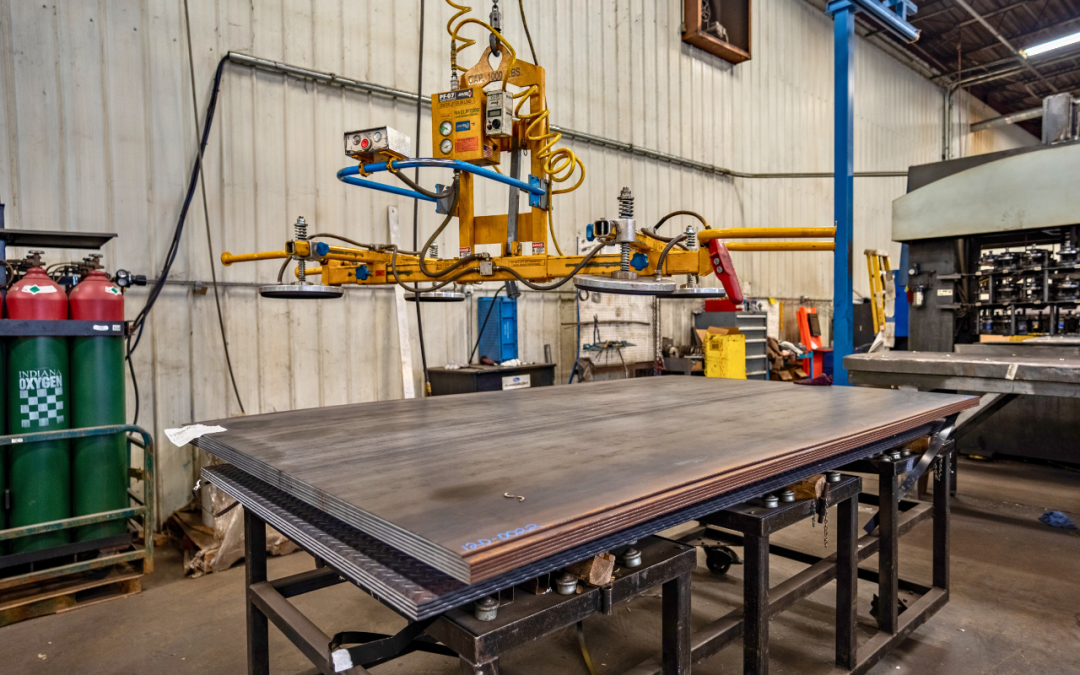
Design: Precision Engineering at the Foundation
At Wuxi Lead Precision Machinery, the sheet metal fabrication process begins with meticulous design engineering, where functionality, manufacturability, and durability converge. Our engineering team utilizes advanced CAD software, including SolidWorks and AutoCAD, to develop 3D models and 2D technical drawings that adhere strictly to client specifications and international standards. Design for Manufacturability (DFM) principles are applied early to identify potential production challenges, optimize material usage, and ensure seamless transition into prototyping. Every design undergoes rigorous simulation for structural integrity, thermal behavior, and assembly compatibility, minimizing rework and ensuring first-time-right outcomes. This phase establishes the blueprint for zero-defect production, integrating tolerances, surface finish requirements, and material selection—typically aluminum alloys such as 5052, 6061, and 7075 for their strength-to-weight ratio and corrosion resistance.
Prototyping: Validating Performance and Precision
Once the design is finalized, we proceed to low-volume prototyping to validate form, fit, and function. Our in-house CNC punching, laser cutting, and bending capabilities allow rapid turnaround of prototype aluminum sheet metal parts within 5–7 days. Each prototype is inspected using Coordinate Measuring Machines (CMM) and optical comparators to verify dimensional accuracy against the original CAD model. This stage enables functional testing, assembly trials, and client feedback integration before committing to full-scale production. Any deviations are corrected at this stage to prevent cascading errors, reinforcing our zero-defect philosophy. Surface treatments such as anodizing, powder coating, or chemical film are applied as per end-use requirements to evaluate aesthetic and environmental performance.
Mass Production: Scalable Precision with Zero Defects
With prototype approval, we transition to high-efficiency mass production using automated sheet metal lines. Our facility integrates fiber laser cutting systems, Amada CNC press brakes, and automated turret punching machines to ensure repeatability and throughput. Each production batch follows a documented Quality Control Plan, with in-process inspections at critical control points. Final inspection includes first-article testing, statistical process control (SPC) monitoring, and 100% visual checks for surface defects. All parts are traceable via laser marking and batch documentation, ensuring full compliance with ISO 9001 standards.
| Parameter | Specification |
|---|---|
| Material Thickness | 0.5 mm – 6.0 mm (Aluminum) |
| Tolerance (Cutting) | ±0.1 mm |
| Tolerance (Bending) | ±0.2° / ±0.1 mm |
| Minimum Hole Diameter | 1.0 mm (for t ≤ 1.5 mm) |
| Surface Roughness (Ra) | ≤1.6 μm (after laser cutting) |
| Production Capacity | Up to 50,000 pcs/month |
| Lead Time (Mass) | 15–25 days (depending on complexity) |
Through integrated process control, advanced tooling, and a culture of continuous improvement, Wuxi Lead Precision Machinery delivers aluminum sheet metal components with uncompromised quality, on time, every time.
Why Choose Wuxi Lead Precision
Partner with Lead Precision for Uncompromised Aluminum Sheet Metal Excellence
Aluminum sheet metal fabrication demands precision engineering far beyond standard metalworking. Its unique thermal conductivity, susceptibility to work hardening, and stringent surface finish requirements necessitate specialized expertise and calibrated processes. At Wuxi Lead Precision Machinery, we engineer solutions for high-stakes applications where dimensional stability, repeatability, and material integrity are non-negotiable. Our integrated approach spans laser cutting, CNC bending, precision welding, and multi-axis milling—executed within a controlled ISO 9001-certified environment. We understand that your product’s performance hinges on micron-level tolerances and flawless structural consistency, which is why we implement rigorous in-process metrology and material traceability from raw stock to final assembly.
Our technical capabilities are built for mission-critical sectors including aerospace, medical device manufacturing, and advanced robotics. We deploy state-of-the-art 5-axis CNC milling centers, fiber laser cutters with adaptive focal control, and servo-electric press brakes equipped with real-time angle correction. Every process is validated through statistical process control (SPC) data, ensuring your components meet AS9100 or ISO 13485 compliance without iterative rework. Unlike generalist fabricators, we prioritize material science understanding—optimizing feed rates, tool geometries, and clamping strategies to prevent micro-burring, distortion, or surface oxidation in aluminum alloys ranging from 1100 to 7075-T6.
Critical Aluminum Fabrication Specifications We Guarantee
| Parameter | Capability Range | Tolerance Control | Verification Method |
|---|---|---|---|
| Material Thickness | 0.5 mm – 12.7 mm | ±0.05 mm | Laser micrometer scanning |
| Laser Cutting Accuracy | Up to 3000 x 1500 mm | ±0.02 mm | CMM validation per ISO 10360 |
| CNC Bending Tolerance | 0.5° – 175° | ±0.1° | In-situ angle sensors |
| Hole Positional Accuracy | Within 500 mm span | ±0.03 mm | Optical comparator |
| Surface Roughness (Ra) | As-machined | ≤ 0.8 µm | Profilometer testing |
| Material Traceability | Full lot tracking | Mill certs + internal logs | Digital quality dossier |
This level of control eliminates supply chain vulnerabilities. We proactively manage variables like aluminum batch variability and thermal drift through environmental monitoring and adaptive toolpath compensation—reducing your risk of field failures or production delays. Our engineering team collaborates during your design phase to optimize manufacturability, minimizing cost-intensive revisions while ensuring compliance with ASTM B209 or EN 485 standards.
Partnering with Lead Precision means securing a fabrication ally invested in your product’s lifecycle success. We deliver not just parts, but documented process reliability that aligns with your quality management system. Initiate your project with engineering rigor—contact [email protected] to submit technical specifications and schedule a capability review. Our applications engineers will respond within 4 business hours with a detailed feasibility assessment and timeline. For urgent requirements, reference project code AL-2024 in your inquiry to expedite resource allocation. Elevate your aluminum fabrication outcomes with precision engineered in Wuxi.
⚙️ Precision Cost Estimator
Estimate relative manufacturing effort based on tolerance.