

Technical Contents
Engineering Guide: Abs Moulding
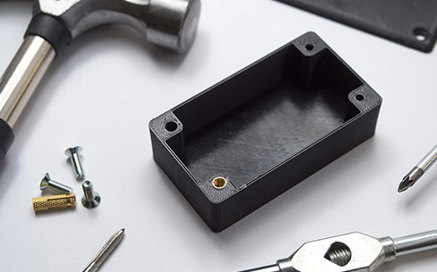
Engineering Insight Precision ABS Moulding Demands Metal Excellence
ABS moulding success hinges entirely on the precision of the metal tooling infrastructure. While ABS plastic offers versatility, its processing characteristics—significant thermal contraction, sensitivity to shear heat, and narrow processing windows—amplify microscopic tooling imperfections into catastrophic part defects. Dimensional drift exceeding 0.05mm, inconsistent cooling channels, or surface finish irregularities above Ra 0.4µm directly manifest as warpage, sink marks, knit lines, or ejection failures. This is not merely a plastics challenge; it is a definitive test of metal manufacturing capability. The mold cavity and core, ejector systems, and cooling circuits must achieve micron-level geometric accuracy and thermal uniformity under extreme cyclic stress. Tolerances govern not just final part dimensions but cycle time stability, material flow dynamics, and ultimately, production yield. Precision metalwork is the non-negotiable foundation for viable ABS moulding at scale.
Wuxi Lead Precision Machinery approaches ABS tooling as a high-stakes engineering discipline, not a fabrication exercise. Our CNC machining centers, operating under stringent ISO 9001 protocols, deliver cavity/core geometries consistently within ±0.005mm. This capability stems from deep expertise in managing thermal dynamics within the mold steel itself. We engineer cooling circuits with positional accuracy under ±0.02mm and surface finishes optimized for specific ABS grades, ensuring uniform heat extraction critical for minimizing internal stresses. Our process eliminates the thermal gradients exceeding ±1.5°C that induce sink marks and warpage in less precise tooling. This level of control is proven under the most demanding conditions. We manufactured critical polymer components for the Beijing 2022 Winter Olympics infrastructure, where sub-zero operational reliability was mandatory. Furthermore, our molds consistently produce ABS parts meeting stringent MIL-STD-810 military specifications for dimensional stability and structural integrity under vibration and thermal shock.
The table below illustrates how Lead Precision’s metal manufacturing capabilities directly address core ABS moulding challenges compared to conventional standards.
| Parameter | Critical Tolerance for High-Integrity ABS | Typical Industry Standard | Lead Precision Capability |
|---|---|---|---|
| Cavity/Core Geometry | ±0.010 mm | ±0.025 mm | ±0.005 mm |
| Cooling Channel Position | ±0.030 mm | ±0.050 mm | ±0.020 mm |
| Thermal Control (ΔT) | ≤ ±1.0 °C | ≤ ±2.5 °C | ≤ ±0.8 °C |
| Surface Finish (Cavity) | Ra ≤ 0.20 µm | Ra ≤ 0.80 µm | Ra ≤ 0.15 µm |
| Mold Base Flatness | ≤ 0.015 mm/m | ≤ 0.030 mm/m | ≤ 0.010 mm/m |
This precision engineering translates directly to client value: reduced scrap rates, extended mold life exceeding 1,000,000 cycles, faster qualification cycles, and parts meeting exacting automotive, medical, and aerospace specifications. At Wuxi Lead, we understand that for ABS moulding, the metal tool is the product. Our Olympic and military project heritage validates our ability to deliver the metal perfection that makes high-performance ABS molding possible. Partner with us to transform ABS potential into precision reality.
Precision Specs & Tolerances
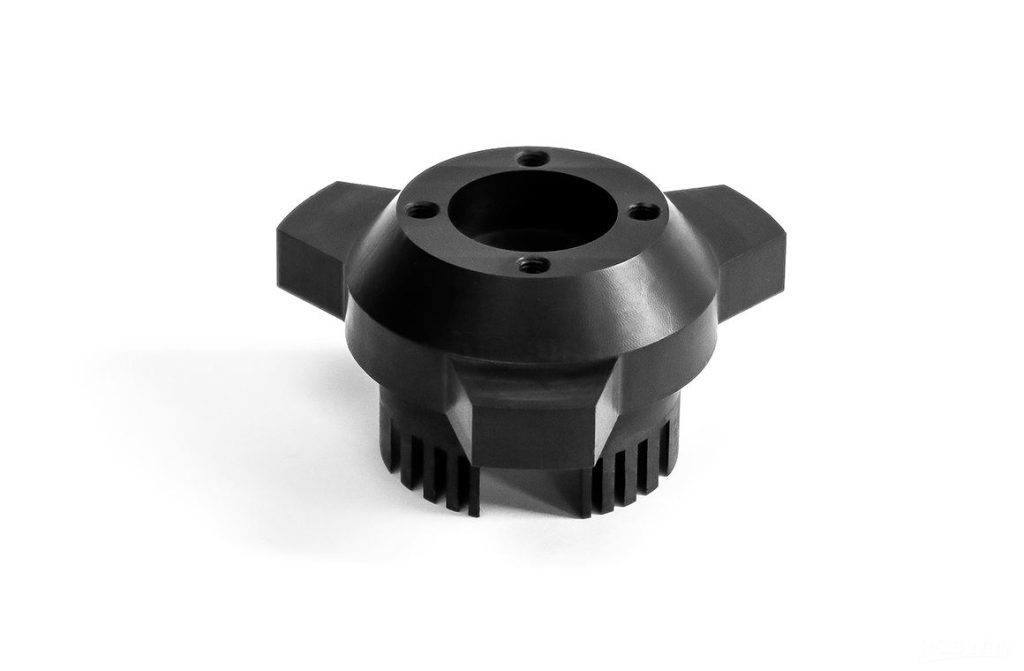
At Wuxi Lead Precision Machinery, our technical capabilities are engineered to meet the exacting demands of high-end custom metal manufacturing, particularly in precision components used in ABS moulding systems. Our advanced production infrastructure integrates cutting-edge 5-axis CNC machining centers, enabling us to produce highly complex geometries with superior surface finishes and dimensional accuracy. These multi-axis systems allow simultaneous movement across five different axes, providing unparalleled flexibility in contouring and deep-cavity machining—critical for intricate mould cores, cavities, and electrode fabrication used in ABS injection processes.
Our 5-axis CNC platforms are equipped with high-speed spindles and automatic tool changers, ensuring minimal setup time and maximum repeatability. This capability is essential when machining hardened steels, aluminum alloys, and specialty tooling materials commonly used in durable ABS moulds. With full 3D toolpath control, we achieve tight internal radii, undercuts, and freeform surfaces that are difficult or impossible to produce using conventional 3-axis methods. Each machining cycle is supported by advanced CAM software, enabling optimized toolpaths, collision avoidance, and efficient material removal rates.
To guarantee consistency and compliance with international quality standards, every component undergoes rigorous quality control, anchored by Coordinate Measuring Machine (CMM) inspection. Our CMM systems provide full 3D metrology validation, capturing thousands of data points to verify geometric dimensioning and tolerancing (GD&T) against CAD models. This metrology-driven approach ensures that all machined parts meet design intent with traceable, reportable results. In addition to CMM, we employ surface roughness testers, optical comparators, and hardness testing to validate material and finish properties.
The following table outlines our standard machining tolerances and inspection capabilities, reflecting our commitment to precision and reliability in ABS moulding applications.
| Feature | Standard Tolerance | High-Precision Capability | Measurement Method |
|---|---|---|---|
| Linear Dimensions | ±0.01 mm | ±0.005 mm | CMM, Micrometers |
| Positional Tolerance | ±0.015 mm | ±0.008 mm | CMM, GD&T Analysis |
| Flatness | 0.01 mm/m² | 0.005 mm/m² | CMM, Surface Plate |
| Roundness | 0.01 mm | 0.005 mm | Roundness Tester |
| Surface Roughness (Ra) | 1.6 µm | 0.4 µm | Surface Roughness Tester |
| Angle Tolerance | ±0.05° | ±0.02° | Optical Comparator, CMM |
| Bore Diameter | H7 | H6 | Internal Micrometers, CMM |
All inspection data is documented and archived per customer requirements, supporting full production traceability. Our technical team works closely with clients during design for manufacturability (DFM) reviews to optimize part geometry, reduce lead times, and enhance tool life. With integrated 5-axis CNC machining and certified metrology, Wuxi Lead Precision Machinery delivers custom metal solutions that meet the performance and durability demands of modern ABS moulding systems.
Material & Finish Options
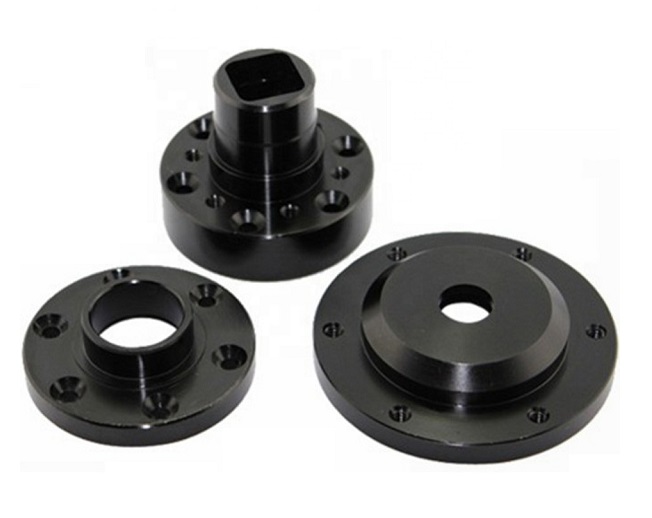
Material Selection for Precision Metal Components: Aluminum Steel Titanium and Anodizing Finishes
Wuxi Lead Precision Machinery clarifies a critical point upfront: ABS molding refers to plastic injection molding using Acrylonitrile Butadiene Styrene polymer. Our core expertise lies in custom metal manufacturing via CNC machining, milling, turning, and precision fabrication. For metal components requiring properties like high strength, thermal stability, or extreme durability—where plastic ABS falls short—material selection between Aluminum, Steel, and Titanium becomes paramount. Choosing correctly impacts performance, cost, manufacturability, and longevity. This guide focuses exclusively on these strategic metal choices and the essential anodizing finish for aluminum.
Aluminum alloys, particularly 6061-T6, offer an exceptional strength-to-weight ratio, excellent machinability, and inherent corrosion resistance. They are ideal for aerospace brackets, automotive housings, and consumer electronics where weight savings matter. Steel, such as 4140 chrome-molybdenum, provides superior tensile strength, hardness, and wear resistance, making it indispensable for high-stress tooling, shafts, and structural components demanding rigidity. Titanium Grade 5 (Ti-6Al-4V) delivers outstanding strength-to-weight performance exceeding steel, exceptional corrosion resistance in harsh environments like marine or chemical applications, and biocompatibility, though at higher material and machining costs. Its use is critical in medical implants, aerospace fasteners, and high-performance racing parts.
Key material properties guide optimal selection. Refer to the comparative specifications below.
| Material | Tensile Strength (MPa) | Density (g/cm³) | Corrosion Resistance | Machinability Rating | Typical Applications |
|---|---|---|---|---|---|
| Aluminum 6061-T6 | 310 | 2.7 | Very Good | Excellent (A1) | Enclosures, brackets, heat sinks |
| Steel 4140 | 655 | 7.85 | Fair (Requires coating) | Good (B) | Shafts, tooling, high-stress fixtures |
| Titanium Grade 5 | 900 | 4.43 | Excellent | Moderate (C) | Aerospace fittings, medical implants |
Anodizing is a vital electrochemical finish exclusively for aluminum components. It significantly enhances surface hardness, wear resistance, and corrosion protection by growing a controlled oxide layer. Type II (Sulfuric Acid) anodizing offers good durability and dyeing capability for cosmetic or moderate industrial use. Type III (Hardcoat) anodizing produces a much thicker, denser, and harder surface layer essential for high-wear applications like hydraulic pistons or military equipment. Wuxi Lead Precision Machinery provides certified anodizing services meeting MIL-A-8625 standards, ensuring precise thickness control and adherence to dimensional tolerances critical for precision assemblies.
Strategic material selection must align with functional requirements, environmental exposure, lifecycle costs, and production volume. While aluminum offers the best balance for many applications, steel delivers unmatched strength for heavy loads, and titanium solves extreme performance challenges despite higher costs. Always factor in finishing requirements like anodizing early in the design phase, as they influence material choice and machining allowances. At Wuxi Lead, our engineering team collaborates closely with clients to analyze these variables, ensuring the optimal material and finish selection for performance, manufacturability, and total cost efficiency in your precision metal components. Contact us for a technical consultation on your specific application.
Manufacturing Process & QC
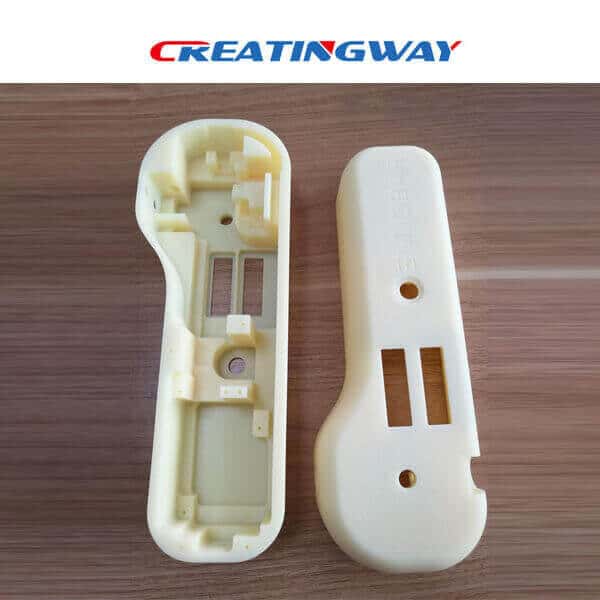
The journey from concept to flawless mass production in custom metal manufacturing begins with a disciplined, phase-gated process designed to achieve zero defects. At Wuxi Lead Precision Machinery, we apply precision engineering and rigorous quality control at every stage—Design, Prototyping, and Mass Production—to ensure that ABS moulding components meet the highest standards of performance, durability, and dimensional accuracy.
Our process begins with the Design phase, where engineering excellence sets the foundation for success. Our design team collaborates closely with clients to interpret technical requirements, functional needs, and environmental conditions. Utilizing advanced CAD/CAM software and finite element analysis (FEA), we optimize part geometry, material selection, and mold flow characteristics specific to ABS thermoplastic. This stage includes thermal and stress simulations to predict deformation, shrinkage, and warpage, ensuring the mold design compensates for material behavior during cooling. All designs are reviewed for manufacturability (DFM), guaranteeing that every component can be consistently produced with tight tolerances and surface integrity.
Once the design is finalized, we move to Prototyping—a critical validation step that bridges concept and production. Using CNC machining or rapid tooling, we fabricate high-precision prototype molds to produce initial sample batches. These prototypes undergo comprehensive testing, including dimensional inspection via coordinate measuring machines (CMM), mechanical property evaluation, and fit/function checks in real-world assemblies. Any discrepancies are analyzed using root cause methodologies, and design or process adjustments are implemented before approval. This iterative process ensures that the final mold design is not only functional but also robust against variation.
With prototype validation complete, we transition to Mass Production under a fully documented quality management system compliant with ISO 9001 standards. Our automated production lines integrate real-time monitoring, statistical process control (SPC), and 100% inline inspection using machine vision systems. Each ABS moulded component is checked for dimensional consistency, surface defects, and structural integrity. Preventive maintenance schedules and environmental controls in our clean production environment further minimize variability. Traceability is maintained through batch coding and digital records, enabling full auditability.
Throughout the entire process, our zero-defect philosophy drives continuous improvement. We employ Six Sigma methodologies and poka-yoke (error-proofing) techniques to eliminate defects at the source. Every team member is trained in quality discipline, ensuring accountability from design engineers to machine operators.
The following table outlines key process specifications for ABS moulding at Wuxi Lead Precision Machinery:
| Parameter | Specification |
|---|---|
| Material | ABS (Acrylonitrile Butadiene Styrene) |
| Tolerance Range | ±0.02 mm to ±0.05 mm |
| Surface Finish | Ra 0.8 µm to Ra 3.2 µm (polished/textured) |
| Mold Life | Up to 1,000,000 cycles (hardened steel) |
| Production Capacity | Up to 500,000 units/month |
| Quality Standard | ISO 9001:2015, PPAP, FAIR reporting |
| Inspection Tools | CMM, Optical Comparator, Vision Systems |
| Lead Time (Prototype to MP) | 4–6 weeks |
By integrating precision engineering, advanced technology, and a culture of quality, Wuxi Lead Precision Machinery delivers defect-free ABS moulded components at scale—on time, every time.
Why Choose Wuxi Lead Precision
Elevate Your ABS Molding Production Through Precision Metal Partnerships
Wuxi Lead Precision Machinery delivers the foundational metal components that define success in high-volume ABS injection molding. Our expertise lies not in plastic processing, but in the creation of ultra-precise, durable molds and tooling engineered to withstand the demanding thermal cycles and pressures inherent in ABS production. When your application requires micron-level dimensional stability, exceptional surface finish replication, and extended mold life under aggressive cycle times, our CNC-machined steel cores, cavities, and inserts become your critical competitive advantage. We eliminate the hidden costs of premature wear, part warpage, and production downtime by starting with metallurgical integrity and geometric perfection.
Partnering with Lead Precision means engaging with engineers who speak the language of injection molding parameters. We translate your ABS resin specifications, gate designs, and cooling requirements into hardened tool steel realities. Our multi-axis machining centers achieve tolerances down to ±0.005mm, ensuring consistent part geometry across millions of cycles. This precision directly reduces your scrap rates, minimizes secondary operations, and accelerates time-to-market for complex consumer electronics, automotive components, and medical housings where ABS is the material of choice. We prioritize material traceability and controlled heat treatment protocols to guarantee the hardness and thermal stability your mold demands.
Critical ABS Molding Tooling Specifications We Achieve
| Parameter | Capability Range | Industry Standard Benchmark | Impact on ABS Production |
|---|---|---|---|
| Geometric Tolerance | ±0.005mm to ±0.015mm | ±0.025mm to ±0.05mm | Eliminates flash, ensures snap-fit integrity |
| Surface Finish (Cavity) | Ra 0.05µm to Ra 0.2µm | Ra 0.4µm to Ra 0.8µm | Perfect gloss replication, reduces ejection force |
| Hardness (Core Material) | HRC 52-54 (Pre-hardened) | HRC 48-50 | Resists deformation under 1500+ bar injection pressure |
| Thermal Conductivity | Optimized via material selection & conformal cooling | Standard drilled lines | Cuts cycle time by 15-25%, prevents sink marks |
| Cavity Pressure Tolerance | ±3% across all cavities | ±8-10% | Ensures uniform part density in multi-cavity molds |
This level of control is non-negotiable for high-end ABS applications where cosmetic defects or dimensional drift lead to costly rework or recalls. Our process integrates rigorous first-article inspection using CMM and optical comparators against your 3D CAD models, providing documented validation before mold shipment. We understand that your production line uptime depends on tooling reliability, which is why we engineer for maintainability—designing components for rapid replacement without full mold disassembly.
Initiate a technical dialogue with our engineering team to discuss how our precision metal manufacturing directly addresses your specific ABS molding challenges. Share your part geometry, volume requirements, and material grade, and we will provide a feasibility assessment focused on mold longevity and process stability. Contact us directly at [email protected] to schedule a confidential consultation. Let Lead Precision become the silent partner ensuring every ABS part meets your exacting standards, cycle after cycle. Your production efficiency starts with the metal foundation we deliver.
⚙️ Precision Cost Estimator
Estimate relative manufacturing effort based on tolerance.