Technical Contents
Engineering Guide: Silicon Molding
Engineering Insight: Silicon Molding and the Critical Role of Precision
In high-performance manufacturing, silicon molding stands as a pivotal process for producing components that demand exceptional thermal stability, chemical resistance, and long-term reliability. While often associated with sealing, insulation, and protective encapsulation, silicon molding is increasingly critical in advanced sectors such as aerospace, defense, and high-end industrial automation. At Wuxi Lead Precision Machinery, we recognize that the success of silicon molding hinges not only on material selection but on the precision of the tooling, process control, and dimensional accuracy of the final component.
Silicon, as a material, offers unique advantages—elasticity across wide temperature ranges, biocompatibility, and resistance to UV and ozone degradation. However, these benefits are only fully realized when the molding process is executed with micron-level consistency. Even minor deviations in cavity geometry, runner design, or curing parameters can result in part warpage, incomplete fills, or compromised sealing performance. This is especially critical in mission-critical applications where failure is not an option.
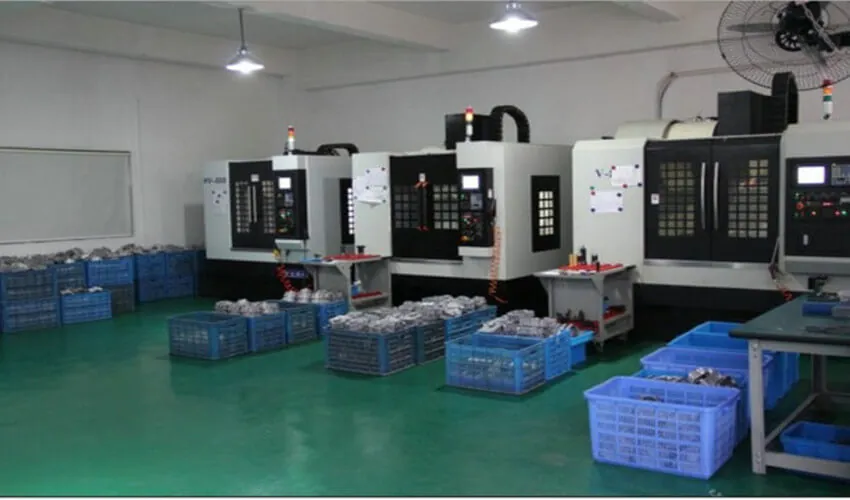
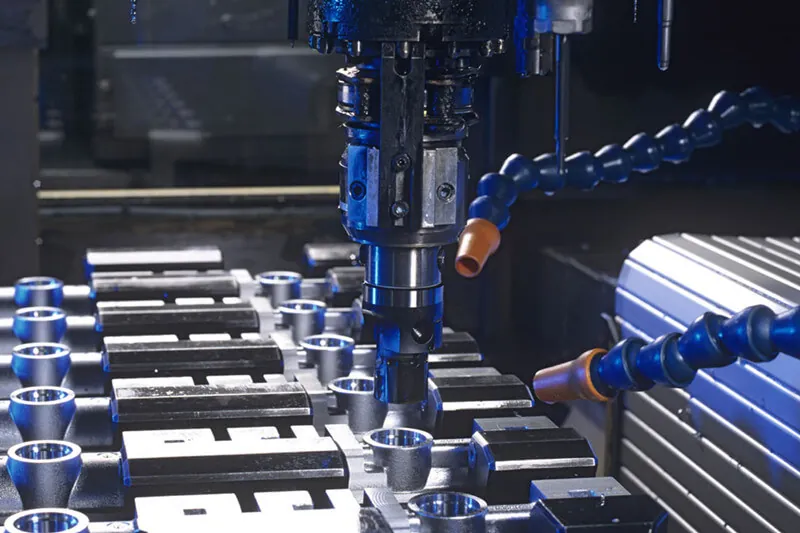
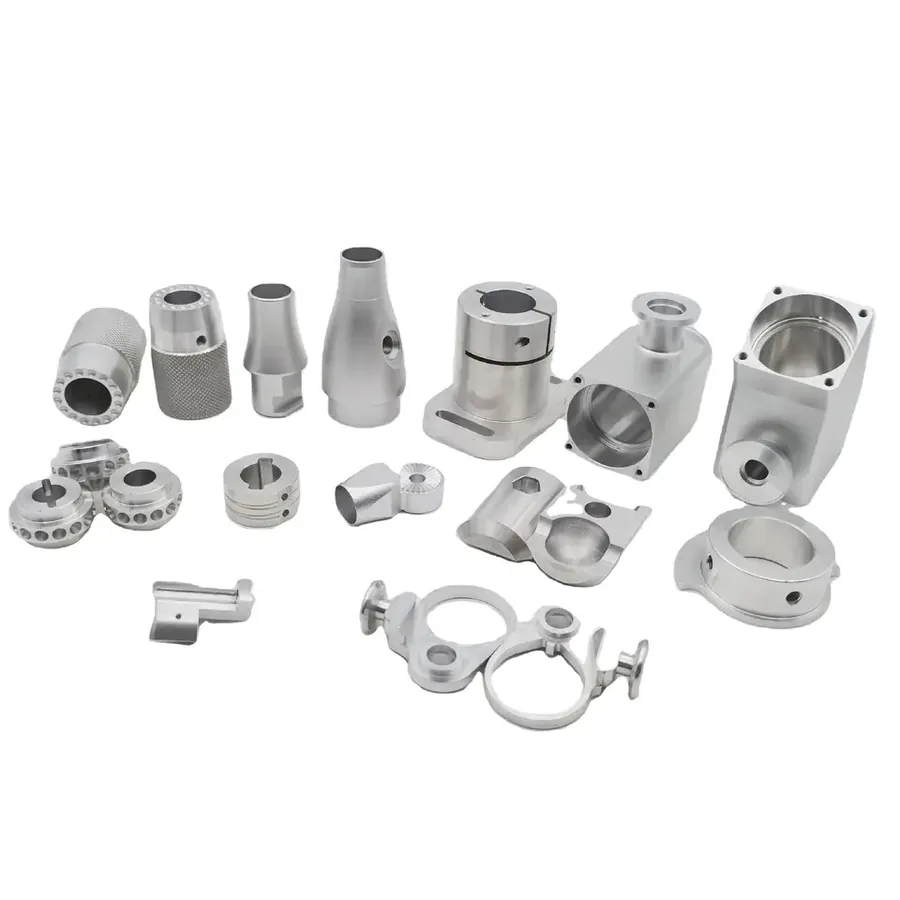
At Lead Precision, our approach to silicon molding integrates decades of experience in custom metal manufacturing with stringent process engineering. Our tooling is machined using high-accuracy CNC systems with tolerances held to ±0.002 mm, ensuring mold cavities replicate design intent with minimal variance. We employ real-time monitoring of injection pressure, temperature profiles, and cure cycles to maintain repeatability across production runs. This level of control is not merely a quality benchmark—it is a necessity for clients in sectors where performance under extreme conditions is non-negotiable.
Our expertise has been validated through participation in projects of national and international significance. Lead Precision has supplied precision components for Olympic-grade timing systems, where environmental exposure and mechanical reliability are rigorously tested. Additionally, we have supported defense initiatives with molded silicon interfaces used in ruggedized communication units and sensor housings deployed in extreme climates. These applications demand not only compliance with MIL-STD specifications but also traceability, material certification, and zero-defect production—standards we consistently meet.
Beyond technical capability, our engineering team works closely with clients during the design-for-manufacturability (DFM) phase, optimizing part geometry and gate placement to minimize stress concentrations and flash formation. This collaborative approach reduces prototyping cycles and accelerates time to market without sacrificing quality.
The future of silicon molding lies in intelligent process integration and tighter tolerances driven by automation and advanced metrology. At Wuxi Lead Precision Machinery, we continue to invest in these technologies, ensuring our clients receive components that perform reliably in the most demanding environments.
| Specification | Detail |
|---|---|
| Material Compatibility | High-consistency rubber (HCR), Liquid Silicone Rubber (LSR) |
| Tolerance Range | ±0.002 mm to ±0.01 mm |
| Tooling Material | Pre-hardened stainless steel, Tool steel (H13, S136) |
| Curing Process | Heat-cured (200°C typical), Platinum-catalyzed (LSR) |
| Production Capacity | Prototyping to high-volume serial production |
| Quality Standards | ISO 9001:2015, MIL-STD-883 compliant testing available |
| Secondary Operations | Deflashing, laser trimming, automated inspection |
Precision Specs & Tolerances
Technical Capabilities for Precision Silicon Molding Components
Wuxi Lead Precision Machinery delivers mission-critical metal components for silicon molding applications, where dimensional stability and surface integrity directly impact semiconductor yield and device performance. Our integrated manufacturing ecosystem combines advanced 5-axis CNC machining with metrology-grade quality control to achieve the micron-level tolerances demanded by advanced packaging and wafer-level processes. Silicon molding tooling requires exceptional thermal homogeneity and geometric fidelity to prevent wafer warpage or feature distortion during high-temperature cycles; our processes are engineered specifically to mitigate these risks through controlled material removal and residual stress management.
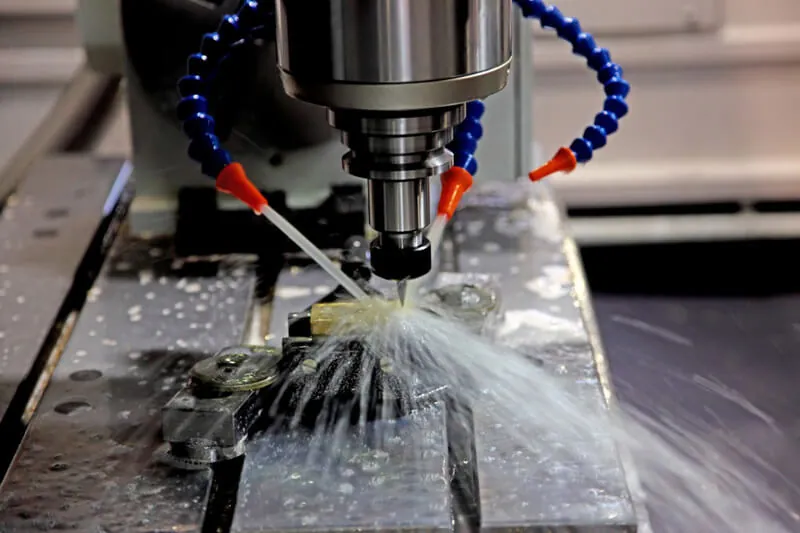
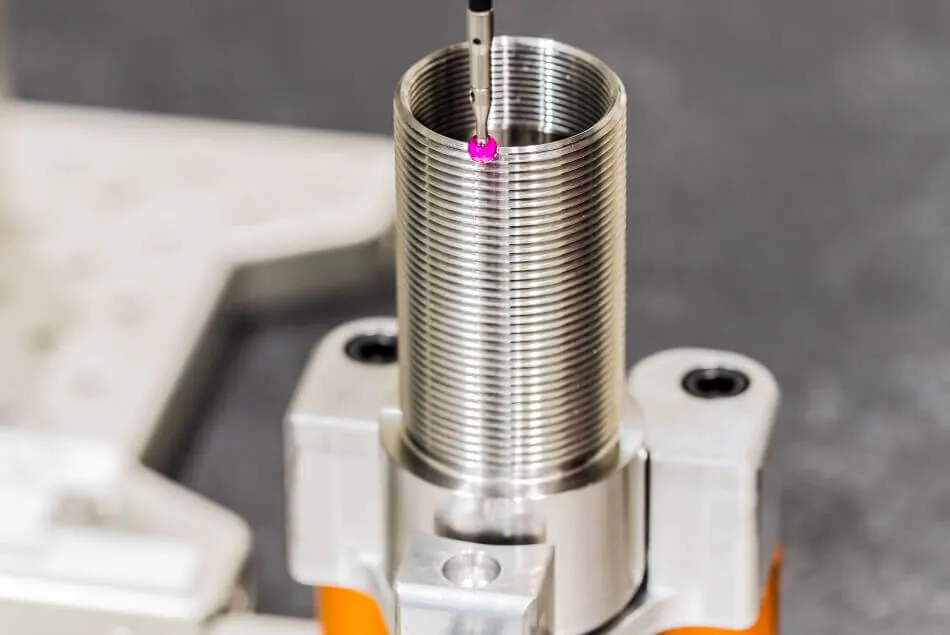
Our HAAS DMU 5-axis vertical machining centers enable single-setup fabrication of complex mold cavities, cooling channels, and alignment features with simultaneous 5-axis interpolation. This eliminates cumulative errors from multiple fixturing stages while maintaining ±0.005 mm positional accuracy across intricate 3D contours. High-speed spindles (24,000 RPM) paired with Renishaw probing systems ensure consistent surface finishes down to Ra 0.4 μm on hardened tool steels (H13, S136) and beryllium-copper alloys—critical for minimizing particle generation during silicon release. We specialize in thin-walled structures under 0.5 mm thickness with strict flatness requirements, leveraging adaptive machining strategies to counteract deflection and thermal drift.
Quality validation is executed through a closed-loop inspection protocol anchored by Zeiss CONTURA CMMs operating in ISO Class 7 metrology labs. Every critical dimension undergoes GD&T-compliant verification against CAD models, with full first-article inspection reports including 3D deviation maps and process capability (Cp/Cpk) analysis. Statistical process control monitors tool wear in real-time, automatically triggering compensation routines to sustain tolerance bands across production lots. All measurements trace to NIST standards with uncertainty budgets documented per ISO/IEC 17025, providing auditable evidence for semiconductor OEMs’ supply chain compliance.
The following table summarizes our validated capability ranges for silicon molding tooling:
| Parameter | Standard Capability | Enhanced Capability (with SPC) |
|---|---|---|
| Linear Tolerance | ±0.010 mm | ±0.003 mm |
| Geometric Tolerance | ±0.008 mm | ±0.002 mm |
| Surface Roughness (Ra) | 0.8 μm | 0.2 μm |
| Angularity | ±0.005° | ±0.001° |
| Hole Position Accuracy | ±0.008 mm | ±0.002 mm |
These capabilities are sustained through continuous investment in machine calibration (bi-weekly volumetric compensation), diamond-coated cutting tools for non-ferrous alloys, and proprietary thermal stabilization protocols. We partner with clients from DFM review through production ramp to optimize mold longevity and silicon replication fidelity—ensuring your molding process achieves maximum throughput with minimal scrap. For mission-critical silicon applications, precision isn’t a specification; it’s the foundation of yield.
Material & Finish Options
Material Selection for High-Precision Silicon Molding Applications
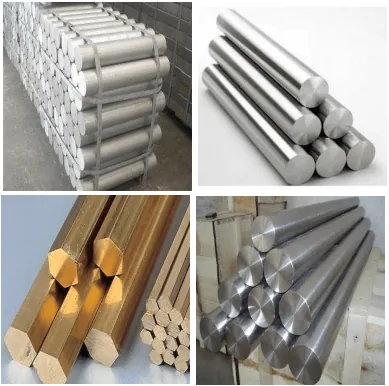
In the realm of custom metal manufacturing for silicon molding, material selection plays a pivotal role in determining mold longevity, surface fidelity, and production efficiency. At Wuxi Lead Precision Machinery, we specialize in crafting high-tolerance molds using premium-grade aluminum, steel, and titanium—each offering distinct mechanical and thermal properties tailored to specific molding demands. The choice of material directly influences cycle time, part quality, and overall operational cost, making informed selection critical for high-end industrial applications.
Aluminum alloys, particularly 7075 and 6061, are widely favored for prototyping and low-to-medium volume production. Their high thermal conductivity enables rapid heat dissipation, reducing cycle times significantly. Aluminum is also easier to machine, allowing for complex geometries with tight tolerances. However, its lower hardness compared to steel makes it less suitable for extended production runs involving abrasive silicon compounds. For applications requiring frequent design iterations or fast turnaround, aluminum provides an optimal balance of performance and cost-efficiency.
Steel, especially tool steels like H13 and P20, offers superior durability and wear resistance. These properties make steel ideal for high-volume silicon molding operations where mold integrity must be maintained over thousands of cycles. H13 steel, in particular, exhibits excellent thermal stability and resistance to thermal fatigue, crucial in environments with repeated heating and cooling. While steel molds require longer machining times and higher initial investment, their extended service life often results in lower cost-per-part over time.
Titanium alloys, though less common, are selected for highly specialized applications requiring exceptional strength-to-density ratios and corrosion resistance. In aggressive chemical environments or where weight reduction is critical—such as aerospace tooling—titanium molds deliver unmatched performance. However, due to high material and machining costs, titanium is typically reserved for niche, high-value applications.
Surface finishing further enhances mold performance and release characteristics. Anodizing, particularly hard anodizing, is a key post-processing treatment for aluminum molds. This electrochemical process increases surface hardness, improves wear resistance, and enhances non-stick properties—critical for clean demolding of silicon parts. Type III hard anodizing, with coating thicknesses ranging from 25 to 50 µm, is recommended for industrial-grade molds subjected to repetitive use.
Below is a comparative overview of key material properties relevant to silicon molding applications.
| Material | Tensile Strength (MPa) | Thermal Conductivity (W/m·K) | Hardness (HRC) | Typical Use Case |
|---|---|---|---|---|
| Aluminum 7075 | 570 | 130 | 40–45 | Prototyping, low-volume production |
| H13 Steel | 1,600 | 35 | 48–52 | High-volume, high-temperature molding |
| P20 Steel | 900 | 30 | 28–32 | Medium-volume production |
| Titanium Ti-6Al-4V | 900 | 7 | 36 | Aerospace, corrosive environments |
At Wuxi Lead Precision Machinery, we guide clients through material and finish selection based on production volume, part complexity, and environmental conditions—ensuring optimal performance and return on investment.
Manufacturing Process & QC
Silicon Molding: Precision Engineering from Concept to Zero-Defect Production
Silicon molding demands exceptional process control to achieve the dimensional stability, material integrity, and biocompatibility required for mission-critical applications in aerospace, medical devices, and advanced electronics. At Wuxi Lead Precision Machinery, our integrated approach ensures zero defects are not aspirational but systematically engineered from initial design through high-volume manufacturing. This rigor begins with collaborative engineering during the Design phase. Our specialists utilize advanced FEA simulation to model material flow, thermal behavior, and potential stress points under operational loads. This predictive analysis optimizes part geometry, gate placement, and runner systems before any physical tooling commences, mitigating risks like sink marks, voids, or flash. Material selection is precisely matched to application requirements—considering Shore hardness, thermal resistance, chemical compatibility, and regulatory compliance (ISO 10993, USP Class VI)—ensuring the silicone formulation inherently supports defect prevention.
Prototyping transitions validated designs into tangible verification. We employ rapid, high-precision steel mold inserts milled on our multi-axis CNC centers, replicating production tooling fidelity at reduced scale. Each prototype undergoes rigorous metrology: CMM inspection verifies critical dimensions against CAD models, while material testing confirms durometer, tensile strength, and elongation. Functional validation, including seal integrity or flex testing, occurs under simulated service conditions. This phase is not merely about form and fit; it is a critical stress test for the Zero Defects protocol. Any deviation triggers immediate root-cause analysis and design or process refinement. Only when prototypes consistently meet all specifications—validated through documented inspection reports—does the process advance.
Mass Production leverages fully automated, climate-controlled molding cells monitored by IoT sensors. Our proprietary process control system dynamically adjusts injection pressure, temperature profiles, and cure times in real-time based on closed-loop feedback, maintaining ±0.5°C thermal stability and ±0.02mm positional accuracy. Statistical Process Control (SPC) charts track key parameters like shot weight and cycle time, with automatic machine lockout if trends approach control limits. Every component undergoes 100% automated vision inspection for surface defects, followed by random destructive testing per AQL 0.65 standards. Traceability is absolute, with laser-etched part IDs linked to material lot numbers and machine parameters. Continuous improvement is embedded via Pareto analysis of any non-conformances, feeding data directly back into design and process databases.
The foundation of our Zero Defects outcome is the seamless data continuity across all phases. Specifications defined in Design govern Prototyping validation, which in turn certifies Mass Production parameters. This closed-loop system, executed on Wuxi Lead’s certified ISO 9001:2015 manufacturing platform, guarantees repeatability.
Critical Silicon Molding Specifications Achieved
| Parameter | Capability Range | Measurement Standard | Control Method |
|---|---|---|---|
| Dimensional Tolerance | ±0.05 mm to ±0.01 mm | ISO 2768-mK | In-process CMM + SPC |
| Shore Hardness (A) | 20 to 80 | ASTM D2240 | Pre-cure material validation |
| Surface Roughness (Ra) | 0.8 µm to 3.2 µm | ISO 4287 | Automated vision inspection |
| Flash Tolerance | ≤ 0.03 mm | Internal Standard | Real-time press monitoring |
| Biocompatibility | ISO 10993-5, -10, -11 | Certified Lab Test | Material lot certification |
This disciplined progression—from simulation-validated design through metrology-driven prototyping to sensor-monitored production—ensures every silicone component shipped from Wuxi Lead meets the uncompromising quality standards demanded by high-reliability industries. Zero Defects is the measurable outcome of our integrated engineering and manufacturing excellence.
Why Choose Wuxi Lead Precision
Partner with Lead Precision for Advanced Silicon Molding Solutions in Custom Metal Manufacturing
In the high-stakes world of precision engineering, the integration of silicon molding with custom metal components demands a partner with deep technical expertise, advanced manufacturing capabilities, and a relentless commitment to quality. At Wuxi Lead Precision Machinery, we specialize in delivering end-to-end solutions that combine the flexibility of silicon with the strength and durability of precision-machined metals. Our engineering team works closely with global OEMs, automotive suppliers, and medical device manufacturers to develop components that meet the most stringent performance and regulatory standards.
Silicon molding is more than a production technique—it is a critical enabler of innovation in industries where thermal stability, chemical resistance, and biocompatibility are non-negotiable. Whether you are developing sealing systems for electric vehicle battery packs, implantable medical devices, or ruggedized industrial sensors, our capabilities in overmolding, insert molding, and two-shot molding ensure seamless integration between silicone and metal substrates. We utilize state-of-the-art liquid silicone rubber (LSR) injection systems, precision molds with tight tolerances (±0.01 mm), and in-house tooling design to deliver consistent, repeatable results.
Our facility in Wuxi, China, operates under ISO 13485 and IATF 16949 standards, ensuring full compliance with medical and automotive quality management systems. Every project begins with a collaborative design review, where our engineers assess material compatibility, molding feasibility, and long-term reliability under operational stress. This proactive approach minimizes prototyping cycles, reduces time-to-market, and ensures manufacturability at scale.
Below are key technical specifications that define our silicon molding and metal integration capabilities:
| Specification | Detail |
|---|---|
| Material Compatibility | Platinum-cure LSR, HTV silicone, FDA/USP Class VI compliant grades, 300-series stainless steel, aluminum alloys, titanium |
| Tolerance Range | ±0.01 mm for metal inserts; ±0.05 mm for molded features |
| Molding Press Capacity | 50–300 tons, 16+ automated LSR lines |
| Insert Tolerances | Positional accuracy up to ±0.02 mm |
| Secondary Operations | CNC machining, laser welding, passivation, cleanroom assembly (Class 10,000) |
| Production Volume | Prototypes to high-volume production (millions of units/year) |
| Quality Assurance | 100% inline vision inspection, mechanical testing, environmental aging, biocompatibility validation |
We understand that your success depends on reliability, scalability, and technical partnership—not just component supply. That’s why we assign a dedicated project engineer to every client, ensuring transparent communication, real-time updates, and rapid problem resolution throughout the product lifecycle.
If you are developing next-generation systems where performance under extreme conditions is critical, it’s time to work with a partner who combines precision metal manufacturing with advanced polymer processing. Contact us today at [email protected] to discuss your silicon molding requirements. Let Wuxi Lead Precision Machinery be the engineering force behind your innovation.
⚙️ Precision Cost Estimator
Estimate relative manufacturing effort based on tolerance.