Sheet Metal Edging Manufacturer | Precision CNC Guide

Engineering Guide: Sheet Metal Edging

sheet metal edging manufacturing

Engineering Insight: The Critical Role of Precision in Sheet Metal Edging

Sheet metal edging transcends mere aesthetic finishing; it is a fundamental engineering process defining component functionality, safety, and longevity within complex assemblies. Imperfect edges introduce stress concentrations, compromise sealing integrity, create hazardous sharp points, and significantly reduce fatigue life. In high-stakes applications like aerospace structural components, medical device housings, or military vehicle subsystems, even micron-level deviations during edging can cascade into catastrophic field failures. Precision edging demands uncompromising control over geometry, surface consistency, and material behavior at the edge. This requires sophisticated machinery capable of managing springback, minimizing burr formation, and maintaining exact radii or chamfer angles across diverse alloys – from thin aluminum foils to hardened stainless steel plates. The process must consistently achieve specified edge profiles without inducing micro-cracks or surface hardening that degrades subsequent welding or coating adhesion.

Achieving this level of repeatability necessitates advanced CNC-controlled edging centers with rigid construction, high-resolution feedback systems, and intelligent toolpath compensation. Material properties, tool wear, and even ambient temperature fluctuations must be actively managed. Industry standards often cite tolerances in the ±0.1mm range for basic edging, but leading-edge manufacturing for critical sectors demands significantly tighter control. Wuxi Lead Precision Machinery has engineered solutions specifically for these exacting requirements, proven through decades of collaboration with tier-1 defense contractors and precision equipment manufacturers supplying global infrastructure projects, including components for the Beijing 2022 Winter Olympic venues where zero-defect surface integrity was non-negotiable.

Our LP Series Precision Edge Forming Centers deliver the stability and accuracy demanded by mission-critical fabrication. Key performance specifications demonstrate this capability:

Parameter Industry Standard Range Relevance for Critical Applications Lead Precision Standard
Edge Radius Tolerance ±0.05mm – ±0.1mm Affects stress distribution & fatigue life ±0.02mm
Burr Height < 0.05mm Critical for sealing surfaces & safety < 0.01mm
Thickness Range 0.5mm – 3.0mm Limits material applicability 0.1mm – 6.0mm
Surface Roughness (Ra) 1.6μm – 3.2μm Impacts coating adhesion & corrosion 0.4μm – 0.8μm
Angular Accuracy ±0.5° Vital for mating surfaces & assemblies ±0.1°

This precision is not theoretical. Our systems operate daily in facilities producing armored vehicle panels meeting MIL-DTL-46102 specifications and in cleanroom environments fabricating diagnostic equipment housings where particle generation from imperfect edges is strictly regulated. The control systems integrate real-time force monitoring and adaptive tool compensation, learned through resolving edge defects in complex geometries for aerospace clients. For the Beijing 2022 Olympic infrastructure, our machines ensured seamless, defect-free edging on thousands of custom architectural panels under aggressive timelines, proving reliability under extreme production pressure.

True precision edging is an investment in product performance and liability mitigation. Wuxi Lead Precision Machinery provides the engineered stability, measurable accuracy, and proven field experience required to transform sheet metal edges from potential failure points into reliable, high-performance features. Partner with us to ensure your edging process meets the uncompromising standards of modern advanced manufacturing.


Precision Specs & Tolerances

sheet metal edging manufacturing

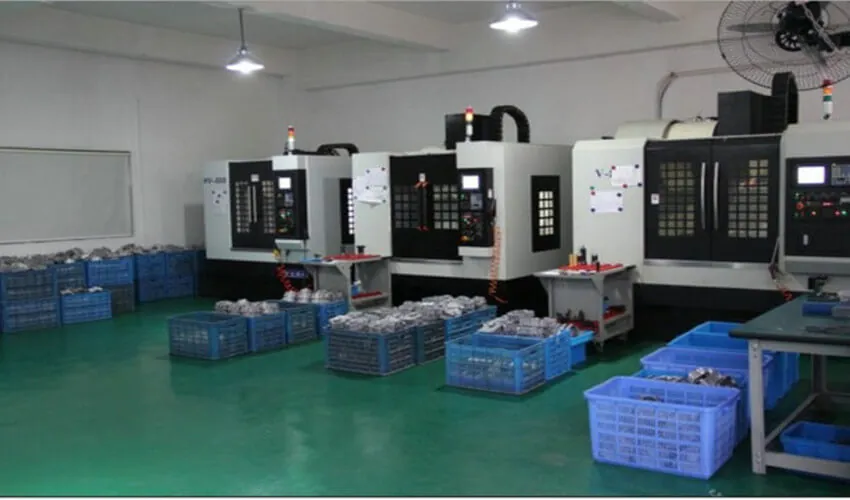
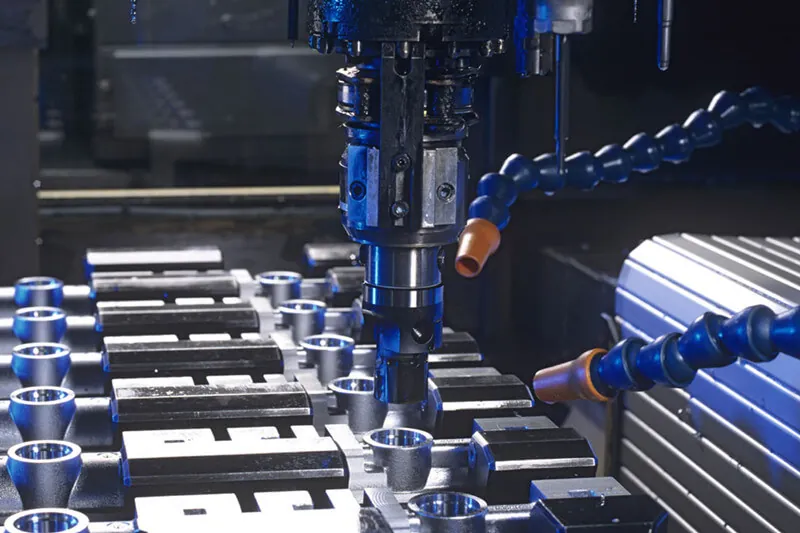
Wuxi Lead Precision Machinery delivers advanced sheet metal edging solutions designed for high-precision industrial applications. Our technical capabilities are anchored in state-of-the-art 5-axis CNC machining technology, enabling us to process complex geometries with exceptional accuracy and repeatability. This level of sophistication ensures that edge profiles on sheet metal components—whether chamfered, rounded, beveled, or custom-formed—are executed with micron-level consistency, meeting the stringent demands of aerospace, medical, semiconductor, and high-end automation sectors.

The integration of 5-axis CNC systems allows for multi-directional tool engagement, minimizing setup changes and reducing cumulative tolerances that often arise in multi-stage processing. Our machines operate with continuous tool path optimization, ensuring smooth edge finishes and eliminating secondary hand-finishing in most applications. This not only enhances dimensional integrity but also improves surface quality, critical for components requiring sealing, welding, or aesthetic precision.

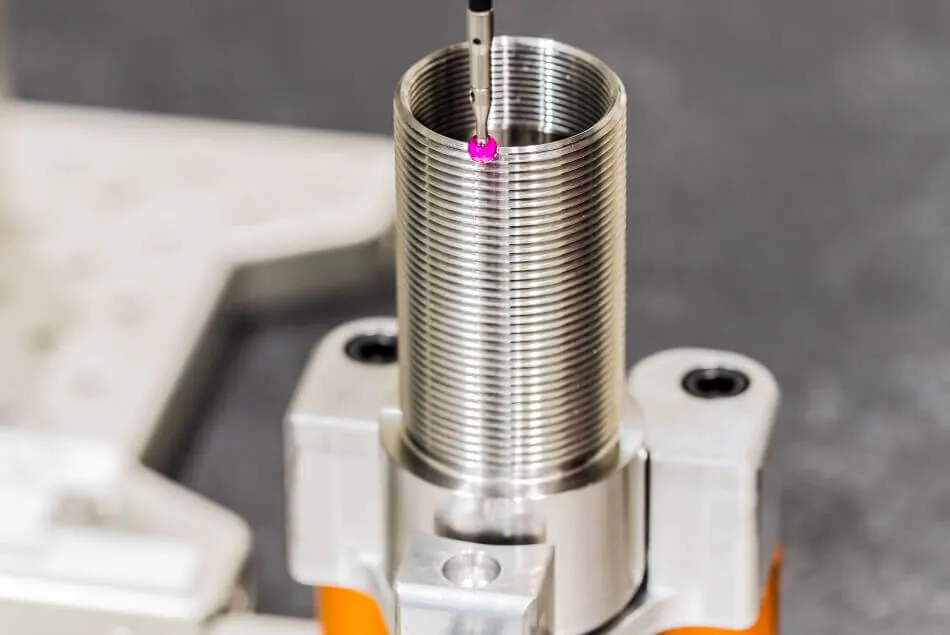
All edging operations are supported by a rigorous quality control framework centered on CMM (Coordinate Measuring Machine) inspection. Each batch undergoes comprehensive dimensional verification, with inspection reports traceable to international standards (ISO 9001:2015). Our CMM systems are calibrated to NIST-traceable standards, ensuring measurement reliability across all critical edge parameters. Real-time data feedback from inspection loops is used to fine-tune ongoing production, maintaining process stability and minimizing deviation.

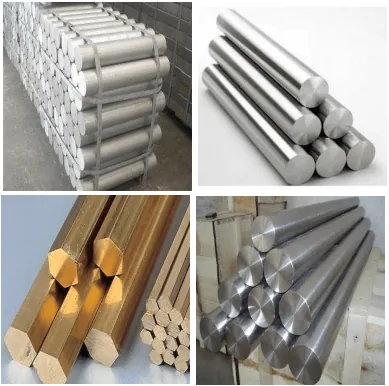
We specialize in edging thin-gauge to medium-thickness sheet metal, including stainless steel, aluminum, brass, and specialty alloys. Our process accommodates both prototype development and high-volume production runs, with automated tool changers and adaptive fixturing ensuring rapid changeovers without compromising precision. Edge radii as small as 0.2 mm and bevel angles from 15° to 45° are routinely achieved, with custom tooling available for non-standard profiles.

Material handling is optimized through automated loading systems and precision clamping solutions that prevent distortion during machining. This is particularly critical in maintaining flatness and edge straightness in large or thin sheet components. Our CNC programming team utilizes advanced CAM software to simulate tool paths prior to machining, ensuring collision-free operation and optimal edge finish.

The following table outlines our standard technical specifications and achievable tolerances for sheet metal edging operations:

Parameter Standard Tolerance High-Precision Option Notes
Edge Radius Tolerance ±0.1 mm ±0.05 mm Applicable to R ≥ 0.5 mm
Bevel Angle Tolerance ±1.0° ±0.5° Measured from nominal
Edge Straightness 0.1 mm/m 0.05 mm/m Over length of cut
Dimensional Repeatability ±0.08 mm ±0.03 mm Across production batch
Surface Roughness (Ra) 3.2 µm 1.6 µm Achieved without secondary finishing
Minimum Feature Clearance 2.0 mm 1.5 mm Between edge and adjacent features

Wuxi Lead Precision Machinery combines cutting-edge 5-axis CNC processing with disciplined quality assurance to deliver sheet metal edging that meets the highest industrial benchmarks. Our capabilities ensure functional reliability, dimensional accuracy, and superior surface integrity across diverse manufacturing applications.


Material & Finish Options

sheet metal edging manufacturing

Material Selection for Precision Sheet Metal Edging

Selecting the optimal material is foundational to achieving high-quality, durable edges in sheet metal fabrication. The inherent properties of the base metal directly influence edge finish, tooling wear, dimensional stability, and the effectiveness of subsequent finishing processes like anodizing. At Wuxi Lead Precision Machinery, our CNC edging systems are engineered to handle the specific demands of key industrial materials, ensuring clean, burr-free, and dimensionally accurate edges critical for assembly and performance.

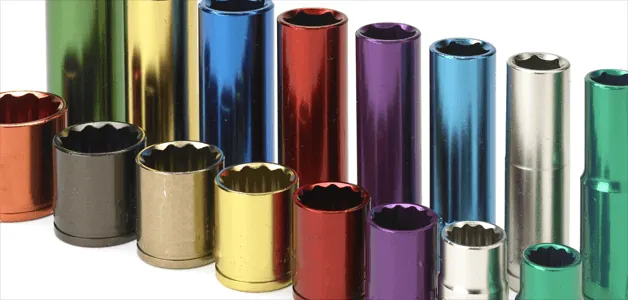
Aluminum alloys, particularly grades 5052, 6061, and 7075, are prevalent in aerospace, electronics, and architectural applications due to their excellent strength-to-weight ratio and inherent corrosion resistance. Aluminum’s relatively soft nature facilitates clean shearing and bending during edging, minimizing tool wear. However, its lower melting point requires precise control of feed rates and spindle speeds to prevent smearing or burr formation, especially on complex contours. Aluminum is the primary candidate for anodizing, a vital electrochemical process that significantly enhances surface hardness, wear resistance, and corrosion protection while providing an excellent base for dyeing. Proper edge preparation is crucial before anodizing to ensure uniform coating thickness and adhesion.

Carbon steel and stainless steel grades dominate structural and industrial applications demanding high strength and durability. Mild steel (e.g., A36, CR1018) offers cost-effectiveness and good formability but requires robust tooling and careful parameter selection during edging to manage higher shear forces and prevent work hardening at the edge. Stainless steels (e.g., 304, 316) present greater challenges due to their high work-hardening rates and toughness, demanding specialized tool geometries and lower cutting speeds to achieve clean edges without micro-tearing or excessive heat generation. While stainless steel edges often receive mechanical finishing (e.g., brushing, polishing), carbon steel edges typically require painting or powder coating after deburring for corrosion protection; anodizing is not applicable.

Titanium alloys (e.g., Grade 2, Grade 5) are specified for extreme environments like aerospace and medical implants due to exceptional strength, corrosion resistance, and biocompatibility. Titanium’s low thermal conductivity and high chemical reactivity necessitate very specific edging parameters – low speeds, high feed rates, and rigid setups – to dissipate heat effectively and prevent galling or edge discoloration. Tooling must be exceptionally sharp and wear-resistant. Titanium edges generally receive mechanical finishing or specialized passivation; anodizing is possible but less common than for aluminum and serves primarily decorative or minor wear-enhancement purposes.

The following table summarizes critical material properties and edging considerations:

Material Type Common Grades Thickness Range (mm) Key Properties for Edging Primary Edging Considerations
Aluminum 5052, 6061, 7075 0.5 – 6.0 Soft, good thermal conductivity, low melting point Control speed/feed to prevent smearing; ideal for anodizing
Carbon Steel A36, CR1018 0.8 – 12.0 Moderate hardness, prone to rust Manage shear forces/work hardening; requires post-coating
Stainless Steel 304, 316 0.5 – 10.0 High work-hardening, tough, corrosion resistant Specialized tooling; low speeds; prevent micro-tearing
Titanium Grade 2, Grade 5 0.5 – 8.0 Low thermal conductivity, reactive, very strong Rigorous heat control; sharp tooling; prevent galling

Material choice must align precisely with the component’s functional requirements, environmental exposure, and desired finish. Wuxi Lead Precision Machinery leverages deep material science expertise within our CNC edging solutions, optimizing parameters and tooling for each specific alloy to deliver edges that meet the most stringent aerospace, medical, and industrial standards, ensuring seamless integration into your final assembly process. Consult our engineering team for application-specific material and process validation.


Manufacturing Process & QC

sheet metal edging manufacturing

Design: Precision Engineering at the Foundation

The sheet metal edging process begins with meticulous design, where engineering accuracy defines the success of the final product. At Wuxi Lead Precision Machinery, we employ advanced CAD/CAM software to develop detailed 3D models that precisely define edge geometry, material thickness, bend allowances, and tolerance specifications. Our design engineers collaborate closely with clients to interpret technical drawings, ensuring compliance with international standards such as ISO 2768 and GD&T. Finite element analysis (FEA) is applied to simulate stress distribution along the edge, preventing deformation during and after forming. Material selection is optimized based on functional requirements—whether it’s corrosion resistance, structural strength, or surface finish—using alloys such as stainless steel (304, 316), aluminum (5052, 6061), or galvanized carbon steel. The digital design is then validated through virtual prototyping to eliminate interferences and ensure manufacturability.

Prototyping: Validating Form, Fit, and Function

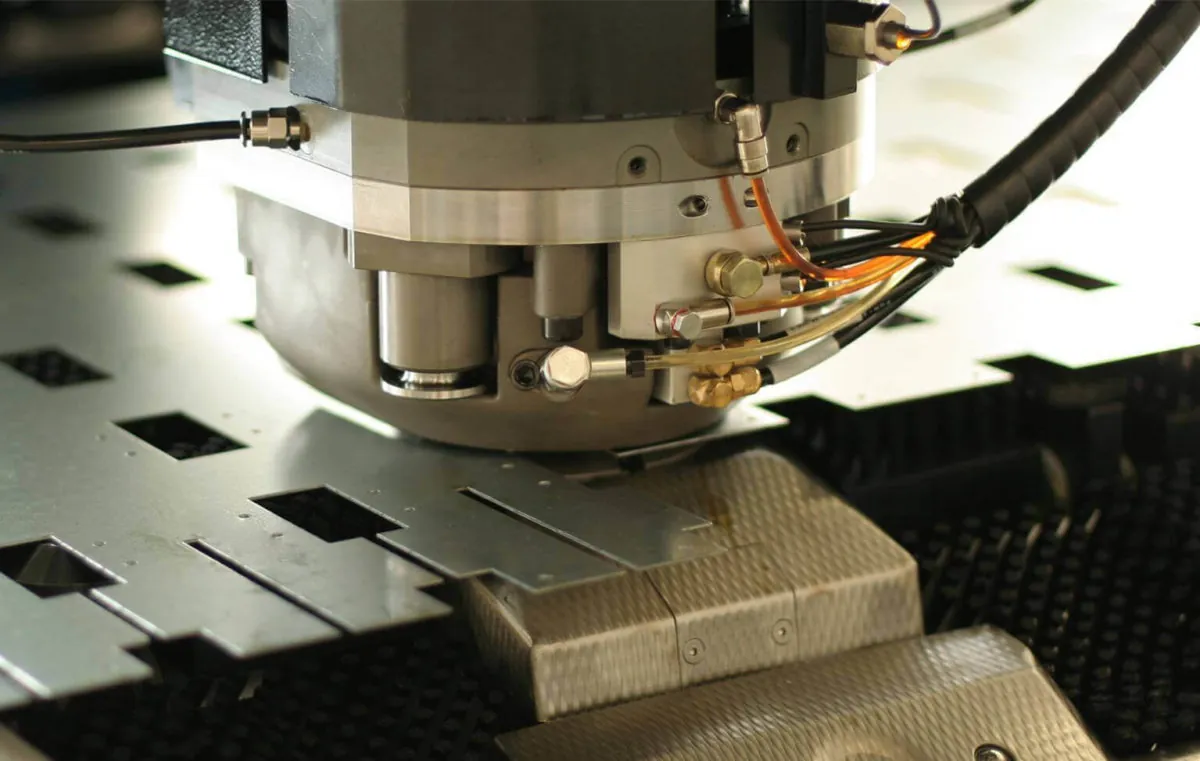
Once the design is finalized, a functional prototype is produced to verify all dimensional and mechanical characteristics. Wuxi Lead utilizes high-precision CNC punching and bending equipment to fabricate sample parts with edge profiles ranging from simple hemmed edges to complex flanged or safety-rounded forms. Each prototype undergoes rigorous inspection using coordinate measuring machines (CMM) and laser scanning to confirm edge radius, angular accuracy, and surface integrity. We conduct edge durability tests, including impact resistance and fatigue cycles, especially for applications in automotive, medical, and industrial enclosures. Client feedback is integrated at this stage, allowing for rapid design iteration without affecting production timelines. This phase ensures that the edging process not only meets aesthetic standards but also performs reliably under operational conditions.

Mass Production: Zero-Defect Manufacturing Execution

With prototype approval, we transition to high-volume production using automated production lines equipped with real-time monitoring systems. Our sheet metal edging process integrates servo-electric press brakes with adaptive backgauges and laser-assisted positioning to maintain ±0.1 mm edge tolerance across batches. Each production run follows a documented Quality Control Plan, including First Article Inspection (FAI) and in-process checks at defined intervals. Automated vision systems detect edge inconsistencies such as burrs, micro-cracks, or uneven folding, triggering immediate corrective action. All tools are maintained under a preventive schedule to ensure repeatability. Our ISO 9001-certified production floor enforces strict material traceability and process documentation, enabling full auditability. The result is a zero-defect output, where every edged component meets the exact specifications established during design and validated in prototyping.

Typical Sheet Metal Edging Specifications

Parameter Standard Range Tolerance Materials Supported
Material Thickness 0.5 mm – 3.0 mm ±0.05 mm SS304, SS316, AL5052, AL6061, SGCC
Edge Radius 0.2 mm – 2.5 mm ±0.1 mm Custom profiles available
Bend Angle 30° – 180° ±0.5° Hemmed, flanged, safety-rounded
Dimensional Accuracy Up to 1500 mm length ±0.1 mm Per ISO 2768 medium precision
Surface Finish BA, 2B, No.4, or custom coating Ra ≤ 0.8 μm Passivated, powder-coated options

Why Choose Wuxi Lead Precision

Elevate Your Sheet Metal Fabrication with Precision Edging Solutions

In high-end sheet metal fabrication, the finishing stage defines both product integrity and market differentiation. Imperfect edges compromise structural performance, assembly efficiency, and aesthetic standards—directly impacting client satisfaction and production costs. At Wuxi Lead Precision Machinery, we engineer edging systems that transform this critical process from a bottleneck into a competitive advantage. Our CNC-driven edging technology delivers micron-level consistency across stainless steel, aluminum, and specialty alloys, ensuring seamless integration with downstream welding, coating, or assembly operations. For global manufacturers demanding zero-defect output, Lead Precision provides not just machinery, but a strategic partnership in quality assurance.

Our edging centers integrate advanced servo-hydraulic control with AI-powered adaptive calibration, dynamically compensating for material variance and thermal drift during continuous production runs. This eliminates manual recalibration downtime while maintaining tolerances unattainable with conventional equipment. The result is 99.8% edge uniformity across 0.5–6.0 mm thicknesses, even in high-volume aerospace or medical device applications where micron deviations trigger costly rework. Beyond precision, our systems prioritize operational resilience: hardened tooling sets withstand 500,000+ cycles with minimal wear, and modular designs enable tool changes in under 90 seconds—maximizing uptime in 24/7 facilities.

Technical Specifications for Lead Precision Edging Centers

Parameter Specification
Material Thickness Range 0.5 mm – 6.0 mm
Max Sheet Size 3000 mm × 1500 mm
Edge Profiles Supported Radius, Chamfer, Bevel, Custom
Positional Accuracy ±0.02 mm
Feed Rate Up to 30 m/min (adjustable)

Partnering with Lead Precision means accessing engineered solutions tailored to your production ecosystem. Our application engineers conduct on-site workflow audits to identify hidden inefficiencies—whether in material handling, edge consistency, or changeover protocols—and deploy hardware/software configurations that integrate seamlessly with your existing automation. Unlike generic suppliers, we provide lifetime technical stewardship: remote diagnostics, predictive maintenance scheduling, and operator certification programs ensure your ROI compounds over the machine’s 15+ year service life.

Global leaders in automotive, renewable energy, and precision instrumentation trust Lead Precision because we align engineering excellence with commercial accountability. When your project requires edges that meet ISO 2768-mK tolerances or custom profiles for hermetic seals, our team collaborates from prototype validation to full-scale deployment—guaranteeing specifications are met, not merely promised.

Advance your fabrication capabilities with technology engineered for zero-compromise finishing. Contact our engineering team directly to discuss your edging challenges and receive a tailored process optimization proposal.

Email [email protected] to initiate a technical consultation. Include your material specifications, throughput requirements, and current pain points for a targeted solution analysis within 24 business hours. Let Lead Precision become your partner in redefining precision.


⚙️ Precision Cost Estimator

Estimate relative manufacturing effort based on tolerance.

Sheet Metal Edging Manufacturer | Precision CNC Guide

Contents of Table

Contact [email protected] Whatsapp 86 15951276160