Titanium Versus Aluminum Manufacturer | Precision CNC Guide

Engineering Guide: Titanium Versus Aluminum

titanium versus aluminum manufacturing

Engineering Insight: Titanium Versus Aluminum in High-Precision Manufacturing

In the realm of advanced custom metal manufacturing, the choice between titanium and aluminum is not merely a matter of material preference—it is a strategic engineering decision that directly impacts performance, durability, and precision. At Wuxi Lead Precision Machinery, we understand that both metals offer distinct advantages, but their successful application hinges on exacting manufacturing tolerances, specialized tooling, and deep metallurgical insight. Our experience serving high-demand sectors—including Olympic-grade sports equipment and military-grade defense systems—has reinforced the critical role of precision in unlocking the full potential of each material.

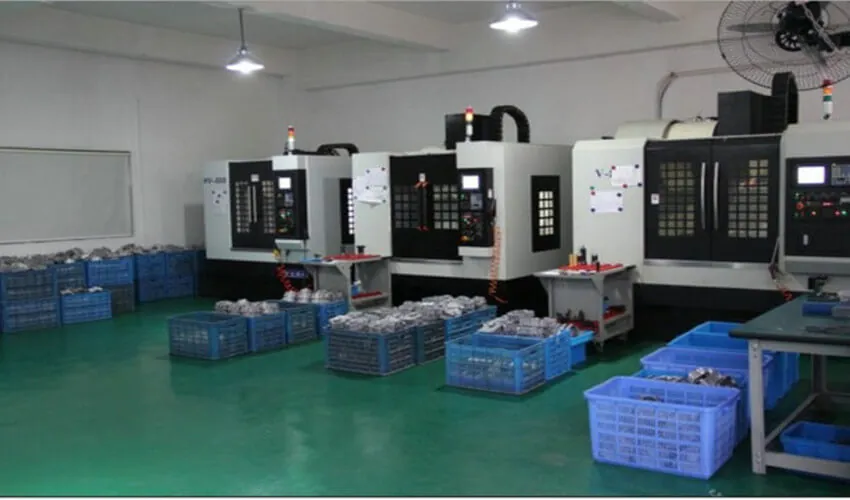
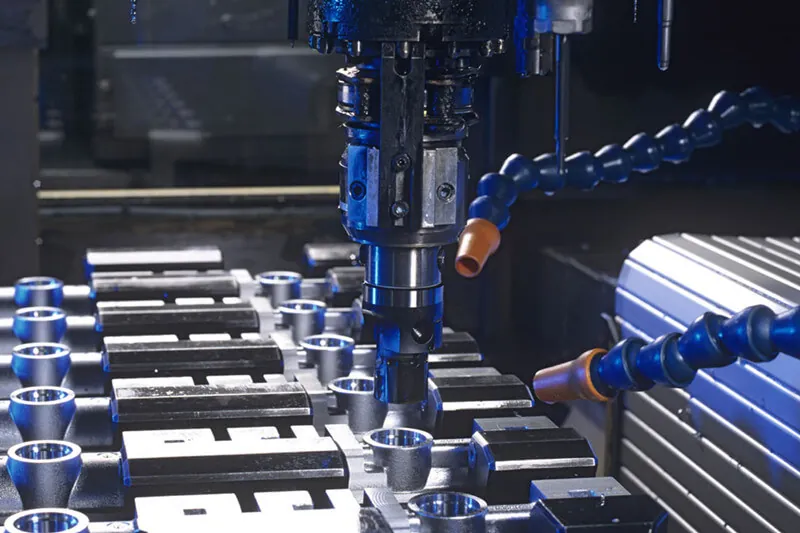
Titanium is renowned for its exceptional strength-to-density ratio, corrosion resistance, and performance under extreme temperatures. These properties make it ideal for aerospace, defense, and high-performance automotive applications. However, titanium’s low thermal conductivity and high chemical reactivity present significant machining challenges. It tends to work-harden rapidly, demands slower cutting speeds, and requires rigid setups to avoid deflection. At Lead Precision, our CNC machining centers are calibrated specifically for titanium, utilizing high-torque spindles, specialized coatings, and optimized coolant delivery to maintain dimensional accuracy within ±0.005 mm.

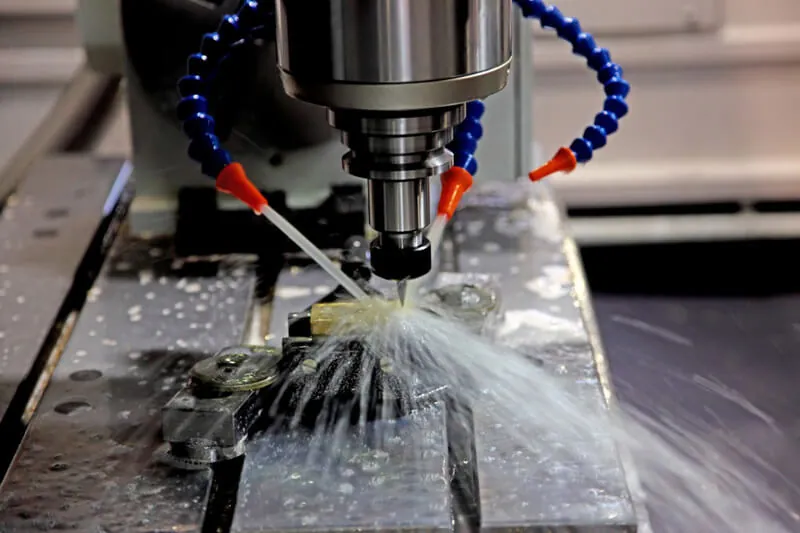
Aluminum, by contrast, offers excellent machinability, high thermal conductivity, and lower weight. It is widely used in consumer electronics, transportation, and sporting goods where speed of production and lightweight design are paramount. While easier to machine than titanium, aluminum is prone to deformation under heat and pressure, particularly in thin-walled geometries. Achieving precision in aluminum components demands advanced fixturing, high-speed machining strategies, and real-time tool wear monitoring—processes we have refined through years of producing mission-critical parts for international clients.

The decision between titanium and aluminum must account not only for end-use requirements but also for the precision capabilities of the manufacturer. At Wuxi Lead, our ISO-certified facility combines German-engineered CNC equipment with in-house metallurgical analysis to ensure every component meets the most stringent tolerances. Whether producing titanium structural brackets for unmanned aerial vehicles or lightweight aluminum housings for precision instruments, our process is rooted in data-driven quality control and decades of applied engineering excellence.

Below is a comparative overview of key physical and machining properties:

Property Titanium (Grade 5, Ti-6Al-4V) Aluminum (Grade 6061-T6)
Density (g/cm³) 4.43 2.70
Tensile Strength (MPa) 900–950 310
Yield Strength (MPa) 830 276
Thermal Conductivity (W/mK) 6.7 167
Machinability Rating Low High
Typical Tolerance (± mm) 0.005 0.010
Common Applications Aerospace, Military, Medical Automotive, Electronics, Sports Equipment

At Wuxi Lead Precision Machinery, we do not simply cut metal—we engineer performance. Our mastery of both titanium and aluminum ensures that every component we produce meets the highest standards of precision, reliability, and functional integrity.


Precision Specs & Tolerances

titanium versus aluminum manufacturing

Precision Machining Capabilities for Titanium and Aluminum Alloys

At Wuxi Lead Precision Machinery, we specialize in high-integrity machining of aerospace-grade titanium (Ti-6Al-4V) and high-strength aluminum (7075-T6), where material behavior directly dictates process strategy. Titanium’s low thermal conductivity and high reactivity demand aggressive heat management and specialized toolpath sequencing to prevent work hardening and tool deflection. Aluminum’s superior thermal dissipation allows higher feed rates but introduces risks of burring and dimensional instability during high-speed contouring. Our technical approach addresses these divergent challenges through integrated hardware and metrology systems, ensuring repeatable outcomes for mission-critical components.

Our DMG MORI CTX beta 1250 5-axis CNC platforms feature high-torque spindles (18,000 RPM) and thermal compensation systems essential for maintaining dimensional stability during extended titanium roughing cycles. For aluminum, we deploy high-speed spindles (42,000 RPM) with adaptive control to minimize chatter in thin-wall structures. All machines operate within a climate-controlled facility (20±1°C), mitigating thermal drift that disproportionately affects titanium’s coefficient of thermal expansion (8.6 µm/m·°C vs. aluminum’s 23.6 µm/m·°C). This environmental precision is non-negotiable for tolerances below ±0.025mm.

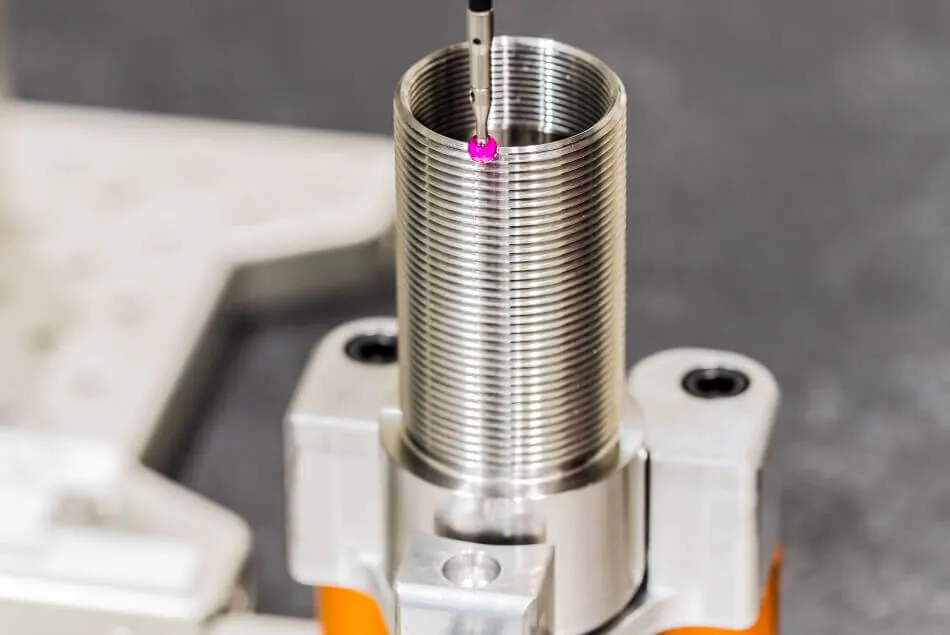
Tolerance execution is validated through our Zeiss CONTURA G3 CMM with 0.0008mm volumetric accuracy, programmed to ISO 10360-2 standards. The following table reflects achievable tolerances under controlled production conditions:

Material Standard Tolerance (ISO 2768-mK) Achievable Tolerance at Wuxi Lead Key Process Considerations
Titanium (Ti-6Al-4V) ±0.1 mm ±0.005 mm Rigid fixturing required; coolant-through tools mandatory to manage heat; step-over reduced by 30% vs. aluminum
Aluminum (7075-T6) ±0.05 mm ±0.003 mm High-speed machining enabled; burr control via optimized exit strategies; thermal soak time critical for precision bores

Quality assurance extends beyond dimensional validation. For titanium, we implement in-process surface roughness verification (Ra ≤ 0.8 µm) to detect micro-galling from residual stresses. Aluminum components undergo post-machining stress-relief simulation via CMM thermal mapping, correcting for latent distortion. Every batch includes material traceability to mill certificates and full GD&T reporting, with first-article inspection data shared digitally within 24 hours of completion.

Our process rigor transforms material limitations into engineered advantages: titanium components achieve fatigue resistance for 10,000+ flight cycles, while aluminum parts maintain ±0.01mm flatness across 500mm spans for optical mounting surfaces. This capability stems from synchronizing machine dynamics, thermal protocols, and metrology—proven across 1,200+ annual aerospace and medical device projects. Wuxi Lead delivers not just parts, but documented process integrity for your most demanding applications.


Material & Finish Options

titanium versus aluminum manufacturing

Material Selection in High-Precision CNC Manufacturing: Titanium vs. Aluminum vs. Steel

Selecting the appropriate material for custom metal components is critical in achieving optimal performance, durability, and cost-efficiency. At Wuxi Lead Precision Machinery, we specialize in precision CNC machining of high-performance metals including aluminum, titanium, and steel. Each material offers distinct mechanical properties, making them suitable for different industrial applications ranging from aerospace and medical devices to automotive and energy systems.

Aluminum stands out for its excellent strength-to-weight ratio, corrosion resistance, and machinability. It is particularly favored in industries where weight reduction is essential without sacrificing structural integrity. The 6061 and 7075 aluminum alloys are commonly used for prototypes, enclosures, and structural components due to their weldability and response to heat treatment. Aluminum is also highly compatible with anodizing, a surface finishing process that enhances wear and corrosion resistance while allowing for color coding and improved aesthetics.

Titanium, particularly Grade 5 (Ti-6Al-4V), offers superior strength, exceptional corrosion resistance, and the ability to perform under extreme temperatures. Its biocompatibility makes it the material of choice for medical implants, while its performance in high-stress environments suits aerospace and marine applications. Although titanium is more challenging to machine due to its low thermal conductivity and tendency to gall, our advanced CNC equipment and tooling strategies ensure tight tolerances and high surface quality.

Steel, especially stainless steel grades such as 304 and 17-4 PH, provides high tensile strength, durability, and resistance to wear. It is ideal for applications requiring rigidity and long-term reliability in harsh environments. While heavier than aluminum and titanium, steel offers excellent machinability and can be treated with various surface finishes, including passivation and polishing, to enhance performance.

Anodizing is a key finishing process for aluminum components. This electrochemical treatment creates a durable, non-conductive oxide layer that improves surface hardness and protects against environmental degradation. Hard anodizing (Type III) is recommended for parts exposed to high abrasion or corrosive conditions.

Below is a comparison of key mechanical properties for commonly machined materials at Wuxi Lead Precision Machinery.

Material Density (g/cm³) Tensile Strength (MPa) Yield Strength (MPa) Hardness (HB) Common Applications
Aluminum 6061 2.7 310 276 95 Aerospace frames, enclosures
Aluminum 7075 2.8 572 503 150 High-stress structural parts
Titanium Ti-6Al-4V 4.4 900 830 360 Medical implants, jet engines
Stainless Steel 304 8.0 515 205 210 Food processing, chemical plants
Stainless Steel 17-4 PH 7.8 1000 850 310 Aerospace fittings, valves

Understanding material characteristics and finish options enables smarter design decisions. Wuxi Lead Precision Machinery supports clients in selecting the optimal combination of material and surface treatment to meet technical requirements and production goals.


Manufacturing Process & QC

titanium versus aluminum manufacturing

Titanium Versus Aluminum: Precision Production Process Execution

Material selection fundamentally dictates the manufacturing pathway for critical components. At Wuxi Lead Precision Machinery, our engineering-driven process ensures optimal outcomes whether working with demanding titanium alloys or versatile aluminum grades. We implement a rigorously controlled sequence from initial design through to certified mass production, engineered for zero defects in high-stakes applications like aerospace and medical devices.

The design phase begins with deep material analysis. Titanium’s exceptional strength-to-weight ratio and biocompatibility come with challenges: low thermal conductivity, high chemical reactivity, and significant springback. This necessitates specialized toolpath strategies and robust fixturing in the CNC programming stage. Aluminum, while easier to machine with superior thermal dissipation, requires precise control of cutting parameters to prevent built-up edge and dimensional instability due to its softness and thermal expansion. Our engineers utilize advanced simulation software to model material behavior under load and during machining, preempting potential failures before metal is cut. This virtual validation is non-negotiable for achieving first-time-right results.

Prototyping transitions virtual models into physical reality under full production scrutiny. Titanium prototypes undergo meticulous process validation using carbide or polycrystalline diamond (PCD) tooling, often with cryogenic cooling to manage heat and prevent contamination. Aluminum prototypes leverage high-speed machining strategies but demand stringent surface finish and dimensional checks to counter chatter and deformation. Every prototype is subjected to comprehensive metrology, including CMM and optical scanning, verifying conformity to the simulated model and identifying any necessary process refinements. This stage is critical for de-risking the final production run.

Mass production executes the perfected process with unwavering discipline. For titanium, we employ dedicated machines with enhanced rigidity, strict tool wear monitoring, and inert atmosphere controls where necessary to prevent oxidation. Aluminum production utilizes optimized high-feed rates but incorporates real-time SPC (Statistical Process Control) to detect minute thermal drifts. Our zero-defect mandate is enforced through multi-stage in-process inspections, 100% final dimensional verification against AS9100/ISO 13485 standards, and full traceability of material heat numbers and process parameters. Automated vision systems complement manual checks, ensuring every component meets the exacting tolerances demanded by our global clients.

Material properties directly govern achievable precision and process stability. The table below highlights key differences impacting production:

Material Property Titanium (Grade 5) Aluminum (7075-T6) Critical Process Adjustment
Density (g/cm³) 4.43 2.81 Titanium requires heavier fixturing
Machinability Rating 22% 75% Titanium needs 40-60% slower feed rates
Thermal Conductivity (W/m·K) 7.2 130 Titanium demands aggressive cooling strategies
Thermal Expansion (µm/m·°C) 8.6 23.6 Aluminum requires real-time thermal compensation

This systematic approach – grounded in material science, validated through prototyping, and executed with closed-loop quality control – transforms complex titanium and aluminum designs into flawless, certified precision components. Wuxi Lead delivers not just parts, but guaranteed performance.


Why Choose Wuxi Lead Precision

When evaluating titanium versus aluminum for high-performance applications, the decision extends beyond material properties—it hinges on precision engineering, advanced manufacturing capabilities, and a partner with deep technical expertise. At Wuxi Lead Precision Machinery, we specialize in custom metal manufacturing for industries where performance, reliability, and consistency are non-negotiable. Whether you’re designing aerospace components, medical devices, or high-stress industrial systems, selecting the right material is only the beginning. The real value lies in how that material is transformed.

Titanium offers exceptional strength-to-density ratio, corrosion resistance, and performance at elevated temperatures, making it ideal for extreme environments. Aluminum, by contrast, provides excellent thermal and electrical conductivity, is significantly lighter, and offers superior machinability and cost efficiency for high-volume production. Each material presents unique challenges in CNC machining, heat treatment, and surface finishing—challenges that demand more than standard equipment and generalist experience.

At Lead Precision, we combine state-of-the-art 5-axis CNC machining centers, coordinate measuring machines (CMM), and strict ISO 9001-certified quality control processes to deliver components that meet exacting tolerances and surface specifications. Our engineering team works collaboratively with clients to optimize designs for manufacturability, selecting appropriate toolpaths, coolants, and fixturing strategies tailored to the nuances of titanium’s low thermal conductivity or aluminum’s tendency toward burring and deformation.

Below is a comparative overview of key mechanical and machining characteristics to inform your material selection:

Property Titanium (Grade 5, Ti-6Al-4V) Aluminum (Grade 6061-T6)
Density (g/cm³) 4.43 2.70
Tensile Strength (MPa) 900–950 310
Yield Strength (MPa) 830 276
Thermal Conductivity (W/mK) 6.7 167
Machinability Rating Low (30–40% of steel) High (90% of steel)
Corrosion Resistance Excellent Good (with anodizing)
Typical Surface Finish (Ra) 0.8–1.6 μm 0.4–0.8 μm
Common Applications Aerospace, medical implants Enclosures, heat sinks

Choosing between titanium and aluminum is not a one-size-fits-all decision. It requires a manufacturing partner who understands material behavior at the micro level and can adapt processes to maintain integrity across production runs. At Wuxi Lead Precision Machinery, we don’t just machine metal—we engineer solutions. Our track record with global clients in aerospace, energy, and advanced automation reflects our commitment to precision, scalability, and technical transparency.

Partner with a team that treats your specifications as mission-critical. Contact us today at [email protected] to discuss your next project with engineers who speak the language of metal.


⚙️ Precision Cost Estimator

Estimate relative manufacturing effort based on tolerance.

Titanium Versus Aluminum Manufacturer | Precision CNC Guide

Contents of Table

Contact [email protected] Whatsapp 86 15951276160