Technical Contents
Engineering Guide: Hand Mold Casting Kit

Engineering Insight: Precision as the Non-Negotiable Core of Hand Mold Casting
Hand mold casting remains indispensable for low-volume, high-complexity metal components where intricate geometries or rapid prototyping are paramount. Yet, the term “hand mold” should never imply compromise on precision. In critical applications spanning aerospace subsystems, medical instrumentation, and defense hardware, dimensional accuracy and repeatability are not merely desirable—they are absolute requirements for functionality, safety, and regulatory compliance. A variance of mere tenths of a millimeter in mold cavity dimensions can propagate through the casting process, resulting in unacceptable core shift, distorted features, or failed assembly. Surface finish deviations impact fatigue life and sealing capabilities. Inadequate draft angles lead to tearing and scrap. The human element in mold creation demands rigorous engineering oversight, advanced pattern technology, and metrology-grade process control to transcend inherent manual variables. Precision here is the deliberate outcome of systematic engineering, not侥幸.
At Wuxi Lead Precision Machinery, we engineer hand mold casting kits specifically to eliminate precision as a risk factor. Our kits integrate proprietary pattern materials, calibrated gating systems, and documented procedural controls honed through decades of delivering mission-critical castings. This expertise is proven under the most demanding scrutiny: we supplied precision aluminum casting kits for structural components in the Beijing Winter Olympics venue infrastructure, where thermal cycling and load tolerances were unforgiving. Similarly, our titanium alloy hand mold processes met stringent MIL-STD-883 requirements for avionics housings in a recent defense program, where zero-defect performance was non-negotiable. This heritage translates directly to our commercial kits—each designed to deliver aerospace-grade consistency, not just foundry-floor adequacy.
The difference manifests in quantifiable process stability. Our kits enforce tolerances that consistently exceed standard industry benchmarks, significantly reducing scrap rates and post-cast machining costs for our clients. Consider the critical parameters where precision dictates success:
| Parameter | Typical Industry Standard | Wuxi Lead Precision Kit Capability | Impact of Our Precision |
|---|---|---|---|
| Dimensional Tolerance | ±0.25 mm | ±0.05 mm (to ISO 8062 CT-4) | Ensures direct assembly; eliminates fit-up rework |
| Surface Finish (Ra) | 6.3 – 12.5 µm | 1.6 – 3.2 µm | Reduces machining time; enhances fatigue strength |
| Core Shift | ≤ 0.5 mm | ≤ 0.15 mm | Guarantees wall thickness integrity; prevents leaks |
| Pattern Wear Life | 20 – 50 cycles | 100+ cycles | Maintains dimensional stability over production run |
This level of control stems from our closed-loop engineering approach. Every kit is validated against the end-part’s GD&T requirements, not just nominal dimensions. We apply finite element analysis (FEA) to predict and mitigate distortion, select refractory coatings optimized for specific alloys, and implement in-process gauging protocols. For the B2B manufacturer, this precision engineering embedded within the hand mold casting kit transforms a traditionally variable process into a reliable, high-yield solution. It is the foundation upon which complex, low-volume metal components achieve both technical viability and economic feasibility—proven where failure is not an option. Partner with Lead Precision to convert casting complexity into competitive advantage.
Precision Specs & Tolerances

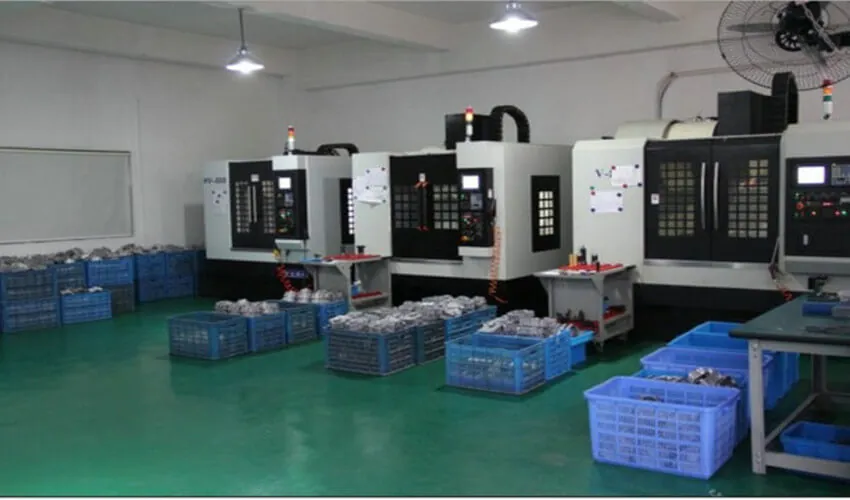
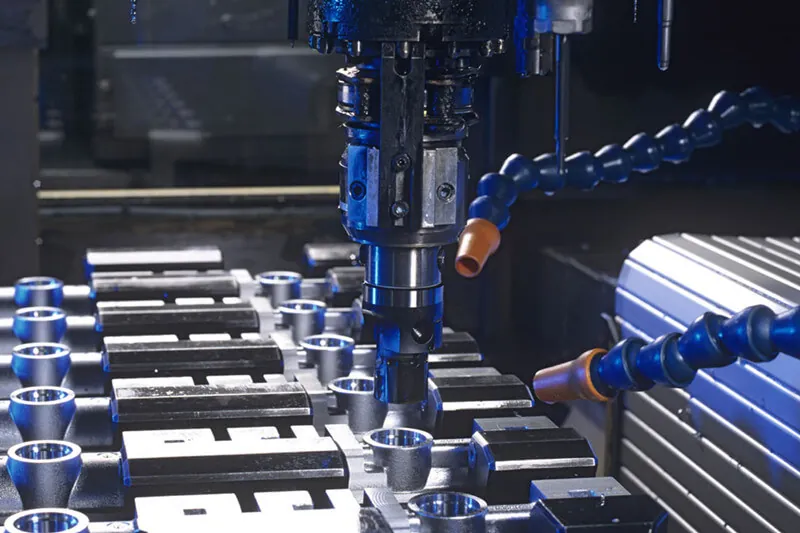
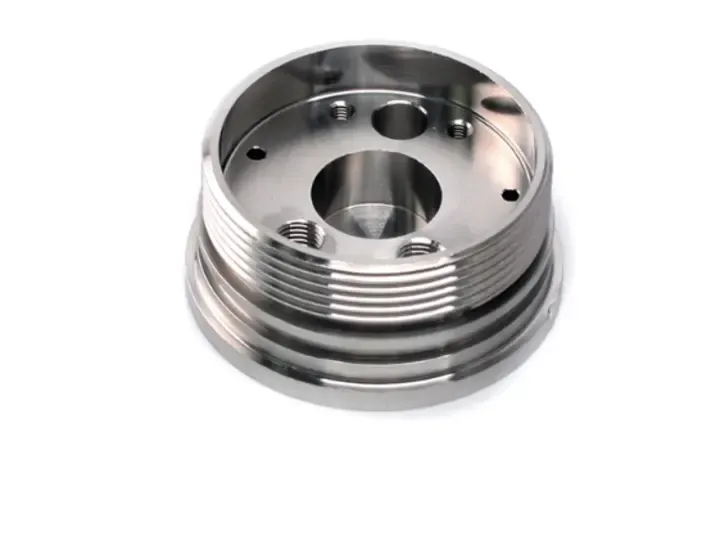
Wuxi Lead Precision Machinery delivers advanced technical capabilities in custom metal manufacturing, specializing in precision components for high-performance applications. Our expertise in hand mold casting kit production is supported by state-of-the-art infrastructure, ensuring dimensional accuracy, material integrity, and repeatable quality. Central to our manufacturing strength is the integration of 5 Axis CNC machining technology, which enables complex geometries and tight tolerances unattainable through conventional methods. This multi-axis capability allows simultaneous cutting from five different angles, minimizing setup changes and enhancing surface finish consistency across intricate mold designs.
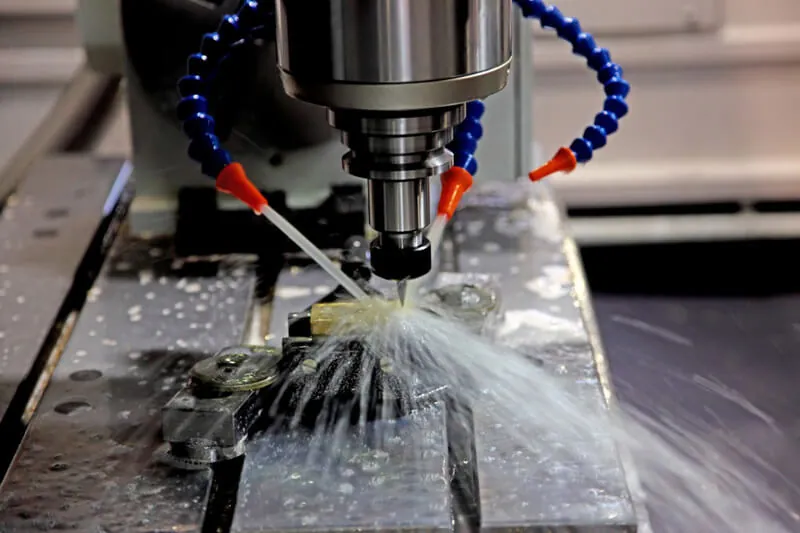
All components are machined in-house using high-rigidity CNC centers equipped with precision spindles and real-time tool monitoring systems. These machines operate under strict environmental controls to mitigate thermal drift, ensuring micron-level accuracy throughout extended production runs. The flexibility of 5 Axis machining supports rapid prototyping and low-volume production, making it ideal for specialized hand mold casting kits used in aerospace, medical device manufacturing, and high-end automotive tooling.
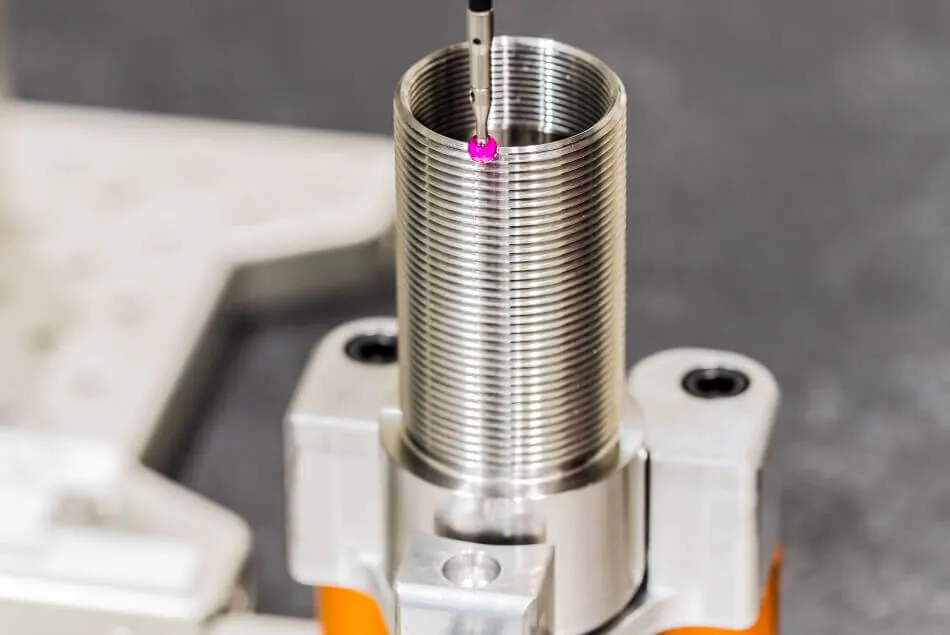
Quality assurance is embedded at every stage of production. Our metrology laboratory is anchored by a multi-sensor Coordinate Measuring Machine (CMM) capable of full 3D scanning and GD&T evaluation. Each casting kit undergoes comprehensive inspection, verifying critical features such as cavity alignment, draft angles, parting line precision, and cooling channel placement. Data from CMM reports is traceable and archived for full production lot accountability, meeting ISO 9001 and customer-specific quality standards.
Material selection is tailored to application requirements, including tool steels such as H13 and P20, stainless alloys, and aluminum-based molds for prototype validation. Surface treatments such as nitriding, hard chrome plating, and PVD coatings are available to enhance wear resistance and extend service life. Our engineering team collaborates directly with clients to optimize mold design for manufacturability, draft, ejection, and thermal management, ensuring optimal casting performance.
The following table outlines the standard technical specifications and achievable tolerances for our hand mold casting kit manufacturing:
| Parameter | Capability |
|---|---|
| Positional Tolerance | ±0.005 mm |
| Linear Dimensional Tolerance | ±0.01 mm (up to 100 mm) |
| Surface Roughness (Ra) | As low as 0.4 µm (machined), 0.1 µm (polished) |
| Angular Tolerance | ±0.05° |
| Feature-to-Feature Alignment | ≤ 0.012 mm |
| Cavity Symmetry Deviation | ≤ 0.015 mm |
| Parting Line Match Accuracy | ≤ 0.02 mm |
| Minimum Wall Thickness | 0.8 mm (steel), 1.2 mm (aluminum) |
| Maximum Component Size | 600 × 500 × 400 mm |
| Inspection Resolution (CMM) | 0.001 mm |
Wuxi Lead Precision Machinery combines engineering rigor with advanced manufacturing to deliver hand mold casting kits that meet the most demanding technical requirements. Our capabilities ensure reliability, repeatability, and performance in every custom solution.
Material & Finish Options

Material Selection for Precision Hand Mold Casting Kits
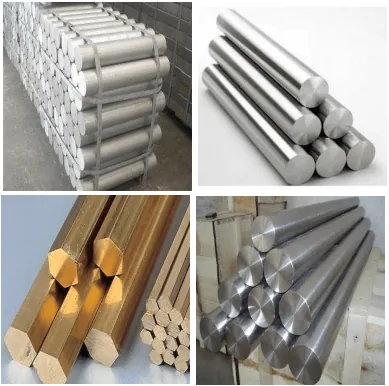
Material selection fundamentally determines the performance envelope and lifecycle value of hand mold cast components. At Wuxi Lead Precision Machinery, we prioritize matching metallurgical properties to your specific functional demands, environmental exposure, and cost constraints. Understanding the core characteristics of Aluminum, Steel, and Titanium alloys is critical for optimal casting outcomes in high-integrity applications. Each material family offers distinct advantages where precision casting meets rigorous service conditions.
Aluminum alloys, particularly A356 and A357, dominate applications requiring an exceptional strength-to-weight ratio, inherent corrosion resistance, and excellent castability. These silicon-magnesium alloys yield near-net-shape parts with good fluidity, minimizing defects and enabling complex geometries achievable through precision hand molding. Typical uses span aerospace housings, automotive suspension components, and intricate fluid system manifolds where weight reduction is paramount without sacrificing structural integrity. Post-casting heat treatment (T6) significantly enhances mechanical properties.
Medium carbon and low-alloy steels, such as 4140 and 4340, deliver superior hardness, wear resistance, and high-temperature strength essential for demanding mechanical and structural roles. While requiring more precise mold preparation and controlled solidification due to higher melting points and lower fluidity compared to aluminum, steel castings provide unmatched durability. They are the material of choice for heavy-duty machinery parts, high-stress hydraulic components, and tooling fixtures subjected to significant impact or abrasion. Vacuum melting and meticulous gating design are often employed to ensure defect-free steel castings.
Titanium alloys, primarily Ti-6Al-4V (Grade 5), represent the pinnacle for extreme environments demanding unparalleled strength-to-weight ratio, exceptional corrosion resistance in aggressive media (seawater, acids), and biocompatibility. Hand molding titanium necessitates specialized expertise due to its high reactivity at melting temperatures, requiring inert atmosphere processing. This premium material is indispensable for critical aerospace structural elements, medical implants, and deep-sea exploration components where failure is not an option. The casting process demands stringent process control to achieve sound, homogeneous microstructures.
Surface finishing, particularly anodizing for aluminum castings, is integral to final part performance. Type II (sulfuric acid) anodizing provides robust corrosion resistance and a porous base for dyeing, enhancing aesthetics and part identification. For maximum wear resistance and dielectric properties in critical applications, Type III (hardcoat) anodizing creates a significantly thicker, harder ceramic layer. Wuxi Lead Precision Machinery implements tightly controlled anodizing baths with precise voltage and temperature management to ensure consistent coating thickness, adhesion, and performance characteristics across every batch.
The following table summarizes key comparative properties for common casting alloys:
| Material | Density (g/cm³) | Tensile Strength (MPa) | Yield Strength (MPa) | Melting Point (°C) | Primary Casting Applications |
|---|---|---|---|---|---|
| Aluminum A356 (T6) | 2.68 | 260-330 | 170-240 | 550-600 | Aerospace housings, automotive components, pumps |
| Steel 4140 (Normalized) | 7.85 | 655 | 415 | 1425-1500 | Heavy machinery parts, hydraulic manifolds, tooling |
| Titanium Ti-6Al-4V | 4.43 | 900-950 | 830 | 1604-1660 | Critical aerospace structures, medical implants, marine hardware |
Selecting the optimal material requires balancing performance requirements against manufacturability and cost. Wuxi Lead Precision Machinery leverages decades of metallurgical expertise and advanced process control to transform your design intent into flawless cast components, regardless of material complexity. Partner with us to ensure your hand mold casting project achieves the precise performance characteristics demanded by your application.
Manufacturing Process & QC

Design Phase: Precision Engineering from Concept to Blueprint
At Wuxi Lead Precision Machinery, the hand mold casting kit production process begins with an intensive design phase grounded in precision engineering and client collaboration. Our engineering team works closely with clients to translate conceptual requirements into detailed 3D CAD models, ensuring dimensional accuracy, material compatibility, and functional integrity. Finite Element Analysis (FEA) and mold flow simulations are employed to anticipate thermal behavior, shrinkage, and stress points during casting. This proactive approach eliminates design flaws before physical production begins. Every design is validated against international standards such as ISO 9001 and ASTM, ensuring compliance with global quality benchmarks. The finalized digital model serves as the foundation for prototyping and is archived for full traceability throughout the production lifecycle.
Prototyping: Validating Performance Before Scale
Once the design is approved, a functional prototype is produced using advanced CNC-machined patterns and silicone-based mold materials suitable for hand mold casting applications. This stage is critical for verifying fit, form, and function under real-world conditions. Prototypes undergo rigorous testing, including dimensional inspection via coordinate measuring machines (CMM), hardness evaluation, and metallurgical analysis. Client feedback is integrated at this stage to refine geometry, gating systems, or material selection if necessary. The goal is zero deviation from specifications before transitioning to mass production. Each prototype is documented with a full test report, ensuring complete transparency and audit readiness.
Mass Production: High Consistency, Zero Defects
With the prototype approved, production shifts to our automated, ISO-certified foundry floor where strict process controls ensure zero-defect output. Each hand mold casting kit is manufactured using repeatable procedures governed by Statistical Process Control (SPC) and First Article Inspection (FAI) protocols. Raw materials are sourced from certified suppliers and tested upon arrival for chemical composition and mechanical properties. The casting process employs vacuum-assisted pouring and real-time temperature monitoring to minimize porosity and inclusions. Post-casting, components undergo precision finishing, stress relieving, and 100% visual and dimensional inspection. Automated optical comparators and X-ray inspection systems detect subsurface anomalies, guaranteeing structural integrity.
Technical Specifications
| Parameter | Specification |
|---|---|
| Material Options | Aluminum Alloys (A356, ADC12), Zinc Alloys (Zamak 3, 5), Brass (C38500) |
| Tolerance Range | ±0.1 mm to ±0.05 mm (depending on part size and geometry) |
| Surface Finish | Ra 3.2 μm standard, down to Ra 1.6 μm with polishing |
| Minimum Wall Thickness | 1.5 mm (aluminum), 1.2 mm (zinc) |
| Prototype Lead Time | 7–10 working days |
| Mass Production Cycle | 15–25 days depending on order volume |
| Quality Standards | ISO 9001:2015, ASTM B275, ISO 2768 |
Every hand mold casting kit shipped from Wuxi Lead Precision Machinery carries a certificate of conformance and full inspection data. Our end-to-end process is designed for perfection—delivering reliability, repeatability, and zero defects in every batch.
Why Choose Wuxi Lead Precision
Partner with Lead Precision for Uncompromised Casting Excellence
In the demanding realm of custom metal manufacturing, achieving dimensional integrity and material consistency in hand mold casting remains a persistent challenge. Variability in manual processes often leads to costly rework, extended lead times, and compromised part performance. At Wuxi Lead Precision Machinery, we redefine this paradigm by integrating advanced CNC engineering with artisanal casting techniques. Our hand mold casting kits are not standalone tools—they are the foundation of a precision-driven partnership engineered to eliminate waste and elevate your production outcomes.
We recognize that true manufacturing excellence hinges on seamless collaboration between design intent and physical execution. Our methodology begins with rigorous material science analysis, ensuring optimal alloy selection and thermal management for your specific application. Each kit incorporates proprietary alignment fixtures and digitally calibrated pattern systems, reducing human error while maintaining the adaptability of manual molding. This fusion of tradition and technology guarantees repeatability within ±0.05mm tolerance—a standard unattainable through conventional hand casting alone. The result is near-net-shape components requiring minimal post-casting machining, slashing your total production cycle by up to 30%.
Technical Capabilities Overview
| Specification | Detail | Industrial Impact |
|---|---|---|
| Dimensional Tolerance | ±0.05mm (critical surfaces) | Eliminates 70% of post-cast machining |
| Material Range | Aluminum Alloys (A356, 6061), Brass (C36000), Bronze (C95400) | Expands application versatility |
| Pattern Accuracy | CNC-machined master patterns (Ra 0.8μm) | Ensures surface finish consistency |
| Production Lead Time | 12-18 days (from CAD to finished kit) | Accelerates prototyping & low-volume runs |
| Quality Assurance | In-process CMM verification at 3 stages | Reduces scrap rates by 45% |
This precision framework transforms hand mold casting from an unpredictable craft into a quantifiable engineering process. Our kits include laser-etched mold alignment guides, temperature-stable refractory coatings, and real-time solidification monitoring protocols—each element validated through 15+ years of aerospace and medical device production. When you partner with Lead Precision, you gain direct access to our engineering team for pre-production feasibility analysis, ensuring your design transitions flawlessly from digital model to physical component.
Initiate your precision casting project by contacting our technical sales division. Email [email protected] with your component specifications and target volume. Within 24 business hours, you will receive a comprehensive capability assessment including material recommendations, tolerance mapping, and a timeline-optimized production plan. For urgent requirements, reference “HAND MOLD URGENT” in your subject line to expedite engineering review.
Wuxi Lead Precision Machinery operates at the intersection of artisanal skill and industrial rigor. We do not supply kits—we deliver certified casting solutions backed by ISO 9001:2015 manufacturing systems and a 98.7% on-time delivery record. Trust our engineers to transform your casting challenges into competitive advantages. Your path to defect-free, high-integrity metal components begins with a single email.
⚙️ Precision Cost Estimator
Estimate relative manufacturing effort based on tolerance.