Technical Contents
Engineering Guide: Affordable Sheet Metal

Engineering Insight: The True Value of Precision in Affordable Sheet Metal Fabrication
In the world of industrial manufacturing, the term “affordable sheet metal” often raises concerns about trade-offs in quality, consistency, or performance. However, at Wuxi Lead Precision Machinery, we redefine affordability—not by reducing standards, but by optimizing precision engineering to deliver high-performance sheet metal components at competitive costs. True affordability in sheet metal fabrication is not measured solely by initial price, but by the total value derived from accuracy, repeatability, and long-term reliability.
Precision is the cornerstone of modern sheet metal fabrication. Even minor deviations in cut dimensions, bend angles, or hole placement can cascade into costly assembly failures, increased scrap rates, or compromised structural integrity. In mission-critical applications such as aerospace, defense, and large-scale infrastructure—sectors where Wuxi Lead has delivered components for Olympic projects and military-grade systems—tolerances are not negotiable. Our engineering approach ensures that every laser cut, press brake operation, and forming process adheres to ISO 2768 and DIN 6930 standards, maintaining tolerances as tight as ±0.1 mm for cutting and ±0.2° for bending.
Our experience with high-profile projects has reinforced a fundamental principle: precision drives efficiency. When parts are manufactured to exact specifications the first time, downstream processes such as welding, assembly, and surface treatment proceed without rework. This reduces labor costs, accelerates lead times, and enhances overall production throughput—key factors in achieving genuine affordability without sacrificing performance.
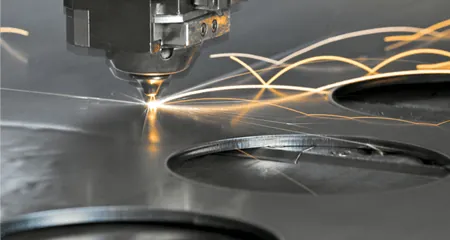
Affordable sheet metal fabrication also depends on intelligent material utilization and process optimization. At Wuxi Lead, we leverage advanced nesting software and high-efficiency fiber laser cutting systems to minimize kerf loss and maximize yield from each metal sheet. Combined with automated bending cells and in-process metrology, our production lines deliver consistent quality across both prototype and high-volume runs.
We serve global clients who demand military-grade reliability but operate under commercial budgets. By integrating lean manufacturing principles with precision engineering, we bridge the gap between cost and capability. The result is sheet metal fabrication that meets rigorous technical demands while remaining economically viable for large-scale deployment.
Below are key precision capabilities that define our sheet metal fabrication process:
| Specification | Capability |
|---|---|
| Material Thickness Range | 0.5 mm – 25 mm (steel), up to 15 mm (aluminum) |
| Laser Cutting Tolerance | ±0.1 mm |
| Punching Tolerance | ±0.15 mm |
| Bending Angle Tolerance | ±0.2° |
| Dimensional Accuracy (ISO 2768) | m (medium) to f (fine) grade |
| Max. Bed Size (Laser Cutting) | 4000 mm × 2000 mm |
| Surface Finish (as standard) | Deburred, oil-free, ready for coating |
At Wuxi Lead Precision Machinery, affordability is not a compromise—it is the outcome of disciplined engineering, proven process control, and decades of experience delivering precision-critical components for some of the most demanding applications in modern manufacturing.
Precision Specs & Tolerances

Precision Sheet Metal Fabrication Capabilities at Wuxi Lead Precision Machinery
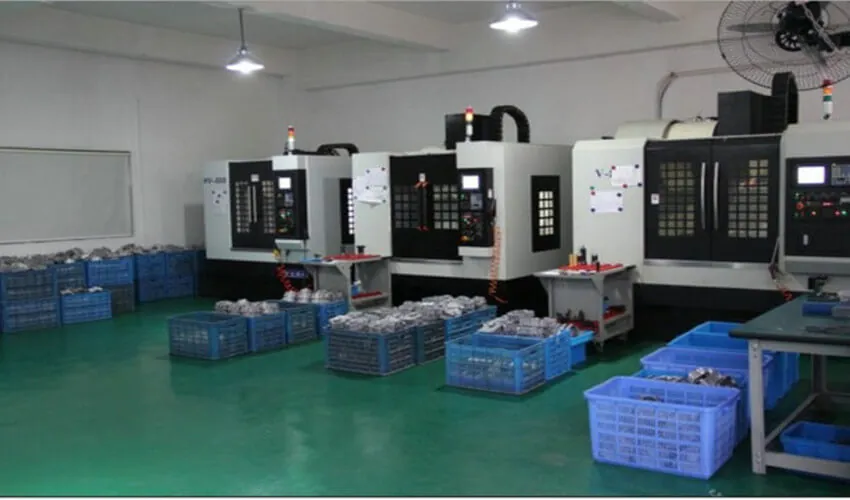
Precision sheet metal fabrication begins with advanced equipment and rigorous process control. At Wuxi Lead Precision Machinery, we deploy a comprehensive suite of modern machinery to deliver complex, high-integrity components while maintaining cost efficiency for our global B2B clients. Our core strength lies in integrating cutting-edge technology with disciplined quality management, ensuring affordability does not compromise on dimensional accuracy or repeatability.
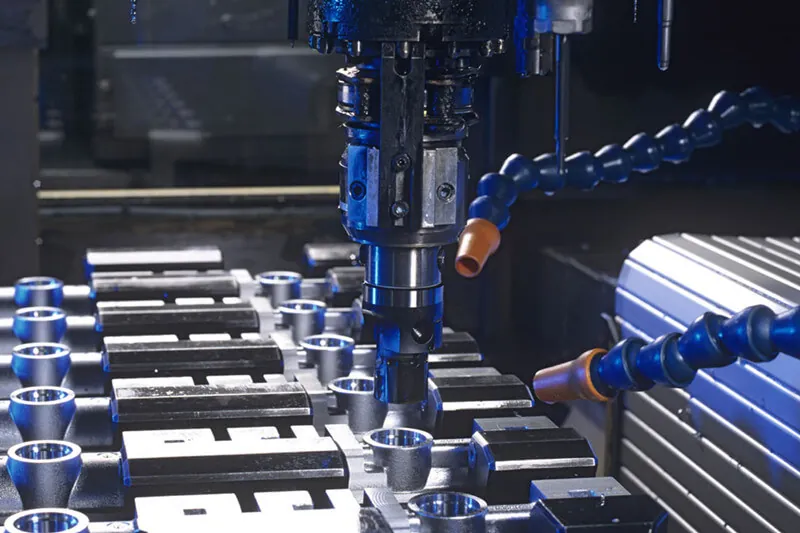
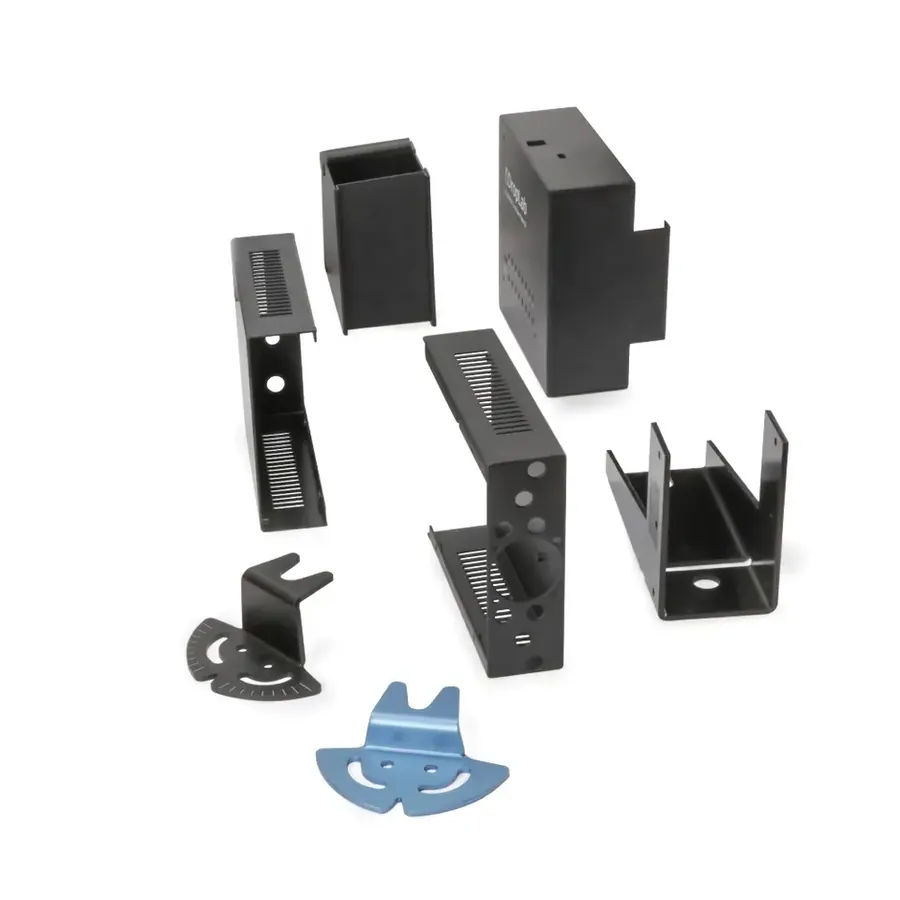
Central to our operation is a fleet of multi-axis CNC systems, including sophisticated 5-axis machining centers. These platforms enable us to tackle intricate geometries and tight-tolerance features in a single setup, significantly reducing handling errors and secondary operations. This capability is critical for producing integrated sheet metal assemblies, complex brackets, and housings common in aerospace, medical, and industrial automation sectors. Complementing this, our high-power fiber laser cutting systems handle materials from 0.5mm to 25mm thickness with exceptional edge quality and minimal heat distortion, supporting both prototyping and high-volume production runs. Automated bending cells with CNC-controlled press brakes ensure consistent angular accuracy across diverse bend sequences.
Our commitment to precision is quantifiable through defined tolerance standards, achievable across standard production volumes. The following table outlines our typical capability ranges for key fabrication processes:
| Process | Dimensional Tolerance | Angular Tolerance | Notes |
|---|---|---|---|
| Laser Cutting | ±0.1 mm | ±0.5° | Up to 20mm mild steel; stainless/aluminum |
| CNC Punching | ±0.15 mm | N/A | Complex contours; high-speed production |
| CNC Bending | ±0.2 mm (linear) | ±0.5° | Repeatability across batches; up to 4m length |
| 5-Axis Milling | ±0.01 mm | ±0.02° | Critical features on formed assemblies |
| Welded Assemblies | ±0.3 mm | ±1.0° | Post-weld machining available |
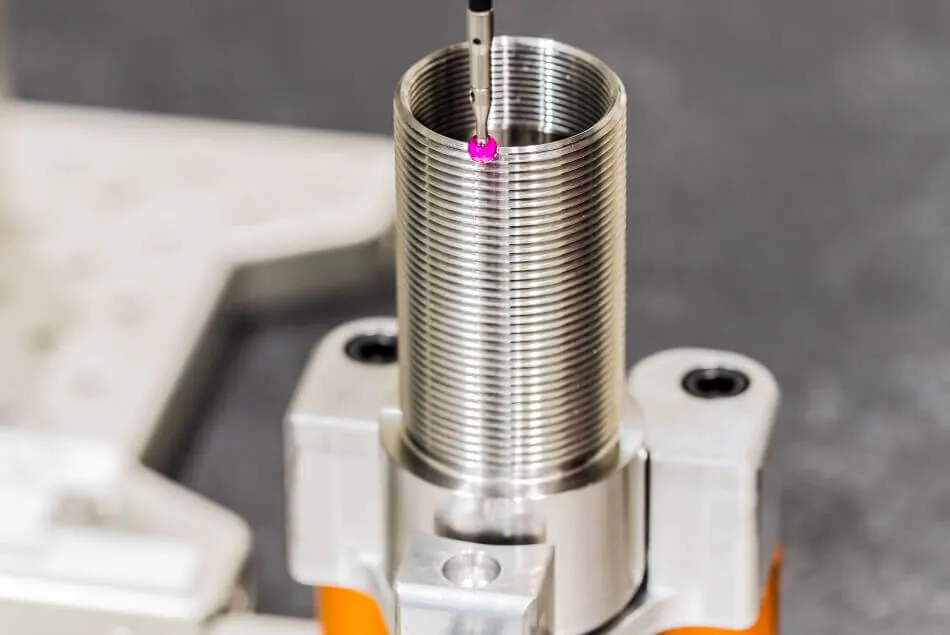
Quality assurance is embedded at every stage, not merely a final checkpoint. All critical dimensions undergo verification using calibrated Coordinate Measuring Machines (CMM) with sub-micron resolution, providing full traceable inspection reports against client CAD models and GD&T specifications. Our ISO 9001-certified quality management system mandates first-article inspection for new programs and statistical process control (SPC) monitoring during extended runs. This proactive approach identifies potential drift before non-conformances occur, minimizing scrap and rework costs – a direct contributor to our ability to offer premium precision at competitive rates.
We understand that true affordability in precision manufacturing stems from right-first-time execution and process stability. By leveraging 5-axis flexibility, maintaining stringent environmental controls in our facility, and applying data-driven quality methods, Wuxi Lead consistently delivers sheet metal components that meet demanding international standards without inflating project costs. Contact us to discuss how our technical capabilities align with your specific fabrication requirements and volume needs.
Material & Finish Options

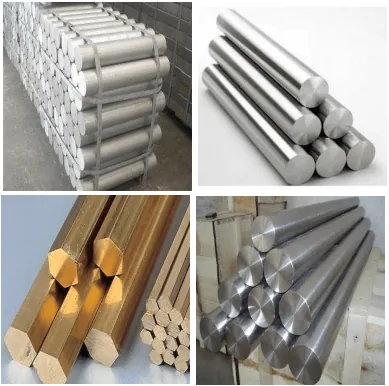
Material selection is a critical phase in sheet metal fabrication, directly influencing product performance, longevity, and cost-efficiency. At Wuxi Lead Precision Machinery, we specialize in delivering precision-engineered solutions tailored to the structural, environmental, and aesthetic demands of modern industrial applications. When selecting base materials for sheet metal components, three primary metals dominate high-performance manufacturing: aluminum, steel, and titanium. Each offers distinct mechanical properties and compatibility with finishing processes such as anodizing, enabling engineers to match material characteristics with project requirements.
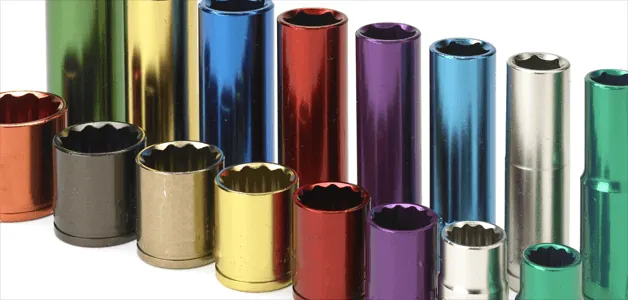
Aluminum stands out for its excellent strength-to-weight ratio, corrosion resistance, and machinability. It is particularly suited for aerospace, transportation, and electronic enclosures where weight reduction is essential. The most commonly used alloy in precision fabrication is 6061-T6, which provides good weldability and moderate strength. Aluminum is also highly compatible with anodizing, a process that enhances surface durability and allows for color coding or branding through dye integration. Anodized aluminum resists wear and corrosion, making it ideal for both indoor and outdoor applications.
Steel, particularly cold-rolled steel (CRS) and stainless steel (e.g., 304 and 316), remains a staple in industrial fabrication due to its high tensile strength and impact resistance. While carbon steel offers superior strength and lower cost, it requires protective coatings such as powder coating or plating to prevent rust. Stainless steel variants provide inherent corrosion resistance, with 316 stainless offering enhanced performance in marine or chemically aggressive environments. Unlike aluminum, steel cannot be anodized, but it can be passivated, plated, or coated to achieve similar protective and aesthetic outcomes.
Titanium, though more expensive, is unmatched in applications demanding extreme strength, high-temperature resistance, and exceptional corrosion performance. It is widely used in aerospace, medical devices, and defense systems. Grade 2 and Grade 5 (Ti-6Al-4V) are the most common sheet forms, offering a balance of formability and structural integrity. Titanium can be anodized, not for thickness enhancement but for precise color control used in part identification or medical instrument coding.
The following table summarizes key properties and fabrication characteristics of these materials:
| Material | Common Alloys | Density (g/cm³) | Tensile Strength (MPa) | Corrosion Resistance | Compatible with Anodizing | Typical Applications |
|---|---|---|---|---|---|---|
| Aluminum | 6061-T6, 5052 | 2.7 | 310 | High | Yes | Enclosures, aerospace, transport |
| Stainless Steel | 304, 316 | 8.0 | 505–585 | Very High | No (passivation only) | Food processing, marine, medical |
| Carbon Steel | 1018, CR10 | 7.85 | 340–440 | Low (requires coating) | No | Structural frames, machinery |
| Titanium | Grade 2, Ti-6Al-4V | 4.5 | 345–900 | Exceptional | Yes (color coding) | Aerospace, medical, defense |
Choosing the right material involves balancing performance needs with cost and manufacturability. At Wuxi Lead, we support clients in selecting optimal materials and finishes, ensuring every fabricated component meets exacting standards for quality and reliability.
Manufacturing Process & QC

Precision Sheet Metal Fabrication: Affordable Excellence Through Zero Defects Process Control
At Wuxi Lead Precision Machinery, we redefine affordability in high-integrity sheet metal fabrication by embedding Zero Defects methodology into every phase of production. True cost efficiency is achieved not through compromise, but through rigorous process control that eliminates waste and rework. Our integrated workflow—Design, Prototyping, Mass Production—ensures consistent, high-yield output meeting exacting global standards while optimizing your total project cost.
The process begins with collaborative Design for Manufacturability (DFM) Analysis. Our engineering team reviews your CAD models to optimize material utilization, simplify forming sequences, and resolve potential interference issues before metal is cut. We employ advanced nesting software to maximize sheet yield and identify features requiring secondary operations early. This proactive engineering step prevents costly design flaws from entering production, directly reducing material waste and machine time—key drivers of affordable unit pricing. All tolerances and critical features are validated against your functional requirements and international standards (ISO 2768, GD&T).
Prototyping is our critical Zero Defects checkpoint. We produce 1-5 functional prototypes using your specified materials and finish. Each prototype undergoes comprehensive metrology: CMM verification of geometric dimensioning, surface roughness testing, and assembly validation. This phase identifies subtle issues like springback miscalculation or weld distortion invisible in simulation. Client approval of the prototype signifies not just form/fit/function acceptance, but validation of the entire production process capability. Investing in this verification stage prevents catastrophic errors during mass production, safeguarding your timeline and budget.
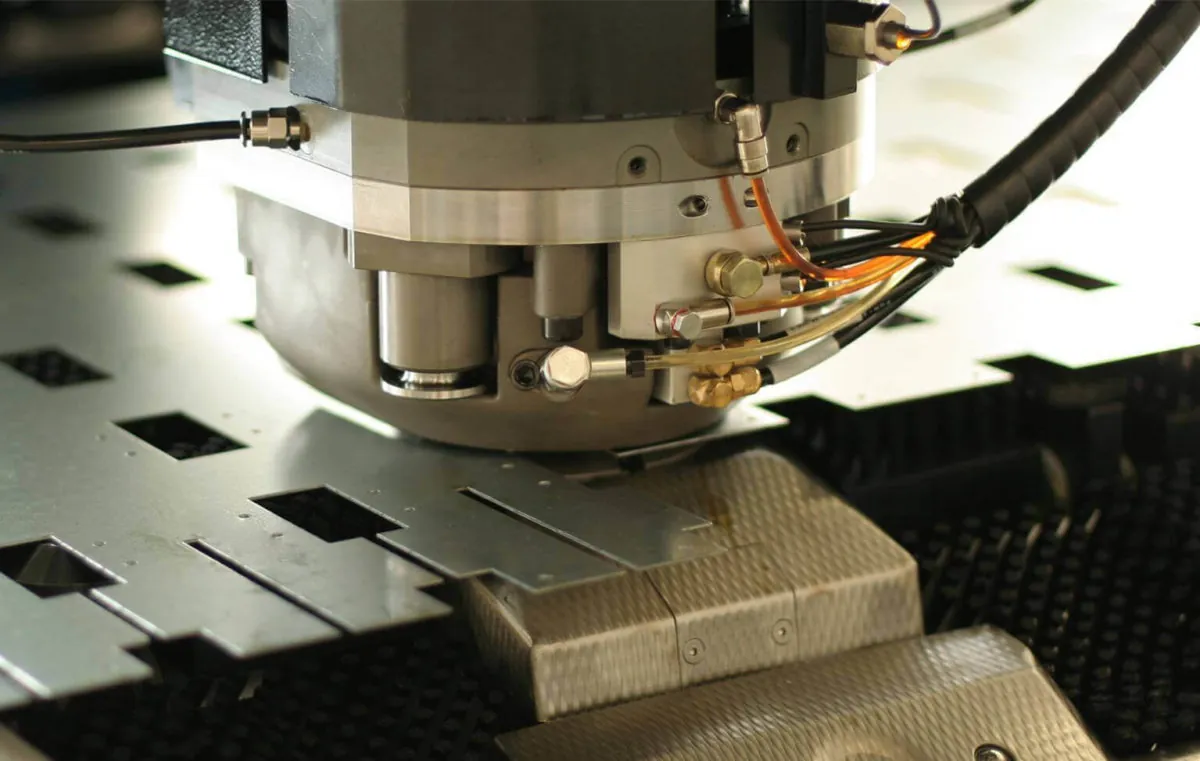
Mass Production executes with closed-loop precision. Utilizing our automated laser cutting cells, CNC turret presses, and robotic bending systems, production runs commence only after final process sign-off. Real-time monitoring tracks key parameters: laser power stability, bend angle feedback, and tool wear. Statistical Process Control (SPC) charts for critical dimensions are maintained hourly. Every 50th part undergoes full first-article inspection; random samples are audited continuously. This systematic approach ensures batch-to-batch consistency, minimizing scrap rates below 0.8% and eliminating end-of-line rework costs. Affordability is sustained through predictable throughput and near-perfect yield.
Our commitment to Zero Defects translates directly to your bottom line. The table below quantifies how our process control delivers superior value:
| Key Performance Indicator | Industry Standard | Wuxi Lead Precision Standard |
|---|---|---|
| Material Yield Rate | 75-82% | 88-93% |
| Dimensional Accuracy (±mm) | ±0.2 | ±0.05 |
| First-Pass Yield | 92-95% | 99.2%+ |
| Avg. Throughput (parts/hr) | Varies widely | Optimized per job spec |
This disciplined progression—from intelligent design validation through prototype verification to statistically controlled mass production—ensures your sheet metal components arrive on time, within budget, and function flawlessly. At Wuxi Lead, affordability is the inevitable result of engineering excellence and unwavering process discipline. We deliver precision without premium pricing because Zero Defects is non-negotiable.
Why Choose Wuxi Lead Precision
When sourcing high-precision sheet metal components, the balance between cost efficiency and uncompromised quality is critical—especially in competitive industrial markets. At Wuxi Lead Precision Machinery, we specialize in delivering affordable sheet metal fabrication without sacrificing accuracy, durability, or lead time. Our advanced manufacturing capabilities, combined with rigorous quality control and lean production methodologies, enable us to offer premium-grade components at globally competitive prices.
Partnering with Wuxi Lead Precision means aligning with a manufacturer that understands the demands of high-end B2B applications. From complex prototypes to high-volume production runs, our facility in Wuxi, China is equipped with state-of-the-art laser cutting, CNC bending, and robotic welding systems. We serve industries including automation, energy, transportation, and advanced equipment manufacturing, where precision and consistency are non-negotiable.
Our team of experienced engineers works closely with clients to optimize designs for manufacturability, reduce material waste, and lower overall production costs. Whether you’re working with mild steel, stainless steel, aluminum, or galvanized sheet metal, we ensure tight tolerances, clean edges, and flawless finishes across every batch. With in-house tooling and a responsive supply chain, we maintain full control over every stage of production—giving you transparency, reliability, and speed.
We understand that affordability does not mean compromise. It means smarter engineering, efficient processes, and a partner committed to your project’s success. At Wuxi Lead Precision, we achieve this through continuous investment in technology and workforce training, ensuring that every component meets international standards including ISO 9001:2015.
Below are key specifications that define our sheet metal fabrication capabilities:
| Specification | Detail |
|---|---|
| Material Types | Mild Steel, Stainless Steel (304, 316), Aluminum (5052, 6061), Galvanized Steel |
| Thickness Range | 0.5 mm – 10 mm |
| Laser Cutting Accuracy | ±0.1 mm |
| Maximum Laser Cutting Size | 3000 mm × 1500 mm |
| CNC Bending Tolerance | ±0.2° angular, ±0.1 mm linear |
| Maximum Bending Length | 3100 mm |
| Welding Processes | MIG, TIG, Spot Welding |
| Surface Finishes | Powder Coating, Anodizing, Passivation, Sandblasting, Zinc Plating |
| Quality Standards | ISO 9001:2015, First Article Inspection, In-Process Checks, Final QA |
If you are looking for a trusted partner to deliver high-precision sheet metal solutions at a competitive cost, we invite you to contact us today. Our engineering team is ready to review your designs, provide DFM feedback, and deliver a quote tailored to your production needs.
For technical inquiries or project collaboration, please reach out to
[email protected]. Let Wuxi Lead Precision Machinery become your strategic manufacturing partner in China—where precision meets affordability.
⚙️ Precision Cost Estimator
Estimate relative manufacturing effort based on tolerance.