Sheet Metal Screen Manufacturer | Precision CNC Guide

Engineering Guide: Sheet Metal Screen

sheet metal screen manufacturing

Engineering Insight: The Critical Role of Precision in Sheet Metal Screen Fabrication

In the realm of industrial design and functional engineering, sheet metal screens are far more than aesthetic grilles or basic covers. They serve as precision-engineered components that balance airflow, structural integrity, electromagnetic shielding, and visual appeal across demanding applications. Whether deployed in aerospace enclosures, military communication systems, or high-performance HVAC units, the performance of a sheet metal screen hinges on micron-level accuracy in hole pattern alignment, edge consistency, and material integrity.

At Wuxi Lead Precision Machinery, we recognize that precision is not an optional enhancement—it is the foundation of reliability. Our decades of experience in sheet metal fabrication have been honed through partnerships with Tier-1 suppliers for Olympic infrastructure projects and defense-grade equipment manufacturers. These high-stakes environments demand screens that perform under extreme thermal cycles, mechanical stress, and environmental exposure. A deviation of even 0.1 mm in aperture placement can compromise airflow efficiency or EMI shielding effectiveness, leading to system failure in mission-critical operations.

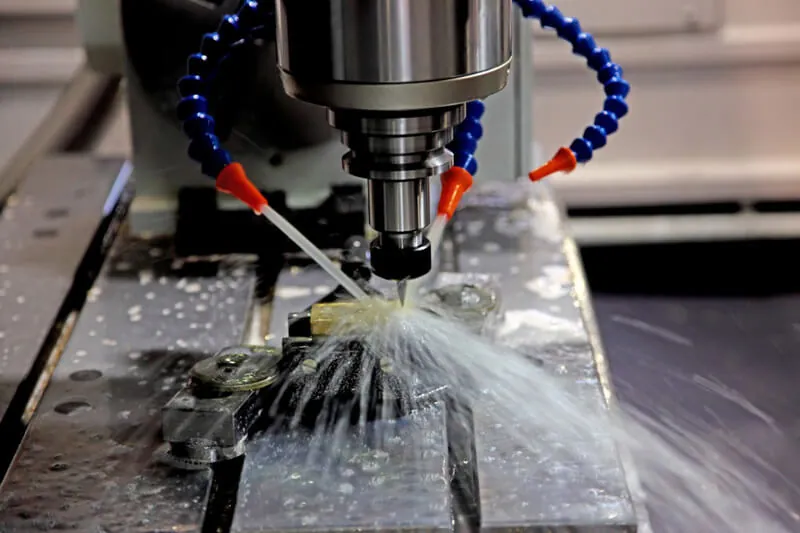
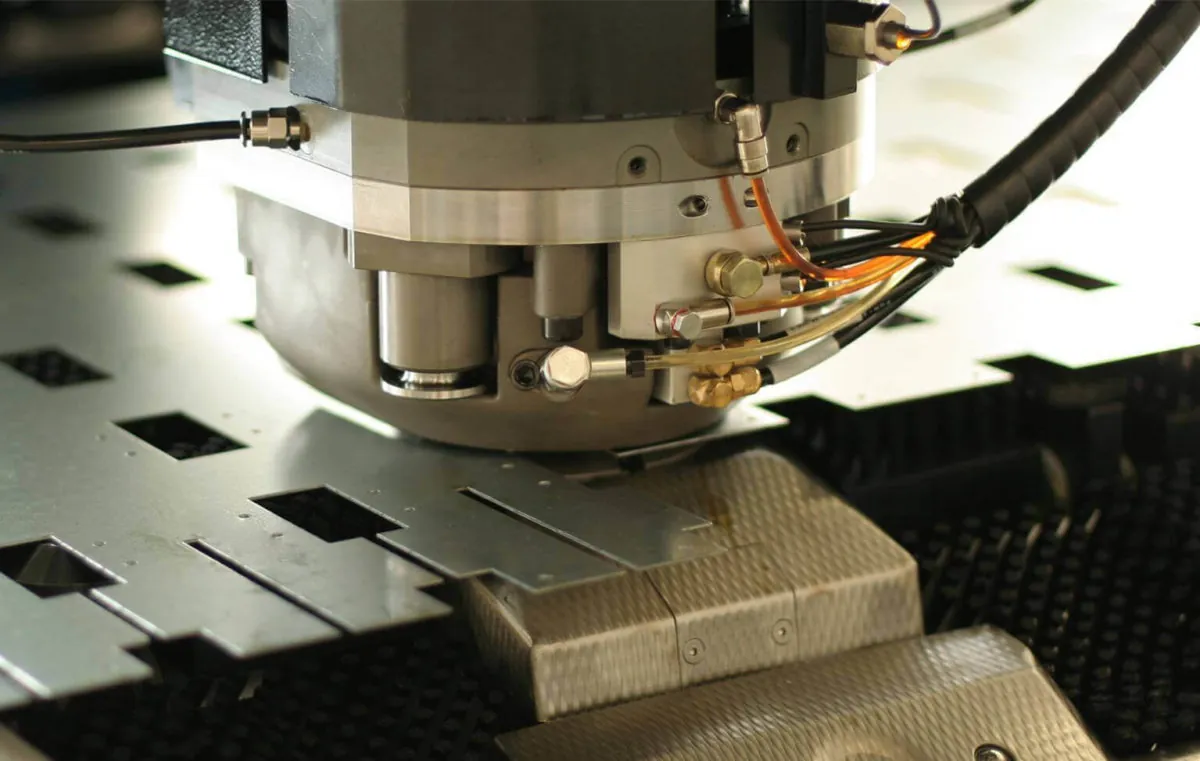
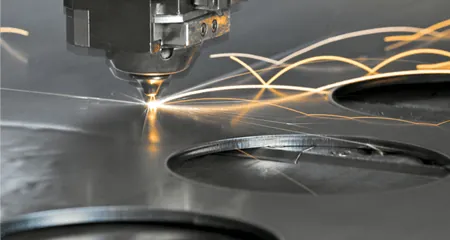
Our engineering approach begins with advanced laser cutting and CNC punching technologies, ensuring repeatability and dimensional stability across large production runs. We utilize 3D modeling and finite element analysis (FEA) to simulate performance under operational loads, optimizing screen geometry before the first cut is made. This proactive validation process reduces prototyping cycles and accelerates time-to-market without sacrificing quality.

Material selection plays an equally vital role. We work with aluminum alloys, stainless steel, and galvanized steel, tailoring thickness and finish to the environmental demands of the end application. Whether it’s a corrosion-resistant screen for marine environments or a lightweight perforated panel for avionics cooling, our fabrication process maintains tight control over burr formation, edge straightness, and surface finish.

Below are representative specifications for a high-precision sheet metal screen fabricated at our ISO-certified facility:

Parameter Specification
Material Options Aluminum 5052, Stainless Steel 304, Galvanized Steel
Thickness Range 0.5 mm – 3.0 mm
Hole Tolerance ±0.05 mm
Pattern Repeatability ±0.1 mm across 1000 mm panel
Edge Straightness ≤ 0.1 mm deviation per 300 mm
Surface Roughness (Ra) ≤ 1.6 µm after deburring
Maximum Panel Size 1200 mm × 2400 mm
Coating Options Powder coating, anodizing, passivation
Production Volume Capacity Prototype to 50,000 units/month

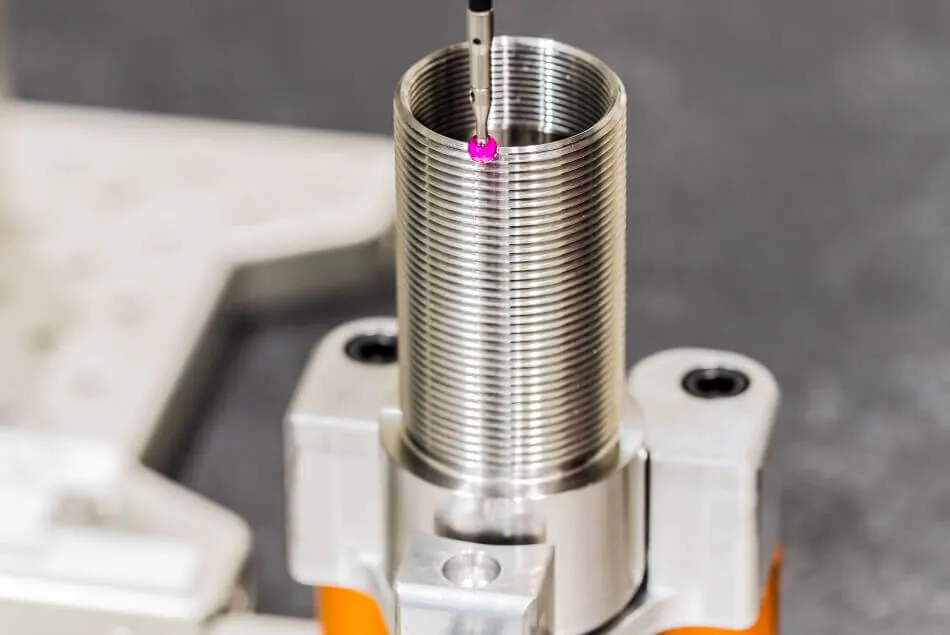
Every screen we produce undergoes rigorous in-process inspection using coordinate measuring machines (CMM) and optical comparators. This commitment to precision has enabled Wuxi Lead to deliver components that meet MIL-STD and GB/T standards, reinforcing trust in applications where failure is not an option.

Precision in sheet metal screens is not merely about geometry—it is a commitment to performance, durability, and engineering excellence. At Wuxi Lead Precision Machinery, we build that commitment into every component we fabricate.


Precision Specs & Tolerances

sheet metal screen manufacturing

Technical Capabilities: Precision Sheet Metal Screen Fabrication

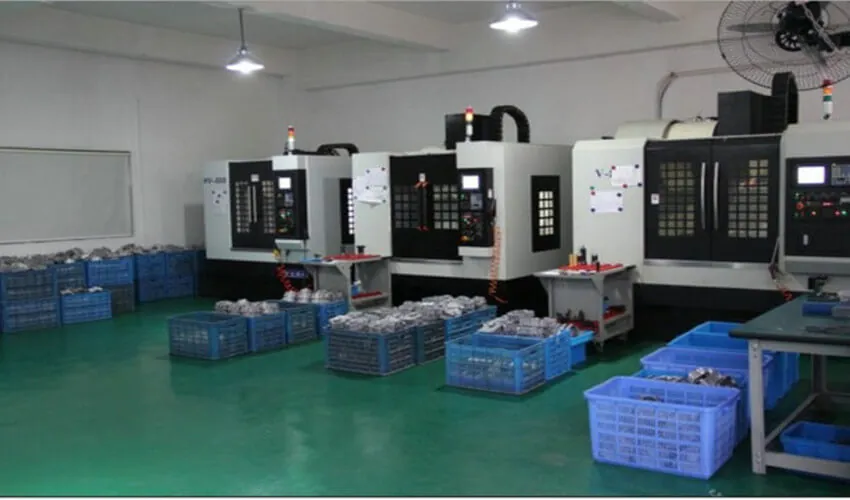
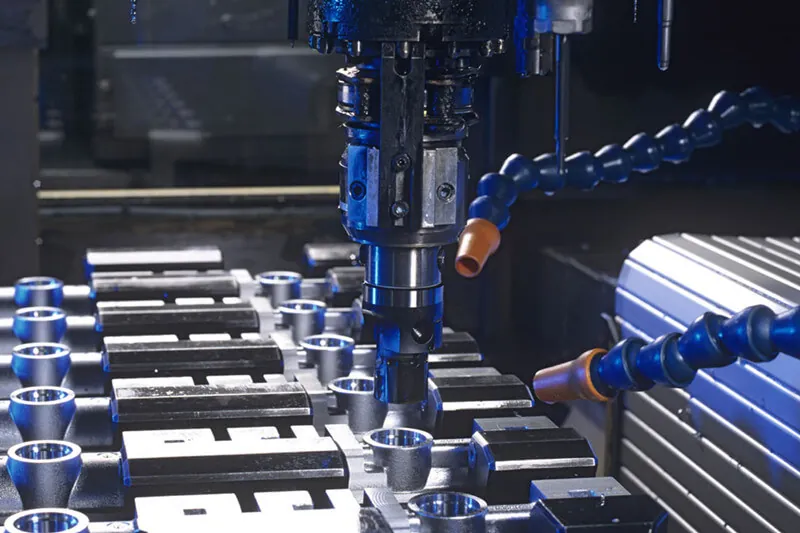
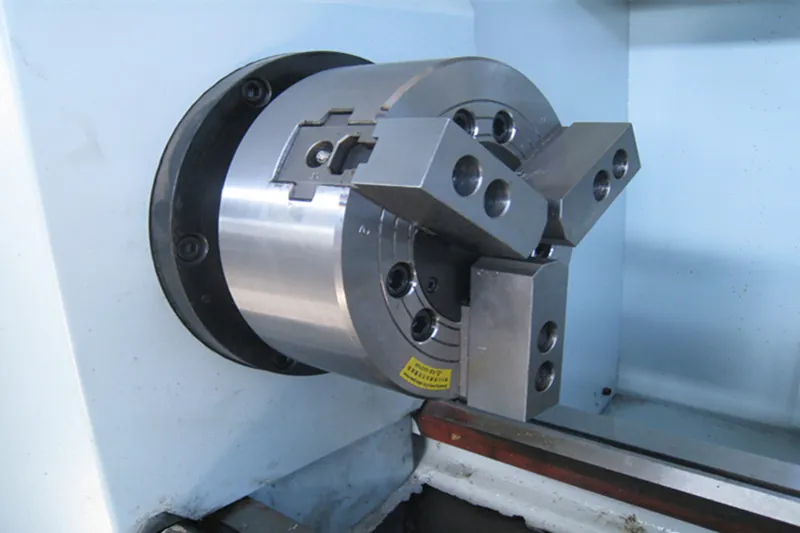
Wuxi Lead Precision Machinery delivers uncompromising precision in sheet metal screen manufacturing through integrated advanced technologies and rigorous quality control. Our core strength lies in leveraging 5-axis CNC machining centers, specifically configured for complex sheet metal geometries. These systems enable simultaneous multi-directional cutting, punching, and forming operations within a single setup. This eliminates cumulative repositioning errors inherent in traditional 3-axis processes, ensuring geometric integrity for intricate screen patterns, micro-perforations, and compound contours. Machine kinematic stability and thermal compensation systems maintain dimensional accuracy across extended production runs, critical for high-tolerance applications in aerospace filtration, medical device shielding, and semiconductor enclosures. Material handling is optimized for thin-gauge alloys (0.2mm to 3.0mm), including stainless steel, aluminum, and specialty conductive metals, with automated clamping minimizing distortion during processing.

Quality assurance is embedded at every stage, anchored by Zeiss CONTURA G2 Coordinate Measuring Machines (CMM). Each screen undergoes 100% first-article inspection and statistical process control (SPC) sampling during production. Our CMMs utilize calibrated tactile probes and optical sensors to verify critical features against 3D CAD models, including hole diameter consistency, positional accuracy of perforation arrays, flatness deviations, and edge burr levels. All measurements are traceable to NIST standards, with full inspection reports provided per AS9100 and ISO 13485 requirements. This closed-loop verification ensures compliance with the most stringent industry specifications, reducing scrap rates and eliminating downstream assembly issues for our clients.

Material selection and process parameters are optimized using our in-house metallurgical database, accounting for springback, grain direction, and thermal effects during forming. We implement real-time tool wear monitoring on CNC systems to sustain edge quality and dimensional repeatability. This holistic approach—from digital prototyping through final inspection—guarantees that every sheet metal screen meets the functional demands of high-flow filtration, EMI shielding, or aesthetic architectural applications without compromise.

Achievable Tolerances for Sheet Metal Screens

Feature Category Standard Capability Tight Tolerance Option Measurement Method Conditions
Hole Diameter ±0.08 mm ±0.03 mm CMM/Optical Comparator Material thickness ≤ 1.5mm
Hole Position (Array) ±0.10 mm ±0.05 mm CMM Within 100x100mm zone
Overall Flatness 0.15 mm/m 0.05 mm/m CMM/Surface Plate Unstressed state
Bend Angle ±0.5° ±0.2° Precision Angle Gauge Secondary operation
Edge Burr Height ≤ 5% material thickness ≤ 2% material thickness Microscope Critical edges only

Note: Tight tolerance options require pre-production engineering review. Capabilities assume stable material properties and adherence to design-for-manufacturability guidelines. All tolerances validated per ISO 2768-mK unless specified.


Material & Finish Options

sheet metal screen manufacturing

Material Selection for Sheet Metal Screens in Precision Fabrication

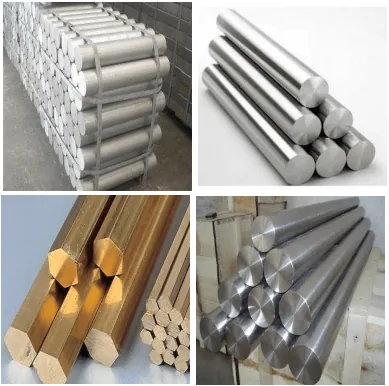
Selecting the appropriate material for sheet metal screens is critical to ensuring optimal performance, durability, and cost-efficiency in industrial applications. At Wuxi Lead Precision Machinery, we specialize in high-precision fabrication of sheet metal components, including screens used in filtration, ventilation, EMI shielding, and architectural design. The three most commonly specified materials—aluminum, steel, and titanium—each offer distinct mechanical, chemical, and thermal properties suited to specific operational environments.

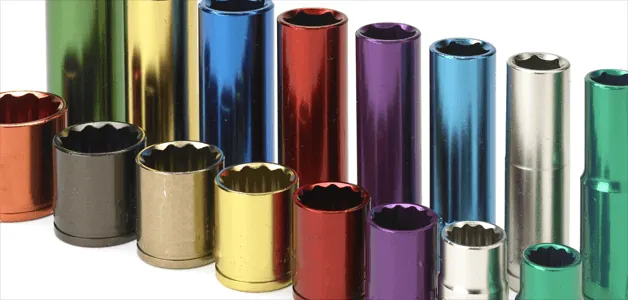
Aluminum is widely favored for its excellent strength-to-weight ratio, corrosion resistance, and electrical conductivity. It is particularly suitable for lightweight enclosures, outdoor installations, and applications requiring non-magnetic properties. Grade 5052-H32 and 6061-T6 are among the most frequently used aluminum alloys in screen fabrication due to their formability and weldability. When enhanced surface durability and aesthetic control are required, aluminum can be finished with anodizing—a process that electrochemically converts the surface into a durable, corrosion-resistant aluminum oxide layer. Anodized finishes also allow for color coding and improved wear resistance without compromising dimensional accuracy.

Steel remains the go-to choice for structural integrity and impact resistance. Cold-rolled steel (CRS) and stainless steel (particularly grades 304 and 316) are prevalent in industrial and hygienic environments. While CRS offers high strength and cost efficiency, it requires protective coatings such as powder coating or plating to resist corrosion. Stainless steel inherently resists oxidation and performs well in high-temperature or chemically aggressive environments, making it ideal for food processing, pharmaceutical, and marine applications.

Titanium, though higher in cost, delivers unmatched performance in extreme conditions. Its exceptional strength-to-density ratio, resistance to pitting corrosion, and stability at elevated temperatures make it suitable for aerospace, defense, and offshore energy applications. Titanium screens are often specified where long-term reliability under stress and exposure to saltwater or chlorinated environments is paramount.

The following table summarizes key mechanical and fabrication properties of these materials:

Material Typical Grades Tensile Strength (MPa) Corrosion Resistance Common Finishes Max Continuous Use Temp (°C)
Aluminum 5052-H32, 6061-T6 200–310 High (with oxide layer) Anodizing, Powder Coat 125
Stainless Steel 304, 316 505–620 Very High Passivation, Electropolish 870
Carbon Steel CR1018, A36 370–520 Low (requires coating) Zinc Plating, Paint 480
Titanium Grade 2, Grade 5 345–1000 Exceptional Bead Blast, Passivation 600

At Wuxi Lead, we guide clients through material and finish selection based on environmental exposure, mechanical loads, lifecycle requirements, and regulatory standards. Our in-house anodizing and precision CNC punching capabilities ensure that every sheet metal screen meets exacting tolerances and performance criteria. For mission-critical applications, material certification and testing reports are available upon request.


Manufacturing Process & QC

sheet metal screen manufacturing

Sheet Metal Screen Production Process: Zero Defects from Design to Delivery

At Wuxi Lead Precision Machinery, our sheet metal screen production process is engineered for uncompromising quality and repeatability. We implement a rigorously controlled sequence spanning Design, Prototyping, and Mass Production, all anchored to our Zero Defects mandate. This systematic approach ensures every screen meets exacting industrial specifications while minimizing waste and rework for our global clients.

The foundation is meticulous Design engineering. Our team conducts comprehensive Design for Manufacturability (DFM) analysis, optimizing screen geometry, aperture patterns, and material selection early in the process. We utilize advanced CAD/CAM simulation to predict material behavior during forming, ensuring structural integrity and dimensional stability under operational loads. Critical parameters are defined and validated against client performance requirements before any metal is cut. Key production specifications are established with precision, as detailed below.

Parameter Standard Range Precision Capability Verification Method
Material Thickness 0.5mm – 6.0mm SS/AL ±0.03mm Laser Micrometer CMM
Aperture Tolerance ±0.10mm (Standard) ±0.05mm Optical Comparator
Flatness ≤0.5mm/m² ≤0.1mm/m² Granite Surface Plate
Edge Burr ≤0.05mm ≤0.02mm Tactile Gauge & Microscope
Surface Finish Ra 0.8μm (Standard) Ra 0.4μm Profilometer

Prototyping is not a mere formality but a critical validation phase. We produce functional prototypes using the exact tooling and materials designated for series production. Each prototype undergoes rigorous mechanical, environmental, and flow testing to confirm performance against design intent. Dimensional accuracy is verified against the master CAD model using Coordinate Measuring Machines (CMM), while stress points are analyzed via finite element analysis (FEA) correlation. Client feedback is integrated iteratively, resolving potential issues before committing to mass production tooling. This phase ensures the design is not only manufacturable but proven reliable.

Mass Production leverages our fully integrated, SPC-controlled manufacturing cell. CNC laser cutting and precision punching form the core, operating within tightly monitored environmental conditions. Every production batch is governed by real-time Statistical Process Control (SPC), with automated inline vision systems continuously measuring critical dimensions like aperture size and positional accuracy. Any deviation triggers immediate process correction, preventing defect propagation. Final inspection employs multi-point validation against the approved prototype and original specifications, including 100% functional testing for critical applications. Our closed-loop quality system feeds data directly back to machine parameters, sustaining the Zero Defects outcome required by aerospace, medical, and semiconductor clients. This disciplined workflow delivers consistent, high-integrity sheet metal screens that perform flawlessly in demanding industrial environments.


Why Choose Wuxi Lead Precision

Partner with Lead Precision for Unmatched Expertise in Sheet Metal Screen Fabrication

At Wuxi Lead Precision Machinery, we understand that precision, durability, and consistency are non-negotiable in high-performance industrial applications. As a trusted leader in advanced sheet metal fabrication, we specialize in the design and production of custom sheet metal screens tailored to meet the rigorous demands of industries ranging from filtration and ventilation to architectural cladding and industrial enclosures. Our engineering-driven approach ensures every screen we manufacture delivers optimal airflow, structural integrity, and aesthetic precision—engineered to perform under real-world conditions.

Our facility in Wuxi integrates state-of-the-art CNC punching, laser cutting, bending, and welding technologies, enabling us to produce intricate screen patterns with tight tolerances and repeatable accuracy. Whether you require perforated, slotted, or custom mesh designs, our team works closely with your engineering specifications to optimize material selection, hole geometry, and edge finishing. We support low-volume prototypes and high-volume production runs with equal rigor, ensuring scalability without compromise.

What sets Lead Precision apart is our end-to-end project ownership. From initial design consultation and DFM analysis to final inspection and global logistics, we act as an extension of your engineering team. Our quality management system is ISO 9001-certified, and every component undergoes rigorous dimensional and visual inspection using precision metrology equipment. We utilize only premium-grade materials, including stainless steel, aluminum, galvanized steel, and specialty alloys, ensuring long-term corrosion resistance and mechanical performance in demanding environments.

We recognize that your success depends on reliability, responsiveness, and technical partnership. That’s why we assign a dedicated project engineer to every client, providing transparent communication, real-time production updates, and rapid issue resolution. Our clients across North America, Europe, and Asia rely on us not just as a supplier, but as a strategic manufacturing partner committed to innovation and continuous improvement.

When you choose Wuxi Lead Precision Machinery, you gain access to over a decade of precision fabrication expertise, cutting-edge technology, and an unwavering commitment to excellence. We don’t just manufacture sheet metal screens—we engineer performance.

For immediate technical consultation or to request a quote, contact us at [email protected]. Our engineering team is ready to support your next project with precision, speed, and professionalism.

Specification Capability
Material Types Stainless Steel (304, 316), Aluminum (5052, 6061), Galvanized Steel, Carbon Steel, Copper, Brass
Thickness Range 0.5 mm – 6.0 mm
Maximum Blank Size 1500 mm × 3000 mm
Tolerance ±0.1 mm (standard), ±0.05 mm (precision)
Surface Finishes Brushed, Polished, Powder Coated, Anodized, Passivated, Zinc Plated
Production Processes CNC Punching, Laser Cutting, Press Brake Forming, TIG/MIG Welding, Assembly
Quality Standards ISO 9001:2015 Certified, First Article Inspection, FAI Reporting, CMM Inspection Available

⚙️ Precision Cost Estimator

Estimate relative manufacturing effort based on tolerance.

Sheet Metal Screen Manufacturer | Precision CNC Guide

Contents of Table

Contact [email protected] Whatsapp 86 15951276160