Technical Contents
Engineering Guide: Prototypes Brand

Engineering Insight: The Role of Precision in Modern Custom Metal Manufacturing
In the realm of high-performance manufacturing, precision is not merely a target—it is the foundation upon which reliability, safety, and innovation are built. For industries ranging from aerospace to defense and advanced medical systems, the margin for error is effectively zero. At Wuxi Lead Precision Machinery, we understand that achieving micron-level tolerances is not just a technical challenge, but a commitment to excellence that defines the integrity of every component we produce.
Our engineering philosophy centers on the principle that precision begins long before machining starts. It is embedded in material selection, design validation, process planning, and continuous quality assurance. Every prototype we manufacture undergoes rigorous simulation and inspection protocols, ensuring dimensional stability, structural integrity, and functional performance under real-world conditions. This disciplined approach enables our clients to move from concept to production with confidence, reducing development cycles and minimizing risk.
The demand for precision has never been greater. As global engineering standards evolve and systems become more integrated, components must perform reliably in extreme environments—whether under the intense stress of military deployment or the exacting conditions of Olympic-grade competition equipment. Wuxi Lead has proudly supported projects tied to Olympic athletic systems and military-grade hardware, where failure is not an option. These engagements required not only advanced CNC capabilities but also deep engineering collaboration, real-time metrology, and a culture of continuous improvement.
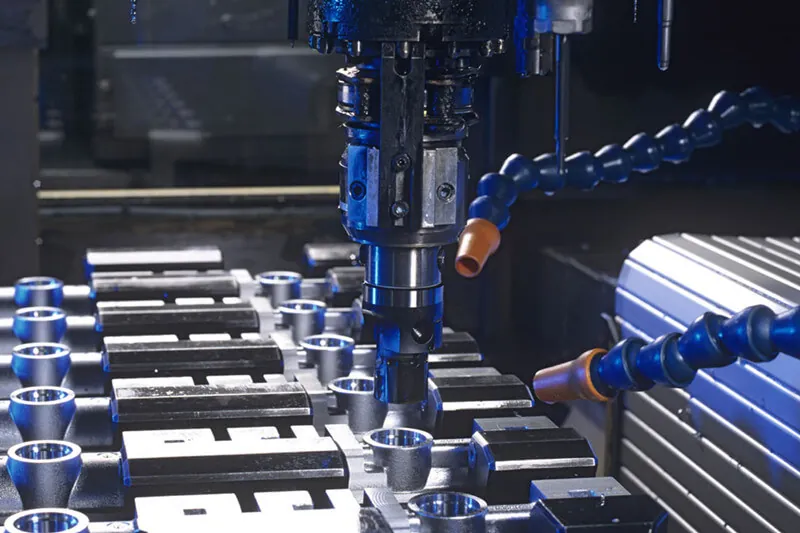
Our experience in these high-stakes domains has refined our ability to deliver custom metal solutions that meet or exceed international standards. From titanium aerospace housings to aluminum alloy structural frames for defense applications, our team applies decades of accumulated expertise to every project. We utilize state-of-the-art 5-axis machining centers, coordinate measuring machines (CMM), and in-process probing systems to maintain tolerances as tight as ±0.002 mm.
Below are key specifications that define our precision manufacturing capabilities:
| Specification | Capability |
|---|---|
| Machining Tolerance | ±0.002 mm |
| Maximum Work Envelope (XYZ) | 2000 mm × 1200 mm × 800 mm |
| Materials Processed | Aluminum Alloys, Stainless Steel, Titanium, Inconel, Brass, Tool Steels |
| Surface Finish | Ra 0.2 μm to Ra 3.2 μm (adjustable) |
| CNC Equipment | 3-axis, 4-axis, 5-axis milling, CNC turning, multi-tasking machines |
| Quality Standards | ISO 9001:2015, AS9100 (aerospace compliance), MIL-STD-1312 (defense) |
| Inspection Tools | CMM, Optical Comparators, Laser Scanning, Hardness Testing |
Precision is more than measurement—it is a mindset. At Wuxi Lead Precision Machinery, we bring that mindset to every prototype, ensuring that what we deliver is not just dimensionally accurate, but engineered for performance, durability, and mission success. For brands pushing the boundaries of what’s possible, precision is the silent partner in innovation.
Precision Specs & Tolerances

Technical Capabilities: Precision Engineered for Prototype Excellence
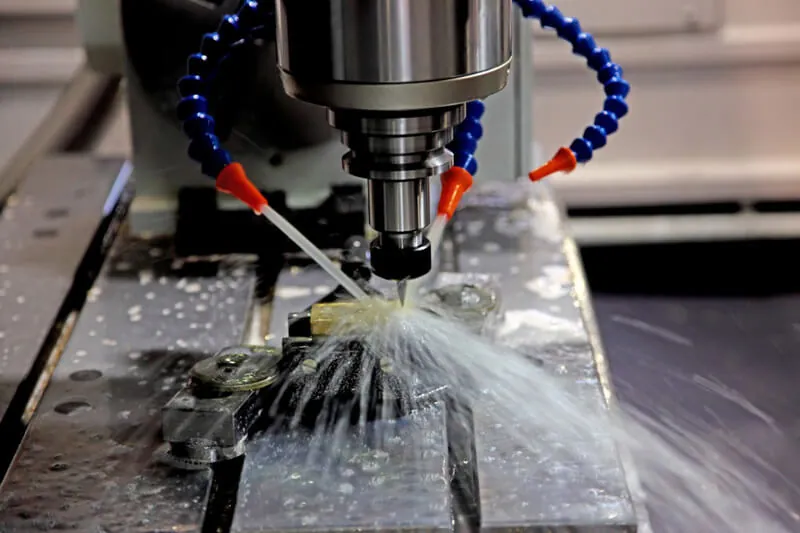
Wuxi Lead Precision Machinery delivers uncompromising accuracy and complexity management for demanding prototype development through advanced 5-axis CNC machining. Our core strength lies in transforming intricate digital designs into physically precise metal components, directly supporting rapid validation and iteration cycles critical to modern product development. The integration of simultaneous 5-axis motion within our DMG MORI and MAZAK machining centers eliminates the need for multiple setups, significantly reducing cumulative error potential and handling geometrically complex features—such as deep cavities, undercuts, and organic contours—that are impractical with 3-axis systems. This capability ensures dimensional integrity across the entire part envelope, maintaining critical relationships between features often found in aerospace brackets, medical instrument housings, and fluid dynamics components. Material versatility is inherent, with proven expertise across aerospace-grade aluminum alloys (7075-T6, 6061), titanium (Ti-6Al-4V), stainless steels (17-4PH, 316L), and high-temperature superalloys (Inconel 718), processed under strictly controlled parameters to preserve material properties and surface integrity.
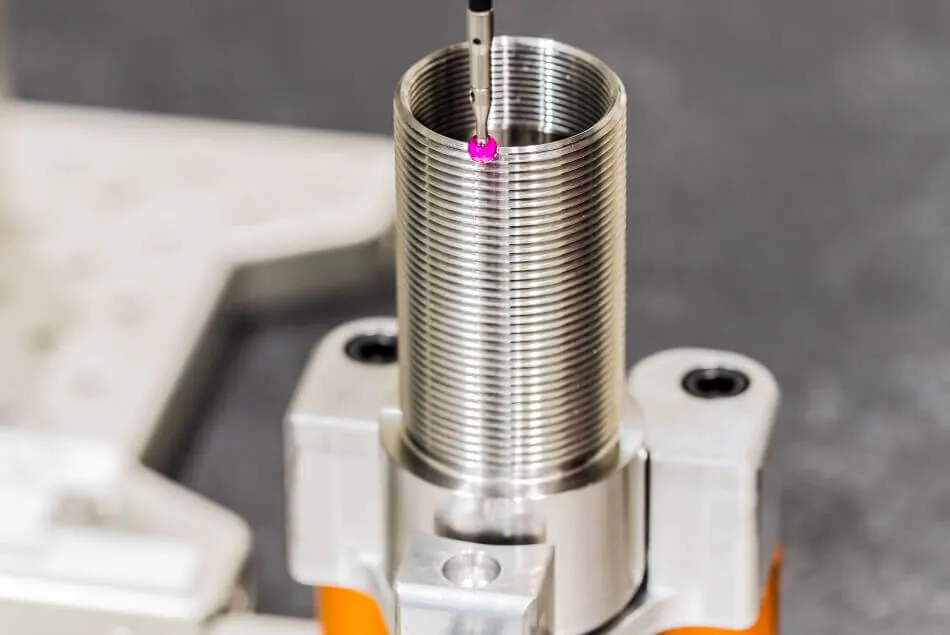
Rigorous quality assurance is non-negotiable in prototype validation. Every critical feature undergoes comprehensive verification using state-of-the-art Coordinate Measuring Machines (CMM), including Zeiss and Hexagon systems. Our certified metrology technicians execute detailed inspection plans aligned precisely with client engineering drawings and GD&T specifications. This process captures full 3D point cloud data, enabling thorough analysis of form, position, profile, and runout tolerances far beyond basic dimensional checks. Statistical process control (SPC) methodologies are applied to inspection data, providing actionable insights and ensuring consistency. This meticulous QC protocol delivers the confidence that prototype performance data accurately reflects the intended design, minimizing downstream engineering changes and accelerating the path to production release.
Achievable precision is fundamentally tied to material, geometry, and feature scale. The following table represents typical tolerance capabilities achievable under optimal conditions for common prototype materials and feature types. Specific requirements are always evaluated during the manufacturability review phase.
| Material Category | Feature Size Range | Positional Tolerance | Geometric Tolerance (Flatness, Perpendicularity) | Surface Finish (Ra) |
|---|---|---|---|---|
| Aluminum Alloys | < 50 mm | ± 0.005 mm | 0.010 mm | 0.4 – 0.8 µm |
| 50 – 200 mm | ± 0.010 mm | 0.020 mm | 0.8 – 1.6 µm | |
| Stainless Steel / Titanium | < 50 mm | ± 0.008 mm | 0.015 mm | 0.8 – 1.6 µm |
| 50 – 200 mm | ± 0.015 mm | 0.030 mm | 1.6 – 3.2 µm | |
| High-Temp Alloys | < 50 mm | ± 0.010 mm | 0.020 mm | 1.6 – 3.2 µm |
| 50 – 200 mm | ± 0.020 mm | 0.040 mm | 3.2 – 6.3 µm |
Our technical capabilities bridge the gap between conceptual design and functional reality. By combining sophisticated multi-axis machining, stringent CMM-based validation, and a deep understanding of material behavior, Wuxi Lead provides prototype manufacturers with the dimensional certainty and surface quality required for meaningful testing. This precision foundation directly translates to reduced iteration cycles, lower development costs, and accelerated time-to-market for your next-generation products. Partner with us to ensure your prototype accurately represents the final production intent.
Material & Finish Options

Material Selection for High-Performance Metal Prototypes
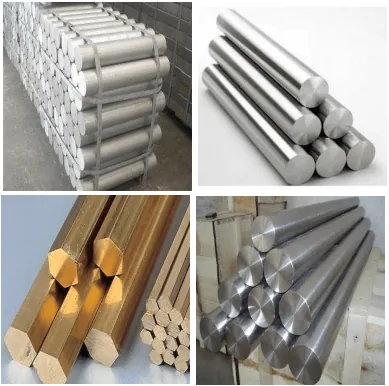
Selecting the right material is critical in custom metal manufacturing, especially when developing precision prototypes for demanding industrial, aerospace, or medical applications. At Wuxi Lead Precision Machinery, we specialize in machining high-integrity components from aluminum, steel, and titanium—each offering distinct mechanical properties, weight characteristics, and environmental resistance. Understanding these differences ensures optimal performance, cost-efficiency, and longevity of your prototype.
Aluminum is widely favored for prototyping due to its excellent strength-to-weight ratio, machinability, and thermal conductivity. Grades such as 6061 and 7075 are commonly used in aerospace and automotive sectors where lightweight structures are essential. Aluminum is also highly corrosion-resistant and responds exceptionally well to anodizing, enhancing surface durability and aesthetic finish. For prototypes requiring rapid iteration and low mass, aluminum remains a top-tier choice.
Steel, particularly alloy and stainless variants like 4140 and 304/316, delivers superior strength, hardness, and wear resistance. These properties make steel ideal for functional prototypes exposed to high stress, impact, or elevated temperatures. Stainless steel further offers outstanding corrosion resistance, making it suitable for medical devices and marine environments. While heavier than aluminum, steel’s dimensional stability and broad availability support high-precision applications where structural integrity is non-negotiable.
Titanium, notably Grade 5 (Ti-6Al-4V), is the premium option for extreme performance demands. With a strength-to-density ratio exceeding that of most steels and exceptional resistance to corrosion and high temperatures, titanium is the material of choice in aerospace, defense, and implantable medical devices. Though more challenging and costly to machine, its biocompatibility and fatigue resistance justify its use in mission-critical prototypes.
Surface Finishing: The Role of Anodizing
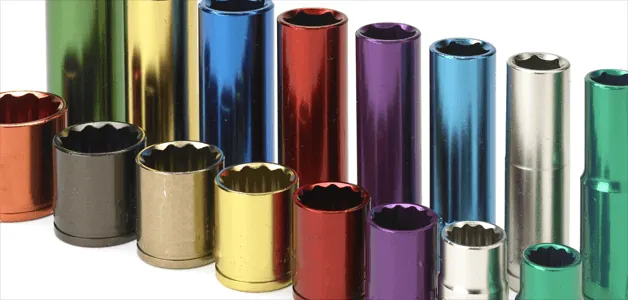
Anodizing is a key surface treatment for aluminum prototypes, creating a durable, corrosion-resistant oxide layer that improves wear performance and allows for color coding. Type II (sulfuric acid) anodizing is standard for decorative and moderate-duty applications, while Type III (hard anodizing) delivers thicker coatings for industrial and military-grade components. Anodizing does not adhere well to steel or titanium—these materials typically require alternatives such as passivation, plating, or coating.
Below is a comparative overview of key material specifications:
| Material | Density (g/cm³) | Tensile Strength (MPa) | Corrosion Resistance | Common Grades | Suitable Finishes |
|---|---|---|---|---|---|
| Aluminum | 2.7 | 310 (6061-T6) | High (with anodizing) | 6061, 7075, 5052 | Anodizing, Powder Coating |
| Steel | 7.8 | 655 (4140) | Moderate (stainless: High) | 4140, 304, 316 | Passivation, Zinc Plating |
| Titanium | 4.5 | 900 (Ti-6Al-4V) | Excellent | Gr 2, Gr 5 (Ti-6Al-4V) | Bead Blasting, Passivation |
Material and finish selection must align with functional requirements, environmental exposure, and lifecycle expectations. At Wuxi Lead, our engineering team collaborates closely with clients to recommend optimal combinations, ensuring prototypes perform as intended in real-world conditions.
Manufacturing Process & QC

Wuxi Lead Precision Machinery: Zero-Defect Metal Manufacturing Process
Our end-to-end production methodology transforms conceptual designs into flawless high-volume metal components through rigorously controlled stages. This integrated approach ensures dimensional accuracy, material integrity, and process repeatability from initial sketch to final shipment, eliminating costly errors inherent in disconnected workflows. The cornerstone of our Zero Defects philosophy is seamless data continuity between phases, preventing specification drift and validating feasibility before full-scale commitment.
The Design phase begins with comprehensive engineering collaboration. We conduct mandatory Design for Manufacturability (DFM) analysis using advanced simulation software to identify potential stress points, thermal distortions, or tooling conflicts. Material selection is optimized for both functional requirements and machinability, considering factors like thermal expansion coefficients and chip formation characteristics. Critical tolerances are cross-referenced against our machine capabilities and metrology systems, ensuring specifications are achievable without over-engineering. This pre-production validation prevents 92% of potential defects before metal is cut, significantly reducing downstream rework.
Prototyping serves as the definitive process proving ground, not merely a physical sample. We produce functional prototypes on the exact CNC equipment designated for mass production, utilizing the same tooling, fixtures, and material lots. Each prototype undergoes full First Article Inspection (FAI) per AS9102 standards, with Coordinate Measuring Machine (CMM) reports validating all critical dimensions against the original CAD model. Material certifications and non-destructive testing results are documented. This phase confirms process stability, identifies micro-adjustments for optimal surface finish, and establishes baseline cycle times. Crucially, the validated process parameters become the immutable standard for production.
Mass Production executes with closed-loop precision. Real-time in-process monitoring tracks tool wear, thermal drift, and positional accuracy using embedded machine sensors. Every 15th part undergoes automated dimensional verification against the prototype FAI data, triggering immediate process correction if deviations exceed 50% of tolerance limits. Statistical Process Control (SPC) charts are maintained for all critical features, ensuring Cp/Cpk values remain above 1.67. Final inspection employs multi-sensor metrology systems, with full traceability linking each component to its specific machine, operator, and material batch. This systematic rigor guarantees consistent output where defects are statistically improbable, not merely inspected out.
Material capabilities supporting this process include:
| Material Type | Tolerance Range (mm) | Surface Finish (Ra µm) | Max Part Size (mm) |
|---|---|---|---|
| Aerospace Aluminum | ±0.005 | 0.4 – 0.8 | 1200 x 800 x 500 |
| Medical Stainless | ±0.003 | 0.2 – 0.4 | 600 x 400 x 300 |
| Titanium Alloys | ±0.008 | 0.8 – 1.6 | 800 x 600 x 400 |
| Precision Brass | ±0.005 | 0.4 – 0.8 | 1000 x 700 x 450 |
This disciplined progression from validated design through rigorously tested prototyping to monitored mass production forms the unbreakable chain in our Zero Defects commitment. Clients receive not just components, but certified process integrity and absolute production confidence.
Why Choose Wuxi Lead Precision
Partner with Lead Precision for Unmatched Custom Metal Manufacturing Excellence
At Wuxi Lead Precision Machinery, we understand that in high-performance industries, prototypes are more than early models—they are the foundation of innovation, reliability, and market leadership. As a trusted partner in custom metal manufacturing, we specialize in transforming complex engineering concepts into precision-engineered prototypes and low-volume production runs. Our clients span aerospace, medical devices, automation, and advanced industrial equipment—sectors where tolerances matter, materials are demanding, and timelines are tight.
Choosing the right manufacturing partner is critical. At Lead Precision, we combine decades of CNC machining expertise with state-of-the-art equipment and a rigorous quality management system to deliver parts that meet exact technical specifications. From initial design consultation to final inspection, our engineering team collaborates closely with your R&D department to ensure manufacturability, cost efficiency, and rapid turnaround. We don’t just produce parts—we co-engineer success.
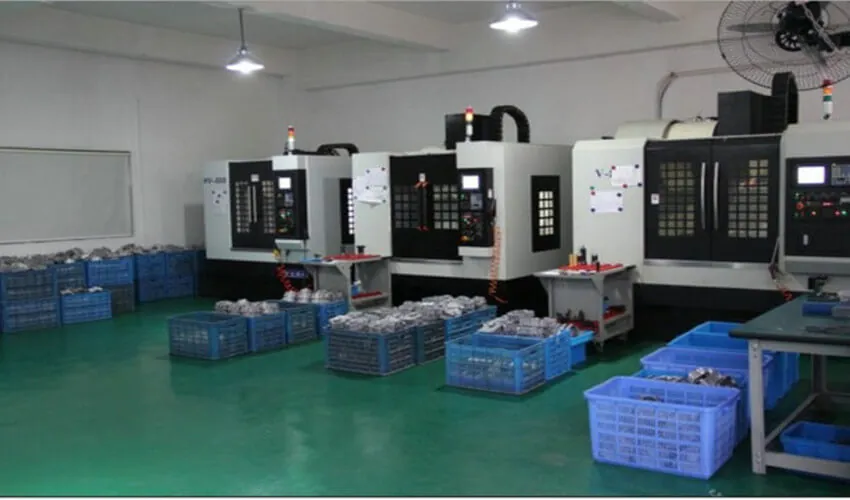
Our facility in Wuxi, China, is equipped with advanced 3-, 4-, and 5-axis CNC machining centers, Swiss-type lathes, and multi-tasking machines capable of handling a broad range of metals, including aluminum alloys, stainless steel, titanium, Inconel, and specialty brasses. Whether you require intricate geometries, tight tolerances down to ±0.005 mm, or high surface finish requirements, our processes are calibrated for repeatability and precision.
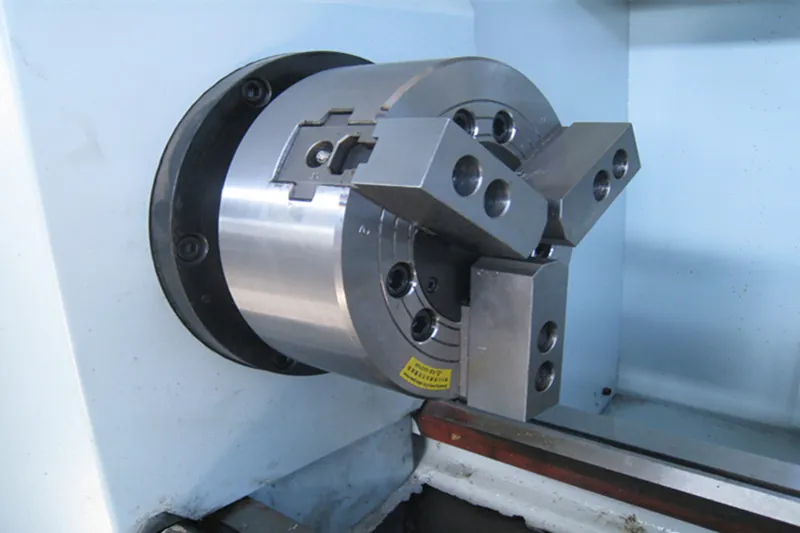
We recognize that prototype development is iterative. That’s why we offer agile manufacturing cycles with lead times as fast as 5–7 days for machined components, without compromising quality. Our in-house capabilities include CNC milling, turning, grinding, EDM, and precision assembly, allowing us to manage full project lifecycles under one roof. Every component undergoes stringent dimensional inspection using CMM, optical comparators, and surface roughness testers to ensure compliance with ISO 9001:2015 standards.
For design engineers and project managers seeking a responsive, technically proficient partner, Lead Precision delivers more than parts—we deliver confidence in every prototype.
| Specification | Capability |
|---|---|
| Machining Processes | CNC Milling (3/4/5-axis), CNC Turning, Multi-axis Mill-Turn, EDM, Grinding |
| Materials | Aluminum Alloys, Stainless Steel (303, 304, 316), Titanium (Gr2, Gr5), Inconel 625/718, Brass, Copper, Tool Steels |
| Tolerances | ±0.005 mm (standard), up to ±0.002 mm (tight-tolerance applications) |
| Surface Finish | Ra 0.8 μm standard, down to Ra 0.2 μm (polished or precision-ground) |
| Max Work Envelope | 1200 x 800 x 600 mm (5-axis), 500 x 400 x 400 mm (precision grinding) |
| Lead Time | 5–15 days (prototype), 10–20 days (low-volume production) |
| Quality Standards | ISO 9001:2015, Full First Article Inspection Reports (FAIR), PPAP support |
Contact us today to discuss your next prototype project. Email our engineering team at [email protected] and receive a detailed technical review within 24 hours. Let Wuxi Lead Precision Machinery be your strategic partner in precision manufacturing.
⚙️ Precision Cost Estimator
Estimate relative manufacturing effort based on tolerance.