Technical Contents
Engineering Guide: Prototype Machining Georgia

Engineering Insight: Precision as the Non-Negotiable Core of Prototype Machining in Georgia
Georgia’s manufacturing sector thrives on innovation, demanding rapid iteration from concept to physical prototype. For Georgia-based engineers and product developers, the initial prototype is far more than a visual model; it is the critical validation point for form, fit, function, and manufacturability. Compromising on precision at this stage carries severe downstream consequences. Tolerances exceeding ±0.001 inches can invalidate structural integrity tests, cause assembly failures in multi-component systems, and lead to costly redesign cycles that derail time-to-market schedules. In industries like aerospace, medical device development, or high-performance automotive prevalent across Georgia, a prototype failing to meet exact specifications isn’t merely inconvenient—it fundamentally undermines the entire development investment. The true cost of imprecise prototyping manifests not in the initial shop quote, but in delayed launches, failed certifications, and wasted engineering resources.
Wuxi Lead Precision Machinery understands these high-stakes requirements intimately. While Georgia possesses capable local machining resources, complex prototypes demanding micron-level accuracy, exotic materials, or stringent regulatory compliance often exceed standard workshop capabilities. Our ISO 9001:2015 and AS9100D certified facility in China specializes precisely in this tier of challenge. We bring proven expertise in delivering prototypes where failure is not an option, forged through direct contributions to Olympic-level sporting equipment requiring flawless aerodynamic surfaces and critical military subsystems where reliability under extreme conditions is paramount. One recent project involved machining titanium structural brackets for a next-generation satellite deployment mechanism, demanding tolerances of ±0.0005 inches and surface finishes under 8 Ra across complex 5-axis geometries—requirements met successfully under tight deadlines for a major U.S. defense contractor. This level of rigor is standard practice for us, not an exception.
Our commitment translates directly to tangible value for Georgia innovators. Partnering with Lead Precision ensures your prototype accurately reflects your CAD model, providing trustworthy data for critical go/no-go decisions. This precision minimizes iteration loops, accelerates validation testing, and builds a solid foundation for seamless transition to volume production. We handle the most demanding materials—from Inconel and titanium to specialized composites—with the process control and metrology expertise necessary to guarantee results. The table below summarizes our core prototype machining capabilities relevant to Georgia’s advanced manufacturing needs.
| Specification Category | Capability Detail |
|---|---|
| Tolerance Range | ±0.0002 inches (5 microns) standard; ±0.00005 inches achievable |
| Surface Finish | As fine as 2 Ra (microinches); controlled finishes for sealing/bearing surfaces |
| Materials Expertise | Titanium (Gr 2,5,23), Inconel (625, 718), Stainless (17-4PH, 316L), Aluminum (7075, 6061), Tool Steels, Composites |
| Key Equipment | 5-Axis Milling (DMG MORI, Makino), Precision Turning (Nakamura-Tome), Wire EDM (Makino), CMM (Zeiss, 1.9 + L/300 µm) |
| Certifications | ISO 9001:2015, AS9100D, NADCAP (pending), ITAR Registered |
For Georgia’s forward-looking engineering teams, precision prototype machining is the indispensable bridge between vision and viable product. Wuxi Lead Precision Machinery provides the certified capability, rigorous process discipline, and proven track record in mission-critical applications to ensure your prototype delivers not just a shape, but absolute confidence. Let us handle the extreme tolerances so you can focus on innovation. Contact our engineering team to discuss your Georgia project’s specific precision requirements.
Precision Specs & Tolerances

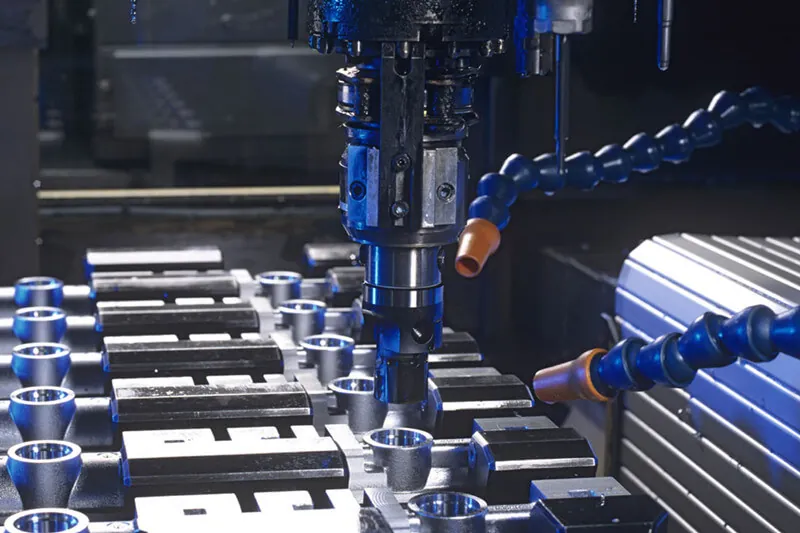
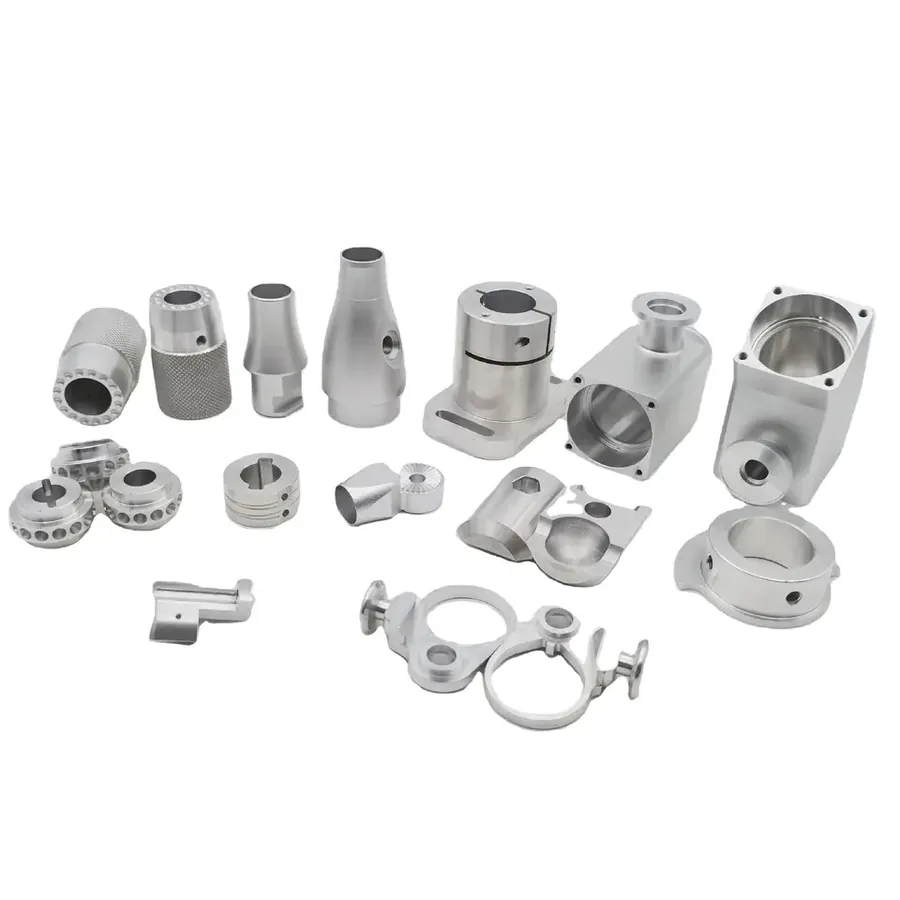
Wuxi Lead Precision Machinery delivers advanced prototype machining solutions tailored for high-precision industries including aerospace, medical, energy, and industrial automation. Our technical capabilities are anchored in state-of-the-art 5-axis CNC machining centers, enabling us to produce complex geometries with exceptional accuracy and surface finish. These multi-axis systems allow simultaneous movement across five planes, reducing setup times and eliminating cumulative tolerances associated with multiple fixtures. This capability is particularly critical when manufacturing intricate prototypes that demand tight tolerances and superior repeatability.
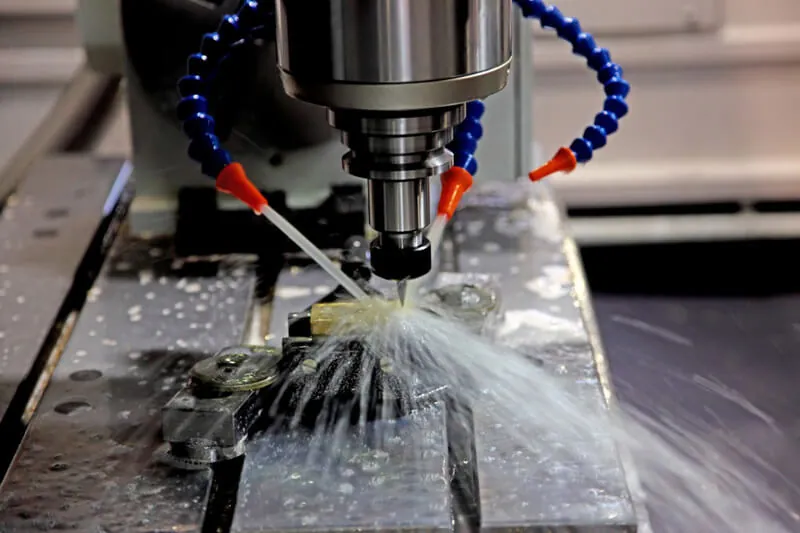
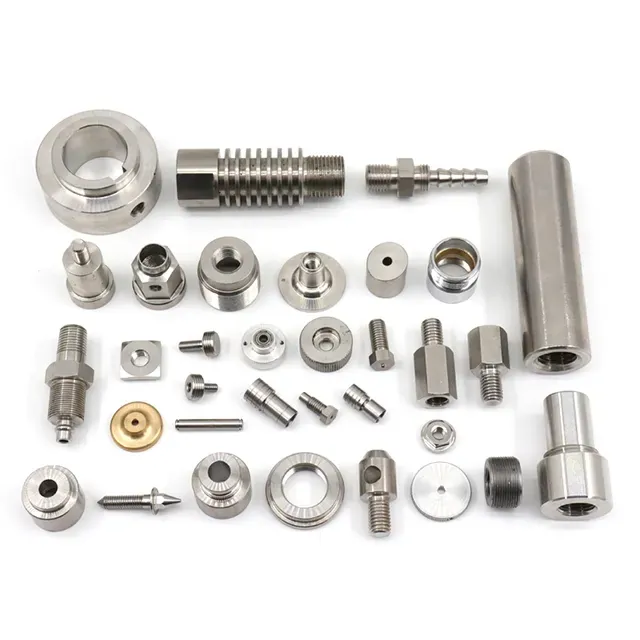
Our 5-axis machining platforms support a wide range of metals, including aluminum alloys, stainless steel, titanium, Inconel, and specialty alloys. With full 3D contouring and deep cavity machining proficiency, we handle both small-batch prototypes and low-volume production runs with equal precision. The integration of high-speed spindles and advanced toolpath strategies ensures optimal material removal rates while maintaining dimensional stability and part integrity.
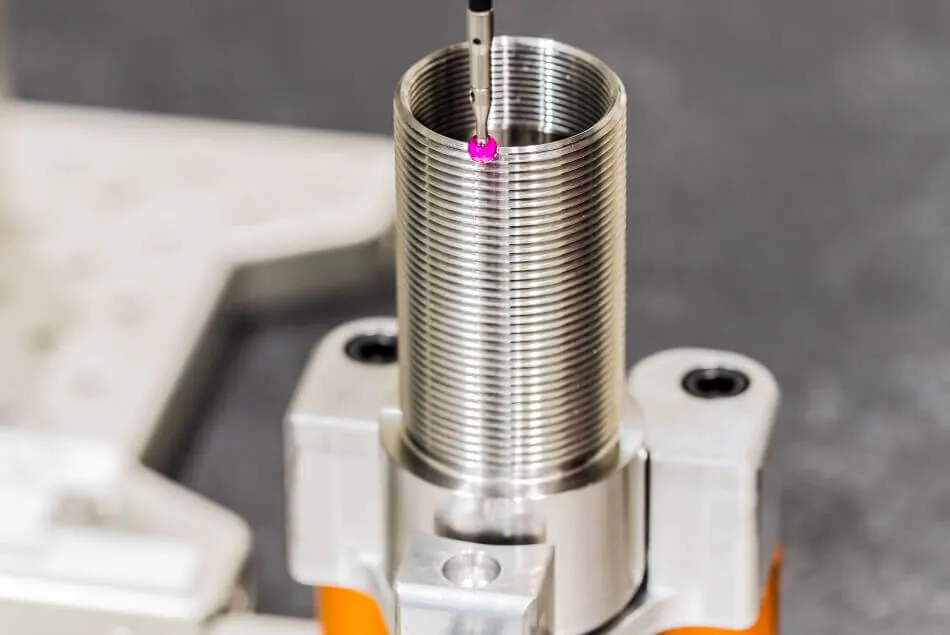
Quality control is embedded at every stage of production. All prototype components undergo rigorous inspection using a Zeiss DuraMax Bridge-type Coordinate Measuring Machine (CMM), ensuring compliance with international standards. Our CMM system provides full 3D measurement traceability, generating detailed inspection reports with GD&T analysis. This metrology-grade verification process guarantees that every prototype meets or exceeds client specifications before shipment.
We support rapid prototyping workflows with fast turnaround times, typically delivering precision-machined prototypes within 7–12 business days from CAD approval. Our engineering team collaborates directly with clients to perform Design for Manufacturability (DFM) reviews, identifying potential improvements in geometry, material selection, and tolerance stack-ups early in the development cycle. This proactive approach reduces iteration cycles and accelerates time-to-market.
In addition to machining and inspection, we offer value-added services such as bead blasting, anodizing, passivation, and precision deburring to meet functional and aesthetic requirements. All processes are conducted in a climate-controlled facility under ISO 9001:2015 quality management protocols, ensuring consistency and reliability across every project.
The following table outlines our standard machining tolerances and capabilities:
| Parameter | Standard Capability | Tight Tolerance Option | Notes |
|---|---|---|---|
| Dimensional Tolerance | ±0.025 mm | ±0.005 mm | Per ISO 2768-m |
| Positional Accuracy | ±0.01 mm | ±0.003 mm | Verified via CMM |
| Surface Roughness (Ra) | 3.2 µm | 0.8 µm (machined) | Can achieve 0.4 µm with polishing |
| Feature Size (Minimum) | 0.5 mm diameter hole | 0.3 mm slot width | Depends on material and depth |
| Maximum Work Envelope | 1200 x 600 x 500 mm | Custom setups available | For 5-axis machining |
| Angular Tolerance | ±0.1° | ±0.05° | Critical for complex surfaces |
By combining advanced 5-axis CNC technology with metrology-grade inspection and a disciplined engineering approach, Wuxi Lead Precision Machinery provides Georgia-based manufacturers with a reliable offshore partner for high-precision prototype development.
Material & Finish Options
Strategic Material Selection for Georgia Prototype Machining
Material selection critically impacts prototype performance, manufacturability, and cost for Georgia’s precision manufacturing sector. As aerospace, defense, and medical device firms in Atlanta, Savannah, and Columbus demand rapid iteration, choosing optimal metals ensures prototypes validate real-world functionality. Wuxi Lead Precision Machinery leverages 15+ years of CNC expertise to guide Georgia clients through this high-stakes decision.
Aluminum alloys like 6061-T6 dominate lightweight structural prototypes due to exceptional machinability and strength-to-weight ratios. Ideal for drone frames, automotive brackets, and electronics housings, aluminum offers natural corrosion resistance and accepts anodizing for enhanced surface durability. Steel variants, particularly 304 stainless and 4140 alloy steel, provide superior hardness and wear resistance for hydraulic components, tooling, and defense mechanisms requiring rigorous stress testing. Titanium Ti-6Al-4V excels in extreme environments—think jet engine mounts or medical implants—where its biocompatibility, fatigue strength, and resistance to saltwater corrosion justify higher costs. Georgia’s coastal humidity and aerospace testing demands make titanium indispensable for mission-critical validation.
Anodizing transforms aluminum prototypes beyond aesthetics. Type II (sulfuric acid) anodizing creates a porous, dye-absorbent layer for color-coding or branding, while Type III (hard coat) anodizing yields a 25-50 µm thick ceramic surface with Rockwell C60+ hardness. This is non-negotiable for prototypes facing abrasion, UV exposure, or chemical contact in Georgia’s industrial settings. Wuxi Lead’s ISO 9001-certified process ensures uniform coating thickness and adhesion, preventing premature failure during testing.
Material properties directly influence CNC machining efficiency. Aluminum’s softness allows high-speed milling but risks burring; steel requires rigid setups to manage heat; titanium demands specialized toolpaths to avoid work hardening. Our Georgia clients reduce prototype iteration cycles by 30% when material choices align with both application physics and manufacturability. Below is a comparative overview of key properties:
| Material | Density (g/cm³) | Tensile Strength (MPa) | Corrosion Resistance | Typical Georgia Applications |
|---|---|---|---|---|
| Aluminum 6061 | 2.7 | 310 | Moderate | UAV frames, heat sinks, enclosures |
| Steel 304 | 8.0 | 515 | High (stainless) | Valve bodies, jigs, defense hardware |
| Titanium Ti-64 | 4.4 | 900 | Exceptional | Aerospace fittings, medical implants |
Selecting the right material-finishing combination prevents costly redesigns. For Georgia-based R&D teams, partnering with a manufacturer experienced in global supply chain dynamics—like Wuxi Lead—ensures prototype materials meet ASTM/AMS standards while accelerating time-to-test. We collaborate with Georgia innovators to balance performance requirements with CNC production realities, turning material science into competitive advantage. Contact our engineering team to optimize your next prototype specification.
Manufacturing Process & QC

From Concept to Consistency: The Precision Manufacturing Process at Wuxi Lead Precision Machinery
At Wuxi Lead Precision Machinery, we deliver high-integrity custom metal components through a rigorously controlled production process that spans design validation, precision prototyping, and seamless transition to mass production. Our clients across aerospace, medical, and industrial automation sectors rely on our ability to achieve zero-defect manufacturing outcomes—every time. This begins with a disciplined, phase-gated approach that ensures technical feasibility, dimensional accuracy, and long-term repeatability.
The process starts with engineering collaboration during the design phase. Our technical team reviews CAD models and GD&T specifications to assess manufacturability, material selection, and tolerance stack-ups. We conduct DFM (Design for Manufacturability) analysis to identify potential risks such as thin walls, tool access limitations, or surface finish inconsistencies. This proactive review reduces downstream rework and accelerates time-to-market. Clients receive detailed feedback reports with optimization recommendations, ensuring the design is not only functional but also production-ready.
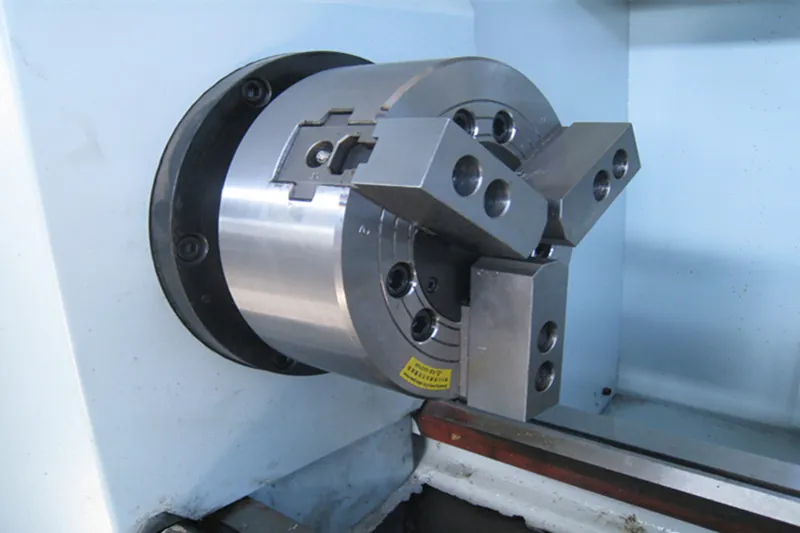
Once the design is finalized, we proceed to prototype machining. Utilizing 3-, 4-, and 5-axis CNC milling and turning centers, we produce initial units in the exact alloy specified—whether aluminum 7075, stainless steel 316L, or titanium Ti-6Al-4V. These prototypes undergo full metrological validation using Zeiss coordinate measuring machines (CMM) and optical profilometers to confirm conformance to print. Functional testing, including fit checks and environmental simulation, is performed as required. This stage is critical for verifying performance and securing design freeze before scale-up.
With prototype approval, we transition to high-volume production. Our factory in Wuxi operates under ISO 9001 and IATF 16949 standards, with real-time SPC (Statistical Process Control) monitoring on all critical dimensions. Each batch is traceable through serialized lot tracking, and first-article inspections are documented per AS9102 or PPAP requirements. Our automated inspection systems, combined with operator expertise, ensure that every component meets the zero-defect mandate. Production efficiency is further enhanced by robotic work cell integration and adaptive tool wear compensation.
We understand that precision is not achieved through technology alone—it is the result of process discipline, engineering rigor, and continuous feedback loops. Whether you are developing a single prototype or launching a global product line, Wuxi Lead ensures consistency from part one to one million.
Typical Production Specifications and Capabilities
| Parameter | Capability Range |
|---|---|
| Tolerance Control | ±0.005 mm (±0.0002″) |
| Surface Finish | Ra 0.4 µm to 3.2 µm (16–125 µin) |
| Max Work Envelope (Milling) | 1200 x 800 x 650 mm |
| Max Turning Diameter | 500 mm |
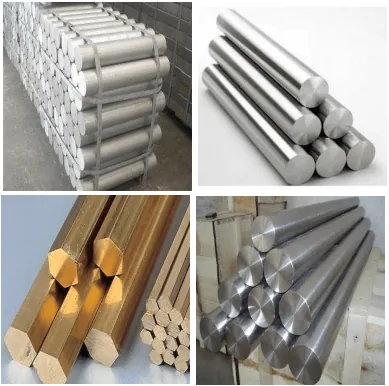
| Materials Supported | Aluminum, Steel, Stainless Steel, Titanium, Brass, Inconel |
| CNC Machines in Operation | 86 (including 5-axis, Swiss-type, and mill-turn) |
| Lead Time (Prototype) | 7–12 days (including inspection and reporting) |
| Quality Standards | ISO 9001, IATF 16949, AS9100 (compliant) |
Why Choose Wuxi Lead Precision
Partner with Lead Precision for Uncompromised Prototype Machining in Georgia
Georgia’s advanced manufacturing sector demands rapid iteration and flawless execution for prototypes. Wuxi Lead Precision Machinery delivers this through a strategic offshore partnership engineered specifically for U.S. clients. We eliminate the traditional barriers of global sourcing—communication delays, inconsistent quality, and logistical friction—by integrating seamlessly into your development workflow. Our Georgia-based clients leverage our precision CNC capabilities while maintaining full oversight through dedicated U.S.-aligned project engineers. This ensures your prototypes meet exact specifications on time, accelerating time-to-market without compromising reliability.
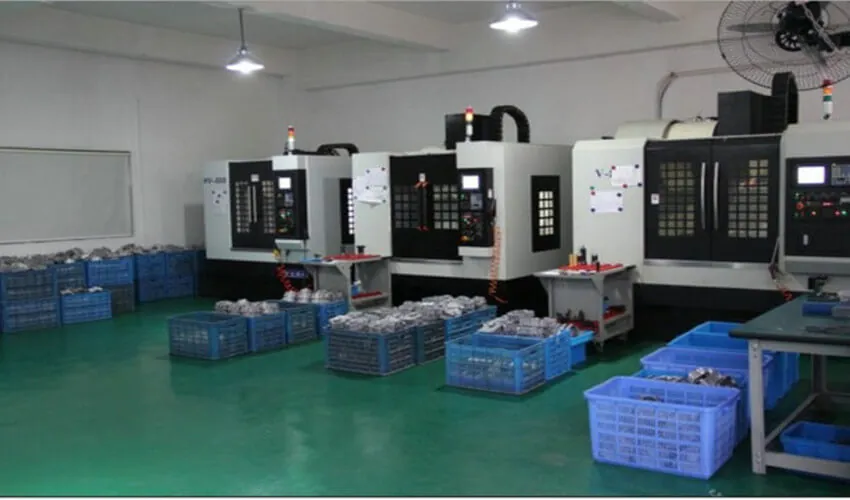
As a certified ISO 9001:2015 manufacturer, we specialize in low-volume, high-complexity metal prototypes for aerospace, medical, and industrial automation sectors prevalent across Georgia. Our facility operates 24/7 with 5-axis milling, Swiss turning, and wire EDM, supported by in-house CMM validation. Unlike domestic shops facing capacity constraints, we provide scalable capacity with no minimum order quantities—critical for agile R&D cycles. All projects adhere to AS9100 standards upon request, with full traceability from material certification to final inspection.
Technical Capabilities for Georgia Prototyping Requirements
| Specification | Capability Detail | Relevance for Prototyping |
|---|---|---|
| Materials | Aluminum 6061/7075, Stainless 303/316, Titanium, Inconel | Matches Georgia aerospace & medical material specs |
| Tolerance Range | ±0.0002″ (5µm) | Ensures fit/function validation |
| Max Work Envelope | 20″ x 16″ x 12″ (508 x 406 x 305 mm) | Accommodates complex assemblies |
| Lead Time | 5–10 business days (standard) | Reduces development bottlenecks |
| Surface Finish | Ra 0.8 µm to 3.2 µm (as-machined) | Meets functional testing needs |
| Quality Documentation | FAI reports, CMM data, material certs | Streamlines client compliance |
This precision is sustained through our Georgia-focused operational model. A dedicated engineering liaison—available during EST business hours—manages your project from CAD review to shipment. We utilize your preferred file formats (STEP, IGES, DWG) and implement Design for Manufacturability feedback within 24 hours. All parts undergo first-article inspection against your GD&T callouts, with digital reports accessible via secure portal. For urgent revisions, our rapid tooling system cuts iteration cycles by 40% versus conventional offshore providers.
The cost advantage is significant: Georgia manufacturers achieve 30–45% savings versus local precision shops while gaining access to 120+ CNC assets and specialized alloys. Yet savings alone don’t define our partnership—we become an extension of your engineering team. When Lockheed Martin suppliers in Marietta require turbine blade prototypes or Savannah medtech startups validate surgical instruments, they trust Lead Precision for zero-defect delivery.
Initiate your prototype project with a single action. Email [email protected] with your CAD file and requirements. Our Georgia support team will respond within 4 business hours with a feasibility assessment, timeline, and competitive quote. No RFQ forms. No sales calls. Just engineering rigor aligned to your schedule. Partner with Lead Precision to transform Georgia’s innovation into precision-engineered reality. Your next breakthrough prototype starts here.
⚙️ Precision Cost Estimator
Estimate relative manufacturing effort based on tolerance.