Technical Contents
Engineering Guide: Brass Metal Fabrication

Engineering Insight: Brass Metal Fabrication – The Role of Precision in High-Performance Manufacturing
Brass metal fabrication occupies a critical niche within the broader discipline of sheet metal manufacturing, combining the unique material properties of brass—such as corrosion resistance, electrical conductivity, and machinability—with the exacting demands of precision engineering. At Wuxi Lead Precision Machinery, we recognize that working with brass is not merely a matter of forming and cutting; it requires a deep understanding of material behavior, thermal dynamics, and dimensional stability. Our decades-long expertise in high-tolerance fabrication has positioned us as a trusted partner in industries where failure is not an option—ranging from defense systems to infrastructure supporting Olympic-grade facilities.
Precision in brass fabrication begins at the micro level. Brass, an alloy primarily of copper and zinc, exhibits variable work-hardening rates depending on composition and temper. Without precise control over bending, punching, and laser cutting parameters, even minor deviations can result in warping, microfractures, or dimensional inaccuracies. These defects are unacceptable in applications such as aerospace connectors, medical instrumentation, or high-frequency electrical enclosures, where performance under stress is non-negotiable.
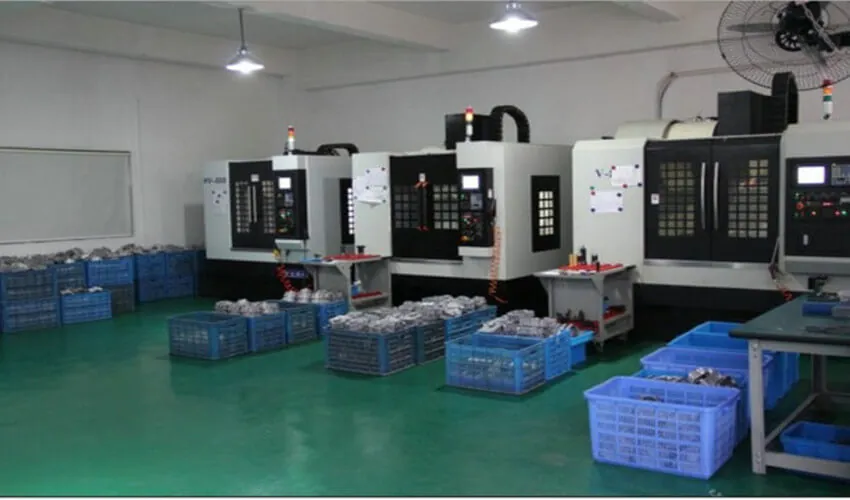
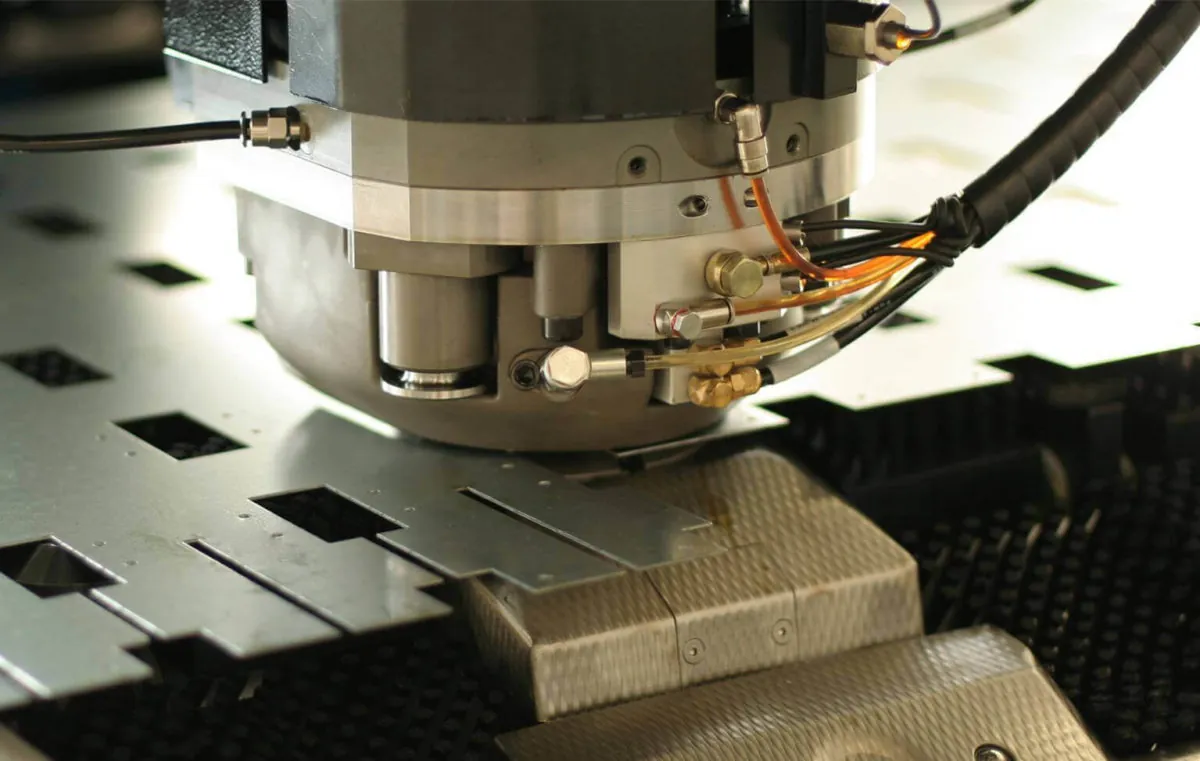
At Lead Precision, our engineering protocols integrate advanced CNC technology with real-time feedback systems to maintain tolerances within ±0.05 mm across complex brass components. This level of accuracy is not achieved through equipment alone but through accumulated experience. Our team has supported military-grade electronics housing projects requiring EMI shielding integrity and contributed to architectural metalwork for Olympic venues, where both aesthetic consistency and structural reliability were paramount. These high-stakes engagements have refined our ability to anticipate material springback, manage tool wear, and optimize cutting paths—skills that directly benefit every brass fabrication project we undertake.
Furthermore, surface finish and edge quality are critical in brass applications, particularly when parts are visible or require post-fabrication plating. Our multi-stage finishing processes, including deburring, polishing, and non-abrasive edge rounding, ensure that components meet both functional and visual specifications. We also employ in-process inspection using coordinate measuring machines (CMM) to validate geometry and alignment at key production stages.
Below is a summary of standard fabrication capabilities for brass at Wuxi Lead Precision Machinery:
| Specification | Detail |
|---|---|
| Material Types | C26000, C27000, C28000, C36000 (custom alloys available) |
| Thickness Range | 0.5 mm – 6.0 mm |
| Tolerance | ±0.05 mm (standard), ±0.02 mm (precision) |
| Bending Accuracy | ±0.5° |
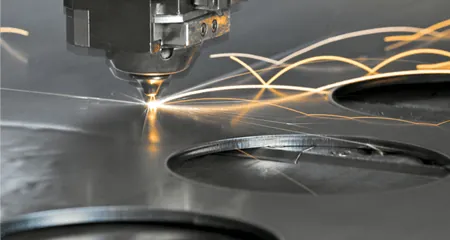
| Laser Cutting | Fiber laser, kerf width ≤ 0.15 mm |
| Surface Finish | Ra ≤ 1.6 μm (standard), Ra ≤ 0.4 μm (polished) |
| Secondary Processes | Deburring, tumbling, plating, passivation |
Our commitment to precision in brass fabrication is rooted in a philosophy of engineered reliability. Whether producing intricate brackets for naval communication systems or decorative yet load-bearing panels for elite public installations, Wuxi Lead Precision Machinery delivers components where every micron matters.
Precision Specs & Tolerances

Technical Capabilities in Brass Metal Fabrication
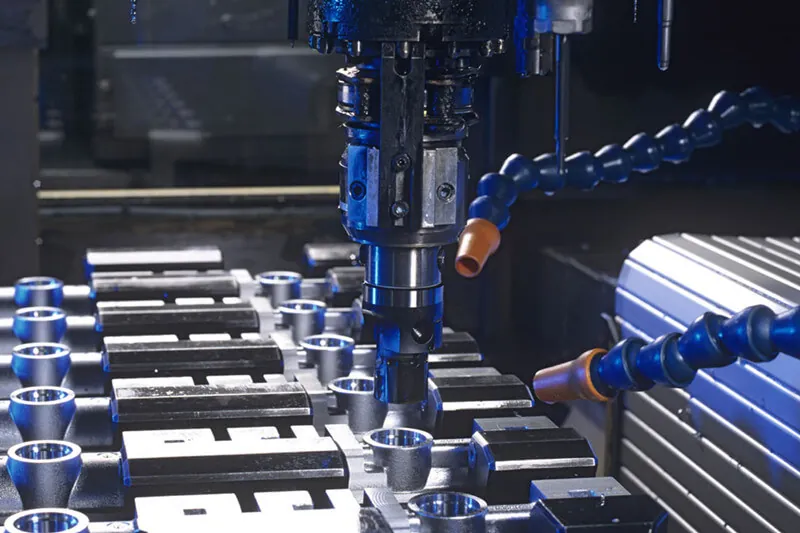
Wuxi Lead Precision Machinery delivers uncompromising precision in brass sheet metal fabrication, leveraging advanced 5-axis CNC machining centers to execute complex geometries with exceptional repeatability. Our Haas UMC 750 and DMG MORI CTX beta 1250 systems enable simultaneous multi-axis interpolation, eliminating secondary operations and ensuring critical feature alignment within micron-level tolerances. This capability is essential for high-integrity brass components in aerospace hydraulic systems, medical instrumentation, and semiconductor tooling, where material consistency and dimensional stability directly impact performance.
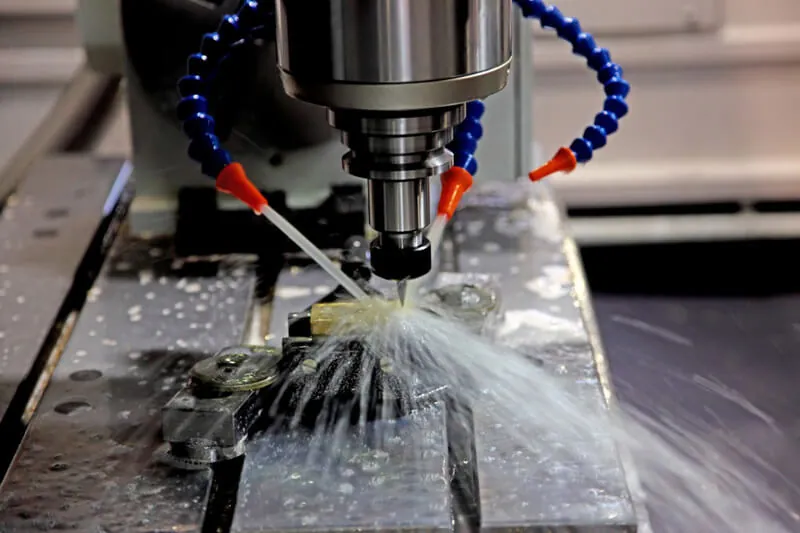
Our process begins with certified C36000/C37700 brass stock, fully traceable to mill certificates, and undergoes rigorous in-process verification. Each workpiece is secured using custom vacuum or modular fixturing to prevent deformation during high-speed machining, while flood coolant systems maintain thermal stability. Advanced toolpath simulation software validates programs offline, minimizing machine downtime and ensuring first-article success. Surface finishes as fine as Ra 0.4 μm are consistently achieved without secondary polishing, critical for sealing surfaces and fluid-handling applications.
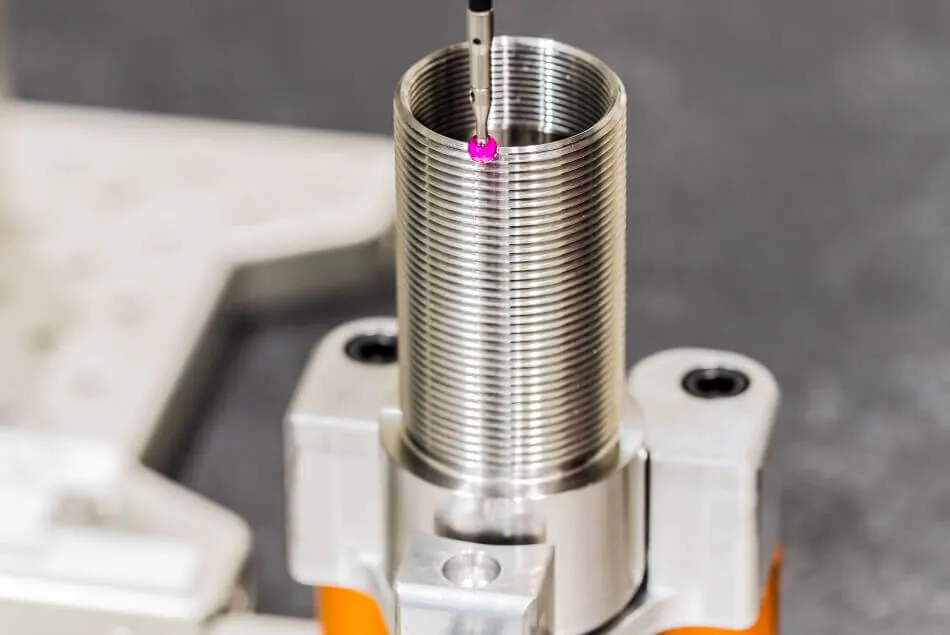
Quality control is anchored by Zeiss CONTURA CMM systems operating in a climate-controlled metrology lab (20°C ±0.5°C). Every critical dimension undergoes 100% inspection against CAD models, with full GD&T validation and material cross-section analysis. Statistical process control (SPC) data is integrated into our ISO 9001-certified workflow, providing clients with real-time traceability from raw material to final shipment. This closed-loop system ensures zero non-conformities in high-volume production runs, with first-pass yield rates exceeding 99.2%.
The following table details our achievable brass fabrication tolerances under standard production conditions:
| Feature Type | Standard Tolerance | Precision Tolerance | Measurement Method |
|---|---|---|---|
| Linear Dimensions | ±0.05 mm | ±0.005 mm | CMM / Optical Comparator |
| Hole Diameter (Ø6-50) | ±0.025 mm | ±0.008 mm | Air Gage / CMM |
| Positional Accuracy | ±0.03 mm | ±0.01 mm | CMM |
| Surface Flatness | 0.05 mm | 0.01 mm | Surface Plate / CMM |
| Thread Accuracy | 6H/6g | 4H/4g | Thread Plug Gage |
All tolerances are validated per ASME Y14.5 standards using NIST-traceable equipment, with calibration records available upon request. Our engineering team collaborates with clients during DFM analysis to optimize brass component designs for manufacturability, reducing lead times by up to 30% while maintaining stringent quality requirements. This integrated approach ensures brass fabrications meet the most demanding performance criteria in mission-critical applications.
Material & Finish Options

Material Selection in High-Precision Brass Metal Fabrication
Brass remains a cornerstone material in precision sheet metal fabrication due to its excellent machinability, corrosion resistance, and electrical conductivity. At Wuxi Lead Precision Machinery, we integrate brass with complementary materials such as aluminum, steel, and titanium to meet the demanding requirements of industries including aerospace, medical devices, and industrial automation. Understanding the mechanical and chemical properties of each material enables optimal selection for performance, cost, and longevity.
Aluminum is widely used when weight reduction and moderate strength are critical. Its natural oxide layer provides inherent corrosion resistance, and when combined with anodizing, surface durability increases significantly. Aluminum 6061-T6 is a common alloy in our production line, offering good weldability and dimensional stability. It is ideal for enclosures, brackets, and heat sinks where non-magnetic and lightweight characteristics are essential.
Steel, particularly stainless steel grades such as 304 and 316, delivers superior strength and resistance to high temperatures and harsh environments. 316 stainless steel, with added molybdenum, excels in marine and chemical applications due to enhanced pitting resistance. While heavier than aluminum or brass, steel provides unmatched structural integrity and is often selected for load-bearing components and industrial housings.
Titanium stands at the premium end of material selection, offering an exceptional strength-to-density ratio and outstanding resistance to extreme temperatures and corrosive media. Though more challenging to machine and cost-intensive, titanium is indispensable in aerospace and medical implant applications where reliability under stress is non-negotiable. Its biocompatibility and fatigue resistance make it a strategic choice for mission-critical assemblies.
Finishing processes play a pivotal role in enhancing both functionality and aesthetics. Anodizing, primarily applied to aluminum, creates a controlled oxide layer that improves wear resistance, enables color coding, and increases adhesion for paint primers. Type II (sulfuric acid) and Type III (hardcoat) anodizing are routinely offered at Wuxi Lead, with thicknesses ranging from 15 to 50 µm depending on application demands. While brass components are typically finished with passivation or clear lacquer to prevent tarnishing, selective plating with nickel or tin can be applied for improved solderability or wear performance.
Below is a comparative overview of key materials used in conjunction with brass fabrication:
| Material | Tensile Strength (MPa) | Density (g/cm³) | Common Grades | Key Applications | Typical Finishes |
|---|---|---|---|---|---|
| Aluminum | 310 | 2.7 | 6061-T6, 7075-T6 | Enclosures, heat sinks | Anodizing, powder coating |
| Stainless Steel | 505–620 | 8.0 | 304, 316 | Industrial frames, medical tools | Passivation, bead blasting |
| Titanium | 900–1100 | 4.5 | Grade 5 (Ti-6Al-4V) | Aerospace, surgical instruments | Acid pickling, abrasive finishing |
| Brass | 350–500 | 8.5 | C36000, C26000 | Connectors, valves, fittings | Lacquer, plating, polishing |
At Wuxi Lead Precision Machinery, material selection is not a one-size-fits-all decision. We collaborate closely with engineering teams to match material properties and surface treatments to operational environments, ensuring long-term reliability and precision in every fabricated component.
Manufacturing Process & QC

Brass Metal Fabrication: Precision Engineering from Concept to Zero-Defect Production
Brass fabrication demands exceptional process control due to its unique work hardening characteristics and sensitivity to machining parameters. At Wuxi Lead Precision Machinery, we implement a rigorously defined workflow ensuring dimensional integrity and surface quality meet the most stringent aerospace, medical, and semiconductor industry standards. Our methodology eliminates defects at origin through integrated engineering and closed-loop manufacturing systems.
The process begins with collaborative design engineering. Our team conducts comprehensive Design for Manufacturability (DFM) analysis specifically addressing brass properties including lead content variations, thermal conductivity, and susceptibility to galling. We validate material selection against ISO 6930 standards and simulate forming stresses to prevent micro-cracking. Critical tolerances are established using Geometric Dimensioning and Tolerancing (GD&T) principles, with allowances for brass’s thermal expansion coefficient. This phase includes virtual prototyping via CAD/CAM software to identify potential tooling conflicts or stress concentrations before physical work commences.
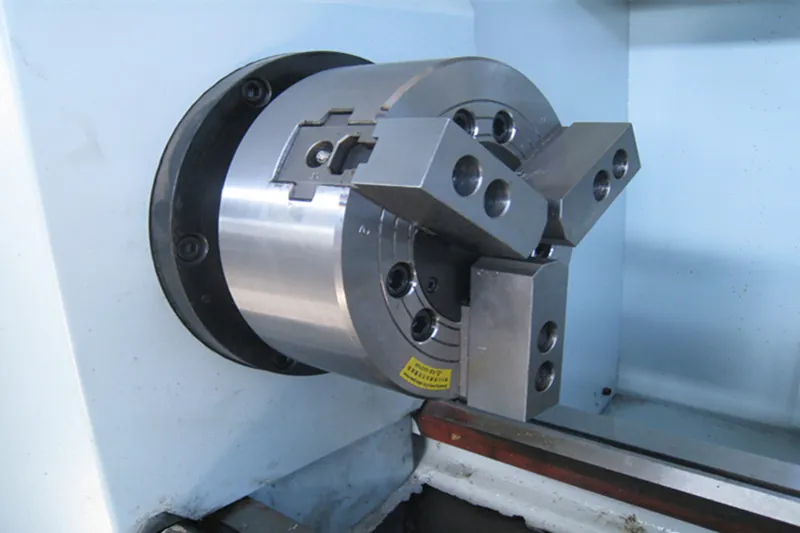
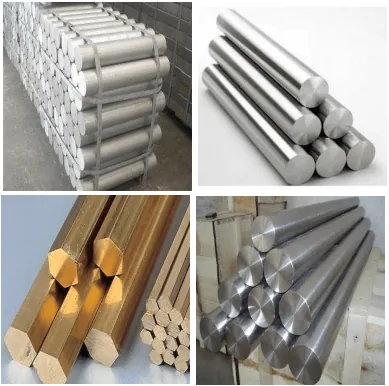
Prototyping transitions digital models into tangible validation. We produce initial samples using the exact production-grade CNC Swiss lathes, milling centers, and laser cutters intended for volume runs. Each prototype undergoes rigorous metrology: CMM verification against nominal CAD data, surface roughness testing per ISO 4287, and functional assembly checks. Client feedback is incorporated through structured iteration cycles, with material batch traceability maintained from raw bar stock to finished component. This phase confirms process stability and identifies any micro-adjustments needed for thermal management or chip control specific to the brass alloy.
Mass production leverages our zero-defect manufacturing ecosystem. Dedicated cells run under Statistical Process Control (SPC) with real-time monitoring of critical parameters. In-process inspections occur at predefined intervals using automated vision systems and touch-probe verification on machine tools. Final inspection employs multi-sensor CMMs and spectrometry for material verification, ensuring 100% compliance with client specifications. Our closed-loop system triggers immediate process correction if any measurement approaches tolerance limits, preventing non-conforming output. All brass components receive full material certification and batch-specific quality documentation.
This integrated approach guarantees brass components perform reliably in critical applications. Key production parameters are maintained within strict operational windows as detailed below.
| Parameter | Specification for Brass Alloys | Measurement Method | Tolerance Band |
|---|---|---|---|
| Dimensional Accuracy | Per ISO 2768-mK | 5-Axis CMM | ±0.005 mm |
| Surface Roughness (Ra) | ISO 1302 compliant | Profilometer | 0.2 – 0.8 μm |
| Material Certification | ASTM B16/B21/B36 verified | Optical Emission Spectro | Per alloy spec |
| Lead Time (Prototype) | From approved CAD | Project Management System | 7-10 days |
Wuxi Lead’s process delivers brass fabrications where every component meets the exacting demands of high-reliability sectors. Our commitment to zero defects is engineered into every stage, transforming precise specifications into flawless physical reality.
Why Choose Wuxi Lead Precision
Partner with Lead Precision for Unmatched Brass Metal Fabrication Excellence
When precision, durability, and consistency define your product standards, your manufacturing partner must deliver on every front. At Wuxi Lead Precision Machinery, we specialize in high-end brass sheet metal fabrication tailored to the exacting demands of industries such as aerospace, medical devices, automation, and advanced electronics. Our decades of engineering expertise, combined with state-of-the-art CNC technology, ensure that every component we produce meets the highest benchmarks in dimensional accuracy and surface integrity.
Brass, with its excellent machinability, corrosion resistance, and electrical conductivity, is a preferred material in critical applications. However, its unique thermal and mechanical properties require specialized knowledge to machine and form effectively. At Lead Precision, we understand the nuances of working with brass alloys such as C36000, C26000, and C46400. Our team applies precision laser cutting, CNC punching, high-tolerance bending, and automated welding techniques to transform brass sheets into complex, mission-critical components with tight tolerances down to ±0.05 mm.
We operate under strict ISO 9001-certified quality management systems, ensuring every stage—from material sourcing to final inspection—is traceable and repeatable. Our in-house metrology lab, equipped with CMMs and optical comparators, verifies part conformity to your technical drawings and industry standards. Whether you require low-volume prototypes or high-volume production runs, our agile manufacturing lines adapt seamlessly to your project’s scale and timeline.
Our commitment extends beyond production. We collaborate closely with your engineering team during the design-for-manufacturability (DFM) phase, offering expert feedback to optimize part geometry, reduce material waste, and lower overall production costs. This proactive partnership approach ensures faster time-to-market and higher ROI for your projects.
Choose a partner who combines technical mastery with operational reliability. At Wuxi Lead Precision Machinery, we don’t just fabricate parts—we engineer solutions that drive your success.
Contact us today to discuss your brass fabrication requirements. Send your drawings and specifications to [email protected] and receive a comprehensive quote within 24 hours. Let Lead Precision become your trusted extension in precision manufacturing.
Key Brass Fabrication Capabilities
| Specification | Detail |
|---|---|
| Material Types | C36000, C26000, C46400, and custom brass alloys |
| Sheet Thickness Range | 0.5 mm – 6.0 mm |
| Tolerance | ±0.05 mm (standard), tighter upon request |
| Max Working Area | 1500 mm × 3000 mm (laser cutting) |
| Processes | Laser cutting, CNC punching, precision bending, TIG/MIG welding, surface finishing |
| Quality Standards | ISO 9001:2015, full first-article inspection, PPAP available |
| Lead Times | Prototype: 5–7 days; Production: 10–15 days (varies by volume) |
⚙️ Precision Cost Estimator
Estimate relative manufacturing effort based on tolerance.