Rubber For Moulding Manufacturer | Precision CNC Guide

Engineering Guide: Rubber For Moulding

rubber for moulding manufacturing

Engineering Insight: Rubber for Moulding – The Role of Precision in High-Performance Applications

In the domain of custom metal manufacturing, the integration of rubber for moulding is not merely a material choice—it is a precision engineering decision. At Wuxi Lead Precision Machinery, we recognize that the performance of rubber components in high-stakes environments hinges on exacting tolerances, consistent material behavior, and flawless interface design with metal substrates. Whether deployed in aerospace seals, military-grade gaskets, or Olympic-standard hydraulic systems, rubber moulded parts must perform under extreme conditions: temperature fluctuations, mechanical stress, and prolonged exposure to aggressive media.

Precision in rubber for moulding begins at the design phase. Unlike standard elastomeric applications, high-end manufacturing demands a deep understanding of compression set, durometer stability, and elongation at break under operational loads. At Lead Precision, our engineering team combines finite element analysis (FEA) with real-world validation to simulate how rubber will behave when bonded or encapsulated within precision-machined metal housings. This ensures optimal sealing force, minimal deformation over time, and longevity in dynamic applications.

Our experience in delivering components for Olympic infrastructure projects—such as hydraulic dampers in stadium retractable roofs—and mission-critical military systems—including vibration isolation mounts for armored vehicles—has refined our approach to rubber-metal bonding and moulding accuracy. These applications require repeatability within ±0.05 mm and full traceability of materials, processes, and environmental testing. Each rubber compound is selected not only for its chemical resistance but also for dimensional stability during and after the curing process.

The moulding process itself is tightly controlled. We utilize multi-cavity steel moulds with micro-cooling channels and CNC-machined alignment features to eliminate flash and ensure uniform fill. Automated injection systems regulate pressure and temperature with closed-loop feedback, minimizing batch variation. Post-moulding, every component undergoes metrological inspection using coordinate measuring machines (CMM) and laser profilometry to verify conformity to GD&T specifications.

Below are key technical parameters we maintain for critical rubber for moulding applications:

Parameter Specification Testing Standard
Dimensional Tolerance ±0.05 mm ISO 3302-1 (Class M3)
Hardness Range 40–90 Shore A ASTM D2240
Compression Set (70h @ 70°C) ≤15% ASTM D395 Method B
Tensile Strength ≥8 MPa ASTM D412
Elongation at Break ≥250% ASTM D412
Operating Temperature Range -50°C to +150°C (standard fluorocarbon) ISO 1817
Bond Strength (rubber to metal) ≥12 MPa ASTM D429 (Method B)

At Wuxi Lead Precision Machinery, our mastery of rubber for moulding is rooted in over a decade of advancing the boundaries of precision in metal-elastomer systems. We do not manufacture generic seals—we engineer performance-critical interfaces that meet the uncompromising standards of Olympic and defense applications. When failure is not an option, precision in every micron is.


Precision Specs & Tolerances

rubber for moulding manufacturing

Precision Metal Components for High-Performance Rubber Molding Applications

Wuxi Lead Precision Machinery delivers critical metal components engineered specifically for demanding rubber molding operations. Our expertise lies in transforming complex designs into durable, high-tolerance tooling and fixtures that directly impact the quality, consistency, and longevity of rubber molded parts. Success in rubber molding hinges on the dimensional stability and surface integrity of the metal components forming the cavity and core. We address this through advanced manufacturing capabilities focused on eliminating common failure points like flash, parting line mismatch, and premature wear.

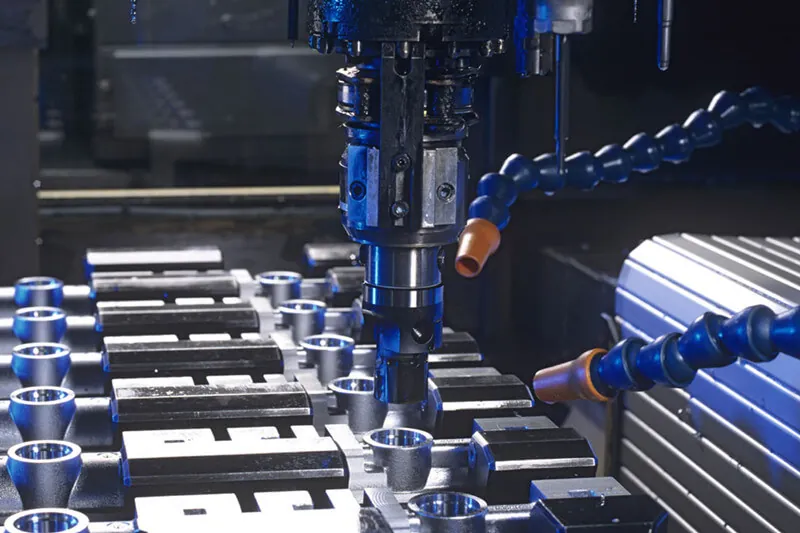
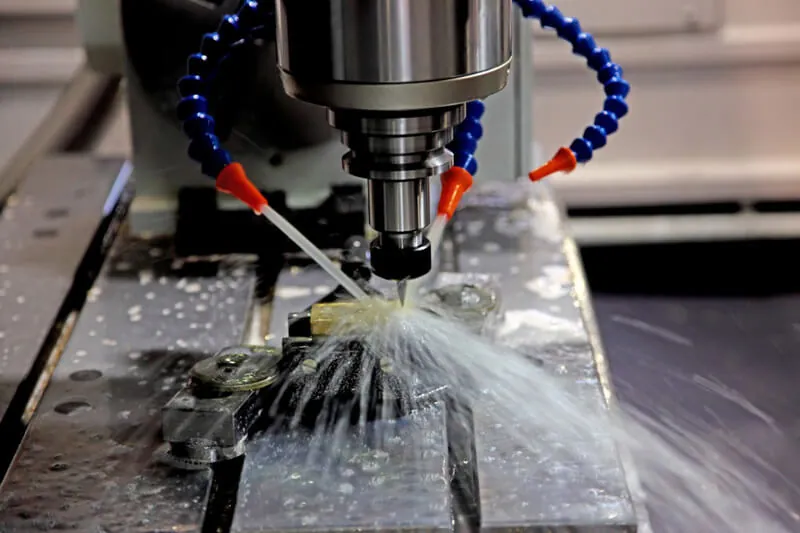
Our core strength resides in multi-axis precision machining. Utilizing state-of-the-art 5-axis CNC milling centers, we produce intricate mold bases, cavities, cores, inserts, and specialty fixtures with exceptional geometric complexity. This technology enables single-setup machining of highly contoured surfaces and undercuts common in modern rubber molds, significantly reducing cumulative error from multiple operations. The result is superior part replication, minimized secondary finishing, and accelerated time-to-production for your molding process. Material selection expertise across tool steels, pre-hardened alloys, and specialized wear-resistant grades ensures optimal performance under the thermal cycling and pressure inherent in rubber molding.

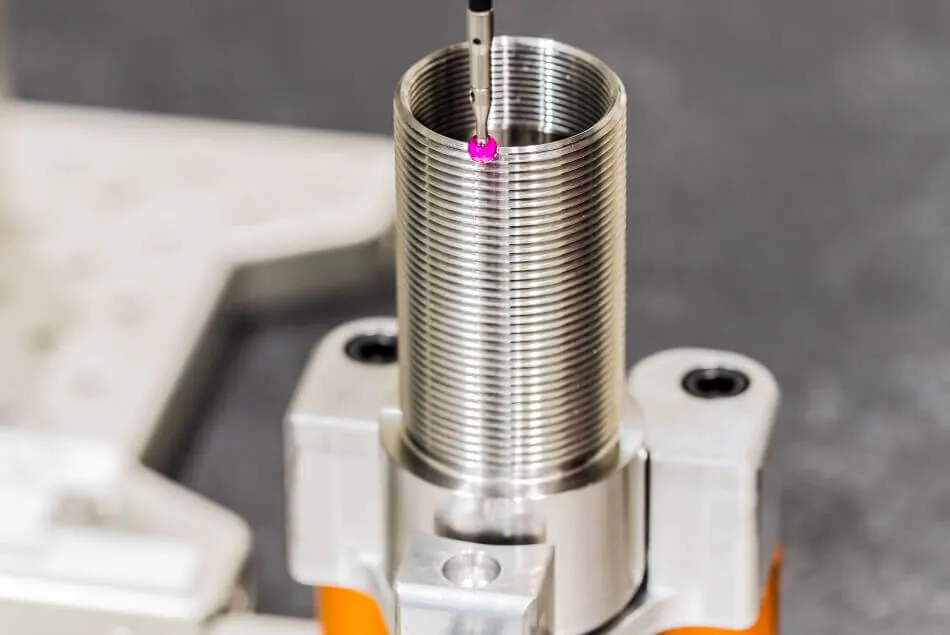
Rigorous quality verification is non-negotiable. Every critical component undergoes comprehensive inspection using calibrated Coordinate Measuring Machines (CMM). Our CMM protocols validate dimensional accuracy, geometric form (flatness, roundness, profile), and positional relationships against the original CAD model and stringent GD&T specifications. This systematic approach guarantees that mating surfaces achieve perfect alignment, venting channels function as designed, and ejector systems operate smoothly – all critical factors for producing defect-free rubber parts and maximizing mold life. Traceable inspection reports provide full transparency and confidence in component conformity.

The following table details our standard achievable tolerance capabilities for rubber molding tooling components, reflecting our commitment to precision engineering. These values represent typical production capabilities; tighter tolerances are achievable for critical features upon engineering review.

Feature Type Standard Tolerance Range Tight Tolerance Option Reference Standard
Linear Dimensions ±0.010 mm (±0.0004″) ±0.005 mm (±0.0002″) ISO 2768-mK
Positional Tolerance ±0.015 mm (±0.0006″) ±0.008 mm (±0.0003″) ISO 1101 (GD&T)
Hole Diameter H7 / h6 fit H6 / g5 fit ISO 286-2
Surface Roughness (Ra) 0.8 µm (32 µin) 0.4 µm (16 µin) ISO 1302
Flatness 0.015 mm / 100mm 0.008 mm / 100mm ISO 1101

This precision foundation translates directly to your rubber molding success. Accurately machined components ensure consistent cavity volume for weight control, perfect parting line registration to eliminate flash, and precise alignment of lifters and slides for complex geometries. Partner with Wuxi Lead Precision Machinery to secure the metal integrity that underpins exceptional rubber molded part quality and production efficiency. Custom tolerance requirements are evaluated during the engineering phase to meet your specific application demands.


Material & Finish Options

rubber for moulding manufacturing

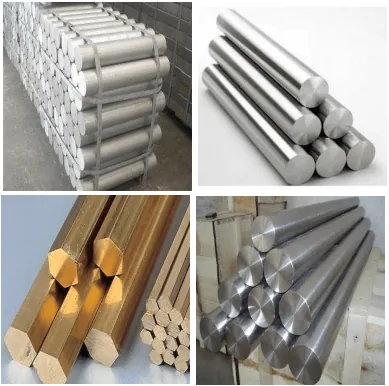
Material selection is a critical phase in the development of precision tooling for rubber molding applications. At Wuxi Lead Precision Machinery, we specialize in custom metal manufacturing solutions tailored to the demanding requirements of industrial rubber molding processes. The performance, durability, and cost-efficiency of a mold are directly influenced by the choice of base material and surface treatment. Among the most widely used materials in our production are aluminum, steel, and titanium—each offering distinct advantages depending on production volume, part complexity, and operating environment.

Aluminum is often selected for low- to medium-volume production due to its excellent machinability and thermal conductivity. It allows for rapid prototyping and faster cycle times, making it ideal for initial testing and short production runs. While softer than steel, high-grade aluminum alloys such as 7075-T6 provide sufficient strength for many molding applications, particularly when enhanced with surface treatments.

Steel remains the preferred choice for high-volume manufacturing. Tool steels like P20, H13, and S136 offer superior hardness, wear resistance, and longevity under repeated thermal cycling. These properties make steel molds well-suited for long production runs where dimensional stability and surface finish consistency are paramount. Stainless variants also provide enhanced corrosion resistance, critical when processing certain rubber compounds that release acidic byproducts during vulcanization.

Titanium, while less common, is gaining traction in specialized high-performance molds. Its exceptional strength-to-density ratio, corrosion resistance, and thermal stability make it suitable for extreme conditions, such as high-temperature molding or aerospace applications. Though more expensive and challenging to machine, titanium’s longevity in aggressive environments justifies its use in niche, high-value scenarios.

Surface finishing plays an equally vital role in mold performance. Anodizing, particularly hard anodizing, is a key post-processing technique applied to aluminum molds. This electrochemical process creates a durable, wear-resistant oxide layer that improves surface hardness, reduces friction, and enhances resistance to chemical attack. Anodized molds demonstrate extended service life and maintain dimensional accuracy over time, especially when processing abrasive rubber compounds.

The following table summarizes key mechanical and thermal properties of the three primary materials used in rubber molding tooling:

Material Hardness (HRC) Tensile Strength (MPa) Thermal Conductivity (W/m·K) Typical Use Case
Aluminum 7075-T6 40–45 570 130 Prototyping, low-volume production
Steel P20 28–32 980 30 Medium- to high-volume production
Steel H13 46–50 1,600 28 High-stress, high-temperature molding
Titanium Grade 5 36–41 900 7 Aerospace, extreme environment molds

At Wuxi Lead Precision Machinery, we work closely with clients to match material and finish specifications to application demands. By combining advanced CNC manufacturing with expert material science, we deliver molds that ensure repeatability, precision, and cost-effective production across the rubber molding lifecycle.


Manufacturing Process & QC

rubber for moulding manufacturing

Precision Metal Component Manufacturing: From Design to Zero Defect Mass Production

Wuxi Lead Precision Machinery specializes in high-integrity metal components, not rubber moulding. Our expertise lies in precision metal manufacturing for demanding industrial applications where material performance and dimensional accuracy are non-negotiable. Confusion between rubber and metal processes is common; we clarify that our end-to-end workflow ensures flawless metal parts through rigorous engineering control.

Phase One: Collaborative Design Engineering
We initiate with deep technical consultation to translate your functional requirements into manufacturable designs. Our engineers utilize advanced CAD/CAM suites (SolidWorks, Siemens NX) to model components, focusing on material selection (e.g., 6061-T6 aluminum, 304 stainless steel), stress analysis, and manufacturability. Finite Element Analysis (FEA) validates structural integrity under operational loads, while Design for Manufacturing (DFM) principles eliminate costly geometric complexities. This phase establishes the blueprint for zero defects by preempting tooling conflicts and material behavior issues.

Phase Two: Precision Prototyping & Validation
Prototypes are machined via 5-axis CNC centers with sub-micron repeatability, using production-intent tooling and materials. Critical dimensions undergo Coordinate Measuring Machine (CMM) inspection against GD&T callouts, with results mapped to the original CAD model for deviation analysis. Material properties are verified through third-party lab testing for hardness, tensile strength, and corrosion resistance. Only after full dimensional and material compliance is confirmed do we proceed. Below are typical prototype validation specifications:

Parameter Standard Specification Verification Method
Dimensional Tolerance ±0.005 mm CMM (Zeiss CONTURA)
Surface Finish Ra 0.4 μm max Profilometer (Mitutoyo)
Material Hardness Per ASTM E10/E18 Rockwell/Brinell Tester
Geometric Accuracy ±0.01 mm (GD&T) Laser Scanner (Hexagon)

Phase Three: Zero Defect Mass Production
Our production cells integrate smart manufacturing protocols to sustain perfection at scale. Each CNC machine employs real-time in-process probing to correct thermal drift and tool wear, while Statistical Process Control (SPC) monitors critical dimensions via automated data collection. Every component undergoes 100% visual inspection under calibrated lighting and automated optical comparison. Our proprietary defect-tracking system (QLab™) analyzes root causes within minutes, triggering immediate process adjustments. Batch traceability via laser-etched serial numbers ensures full material and process history for every part.

Zero defects are not aspirational—they are engineered. By embedding metrology and corrective action into every phase, Wuxi Lead delivers metal components that meet aerospace, medical, and energy sector standards consistently. Partner with us to transform specifications into flawless reality.


Why Choose Wuxi Lead Precision

Partner with Lead Precision for Advanced Rubber Moulding Solutions in Custom Metal Manufacturing

At Wuxi Lead Precision Machinery, we specialize in delivering high-performance manufacturing solutions tailored to the complex demands of modern industrial applications. As a trusted leader in custom metal manufacturing, we integrate precision engineering with advanced rubber moulding technologies to provide seamless, durable, and reliable components for industries ranging from automotive and aerospace to medical devices and industrial automation.

Rubber for moulding is not just a material—it’s a critical performance element. Whether you require elastomers with extreme temperature resistance, high tensile strength, or chemical inertness, our engineering team works closely with clients to select and process the optimal rubber compound for your application. We support a wide range of materials including silicone, nitrile (NBR), EPDM, fluorocarbon (FKM), and natural rubber, each processed using state-of-the-art compression, transfer, and injection moulding techniques.

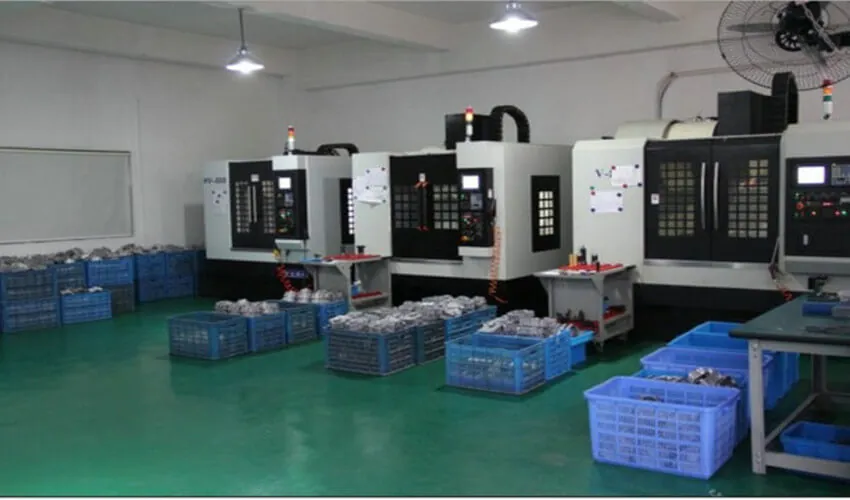
Our facility in Wuxi, China, is equipped with CNC-controlled moulding presses, automated material handling systems, and in-house tooling design capabilities, enabling us to produce rubber-moulded metal components with micron-level accuracy and exceptional repeatability. Every stage—from initial design and prototyping to full-scale production and quality assurance—is managed under ISO 9001-certified processes to ensure compliance with international standards.

We understand that successful rubber-to-metal bonding hinges on material compatibility, surface preparation, and precise process control. Our engineers utilize advanced adhesion technologies and rigorous testing protocols to ensure long-term durability under dynamic loads, vibration, and environmental exposure. Whether you’re developing sealing systems, vibration dampers, or custom hydraulic components, we deliver engineered solutions that enhance performance and reduce lifecycle costs.

Below are key technical capabilities that define our rubber moulding services:

Specification Detail
Moulding Methods Compression, Transfer, Injection
Rubber Materials Silicone, NBR, EPDM, FKM, Natural Rubber, Neoprene, ACM
Hardness Range (Shore A) 30 to 90
Tolerance Control ±0.05 mm to ±0.2 mm (depending on part geometry)
Bonding Techniques Adhesive priming, heat curing, mechanical interlock
Metal Substrates Steel, Stainless Steel, Aluminum, Brass
Max Part Weight 5 kg
Production Capacity Low-volume prototyping to high-volume serial production
Quality Standards ISO 9001:2015, RoHS, REACH compliance

Partnering with Wuxi Lead Precision Machinery means gaining a collaborative engineering resource focused on innovation, precision, and on-time delivery. Our global client base relies on us not just for manufacturing, but for technical consultation, design optimization, and supply chain stability.

If you are developing mission-critical components that require seamless integration of rubber and metal, contact us today. Send your technical specifications and project requirements to [email protected]. Our engineering team will respond within 24 hours with a detailed feasibility assessment and quotation. Let us help you turn complex challenges into high-precision realities.


⚙️ Precision Cost Estimator

Estimate relative manufacturing effort based on tolerance.

Rubber For Moulding Manufacturer | Precision CNC Guide

Contents of Table

Contact [email protected] Whatsapp 86 15951276160