Technical Contents
Engineering Guide: Medical Silicone Molding
Engineering Insight: Precision Imperatives in Medical Silicone Molding
Medical silicone molding demands uncompromising precision far beyond standard elastomer processing. The inherent properties of medical-grade silicones—high viscosity, sensitivity to temperature fluctuations, and cure shrinkage characteristics—interact critically with mold geometry. Microscopic deviations in cavity dimensions or surface finish directly translate to functional failures in final components. A tolerance shift of mere microns can create micro-leak paths in fluidic drug delivery systems or compromise the sealing integrity of implantable device housings. This precision is non-negotiable; it is clinically mandated for patient safety and device efficacy. Achieving it requires mold tooling engineered to exacting standards where thermal management, material flow dynamics, and structural rigidity converge.
The foundation of this precision lies in the metal mold itself. Custom metal manufacturing for silicone molding is not merely about shaping steel; it is about mastering thermal inertia, minimizing deflection under extreme cavity pressures (often exceeding 150 MPa), and ensuring micron-level dimensional stability across thousands of cycles. Surface integrity is paramount—optical-grade finishes (Ra < 0.025 µm) prevent silicone adhesion and ensure clean part release without micro-tearing, which could generate particulates. Wuxi Lead Precision Machinery applies aerospace and defense-derived manufacturing rigor to this challenge. Our experience producing molds for critical Olympic venue components—where environmental seals performed flawlessly under extreme thermal cycling—and precision aerospace fluid systems—certified to stringent military specifications—provides the engineering discipline essential for medical applications. This heritage ensures molds maintain dimensional fidelity under the demanding thermal and mechanical loads inherent in medical silicone processing.
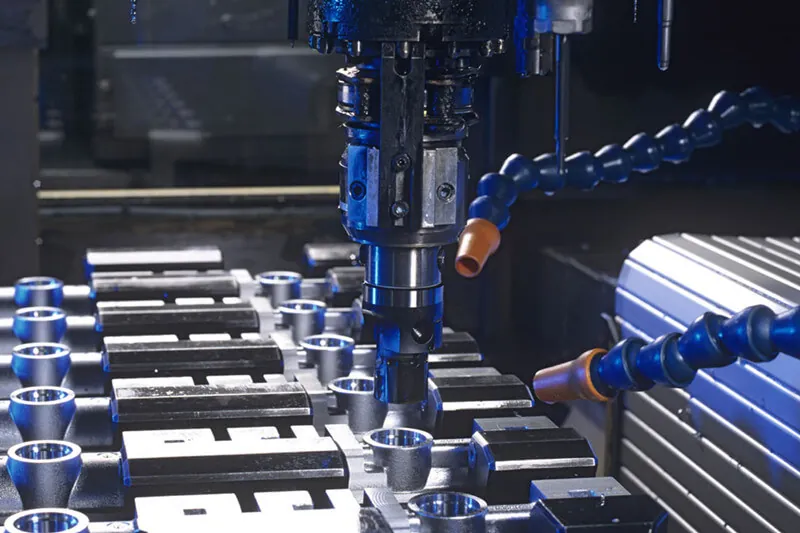
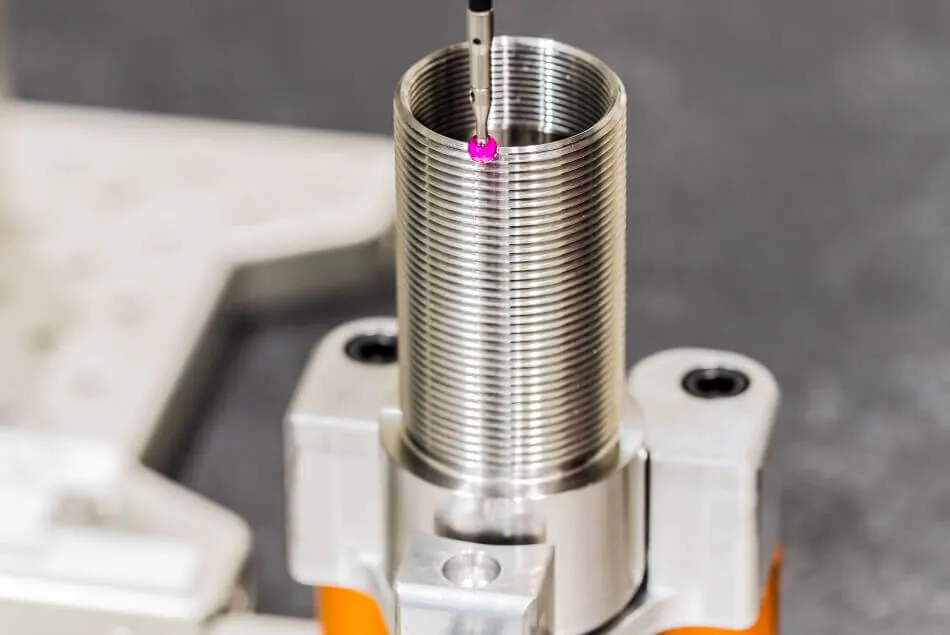
Material selection and CNC machining strategy are equally critical. High-hardness tool steels (e.g., H13, S136) must be machined using multi-axis contouring with sub-micron repeatability to achieve complex geometries and critical shut-off surfaces. Electrode design for EDM operations requires meticulous planning to eliminate micro-craters that could initiate silicone tearing. Every machining pass is validated against the original CAD model using coordinate measuring machines (CMM) with nanometer-level resolution, ensuring the physical mold matches the virtual design intent exactly. This level of control prevents costly iterations and ensures first-article capability for critical medical components.
The following specifications represent the baseline precision capabilities required for high-integrity medical silicone molding tooling:
| Critical Parameter | Industry Benchmark Requirement | Wuxi Lead Precision Capability |
|---|---|---|
| Dimensional Tolerance | ±0.010 mm | ±0.002 mm |
| Surface Roughness (Cavity) | Ra ≤ 0.05 µm | Ra ≤ 0.025 µm |
| Thermal Uniformity (Mold) | ±1.5°C across cavity | ±0.5°C across cavity |
| Cavity Pressure Resistance | ≥ 120 MPa | ≥ 180 MPa |
| Tool Steel Hardness | 48-52 HRC | 50-54 HRC (Stress Relieved) |
This precision engineering directly translates to medical device reliability. Consistent part geometry ensures predictable biocompatibility, accurate drug dosing, and hermetic sealing—factors where Wuxi Lead Precision Machinery’s proven expertise in mission-critical applications delivers tangible assurance for manufacturers navigating stringent regulatory pathways. Precision is not a feature; it is the fundamental requirement for life-critical medical silicone components.
Precision Specs & Tolerances
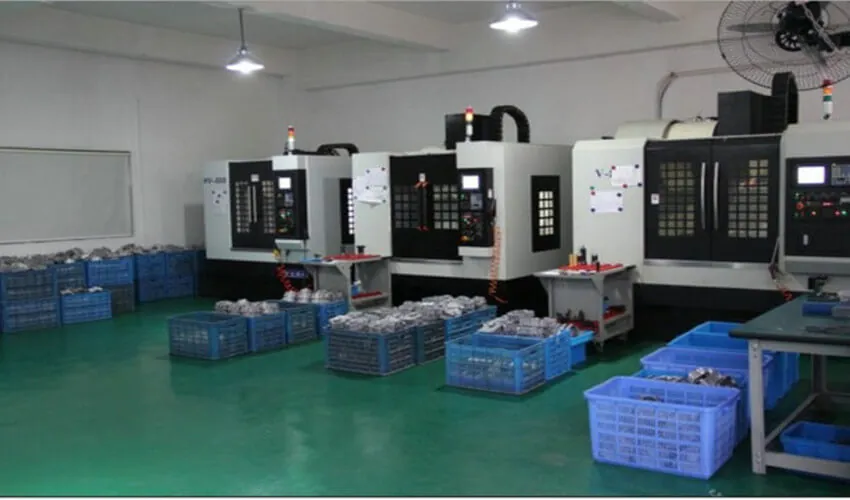
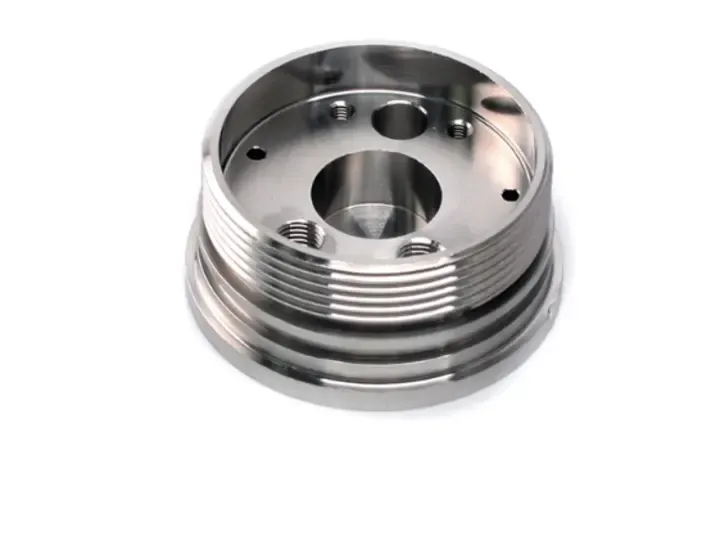
Wuxi Lead Precision Machinery delivers advanced technical capabilities in custom metal manufacturing, engineered to meet the stringent demands of the medical silicone molding industry. Our expertise lies in producing high-precision mold components that ensure repeatability, durability, and flawless surface finishes required for medical-grade silicone applications. Central to our manufacturing excellence is our investment in state-of-the-art 5-axis CNC machining technology, which enables us to fabricate complex geometries with superior accuracy and efficiency.
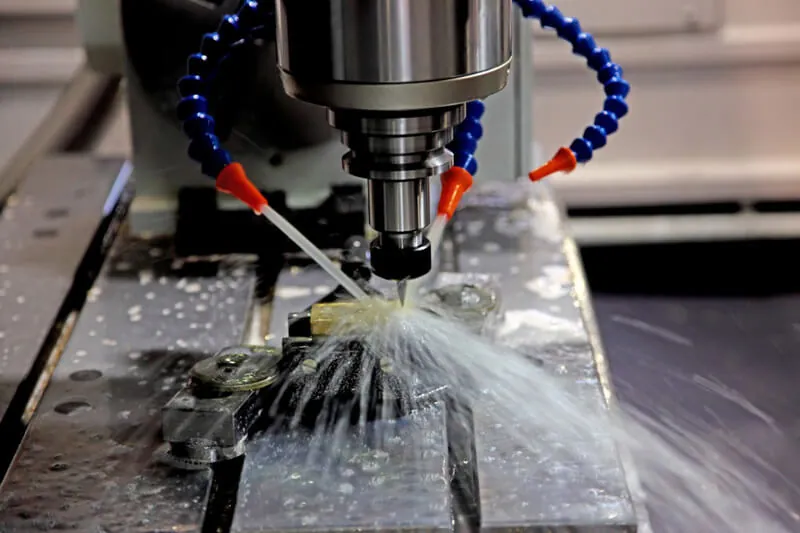
Our 5-axis CNC machining centers operate with simultaneous multi-axis movement, allowing for intricate cavity and core designs that are common in medical silicone molds. This capability reduces the need for multiple setups, minimizing human error and improving dimensional consistency. We work with a range of mold materials, including hardened steels, stainless alloys, and aluminum, tailored to the production volume, sterilization requirements, and part complexity of the final medical device. The integration of high-speed machining and advanced toolpath strategies ensures tight tolerances and fine surface details, critical for molds used in implantable and disposable medical products.
Quality control is embedded throughout our manufacturing process. Every component undergoes comprehensive inspection using a Coordinate Measuring Machine (CMM), ensuring full compliance with technical drawings and industry standards. Our CMM system provides traceable, high-resolution metrology data, validating geometric dimensions, positional accuracy, and surface profiles. This level of inspection is essential for medical applications where even micron-level deviations can impact part functionality or regulatory approval.
We adhere to ISO 13485 principles in our processes, supporting clients in meeting FDA and CE marking requirements. Our engineering team collaborates closely with clients during the design-for-manufacturability (DFM) phase, offering feedback on mold flow, ejection systems, venting, and cooling channels to optimize performance and longevity.
The table below outlines our standard machining tolerances, reflecting our precision capabilities for medical mold components.
| Feature | Standard Tolerance | Tight Tolerance Capability |
|---|---|---|
| Linear Dimensions (mm) | ±0.01 mm | ±0.005 mm |
| Hole Diameter | ±0.01 mm | ±0.005 mm |
| Positional Tolerance | ±0.01 mm | ±0.005 mm |
| Flatness | 0.01 mm per 100 mm | 0.005 mm per 100 mm |
| Surface Roughness (Ra) | 0.8 µm | 0.2 µm (polished) |
| Angular Tolerance | ±0.05° | ±0.02° |
All tolerances are verified under controlled environmental conditions to eliminate thermal distortion during measurement. Our technical capabilities are designed to support low-volume prototyping and high-volume production, ensuring scalability without compromise on quality. Wuxi Lead Precision Machinery is committed to being a trusted partner in the development of precision molds that drive innovation in the medical device industry.
Material & Finish Options
Material Selection for Medical Silicone Molding Tooling
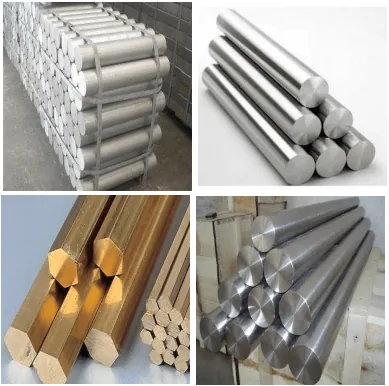
Precision material selection is non-negotiable in medical silicone molding. The mold directly impacts part integrity, regulatory compliance, production efficiency, and total cost of ownership. At Wuxi Lead Precision Machinery, we prioritize materials that deliver exceptional dimensional stability under repeated thermal cycling, resist degradation from aggressive medical-grade silicones and sterilization processes, and ensure pristine surface replication. Aluminum, steel, and titanium each serve distinct roles within this demanding ecosystem, chosen based on production volume, part complexity, and required longevity.
Aluminum alloys, particularly 7075-T6, offer superior thermal conductivity and machinability. This makes them ideal for rapid prototyping, low-to-medium volume production, and applications requiring quick heat dissipation during the molding cycle. While less wear-resistant than steel, high-grade aluminum molds achieve excellent surface finishes crucial for medical aesthetics and functionality. Steel, specifically hardened stainless grades like 420SS or H13, is the backbone of high-volume medical molding. Its exceptional hardness and wear resistance ensure dimensional stability over hundreds of thousands of cycles, critical for maintaining tight tolerances on intricate features like micro-channels or sealing surfaces. Steel withstands rigorous autoclaving and chemical sterilization without degradation. Titanium alloys, primarily Ti-6Al-4V, are reserved for the most extreme scenarios. Their unparalleled strength-to-weight ratio, biocompatibility, and exceptional corrosion resistance against highly aggressive chemistries justify their use in specialized, ultra-high-value medical components where failure is not an option, despite higher initial costs and machining complexity.
Surface finish, particularly hard anodizing for aluminum molds, is equally critical. Standard anodizing provides basic corrosion resistance, but Type III (Hardcoat) anodizing creates a dense, non-porous, ceramic-like layer significantly enhancing surface hardness (up to 60-70 HRC equivalent), wear resistance, and release properties. This minimizes silicone adhesion, reduces cleaning frequency, prevents particle generation, and extends mold life substantially in medical environments. Crucially, properly processed hard anodized surfaces meet biocompatibility requirements and withstand repeated exposure to isopropyl alcohol, hydrogen peroxide, and steam sterilization without compromising integrity.
The table below summarizes key material properties for medical molding applications:
| Material | Hardness (HV) | Corrosion Resistance | Thermal Conductivity (W/m·K) | Best Use Case |
|---|---|---|---|---|
| Aluminum 7075-T6 | 150-200 | Moderate | 130 | Prototyping, Low/Medium Volume Runs |
| Stainless Steel 420 | 500-550 | Excellent | 25 | High Volume Production, Complex Parts |
| Titanium Ti-6Al-4V | 350-400 | Exceptional | 7 | Extreme Chemical Exposure, Ultra-High Value |
Selecting the optimal material and finish requires balancing performance demands against lifecycle economics. Wuxi Lead Precision Machinery leverages decades of CNC expertise and deep material science knowledge to guide clients toward the most reliable, cost-effective solution for their specific medical silicone molding challenge, ensuring regulatory adherence and production excellence from the first cavity to the last. Our engineering team observes that neglecting this critical step inevitably leads to compromised part quality, unplanned downtime, and higher total costs.
Manufacturing Process & QC
The production process for medical silicone molding at Wuxi Lead Precision Machinery follows a rigorous, end-to-end methodology designed to ensure zero defects and full compliance with medical industry standards. Every stage—from initial design through prototyping to mass production—is engineered with precision, traceability, and quality assurance at its core. This disciplined approach enables us to deliver custom metal components and tooling systems that meet the exacting demands of medical device manufacturing.
Design begins with a collaborative engineering review, where our technical team works closely with the client to analyze part geometry, material compatibility, and functional requirements. Utilizing advanced CAD/CAM software and finite element analysis (FEA), we optimize mold flow, gate placement, and thermal distribution to prevent defects such as voids, flash, or incomplete fills. Design for manufacturability (DFM) principles are applied rigorously to ensure that every component can be consistently reproduced at scale without compromising performance or regulatory compliance.
Prototyping follows the design phase, employing high-precision CNC machining and rapid tooling techniques to produce functional silicone molds in short lead times. These prototype molds are used to generate initial sample batches under production-like conditions. Each sample undergoes comprehensive inspection using coordinate measuring machines (CMM), optical comparators, and material testing to validate dimensional accuracy, surface finish, and biocompatibility. Any deviations are addressed through iterative refinement, ensuring process stability before transitioning to full-scale manufacturing.
Mass production is executed on automated, closed-loop molding systems monitored in real time for pressure, temperature, and cycle consistency. Our facility operates under ISO 13485-certified quality management protocols, with every production lot subjected to 100% visual inspection and statistical process control (SPC) sampling. Traceability is maintained through serialized lot tracking, ensuring full documentation from raw material to final shipment. Preventive maintenance schedules and operator certification programs further reinforce process reliability.
All tooling is fabricated in-house using premium-grade stainless steel or hardened alloys, with surface finishes ranging from mirror polish to textured matte, depending on application needs. Cleanroom assembly options are available for Class 7 or Class 8 environments, supporting implantable and critical-use devices.
Below are key specifications for our medical silicone molding production process.
| Parameter | Specification |
|---|---|
| Material Compatibility | Medical-grade silicone (USP Class VI, ISO 10993) |
| Tolerance Range | ±0.025 mm |
| Tooling Materials | 420SS, 316SS, H13, D2 |
| Surface Finish (Mold) | Ra ≤ 0.05 µm (mirror polish) to Ra 0.8 µm (textured) |
| Production Capacity | Up to 500,000 units/month |
| Quality Standards | ISO 13485, ISO 9001, RoHS, FDA 21 CFR Part 820 |
| Cleanroom Options | ISO Class 7 and Class 8 |
| Lead Time (Prototype) | 4–6 weeks |
| Lead Time (Mass Production) | 8–12 weeks after approval |
Through integrated design validation, precision prototyping, and tightly controlled mass production, Wuxi Lead Precision Machinery ensures zero-defect delivery for every medical silicone molding project.
Why Choose Wuxi Lead Precision
Partner with Lead Precision for Mission-Critical Medical Silicone Molding Solutions
Medical device innovation demands absolute precision in every component, especially when utilizing biocompatible silicone. At Wuxi Lead Precision Machinery, we engineer the foundational metal tooling and fixtures that transform silicone molding concepts into sterile, reliable, and compliant medical products. Our expertise lies at the intersection of ultra-precise CNC manufacturing and the stringent requirements of the medical industry. We understand that a single micron deviation in mold cavity geometry, cooling channel placement, or ejection system alignment can compromise part integrity, biocompatibility, or regulatory approval. That is why we commit to delivering metal components with the dimensional stability, surface finish, and repeatability essential for successful silicone molding under demanding production cycles.
Your success hinges on tooling that withstands repeated exposure to high temperatures, aggressive cleaning protocols, and the unique flow characteristics of medical-grade silicone. Our ISO 13485-certified processes ensure every mold base, insert, core pin, and manifold is machined to exacting tolerances using premium corrosion-resistant alloys. We implement rigorous in-process metrology, including CMM validation against 3D CAD models, to guarantee conformity before shipment. This meticulous approach minimizes startup delays, reduces scrap rates, and ensures consistent part quality throughout your product lifecycle – directly impacting your time-to-market and patient safety.
Wuxi Lead Precision Machinery: Core Capabilities for Medical Silicone Tooling
| Specification Category | Capability Detail |
|---|---|
| Material Expertise | 17-4PH, 420SS, H13 Tool Steel; ASTM F86 surface passivation |
| Dimensional Tolerance | ±0.0008″ (±0.02mm) on critical features; ±0.0004″ (±0.01mm) for sealing surfaces |
| Surface Finish | Ra 0.2 µm (8 µin) standard; micro-textured surfaces per ISO 2768-mK |
| Max Work Envelope | 800 x 600 x 500 mm (31.5″ x 23.6″ x 19.7″) |
| Process Certification | ISO 13485:2016, ISO 9001:2015, Full Material Traceability (MTR) |
| Quality Control | 100% CMM reporting; First Article Inspection (FAI) per AS9102 |
Choosing the right manufacturing partner is a strategic decision impacting regulatory submissions, production scalability, and brand reputation. Wuxi Lead Precision Machinery operates dedicated cleanroom-compatible machining cells and employs engineers with deep domain knowledge in medical silicone processing challenges. We collaborate from the earliest design phase, offering DFM insights to optimize mold longevity and part ejection – preventing costly revisions downstream. Our facility in Wuxi, China, combines advanced multi-axis milling and grinding technology with stringent environmental controls, ensuring your tooling meets global medical standards while maintaining cost efficiency.
Do not compromise on the metal foundation of your silicone-molded medical device. Contact our engineering team today to discuss your specific requirements. Send detailed RFQs, CAD files, or material specifications to [email protected]. Our specialists will respond within 24 business hours with a tailored capability assessment and timeline. Let Wuxi Lead Precision Machinery become your trusted partner in delivering precision-engineered solutions that meet the uncompromising demands of modern healthcare. Your next breakthrough device deserves nothing less. Act now to secure capacity and accelerate your path to market.
⚙️ Precision Cost Estimator
Estimate relative manufacturing effort based on tolerance.