Technical Contents
Engineering Guide: Custom Plastic Injection Molding Services
Engineering Insight: The Critical Role of Precision in Custom Plastic Injection Molding Services
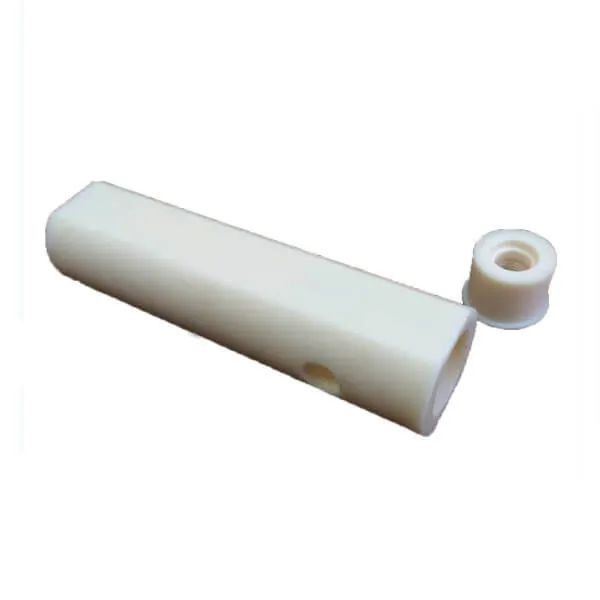
In the realm of high-performance manufacturing, custom plastic injection molding services are no longer just about shaping polymers—they are about achieving micron-level accuracy, repeatability, and material integrity under demanding production cycles. At Wuxi Lead Precision Machinery, we treat every injection molding project as an engineering challenge, where precision is not a target but a standard. Our expertise, honed through collaboration on Olympic-grade equipment and military-spec components, underscores our commitment to delivering molded parts that meet the most stringent tolerances and performance criteria.
Precision in plastic injection molding begins long before the mold closes. It starts with material science understanding, mold flow analysis, and cavity pressure monitoring—each step calibrated to eliminate variability. Thermal gradients, resin viscosity fluctuations, and tool wear all introduce potential deviations. Our in-house engineering team employs advanced simulation software and real-time process validation to anticipate and neutralize these variables. The result is a production environment where tolerances as tight as ±0.005 mm are consistently achieved, ensuring dimensional stability across high-volume runs.
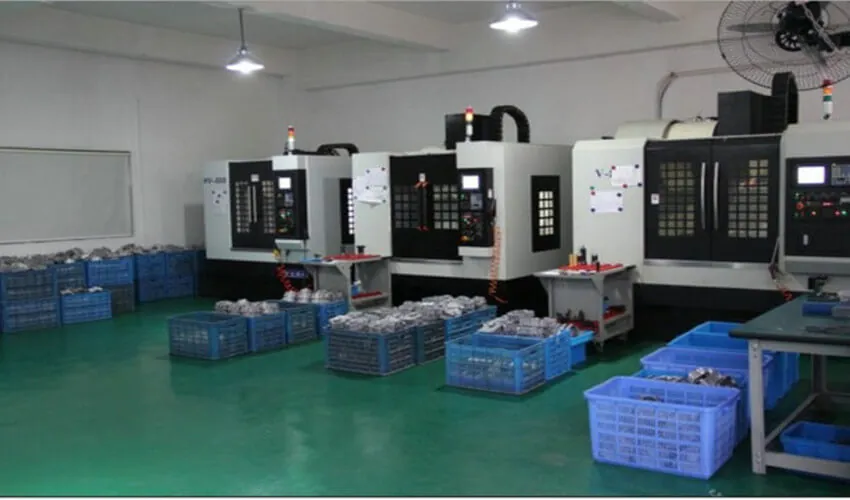
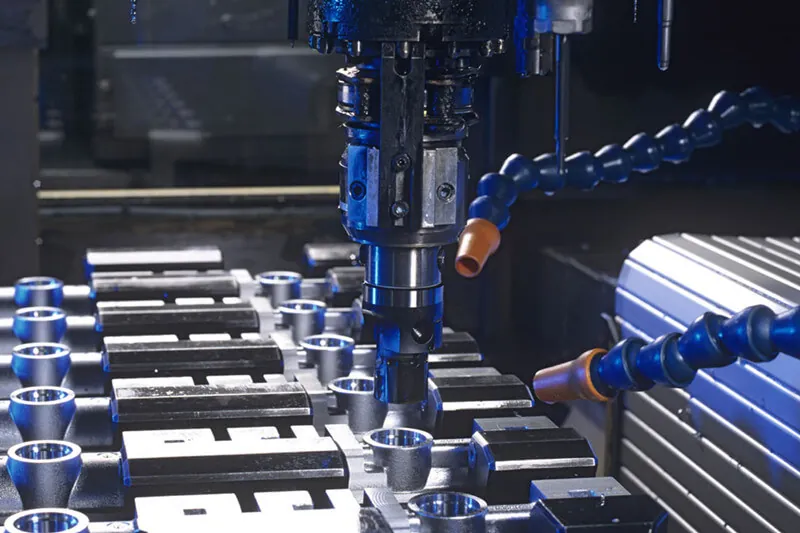
Our facility in Wuxi integrates state-of-the-art electric and hybrid injection molding machines with automated quality inspection systems. Each mold is designed using hardened tool steels or premium stainless alloys, CNC-machined to precise geometries, and subjected to rigorous testing before deployment. This disciplined approach allows us to serve industries where failure is not an option—such as aerospace, defense, and high-end sports technology.
The significance of precision extends beyond geometry. It directly influences part functionality, assembly compatibility, and lifecycle durability. A micro-misalignment in a connector housing or a slight warpage in a sensor enclosure can compromise entire systems. Our experience manufacturing components for Olympic timing systems—where split-second accuracy depends on flawless hardware—demonstrates how precision molding contributes to macro-level performance. Similarly, military contracts have required us to adhere to ISO 13485 and MIL-STD-810 standards, reinforcing our ability to deliver under strict regulatory frameworks.
We understand that our clients demand more than just parts—they require assurance. That assurance comes from process transparency, traceable materials, and documented process controls. Every batch is accompanied by full inspection reports, including first-article certifications and statistical process control (SPC) data.
The following table outlines key performance specifications achievable through our custom plastic injection molding services:
| Specification | Capability |
|---|---|
| Tolerance Range | ±0.005 mm to ±0.05 mm |
| Shot Weight Range | 1 g to 1,200 g |
| Clamping Force | 50 to 2,500 tons |
| Materials Supported | ABS, PC, POM, PEEK, PP, PA6/66, PMMA, LCP, and filled variants |
| Mold Lifetime | 500,000 to 1,000,000+ cycles |
| Secondary Operations | Ultrasonic welding, insert molding, precision assembly, laser marking |
At Wuxi Lead Precision Machinery, precision is engineered into every phase of production. Our legacy in mission-critical manufacturing drives us to exceed expectations, ensuring that every custom molded component performs exactly as designed—every time.
Precision Specs & Tolerances
Advanced Metal Machining Capabilities for Precision-Critical Applications
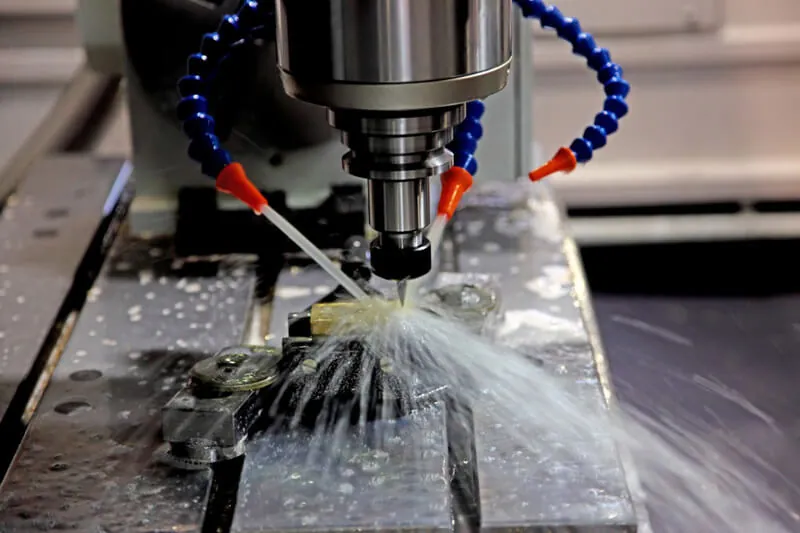
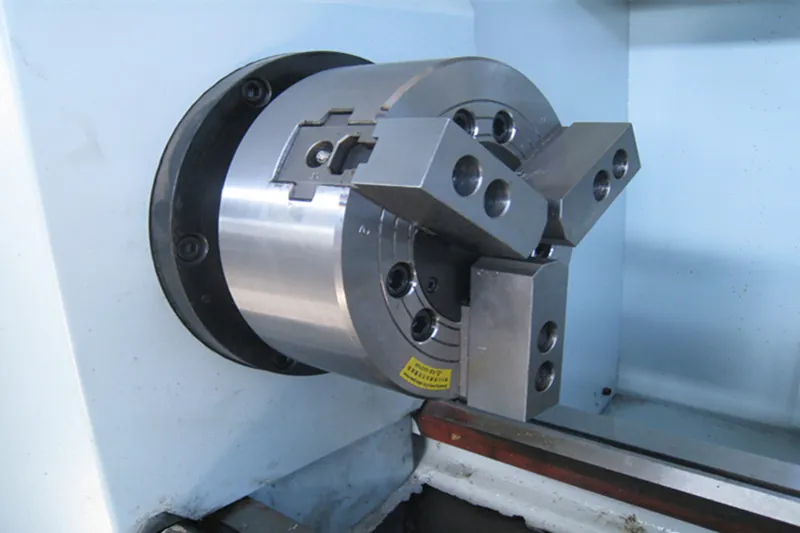
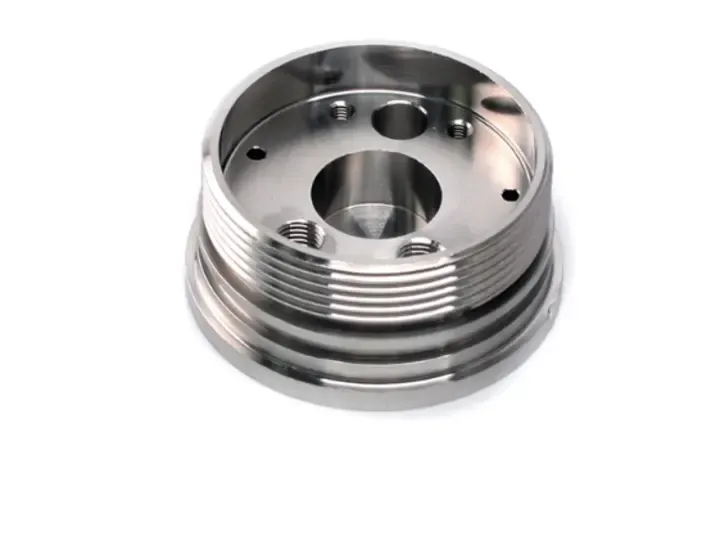
Wuxi Lead Precision Machinery delivers uncompromising precision in custom metal manufacturing through integrated high-technology systems. Our core competency lies in complex, tight-tolerance metal components for aerospace, medical device, and semiconductor industries where failure is not an option. Central to this capability is our fleet of 5-axis CNC machining centers, featuring dual-spindle configurations and high-speed spindles (up to 24,000 RPM). These systems enable complete part consolidation—machining intricate geometries in a single setup that would traditionally require multiple operations. This eliminates cumulative error sources while drastically reducing lead times for mission-critical components. All machines operate under strict environmental controls (20±1°C) with real-time thermal compensation to ensure dimensional stability during extended production runs.
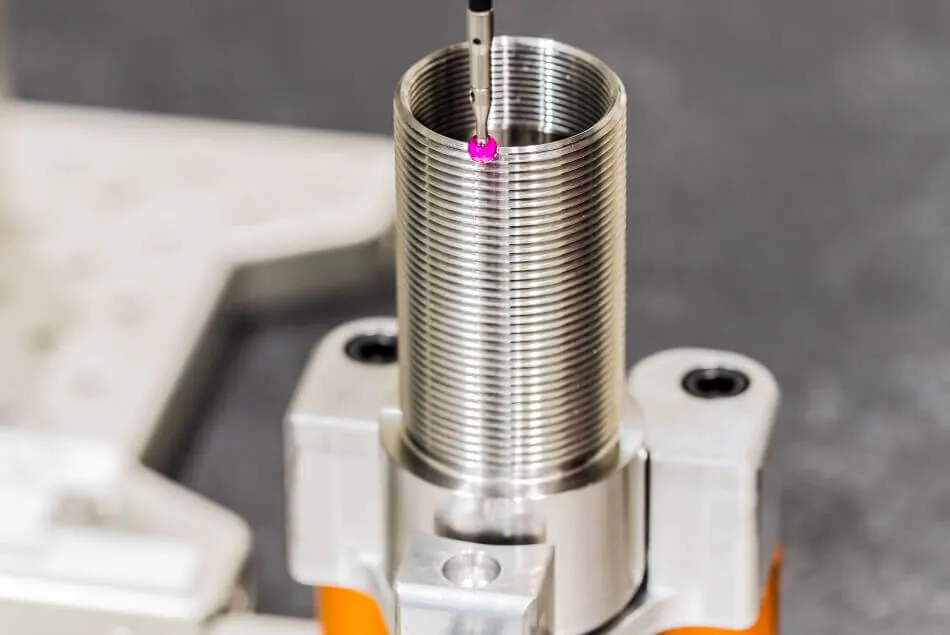
Quality assurance is engineered into every process stage. Our dedicated metrology lab houses multiple Coordinate Measuring Machines (CMMs), including a 1.5m x 2.5m x 1m GLOBAL S series system with 1.9 + L/350 μm accuracy. Every critical feature undergoes 100% first-article inspection against ASME Y14.5 GD&T standards, with comprehensive SPC data provided in final documentation. For micro-precision requirements, we deploy optical comparators and surface roughness testers certified to ISO 17025 standards. This multi-layered inspection protocol ensures zero-defect delivery for components operating in extreme environments—whether cryogenic aerospace assemblies or implantable medical devices.
Our technical execution is defined by achievable tolerances that exceed industry benchmarks. The following specifications reflect our validated production capabilities across common engineering alloys (titanium, Inconel, aluminum, stainless steel):
| Feature Type | Standard Industry Tolerance | Wuxi Lead Precision Tolerance | Measurement Method |
|---|---|---|---|
| Linear Dimensions | ±0.025 mm | ±0.005 mm | CMM |
| Geometric Position | ±0.05 mm | ±0.01 mm | CMM with GD&T analysis |
| Surface Roughness (Ra) | 1.6 μm | 0.4 μm | Contact profilometer |
| Hole Perpendicularity | 0.05 mm/m | 0.01 mm/m | CMM + custom fixtures |
| Multi-Surface Flatness | 0.03 mm | 0.008 mm | Laser interferometer |
This precision is sustained through rigorous operator certification—our CNC programmers hold NIMS Level 3 credentials, while machinists undergo quarterly requalification on geometric tolerance interpretation. Material traceability is maintained from raw bar stock (with full mill certs) through final inspection via our digital MES platform, providing clients with auditable production records. For projects demanding extreme repeatability, we implement in-process probing with tool wear compensation cycles, ensuring sub-micron consistency over 10,000+ part runs. Partnering with Wuxi Lead means converting your most demanding metal component specifications into reality with documented, verifiable precision—eliminating supply chain risk for applications where accuracy defines performance.
Material & Finish Options
Material Selection for High-Precision Custom Metal Components in Plastic Injection Molding Systems
In the realm of custom plastic injection molding, the performance and longevity of tooling systems depend heavily on the selection of appropriate metal materials and surface treatments. At Wuxi Lead Precision Machinery, we specialize in high-end metal components that support demanding injection molding applications. Our engineering team prioritizes material integrity, thermal stability, and wear resistance to ensure optimal mold life and part consistency.
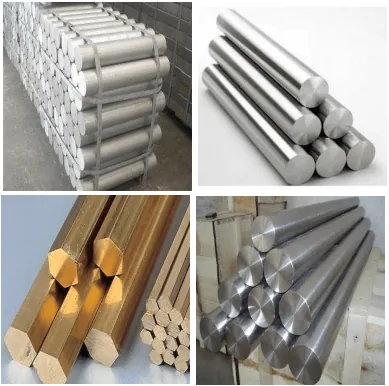
Aluminum, steel, and titanium each offer distinct advantages depending on production volume, part complexity, and environmental conditions. Aluminum is favored for prototyping and low-to-medium volume runs due to its excellent machinability and thermal conductivity. It allows for rapid cooling cycles and reduced lead times, making it ideal for iterative design validation. However, its lower hardness limits its use in high-wear environments.
Steel, particularly tool steel variants such as P20, H13, and S136, remains the standard for high-volume production molds. These steels provide superior hardness, abrasion resistance, and dimensional stability under repeated thermal cycling. Stainless tool steels also offer enhanced corrosion resistance, critical when processing halogenated or corrosive resins. For molds requiring extended service life and tight tolerances, hardened steel is the definitive choice.
Titanium is employed selectively in specialized applications where extreme strength-to-density ratio and corrosion resistance are paramount. While not commonly used for full mold bases, titanium alloys are ideal for ejector pins, inserts, and other high-stress components exposed to aggressive environments or elevated temperatures. Its biocompatibility and non-magnetic properties also make it suitable for medical and electronic molding applications.
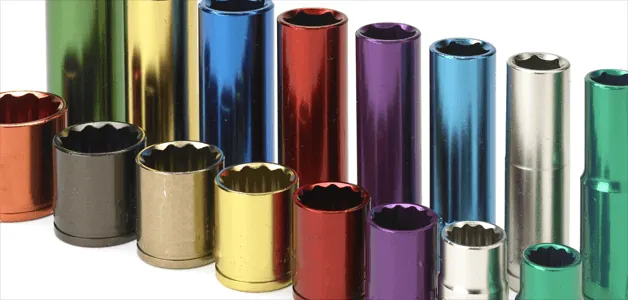
Surface finishing, particularly anodizing, plays a critical role in enhancing aluminum component performance. Anodizing creates a controlled oxide layer that significantly improves wear resistance, surface hardness, and corrosion protection. Type II (sulfuric acid) anodizing is commonly used for decorative and moderate-duty applications, while Type III (hardcoat anodizing) delivers a dense, wear-resistant layer suitable for functional mold components. Anodized surfaces also provide excellent electrical insulation and can be dyed for identification purposes.
The decision between materials and finishes must align with project-specific requirements including cycle count, resin type, part geometry, and regulatory standards. Our engineering team at Wuxi Lead Precision Machinery conducts comprehensive material analysis to match each application with the optimal combination of base metal and surface treatment.
Below is a comparative overview of key material properties and recommended applications:
| Material | Hardness (HRC) | Tensile Strength (MPa) | Thermal Conductivity (W/m·K) | Key Applications | Recommended Finish |
|---|---|---|---|---|---|
| Aluminum 7075 | 40–45 | 570 | 130 | Prototypes, low-volume molds | Type III Anodizing |
| P20 Steel | 28–32 | 900 | 30 | Medium-to-high volume molds | Nitriding, Polishing |
| H13 Steel | 48–52 | 1,500 | 25 | High-pressure, high-temperature molds | PVD Coating, Polishing |
| Titanium Ti-6Al-4V | 36–40 | 950 | 7 | Ejector systems, corrosive environments | Anodizing (Medical Grade) |
Material and finish selection directly impacts mold performance, maintenance intervals, and final part quality. Partnering with an experienced manufacturer ensures technical alignment from concept to production.
Manufacturing Process & QC
Precision Injection Molding: The Zero Defect Production Pathway
At Wuxi Lead Precision Machinery, we recognize that true value in custom plastic injection molding lies not just in part creation, but in guaranteed performance and absolute reliability. Our rigorously defined production process—spanning Design, Prototyping, and Mass Production—is engineered from the ground up to achieve Zero Defects, eliminating costly rework and ensuring your components meet exacting functional and aesthetic standards. This systematic approach is fundamental for high-stakes industrial applications where failure is not an option.
The journey begins with Engineering Design and Simulation. Our senior engineers collaborate closely with your team to translate concepts into manufacturable realities. Crucially, we employ advanced Moldflow simulation software before any metal is cut. This predicts material flow, cooling behavior, and potential stress points, identifying and resolving issues like warpage, sink marks, or air traps virtually. This proactive validation ensures the mold design itself is optimized for structural integrity and dimensional stability, forming the bedrock of defect prevention. Material selection is equally critical, matched precisely to your application’s thermal, chemical, and mechanical demands.
Prototyping is not merely a form check; it is comprehensive functional validation. Utilizing rapid tooling or pre-production molds built to final specifications, we produce initial parts under actual production parameters. Every prototype undergoes meticulous First Article Inspection (FAI) against your CAD data, verifying critical dimensions, surface finish, and material properties. Performance testing under simulated operational conditions is standard. This phase validates the simulation accuracy, confirms process stability, and provides tangible evidence that the design meets all requirements. Only when prototypes consistently pass all criteria do we proceed.
Mass Production executes with unwavering control. Our state-of-the-art facilities deploy fully automated, closed-loop injection molding cells with real-time process monitoring. Parameters like melt temperature, injection pressure, cooling time, and clamp force are continuously tracked and automatically adjusted within micro-tolerance bands. Statistical Process Control (SPC) charts are maintained for every critical dimension on every part, enabling immediate detection of any drift. 100% automated vision inspection systems scan for surface defects, while rigorous in-process metrology ensures dimensional conformity. This multi-layered quality shield, combined with ISO 9001-certified procedures and operator expertise, guarantees batch-to-batch consistency and the Zero Defect output your operations require.
Key Production Capabilities for Zero Defect Assurance
| Parameter | Capability Range | Quality Impact |
|---|---|---|
| Dimensional Tolerance | ±0.02 mm (standard), ±0.005 mm (precision) | Ensures perfect fit and function in assemblies |
| Material Expertise | Engineering Plastics (PPS, PEEK, PSU), Composites, LSR | Matches part performance to extreme environments |
| Mold Construction | Hardened Steel (H13, 420SS), Precision ≤ 0.002 mm | Guarantees mold longevity and part consistency |
| Process Control | Real-time SPC, Automated Vision Inspection | Enables immediate correction, prevents defect escape |
| Certifications | ISO 9001, IATF 16949 (automotive) | Validates robust quality management systems |
This integrated pathway—where simulation prevents errors, prototyping validates performance, and controlled mass production executes flawlessly—translates design intent into flawless physical reality. Partner with Wuxi Lead to transform your plastic component requirements into a guaranteed asset for your final product.
Why Choose Wuxi Lead Precision
Partner with Lead Precision for Unmatched Expertise in Custom Plastic Injection Molding Services
At Wuxi Lead Precision Machinery, we understand that precision, reliability, and consistency are non-negotiable in high-performance manufacturing. While our roots are in custom metal manufacturing, our advanced capabilities have seamlessly expanded into the realm of custom plastic injection molding services—where tight tolerances, repeatable quality, and material integrity define success. Whether you are producing complex medical components, automotive connectors, or industrial enclosures, our engineering-driven approach ensures your parts meet the highest global standards.
Our facility in Wuxi, China, is equipped with state-of-the-art injection molding machines ranging from 50 to 1,200 tons of clamping force. We specialize in high-cavity molds, overmolding, insert molding, and cleanroom production for regulated industries. Every project is supported by in-house mold design, rapid prototyping, and full DFM analysis to reduce time-to-market and eliminate costly iterations. Our ISO 9001-certified processes, combined with real-time process monitoring and automated quality inspection, ensure batch-to-batch consistency and full traceability.
We work with a broad spectrum of engineering-grade thermoplastics, including PEEK, PPS, PC, PBT, ABS, and liquid silicone rubber (LSR), supporting both small-batch prototyping and high-volume production runs. Our team of senior toolmakers and process engineers collaborates directly with your R&D and manufacturing teams to optimize part geometry, material selection, and production efficiency.
What sets Wuxi Lead Precision Machinery apart is our integrated approach. We bridge the gap between metal and plastic components, offering hybrid assembly solutions where precision-machined metal inserts are seamlessly incorporated into molded plastic parts. This capability is critical in industries such as electric vehicles, robotics, and precision instrumentation, where multimaterial performance is essential.
Below are key technical specifications that define our custom plastic injection molding capabilities
| Specification | Range / Details |
|---|---|
| Clamping Force | 50 to 1,200 Tons |
| Shot Weight | Up to 2,500 grams |
| Tolerance | ±0.02 mm typical |
| Mold Materials | H13, S136, 2738H, 718H |
| Plastic Materials | PEEK, PPS, PC, ABS, PBT, PP, PE, LSR, and more |
| Secondary Operations | Ultrasonic welding, insert molding, CNC trimming, laser marking |
| Quality Standards | ISO 9001, RoHS, IATF 16949 (automotive) |
| Production Environment | Standard and Class 10,000 cleanroom options |
When you partner with Wuxi Lead Precision Machinery, you gain more than a supplier—you gain a long-term manufacturing ally committed to innovation, transparency, and technical excellence. Our global clients rely on us not just for production, but for engineering collaboration that drives product performance and cost efficiency.
Contact us today at [email protected] to discuss your next custom plastic injection molding project. Let our precision be the foundation of your success.
⚙️ Precision Cost Estimator
Estimate relative manufacturing effort based on tolerance.