Local Sheet Metal Shops Manufacturer | Precision CNC Guide

Engineering Guide: Local Sheet Metal Shops

Engineering Insight: The Critical Role of Precision in Sheet Metal Fabrication

In the world of industrial manufacturing, precision is not merely a performance metric—it is a foundational requirement. For local sheet metal shops operating in competitive global markets, the ability to consistently deliver components within tight tolerances directly impacts product reliability, assembly efficiency, and end-user performance. At Wuxi Lead Precision Machinery, we understand that precision extends beyond machinery; it encompasses process control, material science, and engineering expertise cultivated over years of high-stakes production.

Precision in sheet metal fabrication begins with accurate cutting, bending, and forming operations, but it is sustained through rigorous quality assurance and advanced metrology. Even minor deviations—measured in thousandths of an inch—can lead to fitment issues, structural weaknesses, or failure in critical applications. This is particularly true in sectors such as aerospace, defense, and high-performance industrial equipment, where components must endure extreme conditions and stringent regulatory scrutiny.

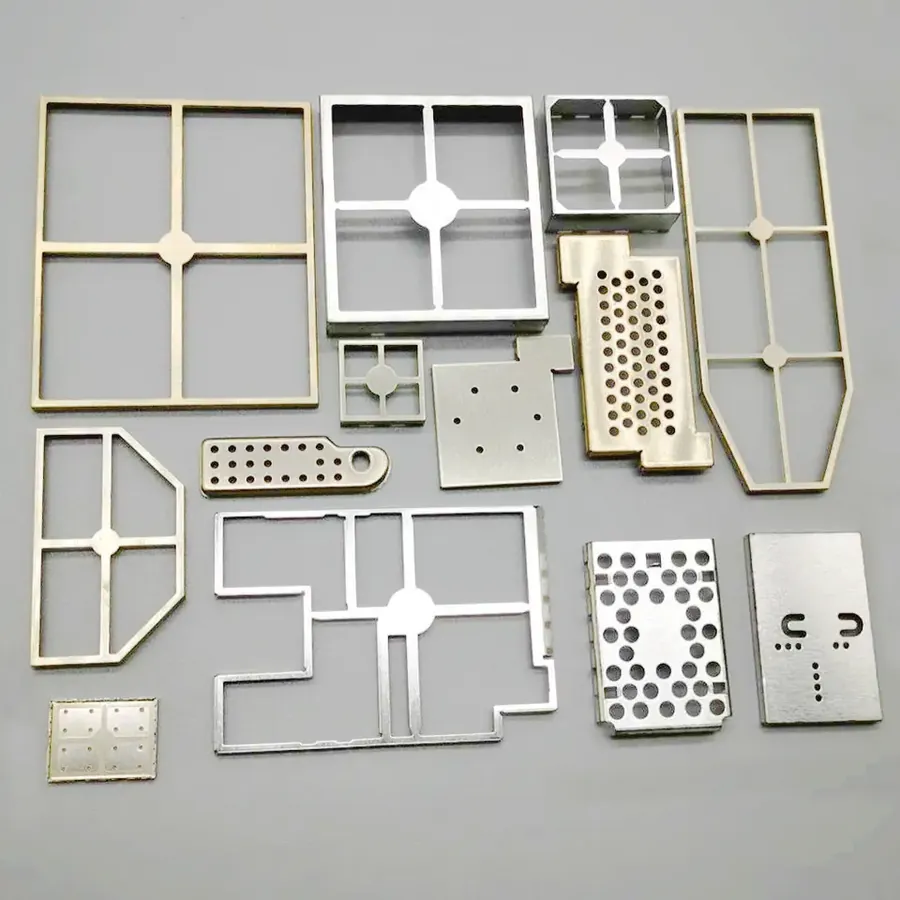
Our experience at Wuxi Lead spans decades of delivering mission-critical components for projects including Olympic-standard sports infrastructure and military-grade enclosures. These applications demand more than standard fabrication capabilities—they require a deep understanding of material behavior, geometric dimensioning, and long-term durability under stress. For example, structural elements used in Olympic venues must meet exacting safety and aesthetic standards, while military housings for electronic systems require EMI shielding, environmental resistance, and repeatable dimensional accuracy across large production runs.

What sets a high-performance sheet metal shop apart is not just access to advanced equipment, but the integration of engineering insight into every stage of production. At Lead Precision, our engineers work closely with clients during the design-for-manufacturability (DFM) phase to optimize part geometry, minimize waste, and ensure that tolerances are both achievable and cost-effective. This proactive collaboration reduces prototyping cycles and accelerates time to market—critical advantages in today’s fast-paced industrial landscape.

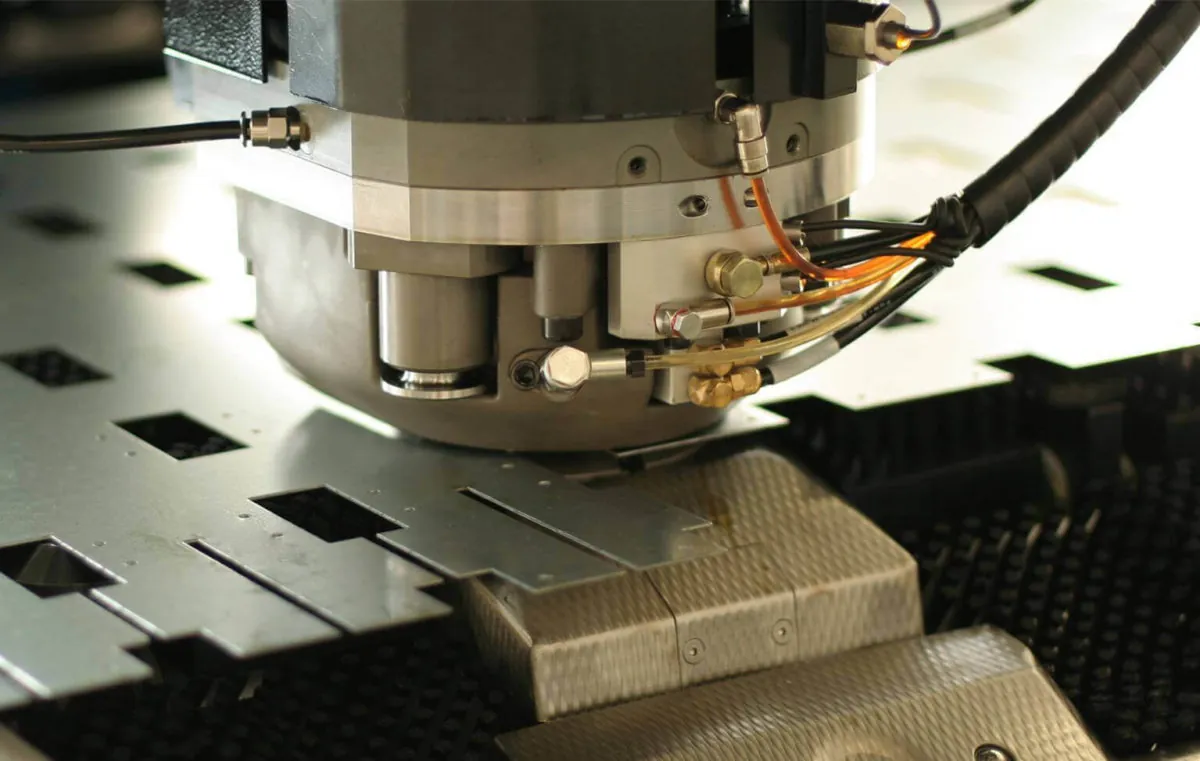
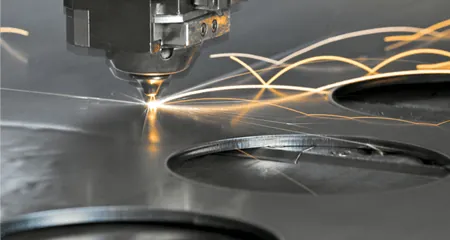
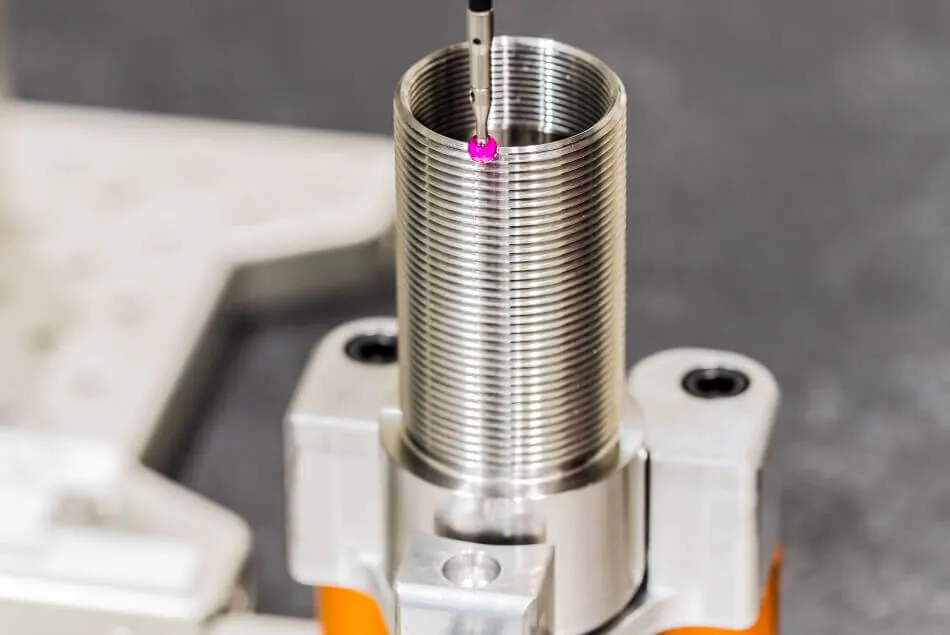
We utilize state-of-the-art fiber laser cutting systems, CNC turret presses, and automated bending cells, all calibrated to maintain tolerances that meet or exceed international standards. Our quality control processes include first-article inspection, in-process gauging, and final CMM (Coordinate Measuring Machine) validation for critical features.

The following table outlines typical precision capabilities achievable at Wuxi Lead Precision Machinery for standard sheet metal components:

Parameter Typical Tolerance High-Precision Option Notes
Laser Cutting (up to 6mm) ±0.1 mm ±0.05 mm Stainless steel, aluminum, mild steel
CNC Bending ±0.2° angular / ±0.1 mm ±0.1° / ±0.05 mm With precision-ground tools
Hole Positioning ±0.15 mm ±0.08 mm Relative to datum
Overall Dimension (formed) ±0.3 mm ±0.15 mm Up to 1000 mm length
Surface Flatness 0.1 mm per 100 mm 0.05 mm per 100 mm For critical mounting surfaces

Precision is not an accident—it is the result of disciplined engineering, advanced technology, and a commitment to excellence. For local sheet metal shops aiming to serve high-end markets, partnering with a supplier that combines technical depth with proven performance in elite applications is essential. At Wuxi Lead Precision Machinery, we bring Olympic and military-grade standards to every project, ensuring that precision is never compromised.


Precision Specs & Tolerances

Technical Capabilities: Precision Sheet Metal Fabrication

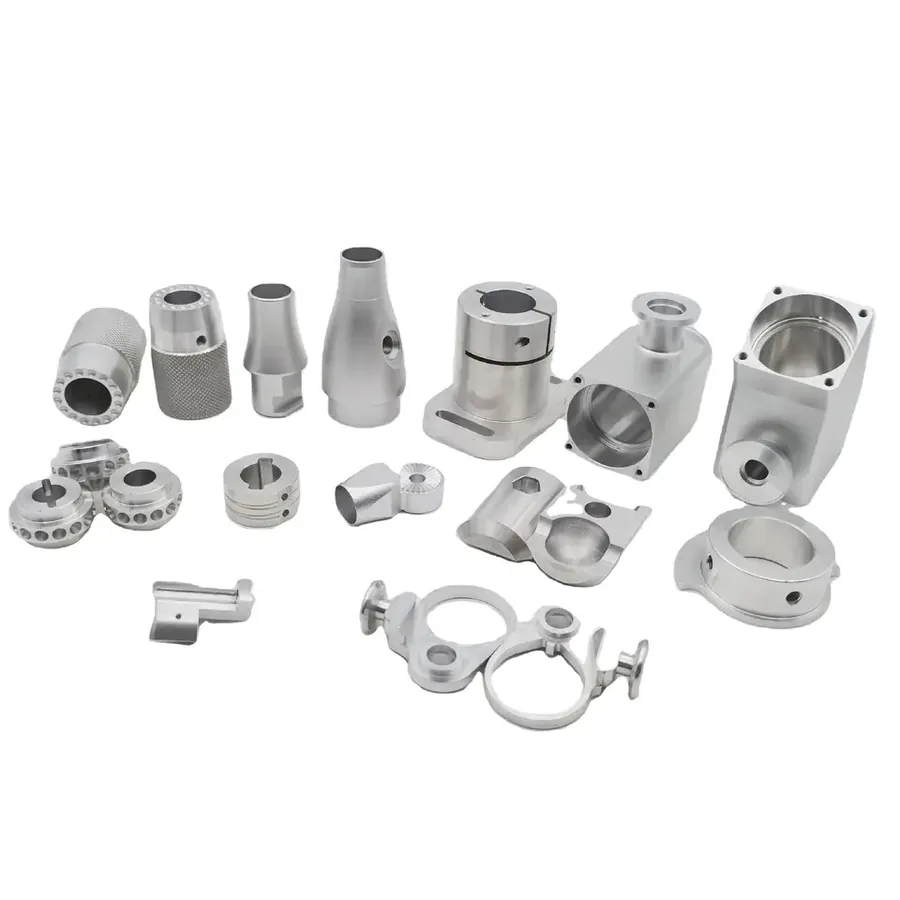
Wuxi Lead Precision Machinery delivers advanced sheet metal fabrication solutions engineered for complex, high-tolerance applications. Our integrated manufacturing ecosystem combines cutting-edge 5-axis CNC technology with rigorous quality control protocols, enabling us to consistently exceed industry standards for dimensional accuracy and part integrity. This capability is critical for sectors demanding zero-failure performance, including aerospace, medical devices, and semiconductor equipment manufacturing.

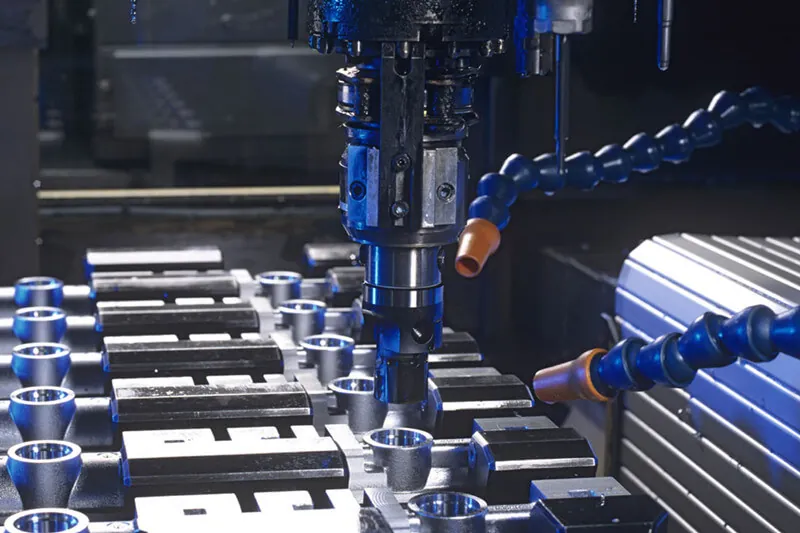
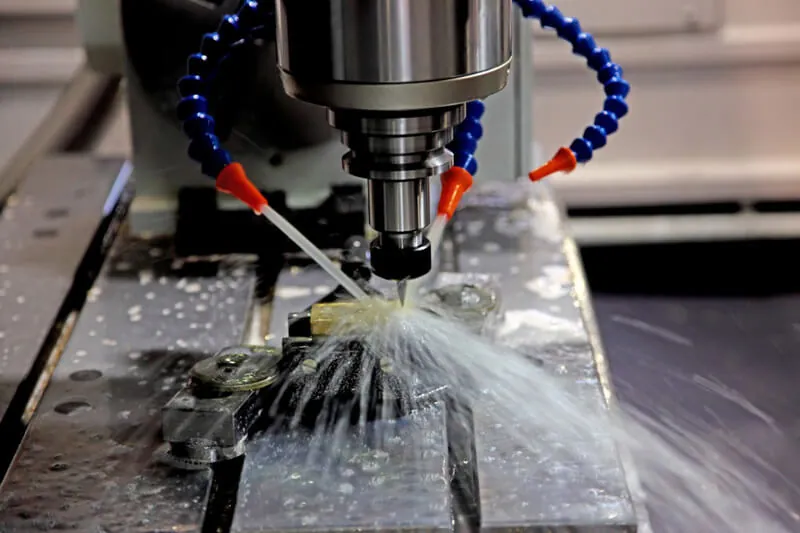
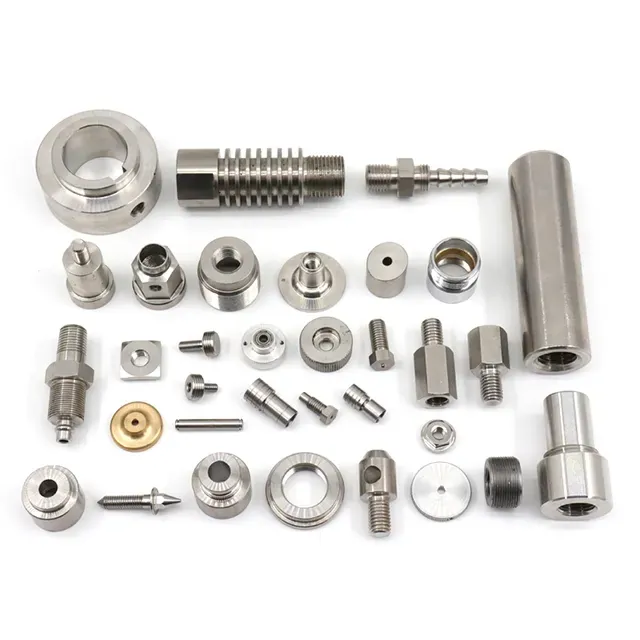
Our core production infrastructure centers on state-of-the-art 5-axis CNC machining centers, specifically DMG MORI and TRUMPF systems. These platforms provide simultaneous multi-directional cutting, drilling, and milling operations on sheet metal components up to 3000 x 1500 mm. The 5-axis architecture eliminates repositioning errors, reduces lead times by up to 40%, and achieves intricate geometries unattainable with conventional 3-axis equipment. Material compatibility spans aluminum alloys (6061-T6, 7075), stainless steels (304, 316L), titanium, and specialty composites, with thicknesses ranging from 0.5 mm to 12.7 mm. All machines operate under strict environmental controls to mitigate thermal drift, ensuring micron-level repeatability across extended production runs.

Quality assurance is non-negotiable. Every critical dimension undergoes verification via Zeiss and Hexagon CMM systems, calibrated to ISO 17025 standards. Our inspection regime includes first-article reporting (FAI), in-process checks at defined milestones, and full-spectrum final inspection. Statistical process control (SPC) data is documented per AS9102 requirements, providing clients with auditable traceability from raw material to finished component. This structured approach minimizes scrap rates and guarantees conformance to even the most stringent engineering specifications.

Tolerance execution defines our competitive edge. The table below outlines our standard and tight-tolerance capabilities across key fabrication processes. Note that tight tolerances require engineered process plans and may influence cost or lead time.

Feature Standard Tolerance Tight Tolerance Capability
Laser Cutting (Thickness ≤ 6mm) ±0.10 mm ±0.05 mm
CNC Bending (Angle) ±0.5° ±0.25°
CNC Punching (Hole Position) ±0.15 mm ±0.08 mm
5-Axis Milling (Critical Dimensions) ±0.05 mm ±0.02 mm
Forming (Flatness over 300mm) 0.15 mm 0.08 mm

These tolerances are achievable under controlled conditions with appropriate material selection and design for manufacturability (DFM) input. We actively collaborate with clients during the design phase to optimize geometries for precision fabrication, preventing costly revisions. When standard local sheet metal shops encounter limitations in repeatability or complexity, Wuxi Lead provides the technical authority to transform challenging designs into flawless production realities. Our commitment extends beyond machining: we are your precision engineering partner, ensuring every component meets the uncompromising demands of advanced assembly interfaces and mission-critical applications.


Material & Finish Options

Material selection is a foundational step in precision sheet metal fabrication, directly influencing product performance, durability, and cost-efficiency. At Wuxi Lead Precision Machinery, we guide OEMs and industrial partners in selecting optimal materials based on mechanical requirements, environmental exposure, and manufacturing processes. The most widely used metals in sheet fabrication—aluminum, steel, and titanium—each offer distinct advantages tailored to specific applications across aerospace, automotive, medical, and industrial equipment sectors.

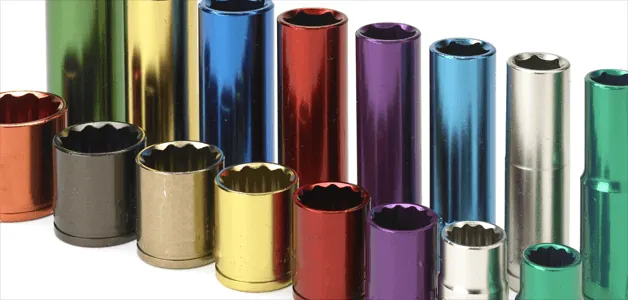
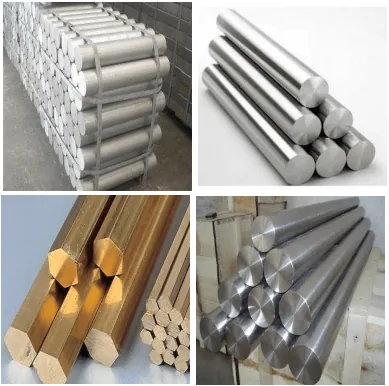
Aluminum is favored for its high strength-to-weight ratio, excellent corrosion resistance, and superior machinability. Grade 6061-T6 is the most common in structural and enclosure applications due to its weldability and moderate strength. For more demanding environments, 7075-T6 provides higher tensile strength, though with reduced corrosion resistance and weldability. Aluminum’s natural oxide layer offers inherent protection, but when enhanced surface durability and aesthetic control are required, anodizing is the preferred finishing process. Anodizing thickens the oxide layer electrochemically, improving wear resistance and allowing for color coding through dye integration. Type II (sulfuric acid) anodizing is standard for most industrial uses, while Type III (hardcoat) delivers superior hardness for high-wear components.

Steel remains the backbone of heavy-duty fabrication. Mild steel (A36 or Q235) is cost-effective and easily formed and welded, making it ideal for enclosures, frames, and support structures. For enhanced corrosion resistance, stainless steel grades such as 304 and 316 are selected. 304 offers general-purpose corrosion resistance with good formability, while 316 adds molybdenum for superior performance in chloride-rich environments, such as marine or chemical processing applications. Unlike aluminum, steel requires external coatings—such as powder coating, plating, or passivation—for corrosion protection.

Titanium, though more costly and challenging to process, is indispensable in high-performance industries. Grade 2 (commercially pure) and Grade 5 (Ti-6Al-4V) are commonly used for their exceptional strength-to-density ratio, outstanding corrosion resistance, and ability to perform under extreme temperatures. Titanium is frequently specified in aerospace, medical implants, and offshore energy systems where longevity and reliability outweigh material cost.

Below is a comparative summary of key mechanical and fabrication properties:

Material Common Grades Tensile Strength (MPa) Density (g/cm³) Corrosion Resistance Key Applications
Aluminum 6061-T6, 7075-T6 310–570 2.7 High Enclosures, aerospace parts
Mild Steel A36, Q235 400–550 7.8 Low (uncoated) Frames, industrial structures
Stainless Steel 304, 316 505–620 8.0 Very High Medical, food processing
Titanium Gr 2, Gr 5 345–1000 4.5 Exceptional Aerospace, defense, medical

At Wuxi Lead, we integrate material science with precision fabrication to deliver components that meet exacting global standards. Our engineering team collaborates with clients to match material and finish choices with functional demands, ensuring optimal performance and lifecycle value.


Manufacturing Process & QC

Sheet Metal Fabrication: Precision Production Process from Design to Zero Defects

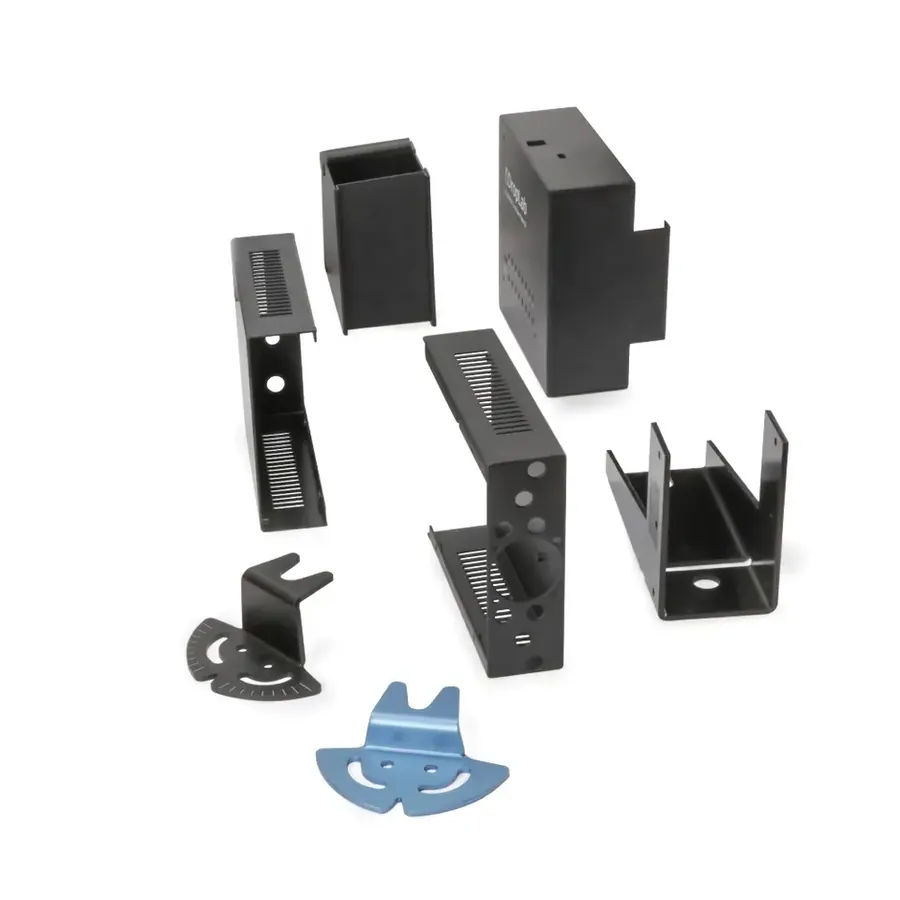
At Wuxi Lead Precision Machinery, our sheet metal fabrication process is engineered for uncompromising quality and efficiency, ensuring every component meets exacting client specifications from concept to final shipment. We eliminate defects at the source through a rigorously controlled sequence: Design, Prototyping, and Mass Production. This integrated approach minimizes risk and maximizes value for demanding industrial applications.

The foundation is meticulous Design engineering. Our team collaborates closely with clients during the initial phase, conducting mandatory Design for Manufacturability (DFM) analysis on all CAD models. We scrutinize material selection, geometric complexity, bend sequences, and weld accessibility to identify potential production challenges before metal is cut. Utilizing advanced 3D modeling software, we optimize part geometry for both function and manufacturability, ensuring designs translate seamlessly into high-yield production. This proactive review prevents costly errors and accelerates time-to-market by resolving issues in the virtual environment.

Prototyping is not merely sample creation; it is full process validation. We fabricate initial units using the exact tooling, materials, and procedures planned for mass production. Every prototype undergoes comprehensive functional validation under simulated operational conditions, including dimensional verification against critical tolerances, fit-checks with mating components, and structural integrity tests. This phase confirms the DFM insights and allows for rapid, data-driven iterations. Client feedback is incorporated immediately, ensuring the final production process is proven and reliable before scaling.

Mass Production leverages our validated process within a Zero Defects framework. We deploy state-of-the-art CNC punching, laser cutting, bending, and welding cells, all operating under strict Statistical Process Control (SPC). Real-time monitoring of key parameters—such as laser power stability, press brake tonnage, and weld penetration depth—ensures consistent output. Automated inline inspection systems, including vision systems and coordinate measuring machines (CMMs), verify critical dimensions continuously. Traceability is absolute; every component carries a digital fingerprint linking it to specific machine settings, operator logs, and inspection data. This enables immediate root-cause analysis and corrective action, preventing defect propagation.

Our commitment to Zero Defects is operationalized through relentless process control and advanced technology. The following specifications define the precision achievable in our mass production environment for standard industrial sheet metal components.

Parameter Capability Range Typical Tolerance
Material Thickness 0.5 mm – 6.0 mm ±0.05 mm
Laser Cutting Up to 4000 x 2000 mm ±0.02 mm
CNC Bending Up to 3000 mm length ±0.05° / ±0.02 mm
Hole Positioning Relative to features ±0.03 mm
Surface Finish Ra 0.8 µm to Ra 3.2 µm As specified

This disciplined progression—from intelligent design through validated prototyping to tightly controlled mass production—ensures Wuxi Lead delivers sheet metal components that consistently meet the highest quality standards. We transform complex requirements into flawless reality, reducing your total cost of ownership through reliability and precision.


Why Choose Wuxi Lead Precision

Partner with Lead Precision for Unmatched Sheet Metal Fabrication Excellence

At Wuxi Lead Precision Machinery, we understand the critical role precision, reliability, and scalability play in modern sheet metal manufacturing. As a trusted partner to global OEMs, tier-1 suppliers, and industrial innovators, we deliver end-to-end fabrication solutions engineered to meet the highest international standards. When your business demands tight tolerances, rapid turnaround, and flawless consistency, partnering with us means aligning with a facility built on German-inspired engineering principles and ISO-certified quality control.

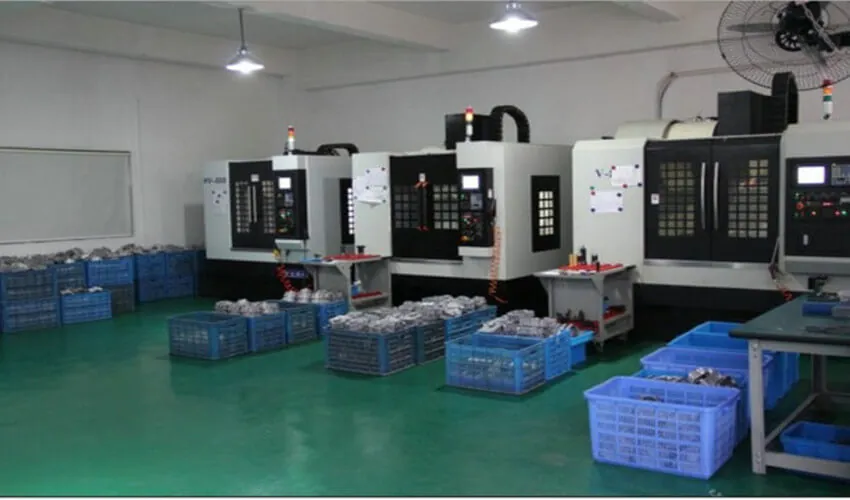
Our advanced production floor in Wuxi, China, spans over 15,000 square meters and is equipped with state-of-the-art CNC punching, laser cutting, bending, and welding systems. We specialize in low to high-volume production runs, prototyping, and custom enclosures, serving industries ranging from telecommunications and energy to medical devices and transportation. Every component is manufactured with precision tooling, in-process inspections, and full traceability to ensure compliance with ISO 9001:2015 and customer-specific requirements.

What sets Wuxi Lead Precision Machinery apart is our commitment to seamless collaboration. We act as an extension of your engineering team, offering DFM feedback, material sourcing support, and real-time production updates. From initial design review to final packaging and global logistics, we manage every phase with transparency and accountability. Our facility supports a wide range of materials—including cold-rolled steel, stainless steel, aluminum, and galvanized sheet metal—with thicknesses from 0.5 mm to 6.0 mm, ensuring flexibility across diverse project needs.

We pride ourselves on scalability without compromise. Whether you require 50 prototypes or 50,000 units annually, our automated workflows and lean manufacturing practices ensure consistent quality and competitive lead times. Our skilled technicians are trained in the latest fabrication techniques, and our quality assurance team performs rigorous checks using coordinate measuring machines (CMM), surface roughness testers, and 3D scanning where applicable.

To support your supply chain resilience, we offer flexible shipping options, customs documentation, and just-in-time delivery models tailored to your production schedule. By choosing Wuxi Lead Precision Machinery, you gain a long-term manufacturing partner focused on reducing your total cost of ownership while enhancing product performance.

Technical Capabilities Overview

Parameter Specification
Laser Cutting Up to 6 mm thickness, ±0.1 mm tolerance
CNC Punching Up to 4 mm thickness, complex geometries
CNC Bending Up to 6 mm thickness, 180° precision forming
Welding Processes MIG, TIG, Spot Welding, Robotic Welding
Material Types Steel, Stainless Steel, Aluminum, Galvanized
Surface Finishes Powder Coating, Anodizing, Passivation, Plating
Max Part Size 3000 mm × 1500 mm
Quality Standards ISO 9001:2015, RoHS, Full Inspection Reports
Lead Time (Typical) 7–15 days, based on complexity and volume

Elevate your sheet metal supply chain with a partner built for precision, performance, and partnership. Contact us today at [email protected] to discuss your next project.


⚙️ Precision Cost Estimator

Estimate relative manufacturing effort based on tolerance.

Local Sheet Metal Shops Manufacturer | Precision CNC Guide

Contents of Table

Contact [email protected] Whatsapp 86 15951276160