Plastic Injection Moulding Company Manufacturer | Precision CNC Guide

Engineering Guide: Plastic Injection Moulding Company

Engineering Insight: The Role of Precision in Plastic Injection Moulding

In the realm of custom metal manufacturing for plastic injection moulding, precision is not merely a performance indicator—it is the foundation of reliability, repeatability, and long-term cost efficiency. For plastic injection moulding companies operating at the high end of industrial production, the quality of tooling directly dictates the consistency of output, cycle time efficiency, and the integrity of final components. At Wuxi Lead Precision Machinery, we understand that micron-level accuracy in mould fabrication translates into flawless part replication across thousands, even millions, of cycles.

Our engineering philosophy is rooted in the principle that every tolerance, surface finish, and alignment must be optimized for the specific demands of the application. Whether producing complex multi-cavity moulds for consumer electronics or robust hot-runner systems for automotive components, the precision of the metal tooling determines the dimensional stability and surface quality of the plastic part. Even deviations within ±0.01 mm can lead to flash, warpage, or ejection failures—costly issues at scale.

Wuxi Lead Precision Machinery brings over 15 years of specialized expertise in delivering high-precision mould bases, inserts, and complete mould systems tailored to the exacting standards of global plastic injection moulding operations. Our experience extends to mission-critical sectors, including supplying precision components for Olympic-grade equipment and military-grade hardware, where failure is not an option. These projects demanded not only extreme dimensional accuracy but also superior material selection, thermal stability, and long-term wear resistance—qualities we integrate into every mould system we produce.

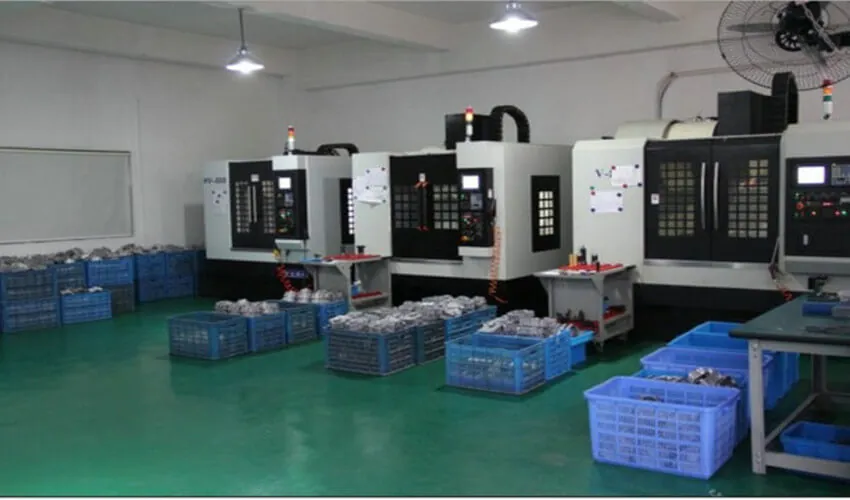
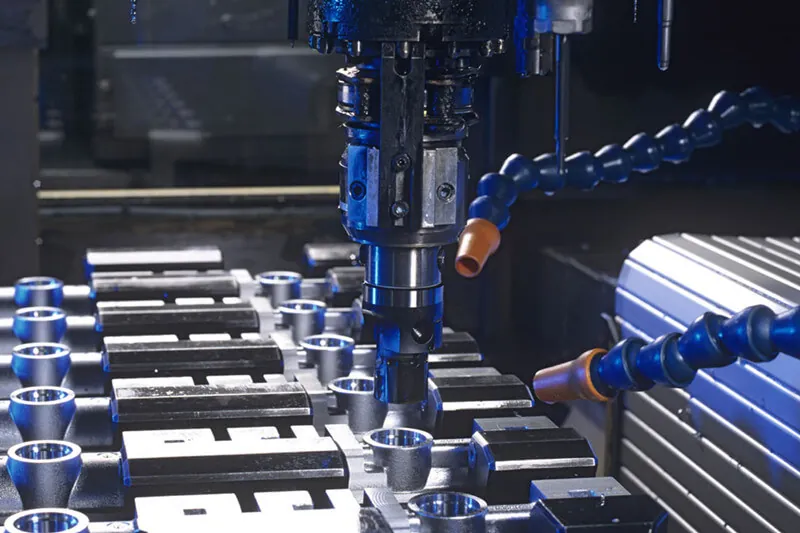
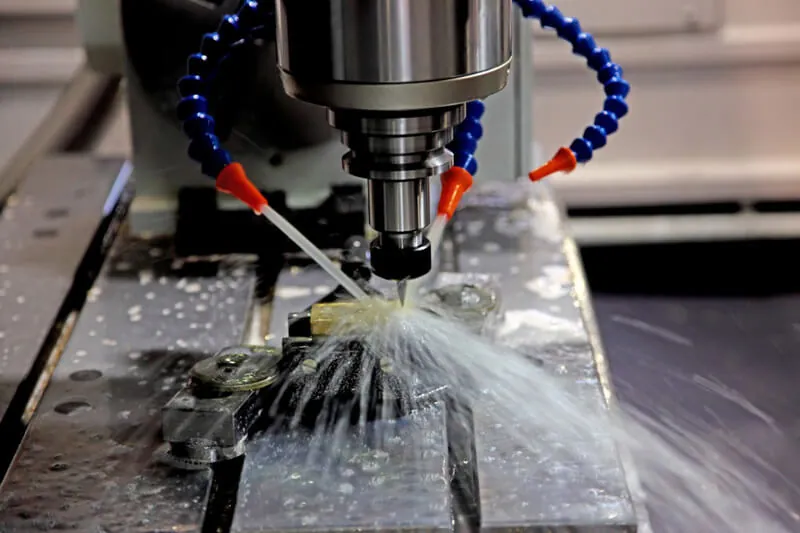
Our advanced CNC machining centres, wire EDM systems, and coordinate measuring machines (CMM) ensure that every component is manufactured to the tightest tolerances. Combined with rigorous quality control protocols and a deep understanding of mould dynamics, we deliver tooling solutions that enhance productivity, reduce downtime, and extend mould life.

The table below outlines key specifications that define the precision capabilities at Wuxi Lead Precision Machinery:

Specification Capability
Dimensional Tolerance ±0.005 mm
Surface Roughness (Ra) 0.05 – 0.8 μm
Mould Base Materials P20, 718H, H13, S136, 2738
Maximum Mould Size 2000 × 1500 × 1200 mm
CNC Machining Accuracy ±0.003 mm
EDM Accuracy ±0.002 mm
Quality Standards ISO 9001:2015, VDI 3400

Precision in metal manufacturing is not an incremental advantage—it is a strategic necessity. For plastic injection moulding companies aiming to compete in high-performance markets, partnering with a supplier that combines technical excellence with proven field experience ensures a measurable return on investment. At Wuxi Lead Precision Machinery, we engineer precision into every detail, enabling our clients to produce with confidence, consistency, and unmatched quality.


Precision Specs & Tolerances

Technical Capabilities: Precision Engineered for Demanding Injection Molds

Wuxi Lead Precision Machinery delivers the uncompromising dimensional accuracy and surface integrity essential for high-performance plastic injection molds. Our dedicated manufacturing cell operates at the forefront of precision metal fabrication, specifically engineered to meet the stringent thermal stability, wear resistance, and micron-level tolerances demanded by complex mold cores, cavities, inserts, and precision mold bases. We understand that mold performance directly impacts your part quality, cycle time, and tooling longevity; our capabilities are structured to eliminate variables that cause flash, dimensional drift, or premature wear in production.

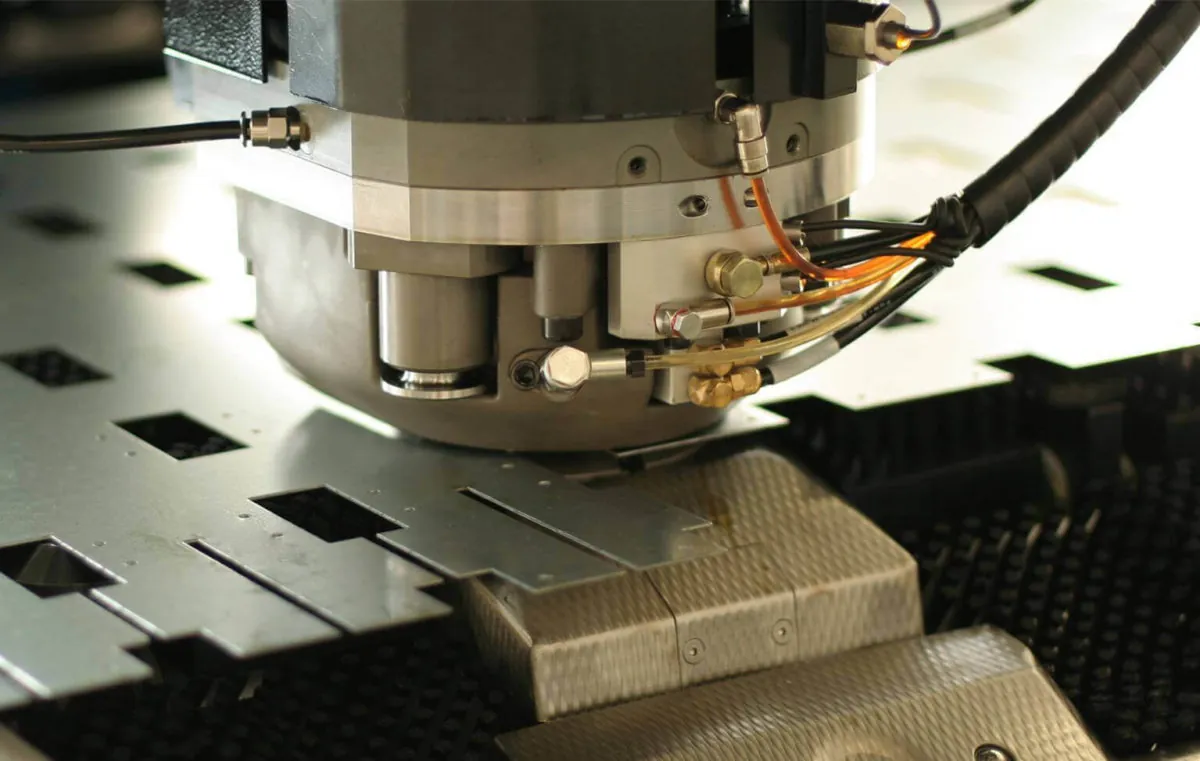
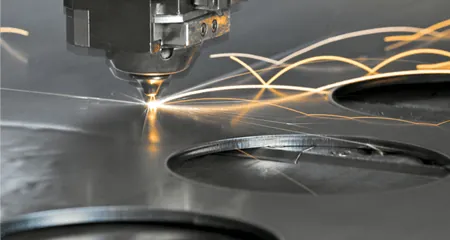
Central to our process is a fleet of state-of-the-art 5-axis CNC machining centers. These systems provide the simultaneous multi-directional toolpath control necessary for machining intricate geometries, deep ribs, undercuts, and conformal cooling channels within single setups. This eliminates cumulative fixture errors inherent in multi-setup processes, ensuring critical features maintain positional accuracy relative to datum structures. Our programmers leverage advanced CAM software to optimize toolpaths for complex 3D surfaces, minimizing step-over marks and achieving the fine surface finishes required for optical or textured components while managing heat generation in hard tool steels like H13, S136, and P20. Material stability is paramount; we implement rigorous thermal management protocols during machining and stress-relief cycles to prevent post-machining distortion.

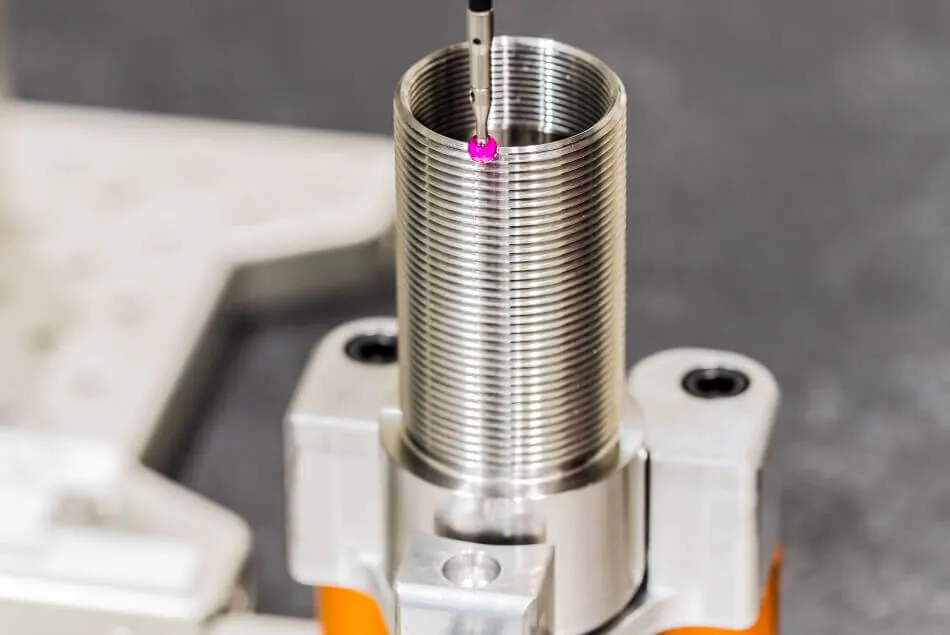
Every component undergoes a comprehensive quality verification protocol anchored by certified Coordinate Measuring Machine (CMM) inspection. Utilizing high-precision Renishaw probes on multiple CMM platforms, we perform full 3D dimensional analysis against the original CAD model. This includes verification of critical diameters, depths, angles, radii, positional tolerances, and complex profile deviations. Inspection reports provide traceable, quantitative data for every critical feature, ensuring conformity to your specifications before shipment. Our quality technicians are trained specifically in mold component requirements, focusing on the functional interfaces and wear surfaces that dictate mold performance.

The following table details our standard achievable tolerance capabilities for machined mold components, reflecting our commitment to exceeding typical industry standards for high-cavitation or tight-tolerance applications. These values represent our routine production capability under controlled environmental conditions using validated processes and CMM verification.

Feature Type Standard Capability (Metric) Standard Capability (Imperial) Applicable Standards
Linear Dimensions ± 0.005 mm ± 0.0002 in ISO 2768-mK (Exceeds)
Geometric Position Ø 0.010 mm Ø 0.0004 in ISO 1101 (GD&T)
Flatness 0.005 mm / 100 mm 0.0002 in / 4 in ISO 128-24
Surface Roughness (Ra) 0.4 µm (Typical) 16 µin (Typical) ISO 4287
Critical Mold Interfaces ± 0.002 mm ± 0.00008 in Customer-Specific Mold Specs

This precision foundation translates directly to your operational success: reduced mold tryout iterations, consistent part dimensions over extended production runs, minimized maintenance downtime, and ultimately, lower cost-per-part. We partner with leading plastic injection molders by providing not just components, but guaranteed dimensional reliability built into every machined surface.


Material & Finish Options

Material Selection for High-Precision Injection Moulds

Selecting the appropriate material for plastic injection moulds is critical to ensuring longevity, dimensional accuracy, and production efficiency. At Wuxi Lead Precision Machinery, we specialize in custom metal manufacturing for high-demand injection moulding applications, leveraging advanced metallurgy and precision engineering. Our expertise in aluminum, steel, and titanium enables us to deliver moulds tailored to specific production volumes, part complexity, and environmental conditions.

Aluminum alloys, particularly 7075 and 6061, are widely used for prototype and low-to-medium volume production runs. These alloys offer excellent machinability, thermal conductivity, and reduced weight, allowing for faster cooling cycles and shorter lead times. Aluminum is ideal for applications where rapid iteration is necessary, such as in the automotive or consumer electronics sectors. However, due to lower hardness and wear resistance compared to steel, aluminum is less suitable for high-volume production.

Tool steels, including P20, H13, and S136, remain the standard for high-volume and high-precision injection moulding. P20 steel provides good toughness and moderate corrosion resistance, making it suitable for general-purpose moulds. H13, a hot-work tool steel, excels in thermal fatigue resistance and is preferred for applications involving high-temperature resins. For corrosive environments or clear optical parts, S136 stainless steel offers superior polishability and resistance to rust, ensuring consistent surface quality over extended production cycles.

Titanium and its alloys, while less common in standard mould construction, are increasingly used in specialized applications requiring extreme strength-to-density ratios and corrosion resistance. Titanium moulds are particularly beneficial in aerospace and medical device manufacturing, where lightweight, durable tooling is essential. Though more expensive and challenging to machine, titanium’s longevity in aggressive environments justifies its use in niche, high-performance scenarios.

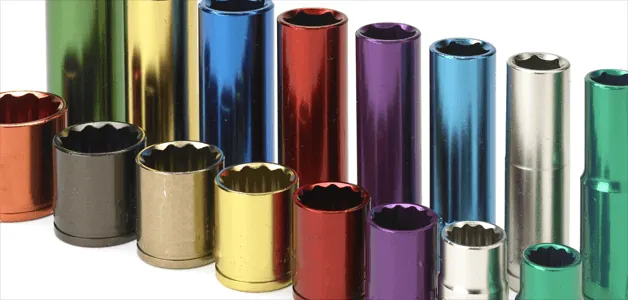
Surface finishing plays a crucial role in part ejection, aesthetic quality, and mould maintenance. Anodizing is a widely adopted post-processing technique, especially for aluminum moulds. This electrochemical process enhances surface hardness, improves wear resistance, and allows for color coding through dye integration. Hard anodizing (Type III) can increase surface hardness up to 600 HV, significantly extending mould life in abrasive polymer applications. For steel moulds, alternatives such as chrome plating or nitriding are typically preferred, though anodizing remains a key solution for aluminum-based systems.

The following table summarizes key mechanical and thermal properties of common mould materials used in our production:

Material Hardness (HRC) Tensile Strength (MPa) Thermal Conductivity (W/m·K) Typical Use Case
Aluminum 7075 40–45 570 130 Prototypes, low-volume production
P20 Steel 28–32 900 30 Medium-volume general moulds
H13 Steel 48–52 1,500 35 High-temperature resin moulding
S136 Steel 50–54 1,600 25 Corrosion-resistant, optical parts
Titanium Ti-6Al-4V 35–40 950 7 Aerospace, medical specialty tools

At Wuxi Lead Precision Machinery, we combine material science with precision CNC manufacturing to deliver injection moulds that meet the highest industrial standards. Our engineering team collaborates with clients to select optimal materials and finishes based on production requirements, resin type, and lifecycle expectations.


Manufacturing Process & QC

Precision Metal Manufacturing for Zero-Defect Injection Molding

At Wuxi Lead Precision Machinery, we engineer metal components that form the backbone of high-reliability plastic injection molds. Our process eliminates defects at the source by integrating rigorous metal fabrication with the mold builder’s workflow. This ensures dimensional stability, thermal consistency, and longevity—critical for achieving zero-defect plastic parts in mass production.

The journey begins with Design for Manufacturability (DFM) analysis. Our engineers collaborate with mold designers to optimize steel selection, cooling channel geometry, and parting line integrity using advanced simulation software. Finite element analysis (FEA) predicts thermal distortion and stress points under injection pressures exceeding 200 MPa. This phase validates cavity/core alignment to ±0.002 mm tolerance, preventing flash or sink marks before metal is cut. Critical features like ejector pins and sliders are modeled with GD&T callouts to ensure seamless integration with the molding machine.

Prototyping transforms validated designs into physical reality. We machine prototype cavities and cores from pre-hardened P20 or H13 tool steel using 5-axis CNC centers with sub-micron repeatability. Each component undergoes metrology-grade inspection via CMM and optical comparators against the original CAD model. Surface roughness is held to Ra 0.4 µm for optimal plastic release, while hardened inserts (52-58 HRC) are verified for wear resistance. This phase identifies micro-defects—such as coolant line misalignment or venting inefficiencies—that could cause warpage or short shots in production. Only after prototype tooling passes 100+ trial shots with zero cosmetic or dimensional flaws do we approve the design for scale.

Mass production leverages statistical process control (SPC) to sustain zero defects. Our automated CNC cells run with real-time in-process gauging, monitoring critical dimensions like runner diameters and gate geometries to ±0.005 mm. Cavity pressure sensors embedded in the mold feed data to closed-loop controllers, adjusting injection speed and packing pressure dynamically. Every batch undergoes 100% visual inspection via machine vision systems and random destructive testing for hardness uniformity. We implement poka-yoke fixtures to prevent assembly errors, ensuring mold plates align within 0.003 mm parallelism. This closed-loop system reduces variation to Cpk >1.67, guaranteeing plastic parts meet ISO 2768-mK tolerances consistently.

Our commitment to zero defects is quantifiable through precision metal specifications:

Parameter Prototyping Phase Mass Production Phase Validation Method
Dimensional Tolerance ±0.002 mm ±0.005 mm CMM (0.5 µm accuracy)
Surface Finish Ra 0.4 µm Ra 0.8 µm Profilometer (ISO 4287)
Hardness Uniformity ±2 HRC across surface ±1.5 HRC across surface Rockwell C-scale testing
Thermal Distortion <0.005 mm @ 150°C <0.003 mm @ 150°C Thermal imaging + CMM

By anchoring the injection molding process in precision metal manufacturing, Wuxi Lead ensures molds perform flawlessly from the first shot to the millionth cycle. This eliminates scrap, reduces downtime, and delivers the exacting quality high-end plastic manufacturers demand. Partner with us to transform design intent into defect-free reality.


Why Choose Wuxi Lead Precision

Partner with Lead Precision for Unmatched Expertise in Custom Metal Manufacturing

At Wuxi Lead Precision Machinery, we specialize in delivering high-precision custom metal components tailored to the exacting demands of the plastic injection moulding industry. As a trusted partner to global manufacturers, we combine advanced CNC machining capabilities with decades of engineering experience to produce tooling, mould bases, inserts, and structural components that meet the highest standards of quality, durability, and dimensional accuracy. Our commitment to excellence is reflected in every project, from prototype development to full-scale production runs.

Choosing the right manufacturing partner is critical when precision, repeatability, and material integrity directly impact your mould performance and production efficiency. At Lead Precision, we understand the unique challenges faced by injection mould makers—thermal stability, wear resistance, fine surface finishes, and tight tolerances. That’s why we employ state-of-the-art 5-axis CNC machines, high-speed milling technology, and rigorous quality control protocols to ensure every component we produce exceeds industry expectations.

Our team works closely with your engineers to optimize designs for manufacturability, reduce lead times, and enhance overall tool life. Whether you require hardened alloy steel mould bases, corrosion-resistant stainless components, or intricate cooling channel systems, we offer a comprehensive range of materials and surface treatments to match your application requirements. With ISO 9001-certified processes and a focus on continuous improvement, we maintain consistency across batches and long-term supply agreements.

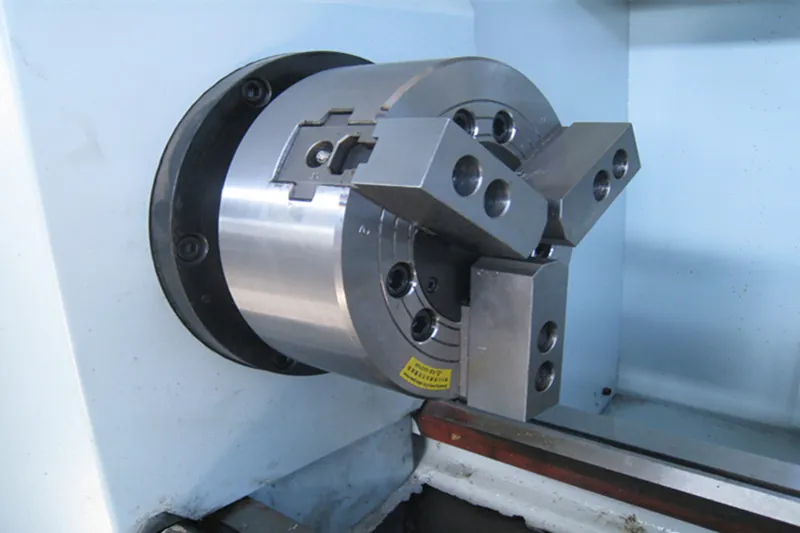
We serve clients across Europe, North America, and Southeast Asia, supporting industries such as automotive, medical devices, consumer electronics, and packaging—sectors where reliability and precision are non-negotiable. Our facility in Wuxi, China, is equipped with full in-house capabilities, including CNC turning, milling, grinding, EDM, and CMM inspection, enabling us to control every stage of production and guarantee on-time delivery without compromising quality.

When you partner with Wuxi Lead Precision Machinery, you gain more than a supplier—you gain a technical collaborator committed to your success. We don’t just manufacture parts; we deliver engineered solutions that enhance your competitiveness in a demanding market.

Contact us today to discuss your next project. Let our precision be the foundation of your innovation.

Technical Capabilities Overview

Specification Detail
Maximum Machining Size 1200 mm × 800 mm × 650 mm
Tolerance Range ±0.005 mm to ±0.02 mm (depending on part geometry)
Surface Finish Ra 0.2 µm to Ra 1.6 µm (standard); finer on request
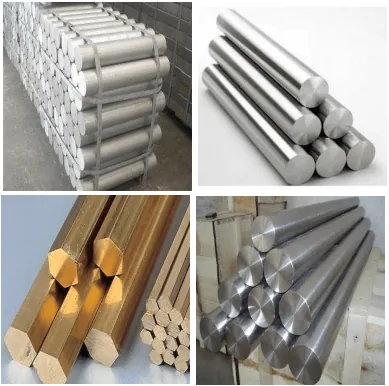
Materials Supported P20, 718, S136, H13, 420SS, Aluminum 7075, Brass, etc.
Key Processes CNC Milling, CNC Turning, Wire EDM, Surface Grinding, CMM Inspection
Lead Time (Average) 15–25 days (varies by complexity and volume)
Quality Standards ISO 9001:2015, First Article Inspection, PPAP Support

For engineering inquiries, quotations, or technical collaboration, email us at [email protected]. Let’s build precision together.


⚙️ Precision Cost Estimator

Estimate relative manufacturing effort based on tolerance.

Plastic Injection Moulding Company Manufacturer | Precision CNC Guide

Contents of Table

Contact [email protected] Whatsapp 86 15951276160