Machining Boston Manufacturer | Precision CNC Guide

Engineering Guide: Machining Boston

Engineering Insight: Precision Machining for Boston’s Advanced Manufacturing Ecosystem

Boston represents a global epicenter for innovation-driven industries where component precision is non-negotiable. From cutting-edge medical devices developed in Kendall Square to aerospace subsystems powering next-generation flight, the margin for error vanishes at microscopic levels. At Wuxi Lead Precision Machinery, we understand that true precision machining transcends basic dimensional accuracy; it encompasses material integrity, thermal stability, surface finish consistency, and absolute repeatability across production runs. This level of control is not merely desirable for Boston’s high-stakes sectors—it is the foundational requirement for regulatory compliance, product reliability, and ultimate market success.

Our engineering philosophy is forged in the crucible of the most demanding global projects. We have delivered mission-critical components for Olympic Games timing systems, where sub-micron tolerances ensure fair competition measured in thousandths of a second. Similarly, our work supporting advanced defense applications demands uncompromising adherence to stringent military specifications under rigorous environmental testing. This experience instills a culture where every process—from material selection and fixture design to in-process inspection and final validation—is engineered for zero-defect outcomes. We bring this same disciplined rigor to every Boston client, whether prototyping a novel surgical instrument or scaling production for satellite components.

Precision requires more than advanced CNC equipment; it demands integrated metrology and process intelligence. Lead Precision utilizes calibrated CMMs, vision systems, and on-machine probes operating within ISO 17025 accredited laboratories. Our engineers implement real-time thermal compensation and adaptive control strategies to counter environmental variables, ensuring parts meet specifications regardless of production volume or material complexity. This closed-loop approach guarantees that components shipped from our Wuxi facility perform identically to those machined in Boston itself—eliminating supply chain uncertainty.

The following capabilities define our precision machining foundation for demanding Boston applications:

Specification Category Capability Range Relevance to Boston Industries
Dimensional Tolerance ±0.00005″ (1.27 µm) Critical for aerospace actuators, optical mounts
Surface Roughness (Ra) 0.1 µin (0.0025 µm) – Mirror Finish Essential for medical implants, semiconductor
Material Expertise Titanium, Inconel, 17-4PH, PEEK, exotic alloys Aerospace, defense, advanced medical devices
Max Work Envelope 2000 x 1000 x 800 mm Supports complex assemblies & structural parts
Process Certification ISO 9001:2015, AS9100D, ITAR Registered Mandatory for defense, aerospace, regulated medical

For Boston’s innovators, partnering with a manufacturer possessing verified high-precision pedigree is strategic necessity. Wuxi Lead Precision Machinery delivers not just parts, but guaranteed performance through engineering discipline honed on the world’s most exacting stages. We ensure your designs transition from concept to flawless reality—on time, to spec, and ready for global deployment. Contact our engineering team to discuss how our precision protocols can secure your next critical project.


Precision Specs & Tolerances

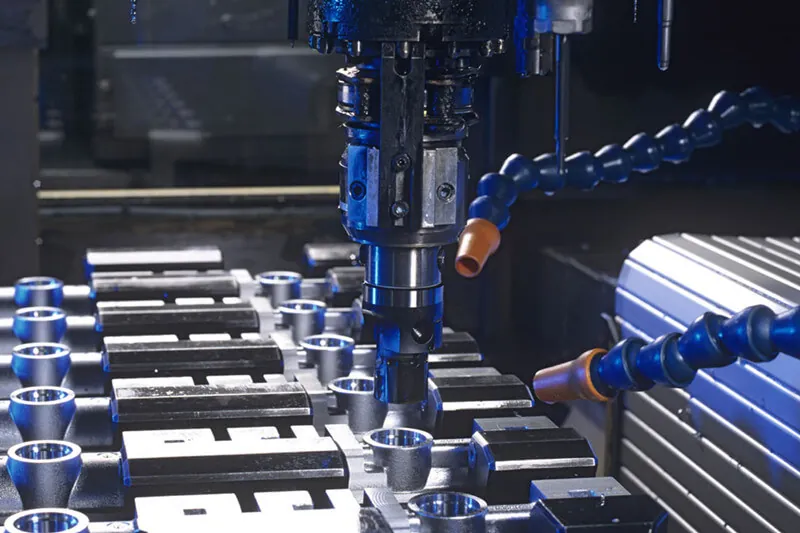
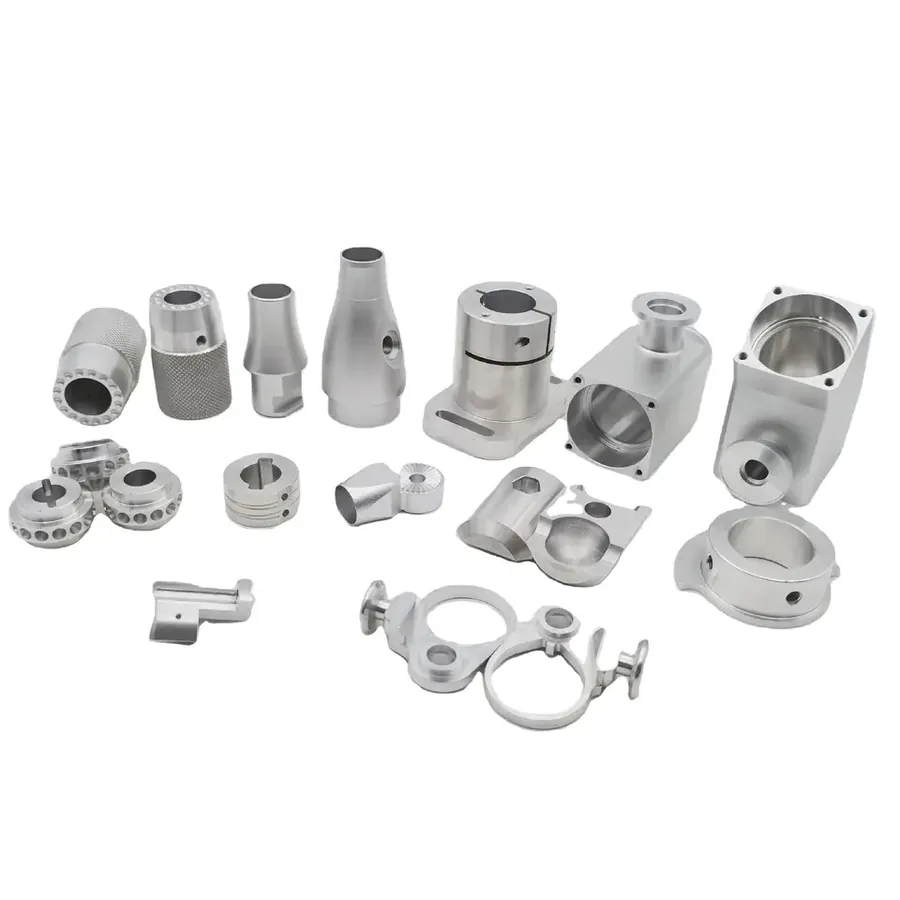
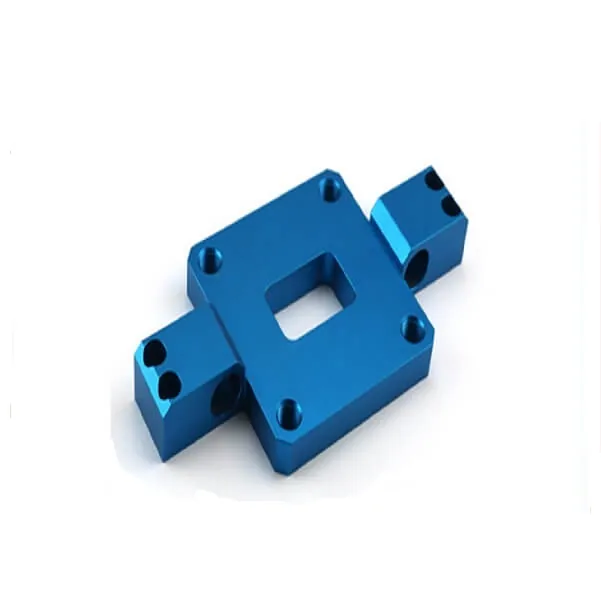
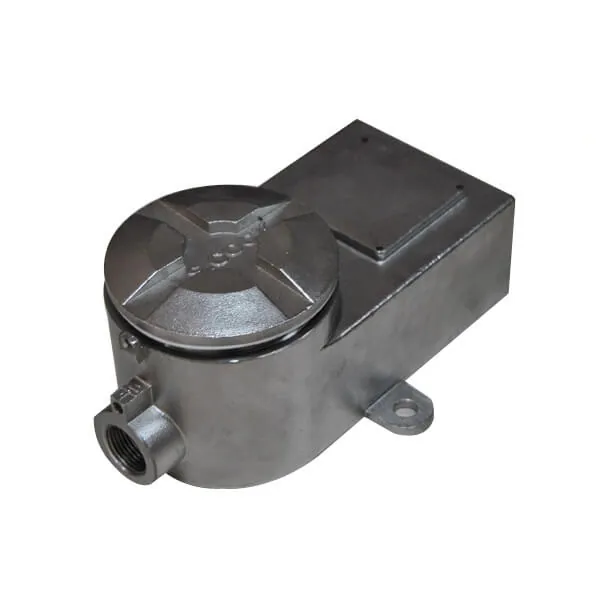
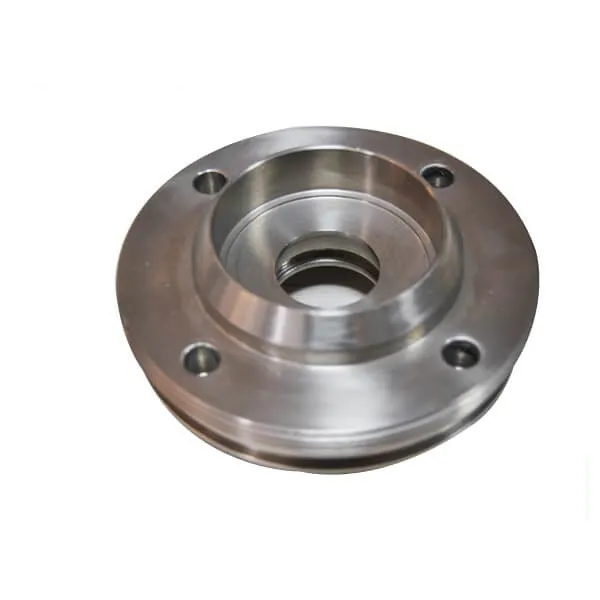
Wuxi Lead Precision Machinery delivers advanced custom metal manufacturing solutions engineered for precision, repeatability, and performance in high-demand industrial sectors. Our technical capabilities are anchored in state-of-the-art 5-axis CNC machining technology, enabling us to produce complex geometries with exceptional accuracy and surface finish. These multi-axis systems allow simultaneous movement across five planes, significantly reducing setup time and part handling while maintaining tight tolerances across intricate features. This capability is particularly critical for aerospace, medical, robotics, and high-performance automotive applications where component integrity and dimensional consistency are non-negotiable.

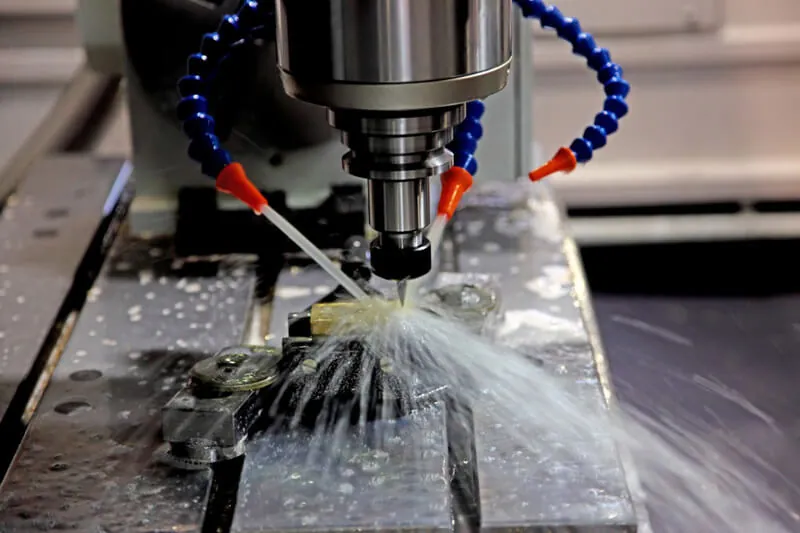
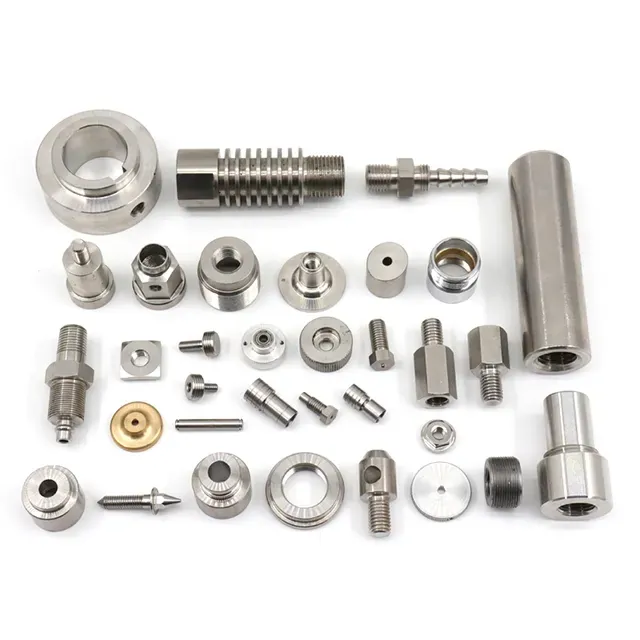
Our machining centers are equipped with high-speed spindles, automated tool changers, and real-time monitoring systems to ensure process stability and optimal material removal rates. We work with a broad range of metals, including aluminum alloys, stainless steels, titanium, Inconel, and specialty alloys, supporting both prototyping and high-volume production runs. Advanced fixturing and adaptive machining strategies further enhance our ability to maintain precision across diverse part configurations and batch sizes.

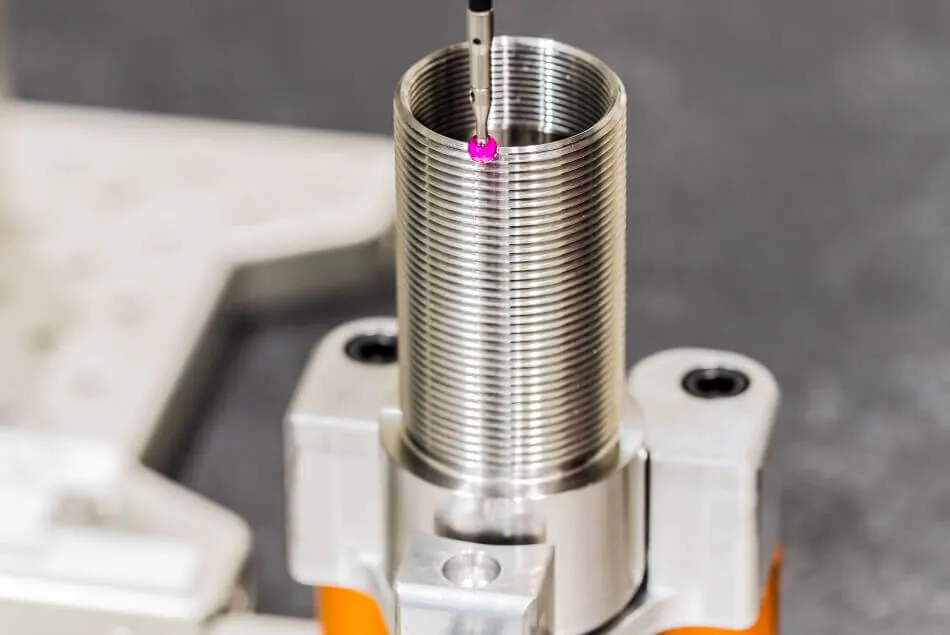
Quality control is fully integrated into our manufacturing workflow. Every critical dimension is verified using a Coordinate Measuring Machine (CMM) with 3D probing systems, allowing for comprehensive inspection of complex contours, hole patterns, and form deviations. Our CMM routines are programmed to match customer CAD models, ensuring full traceability and compliance with ISO 10360 accuracy standards. All inspection reports are documented and available with shipment, providing full transparency and audit readiness.

We adhere to international quality management standards and maintain a climate-controlled inspection environment to eliminate thermal variance during measurement. Our quality engineers are trained in GD&T (Geometric Dimensioning and Tolerancing) and work closely with clients during the design-for-manufacturability phase to ensure optimal outcomes.

The following table outlines our standard machining tolerances, which may be tightened based on material, geometry, and customer specifications.

Feature Type Standard Tolerance Tight Tolerance Capability Measurement Method
Linear Dimensions ±0.025 mm ±0.005 mm CMM, Micrometers
Hole Diameter ±0.01 mm ±0.003 mm Pin Gauges, CMM
Positional Tolerance ±0.02 mm ±0.008 mm CMM
Flatness 0.02 mm 0.005 mm CMM, Optical Flat
Circular Runout 0.01 mm 0.003 mm CMM, Dial Indicator
Surface Finish (Ra) 1.6 µm 0.4 µm Surface Roughness Tester

Our technical capabilities are designed to meet the most stringent requirements in precision manufacturing. By combining 5-axis CNC machining with rigorous CMM-based quality assurance, Wuxi Lead Precision Machinery ensures every component conforms to the highest standards of accuracy and reliability.


Material & Finish Options

Material Selection for Precision Machined Components

Material selection directly impacts performance, longevity, and cost-effectiveness in precision metal manufacturing. At Wuxi Lead Precision Machinery, we guide clients through critical trade-offs between aluminum, steel, and titanium based on application demands. Each material offers distinct advantages for Boston-area industries like aerospace, medical devices, and robotics, where environmental resilience and dimensional stability are non-negotiable.

Aluminum Alloys dominate when weight reduction and thermal conductivity are priorities. Grades like 6061-T6 and 7075-T6 provide excellent strength-to-weight ratios and machinability. Aluminum excels in structural frames, heat sinks, and marine components but requires surface treatment for corrosion resistance in Boston’s coastal climate.

Carbon and Stainless Steels deliver superior strength, wear resistance, and cost efficiency for high-load applications. 4140 alloy steel handles extreme stress in industrial machinery, while 304 and 316 stainless grades resist corrosion in medical or food-processing equipment. Steel’s machinability varies significantly by grade, necessitating optimized CNC parameters to prevent work hardening.

Titanium Alloys (e.g., Grade 5 Ti-6Al-4V) are essential for mission-critical aerospace and biomedical implants. Their exceptional strength-to-weight ratio, biocompatibility, and resistance to saltwater corrosion justify higher costs. However, titanium’s low thermal conductivity demands specialized tooling and slower machining speeds to avoid galling and tool wear.

Anodizing: Critical for Aluminum Performance
Anodizing transforms aluminum’s surface into a durable, corrosion-resistant oxide layer. Standard sulfuric acid anodizing (Type II) offers moderate protection and dye compatibility for aesthetic or light-duty use. For Boston clients requiring extreme wear resistance—such as in hydraulic systems or outdoor robotics—we specify hardcoat anodizing (Type III). This process creates a thicker, harder layer (60-100+ microns) that withstands abrasion, chemicals, and UV exposure while maintaining precise dimensional tolerances.

Material Comparison at a Glance

Property Aluminum 6061-T6 Steel 4140 Titanium Ti-6Al-4V
Density (g/cm³) 2.7 7.85 4.43
Tensile Strength (MPa) 310 655 900
Corrosion Resistance Moderate* Low (uncoated) Excellent
Machinability Rating Excellent Good Poor
Common Applications Enclosures, Drones Gears, Shafts Aircraft, Implants

*Requires anodizing for harsh environments.

Selecting the optimal material-finishing combination prevents premature failure and reduces lifecycle costs. Wuxi Lead’s CNC machining centers leverage ISO 9001-certified processes to machine these materials within ±0.005mm tolerances. Partner with us to validate material suitability for your Boston project’s thermal, load, and environmental requirements—ensuring performance that meets stringent industry standards.


Manufacturing Process & QC

At Wuxi Lead Precision Machinery, our production process is engineered for precision, consistency, and zero-defect outcomes. Designed to meet the rigorous demands of high-end industrial clients in markets such as Boston, our workflow integrates advanced engineering with strict quality controls across every phase: Design, Prototyping, and Mass Production.

The process begins with collaborative design engineering. Our team works closely with clients to translate technical specifications into manufacturable designs. Utilizing CAD/CAM software and finite element analysis (FEA), we optimize part geometry, material selection, and tolerance stacks to ensure functional performance and manufacturability. This stage includes Design for Manufacturability (DFM) reviews, where we identify potential production risks and recommend adjustments to improve yield and reduce cost without compromising quality.

Once the design is finalized, we move to precision prototyping. Using 5-axis CNC machining, wire EDM, and high-speed milling, we produce functional prototypes that mirror the final production parts in both form and performance. These prototypes undergo comprehensive inspection using coordinate measuring machines (CMM), optical comparators, and surface finish testers. We validate dimensional accuracy, material integrity, and fit-for-assembly to ensure compliance with client specifications. Feedback from this stage is incorporated before launch, minimizing downstream variability.

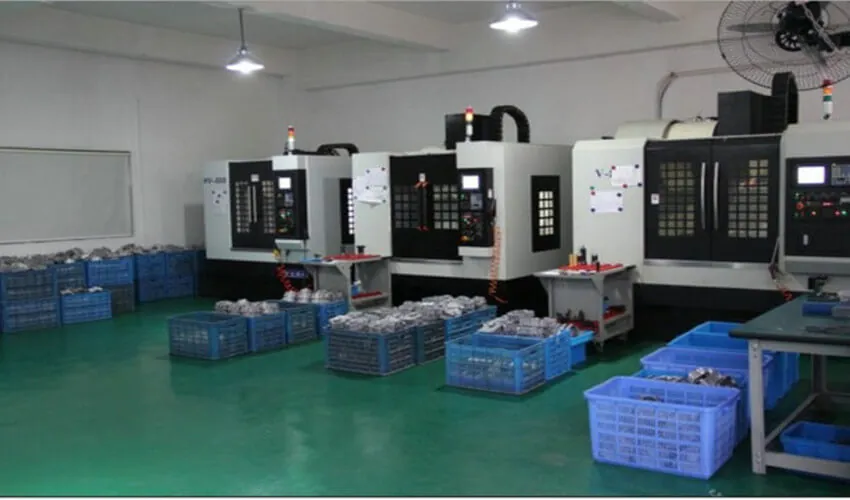
With prototype approval, we transition seamlessly into mass production. Our facility in Wuxi operates a fully integrated digital manufacturing environment, where CNC machines are networked to a central production monitoring system. This enables real-time tracking of machine performance, tool wear, and process stability. Each production run follows standardized work instructions, with in-process inspections scheduled at critical control points. Statistical Process Control (SPC) is applied to key dimensions, ensuring process capability remains within Cpk ≥ 1.67.

Our zero-defect philosophy is enforced through a multi-layered quality assurance system. Every component is subject to first-article inspection, in-line checks, and final audit before shipment. Non-conforming parts are immediately quarantined and analyzed using root cause corrective action (RCCA) protocols. Traceability is maintained through laser part marking and digital batch records, ensuring full accountability from raw material to finished product.

The result is a scalable, repeatable manufacturing process that delivers uncompromising quality—ideal for aerospace, medical, and precision instrumentation clients in demanding markets like Boston.

Production Specifications Overview

Parameter Capability
Tolerance Control ±0.001 mm (±0.00004 in)
Surface Finish Ra 0.2 µm to Ra 3.2 µm (8 µin to 125 µin)
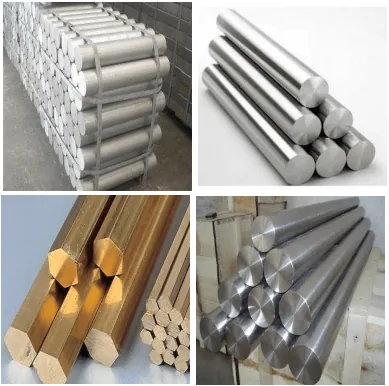
Materials Supported Aluminum, Stainless Steel, Titanium, Inconel, Brass, Plastics
Max Work Envelope (CNC) 1200 x 800 x 600 mm (47 x 31.5 x 23.6 in)
Inspection Equipment CMM, Optical Comparator, Roughness Tester, Vision System
Process Capability (Cpk) ≥ 1.67 across critical dimensions
Lead Time (Prototype) 7–14 days depending on complexity
Production Capacity Up to 50,000 units/month per product line

Why Choose Wuxi Lead Precision

Elevate Your Precision Manufacturing Partnership with Wuxi Lead Precision Machinery

For Boston’s demanding aerospace, medical device, and industrial equipment sectors, securing a manufacturing partner that consistently delivers uncompromising precision and reliability is non-negotiable. Wuxi Lead Precision Machinery bridges the gap between global cost efficiency and stringent U.S. quality standards, providing Boston-based OEMs and innovators with a seamless extension of their engineering capabilities. We specialize in mission-critical metal components where tolerances of ±0.0002 inches and material integrity are paramount. Our integrated approach—from initial design consultation to serial production—ensures your complex geometries and exotic material requirements are met with aerospace-grade repeatability, eliminating supply chain vulnerabilities without sacrificing speed.

Our technical foundation rests on a rigorously maintained fleet of advanced multi-axis CNC systems, operated by engineers certified to ISO 9001:2015 and AS9100D standards. Below are core capabilities directly applicable to Boston’s high-stakes manufacturing landscape:

Specification Category Capability Detail Relevance to Boston Applications
Materials Expertise Titanium (Gr 2,5,23), Inconel 718/625, 17-4PH SS, Aluminum 7075-T7351 Critical for medical implants, jet engine components, and defense systems
Tolerance Range ±0.0002″ (5 microns) for critical features; ±0.0005″ standard Meets ASME Y14.5 GD&T requirements for flight-critical parts
Machine Capabilities 5-axis milling (DMG MORI), Swiss-type turning (Tornos), Wire EDM (Makino) Enables single-setup machining of complex turbine blades and surgical tools
Inspection Protocol CMM (Zeiss CONTURA), OGP SmartScope, surface roughness testers Full First Article Inspection reports per PPAP Level 3
Lead Time Efficiency 14-day standard for prototype batches; 21-day production ramp Accelerates Boston R&D cycles and urgent field replacement needs

Unlike conventional offshore suppliers, Lead Precision operates with Boston’s operational tempo in mind. Our dedicated U.S. technical liaison team—based in Massachusetts—manages all project communication in Eastern Time, ensuring real-time collaboration during your business hours. We proactively address timezone challenges through synchronized engineering reviews and digital twin validation via Siemens NX, providing transparent progress tracking without workflow disruption. Every shipment includes full material traceability (heat numbers, certs) and dimensional reports formatted to your ERP system requirements, minimizing receiving delays at your facility.

Partnering with Lead Precision means gaining a strategic asset, not just a vendor. We invest in understanding your end-use application to preemptively resolve manufacturability issues during DFM analysis, reducing your time-to-market by up to 30%. Our zero-defect culture is validated by a 99.87% on-time delivery rate to North American clients over the past 24 months.

Initiate Your Precision Manufacturing Advantage Today
Email [email protected] with your project specifications, target tolerances, and material requirements. Our Boston-coordinated engineering team will respond within one business day with a detailed capability assessment and preliminary timeline. For urgent RFQs, reference “BOSTON-PRIORITY” in your subject line to expedite review. Trust Wuxi Lead Precision Machinery to deliver the exacting quality Boston’s innovation ecosystem demands—without the constraints of local capacity or overhead. Your next breakthrough component starts with a single email.


⚙️ Precision Cost Estimator

Estimate relative manufacturing effort based on tolerance.

Machining Boston Manufacturer | Precision CNC Guide

Contents of Table

Contact [email protected] Whatsapp 86 15951276160