3D Printing Titanium Cost Manufacturer | Precision CNC Guide

Engineering Guide: 3D Printing Titanium Cost

Engineering Insight: 3D Printing Titanium Cost and the Role of Precision Manufacturing

When evaluating the true cost of 3D printing titanium, raw material and machine time represent only part of the equation. For high-performance industries such as aerospace, defense, and elite sports equipment, the dominant cost driver is often precision. At Wuxi Lead Precision Machinery, we understand that achieving tight tolerances, consistent microstructure, and repeatable mechanical properties in titanium components demands more than advanced equipment—it requires deep engineering expertise and rigorous process control.

Titanium, particularly Grade 5 (Ti-6Al-4V), is favored in additive manufacturing for its high strength-to-density ratio, corrosion resistance, and performance at elevated temperatures. However, its reactivity in molten form and sensitivity to thermal gradients make it one of the most challenging materials to process. Even minor deviations in laser power, scan speed, or chamber atmosphere can result in porosity, residual stress, or dimensional inaccuracies—defects that are unacceptable in mission-critical applications.

This is where precision becomes inseparable from cost-effectiveness. A lower initial quote from a manufacturer lacking robust quality systems may lead to higher total cost due to part rejection, rework, or in-service failure. At Lead Precision, our investment in calibrated laser systems, in-situ monitoring, and post-process metrology ensures that every titanium component meets exacting specifications. Our experience producing parts for Olympic-level athletic equipment and military-grade systems has refined our ability to balance speed, cost, and uncompromising quality.

We apply a closed-loop manufacturing approach that includes pre-build simulation, real-time melt pool monitoring, and post-build CT scanning when required. This level of control reduces scrap rates, minimizes post-processing effort, and ensures first-time-right production—directly impacting the unit cost of complex titanium parts.

Below are key technical specifications that define our titanium 3D printing capabilities:

Parameter Specification
Material Ti-6Al-4V (Grade 5), ASTM F2924 compliant
Build Volume Up to 250 x 250 x 300 mm
Layer Thickness 20–50 µm
Typical Surface Roughness Ra 8–12 µm (as-built), Ra <2 µm (polished)
Dimensional Accuracy ±0.05 mm (standard), ±0.02 mm (high precision)
Support Structure Optimization AI-assisted layout for minimal waste
Post-Processing Stress relief, HIP, precision machining, NDT
Quality Certification ISO 9001, full traceability, batch reporting

Our work with elite engineering teams has proven that the highest value is not in the lowest sticker price, but in predictable, auditable, and repeatable outcomes. When manufacturing titanium components via additive processes, precision is not an added cost—it is the foundation of cost control. At Wuxi Lead Precision Machinery, we deliver titanium parts where performance, reliability, and cost efficiency are engineered in from the first layer.


Precision Specs & Tolerances

Technical Capabilities: Precision Post-Processing for Titanium Additive Manufacturing

At Wuxi Lead Precision Machinery, we recognize that titanium 3D printing represents a significant advancement in complex part production, yet raw printed components rarely meet stringent aerospace, medical, or energy sector specifications. Our integrated technical capabilities bridge this gap, transforming near-net-shape printed titanium into fully functional, mission-critical components. While additive manufacturing builds the foundation, our precision post-processing ensures dimensional integrity, surface quality, and material performance—directly influencing the total cost-effectiveness of your titanium project.

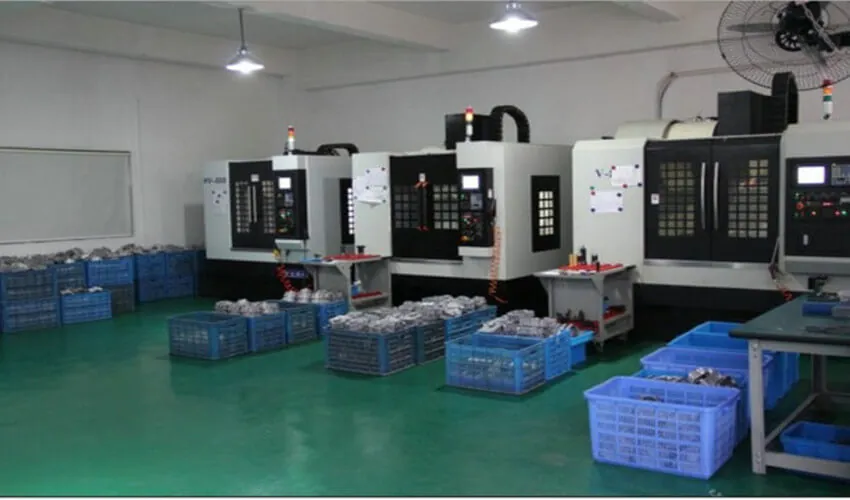
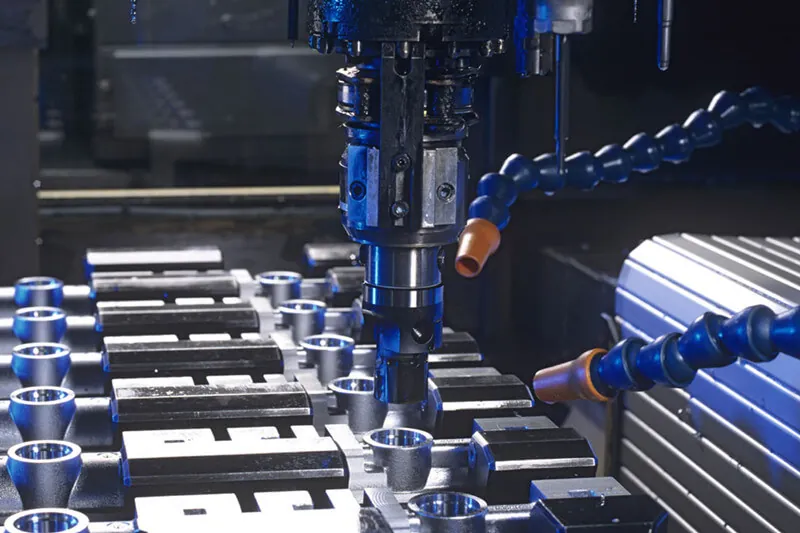
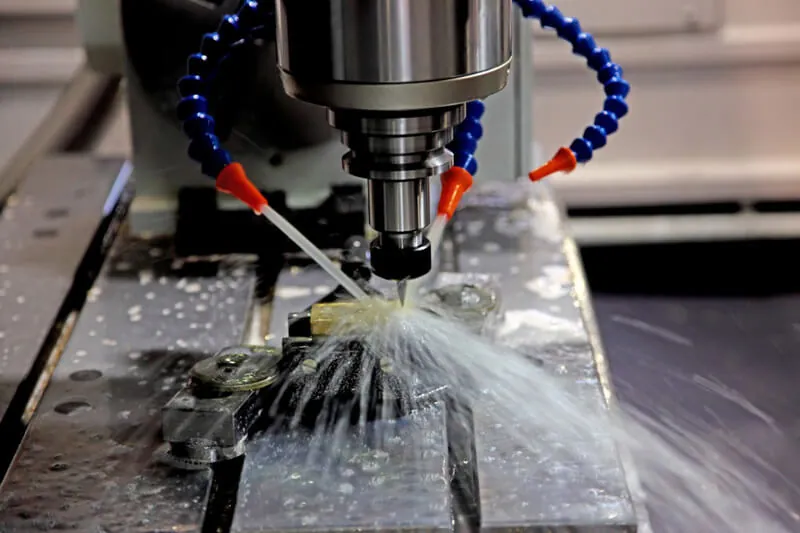
Our core strength lies in advanced 5-axis CNC machining, specifically optimized for titanium alloys including Ti-6Al-4V and Ti-6Al-7Nb. These high-rigidity DMG MORI and MAZAK platforms feature high-torque spindles, adaptive control systems, and cryogenic cooling compatibility to manage titanium’s low thermal conductivity and high reactivity. This enables us to achieve complex geometries, thin-wall features, and critical interfaces that additive processes alone cannot deliver. Crucially, our machining protocols minimize thermal distortion and residual stress in printed titanium, preventing costly scrap rates and rework—key factors in controlling your per-part expenditure.

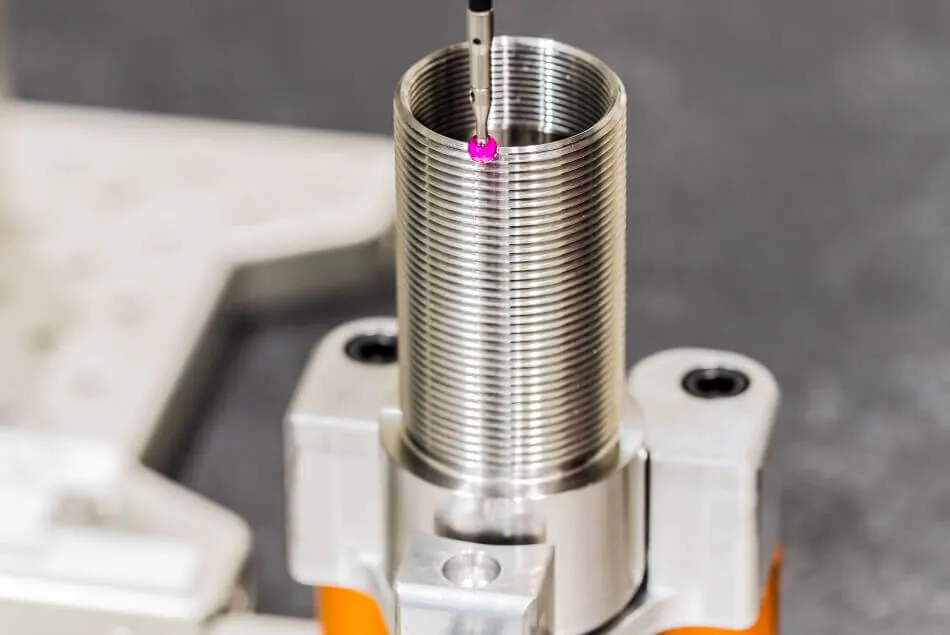
Complementing our machining expertise is a comprehensive quality control ecosystem centered on Zeiss and Hexagon CMM systems. Every titanium component undergoes full-spectrum inspection against CAD nominal data, with reports traceable to NIST standards. We prioritize first-time-right manufacturing through in-process probing and adaptive machining, ensuring tolerances are met without iterative corrections. This disciplined approach reduces lead times and eliminates hidden costs associated with non-conformance, directly aligning with your project’s budgetary constraints.

The following table details achievable tolerances for titanium components after our integrated additive-to-subtractive workflow. Note that tighter tolerances increase machining time and tooling costs but are essential for high-performance applications; we collaborate closely with clients to balance precision requirements with cost targets.

Feature Type Standard Capability High-Precision Capability Measurement Standard
Linear Dimensions ±0.05 mm ±0.01 mm ISO 2768-mK
Geometric Tolerances ±0.08 mm ±0.02 mm ISO 1101
Surface Roughness (Ra) 3.2 µm 0.8 µm ISO 4287
Hole Positional ±0.03 mm ±0.005 mm AS9100 Rev D
Thread Accuracy 6H/6g 4H/4g ISO 965

Our value extends beyond equipment specs. We leverage decades of titanium-specific experience to optimize fixturing, toolpath strategies, and inspection plans, ensuring minimal material removal while maximizing part yield. This expertise directly mitigates the high raw material costs of titanium powder and printed blanks. By integrating additive manufacturing with precision CNC finishing and rigorous metrology under one roof, Wuxi Lead delivers components that meet the most demanding functional requirements—without inflating your total program cost. Partner with us to transform titanium 3D printing from a prototyping tool into a scalable, cost-controlled production solution.


Material & Finish Options

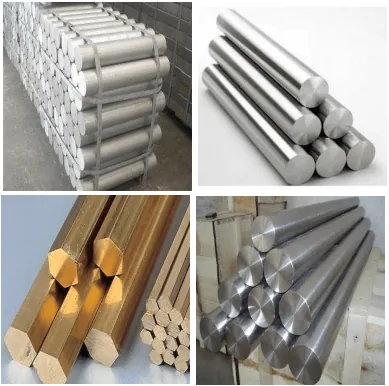
When selecting materials for high-performance custom metal manufacturing, engineers and procurement teams must balance strength, weight, corrosion resistance, and cost. At Wuxi Lead Precision Machinery, we specialize in precision components using advanced 3D printing and CNC technologies, enabling optimal use of high-grade metals such as aluminum, steel, and titanium. Each material offers distinct advantages depending on the application, environment, and performance requirements.

Aluminum is widely used in aerospace, automotive, and consumer electronics due to its excellent strength-to-weight ratio and good thermal conductivity. It is particularly suitable for components where weight reduction is critical without sacrificing structural integrity. Aluminum alloys such as AlSi10Mg, commonly used in 3D printing, offer high weldability and corrosion resistance, making them ideal for complex geometries and lightweight designs.

Steel, particularly stainless and tool steels, delivers superior hardness, wear resistance, and durability. It is the preferred choice for industrial tooling, molds, and components exposed to high stress or abrasive environments. Materials like 17-4 PH stainless steel provide excellent mechanical properties and can be heat-treated to achieve high tensile strength. While heavier than aluminum or titanium, steel offers cost-effective performance for applications where longevity and robustness are paramount.

Titanium, specifically Grade 5 (Ti6Al4V), stands at the pinnacle of performance materials for demanding industries such as aerospace, medical implants, and high-end motorsports. Its exceptional strength-to-density ratio, resistance to extreme temperatures, and outstanding biocompatibility make it ideal for mission-critical applications. 3D printing titanium allows for intricate, topology-optimized structures that would be impossible to machine conventionally, though the raw material and processing costs are significantly higher than aluminum or steel.

For surface enhancement, anodizing is a common post-processing method applied to aluminum parts. This electrochemical process increases surface hardness, improves wear resistance, and allows for color coding or branding through dye integration. While titanium can also be anodized for aesthetic or functional surface control, the process differs due to its natural oxide layer and superior inherent corrosion resistance.

Below is a comparative overview of key material properties relevant to additive manufacturing:

Material Density (g/cm³) Tensile Strength (MPa) Yield Strength (MPa) Elongation at Break (%) Common 3D Printing Form
Aluminum (AlSi10Mg) 2.67 400–500 280–350 8–12 Powder Bed Fusion
Stainless Steel (17-4 PH) 7.80 1000–1300 850–1000 10–15 Powder Bed Fusion
Titanium (Ti6Al4V) 4.43 900–1100 800–900 10–12 Powder Bed Fusion

Material selection directly impacts both performance and cost. While titanium offers unparalleled properties, its higher raw material cost and energy-intensive processing must be justified by application demands. At Wuxi Lead, we support clients in evaluating total cost of ownership, including lead time, post-processing, and lifecycle performance, to ensure optimal material and process alignment.


Manufacturing Process & QC

Titanium Additive Manufacturing: Precision Process for Cost-Optimized Production

Achieving predictable titanium 3D printing costs in high-value B2B applications demands rigorous process control from initial concept to final part. At Wuxi Lead Precision Machinery, our integrated workflow eliminates cost volatility through systematic engineering and zero-defect execution. We move beyond basic printing to deliver certified, production-ready components with minimized material waste and rework.

The process begins with advanced Design for Additive Manufacturing (DfAM). Our engineering team collaborates directly with clients to optimize geometry for titanium’s unique properties, ensuring structural integrity while maximizing build efficiency. Critical factors include support structure minimization, thermal stress mitigation, and strategic orientation within the build chamber. This phase utilizes validated simulation software to predict melt pool dynamics and residual stress, preventing costly failures during printing. Precise parameter definition for laser power, scan speed, and layer thickness is established here, directly influencing material utilization and machine time – the dominant cost drivers in titanium AM.

Prototyping transitions validated designs into physical form under production-intent conditions. We utilize identical EOS M 400-4 or comparable industrial systems and certified Grade 5 (Ti6Al4V) powder as in mass production. Each prototype undergoes comprehensive non-destructive testing (NDT), including real-time melt pool monitoring and post-build CT scanning, to verify internal integrity against the simulated model. This stage is not merely validation; it is critical process refinement. Any micro-porosity or dimensional deviation triggers immediate parameter adjustment within our closed-loop system, ensuring the mass production run starts with proven, defect-free parameters. Skipping this step risks catastrophic scrap rates in expensive titanium builds.

Mass production leverages the perfected parameters within our controlled, ISO 9001-certified environment. Continuous in-situ monitoring tracks oxygen levels, thermal profiles, and layer quality, enabling real-time corrections. Strict powder management – including sieving, gas atomization verification, and inert gas recycling – maintains material consistency and reduces waste. Every build undergoes mandatory post-processing: stress relief, precision support removal via 5-axis CNC, and final surface finishing. Rigorous final inspection employs CMM, optical scanning, and mechanical testing against ASTM F2924 standards. This end-to-end traceability, from raw powder lot to certified part, guarantees zero defects and eliminates hidden costs from rework or field failures.

Our disciplined approach transforms titanium AM from a prototyping tool into a reliable, cost-predictable manufacturing solution. The table below quantifies the impact of our process rigor versus standard industry practices.

Key Metric Standard Titanium AM Practice Wuxi Lead Precision Process
Material Waste Rate 25-40% < 15%
Build Success Rate 75-85% 98%+
Post-Processing Rework 20-30% of parts < 5% of parts
Yield Rate (Final Part) 60-70% 92-95%
Cost Variance per Build High (15-25%) Low (< 5%)

This structured workflow ensures clients receive fully qualified titanium components with absolute cost certainty, maximizing return on investment for mission-critical applications.


Why Choose Wuxi Lead Precision

Partner with Lead Precision for Advanced 3D Printing in Titanium – Precision, Performance, and Proven Results

When it comes to high-performance manufacturing in aerospace, medical, and industrial applications, titanium 3D printing delivers unmatched strength-to-weight ratios, corrosion resistance, and design flexibility. At Wuxi Lead Precision Machinery, we specialize in custom metal manufacturing with a focus on titanium additive processes that meet the most stringent industry standards. Our advanced facilities, engineering expertise, and end-to-end production control ensure your components are not only built to exact specifications but also delivered with repeatable quality and cost efficiency.

Understanding the total cost of 3D printing titanium goes beyond material pricing. It involves precision engineering, post-processing, quality assurance, and scalability. Many companies underestimate the hidden costs associated with poor dimensional accuracy, surface finishing requirements, or production delays due to unreliable suppliers. At Lead Precision, we eliminate these risks through a vertically integrated manufacturing model, in-house metallurgical analysis, and strict adherence to ISO 9001 and AS9100 standards. Our team of CNC and additive manufacturing engineers works closely with clients to optimize part geometry, reduce material waste, and select the most cost-effective build strategy—whether for rapid prototyping or full-scale production.

We utilize state-of-the-art laser powder bed fusion (LPBF) systems calibrated for Ti6Al4V (Grade 5) and commercially pure titanium (Grade 2), ensuring consistent microstructure and mechanical performance. Every build is supported by real-time monitoring, full traceability, and non-destructive testing upon request. Our post-processing capabilities—including heat treatment, HIP (Hot Isostatic Pressing), CNC machining, and surface finishing—are performed in-house, minimizing lead times and maximizing part integrity.

Below are key specifications for our titanium 3D printing services:

Parameter Specification
Material Options Ti6Al4V (Grade 5), CP Ti (Grade 2)
Build Envelope Up to 250 x 250 x 325 mm
Layer Thickness 20–50 μm
Typical Density > 99.95%
Surface Roughness (as-built) Ra 12–18 μm
Post-Processing Options Stress relief, HIP, CNC milling, polishing, anodizing
Quality Standards ISO 9001, AS9100, full material and process traceability
Lead Time (standard) 7–15 days (varies by complexity and volume)

Partnering with Wuxi Lead Precision Machinery means gaining a manufacturing ally that combines cutting-edge technology with deep technical insight. We don’t just print parts—we engineer solutions that reduce your total cost of ownership and accelerate time to market.

Contact us today at [email protected] to discuss your titanium 3D printing project. Let our team provide a detailed cost analysis, material recommendation, and production timeline tailored to your application. With Lead Precision, precision isn’t promised—it’s guaranteed.


⚙️ Precision Cost Estimator

Estimate relative manufacturing effort based on tolerance.

3D Printing Titanium Cost Manufacturer | Precision CNC Guide

Contents of Table

Contact [email protected] Whatsapp 86 15951276160