Online Prototype Maker Manufacturer | Precision CNC Guide

Engineering Guide: Online Prototype Maker

Engineering Insight: The Non-Negotiable Role of Precision in Online Prototype Manufacturing

In the competitive landscape of custom metal manufacturing, the term “precision” transcends mere marketing jargon; it is the fundamental determinant of functional integrity, safety, and ultimate product success. When sourcing prototypes online, especially for mission-critical applications, tolerances measured in microns directly impact performance, assembly, and compliance. A deviation of 0.01mm might seem negligible on a screen, but in aerospace hydraulics or medical implant interfaces, it translates to catastrophic failure or regulatory rejection. True precision engineering requires not only advanced machinery but deep process understanding – anticipating material behavior under stress, thermal dynamics during cutting, and the cumulative effect of sequential operations. This expertise ensures the digital model becomes a physically flawless reality, not just a close approximation. Online platforms offer speed and accessibility, yet they cannot replace the engineered judgment required to transform a CAD file into a dimensionally perfect, functionally validated component on the first attempt.

Wuxi Lead Precision Machinery embodies this precision imperative, forged through rigorous qualification for projects where error is unacceptable. Our facility is certified to ISO 9001:2015 and AS9100D standards, reflecting systemic commitment. Crucially, we have delivered components meeting the extreme demands of the Beijing 2022 Winter Olympics timing systems and critical subsystems for Chinese military aerospace programs. These engagements demanded repeatability within ±0.001mm and flawless material integrity under extreme conditions – benchmarks far exceeding standard industry tolerances. This experience validates our capability to handle the most sensitive prototype requirements from initial online inquiry through to final inspection, ensuring your virtual design becomes a physically perfect, functionally reliable prototype without costly iteration cycles.

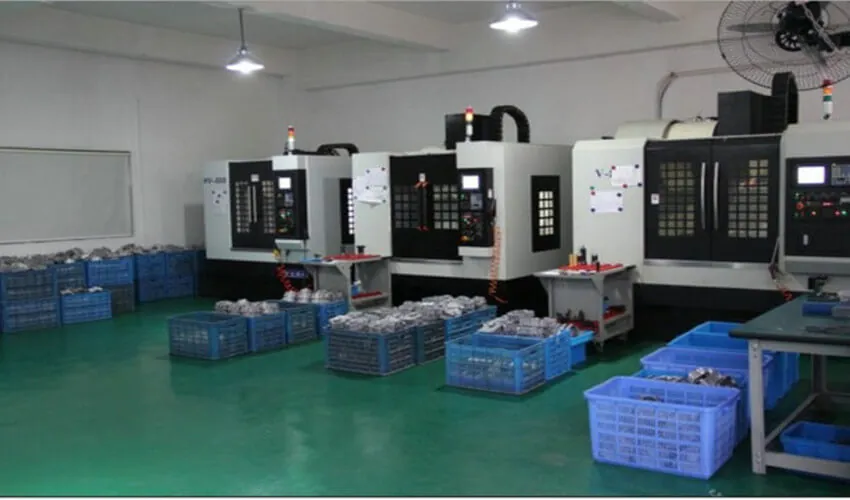
Our integrated manufacturing ecosystem combines state-of-the-art multi-axis CNC machining centers with rigorous in-process metrology. Every prototype undergoes continuous verification against the original CAD model using calibrated CMMs and optical comparators, not just final spot checks. This closed-loop process guarantees that the part received matches the digital intent precisely, mitigating the hidden risks of dimensional drift common in less controlled environments. For prototypes destined for high-stakes applications, this level of assured accuracy is not optional; it is the baseline requirement for meaningful testing and validation.

The following table outlines our core precision manufacturing capabilities for prototype and low-volume production:

Specification Category Capability Range Measurement Standard
Dimensional Tolerance ±0.001 mm to ±0.025 mm Per ISO 2768-mK
Surface Roughness (Ra) 0.1 µm to 3.2 µm Per ISO 1302
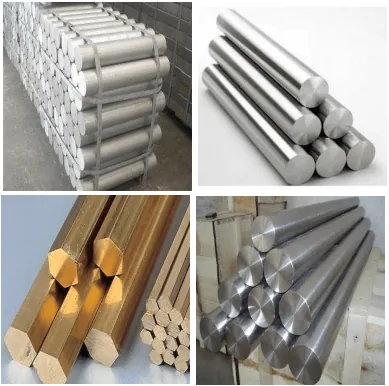
Material Compatibility Aluminum Alloys, Titanium, Inconel, Stainless Steels (300/400 series), Brass, Copper MIL-DTL- specifications met
Max Work Envelope 1200 mm x 800 mm x 650 mm For 5-axis machining
Prototype Lead Time 5-15 working days (complexity dependent) From approved CAD to shipment

Choosing an online prototype partner demands scrutiny beyond interface ease or quoted speed. Verify their demonstrable history with high-precision, high-consequence projects. Wuxi Lead Precision Machinery provides the engineered rigor and proven track record – evidenced by Olympic and military validation – to ensure your critical metal prototype performs exactly as designed, every time. Demand precision that is certified, not claimed. Submit your complex metal prototype requirements for evaluation where micron-level accuracy is the standard, not the exception.


Precision Specs & Tolerances

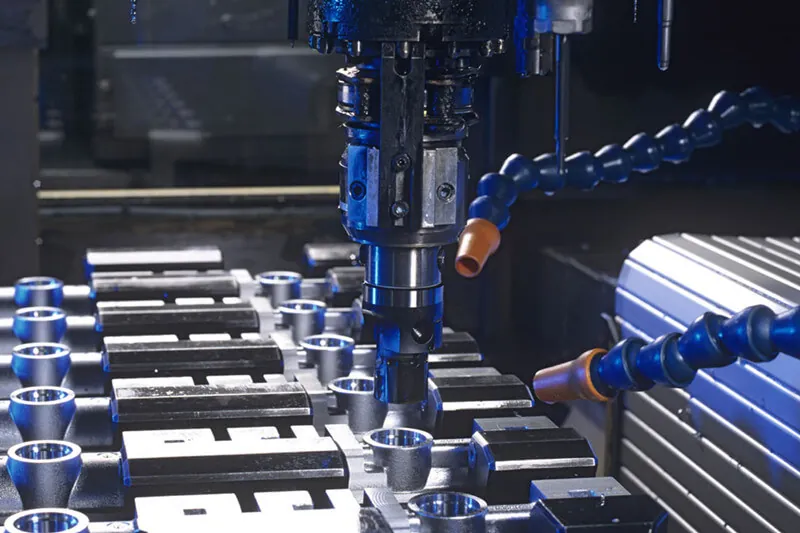
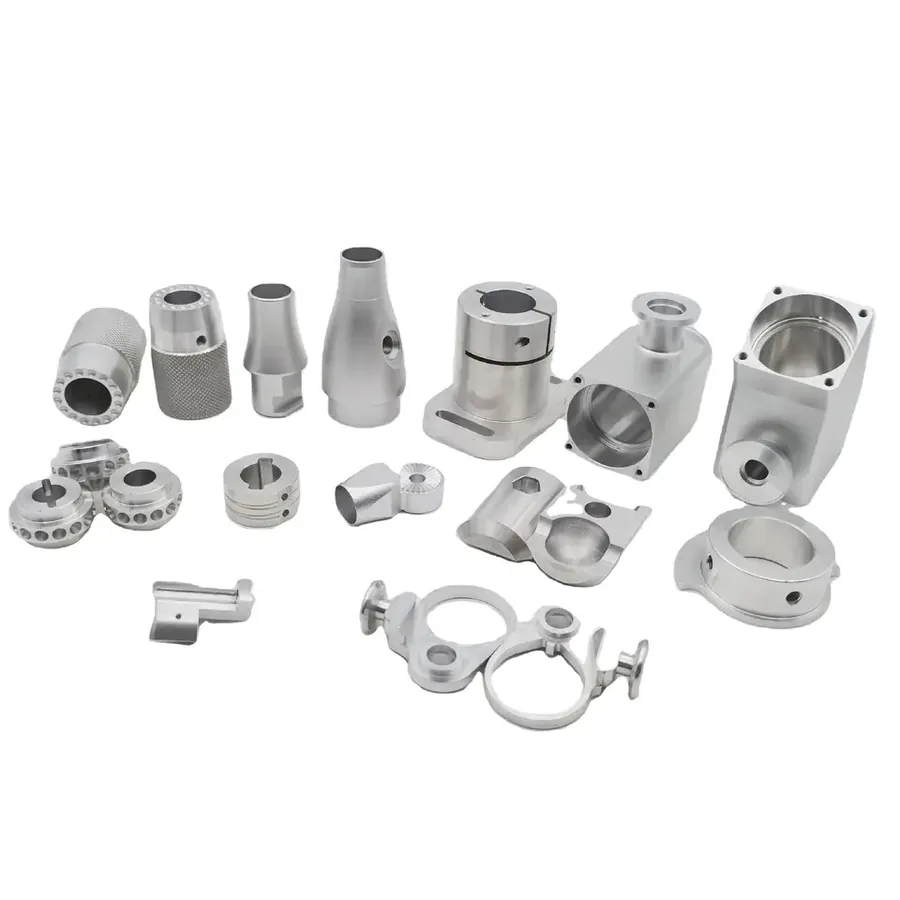
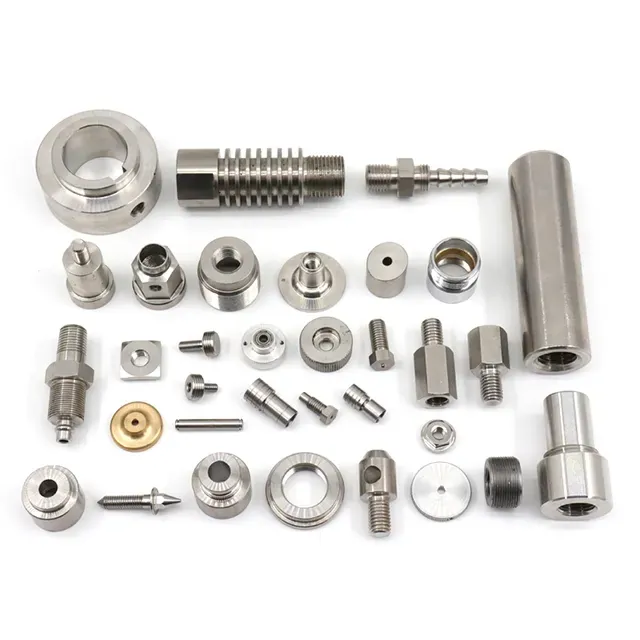
Wuxi Lead Precision Machinery delivers advanced custom metal manufacturing solutions for global industries requiring high-precision components. Our technical capabilities are anchored in state-of-the-art 5-axis CNC machining technology, enabling us to produce complex geometries with exceptional accuracy and surface finish. These multi-axis systems allow simultaneous cutting from five different angles, reducing setup time and part handling while maintaining tight tolerances across intricate features. This capability is particularly critical for aerospace, medical, automation, and defense applications where component integrity and repeatability are non-negotiable.

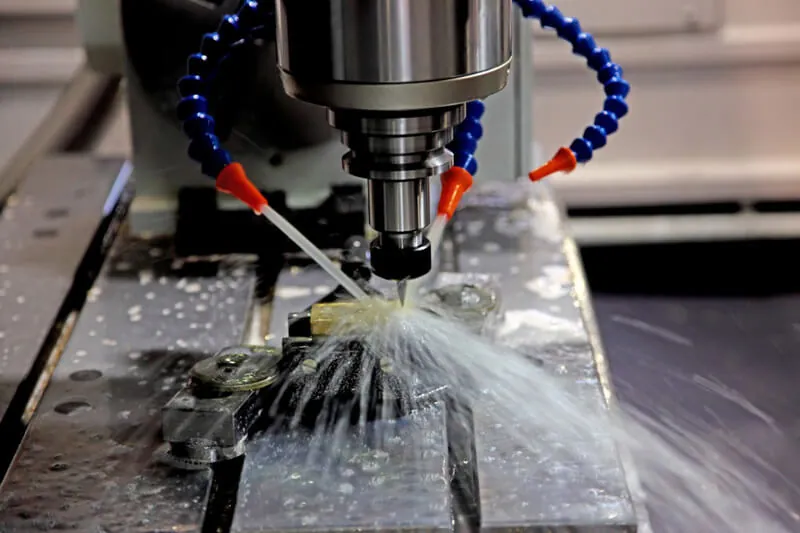
Our machining centers operate with high-speed spindles and dynamic tooling systems, supporting a broad range of metallic materials including aluminum alloys, stainless steel, titanium, tool steel, and high-temperature superalloys. Advanced CAD/CAM integration ensures seamless transition from digital design to physical part, with real-time toolpath optimization for maximum efficiency and precision. Each machine is maintained to OEM standards and operated by skilled CNC programmers and machinists with over a decade of industry experience, ensuring consistent output that meets the most demanding engineering specifications.

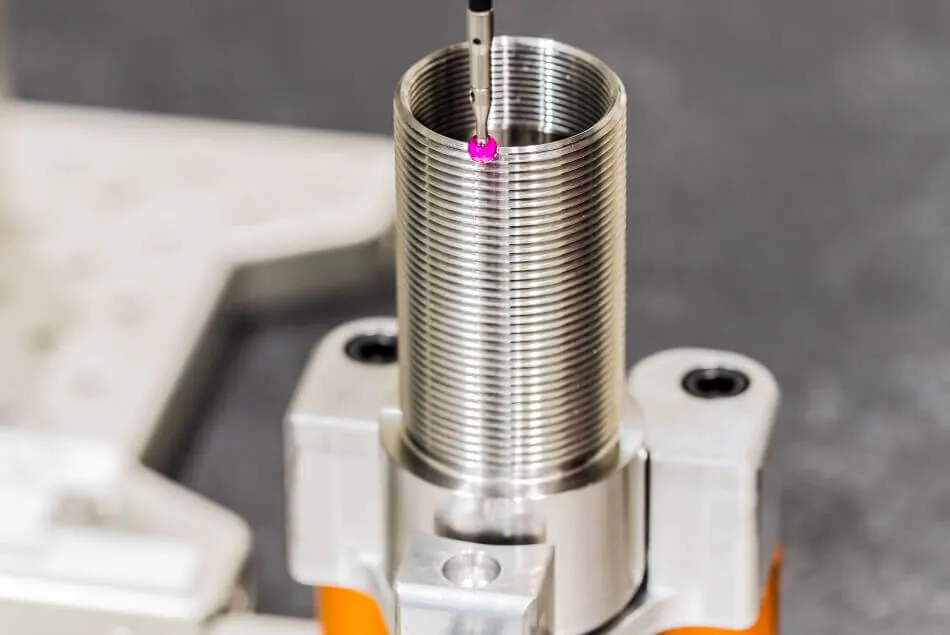
Quality control is embedded throughout the manufacturing process. Every component undergoes rigorous inspection using a Zeiss DuraMax Bridge-Type Coordinate Measuring Machine (CMM), providing micron-level verification of dimensional accuracy and geometric conformity. Our CMM system is calibrated annually to ISO 17025 standards and runs automated inspection routines based on customer-provided GD&T requirements. This metrology-grade validation ensures full traceability and compliance with AS9100, ISO 13485, and other regulated quality frameworks.

We maintain a climate-controlled inspection environment to eliminate thermal drift during measurement, further enhancing data reliability. In addition to first-article inspections, we perform in-process and final inspections on critical features, with full inspection reports available upon request. This systematic approach to quality assurance minimizes risk and ensures every prototype or production run meets exact design intent.

The following table outlines our standard machining tolerances, which can be tightened further based on application needs:

Feature Type Standard Tolerance Precision Capability Notes
Linear Dimensions ±0.025 mm ±0.005 mm Up to 500 mm length
Hole Diameter ±0.01 mm ±0.005 mm Reamed or honed finishes
Positional Tolerance ±0.02 mm ±0.01 mm Relative to datum
Surface Finish 3.2 μm Ra 0.8 μm Ra As machined or polished
Angular Features ±0.05° ±0.02° 5-axis simultaneous control
Flatness 0.02 mm 0.005 mm Over 100 mm area

These capabilities position Wuxi Lead as a trusted partner for high-end prototyping and low-to-mid volume production runs where precision, reliability, and technical expertise are paramount.


Material & Finish Options

Strategic Material Selection for Precision Metal Prototyping

Material choice fundamentally impacts prototype performance, manufacturability, and path to production. At Wuxi Lead Precision Machinery, we guide clients through critical trade-offs between aluminum, steel, and titanium based on application demands. Selecting the optimal base material and finish ensures prototypes accurately validate design intent while minimizing cost and lead time.

Aluminum alloys, particularly 6061-T6 and 7075-T6, offer the best strength-to-weight ratio and exceptional machinability. Their natural corrosion resistance and thermal conductivity make them ideal for aerospace components, consumer electronics housings, and fluid system parts. Aluminum prototypes validate lightweight structures efficiently, with lower material and machining costs accelerating iterative design cycles. Anodizing significantly enhances surface durability and aesthetics.

Steel variants provide unmatched strength, wear resistance, and dimensional stability. 303 stainless steel offers excellent machinability and corrosion resistance for medical instruments and valve components. 4140 alloy steel delivers high toughness for demanding mechanical parts like shafts and gears. Steel prototypes are essential for validating high-load applications where deflection or fatigue is a concern, though machining times and tool wear are higher than aluminum.

Titanium (primarily Grade 5 Ti-6Al-4V) is reserved for extreme environments demanding exceptional strength-to-weight ratio, biocompatibility, and corrosion resistance at high temperatures. It is critical for aerospace landing gear, medical implants, and chemical processing equipment. While titanium machining is slower and more costly due to its abrasiveness and low thermal conductivity, prototyping in the actual production material is often non-negotiable for mission-critical validation.

Anodizing is the premier finish for aluminum prototypes, transforming the surface oxide layer. Type II (Sulfuric Acid) anodizing provides good corrosion resistance and dye acceptance for cosmetic or moderate-duty parts. Type III (Hardcoat) anodizing creates a much thicker, harder, wear-resistant surface essential for functional prototypes enduring sliding contact or abrasive environments. Both types improve adhesion for secondary coatings.

Key material properties guide optimal selection:

Material Key Alloys Density (g/cm³) Tensile Strength (MPa) Relative Cost to Aluminum Best For
Aluminum 6061-T6, 7075-T6 2.7 310-570 1.0x Lightweight structures, heat sinks, enclosures
Steel 303 SS, 4140 7.8-8.0 500-1000+ 1.5x-3.0x High-strength shafts, gears, medical tools
Titanium Ti-6Al-4V (Gr5) 4.4 900-1000 4.0x-6.0x Aerospace, medical implants, corrosive environments

Choosing the correct material and anodizing process upfront prevents costly redesigns and ensures prototype fidelity. Wuxi Lead Precision Machinery leverages deep metallurgical expertise and advanced CNC capabilities to manufacture prototypes that precisely mirror production requirements, accelerating your path from concept to market with confidence. Partner with us for material selection that delivers strategic advantage.


Manufacturing Process & QC

From Concept to Mass Production: A Zero-Defect Manufacturing Workflow

At Wuxi Lead Precision Machinery, we specialize in delivering high-precision custom metal components through a tightly controlled, end-to-end manufacturing process. Our approach ensures that every product meets the highest standards of quality, consistency, and performance. The journey from initial design to full-scale production is structured into three critical phases: Design, Prototyping, and Mass Production—each engineered to eliminate defects before they occur.

The process begins with collaborative design engineering. Our team works closely with clients to review CAD models, material specifications, and functional requirements. Using advanced simulation software, we conduct design for manufacturability (DFM) analysis to identify potential production challenges early. This step ensures optimal geometry, tolerances, and material utilization, reducing waste and enhancing performance. All design inputs are documented and approved before moving forward, establishing a clear baseline for quality.

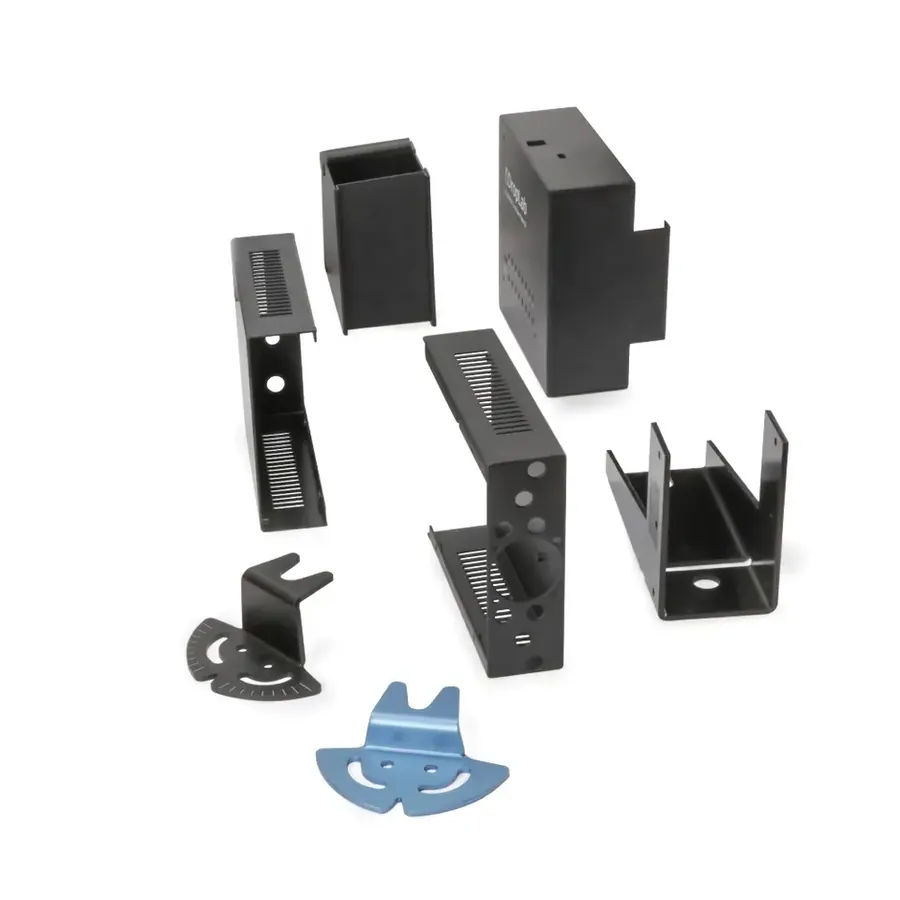
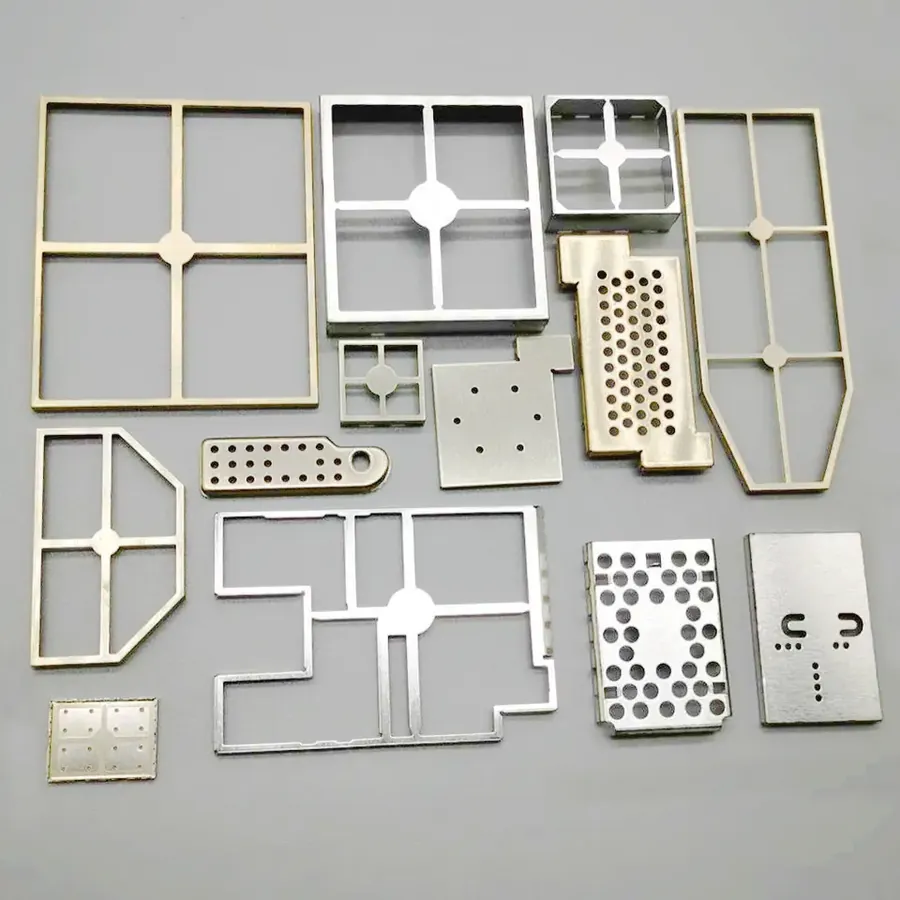
Prototyping follows as the validation phase. We produce functional prototypes using CNC machining, sheet metal fabrication, or precision stamping, depending on the final production method. These prototypes are subjected to rigorous inspection using coordinate measuring machines (CMM), optical comparators, and surface finish testers. Dimensional accuracy, mechanical properties, and fit-for-function are verified against the original specifications. Client feedback is incorporated at this stage, allowing for design refinements without impacting future production timelines. This iterative process ensures that the final design is not only manufacturable but also optimized for performance and cost-efficiency.

Once the prototype is approved, we transition seamlessly into mass production. Our automated production lines are monitored in real time using statistical process control (SPC) systems that detect deviations before they result in non-conformance. Each component undergoes in-process and final inspections, with full traceability maintained through barcoding and digital logs. Our ISO 9001-certified quality management system ensures every batch meets the zero-defect standard. With lean manufacturing principles in place, we achieve high throughput without compromising precision or reliability.

Our commitment to zero defects is not a goal—it is a built-in characteristic of our process. By integrating design validation, precision prototyping, and tightly controlled production, we deliver metal components that perform consistently in the most demanding industrial applications.

Typical Production Specifications

Parameter Capability
Materials Aluminum, Stainless Steel, Carbon Steel, Brass, Copper, Titanium
Tolerances ±0.005 mm (CNC), ±0.02 mm (Stamping)
Surface Finish Ra 0.8–3.2 µm (machined), Custom coatings available
Production Capacity 1,000 to 500,000 units/month
Lead Time (Prototype) 7–14 days
Lead Time (Production) 15–30 days (varies by order size)
Quality Standards ISO 9001, Full inspection reporting, PPAP available

Why Choose Wuxi Lead Precision

Partner with Lead Precision: Your Engineered Path to Production-Ready Prototypes

When your prototype demands transition from concept to certified production component, the precision and reliability of your manufacturing partner become non-negotiable. Wuxi Lead Precision Machinery exists to bridge this critical gap for global engineering teams and high-end prototype makers. We are not merely a machine shop; we are an engineering extension of your R&D department, specializing in the complex metal components that define cutting-edge products across aerospace, medical device, semiconductor, and advanced industrial sectors. Our commitment lies in transforming your most demanding digital models into physically flawless, functionally validated parts, consistently meeting the exacting standards required for serial production qualification.

Our competitive advantage stems from deep technical expertise integrated with industrial-scale precision infrastructure. We operate beyond standard job shop capabilities, implementing statistically validated processes, full material traceability, and rigorous first-article inspection protocols aligned with AS9100 and ISO 9001 standards. This ensures every prototype isn’t just a visual mockup, but a true representation of your final manufactured part, eliminating costly redesign loops and accelerating time-to-market. The table below details our core manufacturing capabilities engineered specifically for high-integrity prototype and low-volume production runs.

Capability Category Specification Range Key Technologies & Notes
Material Expertise Aluminum Alloys, Stainless Steels (300/400 series, 17-4PH), Titanium (Gr2, Gr5), Inconel 718, Brass, Copper Alloys Full material certification and traceability provided
Dimensional Tolerance Standard: ±0.025mm (±0.001″) Critical Features: ±0.005mm (±0.0002″) achievable
Surface Finish Ra 0.8µm (32µin) standard Ra 0.4µm (16µin) and finer achievable per spec
Machining Technology 3-Axis to 5-Axis Milling, Precision Turning (Swiss & CNC), Wire EDM, Multi-Tasking Largest Work Envelope: 1200 x 600 x 500mm (47″ x 24″ x 20″)
Inspection Capability CMM (3D Metrology), Optical Comparators, Surface Roughness Testers, Hardness Testers Full FAI reports (AS9102 format available)

Partnering with Lead Precision means accessing a team that speaks the language of engineering constraints and production realities. We proactively engage during the DFx phase, offering manufacturability insights that prevent downstream failures without compromising your design intent. Our transparent communication protocols ensure you receive actionable progress updates and technical feedback, not just shipment notifications. We understand that prototype delays cascade through your entire development schedule; therefore, we prioritize rapid turnaround without sacrificing the dimensional integrity that makes your prototype valuable.

Do not let manufacturing uncertainty jeopardize your innovation timeline. Submit your technical drawings and requirements to Contact [email protected]. Our engineering team will provide a detailed manufacturability assessment and a precise quotation within 4 business hours. Specify your target prototype completion date and critical validation requirements. We will confirm feasibility, outline our process controls, and commit to a delivery schedule aligned with your project milestones. For high-stakes metal prototypes where precision equals performance, partner with the engineering rigor of Wuxi Lead Precision Machinery. Your path to production-ready validation starts with a single, decisive email. Contact us today.


⚙️ Precision Cost Estimator

Estimate relative manufacturing effort based on tolerance.

Online Prototype Maker Manufacturer | Precision CNC Guide

Contents of Table

Contact [email protected] Whatsapp 86 15951276160