Copper Machining Services Manufacturer | Precision CNC Guide

Engineering Guide: Copper Machining Services

Engineering Insight: Copper Machining Services

Copper machining demands a unique combination of technical precision, thermal management, and material science expertise. As one of the most thermally and electrically conductive metals used in advanced manufacturing, copper presents distinct challenges during CNC machining—primarily due to its softness, high ductility, and tendency to work-harden. Achieving tight tolerances and superior surface finishes requires not only advanced equipment but also deep engineering insight into material behavior under cutting forces and heat generation.

At Wuxi Lead Precision Machinery, we specialize in high-precision copper machining services tailored for industries where performance and reliability are non-negotiable. Our experience spans mission-critical applications in aerospace, defense, and high-performance energy systems, including components used in Olympic-standard timing systems and military-grade communication devices. These projects demand micron-level accuracy, flawless repeatability, and strict adherence to material integrity—standards we consistently meet through a fusion of skilled craftsmanship and advanced manufacturing technology.

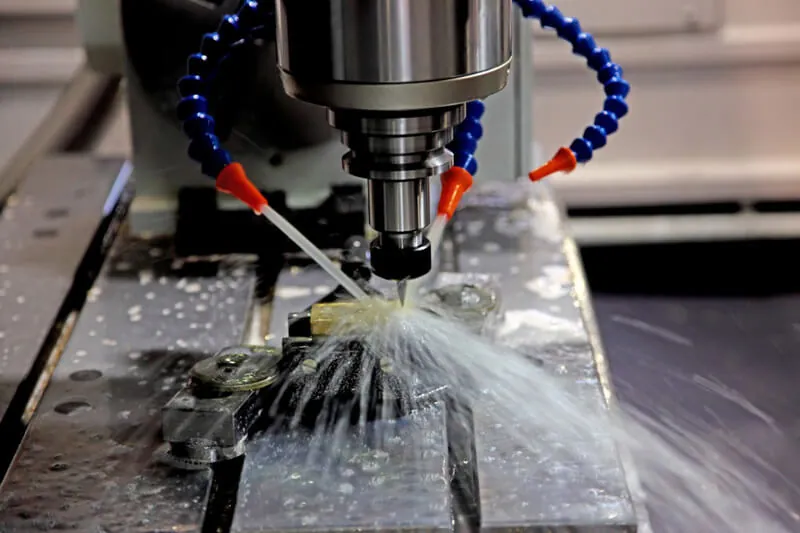
One of the key challenges in copper machining is controlling thermal expansion. Copper’s high thermal conductivity can dissipate heat quickly, but improper tool paths or excessive cutting speeds can lead to localized heating, dimensional instability, and tool deflection. Our engineering team employs optimized cutting strategies, including high-speed machining with specialized carbide tooling, reduced depth of cut, and continuous coolant flow, to maintain dimensional stability and prevent surface oxidation.

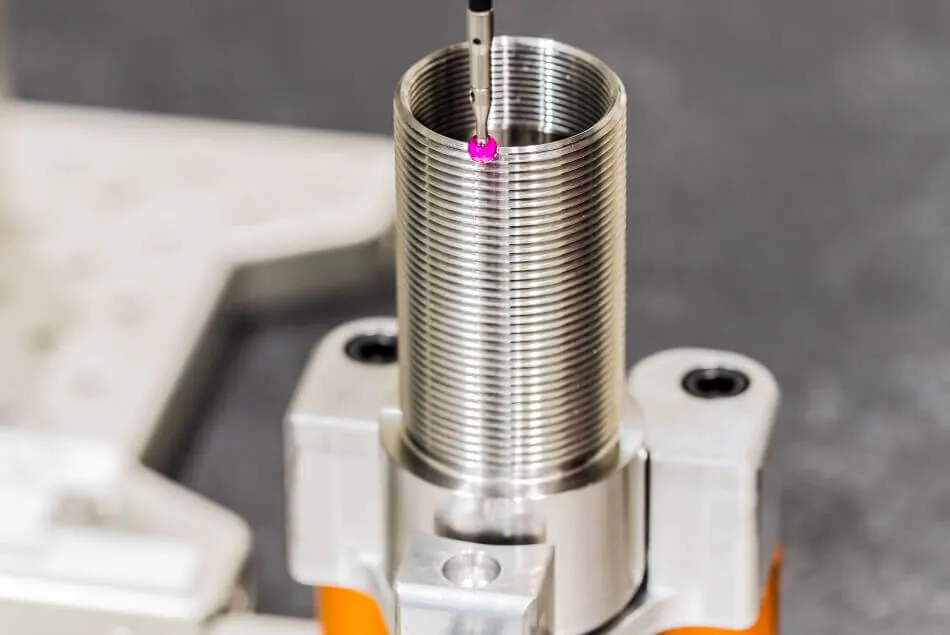
We also implement rigorous in-process inspection protocols using coordinate measuring machines (CMM) and laser scanning to ensure every component conforms to design specifications. Our facility operates under ISO 9001:2015 certification, ensuring traceability, quality control, and full documentation for every production batch.

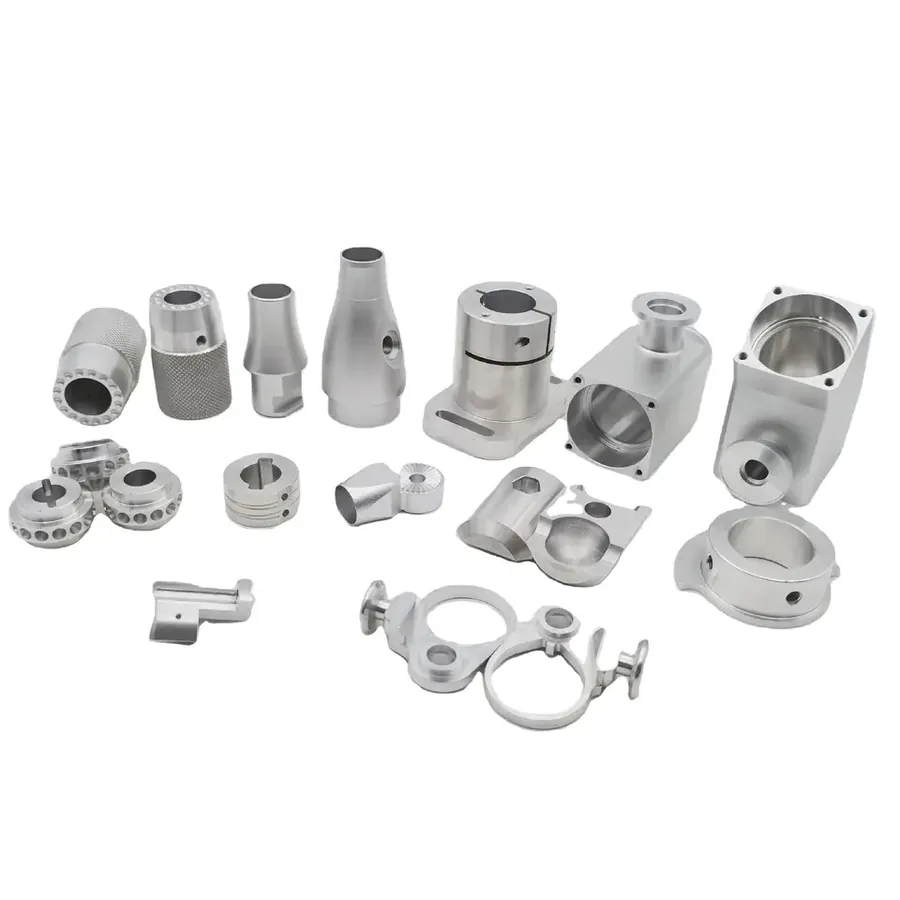
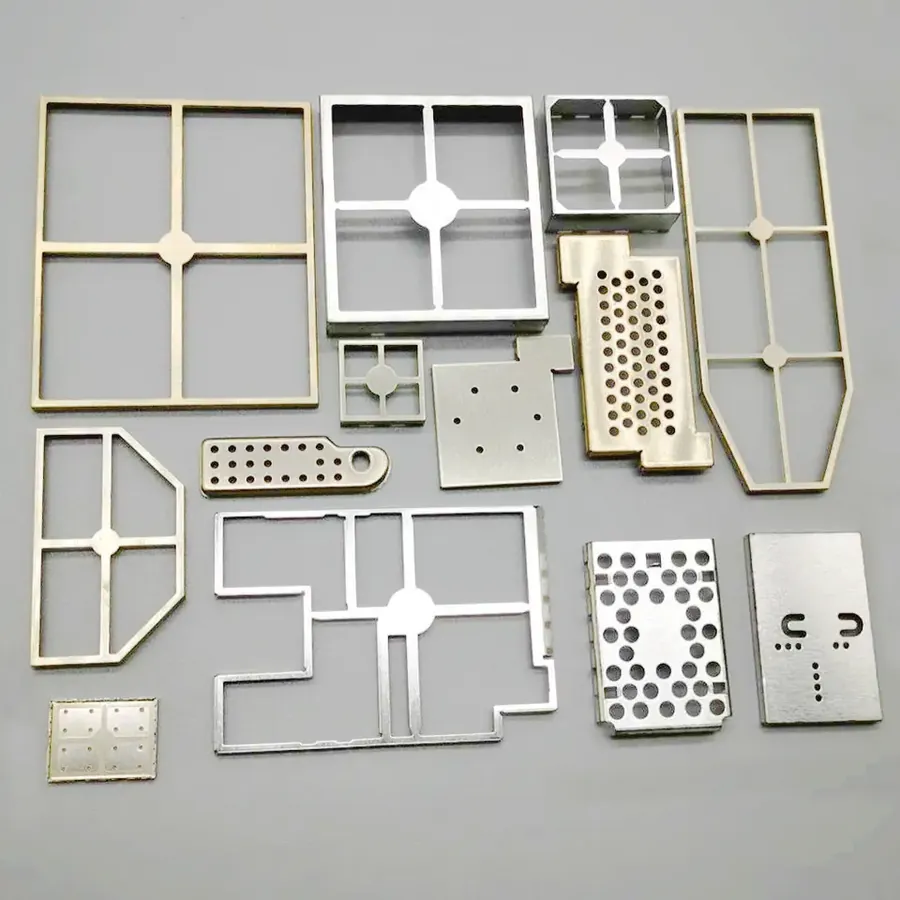
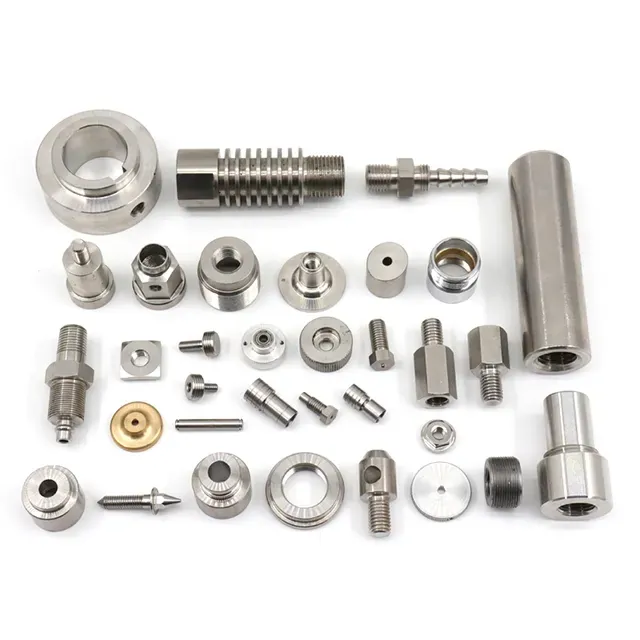
Our expertise extends beyond standard copper alloys to include oxygen-free copper (C10100), C11000, C18000, and beryllium-copper (C17200), each selected for specific electrical, thermal, or mechanical performance requirements. Whether producing intricate heat sinks, electrical connectors, RF shielding components, or custom electrodes, we apply material-specific machining parameters to maximize efficiency and part integrity.

The table below outlines typical machining capabilities for copper alloys at Wuxi Lead Precision Machinery:

Parameter Specification
Tolerance Range ±0.005 mm to ±0.025 mm
Surface Finish (Ra) 0.4 μm to 1.6 μm (custom down to 0.2 μm)
Maximum Part Size 800 mm × 600 mm × 500 mm
Common Alloys Processed C10100, C11000, C17200, C18000
Machining Processes CNC Milling, CNC Turning, Wire EDM, Grinding
Secondary Operations Deburring, Cleaning, Passivation, Plating
Quality Standards ISO 9001:2015, Full First Article Inspection

Precision in copper machining is not just about meeting drawings—it’s about understanding how the material will perform in its final application. At Wuxi Lead Precision Machinery, we combine decades of experience with cutting-edge technology to deliver copper components that perform under the most demanding conditions.


Precision Specs & Tolerances

Advanced Copper Machining Capabilities at Wuxi Lead Precision Machinery

Copper presents unique challenges in precision manufacturing due to its high thermal conductivity, softness, and tendency to gall during machining. At Wuxi Lead Precision Machinery, we specialize in overcoming these obstacles through engineered processes and advanced equipment, delivering components that meet the stringent demands of aerospace, medical, and semiconductor industries. Our dedicated copper machining workflow begins with material-specific toolpath optimization and proprietary coolant strategies to minimize heat buildup and prevent surface adhesion, ensuring dimensional stability and superior finish.

Our core capability centers on state-of-the-art 5-axis CNC machining centers, specifically configured for non-ferrous alloys. These machines feature high-speed spindles with rigid tapping and adaptive control systems that dynamically adjust feed rates to maintain consistent chip evacuation—critical for preventing copper smearing. We utilize specialized carbide tooling with polished flutes and optimized geometries to reduce friction, coupled with vacuum chip removal systems to eliminate contamination risks. This integrated approach enables complex geometries, including thin-walled features and intricate internal channels, without secondary operations that could compromise part integrity.

Quality assurance is non-negotiable in copper applications where electrical conductivity and thermal performance are paramount. Every component undergoes rigorous first-article inspection using Zeiss CONTURA CMM systems, providing traceable metrology down to ±1.5 µm. Our inspection protocol includes 3D surface profiling to verify micro-roughness compliance and coordinate verification of critical datums against ASME Y14.5 standards. Statistical process control (SPC) data is documented per batch, ensuring full transparency for regulatory audits.

The following table outlines achievable tolerances for copper alloys (C10100, C11000, C18150) under our controlled process parameters:

Parameter Standard Capability Tight Tolerance Option Measurement Method
Positional Tolerance ±0.010 mm ±0.005 mm CMM (ASME B89.4.1036)
Linear Dimension ±0.008 mm ±0.003 mm Optical Comparator
Surface Roughness Ra 0.4 µm Ra 0.2 µm Profilometer (ISO 4287)
Flatness 0.005 mm per 25 mm 0.002 mm per 25 mm Granite Surface Plate

This precision is sustained through environmental controls in our temperature-stabilized machining cell (±0.5°C) and real-time tool wear monitoring. We further mitigate copper’s thermal sensitivity by implementing stress-relief cycles between critical operations, preventing post-machining distortion. Clients receive comprehensive inspection reports with GD&T analysis and material certification, ensuring seamless integration into high-reliability assemblies. By combining metallurgical expertise with closed-loop manufacturing, Wuxi Lead transforms copper’s inherent challenges into a competitive advantage for your most demanding applications.


Material & Finish Options

Material Selection for High-Precision Copper Machining Services

When selecting materials for precision machining applications, copper stands out due to its exceptional thermal and electrical conductivity, corrosion resistance, and malleability. However, in complex assemblies, copper is often paired or compared with other high-performance metals such as aluminum, steel, and titanium. Understanding the mechanical and thermal properties of these materials is critical for optimizing performance, cost, and manufacturability in custom metal components.

Copper is ideal for electrical connectors, heat exchangers, and busbars, where efficient energy transfer is paramount. Its high ductility allows for intricate geometries, yet it presents machining challenges due to its tendency to work-harden and its relatively low strength compared to structural metals. For applications requiring higher strength or wear resistance, copper alloys such as beryllium copper or phosphor bronze are often preferred, offering a balanced combination of conductivity and mechanical performance.

Aluminum is frequently used in lightweight structural components, especially in aerospace and automotive industries. While not as conductive as copper, certain aluminum grades still offer respectable electrical properties and are far easier to machine. Aluminum’s low density and good corrosion resistance make it a favorable choice when weight reduction is a priority. However, its thermal expansion coefficient is higher than copper’s, which must be considered in high-precision thermal environments.

Steel, particularly stainless steel, provides superior strength, durability, and resistance to wear and high temperatures. It is commonly used in tooling, housings, and mechanical systems where structural integrity is critical. However, steel’s lower electrical and thermal conductivity limits its use in electrical transmission applications. When copper components must interface with high-stress mechanical parts, steel may serve as a complementary material in hybrid assemblies.

Titanium offers an outstanding strength-to-density ratio and exceptional corrosion resistance, especially in harsh environments such as marine or chemical processing. While titanium is not used for conductive elements due to its poor electrical properties, it may be integrated into systems where copper parts require lightweight, high-strength support structures.

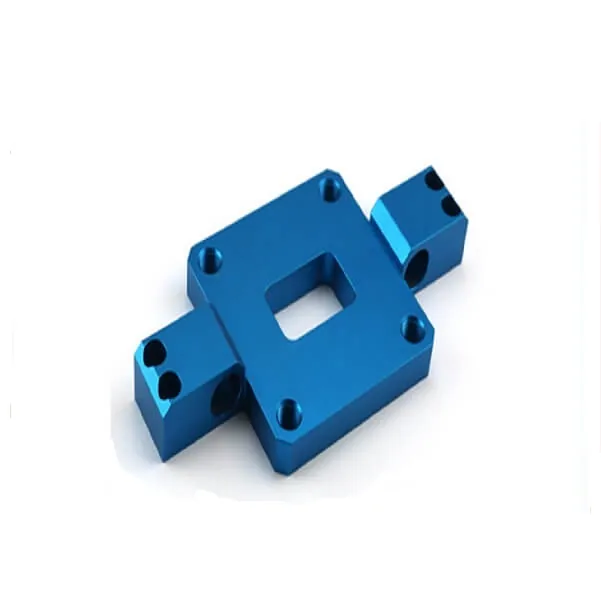
For surface enhancement, anodizing is a widely adopted finish—though typically applied to aluminum rather than copper. Anodizing increases surface hardness, improves corrosion resistance, and allows for color coding through dye integration. While copper cannot be anodized in the traditional sense, it can undergo protective plating or coating such as nickel, tin, or lacquer to prevent oxidation and maintain conductivity.

Below is a comparative overview of key material properties relevant to precision machining:

Material Density (g/cm³) Thermal Conductivity (W/m·K) Electrical Conductivity (% IACS) Tensile Strength (MPa) Common Applications
Copper 8.96 398 100 210–280 Electrical connectors, heat sinks
Aluminum 6061 2.70 167 40 310 Enclosures, lightweight structures
Stainless Steel 304 8.00 16 3 505–700 Housings, mechanical components
Titanium Grade 5 4.43 7.2 <1 900–1,000 Aerospace, marine structural supports

Selecting the appropriate material requires balancing electrical performance, mechanical demands, environmental exposure, and cost. At Wuxi Lead Precision Machinery, we support clients in making informed decisions by providing expert consultation and high-accuracy machining across copper and complementary metals, ensuring optimal performance in every application.


Manufacturing Process & QC

Copper Machining Production Process: From Design to Zero Defects Mass Production

Copper machining demands exceptional process control due to the material’s high thermal conductivity, softness, and tendency for work hardening and galling. At Wuxi Lead Precision Machinery, our rigorously defined workflow ensures dimensional precision, surface integrity, and absolute reliability for critical applications. The journey begins with collaborative Design for Manufacturability (DFM) analysis. Our engineering team reviews client CAD models, focusing specifically on copper’s behavior. We assess thermal management strategies for complex geometries, optimize wall thicknesses to prevent distortion during cutting, and recommend material-specific toolpaths to minimize chip recutting and burr formation. Critical tolerances and surface finish requirements are validated against copper’s machinability limits, ensuring the design is inherently producible to zero-defect standards before any metal is cut.

Prototyping transitions the validated design into physical reality under full production scrutiny. Using the exact alloys specified (e.g., C11000 ETP, C10100 OFHC, C14500 Tellurium Copper), we machine initial samples on the designated production CNC centers. This phase is not merely functional testing; it is comprehensive process validation. Every parameter—spindle speed, feed rate, coolant pressure (critical for copper chip evacuation and heat dissipation), and tool geometry—is meticulously monitored and adjusted. First-article inspection employs CMM, optical comparators, and surface profilometers to verify all critical dimensions and finishes against the approved drawing. Any deviation triggers immediate root-cause analysis and process refinement, locking in the optimal parameters before scaling.

Mass production leverages the perfected process within a closed-loop quality management system. Dedicated CNC cells, equipped with high-pressure through-tool coolant systems essential for copper, run under stringent Statistical Process Control (SPC). Real-time in-process gauging checks key features after each operation, automatically halting production if measurements drift beyond preset control limits. 100% critical dimension inspection occurs at defined intervals, supplemented by rigorous final inspection protocols including visual checks for surface defects like micro-burrs or chatter marks unique to copper. Material traceability is maintained from raw bar stock to finished part, with comprehensive documentation for full auditability. This integrated approach, built on copper-specific expertise and relentless process discipline, is the foundation of our zero-defect commitment.

The following table summarizes the critical parameters and controls across each phase of our copper machining process:

Process Phase Key Parameters & Controls Quality Control Method Output Standard
Design (DFM) Thermal distortion analysis Toolpath optimization Material-specific tolerance validation Engineering review Simulation software validation Approved manufacturable design file
Prototyping Exact production alloy High-pressure coolant parameters Real-time parameter logging First-article inspection (CMM, profilometer) Root-cause analysis Validated process parameters
Mass Production SPC monitoring In-process gauging 100% critical feature checks Full material traceability Automated process control Final inspection batch documentation Zero-defect certified components

Why Choose Wuxi Lead Precision

Partner with Lead Precision for Unmatched Copper Machining Expertise

At Wuxi Lead Precision Machinery, we specialize in high-precision copper machining services tailored to the exacting demands of advanced industries including aerospace, medical device manufacturing, power transmission, and high-frequency electronics. Copper’s exceptional thermal and electrical conductivity make it indispensable in critical applications, but its softness and high ductility present unique challenges in machining. Our engineering team combines decades of metallurgical insight with state-of-the-art CNC technology to deliver components that meet tight tolerances, superior surface finishes, and strict performance standards.

We understand that precision in copper machining goes beyond cutting metal—it demands a deep understanding of material behavior, tool dynamics, and thermal management. Our facility is equipped with multi-axis CNC milling and turning centers, advanced tooling systems designed specifically for non-ferrous alloys, and in-process inspection equipment to ensure consistency across production runs. From prototype development to high-volume manufacturing, we maintain full traceability, rigorous quality control, and ISO 9001-compliant processes to support your most demanding projects.

Our engineers work closely with your design and R&D teams to optimize part geometry, select appropriate copper grades—including C10100 (oxygen-free), C11000 (electrolytic tough pitch), and beryllium copper alloys—and recommend finishing processes such as plating, passivation, or polishing to enhance performance and longevity. Whether you require intricate heat sink components, electrical connectors, or custom busbars with micron-level accuracy, we deliver solutions engineered for reliability and repeatability.

We pride ourselves on being more than a contract manufacturer—we are a strategic partner in innovation. Our responsive project management, transparent communication, and rapid turnaround times enable faster time-to-market without compromising quality. With a logistics network that supports global delivery, we serve OEMs and Tier-1 suppliers across North America, Europe, and Asia, ensuring your supply chain remains agile and resilient.

Partner with Wuxi Lead Precision Machinery to transform your copper component designs into high-performance realities. Contact us today to discuss your project specifications, request a quote, or schedule a technical consultation.

Contact Information
Email: [email protected]

Copper Machining Capabilities Overview

Specification Detail
Material Types C10100, C11000, C18200, C17200 (BeCu), CuCrZr, and custom copper alloys
Tolerances ±0.005 mm (±0.0002″) for critical dimensions
Surface Finish As low as Ra 0.2 µm (8 µin), with polishing and coating options
Maximum Part Size 800 mm × 600 mm × 500 mm (31.5″ × 23.6″ × 19.7″)
Equipment 3-axis, 4-axis, and 5-axis CNC machining centers; CNC turning with live tooling
Quality Standards ISO 9001:2015 certified; full first-article inspection and CMM reporting
Lead Times Prototype: 7–10 days; Production: 15–25 days (varies by complexity and volume)

⚙️ Precision Cost Estimator

Estimate relative manufacturing effort based on tolerance.

Copper Machining Services Manufacturer | Precision CNC Guide

Contents of Table

Contact [email protected] Whatsapp 86 15951276160