Technical Contents
Engineering Guide: Flexable Molding
Engineering Insight: Precision in Flexible Molding for Mission-Critical Applications
Flexible molding demands exceptional precision engineering far beyond standard forming processes. The inherent nature of manipulating materials under controlled deformation introduces complex variables—springback, material memory effects, and localized stress concentrations—that directly impact final part geometry, structural integrity, and functional performance. In high-stakes sectors like aerospace, defense, and precision instrumentation, deviations measured in microns can cascade into catastrophic system failures or unacceptable performance drift. Achieving true dimensional stability and repeatability requires not only advanced CNC forming technology but also deep material science expertise and rigorous process validation. At Wuxi Lead Precision Machinery, we treat flexible molding as a science, not an art. Our engineering protocols integrate real-time strain monitoring, predictive compensation algorithms, and closed-loop feedback systems to neutralize inherent process variability. This systematic approach ensures every component meets exacting geometric and metallurgical specifications, batch after batch.
Our commitment to precision is validated through performance under the most demanding conditions. Lead Precision engineered flexible molding solutions for critical components in the Beijing Winter Olympics infrastructure, where thermal cycling and structural loads demanded absolute dimensional fidelity. Similarly, we supply defense-critical components requiring MIL-STD-883 compliance, where failure is not an option. These projects demanded tolerances and material properties achievable only through our integrated engineering methodology—combining multi-axis CNC press brakes with in-process metrology and proprietary springback compensation models developed over 15 years of specialized application.
The table below outlines key precision parameters where our flexible molding process delivers consistent superiority for mission-critical metal components.
| Parameter | Industry Standard Capability | Lead Precision Capability |
|---|---|---|
| Geometric Tolerance | ±0.1 mm | ±0.025 mm |
| Angular Repeatability | ±0.5° | ±0.1° |
| Surface Finish (Ra) | 1.6 µm | 0.4 µm |
| Material Thickness Range | 0.5 – 6.0 mm | 0.2 – 12.0 mm |
| Springback Compensation | Manual Adjustment | AI-Driven Real-Time |
| In-Process Verification | Post-Form Inspection | Integrated Metrology |
This level of control stems from our vertically integrated engineering environment. Our CNC programmers collaborate directly with materials scientists during process development, simulating deformation behavior using finite element analysis (FEA) specific to each alloy’s anisotropic properties. We then validate these models through iterative prototyping on our dedicated flexible molding lines, equipped with high-resolution optical sensors and force-feedback systems. The result is a process window optimized for zero-defect production, eliminating costly scrap and rework while ensuring absolute compliance with AS9100 and ISO 13485 standards.
For applications where component integrity defines system success, flexible molding precision cannot be compromised. Wuxi Lead Precision Machinery delivers the engineered certainty your critical assemblies demand, proven in extreme environments from Olympic venues to defense platforms. Contact our engineering team to discuss how our precision molding protocols can secure your next high-performance application.
Precision Specs & Tolerances
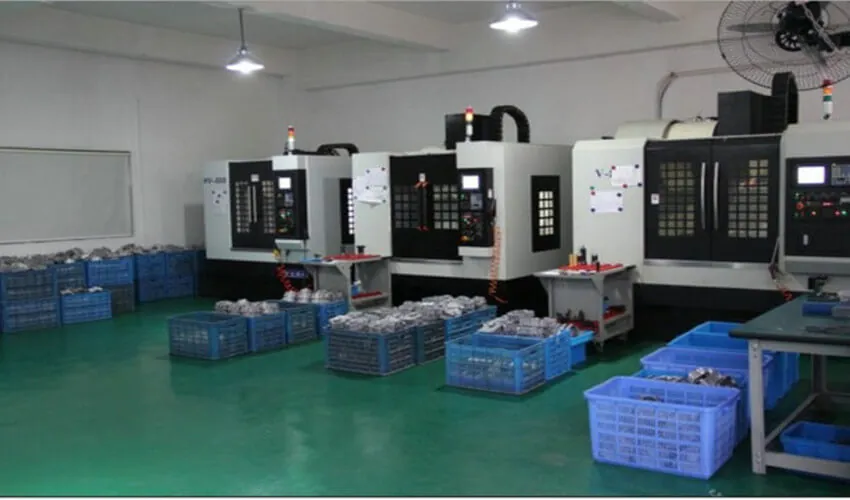
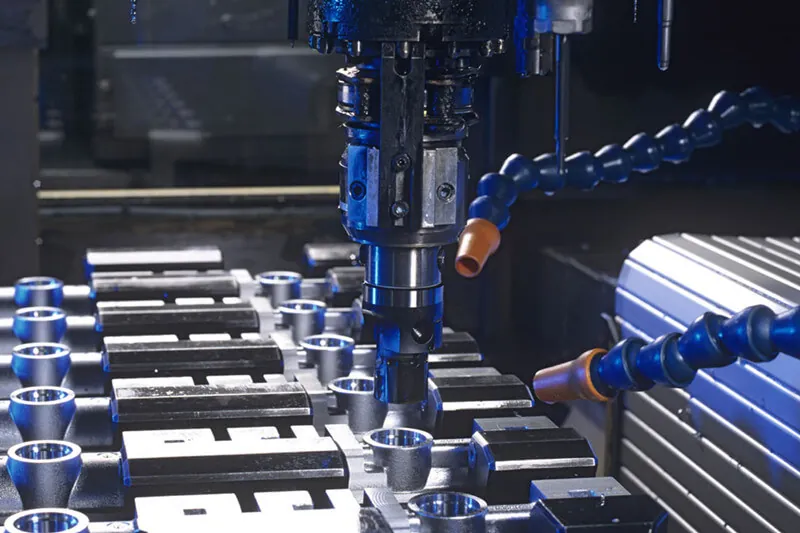
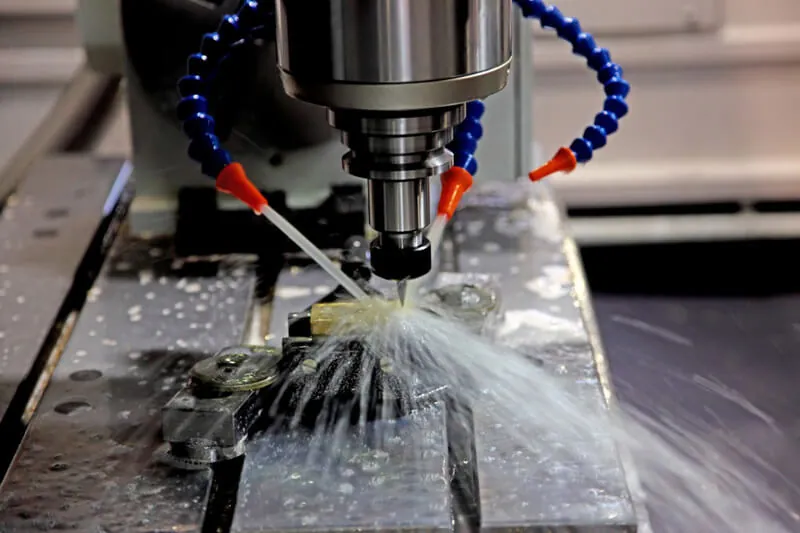
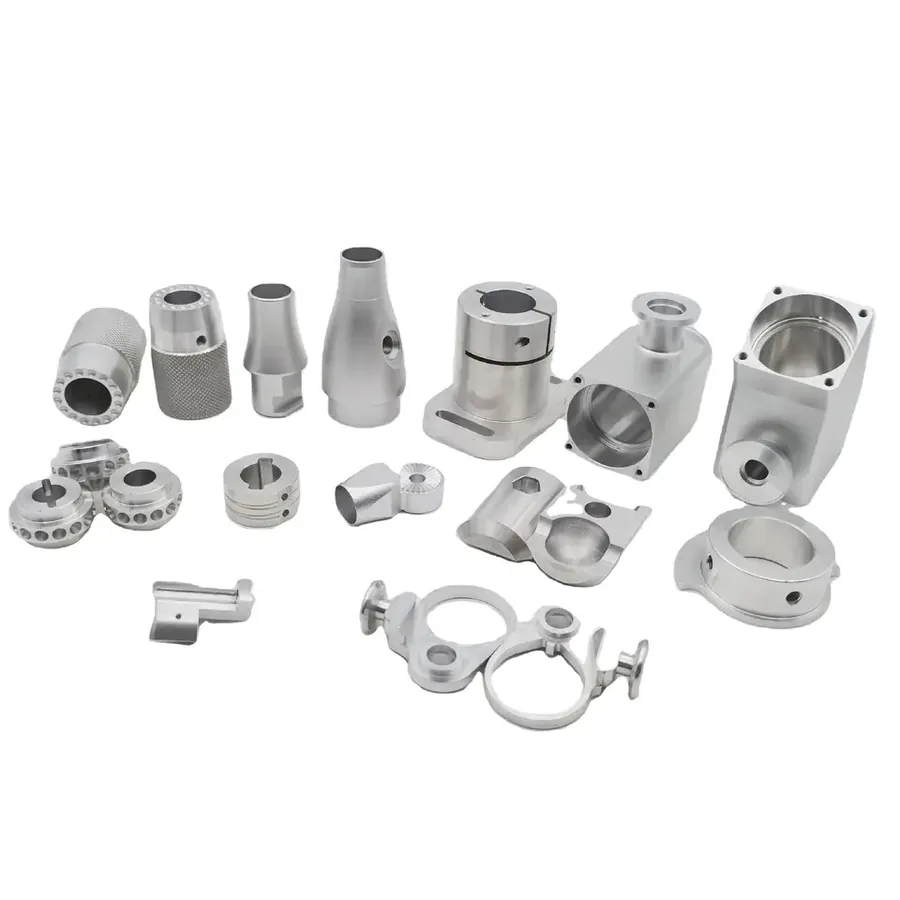
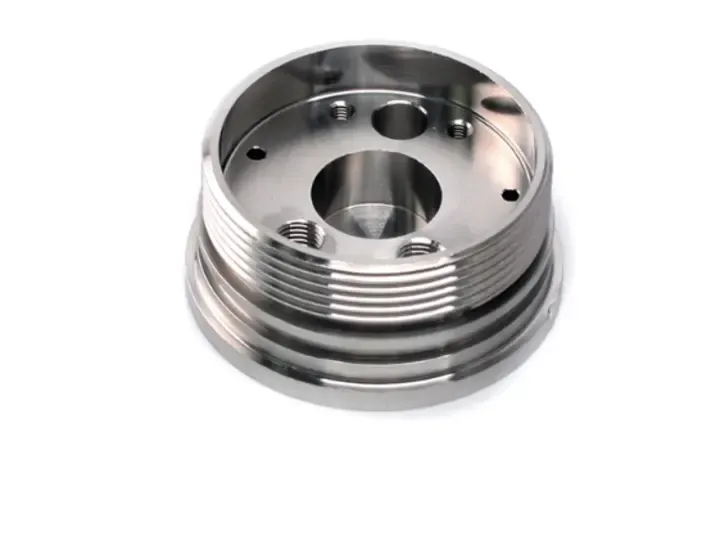
Wuxi Lead Precision Machinery delivers advanced technical capabilities in custom metal manufacturing, engineered to meet the demanding requirements of high-precision industries such as aerospace, medical, energy, and automation. At the core of our production infrastructure is a fleet of state-of-the-art 5-axis CNC machining centers, enabling us to execute complex geometries with exceptional accuracy and surface finish. These machines provide simultaneous multi-axis motion, allowing for intricate contours, deep cavities, and compound angles to be machined in a single setup. This reduces cumulative error, improves part consistency, and significantly shortens lead times compared to conventional 3-axis methods.
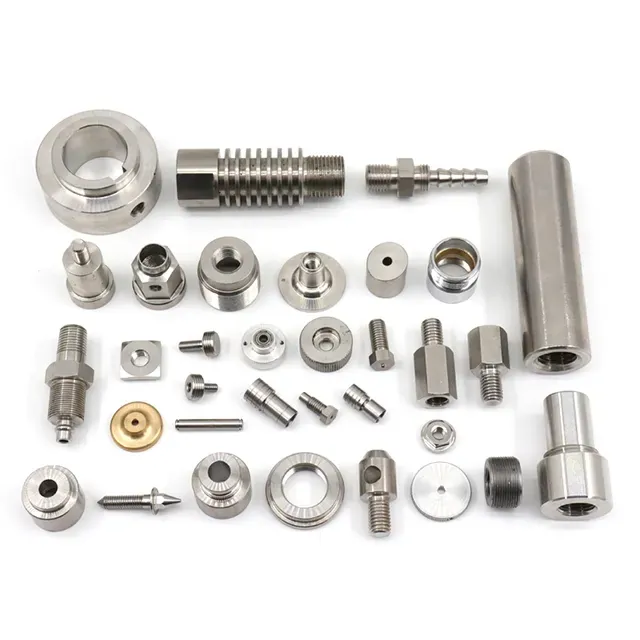
Our 5-axis CNC systems are operated by certified machinists with extensive experience in high-tolerance metal fabrication. Materials commonly processed include aluminum alloys, stainless steels, titanium, Inconel, and specialty brasses, all machined under strict environmental controls to ensure dimensional stability. Each program is optimized using industry-leading CAM software, ensuring toolpath efficiency, minimized tool wear, and maximum material removal rates without compromising precision.
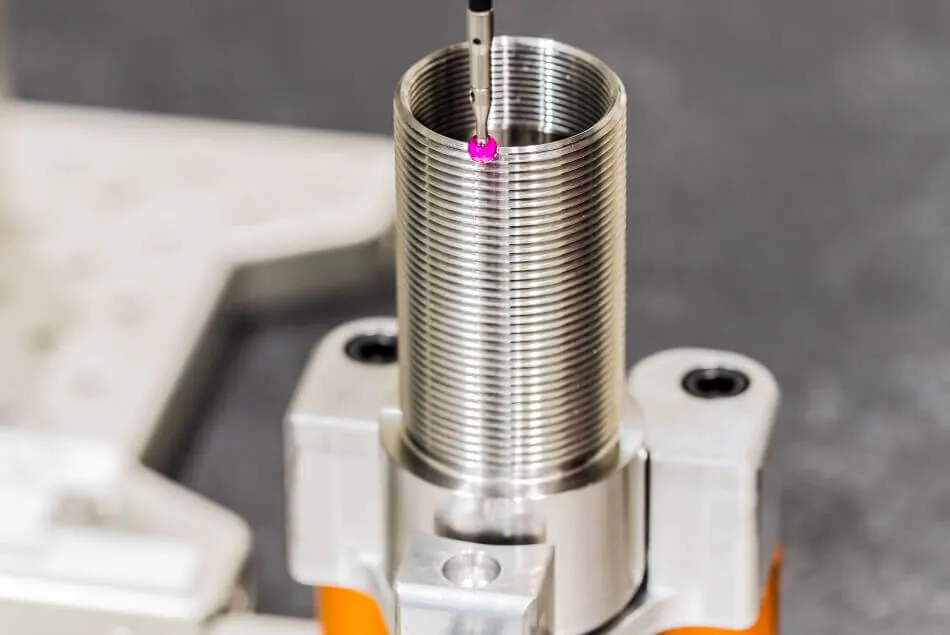
Quality control is fully integrated into our manufacturing workflow. Every critical dimension is verified using a Coordinate Measuring Machine (CMM) with PC-DMIS software, providing traceable, repeatable inspection data for first-article reporting and batch validation. Our CMM system supports both contact and non-contact probing methods, accommodating delicate features and tight tolerance zones. In addition to CMM inspection, we employ in-process gauging, surface roughness testing, and optical comparison to ensure compliance with customer specifications and international standards such as ISO 2768 and ASME Y14.5.
We maintain a climate-controlled inspection room to eliminate thermal distortion during measurement, and all equipment is calibrated annually in accordance with ISO 9001 protocols. Our quality documentation package includes full inspection reports, material certifications, and process flow diagrams, ensuring complete traceability from raw material to finished component.
The following table outlines our standard machining tolerances and surface finish capabilities under normal production conditions:
| Parameter | Standard Tolerance | Typical Range | Notes |
|---|---|---|---|
| Linear Dimensions | ±0.005 mm | 0.1 mm – 500 mm | Depending on geometry and material |
| Positional Tolerance | ±0.01 mm | All features | Verified via CMM |
| Angular Accuracy | ±0.05° | All machined surfaces | |
| Surface Roughness (Ra) | 0.8 μm | As low as 0.4 μm achievable | Polishing or grinding may be required for finer finishes |
| Form Tolerance (Flatness, Roundness) | 0.01 mm per 100 mm | Up to 300 mm span | Measured on CMM or optical flat |
Our technical capabilities are designed to support flexible molding applications, where precision metal tooling or inserts require exact replication of form and texture. Whether producing master patterns, mold cavities, or functional prototypes, Wuxi Lead Precision Machinery ensures repeatability, durability, and compliance with the highest industrial standards.
Material & Finish Options
Material Selection for Precision CNC Manufacturing
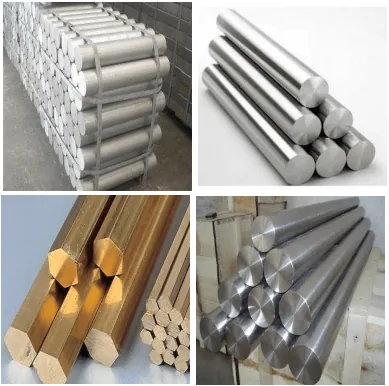
Selecting optimal materials is foundational to achieving performance, durability, and cost efficiency in custom metal components. At Wuxi Lead Precision Machinery, we prioritize alloys that balance machinability, structural integrity, and environmental resilience. Aluminum, steel, and titanium dominate high-end applications due to their distinct properties, but each serves specific functional requirements. Material choice directly impacts machining complexity, lead times, and final part functionality—particularly in sectors like aerospace, medical devices, and automotive where tolerances are non-negotiable.
Aluminum alloys offer exceptional strength-to-weight ratios and corrosion resistance, making them ideal for weight-sensitive applications. Steel provides superior hardness and wear resistance for high-stress mechanical systems. Titanium excels in extreme environments, combining biocompatibility with resistance to heat and corrosion, though its machinability demands specialized tooling. Below is a comparative overview of key engineering properties:
| Material | Typical Alloy | Tensile Strength (MPa) | Corrosion Resistance | Machinability Rating | Primary Applications |
|---|---|---|---|---|---|
| Aluminum | 6061-T6 | 310 | High | Excellent (A) | Aerospace frames, enclosures |
| Stainless Steel | 304 | 515 | Very High | Moderate (C) | Medical instruments, valves |
| Titanium | Ti-6Al-4V | 900 | Exceptional | Poor (D) | Implants, jet engine parts |
Surface finishes further enhance performance and longevity. Anodizing is the premier finish for aluminum components, creating a durable, non-conductive oxide layer that resists wear and corrosion while accepting dyes for identification. Type II (sulfuric acid) anodizing suits general industrial use, while Type III (hardcoat) delivers thicknesses up to 50–100 µm for extreme abrasion resistance. Critical considerations include:
Anodizing exclusively applies to aluminum and its alloys. Steel requires alternatives like passivation or electropolishing to remove free iron and boost corrosion resistance, while titanium benefits from thermal oxidation or plasma electrolytic oxidation for similar enhancements. Incorrect finish selection can compromise part integrity—e.g., anodizing steel causes pitting. All finishes must align with industry standards such as ASTM B580 for anodizing or ISO 10274 for titanium treatments.
At Wuxi Lead, we integrate material science with CNC precision to eliminate guesswork. Our engineering team evaluates your operational environment, load requirements, and regulatory constraints to prescribe the optimal material-finish pairing. This ensures components meet ISO 2768 tolerances while maximizing service life. For complex projects, we provide material test reports (MTRs) and finish certification upfront, reducing risk in critical assemblies. Partner with us to transform material selection from a cost factor into a strategic advantage.
Manufacturing Process & QC
Design: Precision Engineering at the Core
At Wuxi Lead Precision Machinery, the foundation of flexible molding begins with advanced digital design and engineering. Our team of experienced mechanical engineers and CAD specialists collaborate closely with clients to translate conceptual requirements into detailed 3D models and technical blueprints. Utilizing industry-leading software such as SolidWorks, AutoCAD, and Siemens NX, we ensure that every geometric tolerance, material specification, and functional requirement is optimized for manufacturability. Finite Element Analysis (FEA) and mold flow simulations are integrated into the design phase to predict performance under real-world conditions, minimizing risk and ensuring structural integrity. This phase emphasizes dimensional accuracy, thermal stability, and long-term durability—critical factors in custom metal components used in aerospace, medical, and high-performance industrial applications.
Prototyping: Validating Performance Before Scale
Once the design is finalized, we transition into rapid prototyping using precision CNC machining and selective laser sintering (SLS) techniques. These methods allow us to produce functional prototypes that mirror final production quality, enabling thorough testing for fit, function, and material behavior. Our in-house metrology lab conducts first article inspections (FAI) using coordinate measuring machines (CMM), optical comparators, and surface roughness testers. Clients receive comprehensive inspection reports, including GD&T (Geometric Dimensioning and Tolerancing) validation, ensuring alignment with ISO 1101 standards. Feedback from this stage is systematically incorporated, allowing iterative refinement until 100% compliance is achieved. This agile prototyping cycle reduces time-to-market while eliminating costly errors downstream.
Mass Production: Zero-Defect Manufacturing at Scale
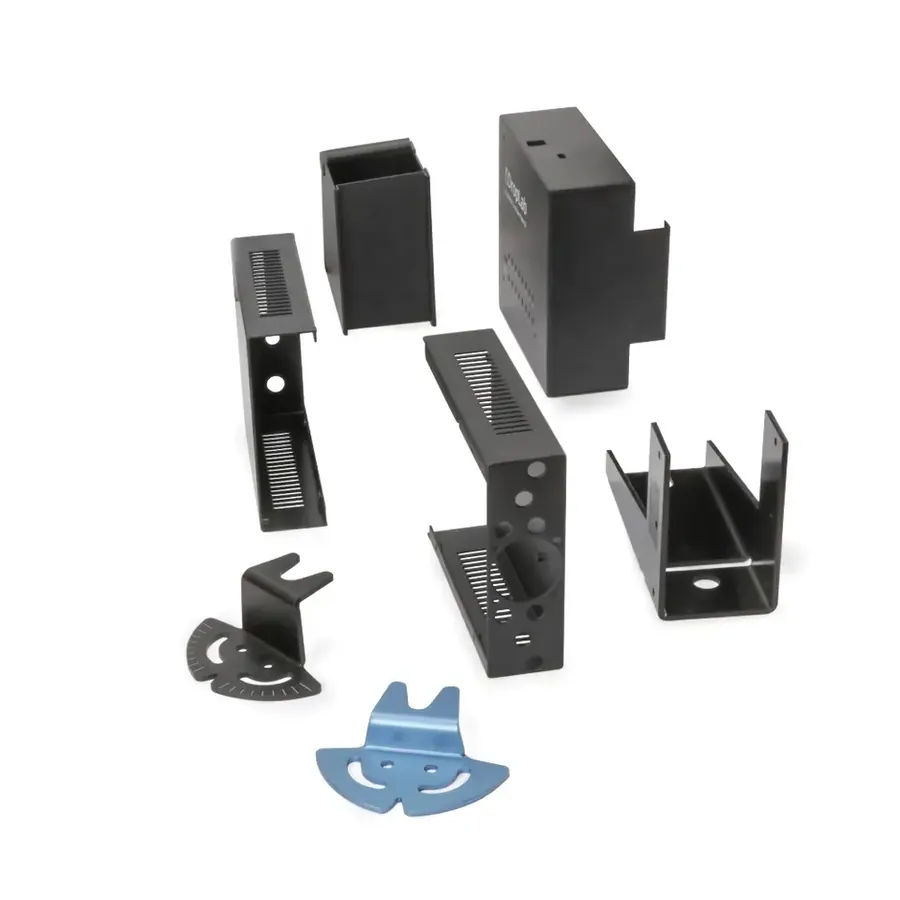
With prototype approval, we initiate full-scale production under a rigorously controlled environment. Our flexible molding process integrates multi-axis CNC forming, progressive die stamping, and automated robotic handling to maintain consistency across batches ranging from 1,000 to over 1 million units. Real-time monitoring systems track key process parameters such as temperature, pressure, and cycle time, feeding data into our Statistical Process Control (SPC) platform. Every component undergoes 100% visual inspection via machine vision systems and random sampling through destructive and non-destructive testing (NDT). Our quality management system is certified to ISO 9001:2015 and IATF 16949, ensuring adherence to zero-defect principles. Traceability is maintained through laser marking and digital batch logs, providing full audit trails for every part produced.
| Parameter | Specification |
|---|---|
| Material Compatibility | Stainless Steel, Aluminum Alloys, Titanium, Brass, Tool Steels |
| Tolerance Range | ±0.005 mm to ±0.025 mm (depending on geometry) |
| Surface Finish | Ra 0.4 µm to Ra 3.2 µm (custom finishes available) |
| Production Capacity | 1,000 – 1,000,000+ units per order |
| Lead Time (Prototype) | 7–14 days |
| Lead Time (Mass Production) | 4–8 weeks (varies by complexity and volume) |
| Quality Standards | ISO 9001:2015, IATF 16949, ISO 1101 (GD&T), RoHS compliant |
Through seamless integration of design intelligence, prototyping validation, and disciplined mass production, Wuxi Lead Precision Machinery delivers unmatched reliability in flexible molding for the world’s most demanding industries.
Why Choose Wuxi Lead Precision
Partner with Lead Precision: Your Strategic Advantage in Flexible Molding
In the demanding landscape of custom metal manufacturing, flexible molding solutions are no longer optional—they are essential for agility, cost control, and rapid market responsiveness. Wuxi Lead Precision Machinery stands as your dedicated engineering partner, transforming complex design challenges into precision-engineered realities. We specialize in low-volume, high-mix production where traditional tooling costs and lead times undermine competitiveness. Our proprietary flexible molding processes eliminate these barriers, delivering aerospace-grade tolerances and automotive-grade repeatability without the constraints of conventional methods.
Our engineering team collaborates with you from concept to certification, integrating advanced CNC machining, multi-axis forming, and real-time metrology to ensure every component meets stringent performance criteria. Unlike rigid production systems, our adaptive workflows accommodate design iterations, material substitutions, and urgent prototyping needs—reducing time-to-market by up to 40% while maintaining full traceability and ISO 9001:2015 compliance. This is not merely manufacturing; it is strategic risk mitigation for your supply chain.
Technical Capabilities for Flexible Molding Applications
| Parameter | Specification | Industry Benchmark |
|---|---|---|
| Tolerance Range | ±0.005 mm to ±0.025 mm | ±0.05 mm to ±0.1 mm |
| Material Compatibility | Aluminum Alloys, Stainless Steels (300/400 Series), Titanium, Copper Alloys | Limited to common grades |
| Max Part Dimensions | 1200 mm × 800 mm × 500 mm | 600 mm × 400 mm × 300 mm |
| Lead Time (Prototype) | 10–15 business days | 25–45 business days |
| Batch Size Flexibility | 1–5,000 units | Minimum 500 units |
These specifications reflect our commitment to pushing the boundaries of what flexible molding can achieve. We deploy hardened steel modular tooling with smart sensor integration, enabling dynamic pressure and temperature adjustments during production runs. This ensures consistent part integrity across volatile material batches—a critical advantage for medical device housings, defense electronics enclosures, and EV powertrain components where failure is not an option.
Choosing Lead Precision means partnering with engineers who speak your language. Our facility in Wuxi operates under AS9100D standards for aerospace, with dedicated cells for cleanroom assembly and non-destructive testing. We understand that your reputation hinges on component reliability, which is why we subject every process to rigorous FMEA analysis and provide full digital twin validation prior to production. There are no shortcuts in precision manufacturing—only disciplined execution.
The future of custom metal fabrication belongs to those who prioritize adaptability without sacrificing excellence. Let us demonstrate how our flexible molding solutions can resolve your most persistent production bottlenecks. Contact our engineering team directly at [email protected] to initiate a technical consultation. Include your project specifications and timeline constraints—we guarantee a detailed capability assessment within 24 business hours. Partner with certainty. Partner with Lead Precision.
Wuxi Lead Precision Machinery: Where Engineering Rigor Meets Manufacturing Agility.
⚙️ Precision Cost Estimator
Estimate relative manufacturing effort based on tolerance.