Technical Contents
Engineering Guide: Pad Printing Service
Engineering Insight: Precision Pad Printing for Mission-Critical Metal Components
In high-end metal manufacturing, pad printing transcends simple decoration; it is a critical engineering process demanding micron-level accuracy and unwavering consistency. For components destined for aerospace, medical devices, defense systems, or high-performance industrial equipment, the precision of identification marks, functional indicators, or branding directly impacts traceability, safety, and operational integrity. Standard pad printing processes often fail under the stringent tolerances required by these sectors, where even a 0.1mm registration error can compromise part functionality or violate regulatory mandates. The challenge lies not only in achieving sharp detail on complex geometries—curved surfaces, recessed areas, or textured finishes—but also in ensuring absolute durability against extreme environmental stressors: thermal cycling, chemical exposure, abrasion, and prolonged UV radiation. This is where engineered pad printing solutions become non-negotiable.
Wuxi Lead Precision Machinery operates at this pinnacle of precision pad printing. Our engineering approach integrates deep material science expertise with advanced CNC-controlled printing platforms, specifically calibrated for metal substrates. We treat each print application as a unique engineering challenge, analyzing substrate metallurgy, surface energy, ink chemistry, and environmental endpoints to formulate a process guaranteeing permanent adhesion and optical clarity. This rigor is not theoretical; it is proven daily in applications where failure is unacceptable. We are a trusted supplier for Tier 1 defense contractors, delivering markings on components subjected to MIL-STD-810 environmental testing protocols. Furthermore, our pad printing systems and processes were selected to produce identification and safety markings on critical infrastructure elements for the Beijing Winter Olympics, enduring sub-zero temperatures, high-altitude conditions, and relentless public use without degradation. This Olympic-grade validation underscores our capability to meet the most demanding global standards.
The distinction between standard and engineered pad printing is quantifiable. Below are key performance specifications consistently achieved across our certified production lines for critical metal applications:
| Specification Parameter | Performance Standard | Testing Method | Relevance for Critical Metal Parts |
|---|---|---|---|
| Registration Accuracy | ≤ ±0.05 mm | Optical Comparator ISO 128 | Ensures alignment on multi-color/layer marks |
| Minimum Feature Resolution | 0.05 mm line width | Microscopy ASTM D3980 | Critical for micro-text, barcodes, UID marks |
| Ink Adhesion (Crosshatch) | 5B (100% retention) | ASTM D3359 | Survives aggressive cleaning, sterilization |
| Thermal Stability Range | -55°C to +200°C (continuous) | MIL-STD-810G, Method 107 | Withstands engine bays, cryogenic storage |
| Chemical Resistance | Passes 50+ industrial solvents | Custom protocol per client | Resists fuels, hydraulic fluids, cleaners |
| UV Durability (Accelerated) | > 5,000 hours (Q-SUN) | ISO 4892-2 | Guarantees outdoor longevity, no fading |
Achieving this level of performance requires more than advanced machinery; it demands an engineering culture focused on zero-defect outcomes. At Wuxi Lead Precision Machinery, our decades of experience in high-stakes manufacturing inform every pad printing solution we engineer. We partner with clients from the design phase, ensuring mark placement and specification align with functional requirements and regulatory frameworks like AS9100 or ISO 13485. When your metal components carry the weight of safety, compliance, or brand reputation, precision pad printing is not a finishing step—it is an integral part of the engineered solution. Trust the process proven where excellence is mandatory.
Precision Specs & Tolerances
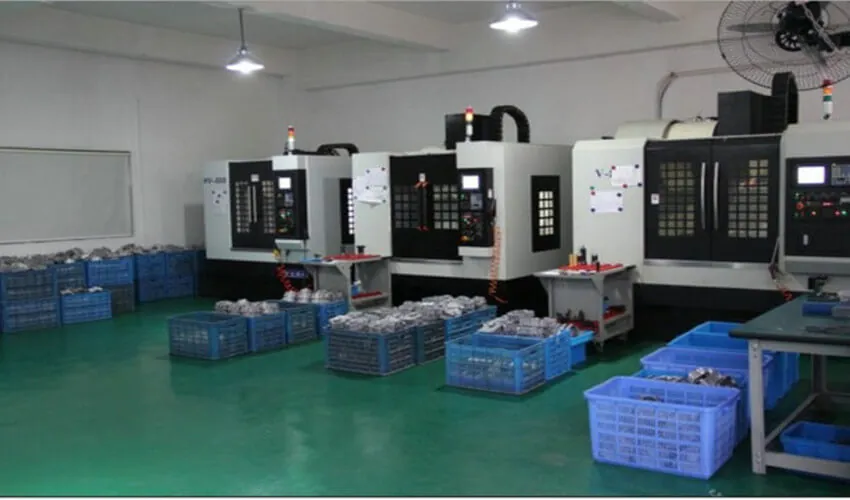
Wuxi Lead Precision Machinery delivers advanced pad printing services integrated within a comprehensive custom metal manufacturing ecosystem. Our technical capabilities are engineered to support high-precision industrial applications where repeatability, material integrity, and surface finish consistency are critical. By combining state-of-the-art 5-axis CNC machining with proprietary pad printing processes, we ensure that functional markings, logos, serial numbers, and calibration indicators are applied with micron-level accuracy on complex 3D geometries.
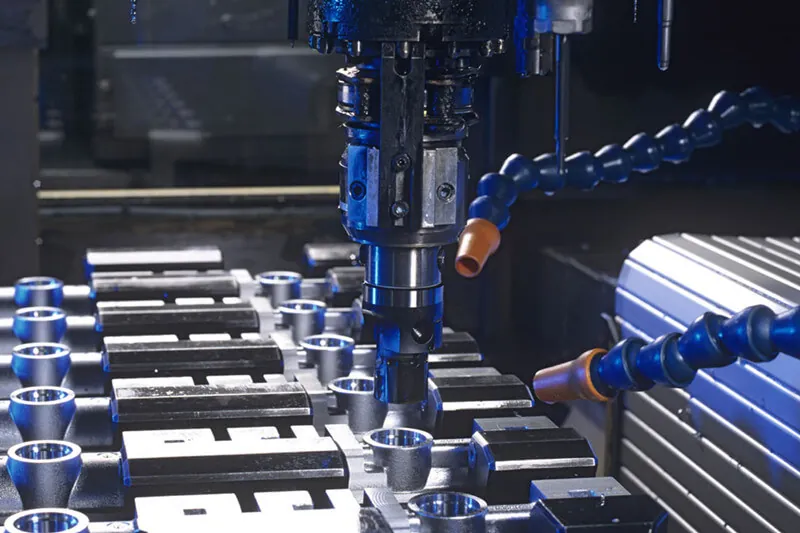
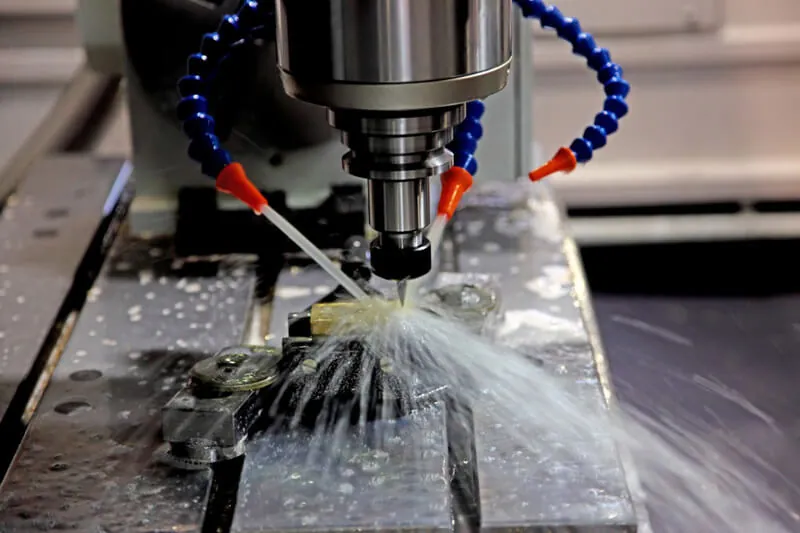
Our 5-axis CNC machining centers provide full-surface access to intricate metal components, enabling precise surface preparation and localized texturing prior to pad printing. This integration ensures optimal ink adhesion and long-term durability under extreme operational conditions, including exposure to high temperatures, abrasion, and chemical environments. The pad printing process leverages advanced silicone transfer pads capable of conforming to contoured, beveled, or recessed surfaces, allowing for consistent print registration even on non-uniform substrates such as stainless steel, aluminum, titanium, and hardened alloys.
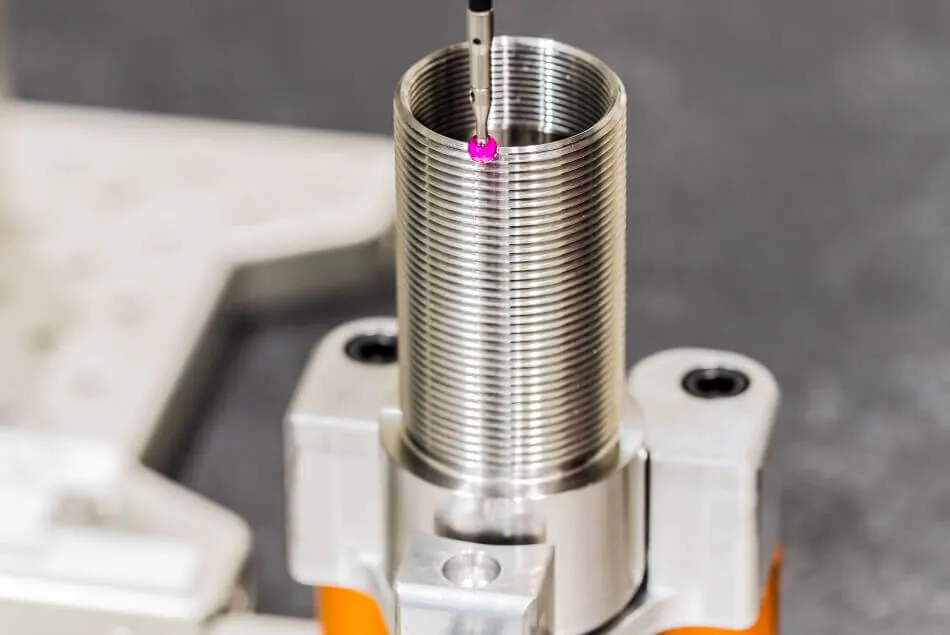
All pad printing operations are supported by a stringent quality control framework anchored by Coordinate Measuring Machine (CMM) inspection. Each printed component undergoes dimensional verification to confirm print location accuracy, feature alignment, and compliance with geometric dimensioning and tolerancing (GD&T) requirements. This closed-loop inspection process ensures batch-to-batch consistency and full traceability, meeting the demands of aerospace, medical device, and high-performance industrial sectors.
We utilize industrial-grade inks with proven resistance to UV degradation, solvents, and thermal cycling. Curing is performed via precision-controlled thermal ovens or UV exposure systems, depending on substrate and application requirements. Process parameters—including pad pressure, dwell time, ink viscosity, and off-set speed—are monitored and recorded for every production run, enabling full process validation and compliance with ISO 9001 and IATF 16949 standards.
The following table outlines the technical specifications and achievable tolerances for our pad printing service when integrated with 5-axis CNC manufacturing and CMM-based quality assurance.
| Parameter | Capability |
|---|---|
| Minimum Line Width | 0.1 mm |
| Print Location Tolerance | ±0.05 mm |
| Font Size (Minimum) | 0.8 mm height |
| Substrate Materials | Stainless Steel, Aluminum, Titanium, Hardened Alloys |
| Ink Types | Solvent-Based, UV-Curable, Two-Part Epoxy |
| Curing Method | Thermal (80–150°C) or UV Exposure |
| Environmental Resistance | IP68-rated adhesion, -40°C to +150°C operational range |
| Inspection Method | CMM, Optical Comparator, Visual AQL Sampling |
| Batch Traceability | Full serial number mapping with QC data |
Our technical infrastructure enables seamless transition from raw metal fabrication to finished, marked components—all within a single controlled environment. This vertical integration eliminates third-party handling risks and ensures that every pad-printed element meets the highest standards of precision and durability required in advanced manufacturing.
Material & Finish Options
Material Selection for Precision Pad Printing on Metal Components
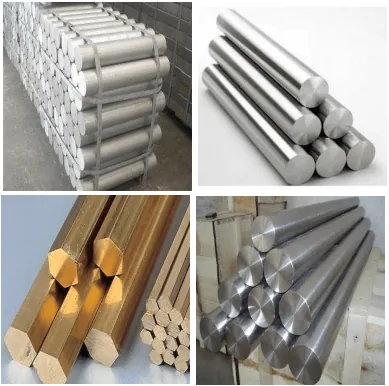
Selecting appropriate base materials and surface treatments is critical for achieving durable, high-fidelity pad printing on metal components. At Wuxi Lead Precision Machinery, our engineering team validates material compatibility to prevent ink adhesion failure, color inconsistency, or premature wear in demanding industrial applications. Aluminum, steel, and titanium each present distinct considerations for pad printing performance, particularly when combined with anodizing processes.
Aluminum alloys like 6061-T6 and 7075-T6 dominate aerospace and electronics due to their strength-to-weight ratio and machinability. However, untreated aluminum forms a weak native oxide layer unsuitable for ink bonding. We mandate chromate conversion coating prior to anodizing to create a micro-porous foundation. Type II sulfuric acid anodizing (10–25μm thickness) is optimal for pad printing, as its moderate porosity anchors inks without excessive absorption that dulls fine details. Avoid alkaline etching pre-treatments—they create overly aggressive surface profiles causing ink pooling.
For high-stress mechanical components, stainless steel (304/316) and tool steel require rigorous surface preparation. Pad printing directly on mill-finished steel fails due to low surface energy. Abrasive blasting (80–120 grit) followed by solvent degreasing is non-negotiable to achieve >50 dyne/cm surface energy. Electropolishing may be used for medical parts but necessitates adhesion-promoter primers. Note that anodizing is not applicable to steel; alternative finishes like powder coating require compatibility testing with solvent-based pad printing inks.
Titanium’s exceptional corrosion resistance comes with adhesion challenges. Its stable oxide layer resists ink penetration unless activated via acid etching (e.g., HF/HNO₃ mix). Type III hard anodizing (25–50μm) is feasible but rarely used for printing—we recommend duplex treatments: anodizing for coloration followed by a thin silane coupling agent to enhance ink retention. Titanium’s thermal sensitivity also demands low-cure inks (<120°C) to avoid micro-cracking.
Material & Finish Specifications for Pad Printing
| Material | Key Properties | Pad Printing Considerations | Anodizing Compatibility |
|---|---|---|---|
| Aluminum 6061-T6 | Moderate strength, excellent machinability | Requires chromate conversion pre-anodizing; optimal for Type II anodizing (10–25μm) | Type II standard; Type III for wear resistance |
| Stainless Steel 316 | High corrosion resistance, non-magnetic | Mandatory abrasive blasting; incompatible with anodizing; requires epoxy-based inks | Not applicable |
| Titanium Grade 5 | Extreme strength-to-weight, biocompatible | Acid etching essential; silane primers required; low-cure inks mandatory | Type III possible but complex; limited industrial adoption |
Anodizing thickness directly impacts print resolution. Thin anodized layers (<10μm) yield sharper graphics but reduced abrasion resistance, while thick layers (>30μm) increase wear life at the cost of detail fidelity. Our process engineers calibrate anodizing parameters to your part’s functional requirements—never defaulting to generic settings. All substrates undergo ASTM D3359 tape testing post-printing to certify adhesion.
Wuxi Lead’s integrated approach ensures material, finish, and printing processes are co-engineered. We reject one-size-fits-all solutions, instead conducting substrate-specific ink adhesion trials during prototyping. This rigor prevents field failures in automotive, medical, and energy sector components where print integrity is mission-critical. Partner with us to transform material constraints into competitive advantages.
Manufacturing Process & QC
The pad printing process at Wuxi Lead Precision Machinery is engineered for precision, consistency, and zero-defect output in custom metal manufacturing. As a critical surface finishing technique, pad printing enables the transfer of high-resolution graphics, logos, or functional markings onto complex metal components, even those with curved, textured, or recessed surfaces. Our end-to-end workflow integrates design validation, precision prototyping, and fully controlled mass production to ensure every printed part meets the highest standards of dimensional accuracy and visual clarity.
The process begins with design engineering, where customer-provided artwork is optimized for the target metal substrate. Our team evaluates ink adhesion, surface energy, and geometric constraints to ensure print fidelity. Using advanced CAD/CAM integration, we simulate the print transfer to anticipate distortions and adjust image vectoring accordingly. This phase includes substrate cleaning and plasma treatment specifications to maximize ink bonding, especially for stainless steel, aluminum, and hardened alloys.
Next, prototyping is conducted under full production conditions. A small batch of components is printed using the selected silicone pad, ink system, and curing parameters. We utilize digital microscopy and color spectrophotometry to validate print alignment, edge definition, and color consistency. Any deviations are corrected through iterative adjustments to pad hardness, cliché engraving depth, or transfer pressure. This stage ensures complete process robustness before scaling to volume output.
Mass production is executed on automated pad printing lines with real-time monitoring. Each station is calibrated daily, and environmental controls maintain stable temperature and humidity to prevent ink viscosity fluctuations. Our zero-defect mandate is enforced through inline vision inspection systems that detect smears, misalignments, or incomplete transfers at 100% inspection rates. Any non-conforming part is automatically rejected and traced to its process origin for corrective action.
All materials and consumables are sourced under strict quality agreements. We use solvent-based and two-part catalyzed inks certified for durability in industrial and medical environments, with resistance to UV exposure, chemicals, and abrasion. Curing is performed in convection or IR ovens with validated time-temperature profiles to ensure complete cross-linking.
Our pad printing service supports high-mix, low-volume, and high-volume production with full traceability. Every batch is documented with process parameters, inspection reports, and material certifications, ensuring compliance with ISO 13485, ISO 9001, and customer-specific quality requirements.
Typical Pad Printing Specifications
| Parameter | Specification |
|---|---|
| Substrates | Stainless steel, aluminum, titanium, anodized alloys |
| Print Resolution | Up to 100 µm line/space |
| Ink Types | Solvent-based, two-part epoxy, UV-curable |
| Curing Method | Convection oven, IR, UV |
| Pad Hardness | 15–35 Shore A (adjustable per geometry) |
| Image Area | Up to 150 x 100 mm |
| Tolerance | ±0.1 mm registration accuracy |
| Environmental Resistance | IP68, MIL-STD-810 compliant options |
| Production Capacity | 500–10,000 pcs/day (depending on complexity) |
Why Choose Wuxi Lead Precision
Elevate Your Metal Component Branding with Precision Pad Printing
In high-stakes manufacturing environments, the integrity of pad-printed markings on metal components directly impacts product traceability, safety compliance, and brand reputation. Generic printing services often fail on complex metal substrates, resulting in ink adhesion failures, dimensional inaccuracies, or premature wear during assembly and operation. At Wuxi Lead Precision Machinery, we engineer pad printing solutions exclusively for demanding metal applications, merging metallurgical expertise with CNC-grade process control to deliver markings that perform as rigorously as your components.
Our proprietary pad printing systems are calibrated for industrial metal substrates, including hardened stainless steel, anodized aluminum, and titanium alloys. Unlike standard service providers, we integrate material science analysis into every project—testing surface energy, micro-roughness, and thermal stability to select inks and curing protocols that withstand chemical exposure, abrasion, and extreme temperatures. This ensures your logos, barcodes, or critical data remain legible through machining, sterilization, and end-use conditions. Below outlines our technical capabilities for mission-critical metal printing:
| Specification | Capability | Industrial Relevance |
|---|---|---|
| Substrate Compatibility | Stainless Steel (304/316), Aluminum (6061/7075), Titanium, Brass | Handles hardened, coated, or textured surfaces |
| Ink Systems | Industrial-grade epoxy, UV-curable, and ceramic inks | Resists solvents, 500°C+ temps, ISO 10993 biocompatibility |
| Positional Accuracy | ±0.02 mm tolerance | Ensures alignment with micro-features or assembly points |
| Print Resolution | 1200 dpi | Crisp 2D data matrix codes, fine text down to 0.3 mm height |
| Production Throughput | 450–1200 parts/hour (automated cells) | Scales for batch or high-volume OEM integration |
| Quality Assurance | In-line vision inspection, adhesion testing per ASTM D3359 | Zero-defect traceability with SPC data logs |
We eliminate the guesswork in metal pad printing by treating it as a precision engineering process—not a superficial decoration step. Our engineers collaborate from design inception, analyzing your component’s geometry, material properties, and end-use environment to prevent common pitfalls like ink smearing during robotic handling or delamination under vibration. Each job undergoes rigorous validation: surface preparation protocols are optimized via contact angle measurement, while curing parameters are validated using DSC thermal analysis. This methodology guarantees Cpk >1.67 in production, meeting aerospace, medical, and automotive tier-1 supplier requirements.
Partnering with Lead Precision means integrating a technical extension of your engineering team. We provide full documentation—process FMEAs, material certifications, and first-article inspection reports—to accelerate your quality approvals. Our Shanghai-based facility operates under ISO 9001 and IATF 16949 frameworks, with dedicated cells for cleanroom-compliant medical device printing and high-speed automotive production.
Initiate a technical consultation to resolve your metal pad printing challenges with engineered certainty. Contact our precision manufacturing team at [email protected] with your substrate specifications, print requirements, and volume needs. We will respond within 4 business hours with a feasibility assessment and process validation plan—no generic quotes, only actionable engineering insights. Trust Lead Precision to transform your metal component markings into a benchmark of reliability.
⚙️ Precision Cost Estimator
Estimate relative manufacturing effort based on tolerance.