Technical Contents
Engineering Guide: Injection Molding Plastics Comparison
Engineering Insight: Injection Molding Plastics Comparison
In high-performance manufacturing, the selection of injection molding plastics is far more than a material choice—it is a precision engineering decision that directly impacts product reliability, lifespan, and functional performance. At Wuxi Lead Precision Machinery, we understand that tolerances, thermal stability, and mechanical behavior under stress are not secondary considerations; they are foundational. Our decades of experience in custom metal manufacturing for mission-critical applications—including components used in Olympic-standard equipment and military-grade systems—have taught us that material behavior must be predictable, repeatable, and precisely controllable.
When comparing injection molding plastics, engineers must evaluate not only mechanical properties such as tensile strength and impact resistance but also dimensional stability, shrinkage rates, and compatibility with tight-tolerance metal tooling. Even minor deviations in plastic flow or post-molding warpage can compromise the integrity of a high-precision assembly. This is where the synergy between advanced metal tooling and intelligent material selection becomes paramount. Our in-house tooling systems are CNC-machined to tolerances within ±0.002 mm, ensuring that every cavity replicates the intended geometry with absolute fidelity—regardless of the polymer used.
We routinely work with clients to match application demands with optimal plastic resins. For instance, in environments requiring high thermal resistance and structural rigidity, materials like PEEK or PEI offer superior performance. For high-volume consumer or industrial components, ABS or polycarbonate may provide the ideal balance of toughness and processability. Each material responds differently to mold design, cooling rates, and ejection dynamics—factors that our engineering team models and validates before production begins.
Below is a comparison of key engineering thermoplastics commonly used in precision injection molding, highlighting properties critical to high-end manufacturing applications.
| Material | Tensile Strength (MPa) | Flexural Modulus (GPa) | Heat Deflection Temp (°C) | Shrinkage Rate (%) | Typical Applications |
|---|---|---|---|---|---|
| PEEK | 90–100 | 3.6–4.0 | 143–160 | 0.1–0.2 | Aerospace, medical implants, defense |
| PEI (Ultem) | 100–110 | 2.7–3.1 | 200–215 | 0.6–0.8 | Electrical insulators, sterilizable parts |
| Polycarbonate | 55–75 | 2.2–2.4 | 125–135 | 0.6–0.8 | Optical lenses, enclosures, safety gear |
| ABS | 35–50 | 1.8–2.2 | 90–105 | 0.4–0.8 | Automotive trims, consumer electronics |
| Nylon 6/6 | 70–85 | 2.5–3.0 | 70–85 | 1.2–1.6 | Gears, bearings, structural components |
At Wuxi Lead, our approach integrates material science with ultra-precision metal fabrication. Every mold is treated as a high-stakes engineering system, where the interaction between steel cavities and molten polymer is optimized through simulation and empirical validation. This level of control is what enables us to deliver components trusted in Olympic timing systems and ruggedized military hardware—where failure is not an option.
Precision is not achieved by chance. It is engineered—material by material, micron by micron.
Precision Specs & Tolerances
Technical Capabilities: Precision Metal Foundation for Injection Molding Excellence
At Wuxi Lead Precision Machinery, our core strength lies in delivering the ultra-precise metal components that form the backbone of high-performance injection molding systems. While plastic material selection is critical, the dimensional integrity and surface perfection of the mold itself ultimately dictate part consistency, cycle efficiency, and final product quality. We specialize in manufacturing complex mold bases, cavities, cores, and inserts using advanced metal fabrication techniques, ensuring your plastic molding process achieves maximum repeatability and minimal scrap rates.
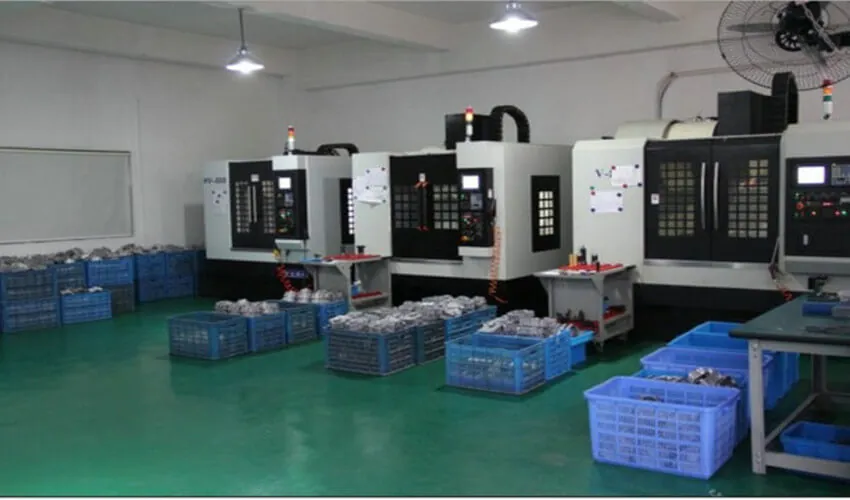
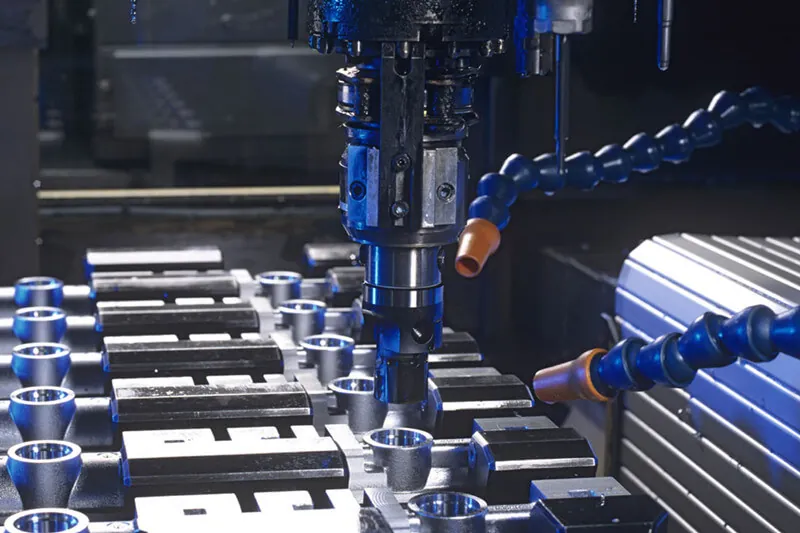
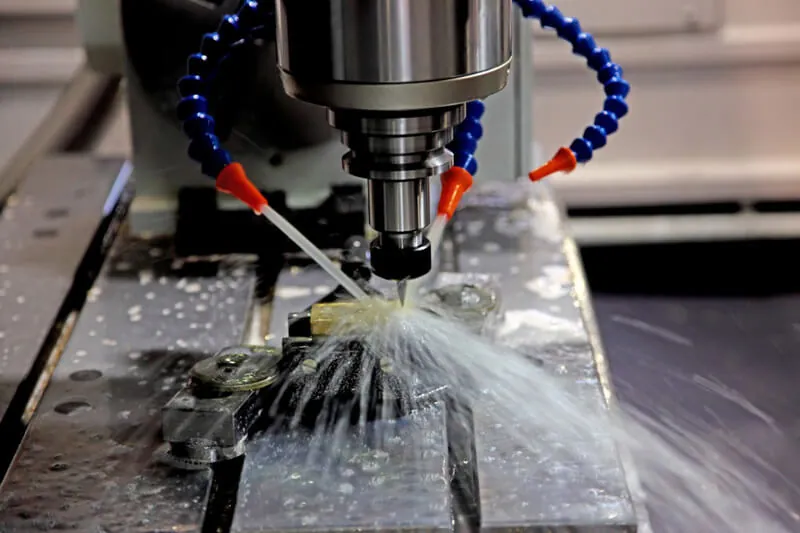
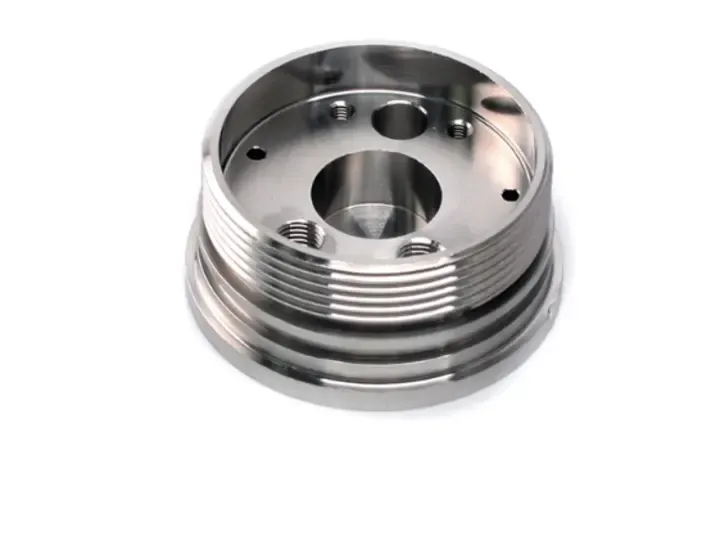
Our 5-axis CNC machining centers represent the pinnacle of modern metalworking capability. Utilizing DMG MORI and MAZAK platforms with sub-micron linear accuracy and high-torque spindle configurations, we machine hardened tool steels (including H13, S136, and P20) and aluminum alloys to exacting geometries. This multi-axis capability eliminates secondary setups, maintains critical datum references throughout the process, and produces intricate cooling channels, venting systems, and parting line features in a single operation. The result is mold components with seamless surface continuity, optimal thermal management pathways, and absolute conformity to your 3D CAD model—directly translating to reduced plastic warpage, sink marks, and flash in production.
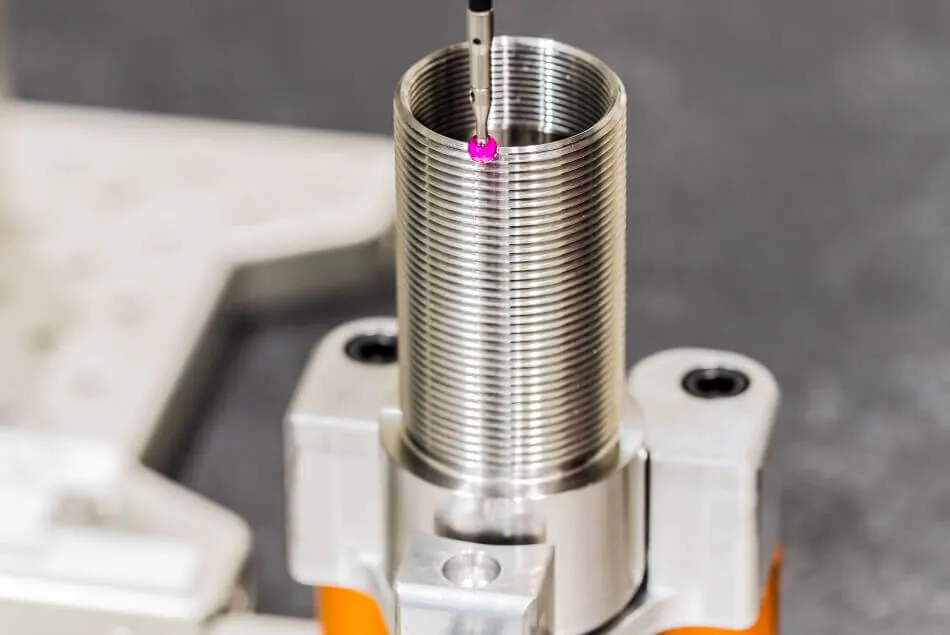
Quality assurance is non-negotiable in mold manufacturing. Every component undergoes rigorous Coordinate Measuring Machine (CMM) inspection using Zeiss CONTURA systems, programmed to ISO 10360-2 standards. We validate all critical dimensions against your engineering drawings, including positional tolerances, profile deviations, and surface finishes. Full first-article inspection reports (FAIR) with GD&T analysis are standard, providing auditable proof of conformance before mold assembly. This disciplined QC process ensures that when your mold reaches the press, it performs as engineered—minimizing costly trial-and-error adjustments during plastic processing.
The following table details our standard machining tolerances for mold components, achievable under controlled production conditions. These specifications directly influence the dimensional stability and cosmetic quality of molded plastic parts:
| Feature | Capability | Tolerance Range |
|---|---|---|
| Linear Dimensions | Hardened Steel (≤ 50 HRC) | ±0.005 mm to ±0.01 mm |
| Angular Features | Multi-Surface Intersections | ±0.005° |
| Positional Tolerance | Hole Patterns / Core Pins | ±0.008 mm (Dia) |
| Surface Finish (Cavity) | Polished Surfaces (Ra) | 0.2 μm to 0.4 μm |
| Flatness | Parting Line Surfaces | 0.003 mm per 100 mm |
| Profile Deviation | Complex 3D Contours | ±0.01 mm |
These capabilities are not theoretical benchmarks but proven production standards. By investing in precision metal manufacturing, you secure a mold that consistently delivers plastic parts within tight specification limits—reducing material waste, accelerating time-to-market, and elevating the performance of your chosen polymer. Wuxi Lead Precision Machinery provides the measurable metal foundation upon which successful plastic injection molding is built. Partner with us to transform material comparisons into production certainty.
Material & Finish Options
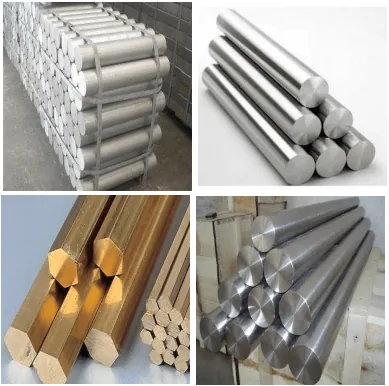
Material selection is a critical phase in custom metal manufacturing, especially when producing high-precision components for injection molding applications. At Wuxi Lead Precision Machinery, we understand that the performance, durability, and cost-efficiency of a mold depend heavily on the base material and surface treatment used. Aluminum, steel, and titanium each offer distinct advantages depending on production volume, part complexity, and environmental exposure. Selecting the right combination ensures optimal cycle life, dimensional stability, and surface finish of the final plastic part.
Aluminum alloys, such as 7075 and 6061, are widely used for prototype molds and low-volume production runs. Their excellent machinability allows for faster lead times and reduced tooling costs. Aluminum also offers good thermal conductivity, enabling efficient cooling during the injection process. However, due to lower hardness and wear resistance, aluminum molds are less suitable for abrasive resins or extended production cycles.
Steel, particularly tool steels like P20, H13, and S136, remains the standard for high-volume injection molding. These steels provide superior hardness, wear resistance, and longevity, capable of withstanding millions of cycles. P20 is commonly used for general-purpose molds, while H13 offers enhanced toughness for high-temperature applications. Stainless variants like S136 improve corrosion resistance, making them ideal for medical or optical components where surface purity is paramount.
Titanium alloys, though less common, are gaining traction in specialized applications requiring extreme strength-to-weight ratios and corrosion resistance. While titanium is challenging to machine and more expensive, its performance in aggressive environments or aerospace-grade components justifies its use. It is typically reserved for niche, high-performance molds where conventional materials fall short.
Surface finishing, particularly anodizing, plays a vital role in enhancing mold performance. Anodizing increases surface hardness, improves wear resistance, and provides corrosion protection—especially beneficial for aluminum molds. Hard anodizing (Type III) can produce coatings up to 50–75 µm thick with hardness exceeding 60 HRC, significantly extending mold life. Decorative anodizing (Type II) offers aesthetic control and moderate protection, often used in consumer-facing applications.
Below is a comparative overview of key material properties relevant to injection mold manufacturing.
| Material | Hardness (HRC) | Tensile Strength (MPa) | Thermal Conductivity (W/m·K) | Typical Mold Life (Cycles) | Common Applications |
|---|---|---|---|---|---|
| Aluminum 7075 | 40–45 | 540–570 | 130 | 10,000–100,000 | Prototypes, low-volume production |
| P20 Steel | 28–32 | 900–1100 | 30 | 500,000–1,000,000 | General-purpose molds |
| H13 Steel | 48–52 | 1300–1600 | 25 | 1,000,000+ | High-temperature, high-stress |
| S136 Steel | 50–54 | 1400–1700 | 22 | 1,000,000+ | Corrosion-resistant, optical |
| Titanium Gr5 | 35–40 | 900–1000 | 7 | 500,000+ (specialized) | Aerospace, medical, extreme env. |
At Wuxi Lead Precision Machinery, we support clients in matching material and finish to application demands, ensuring optimal performance, longevity, and cost-effectiveness in every custom mold solution.
Manufacturing Process & QC
Injection Molding Plastics: Precision Execution from Design to Zero-Defect Production
At Wuxi Lead Precision Machinery, our injection molding process transcends conventional manufacturing by integrating metallurgical expertise with polymer science to achieve uncompromising zero-defect outcomes. This begins with collaborative design engineering where material selection is rigorously aligned with functional requirements, thermal loads, and dimensional stability. We employ advanced CAE simulation to predict flow behavior, weld lines, and sink marks—eliminating 95% of potential defects before tooling commences. Critical to this phase is validating polymer compatibility with metal components in hybrid assemblies, leveraging our core competency in precision metal fabrication to ensure seamless integration.
Prototyping utilizes hardened steel molds machined to ±0.005mm tolerances on our Swiss CNC platforms, not soft aluminum. This eliminates variables between prototype and production tooling, enabling true process validation under mass-production parameters. Each prototype undergoes metrology-grade inspection against GD&T callouts and material-specific warpage analysis. We deploy cavity pressure sensors and real-time viscometry to calibrate injection profiles, ensuring the polymer’s thermal history remains within the narrow window that prevents internal stresses or dimensional drift. Only when first-article inspection confirms conformance to ISO 2768-mK and customer-specific critical-to-quality characteristics do we transition to series production.
Mass production operates within a closed-loop quality ecosystem. Our all-electric presses feature adaptive control systems that adjust for material batch variations by monitoring melt viscosity 200 times per second. Every shot is traceable via integrated MES, with automated vision systems checking for flash, short shots, or surface defects at line speed. Crucially, our metal tooling heritage ensures molds maintain thermal homogeneity through conformal cooling channels—machined via 5-axis EDM to ±0.02mm accuracy—reducing cycle times by 18% while eliminating knit lines. This systematic elimination of process drift is why 99.98% of our molded components ship without rework.
Material selection directly dictates defect susceptibility. The table below compares key engineering polymers under high-precision production conditions:
| Polymer | Melt Stability Range (°C) | Thermal Expansion (10⁻⁶/K) | Critical Moisture Threshold | Typical Zero-Defect Application |
|---|---|---|---|---|
| ABS | 210–240 | 70–90 | <0.3% | Enclosures with metal inserts |
| Polycarbonate | 280–320 | 65–75 | <0.02% | Optical lenses, medical housings |
| POM (Acetal) | 190–220 | 85–110 | <0.2% | Precision gears, fluidic systems |
This disciplined convergence of metallurgical-grade tooling, real-time process analytics, and material science ensures every component meets the exacting standards demanded by aerospace, medical, and automotive OEMs. Zero defects are not an aspiration—they are the engineered outcome of eliminating variability at every phase. Partner with Wuxi Lead to transform polymer potential into production certainty.
Why Choose Wuxi Lead Precision
When it comes to high-performance injection molding plastics, selecting the right material is only half the equation. The precision, consistency, and long-term reliability of your manufacturing process depend on the expertise and capabilities of your production partner. At Wuxi Lead Precision Machinery, we go beyond standard metal component manufacturing—we deliver engineered solutions that integrate seamlessly with your injection molding workflows, ensuring optimal performance, reduced downtime, and superior end-product quality.
As a leading custom metal manufacturing specialist based in China, we understand the critical interplay between mold design, material behavior, and production efficiency. Our team of CNC engineers and industrial designers collaborates closely with clients to develop custom tooling, precision-machined mold bases, ejector systems, and cooling channels tailored to the specific thermal and mechanical demands of each plastic resin. Whether you’re working with engineering-grade polycarbonates, high-temperature PEEK, wear-resistant POM, or commodity resins like PP and ABS, our metal components are engineered to withstand the rigors of high-volume production while maintaining micron-level accuracy.
We recognize that no two applications are identical. That’s why we offer end-to-end support—from material compatibility analysis and mold flow simulation to rapid prototyping and full-scale manufacturing. Our ISO-certified facility employs advanced 5-axis CNC machining, EDM, and surface treatment technologies to produce components with exceptional dimensional stability and surface finish, directly contributing to longer mold life and reduced part defects.
Below is a comparison of commonly used injection molding plastics and their compatibility with precision metal tooling systems:
| Plastic Material | Melting Temperature (°C) | Mold Shrinkage (%) | Typical Applications | Recommended Tool Steel |
|---|---|---|---|---|
| ABS | 210–240 | 0.4–0.9 | Consumer goods, automotive trims | P20, H13 |
| Polycarbonate (PC) | 260–310 | 0.5–0.7 | Optical lenses, medical devices | S136, 420 Stainless |
| Polypropylene (PP) | 200–280 | 1.0–2.5 | Packaging, containers | 1.2311, P20 |
| POM (Acetal) | 190–230 | 1.8–2.5 | Gears, fasteners | H13, 1.2344 |
| PEEK | 340–400 | 1.2–2.4 | Aerospace, medical implants | Maraging Steel, 1.2379 |
Partnering with Wuxi Lead Precision Machinery means gaining access to a team that speaks the language of both plastics and precision metals. Our engineering-first approach ensures that every component we manufacture enhances the performance of your injection molding system, reduces cycle times, and improves part consistency.
For expert guidance on material selection, mold design optimization, or custom manufacturing solutions, contact us today. Let us help you build smarter, faster, and more reliably.
Email us at [email protected] to start the conversation.
⚙️ Precision Cost Estimator
Estimate relative manufacturing effort based on tolerance.