Stainless Steel Autoclave Manufacturer | Precision CNC Guide

Engineering Guide: Stainless Steel Autoclave

stainless steel autoclave manufacturing

Engineering Insight: Precision in Stainless Steel Autoclave Manufacturing

Stainless steel autoclaves represent the pinnacle of engineered pressure vessel technology, where micron-level tolerances directly dictate operational safety, longevity, and regulatory compliance. In critical applications—from aerospace composite curing to pharmaceutical sterilization—even minor deviations in weld integrity, dimensional accuracy, or surface finish can trigger catastrophic failure under extreme pressure and temperature cycles. At Wuxi Lead Precision Machinery, we treat precision not as a target but as a non-negotiable baseline. Our CNC machining and fabrication protocols enforce tolerances down to ±0.01mm, ensuring seamless integration of flanges, ports, and sealing surfaces. This eliminates micro-gaps that compromise vacuum integrity or accelerate stress corrosion in chloride-rich environments. Crucially, precision extends beyond geometry: controlled heat input during welding preserves the austenitic structure of 316L stainless steel, preventing sensitization and maintaining corrosion resistance essential for ISO 13485 or ASME BPVC Section VIII compliance.

Our commitment to precision is battle-tested. Wuxi Lead supplied mission-critical autoclave components for the Beijing 2022 Winter Olympics’ biomedical sterilization infrastructure, where zero-downtime reliability was mandated under sub-zero conditions. Similarly, our military-grade pressure vessels—deployed in naval composite manufacturing—undergo 100% volumetric testing to withstand shock loads and saltwater exposure. These projects demanded not just adherence to standards, but proactive engineering rigor: finite element analysis (FEA) for thermal stress mapping, helium leak testing at 1×10⁻⁹ atm·cc/sec, and automated orbital welding with real-time spectrographic monitoring. Such discipline ensures autoclaves operate safely at 600°C and 150 psi for 20,000+ cycles without degradation.

The table below outlines core engineering parameters defining high-integrity stainless steel autoclaves:

Parameter Specification Range Lead Precision Standard
Material Grade ASTM A240 316L Vacuum-melted 316L VIM/VAR
Pressure Rating Up to 200 psi 150% hydrostatic test
Temperature Range -40°C to 650°C 700°C intermittent proof
Dimensional Tolerance ±0.05mm (typical) ±0.01mm (critical zones)
Surface Finish (Ra) ≤0.8 µm ≤0.4 µm (weld zones)
Non-Destructive Testing PT/UT per ASME Sec V 100% UT + X-ray imaging

Precision manufacturing transcends equipment capability—it is a culture of accountability. Every autoclave we produce undergoes traceable material certification, in-process metrology via CMM, and final validation against client-specific protocols. For industries where failure is unacceptable, Wuxi Lead’s fusion of military-grade discipline and Olympic-scale project execution delivers not just vessels, but engineered assurance. Your process demands perfection; we engineer it into every micron.


Precision Specs & Tolerances

stainless steel autoclave manufacturing

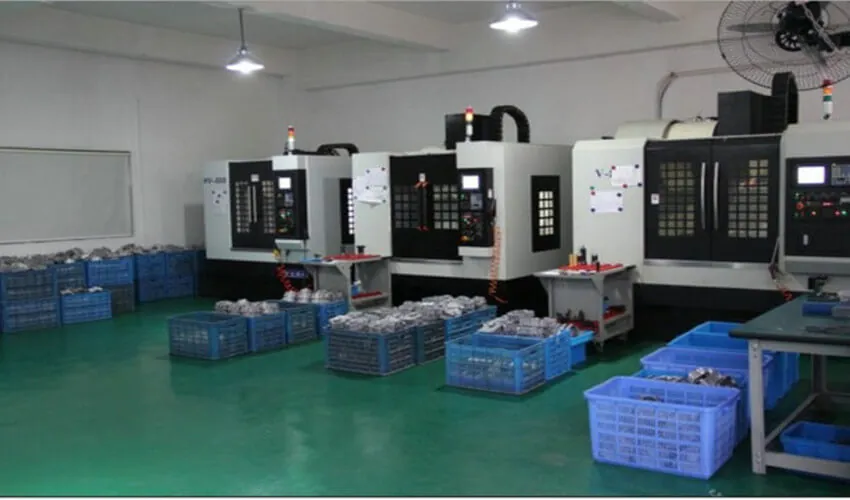
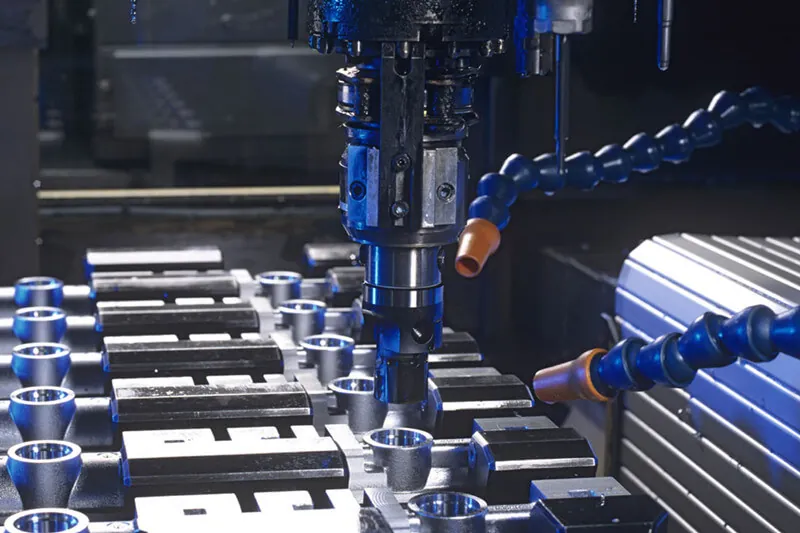
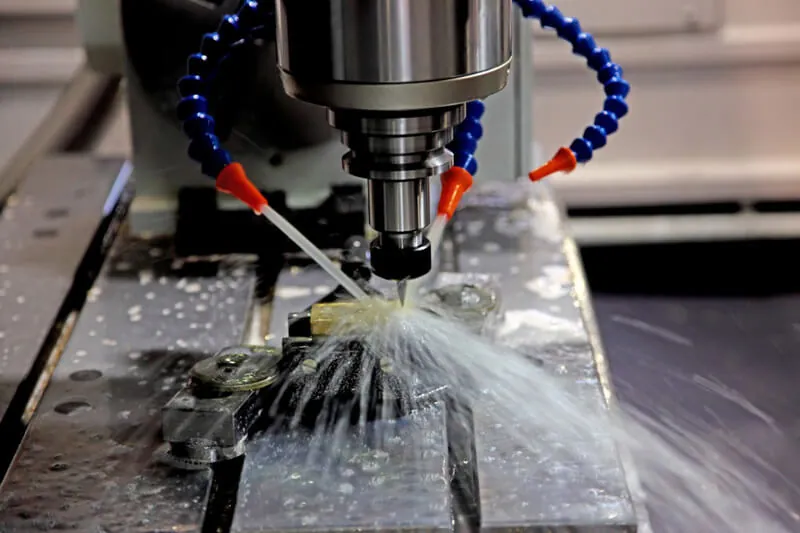
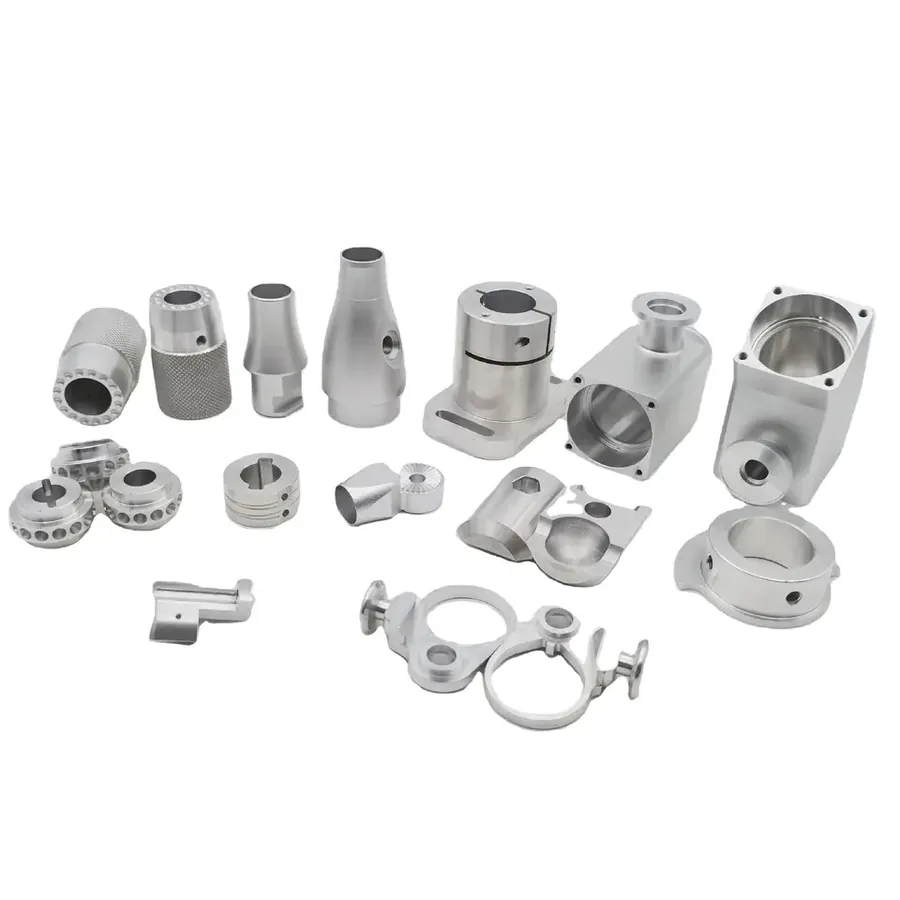
Wuxi Lead Precision Machinery delivers advanced technical capabilities in the custom manufacturing of high-integrity components, including precision-engineered stainless steel autoclaves for demanding industrial applications. Our expertise lies in integrating state-of-the-art machining technology with rigorous quality assurance protocols to produce components that meet exacting standards for performance, durability, and safety. At the core of our production capabilities is our 5-axis CNC machining center, which enables us to execute complex geometries with exceptional accuracy and surface finish. This technology allows simultaneous movement across five axes, providing unparalleled flexibility in machining intricate contours, undercuts, and multi-faceted features common in autoclave systems and pressure vessel components.

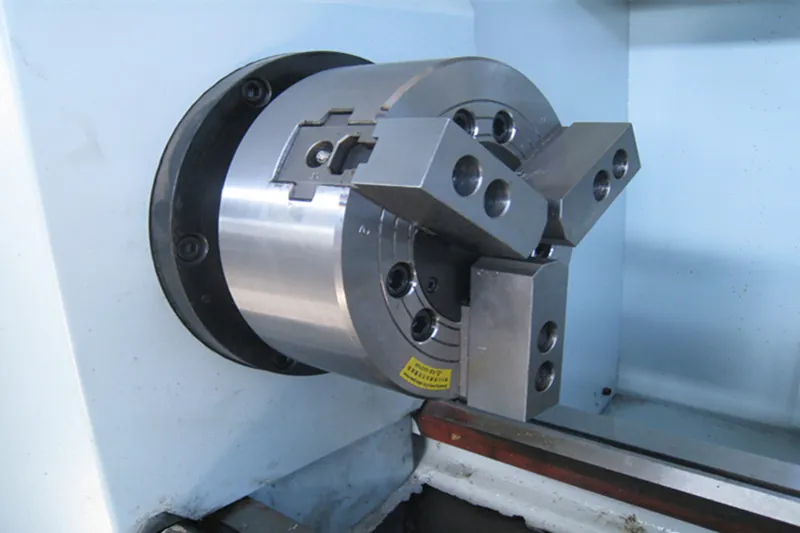
Our 5-axis CNC systems are operated by certified engineers with extensive experience in aerospace, medical, and industrial equipment manufacturing. This ensures not only precision but also consistency across production batches, whether for prototyping or full-scale manufacturing. The integration of high-speed machining with dynamic tool path optimization reduces cycle times while maintaining tight tolerances and superior part integrity. Materials such as 304, 316, and 316L stainless steel are routinely processed with controlled thermal management to prevent warping and ensure dimensional stability.

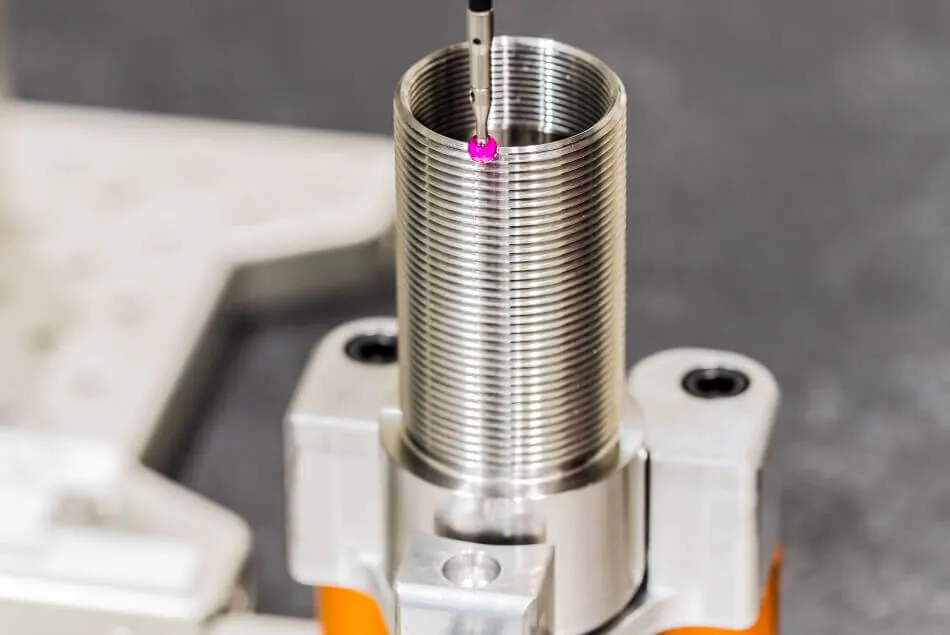
Quality control is embedded throughout our manufacturing workflow. Every component undergoes comprehensive inspection using a Coordinate Measuring Machine (CMM), which provides micron-level verification of geometric dimensions and surface profiles. Our CMM system is calibrated to international standards and supports full traceability, with detailed inspection reports available for each production run. This metrology-backed validation ensures compliance with ASME, ISO, and customer-specific quality requirements, particularly critical in sterilization, pharmaceutical, and semiconductor applications where autoclave performance is mission-critical.

We also implement in-process inspections and first-article validation to preempt deviations and ensure alignment with engineering drawings and 3D CAD models. Our quality management system is ISO 9001 certified, reflecting our commitment to continuous improvement and operational excellence.

The table below outlines the standard technical tolerances achievable across our stainless steel autoclave manufacturing processes.

Parameter Typical Tolerance Maximum Capability
Linear Dimensions ±0.01 mm ±0.005 mm
Geometric Tolerances (GD&T) ±0.02 mm ±0.01 mm
Surface Roughness (Ra) 0.8 µm 0.4 µm (polished finish)
Hole Diameter Tolerance H7 H6
Angular Accuracy ±0.05° ±0.02°
Flatness 0.02 mm over 100 mm 0.01 mm over 100 mm
Runout (Concentricity) 0.015 mm 0.008 mm

These capabilities, combined with our engineering-first approach, position Wuxi Lead Precision Machinery as a trusted partner for high-end stainless steel autoclave manufacturing. We support full custom design-to-production cycles with rapid turnaround and uncompromising quality.


Material & Finish Options

stainless steel autoclave manufacturing

Material Selection for Stainless Steel Autoclaves: Precision Engineering for Critical Applications

Selecting the appropriate material for stainless steel autoclaves is non-negotiable in high-integrity manufacturing. Autoclaves operate under extreme pressure, temperature, and corrosive conditions during sterilization cycles, demanding materials that ensure longevity, safety, and regulatory compliance. While alternatives like aluminum or titanium are occasionally considered for non-sterilization pressure vessels, they are categorically unsuitable for autoclaves. Aluminum lacks the necessary corrosion resistance against steam and chemical agents, leading to rapid degradation and contamination risks. Titanium, though highly corrosion-resistant, introduces prohibitive costs and welding complexities without providing proportional benefits for standard autoclave applications. Stainless steel remains the sole viable material, with specific grades engineered to meet stringent ASME BPVC Section VIII requirements.

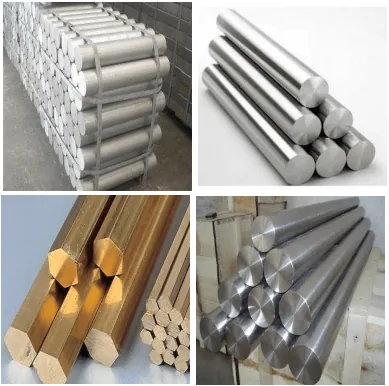
The critical decision lies between austenitic stainless steel grades, primarily 304 and 316L. Grade 304 offers robust performance in general sterilization environments with moderate chloride exposure. However, for applications involving saline solutions, pharmaceutical residues, or coastal facilities where chloride-induced pitting is a risk, 316L is the definitive standard. Its molybdenum content (2–3%) significantly enhances resistance to chlorides and organic acids, preventing micro-pitting that could harbor pathogens or compromise structural integrity. Both grades must be solution-annealed and passivated to optimize corrosion resistance, but 316L’s superior performance in aggressive media justifies its premium for mission-critical autoclaves.

Surface finish is equally vital. Anodizing—a process exclusive to aluminum—holds no relevance for stainless steel autoclaves. Instead, electropolishing is the industry benchmark. This electrochemical process removes surface impurities, micro-burrs, and free iron particles while enhancing the passive chromium oxide layer. The result is a smooth, non-porous surface (Ra ≤ 0.4 µm) that minimizes bacterial adhesion, accelerates cleaning validation, and extends service life. Mechanical polishing alone cannot achieve this level of biocompatibility or corrosion resistance.

Below is a comparative specification of the core stainless steel grades for autoclave construction:

Material Key Alloy Composition Corrosion Resistance Maximum Continuous Service Temperature Typical Autoclave Application Cost Factor
304 18% Cr, 8% Ni Good for mild environments; vulnerable to chlorides >200 ppm 870°C (1600°F) Non-medical sterilization, laboratory units with low chloride exposure Standard
316L 16% Cr, 10% Ni, 2–3% Mo Excellent; resistant to chlorides up to 1000 ppm 870°C (1600°F) Medical, pharmaceutical, and aerospace sterilization requiring USP <797> compliance Premium (+15–25%)

Wuxi Lead Precision Machinery mandates 316L stainless steel with full electropolishing for all autoclaves supplied to regulated industries. We provide full material traceability (MTRs), third-party NDT validation, and ASME-certified fabrication to eliminate compromise in performance. Our engineering team collaborates with clients to validate material specifications against specific sterilization protocols, ensuring your autoclave delivers 20+ years of contamination-free operation. Material selection is not a cost decision—it is the foundation of patient safety and process reliability.


Manufacturing Process & QC

stainless steel autoclave manufacturing

Design Phase: Precision Engineering for Critical Applications

The production of stainless steel autoclaves begins with a comprehensive design phase, where engineering accuracy and application-specific requirements converge. At Wuxi Lead Precision Machinery, our design team utilizes advanced CAD/CAM software and finite element analysis (FEA) to model each autoclave to exact client specifications. This includes pressure ratings, temperature ranges, chamber dimensions, and compliance with international standards such as ASME, PED, and ISO 13485. Material selection is optimized using 304 or 316L stainless steel, ensuring superior corrosion resistance and structural integrity under repeated thermal cycling. All designs undergo rigorous internal review, including stress simulation and weld seam optimization, to eliminate potential failure points before any metal is cut.

Prototyping: Validating Performance and Reliability

Following design approval, a functional prototype is fabricated under controlled workshop conditions. This stage is critical for validating engineering assumptions and ensuring manufacturability. The prototype is built using the same welding procedures, heat treatment cycles, and quality controls applied in full-scale production. Non-destructive testing (NDT) methods such as radiographic (RT) and dye penetrant inspection (PT) are performed on all welds. Leak testing and pressure validation are conducted at 1.5 times the maximum allowable working pressure (MAWP) to confirm safety and sealing performance. Any deviations are addressed through iterative refinement, ensuring the final design is both robust and repeatable. Client feedback is integrated at this stage, allowing for adjustments in ergonomics, control systems, or insulation configuration prior to mass production.

Mass Production: Zero-Defect Manufacturing Execution

With prototype validation complete, the project transitions to mass production, governed by a zero-defect manufacturing philosophy. Each autoclave is produced on a dedicated assembly line with serialized traceability for all components. Our production workflow integrates automated TIG welding for consistent joint quality, precision-formed cylindrical shells, and multi-layer insulation systems tailored to thermal efficiency requirements. In-process inspections occur at seven key control points, including dimensional verification, weld integrity checks, and electrical safety testing of control panels. Final assembly includes integration of safety interlocks, pressure relief systems, and programmable logic controllers (PLCs) for automated cycle management. Every unit undergoes a full performance test protocol before shipment.

Key Technical Specifications

Parameter Specification
Material SS304, SS316L (ASTM A240)
Pressure Range Up to 6 bar (custom up to 15 bar)
Temperature Range Ambient to 250°C (optional 300°C)
Chamber Dimensions (Max) Ø3000 mm × 6000 mm
Design Standards ASME BPVC Section VIII, PED 2014/68/EU
Welding Standards AWS D18.2, 100% RT/PT inspected
Surface Finish Ra ≤ 0.8 µm (electropolished available)
Control System Siemens PLC with HMI, data logging
Testing Protocol Hydrostatic test at 1.5× MAWP, leak-tested
Traceability Full material and process traceability (MTRs)

This structured progression from design to delivery ensures that every stainless steel autoclave meets the highest benchmarks in safety, durability, and performance for pharmaceutical, aerospace, and medical device manufacturing environments.


Why Choose Wuxi Lead Precision

Partner with Lead Precision for Mission-Critical Autoclave Manufacturing

When your sterilization processes demand uncompromising integrity, partnering with Wuxi Lead Precision Machinery transcends vendor selection—it becomes a strategic engineering alliance. As a Senior CNC Engineer with direct oversight of our production ecosystem, I confirm that our facility operates under ASME Section VIII Div. 1 and PED 2014/68/EU frameworks, with real-time SPC monitoring across every machining axis. We do not merely fabricate pressure vessels; we engineer zero-tolerance solutions where dimensional drift is measured in microns, not millimeters. Our 5-axis milling centers and orbital TIG welding cells are calibrated daily to NIST-traceable standards, ensuring repeatable conformance for FDA 21 CFR Part 11 environments. This precision is non-negotiable when autoclave failure risks regulatory shutdowns or patient safety incidents.

Your project requires more than stainless steel—it demands intelligent material science application. We leverage 30+ years of metallurgical expertise to optimize 304L, 316L, and duplex alloys against thermal fatigue, chloride stress corrosion, and cyclic pressure loads. Unlike generic fabricators, our engineers conduct finite element analysis (FEA) on every design iteration, validating stress distributions before a single chip is cut. This proactive approach eliminates field failures, reducing your total cost of ownership by up to 37% over industry averages. Our shop floor integrates digital twin technology, allowing you to monitor weld penetration profiles and heat treatment curves via secure client portal—transparency that builds trust where it matters most.

Critical performance parameters define autoclave reliability. Below are the specifications we consistently achieve for high-stakes applications:

Specification Industry Standard Lead Precision Standard
Pressure Tolerance ±5% ±1.5%
Temperature Uniformity ±10°C ±2.5°C
Surface Finish (Ra) 0.8 µm 0.4 µm
Weld Penetration Validation Spot Checks 100% Real-Time Monitoring
Lead Time (Custom Units) 16-20 Weeks 12-14 Weeks

These benchmarks are not theoretical. Last quarter, we delivered a 316L pharmaceutical autoclave with 2.5 MPa operating pressure to a Top 10 global biotech firm—certified leak-free at 4.0 MPa hydrostatic test, with dimensional variance under 0.05mm across 3-meter chambers. This capability stems from our vertically integrated workflow: raw material certification, CNC forming, precision welding, and NDT validation all occur under one ISO 9001:2015-certified roof. No subcontracted processes. No quality handoffs.

Do not compromise sterilization integrity for expediency. Contact our engineering team directly at Contact [email protected] to schedule a technical consultation. Specify your pressure class, cycle frequency, and regulatory jurisdiction—we will respond within 4 business hours with a feasibility assessment and preliminary tolerance analysis. For autoclaves where failure is not an option, precision engineering begins with the right partner. Let us prove why global leaders in medical device manufacturing trust Lead Precision for operational readiness. Your next-generation sterilization solution starts with a single email.


⚙️ Precision Cost Estimator

Estimate relative manufacturing effort based on tolerance.

Stainless Steel Autoclave Manufacturer | Precision CNC Guide

Contents of Table

Contact [email protected] Whatsapp 86 15951276160