Technical Contents
Engineering Guide: Overmolding Vs Insert Molding

Engineering Insight: Precision Imperatives in Overmolding vs Insert Molding
Selecting between overmolding and insert molding demands rigorous engineering analysis, where dimensional accuracy and process control are non-negotiable. At Wuxi Lead Precision Machinery, we understand that microscopic deviations in either process cascade into catastrophic part failure under operational stress. Our CNC-manufactured molds for both methodologies achieve tolerances down to ±0.005mm, a standard forged through direct experience supplying mission-critical components for Olympic timing systems and classified military hardware. These applications tolerate zero variance; a misaligned polymer seal in a submersible connector or inconsistent metal insert placement in an aerospace actuator compromises entire systems. Precision isn’t merely desirable—it is the foundational requirement separating functional components from costly field failures.
Overmolding bonds dissimilar materials sequentially, typically adding a soft elastomer over a rigid substrate. Its precision challenge lies in controlling polymer flow to prevent flash at the bond line and ensuring uniform wall thickness without sink marks. Critical factors include thermal management of the substrate to avoid warpage during secondary injection and exact cavity pressure control to achieve molecular adhesion without distorting delicate features. Insert molding, conversely, places pre-formed metal or rigid plastic components into the mold before polymer injection. Here, precision centers on the absolute positional accuracy of the insert within the cavity. Any shift during high-pressure polymer injection—often exceeding 1500 bar—causes asymmetric wall thickness, compromised structural integrity, or electrical pathway failures. Our military-grade insert molds maintain insert positional stability within 0.01mm under full injection pressure, a capability proven in ruggedized communication housings subjected to extreme vibration.
The core distinction lies in how each process manages material interfaces and mechanical loads. Overmolding excels where flexible sealing or ergonomic grip is paramount but demands exceptional substrate stability. Insert molding delivers superior mechanical strength and thermal conductivity for metal-polymer hybrids but requires flawless insert fixation. Both processes fail without micron-level mold accuracy and real-time process monitoring. Below are critical precision parameters we engineer into every mold:
| Parameter | Overmolding Critical Range | Insert Molding Critical Range | Critical For |
|---|---|---|---|
| Cavity Tolerance | ±0.01mm – ±0.03mm | ±0.005mm – ±0.02mm | Dimensional stability of final part |
| Insert Position Tolerance | N/A | ±0.005mm – ±0.015mm | Structural integrity, electrical paths |
| Thermal Differential | < 5°C substrate variation | < 3°C mold surface variation | Bond strength, avoiding warpage |
| Injection Pressure Control | ±5 bar | ±2 bar | Preventing insert shift, flash control |
| Material Bond Strength | 15+ MPa (ASTM D429 B) | 25+ MPa (ASTM D429 B) | Long-term reliability under stress |
Wuxi Lead’s CNC machining centers, calibrated to ISO 2768-mK standards, produce mold cores and cavities that consistently meet these thresholds. Our experience with Olympic-grade polymers and military-spec metal alloys informs every design iteration, ensuring interfaces withstand thermal cycling, impact, and chemical exposure. When your application demands zero-defect performance, the mold’s inherent precision—not just the molding machine—determines success. We engineer that precision into reality.
Precision Specs & Tolerances

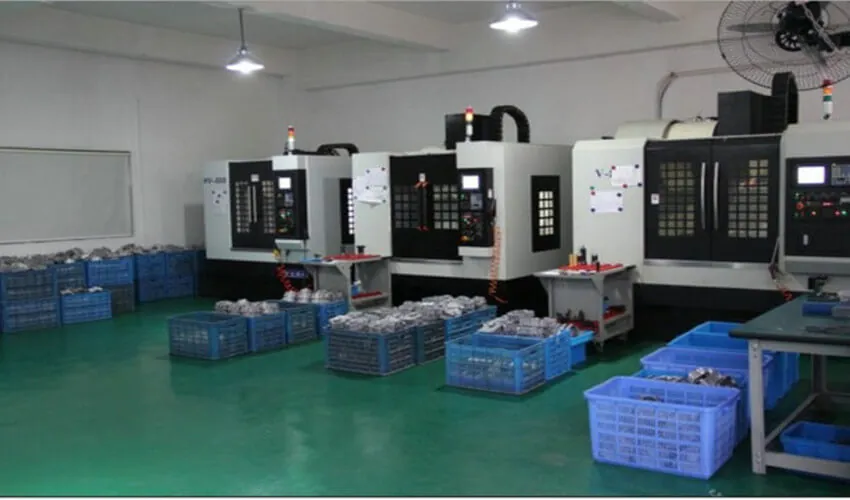
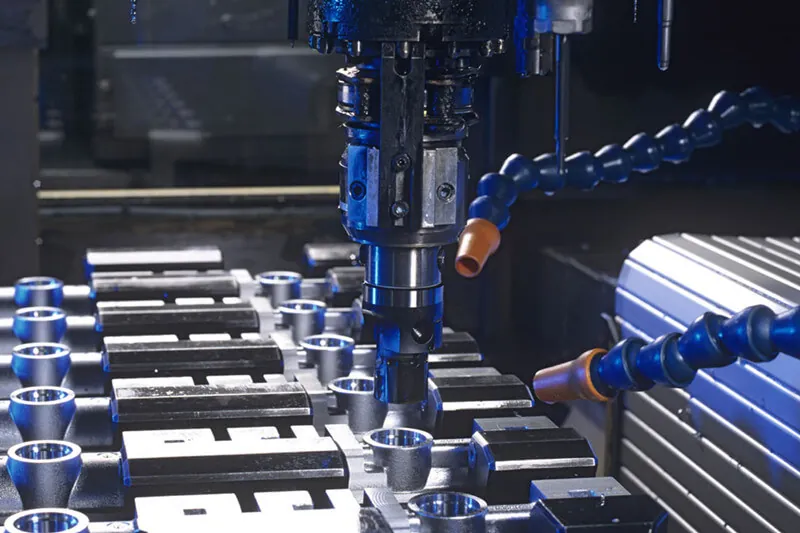
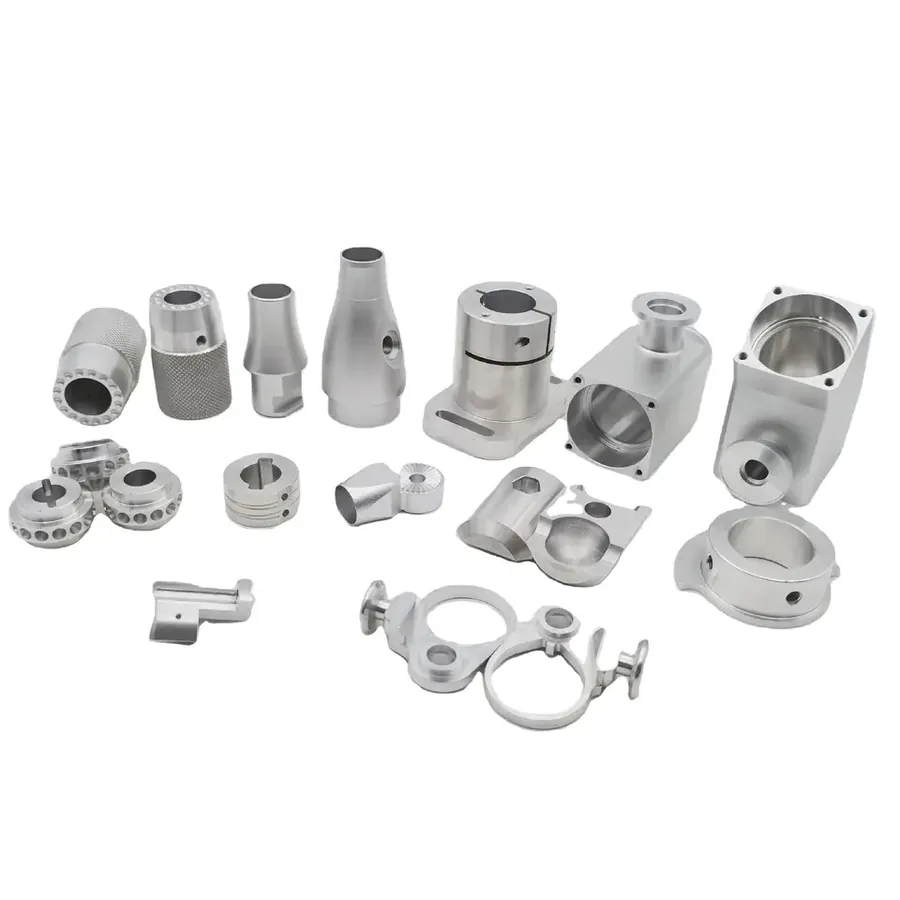
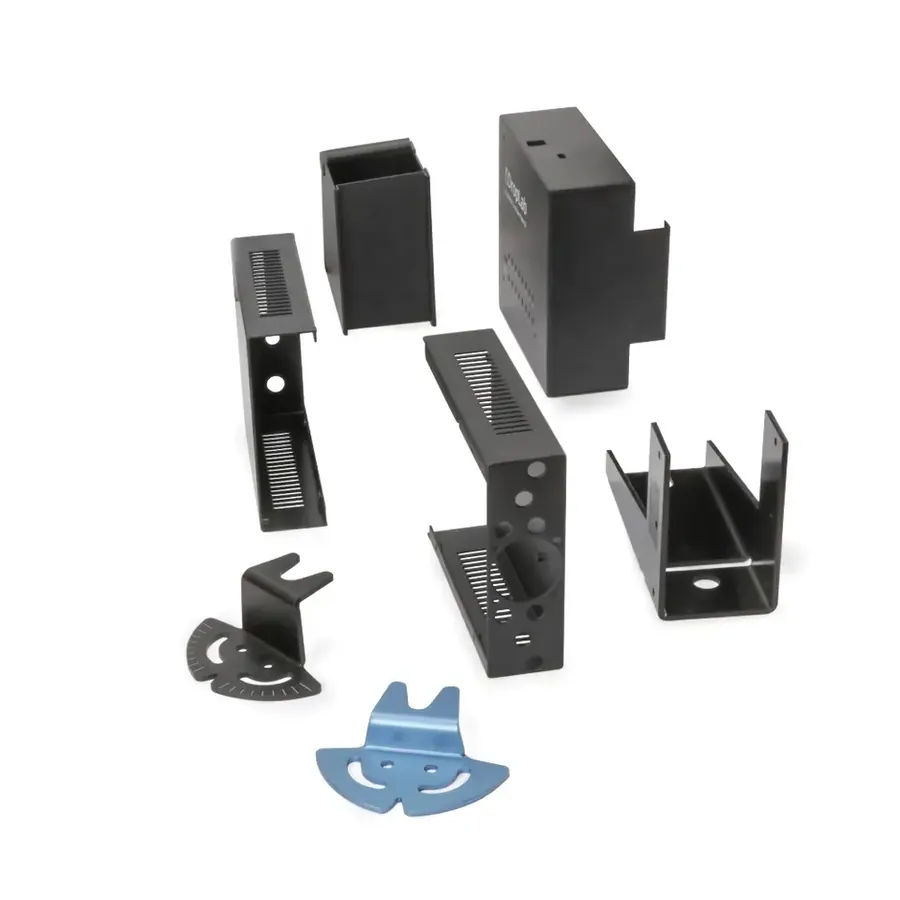
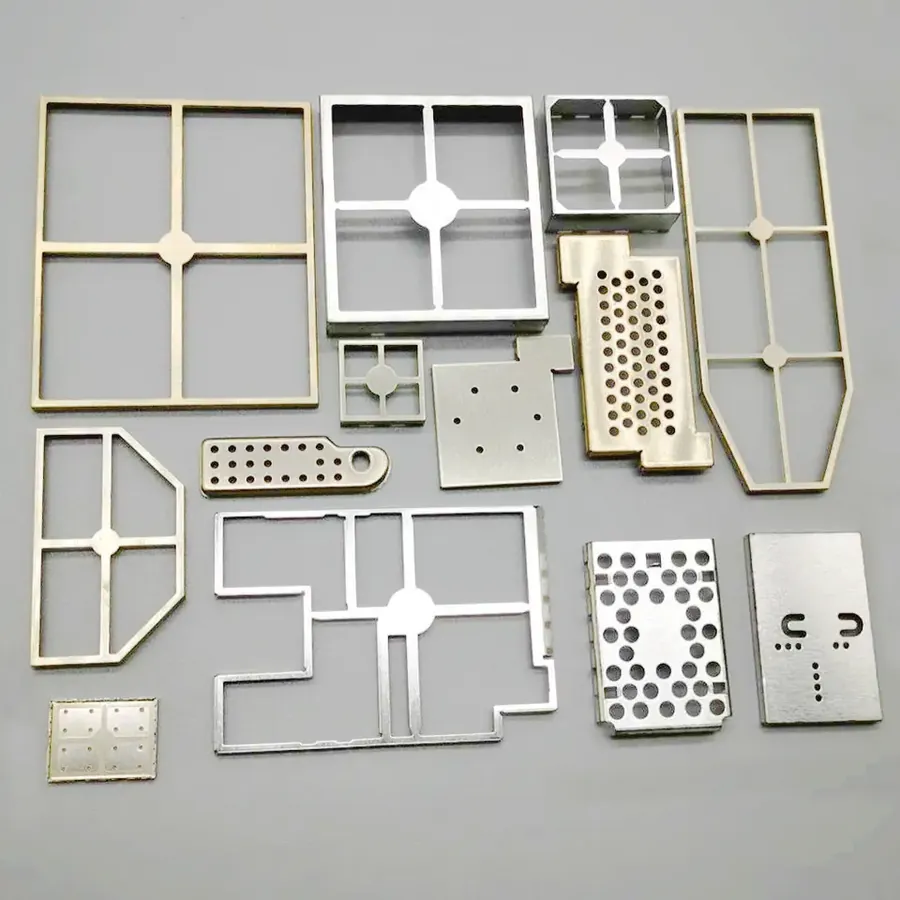
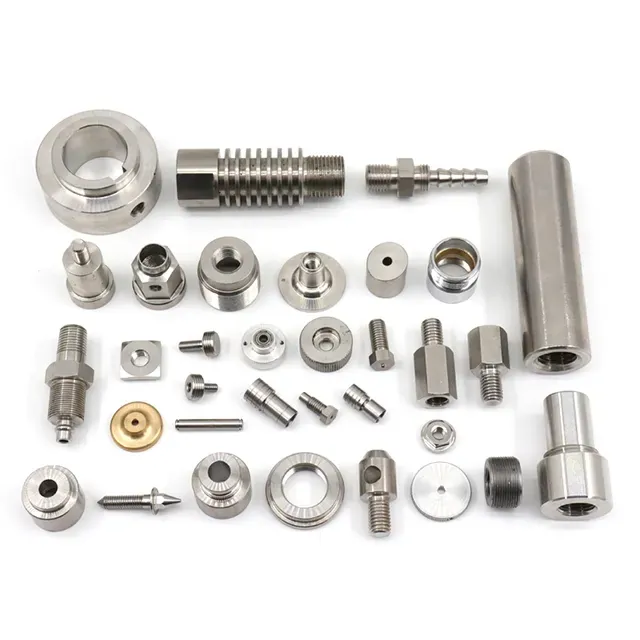
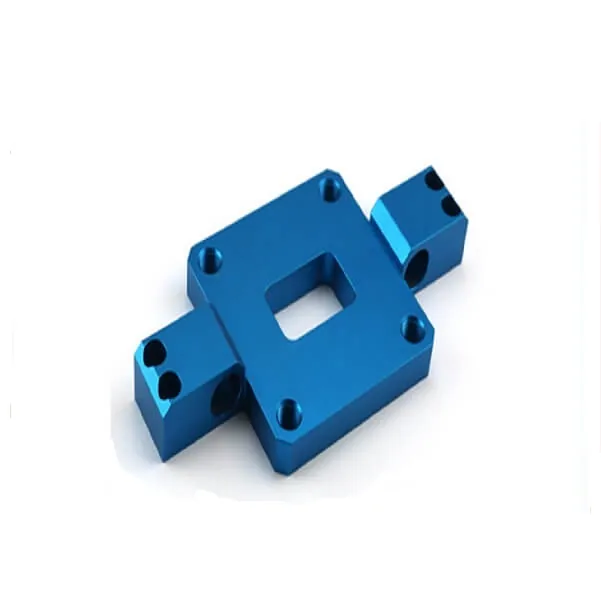
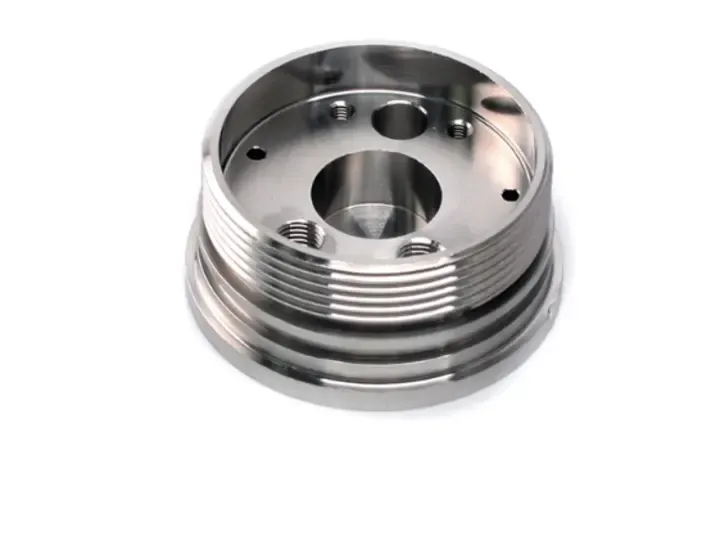
Wuxi Lead Precision Machinery delivers advanced custom metal manufacturing solutions tailored for high-performance applications in industries such as automotive, aerospace, medical, and industrial automation. Our expertise in precision engineering enables us to support complex overmolding and insert molding processes, where tight integration between metal components and polymer substrates is critical. Central to our technical capabilities is our fleet of 5-axis CNC machining centers, which provide the accuracy, flexibility, and efficiency required to produce intricate metal inserts and overmolded part housings with exceptional surface finish and dimensional consistency.
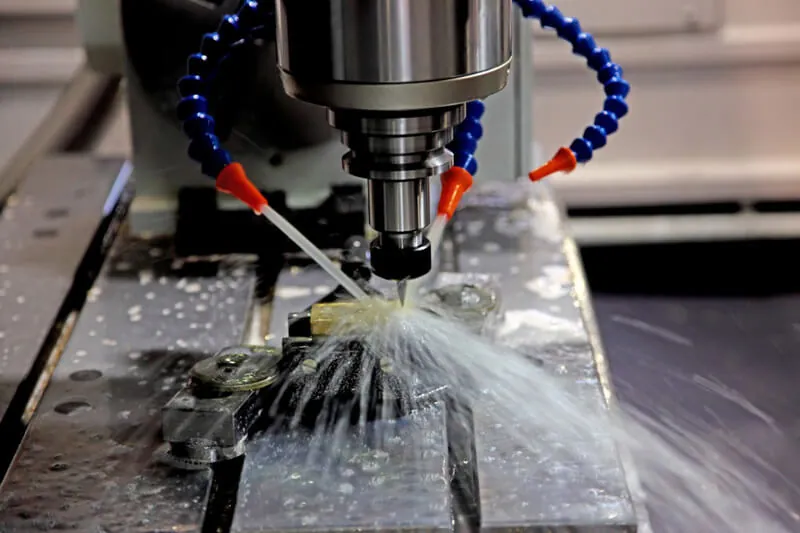
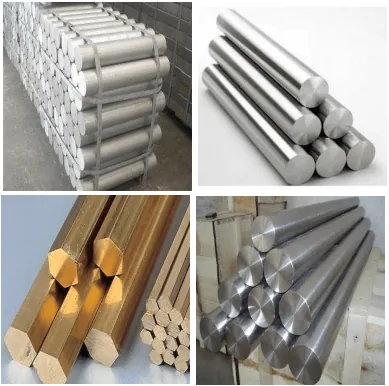
Our 5-axis CNC systems allow for simultaneous multi-directional machining, eliminating the need for multiple setups and significantly reducing cumulative tolerances. This capability is essential when producing metal components that must align perfectly within injection molds for overmolding or securely anchor within thermoplastic matrices during insert molding. Complex geometries, undercuts, and fine features are machined in a single operation, ensuring repeatability and structural integrity. Materials commonly processed include stainless steel, aluminum alloys, titanium, and high-strength engineering alloys, all machined to meet the thermal and mechanical demands of subsequent molding stages.
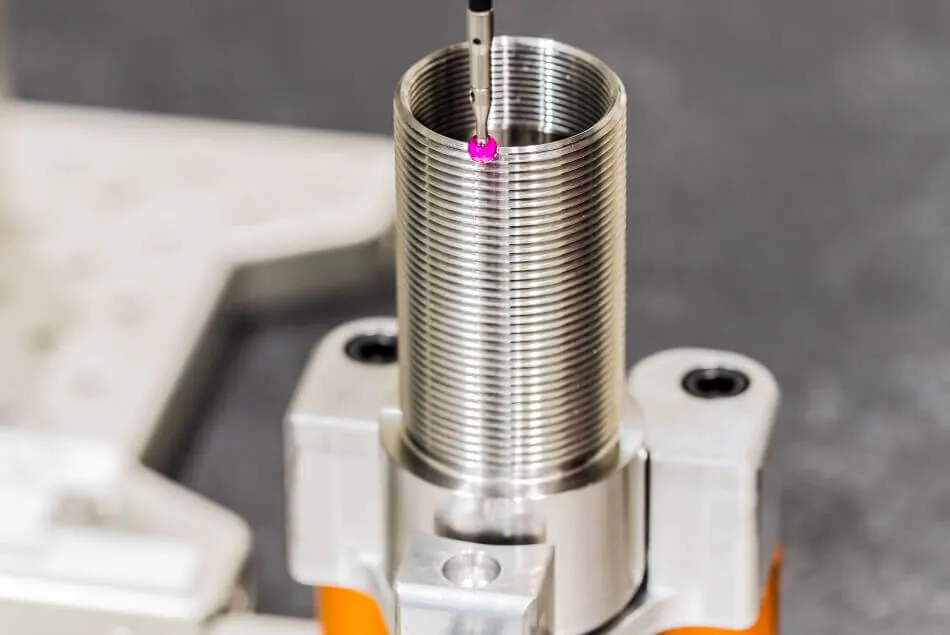
To guarantee compliance with stringent industry standards, every component undergoes rigorous quality control. Our coordinate measuring machine (CMM) inspection system provides full 3D metrology validation, enabling precise measurement of critical dimensions, geometric tolerances, and positional accuracy. Each part is verified against CAD models to ensure conformity before release for molding integration. This closed-loop inspection process supports high-yield production and traceability, meeting ISO 13485 and IATF 16949 quality benchmarks.
The following table outlines the standard precision tolerances achievable across our manufacturing workflow:
| Feature | Standard Tolerance | High-Precision Capability |
|---|---|---|
| Linear Dimensions (mm) | ±0.01 mm | ±0.005 mm |
| Geometric Tolerances (GD&T) | ±0.015 mm | ±0.008 mm |
| Surface Roughness (Ra) | 0.8 µm | 0.4 µm |
| Hole Position Accuracy | ±0.012 mm | ±0.006 mm |
| Angular Precision | ±0.1° | ±0.05° |
| CMM Measurement Uncertainty | ±0.003 mm | ±0.002 mm |
These capabilities ensure that metal inserts and housings produced by Wuxi Lead Precision Machinery meet the exacting demands of overmolding and insert molding applications, where even micron-level deviations can compromise sealing, fit, or functional performance. By combining 5-axis CNC precision with comprehensive CMM-based quality assurance, we deliver components optimized for seamless integration into advanced molding workflows, supporting our clients’ goals for reliability, scalability, and product excellence.
Material & Finish Options

Material Selection for Overmolding and Insert Molding Applications
Selecting the optimal metal substrate and finish is critical for achieving reliable adhesion and long-term performance in overmolding and insert molding processes. At Wuxi Lead Precision Machinery, we prioritize materials that balance thermal stability, mechanical interlock capability, and chemical compatibility with polymers. Aluminum, steel, and titanium each present distinct advantages and challenges, directly influencing part integrity under thermal cycling and mechanical stress.
Aluminum alloys, particularly 6061-T6, offer an excellent strength-to-weight ratio and superior thermal conductivity, making them ideal for heat-sensitive overmolded components like automotive sensors or consumer electronics housings. However, aluminum’s high coefficient of thermal expansion (CTE) relative to most polymers necessitates precise surface preparation. Unfinished aluminum provides poor adhesion; anodizing is essential to create a micro-porous oxide layer that mechanically anchors the polymer. Type II (sulfuric acid) anodizing is standard, but Type III (hard coat) delivers enhanced wear resistance for high-stress applications. Avoid chromate conversion coatings, as they inhibit polymer bonding.
Stainless steel (304/316) excels in high-strength, corrosion-resistant insert molding scenarios such as medical instruments or hydraulic fittings. Its lower CTE minimizes thermal stress during cooling, but passive oxide layers can impede adhesion. Electroless nickel plating or phosphate conversion coatings are recommended to improve surface energy. Note that steel’s higher density increases part weight and cycle times compared to aluminum, impacting cost for high-volume production.
Titanium (Grade 5, 6Al-4V) is reserved for extreme environments—think aerospace actuators or marine hardware—where its exceptional strength, corrosion resistance, and biocompatibility justify the premium cost. Titanium’s native oxide layer requires aggressive surface treatments like grit blasting or plasma etching to achieve sufficient bond strength. Anodizing titanium is possible but less common; specialized plasma electrolytic oxidation (PEO) often yields superior interfacial durability.
Surface finish directly dictates polymer-metal adhesion. Anodizing thickness must be tightly controlled (±0.0002″) to prevent dimensional drift in precision inserts. Overly thick anodized layers can spall under polymer shrinkage forces, while insufficient porosity leads to interfacial delamination. For steel, nickel-phosphorus plating at 0.0005″–0.001″ thickness optimizes adhesion without compromising tight tolerances. Always validate finish-polymer compatibility through ASTM D3163 lap-shear testing before full production.
Key Material Properties for Molding Substrates
| Material | CTE (10⁻⁶/°C) | Tensile Strength (MPa) | Typical Hardness (HV) | Finish Compatibility |
|---|---|---|---|---|
| Aluminum 6061 | 23.6 | 310 | 95 | Type II/III Anodizing |
| Steel 304 | 17.3 | 515 | 200 | Electroless Ni, Phosphate |
| Titanium 6Al4V | 8.6 | 900 | 330 | PEO, Grit Blasting |
Material-finish-polymer synergy determines success. We rigorously test substrate surface energy (target: 45+ dynes/cm) and CTE alignment with your polymer matrix to eliminate field failures. Partner with our engineering team early to optimize this triad for your application’s lifecycle demands.
Manufacturing Process & QC
The production process for overmolding and insert molding begins with a precision-driven design phase, where engineering excellence meets functional requirements. At Wuxi Lead Precision Machinery, our design engineers collaborate closely with clients to analyze part geometry, material compatibility, and thermal-mechanical performance. Finite element analysis (FEA) and mold flow simulation tools are employed to predict stress points, material behavior, and potential defects. This ensures optimal wall thickness, gate placement, and bonding integrity—especially critical in overmolding, where adhesion between dissimilar materials (typically elastomer to rigid substrate) must be flawless. For insert molding, precise positioning of metal inserts within the mold cavity is modeled to prevent displacement during injection.
Once the digital design is validated, the prototyping stage commences using high-precision CNC-machined molds or 3D-printed tooling for initial form-fit testing. Prototypes are subjected to rigorous functional and environmental testing, including thermal cycling, tensile strength evaluation, and bond integrity analysis. This stage allows for rapid iteration and design refinement, minimizing risks before full-scale production. Our in-house metrology lab, equipped with CMMs and optical measurement systems, ensures every prototype meets dimensional tolerances within ±0.02 mm.
Mass production is executed on fully automated, closed-loop monitored injection molding machines calibrated for repeatability. Overmolding processes utilize multi-shot or rotary platen systems to ensure accurate layer alignment and consistent material bonding. Insert molding relies on robotic insert loading systems with vision verification to guarantee correct placement and eliminate human error. All production runs are governed by Statistical Process Control (SPC), with real-time data logging for pressure, temperature, and cycle time. Each batch undergoes 100% visual inspection and抽样 testing per AQL Level II standards.
Zero Defects is not a target—it is our standard. Our ISO 13485 and IATF 16949-certified quality management system integrates preventive controls at every stage. Mold maintenance schedules, material drying protocols, and environmental controls in cleanroom molding areas further ensure consistency. Traceability is maintained through serialized part coding and digital process records, enabling full auditability.
The following table outlines key process specifications for overmolding and insert molding at Wuxi Lead Precision Machinery:
| Parameter | Overmolding | Insert Molding |
|---|---|---|
| Typical Materials | TPE, TPU, Silicone / ABS, PC, Nylon | PEEK, PP, PA / Stainless Steel, Brass |
| Bond Strength Requirement | ≥ 8 N/mm² (peel test) | N/A (mechanical retention focus) |
| Dimensional Tolerance | ±0.05 mm (standard), ±0.02 mm (tight) | ±0.03 mm (insert position) |
| Production Cycle Time | 45–120 seconds | 30–90 seconds |
| Tooling Material | H13, S136, or 420 Stainless Steel | H13, 2344, or Custom Alloy |
| Quality Standard | ISO 13485, IATF 16949, AQL 1.0 | ISO 13485, IATF 16949, AQL 1.0 |
From concept to final part, Wuxi Lead Precision Machinery delivers defect-free, high-integrity components through integrated engineering, precision tooling, and disciplined process control.
Why Choose Wuxi Lead Precision
Precision Integration Solutions for Demanding Applications
Selecting between overmolding and insert molding requires nuanced engineering insight to balance performance, cost, and manufacturability. At Wuxi Lead Precision Machinery, we bridge this gap with proprietary CNC-driven processes that ensure micron-level accuracy in every integrated component. Our expertise spans aerospace, medical devices, and automotive sectors where material integrity and dimensional stability are non-negotiable. We do not merely execute molds—we engineer solutions that eliminate interfacial failures, reduce assembly steps, and extend product lifecycles through validated thermal and mechanical compatibility.
Critical process parameters dictate success in multi-material manufacturing. The table below outlines key specifications where our technology delivers measurable advantages:
| Parameter | Overmolding Capability | Insert Molding Capability | Lead Precision Standard |
|---|---|---|---|
| Tolerance Consistency | ±0.02 mm | ±0.015 mm | ±0.008 mm (validated) |
| Material Compatibility | Thermoplastics + Elastomers | Metals + Engineering Polymers | Multi-substrate hybrids |
| Temperature Range | 180°C–320°C | 200°C–350°C | Custom-controlled up to 400°C |
| Cycle Time Reduction | 15–22% vs. industry average | 18–25% vs. industry average | 28–35% (CNC-optimized) |
Our German-engineered CNC platforms integrate real-time cavity pressure monitoring and adaptive cooling systems, ensuring zero flash and perfect adhesion even with challenging substrates like PEEK, stainless steel, or titanium inserts. Unlike conventional suppliers, we control the entire value chain—from mold design validation using Moldflow simulation to post-molding metrology on Zeiss CMMs. This eliminates supply chain variability that compromises part integrity in high-stress applications.
Partnering with Wuxi Lead means accessing a technical team with 12+ years of specialization in metal-plastic integration. We collaborate from DFM stage through production ramp, providing material compatibility reports, process capability studies, and failure mode analysis tailored to your operational environment. Our Suzhou facility operates under IATF 16949 and ISO 13485 protocols, with 100% traceability for every cavity. When dimensional drift or delamination risks threaten your project timeline, our rapid iteration capability delivers validated solutions in 72 hours—not weeks.
Do not compromise on integration quality when margins depend on flawless performance. Contact our engineering team directly at [email protected] to schedule a technical consultation. Specify your application’s thermal, load, and regulatory requirements, and we will provide a process feasibility analysis with tolerance stack-up projections within 24 business hours. For urgent RFQs, include drawing references and annual volume targets to expedite priority review. Lead Precision Machinery: Where metal meets precision, engineered.
⚙️ Precision Cost Estimator
Estimate relative manufacturing effort based on tolerance.