Technical Contents
Engineering Guide: Test Tube Mold

Engineering Insight: The Precision Imperative in Test Tube Mold Manufacturing
Test tube molds represent far more than simple containers; they are critical precision instruments demanding micron-level accuracy in manufacturing. The functionality, reliability, and safety of the final laboratory consumable hinge entirely on the mold’s geometric fidelity. Even minor deviations in cavity wall thickness, internal diameter, or sealing surface geometry directly impact critical performance factors. Inconsistent wall thickness leads to uneven thermal stress during autoclaving, causing catastrophic failure. Imperfect sealing surfaces compromise sterility, invalidating sensitive experiments. Poorly controlled draft angles result in ejection marks or tube deformation, rendering products unusable. These are not theoretical concerns but tangible production losses measured in scrap rates, delayed shipments, and damaged reputations for end-users. Achieving the required sub-micron repeatability across thousands of injection cycles demands profound expertise in material science, thermal dynamics, and ultra-precise machining processes. It requires understanding how molten polymer interacts with the mold surface at microscopic levels and anticipating minute dimensional shifts during cooling and ejection.
At Wuxi Lead Precision Machinery, we translate this understanding into tangible manufacturing excellence. Our CNC engineering team possesses deep, proven experience in delivering molds where failure is not an option. This expertise is forged in projects demanding the absolute pinnacle of precision, such as components for the Beijing Winter Olympics ice resurfacing systems and critical optical housings for military-grade targeting systems. These applications demanded tolerances measured in single-digit microns under extreme environmental conditions – a standard we apply rigorously to every test tube mold project. Our process integrates advanced simulation for thermal equilibrium management, multi-axis CNC machining with sub-micron positioning accuracy, and stringent metrology protocols using coordinate measuring machines (CMMs) traceable to national standards. We treat each cavity within a multi-cavity mold as a unique challenge, ensuring uniformity across the entire tool.
The following specifications define the precision benchmarks achievable for high-performance test tube molds at Wuxi Lead:
| Parameter | Standard Capability | High-Precision Capability | Measurement Method |
|---|---|---|---|
| Cavity/Internal Diameter | ±0.010 mm | ±0.005 mm | Optical Comparator / CMM |
| Wall Thickness Uniformity | ±0.015 mm | ±0.008 mm | Ultrasonic Gauge / CMM |
| Sealing Surface Flatness | 0.005 mm | 0.002 mm | Surface Plate / CMM |
| Core/Cavity Alignment | 0.008 mm | 0.003 mm | CMM (Full Assembly) |
| Surface Finish (Ra) | 0.05 µm | 0.025 µm | Surface Roughness Tester |
| Tool Life (Cycles) | 500,000+ | 1,000,000+ | Production Monitoring |
This level of control is non-negotiable for laboratories where experimental integrity and patient safety are paramount. Wuxi Lead Precision Machinery leverages its rigorous aerospace and defense-grade engineering discipline to ensure your test tube molds consistently produce flawless, reliable consumables. We understand that precision in the mold cavity is the foundational guarantee of performance in the laboratory, directly translating to reduced waste, lower total cost of ownership, and unwavering confidence for your end-users. Partner with us to transform precision engineering into your competitive advantage.
Precision Specs & Tolerances

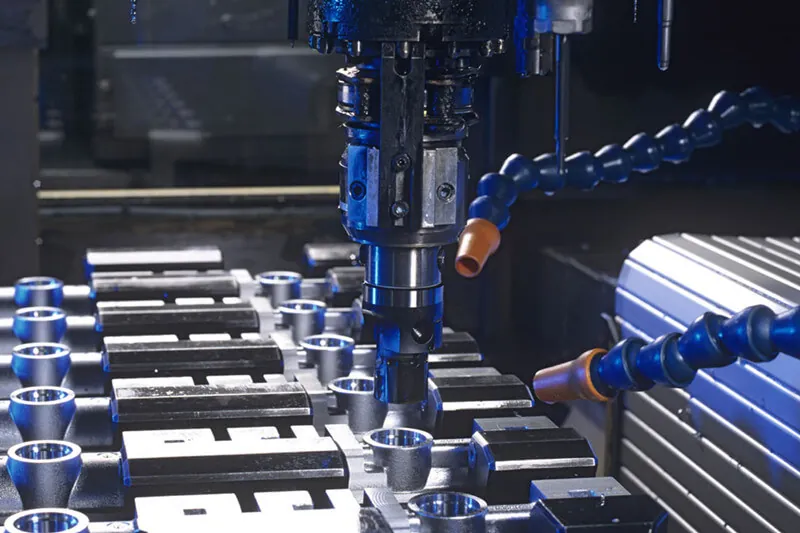
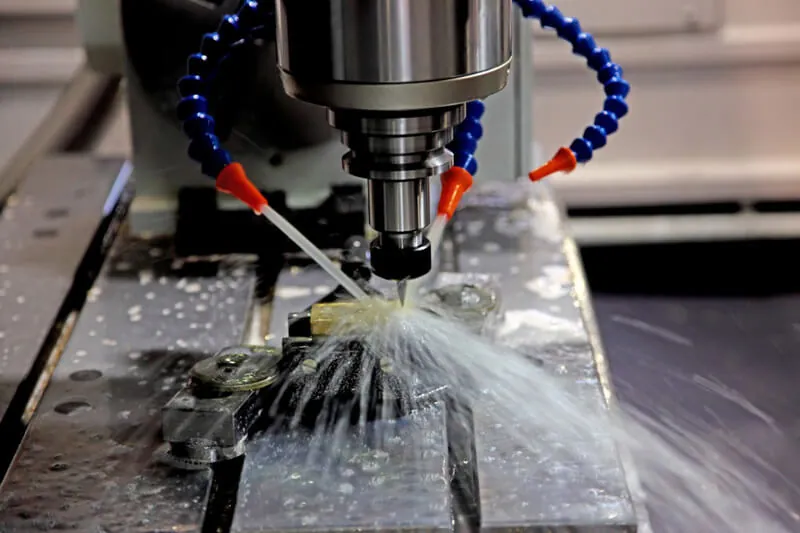
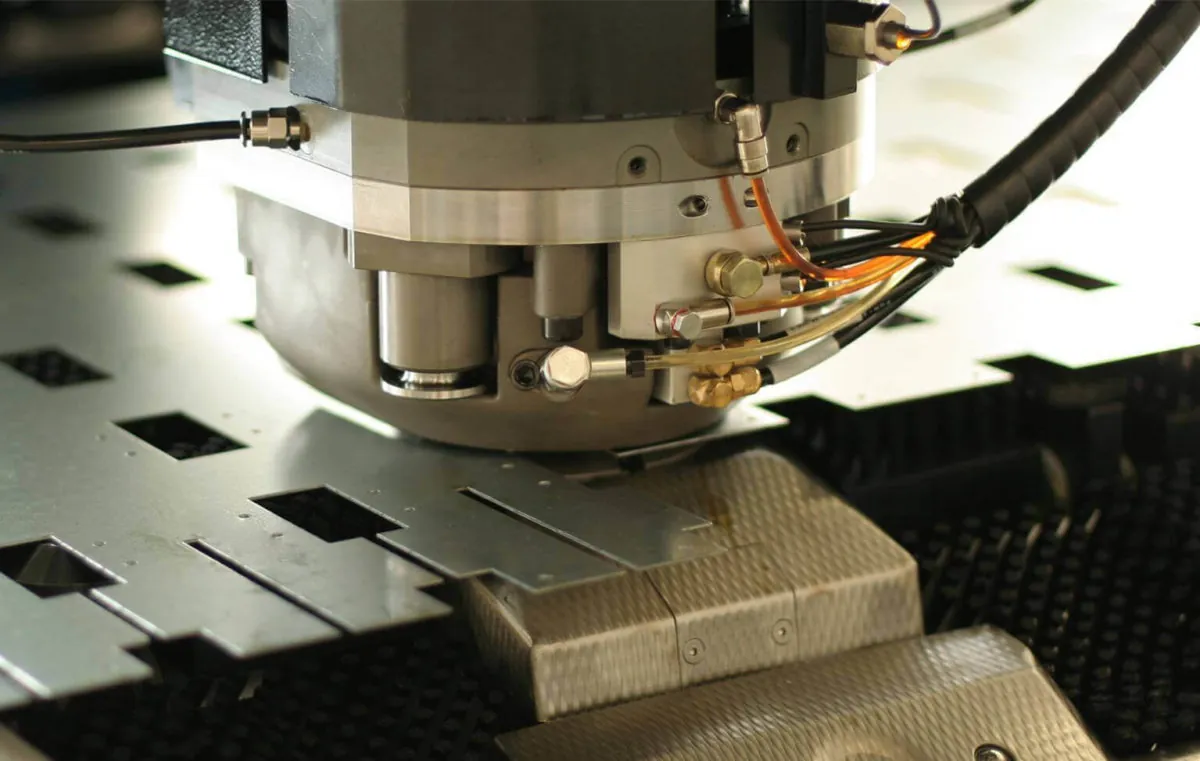
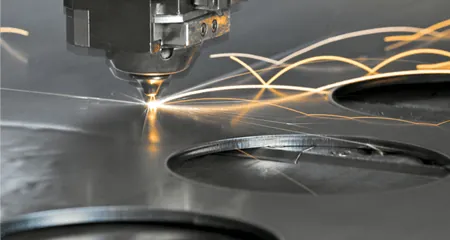
Wuxi Lead Precision Machinery delivers advanced technical capabilities in custom metal manufacturing, specializing in high-precision tooling solutions such as test tube molds. Our engineering expertise is anchored in state-of-the-art 5-axis CNC machining technology, enabling us to produce complex geometries with exceptional accuracy and surface finish. These multi-axis systems allow simultaneous movement across five planes, ensuring intricate mold cavities and cores are machined in a single setup, minimizing human error and maximizing repeatability. This capability is critical when producing test tube molds, where uniform wall thickness, precise taper angles, and smooth ejection surfaces directly impact final product quality and manufacturing efficiency.
All machining operations are supported by integrated CAD/CAM software, allowing for seamless transition from design to production. Our engineers utilize 3D modeling to simulate tool paths, optimize cutting strategies, and verify clearance, ensuring that every component meets the exact functional and dimensional requirements of laboratory-grade plastic molding. Materials commonly used include P20, 718HH, H13, and S136 stainless tool steels, selected based on corrosion resistance, hardness, and thermal stability needs. Each mold base and cavity insert is heat-treated and stress-relieved to ensure long service life under repeated thermal cycling.
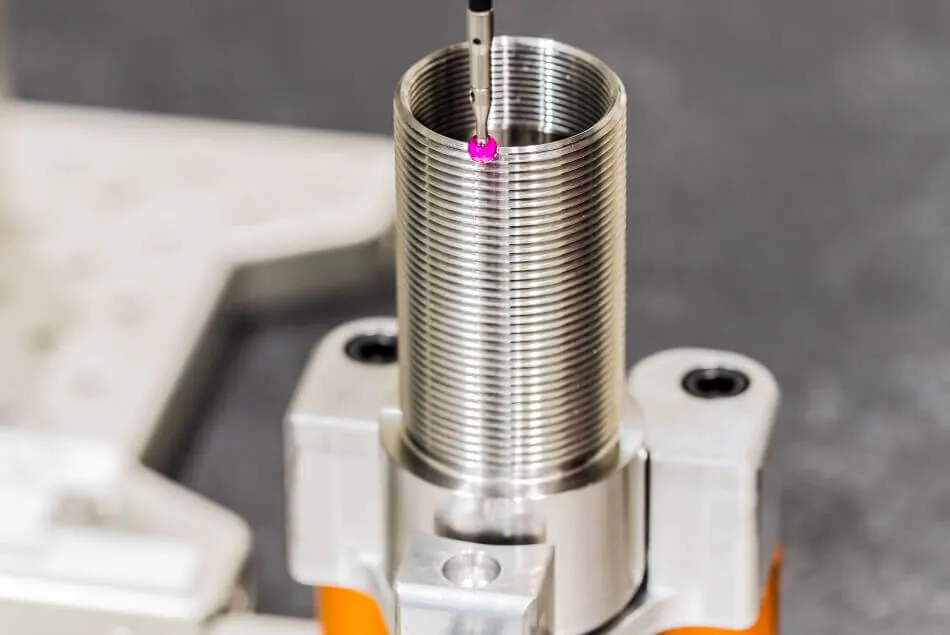
Quality control is integral to our manufacturing process. Every test tube mold undergoes comprehensive inspection using a Zeiss DuraMax Bridge-type Coordinate Measuring Machine (CMM). This metrology-grade system verifies critical dimensions, positional tolerances, and form accuracy to micron-level precision. Data from CMM reports is analyzed and documented, providing full traceability for each component. In addition to dimensional verification, surface roughness is measured using profilometers to ensure optimal release characteristics and optical clarity in the final molded product.
Our process is designed to meet the stringent demands of medical and laboratory consumable production, where consistency and regulatory compliance are paramount. By combining high-speed 5-axis machining with rigorous inspection protocols, Wuxi Lead ensures that every mold performs reliably in high-volume injection molding environments.
The following table outlines the standard technical specifications and tolerances achievable in our test tube mold manufacturing process:
| Specification | Capability |
|---|---|
| Positional Tolerance | ±0.005 mm |
| Linear Dimensional Tolerance | ±0.01 mm |
| Profile Tolerance | ±0.01 mm |
| Surface Roughness (Ra) | 0.2 – 0.8 µm |
| Minimum Feature Size | 0.1 mm |
| Maximum Work Envelope (5-axis) | 1200 × 800 × 750 mm |
| Material Hardness Range | Up to 60 HRC |
| CMM Measurement Accuracy | ±0.003 mm |
These capabilities reflect our commitment to delivering precision-engineered molds that support high-fidelity replication in plastic injection molding, ensuring end products meet the exacting standards of scientific and medical applications.
Material & Finish Options

Material Selection for Precision Test Tube Molds
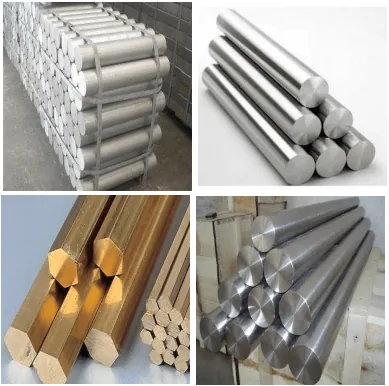
Selecting the optimal material for test tube molds is critical for achieving dimensional stability, longevity, and chemical resistance in high-volume laboratory and medical manufacturing. At Wuxi Lead Precision Machinery, we prioritize material properties that directly impact mold performance under rigorous injection molding cycles, thermal cycling, and exposure to aggressive sterilization agents. Aluminum, steel, and titanium each offer distinct advantages depending on production volume, part complexity, and environmental demands.
Aluminum alloys, particularly 7075-T6, provide exceptional thermal conductivity (130 W/m·K) and machinability, enabling rapid cooling cycles and reduced production times. This makes aluminum ideal for prototyping and medium-volume runs where cost efficiency is paramount. However, its lower hardness (150 HB) limits wear resistance in abrasive polymer applications. Tool steel variants like H13 and S136 excel in high-volume production due to superior hardness (52 HRC) and polishability, ensuring micron-level surface finishes critical for optical clarity in test tubes. These steels withstand repeated thermal stress but require precise heat treatment to prevent distortion. Titanium alloys (e.g., Ti-6Al-4V) deliver unmatched corrosion resistance against strong acids and alkalis used in sterilization, alongside high strength-to-weight ratios. While titanium’s cost is significantly higher, it is indispensable for molds processing aggressive biocompatible polymers in critical medical applications.
Surface finishing further enhances performance. Anodizing is the industry-standard process for aluminum molds, creating a hard, non-conductive oxide layer that resists chemical etching and improves release properties. Type II (sulfuric acid) anodizing offers moderate wear resistance for general use, while Type III (hardcoat) anodizing achieves 50–70 μm thickness with 600 HV hardness, suitable for extended production cycles. For steel molds, electropolishing or PVD coatings like TiN are preferred to maintain dimensional accuracy without altering critical tolerances.
The following table summarizes key comparative specifications for mold materials:
| Material | Hardness (Typical) | Thermal Conductivity (W/m·K) | Corrosion Resistance | Relative Cost | Best Application Volume |
|---|---|---|---|---|---|
| Aluminum 7075-T6 | 150 HB | 130 | Moderate | Low | Prototype to 50k cycles |
| Tool Steel H13 | 50–52 HRC | 28 | High (with passivation) | Medium | 100k–500k cycles |
| Titanium Ti-6Al-4V | 36 HRC | 7.2 | Exceptional | High | 500k+ cycles (harsh env) |
Material choice must align with total cost of ownership. While aluminum reduces initial investment, steel or titanium often lowers per-part costs in high-volume scenarios by minimizing downtime for maintenance. Wuxi Lead engineers conduct comprehensive lifecycle analysis during consultation, factoring in polymer chemistry, cycle rates, and surface finish requirements to prescribe the optimal solution. Precision in material selection directly translates to mold reliability, part consistency, and reduced unplanned downtime in your production line.
Manufacturing Process & QC

Design: Precision Engineering at the Foundation
At Wuxi Lead Precision Machinery, the production of test tube molds begins with a meticulously engineered design phase. This stage is critical to achieving zero defects in final output. Our engineering team collaborates closely with clients to analyze functional requirements, material compatibility, dimensional tolerances, and production volume. Utilizing advanced CAD/CAM software—such as SolidWorks, AutoCAD, and UG NX—we develop 3D models that simulate real-world performance under thermal cycling and mechanical stress. Finite Element Analysis (FEA) ensures structural integrity, while mold flow analysis predicts polymer behavior during injection, minimizing warpage and air traps. Every design is reviewed for manufacturability (DFM), ensuring optimal cooling channel placement, ejection mechanisms, and surface finish. This rigorous digital validation reduces risks before any metal is cut.
Prototyping: Validating Performance Before Scale
Following design approval, we proceed to prototype development using high-precision CNC machining and wire EDM technologies. Prototypes are fabricated from the same tool steel grades intended for mass production—typically H13, S136, or 420 stainless steel—ensuring accurate thermal and wear behavior. Each prototype mold undergoes a comprehensive test run using the client’s specified resin under controlled injection parameters. We evaluate critical factors including cycle time, part dimensional accuracy (measured via CMM), surface texture, and gate vestige. Any deviations trigger immediate design refinement. This iterative process continues until the prototype consistently produces defect-free test tubes across multiple batches. Clients receive detailed inspection reports and sample parts for validation, ensuring alignment with ISO 9001 quality standards.
Mass Production: Consistency Through Automation and Control
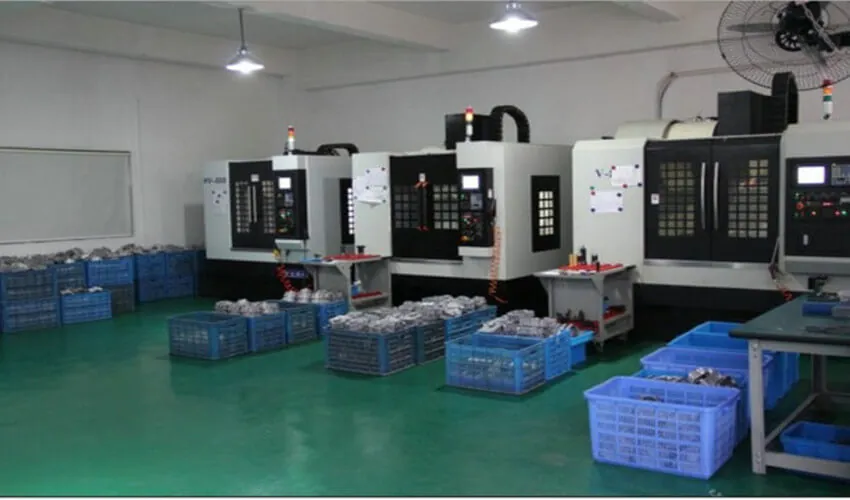
Once the prototype is approved, the mold transitions to full-scale production. Our facility employs automated CNC cells, robotic part handling, and in-process monitoring systems to maintain repeatability. Each mold is built with hardened components, precision-ground guide pillars, and corrosion-resistant coatings where applicable. During production, Statistical Process Control (SPC) tracks key variables such as injection pressure, melt temperature, and cooling time, enabling real-time adjustments. Every mold undergoes a final 100% inspection for dimensional accuracy, surface finish, and operational smoothness. We enforce strict cleanroom protocols for molds used in medical-grade applications.
The result is a high-performance test tube mold engineered for longevity, precision, and zero-defect output across millions of cycles.
| Specification | Detail |
|---|---|
| Material Options | H13, S136, 420SS, SKD61, 1.2344 |
| Tolerance | ±0.002 mm |
| Surface Finish | Ra 0.05–0.4 μm (polished or texturing available) |
| Mold Life | 1–5 million cycles (depending on material and design) |
| Cooling Efficiency | Optimized conformal cooling channels (additive or drilled) |
| Quality Standards | ISO 9001, ISO 13485 (medical), RoHS compliant |
| Lead Time (Prototype) | 15–25 days |
| Lead Time (Production Mold) | 30–45 days |
Why Choose Wuxi Lead Precision
Partner with Lead Precision for Uncompromising Test Tube Mold Excellence
In high-stakes industries like pharmaceuticals and diagnostics, the precision of your test tube mold directly dictates product integrity, regulatory compliance, and production yield. Sub-micron deviations in cavity geometry or surface finish can trigger catastrophic batch failures, contamination risks, or costly retooling downtime. At Wuxi Lead Precision Machinery, we engineer test tube molds not to meet standards, but to redefine them—ensuring your manufacturing process operates at peak efficiency from the first shot to the millionth cycle.
Our CNC-driven approach integrates advanced material science with deterministic metrology. We utilize hardened stainless steel alloys (e.g., 17-4PH H1150) processed through 5-axis milling and wire EDM, achieving geometric tolerances unattainable through conventional methods. Every mold undergoes rigorous validation on Zeiss coordinate measuring machines, with thermal stability tested across 10,000+ cycle runs to eliminate warpage in high-temperature sterilization environments. This commitment to empirical precision translates to zero flash lines, perfect demolding consistency, and surface finishes that prevent particle adhesion—critical for sensitive biological applications.
Below are the performance benchmarks we consistently deliver for test tube molds, validated against industry norms:
| Parameter | Lead Precision Standard | Typical Industry Benchmark |
|---|---|---|
| Cavity Concentricity | ≤ 0.005 mm | ≤ 0.02 mm |
| Surface Roughness (Ra) | 0.05 µm | 0.2 µm |
| Dimensional Stability | ±0.002 mm @ 150°C | ±0.01 mm @ 150°C |
| Cycle Life | 1,000,000+ shots | 300,000–500,000 shots |
This level of control stems from our closed-loop manufacturing ecosystem. Our engineers collaborate with you from initial CAD validation through first-article inspection, using moldflow analysis to preempt sink marks or weld lines. We prioritize rapid iteration—reducing time-to-prototype by 40% versus conventional suppliers—without sacrificing the metallurgical integrity required for ISO 13485 compliance. When your project demands molds that perform flawlessly under autoclave conditions or ultra-cleanroom specifications, our technical team becomes an extension of your R&D department.
Do not compromise on the foundation of your production line. Partner with Wuxi Lead Precision Machinery to transform test tube manufacturing challenges into competitive advantages. Contact our engineering sales team directly at [email protected] to initiate a technical consultation. Include your part specifications and volume requirements, and we will provide a detailed capability analysis within 24 hours—no generic proposals, only actionable engineering insights. Your path to zero-defect molding starts with a single email.
⚙️ Precision Cost Estimator
Estimate relative manufacturing effort based on tolerance.