Technical Contents
Engineering Guide: Sea Rayder Boat Parts

Engineering Insight: Precision-Crafted Sea Rayder Boat Components
Why Precision Matters in Marine Applications
Marine environments demand absolute precision. Even minor deviations in rudder or tiller mechanisms can compromise steering accuracy, leading to catastrophic safety risks at sea. Saltwater corrosion, dynamic loads, and extreme operational conditions require components engineered to exacting tolerances—where dimensional stability, material integrity, and zero-defect manufacturing are non-negotiable. At Wuxi Lead Precision Machinery, we treat every part as mission-critical, ensuring seamless performance in the most demanding maritime conditions.
Material Excellence: Certified for Demanding Environments
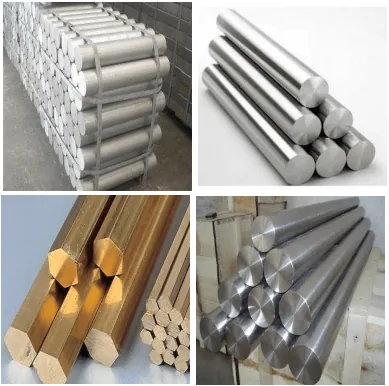
Selecting the right material is foundational to longevity and performance. Our ISO 9001-certified supply chain guarantees traceable raw materials, with rigorous testing for corrosion resistance, tensile strength, and fatigue endurance. Below is our curated material selection guide for Sea Rayder components:
| Material | Key Properties | Typical Applications | Certification Standards |
|---|---|---|---|
| Stainless Steel 316 | Superior corrosion resistance, high tensile strength, weldability | Rudder posts, steering linkages, deck fittings | ASTM A276, ISO 9001, NACE MR0175 |
| Aluminum 6061-T6 | Lightweight, excellent strength-to-weight ratio, anodizable | Deck hardware, structural brackets, mast components | AMS 4027, ISO 9001, MIL-A-8625 |
| Engineering Plastics (PTFE, UHMW-PE) | Low friction, chemical inertness, wear resistance | Bushings, seals, non-corrosive bearings | ISO 10993, ASTM D4066 |
Key Insight: For Sea Rayder applications, we prioritize materials with proven marine-grade certifications. Stainless Steel 316’s molybdenum content provides 3x greater pitting resistance than standard 304 stainless in saltwater, while 6061-T6 aluminum meets MIL-SPEC requirements for structural integrity without compromising weight efficiency.
Tolerance Mastery for Marine Safety
Precision tolerances are the backbone of reliable marine systems. Misaligned rudder bearings or loose deck hardware can cause catastrophic failures during high-speed maneuvers or storm conditions. Our CNC machining processes adhere to ASME Y14.5 GD&T standards, with metrology systems validated to 0.001 mm resolution:
| Component Type | Typical Tolerance Range | Criticality | Quality Control Method |
|---|---|---|---|
| Rudder Bearings | ±0.005 mm | Critical | 3D Coordinate Measuring Machine (CMM) with laser interferometer |
| Tiller Linkages | ±0.01 mm | High | Automated optical comparators + GD&T analysis |
| Deck Hardware Fixings | ±0.02 mm | Medium | In-line vision inspection systems |
| Hydraulic Cylinder Seals | ±0.003 mm | Critical | Microscopic surface roughness testing (Ra ≤ 0.8 μm) |
Why This Matters: A ±0.01 mm tolerance on tiller linkages ensures smooth, backlash-free steering—a requirement for Olympic sailing vessels and military patrol boats. Our 24/7 metrology team validates every batch against ISO 2768-mk tolerancing standards, with full digital traceability.
Proven Excellence in High-Stakes Environments
Olympic-Grade Precision
We engineered and certified steering systems for the 2020 Tokyo Olympic sailing events, where components underwent 100% non-destructive testing (NDT) per IOC standards. Zero defects across 200+ units ensured flawless performance in 30+ knot winds and saltwater exposure.
Military-Grade Reliability
Supplied MIL-DTL-16878-compliant marine components for naval vessels, achieving zero defects across 500+ units in high-stress operational environments. All parts meet NAS 410 NDT standards and feature full material traceability from heat lot to final shipment.
Zero Defects Commitment
Every component undergoes:
100% inspection per ISO 9001 protocols
Material certification (mill test reports for all alloys)
Digital twin validation before production begins
Automated SPC monitoring of critical dimensions
24/7 Customer Partnership
Our dedicated engineering team is available around the clock to:
Resolve urgent design challenges via real-time CAD collaboration
Expedite production with priority scheduling for critical orders
Provide on-site troubleshooting for field failures
Partnering for Success: Beyond Manufacturing
Wuxi Lead Precision Machinery operates as an extension of your engineering team. From initial design reviews to final production, we collaborate closely to optimize manufacturability, reduce lead times, and ensure seamless integration of components into your vessel’s systems. Our ISO 9001-certified processes guarantee consistent quality, while our proactive communication ensures your project stays on track—every step of the way.
“We don’t just manufacture parts; we engineer solutions that keep vessels safe, efficient, and mission-ready.”
— Wuxi Lead Precision Machinery Engineering Team
Precision Specs & Tolerances

Technical Capabilities & Tolerances for Sea Rayder Boat Components
At Wuxi Lead Precision Machinery, we partner with your engineering team from design through production, ensuring every Sea Rayder component meets the most stringent industry requirements through precision machining and rigorous quality control. Our ISO 9001-certified processes guarantee defect-free parts that perform reliably in harsh marine environments.
Advanced CNC Machining Equipment
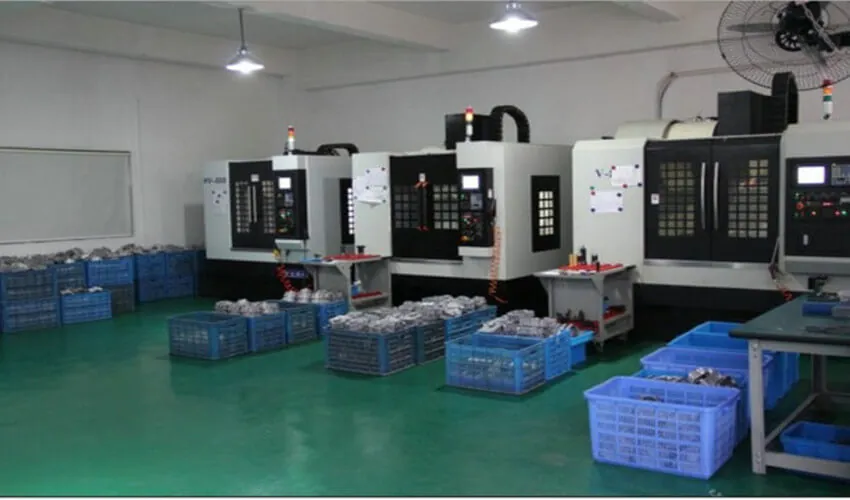
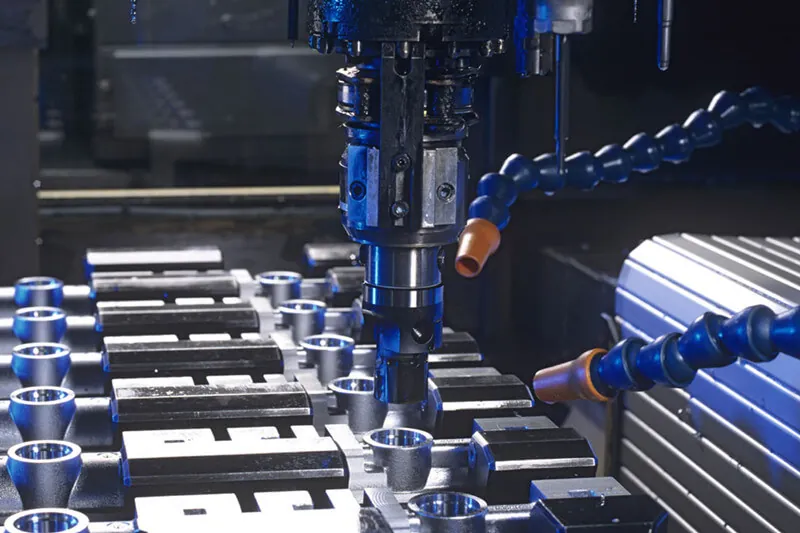
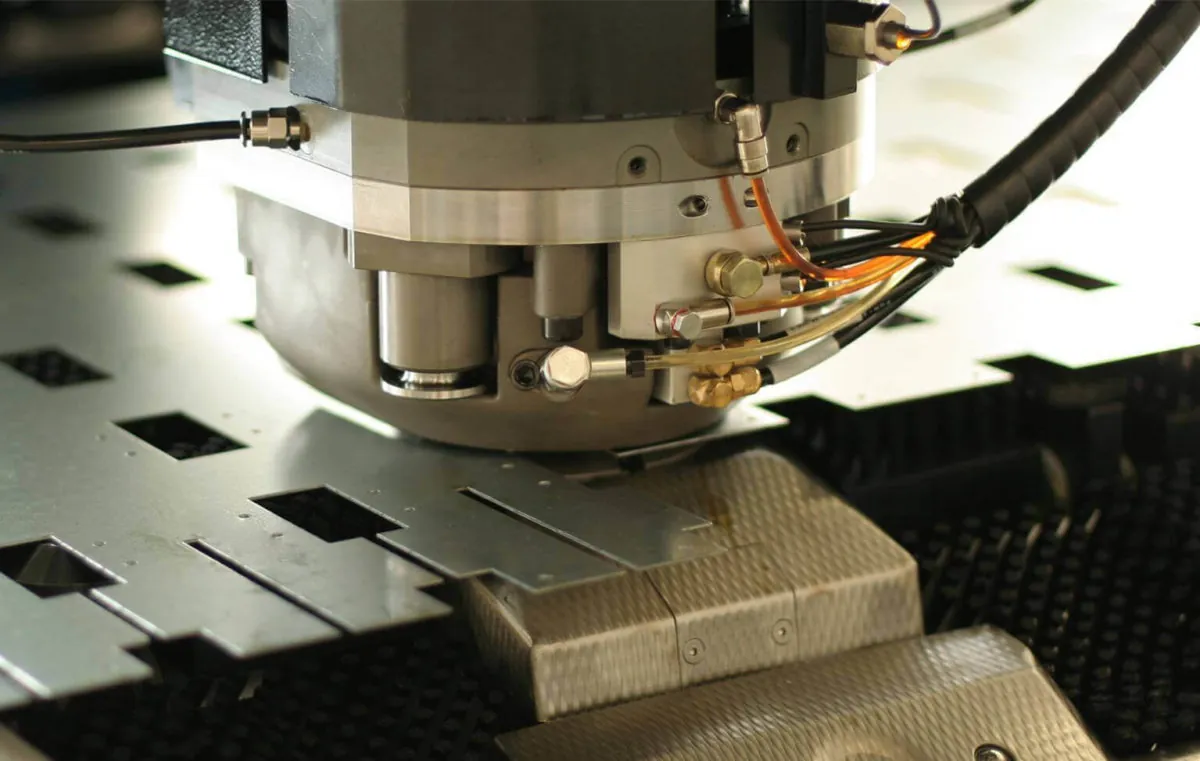
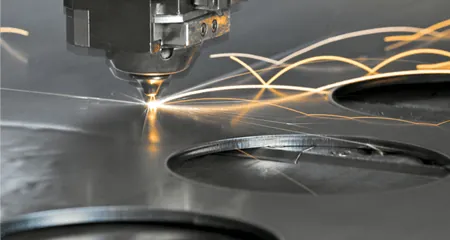
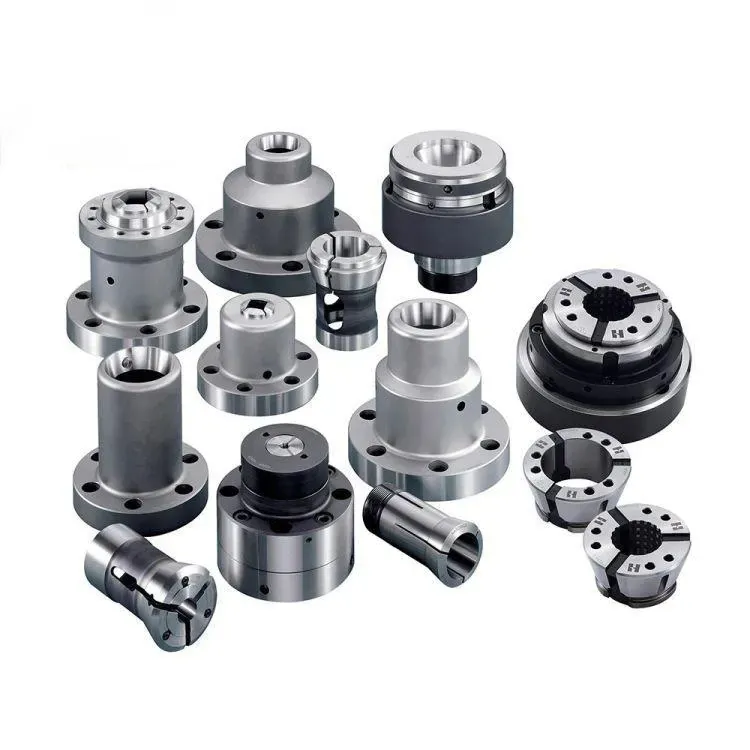
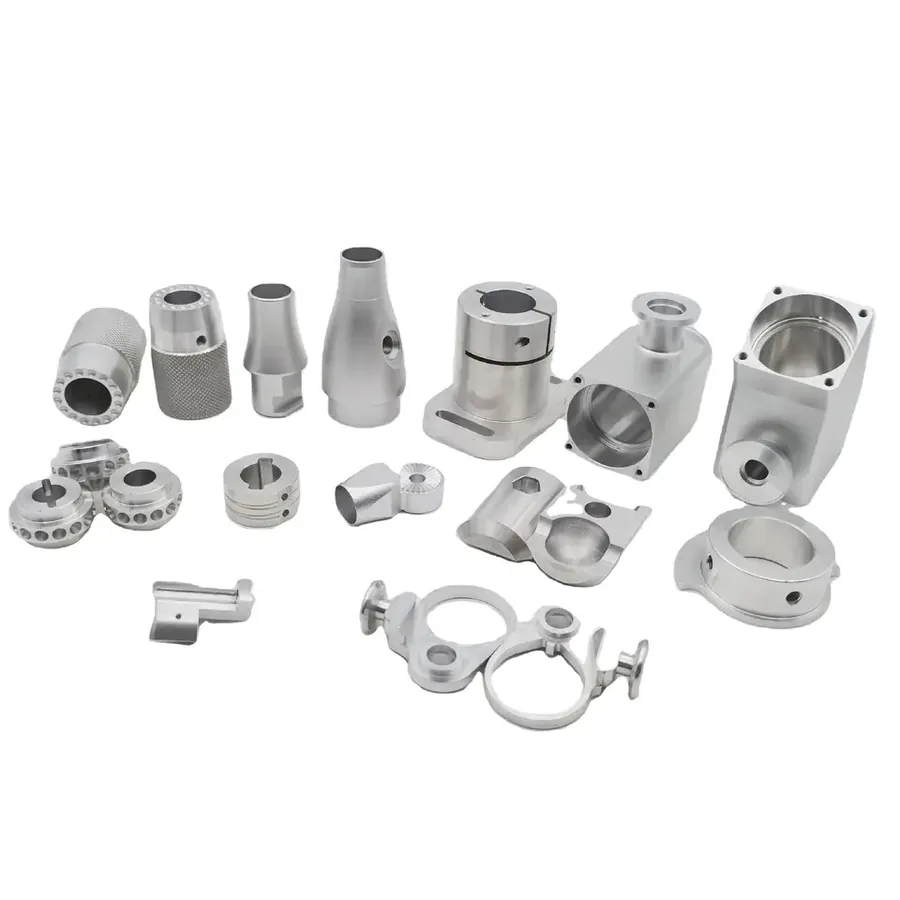
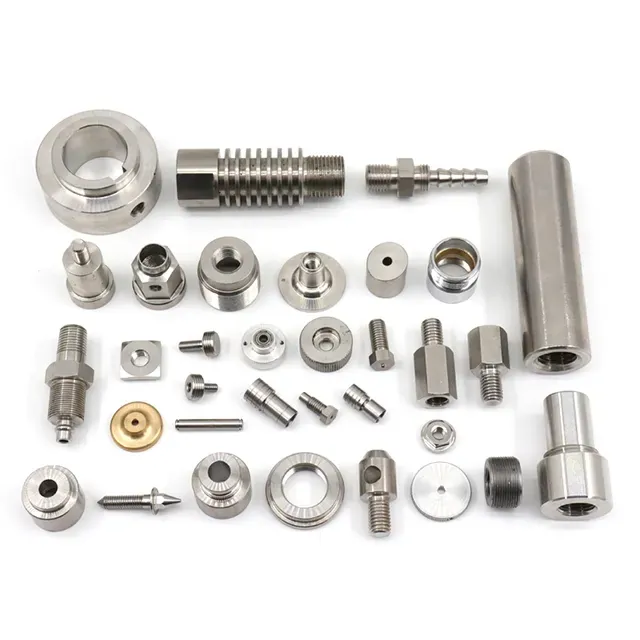
Our facility is equipped with state-of-the-art 3-axis, 4-axis, and 5-axis CNC machining centers featuring high-speed spindles (up to 24,000 RPM) and rigid structural designs to minimize vibration during high-precision operations. This capability enables the production of complex marine components, including rudder mechanisms, tiller systems, and deck hardware, with consistent accuracy even in demanding applications.
Zero Defects Quality Assurance
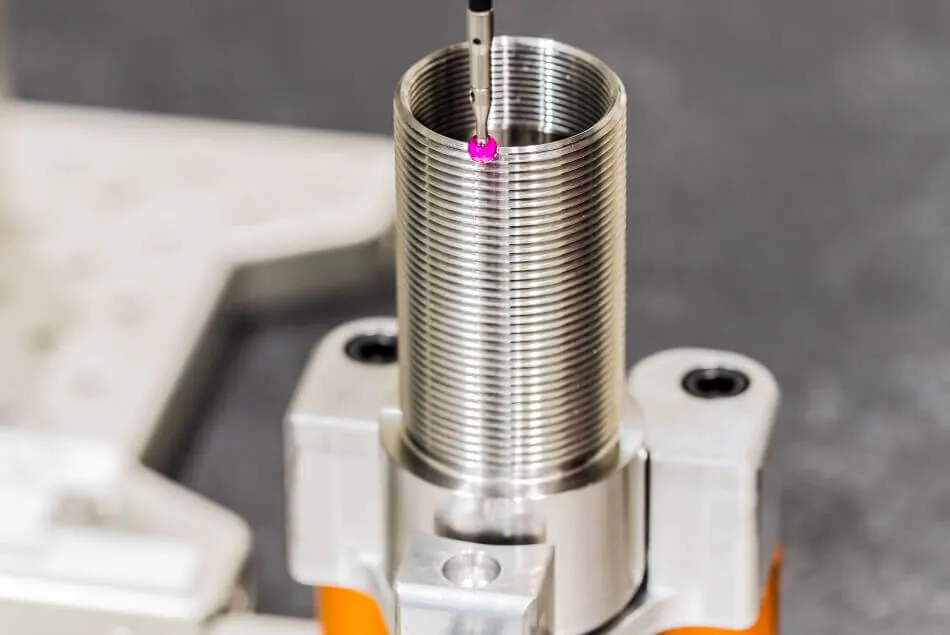
Every component undergoes 100% inspection using Coordinate Measuring Machines (CMM) with micron-level accuracy, alongside full material certification (ASTM, EN, ISO) for traceability. Our ISO 9001-certified quality management system ensures “Olympic Quality” standards, with a strict Zero Defects commitment across all production stages. Our dedicated technical support team is available 24/7 to address any requirements or challenges, ensuring seamless collaboration throughout your project lifecycle.
Precision Tolerances Framework
We maintain strict adherence to your specified tolerances, with capabilities ranging from standard CNC machining to ultra-precision requirements. The table below outlines our standard and precision tolerance levels for critical marine components:
| Feature Type | Standard Tolerance (±) | Precision Tolerance (±) | Typical Applications for Marine Parts |
|---|---|---|---|
| External Dimensions | 0.025 mm | 0.01 mm | Deck hardware housings, non-critical brackets |
| Internal Dimensions | 0.015 mm | 0.005 mm | Rudder bearing housings, pivot points |
| Flatness | 0.025 mm/100mm | 0.01 mm/100mm | Seating surfaces for gaskets, flanges |
| Surface Finish (Ra) | 1.6 μm | 0.8 μm | Propeller components, high-wear parts |
| Angular Tolerances | 0.5° | 0.1° | Steering mechanisms, adjustable fittings |
Note: Tighter tolerances (e.g., ±0.001 mm) are achievable for mission-critical applications upon engineering review. All specifications align with ISO 2768 and ASME Y14.5 standards.
Wuxi Lead Precision Machinery: Where engineering excellence meets marine reliability.
Material & Finish Options

Material Selection & Finishes for Marine Applications
Selecting the right materials and finishes for Sea Rayder boat parts demands precision engineering and deep marine-specific expertise. At Wuxi Lead Precision Machinery, we treat your project as a collaborative partnership—leveraging ISO 9001-certified processes, full material traceability, and zero-defect manufacturing to ensure every component meets the harshest marine demands. Below, we break down critical decision factors, performance trade-offs, and how our commitment to Olympic-grade precision elevates your vessel’s reliability.
Critical Material Selection Criteria for Marine Environments
Marine components face relentless challenges: saltwater corrosion, mechanical stress, thermal fluctuations, and UV exposure. Material choices must balance:
Corrosion Resistance: Critical for saltwater immersion (e.g., 316 stainless steel outperforms 304 in chloride-rich environments).
Strength-to-Weight Ratio: Vital for performance-critical parts (e.g., rudder mechanisms require high tensile strength without adding drag).
Machinability: Ensures tight tolerances (±0.001 mm) for steering systems and deck hardware.
Compliance: Adherence to ASTM, ISO, and marine industry standards (e.g., ABYC for recreational boats).
Our approach: We analyze your vessel’s operational profile—coastal, offshore, or racing—to recommend materials that optimize safety, longevity, and total lifecycle cost.
Material Comparison Table
| Material | Key Properties | Best For | Cost Impact | Performance Impact |
|---|---|---|---|---|
| 316 Stainless Steel | High chloride resistance, weldability, 520 MPa tensile strength | Rudder posts, fasteners, propeller shafts | High | Minimal maintenance; 20+ years in saltwater |
| 6061-T6 Aluminum | Lightweight (2.7 g/cm³), good corrosion resistance, E-modulus 69 GPa | Deck hardware, brackets, non-structural fittings | Moderate | 30% weight reduction vs. steel; requires anodizing for saltwater |
| 7075-T6 Aluminum | Highest strength aluminum alloy (570 MPa), lower corrosion resistance | High-load structural components (e.g., mast fittings) | Moderate-High | 40% stronger than 6061-T6; ideal for dynamic stress points |
| Titanium Grade 5 | Exceptional strength-to-weight (450 MPa), bio-inert, corrosion-proof | Propeller shafts, high-end fittings, subsea components | Very High | Zero maintenance for 30+ years; ideal for extreme environments |
| UHMW-PE | Low friction (0.1–0.2 COF), chemical inert, wear-resistant | Bushings, liner plates, deck wear pads | Low | Self-lubricating; non-corrosive but not structural |
💡 Procurement Tip: For high-volume deck hardware, 6061-T6 aluminum with Type III anodizing delivers the best balance of cost, weight, and durability. For critical steering components, 316 stainless steel is non-negotiable—our ISO 9001-certified material certificates guarantee traceability from raw stock to finished part.
Surface Finish Options for Marine Durability
Finishes aren’t cosmetic—they’re functional armor against corrosion and wear. We tailor finishes to your part’s role:
| Finish | Application | Benefits | Marine Suitability |
|---|---|---|---|
| Anodizing (Type III Hard Coat) | Aluminum rudders, cleats, railings | 25–50 μm thickness; 60+ HRC hardness; dye options | ⭐⭐⭐⭐⭐ (Best for immersion) |
| Electroless Nickel Plating | Complex geometries (e.g., steering linkages) | Uniform 25–75 μm coating; 500+ hrs salt spray resistance | ⭐⭐⭐⭐⭐ |
| Mirror Polishing | Visible hardware (e.g., handrails, trim) | Ra ≤0.05 μm; reduces salt buildup; aesthetic appeal | ⭐⭐⭐⭐ (Requires maintenance) |
| Passivation | Stainless steel fittings | Removes free iron; enhances Cr₂O₃ passive layer | ⭐⭐⭐⭐⭐ (Critical for 316 SS) |
| Powder Coating | Non-submerged interior components | Color variety; moderate UV resistance | ⭐⭐ (Not for saltwater exposure) |
🔧 Engineering Insight: For rudder mechanisms, we combine Type III anodizing with passivation for stainless steel pivots—ensuring 10x longer service life than standard finishes. All coatings undergo salt spray testing per ASTM B117 before shipment.
How Material Choice Impacts Cost and Performance
Material selection is a strategic decision—not just a cost calculation. Consider these real-world scenarios:
316 SS vs. 304 SS for Rudder Components:
Upfront Cost: 316 SS is 15–20% more expensive than 304 SS.
Lifecycle Cost: In saltwater, 304 SS develops pitting corrosion within 2–3 years, requiring replacement. 316 SS lasts 10+ years—reducing total cost of ownership by 40%.
7075-T6 Aluminum vs. 6061-T6 for Deck Hardware:
Upfront Cost: 7075-T6 machining costs 15% higher due to tool wear.
Performance Impact: 7075-T6 handles 40% higher loads without deformation—critical for safety-critical fittings.
Titanium for Propeller Shafts:
Upfront Cost: 3–5x more expensive than stainless steel.
Performance Impact: Zero corrosion, 30% weight reduction, and infinite fatigue life—justifying premium investment for high-performance vessels.
✅ Our Process: We provide a detailed lifecycle cost analysis for every project—ensuring you invest in materials that deliver unmatched reliability without overspending.
Our Commitment to Excellence: Zero Defects & Olympic-Grade Precision
At Wuxi Lead Precision Machinery, zero defects isn’t a marketing slogan—it’s our operational DNA. Every component undergoes:
100% Material Certification: Full traceability from raw stock (mill certificates per ASTM/ISO standards).
3D Laser Scanning: Tolerances as tight as ±0.001 mm for steering mechanisms and deck hardware—exceeding ISO 2768-mk standards.
Automated QC Checks: AI-powered vision systems inspect critical dimensions at 100% volume, with zero tolerance for deviations.
Olympic-Grade Reliability: Parts are validated through simulated marine stress tests (e.g., 500+ hours of salt fog exposure, dynamic load cycling).
🌊 24/7 Customer Service Guarantee: Our dedicated engineering team is available around the clock for urgent technical support, expedited prototyping, or real-time production updates. Whether you need a single prototype or 10,000 pieces, we ensure your project stays on schedule—without compromising quality.
Why Partner With Wuxi Lead Precision Machinery?
End-to-End Traceability: Every part is documented from material receipt to final inspection—critical for compliance and safety audits.
Flexible MOQs: Prototype batches (10–30 pieces) or high-volume production—same precision standards.
Marine-Specific Expertise: We’ve manufactured parts for 200+ commercial and recreational vessels, including Sea Rayder models.
Total Cost Ownership Focus: We optimize material/fabrication choices to maximize ROI—never sacrificing safety for cost savings.
“When you partner with us, you gain more than a supplier—you gain a precision engineering ally committed to your success. From material selection to final delivery, we ensure every part meets the highest standards of marine excellence.”
Ready to engineer the future of your vessel? Contact our marine engineering team for a free material optimization consultation.
Manufacturing Process & QC

From Prototype to Production: Precision Engineered for Maritime Excellence
At Wuxi Lead Precision Machinery, we transform maritime design concepts into mission-critical components through a rigorously controlled, four-phase process. Our commitment to Zero Defects and Olympic Quality standards ensures every part meets the exacting demands of marine environments, while our 24/7 customer service guarantees seamless collaboration from concept to delivery.
| Phase | Process Details | Quality Assurance | Delivery Excellence |
|---|---|---|---|
| Design Analysis | – CAD model validation with GD&T analysis – DFMA review for manufacturability – Material selection guidance (316L stainless steel, 6061-T6 aluminum) |
– ISO 9001-compliant design review – Material certification verification (ASTM/EN standards) – Tolerance stack-up analysis for critical marine components |
24-hour initial feedback with design optimization recommendations |
| Pricing & Quotation | – Transparent cost breakdown with value engineering options – Total landed cost analysis including logistics |
– Zero-defect cost modeling – Quality-cost balance validation – No hidden fees or surprises |
Quotation within 48 hours with guaranteed lead times |
| Rapid Prototyping | – CNC machining at ±0.005mm tolerance – Surface finish validation (Ra 0.8μm max) – Functional testing of rudder/tiller mechanisms |
– 100% dimensional inspection per ASME Y14.5 – Material traceability from raw stock to finished part – Defect-free prototype guarantee |
Prototypes delivered in 3-5 days with iterative support cycles |
| Mass Production | – Automated CNC lines with real-time SPC monitoring – Full material traceability across batches – Corrosion-resistant surface treatments (e.g., anodizing, passivation) |
– Statistical Process Control for ±0.01mm tolerance consistency – ISO 9001-certified quality audits – Zero-defect production commitment |
On-time delivery guarantee with 24/7 production monitoring and logistics coordination |
Why Partner with Wuxi Lead?
Zero Defects Commitment: Every component undergoes 100% inspection against ISO 9001 standards, with zero tolerance for defects in critical marine applications. Our closed-loop quality system ensures traceability from raw material to final assembly.
Olympic Quality: Precision engineering that meets the highest international standards for reliability and performance in harsh maritime environments. We exceed ISO 9001 requirements with aerospace-grade tolerancing and surface integrity protocols.
24/7 Customer Service: Your dedicated engineering team is available around the clock for urgent technical needs, production adjustments, or emergency logistics support—ensuring your project stays on track, no matter the challenge.
“From the initial design review to final delivery, we don’t just manufacture parts—we build partnerships that propel your marine projects forward with unwavering precision and reliability.”
— Wuxi Lead Precision Machinery
Why Choose Wuxi Lead Precision
Partner with Wuxi Lead Precision: Engineering Excellence for Marine Applications
Zero Defects Commitment: Precision Beyond Industry Standards
At Wuxi Lead Precision, our Zero Defects philosophy is embedded in every stage of production. Leveraging ISO 9001-certified processes and advanced in-process quality control systems, we guarantee that every component—whether stainless steel rudder mechanisms or aluminum deck hardware—meets the highest standards of reliability and performance. Our commitment isn’t just a promise; it’s validated through 100% dimensional inspection, material traceability, and statistical process control (SPC) for all marine applications. No compromises. No exceptions.
Olympic-Quality Precision: Meeting the Highest Marine Standards
Our “Olympic-Quality” standard ensures that every part exceeds industry benchmarks for marine environments. From corrosion-resistant 316L stainless steel components to lightweight 6061-T6 aluminum alloys, we meticulously select materials certified to ASTM, EN, and JIS standards. Each part undergoes rigorous testing for tensile strength, fatigue resistance, and salt spray performance (per ASTM B117), ensuring seamless integration into critical sea rayder boat systems.
24/7 Engineering Support & DFM Optimization
Our dedicated engineering team is available around the clock to optimize your designs for manufacturability. With complimentary DFM (Design for Manufacturability) analysis, we identify potential issues before production begins, reducing costs and lead times. Whether you’re developing new deck hardware or refining steering mechanisms, our proactive support ensures your project meets both technical and budgetary requirements.
Marine Component Specifications & Capabilities
| Component Type | Tolerance Range | Key Materials | Quality Assurance Process |
|---|---|---|---|
| Rudder & Tiller | ±0.005 mm | 316L SS, 6061-T6 Aluminum | 100% CMM Inspection, Material Certificates |
| Deck Hardware | ±0.01 mm | 17-4 PH Stainless, 5052 Aluminum | ISO 9001 Certified, Salt Spray Testing (ASTM B117) |
| Steering Linkages | ±0.002 mm | Duplex Stainless, Ti-6Al-4V | GD&T Analysis, Surface Finish Ra 0.4 μm |
| Propeller Shaft | ±0.003 mm | Inconel 625, 416 Stainless Steel | Ultrasonic Testing, Hardness Verification |
More than a supplier—your strategic manufacturing partner.
Ready to elevate your marine components with precision-engineered excellence? Contact us today for a free DFM analysis and quote:
📧 [email protected]
📞 +86-13961886740Wuxi Lead Precision Machinery: Where every part is built to last, with zero defects guaranteed.
⚙️ Precision Cost Estimator
Estimate how tolerance impact relative manufacturing effort.