Liquid Silicone Molding Manufacturer | Precision CNC Guide

Engineering Guide: Liquid Silicone Molding

liquid silicone molding manufacturing

Engineering Insight: Precision as the Foundation of Liquid Silicone Molding Excellence

Liquid silicone molding (LSM) represents a critical advanced manufacturing process for producing high-integrity, biocompatible, and thermally stable components across medical, aerospace, and consumer electronics sectors. Unlike thermoplastic injection molding, LSM demands exceptional precision in mold construction due to the unique rheology of liquid silicone rubber (LSR) and its sensitivity to minute variations in cavity geometry, thermal management, and venting. The inherent flow characteristics of uncured LSR mean that even sub-micron deviations in mold surfaces or parting lines directly translate to flash, incomplete fills, or compromised part functionality in the final product. Achieving zero-defect production, especially for micro-fluidic channels or sealing surfaces, is fundamentally impossible without micron-level control over the entire metal tooling system.

At Wuxi Lead Precision Machinery, we recognize that precision in LSM begins and ends with the metal mold. Our engineering approach integrates advanced CNC multi-axis milling, wire EDM, and micro-grinding technologies to fabricate molds from premium tool steels like H13 or S136, ensuring dimensional stability under high cavity pressures and repeated thermal cycling. Critical factors such as gate geometry consistency, runner balance, cooling channel placement accuracy, and surface finish uniformity are not secondary considerations—they are primary engineering constraints rigorously controlled from the initial CAD model through final inspection. The thermal expansion coefficients of the mold material must precisely counteract the LSR’s behavior during cure, preventing internal stresses that lead to part warpage or reduced fatigue life. This level of control requires deep metallurgical understanding and process validation beyond standard mold making.

Our commitment to absolute precision is validated through demanding real-world applications. Wuxi Lead has engineered and manufactured LSM tooling for components deployed in Beijing Winter Olympics infrastructure requiring flawless environmental sealing under extreme cold, and for mission-critical military communication systems where failure is not an option. These projects demanded tolerances and reliability exceeding standard industry benchmarks, proving our capability in the most stringent environments.

The table below outlines key precision parameters essential for high-performance LSM tooling, reflecting Wuxi Lead’s standard engineering specifications for critical applications:

Parameter Standard Specification High-Precision Specification (Olympic/Military Grade)
Linear Dimension Tolerance ±0.05 mm ±0.02 mm
Critical Feature Tolerance ±0.03 mm ±0.01 mm
Surface Roughness (Ra) 0.20 µm 0.05 µm (Mirror Polish)
Parting Line Match ≤ 0.03 mm ≤ 0.01 mm
Cavity Pressure Handling 100-120 MPa 120-150 MPa
Thermal Stability (ΔT) ±2.0°C ±0.5°C

Achieving repeatability in LSM hinges on the foundational accuracy of the metal mold. Wuxi Lead Precision Machinery leverages decades of specialized experience in custom metal manufacturing to transform complex LSR part designs into production reality. We understand that in applications where performance and safety are paramount, precision is not merely a specification—it is the absolute foundation of trust and functionality. Our engineering team partners with clients from feasibility analysis through DFM optimization to deliver molds that consistently produce flawless silicone components, meeting the uncompromising standards demanded by leading global industries.


Precision Specs & Tolerances

liquid silicone molding manufacturing

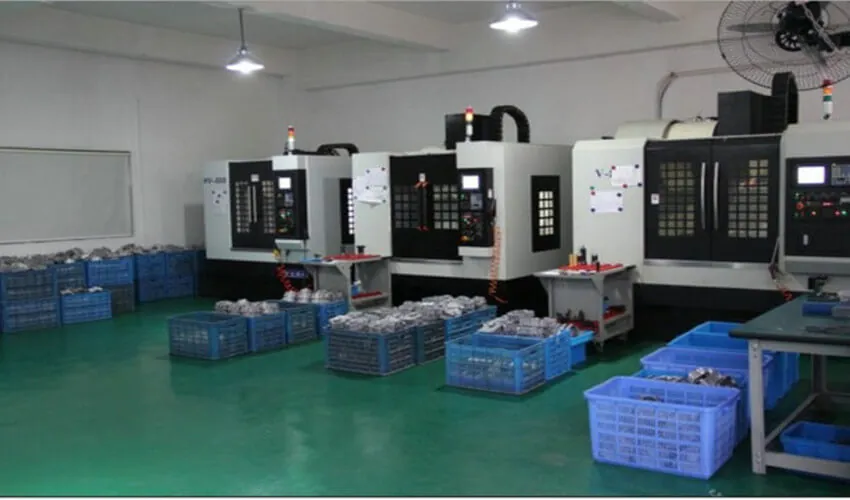
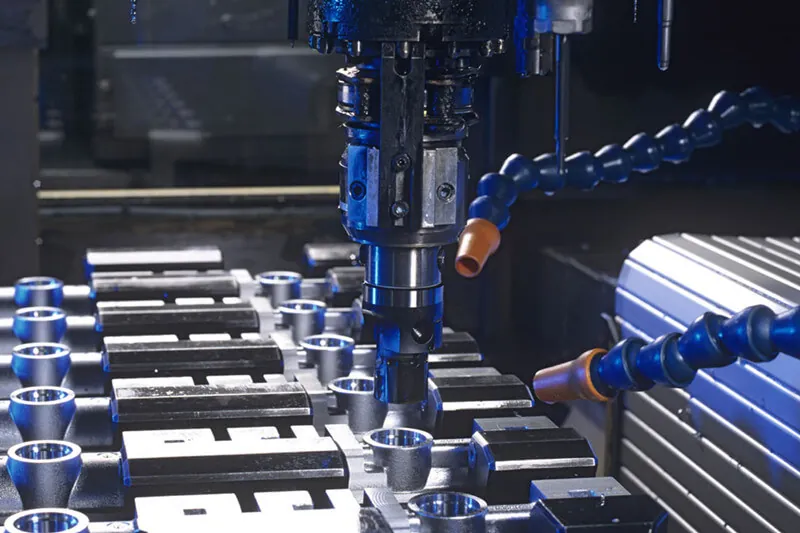
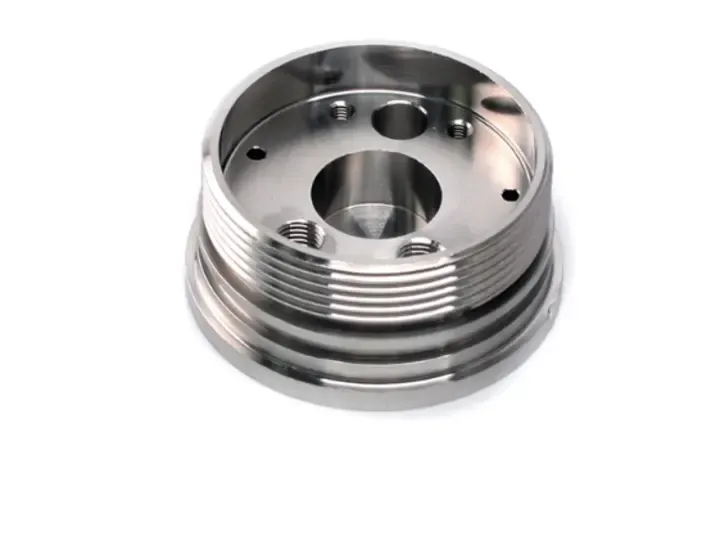
Wuxi Lead Precision Machinery delivers advanced technical capabilities in custom metal manufacturing, specifically engineered to support high-precision applications such as liquid silicone molding (LSM). Our expertise lies in producing complex, high-integrity tooling components that meet the rigorous demands of the medical, automotive, and consumer electronics industries. Central to our manufacturing excellence is the integration of 5-axis CNC machining technology, which enables us to achieve intricate geometries, superior surface finishes, and tight tolerances unattainable through conventional methods.

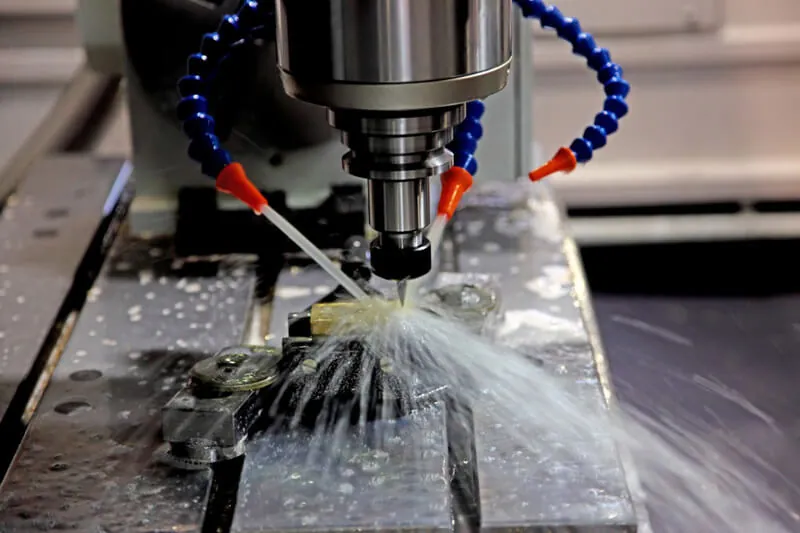
Our 5-axis CNC machining centers operate with simultaneous multi-axis motion, allowing for complete part access in a single setup. This capability reduces cumulative error, improves dimensional accuracy, and significantly enhances production efficiency. By eliminating the need for multiple fixturing stages, we ensure consistent part quality while reducing lead times. These systems are optimized for machining hardened steels, stainless alloys, and aluminum—materials commonly used in LSM molds where thermal stability, corrosion resistance, and prolonged service life are critical.

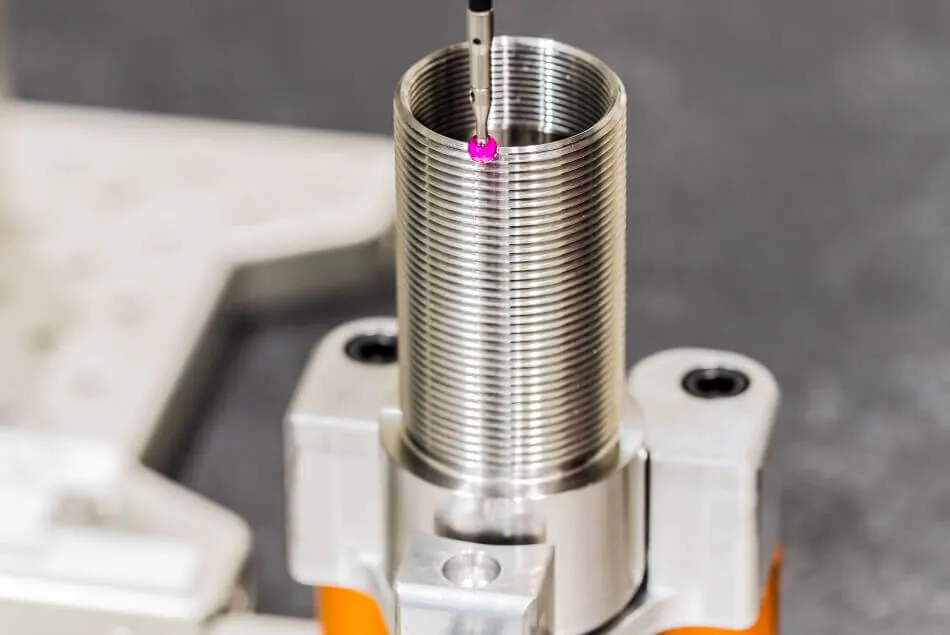
Quality assurance is embedded throughout our process, starting from raw material verification to final inspection. Every component undergoes comprehensive dimensional and geometric validation using a state-of-the-art Coordinate Measuring Machine (CMM). The CMM system provides traceable, high-resolution metrology data, ensuring compliance with international standards such as ISO 9001 and customer-specific requirements. Our inspection protocols include full-surface scanning, GD&T analysis, and first-article inspection reporting, offering full transparency and quality documentation.

We maintain strict environmental controls within our metrology lab to ensure measurement stability, with temperature regulation at 20±1°C and vibration-dampened platforms. All CMM operators are certified and trained in advanced measurement techniques, supporting our commitment to precision and repeatability. Data from inspections is integrated into our production feedback loop, enabling real-time process adjustments and continuous improvement.

The following table outlines the standard tolerances we consistently achieve across various machining and inspection parameters:

Parameter Standard Tolerance Capability Range
Linear Dimensions (mm) ±0.005 mm Up to ±0.002 mm
Positional Tolerance ±0.01 mm ±0.005 mm
Surface Roughness (Ra) 0.4 µm As low as 0.2 µm
Flatness 0.01 mm per 100 mm 0.005 mm per 100 mm
Circular Runout 0.01 mm 0.005 mm
Angular Tolerance ±0.05° ±0.02°
CMM Measurement Uncertainty ±0.0015 mm Calibrated to ISO 10360

These precision standards ensure that molds produced for liquid silicone molding exhibit optimal part replication, minimal flash, and extended tool life. At Wuxi Lead Precision Machinery, our technical capabilities are not only aligned with global manufacturing benchmarks but are continuously refined to meet the evolving needs of high-performance industrial applications.


Material & Finish Options

liquid silicone molding manufacturing

Material Selection for Liquid Silicone Rubber Molding Tooling

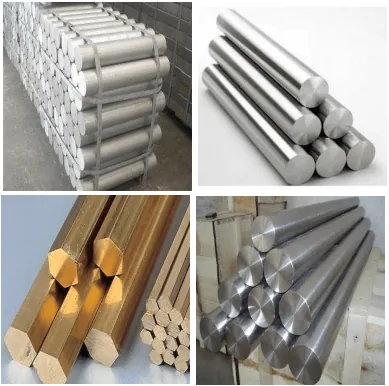
Selecting optimal materials for liquid silicone rubber (LSR) molding tooling directly impacts part quality, production efficiency, and mold longevity. At Wuxi Lead Precision Machinery, we prioritize materials that withstand LSR’s high processing temperatures (120–200°C), chemical exposure, and repetitive cycling while ensuring dimensional stability. Aluminum, steel, and titanium each serve distinct roles in high-precision applications, with surface finishes like anodizing further enhancing performance.

Aluminum alloys, particularly 6061-T6 and 7075-T6, excel in prototyping and low-to-medium volume production. Their high thermal conductivity (167 W/m·K) enables rapid heat dissipation, reducing cycle times by up to 30% compared to steel. This is critical for thermally sensitive LSR formulations. Aluminum’s machinability also accelerates lead times, though its lower hardness (95 HB) limits use in abrasive-filled silicones or high-cavity-count molds exceeding 100,000 shots. Anodizing is essential here, creating a hard, non-stick oxide layer that prevents silicone adhesion and eases part ejection.

Tool steels like H13 and S136 dominate high-volume LSR manufacturing. With hardness ratings of 48–52 HRC after heat treatment, they resist wear from glass-filled or pigmented silicones, sustaining precision beyond 500,000 cycles. H13 offers superior toughness for complex geometries, while S136’s corrosion resistance is ideal for medical-grade LSR requiring stringent hygiene. However, steel’s lower thermal conductivity (25–40 W/m·K) necessitates optimized cooling channels to maintain cycle efficiency. Polishing to SPI-A2 finish (0.05 µm Ra) is standard, but anodizing is ineffective; instead, PVD coatings like TiN may be applied for release properties.

Titanium alloys (e.g., Ti-6Al-4V) address extreme niche applications, such as aerospace or biomedical molds exposed to aggressive chemicals. Its biocompatibility and corrosion resistance outperform steel, yet low thermal conductivity (7 W/m·K) and high cost restrict use to specialized low-volume scenarios. Titanium requires diamond-coated tooling for machining and benefits from plasma electrolytic oxidation (PEO) for surface hardening, though anodizing remains impractical.

Anodizing: The Critical Finish for Aluminum Tooling
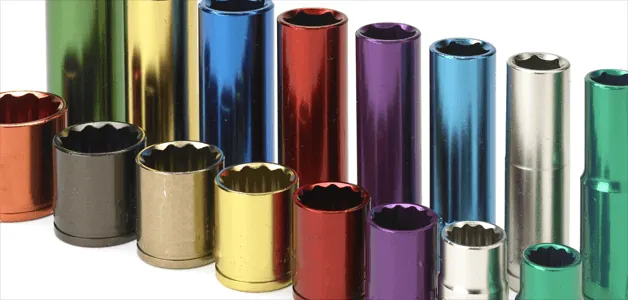
Anodizing transforms aluminum mold surfaces into durable, inert barriers. Type III (hard anodizing) at 25–50 µm thickness provides 500–700 HV hardness, eliminating silicone sticking without toxic release agents. This extends mold life by 40% in aggressive LSR cycles and ensures FDA-compliant part surfaces. Crucially, anodizing must penetrate all mold features—including micro-vents and ejector pins—to prevent localized adhesion failures.

Below is a comparative overview of core material properties for LSR tooling:

Material Hardness Range Thermal Conductivity (W/m·K) Typical Use Case Key Advantage
Aluminum 6061 95 HB 167 Prototyping, <100k shots Fast cycling, cost-effective
H13 Tool Steel 48–52 HRC 28–32 High-volume production Wear resistance, toughness
S136 Stainless 50–52 HRC 25–30 Medical/optical LSR Corrosion resistance, polishability
Ti-6Al-4V 36 HRC 7 Specialized chemical exposure Biocompatibility, non-magnetic

Material choice must align with your LSR formulation, volume, and part tolerances. Wuxi Lead Precision Machinery engineers collaborate to specify the optimal alloy-finish combination, ensuring your tooling delivers micron-level repeatability from first shot to end-of-life. Contact us for application-specific validation testing.


Manufacturing Process & QC

liquid silicone molding manufacturing

Liquid Silicone Molding: From Design to Zero-Defect Mass Production

At Wuxi Lead Precision Machinery, liquid silicone molding is executed as a precision-driven, end-to-end manufacturing process tailored for high-performance applications in medical, automotive, and consumer electronics industries. Our methodology ensures zero-defect output by integrating rigorous design validation, advanced prototyping, and tightly controlled mass production cycles. Each phase is engineered to meet the highest standards of dimensional accuracy, material integrity, and functional reliability.

The process begins with design engineering, where our team collaborates closely with clients to analyze part geometry, material selection, and mold flow dynamics. Using 3D CAD software and finite element analysis (FEA), we simulate silicone behavior under injection conditions to predict shrinkage, warpage, and stress points. This virtual validation phase ensures mold designs are optimized before any metal is cut, minimizing downstream revisions and ensuring first-time-right performance.

Next, prototyping is conducted using high-precision CNC-machined molds made from hardened tool steel or aluminum, depending on lead time and volume requirements. Prototypes are produced on the same hydraulic or electric servo-driven liquid silicone injection machines used in full production, ensuring process consistency. Each prototype undergoes comprehensive inspection for dimensional conformance (via CMM), durometer, tensile strength, and compression set. Feedback from this stage is used to fine-tune gate location, venting, and curing parameters, guaranteeing that the final mold design meets all functional and regulatory requirements.

Once approved, the project transitions into mass production, where our automated molding cells operate under strict process control. All machines are equipped with real-time monitoring systems that track injection pressure, temperature profiles, and cure time. Each batch is subject to in-process quality checks, including 100% visual inspection and statistical sampling per AQL Level II. Cleanroom environments (Class 10,000 or better) are maintained for medical-grade components to prevent contamination.

Our zero-defect philosophy is enforced through a closed-loop quality management system that includes traceability of raw materials, mold maintenance logs, and automated defect detection. Any deviation triggers immediate process correction, ensuring consistent output across production runs.

The following table outlines key specifications and capabilities of our liquid silicone molding process:

Parameter Specification
Material Types Platinum-cured LSIV (20–80 Shore A)
Shot Weight Range 1 g – 500 g
Clamping Force 50–1,200 tons
Mold Tolerances ±0.02 mm (standard), ±0.01 mm (tight tolerance)
Production Capacity Up to 500,000 units/month
Cycle Time 30–120 seconds (part-dependent)
Post-Curing Available (2–4 hours at 150–200°C)
Quality Standards ISO 13485, ISO 9001, FDA 21 CFR Part 177
Secondary Operations Deflashing, assembly, packaging, labeling

By aligning design intelligence with precision manufacturing and unwavering quality control, Wuxi Lead delivers liquid silicone components that perform reliably in the most demanding environments.


Why Choose Wuxi Lead Precision

Engineer Precision Liquid Silicone Molding Solutions with Lead Precision

At Wuxi Lead Precision Machinery, we transform complex liquid silicone rubber (LSR) manufacturing challenges into engineered realities. With over 15 years of specialization in custom metal fabrication for high-integrity molding applications, we deliver the foundational tooling and process stability your critical components demand. Our CNC-machined molds—forged from aerospace-grade steels and hardened alloys—ensure micron-level repeatability across millions of cycles, eliminating flash, knit lines, and material degradation common in substandard tooling. This precision stems from our integrated approach: in-house metallurgy labs, 5-axis CNC centers with ±0.001mm tolerance, and real-time cavity pressure monitoring systems. We do not merely supply molds; we co-engineer your production ecosystem, from material flow simulation to thermal management optimization, guaranteeing first-pass yield for medical implants, automotive seals, and IoT sensor housings.

Partnering with Lead Precision means accessing industrial-scale capabilities without compromise. Our dedicated LSR production cells operate under ISO 13485 and IATF 16949 protocols, featuring closed-loop temperature control and nitrogen-purged environments to prevent vulcanization defects. Below are core specifications defining our molding infrastructure:

Parameter Specification Industrial Advantage
Press Capacity 50T – 1,250T Full range for micro-components to large seals
Temperature Control ±0.5°C accuracy Eliminates cure inconsistencies
Cavity Count 1 – 96 cavities Scalable from prototyping to mass production
Material Compatibility All medical/industrial LSR grades USP Class VI, FDA 21 CFR 177.2600 compliant
Lead Time (Mold) 25 – 45 days Accelerated deployment with digital twin validation

This technical rigor translates to tangible value: reduced scrap rates by 37% for cardiac catheter hubs, 99.98% dimensional consistency in EV battery gaskets, and 50% faster cycle times for wearable medical patches. Our engineers collaborate at the specification stage—not after tooling completion—to preempt design-for-manufacturing risks. We analyze gate placement, runner geometry, and ejection dynamics using Moldflow simulations, ensuring your LSR part performs exactly as intended in its end application.

The cost of mold failure in regulated industries extends far beyond rework—it risks regulatory delays, brand erosion, and patient safety. Lead Precision mitigates this through proactive engineering partnership. We invest in understanding your material science constraints, assembly requirements, and sterilization protocols to deliver molds that perform flawlessly from Day 1. Our clients include Tier-1 automotive suppliers, Class III medical device manufacturers, and industrial IoT innovators who demand zero-defect output.

Initiate your precision LSR project with engineering certainty. Contact our technical sales team at [email protected] to submit your CAD files and material specifications. We will provide a comprehensive feasibility assessment within 72 hours, including mold flow analysis, DFM report, and validated timeline. For urgent requirements, reference project code LSR-2024 in your inquiry to prioritize engineering resource allocation. Trust Wuxi Lead Precision Machinery—where metal integrity meets polymer perfection. Your next breakthrough in liquid silicone molding starts with an email.


⚙️ Precision Cost Estimator

Estimate relative manufacturing effort based on tolerance.

Liquid Silicone Molding Manufacturer | Precision CNC Guide

Contents of Table

Contact [email protected] Whatsapp 86 15951276160