Rubber Molding Kit Manufacturer | Precision CNC Guide

Engineering Guide: Rubber Molding Kit

rubber molding kit manufacturing

Engineering Insight: The Critical Role of Precision in Rubber Molding Kits

In high-performance industrial applications, the reliability and consistency of rubber molding kits directly influence the quality of the final product. Whether used in aerospace, defense, or advanced automotive systems, these kits must meet exacting standards to ensure proper sealing, durability, and resistance to extreme conditions. At Wuxi Lead Precision Machinery, we understand that precision is not merely a manufacturing goal—it is a foundational requirement.

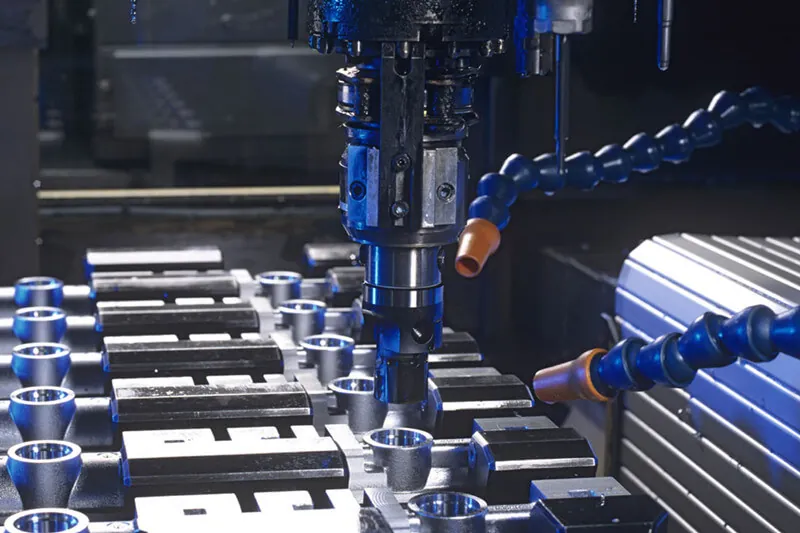
Rubber molding kits are complex assemblies that integrate multiple metal components such as mold plates, cavities, cores, and ejector systems. Each part must be machined to micron-level tolerances to ensure perfect alignment and sealing during the molding process. Even minor deviations can lead to flash formation, material degradation, or premature tool failure—issues that compromise both productivity and part integrity. Our engineering team employs advanced CNC machining centers, coordinate measuring machines (CMM), and 3D inspection technologies to validate every dimension and surface finish, ensuring conformity to ISO and customer-specific standards.

With over 15 years of experience in custom metal manufacturing, Wuxi Lead Precision Machinery has delivered mission-critical components for projects demanding the highest levels of performance. Our portfolio includes precision-machined tooling systems used in Olympic-grade sporting equipment and specialized molding solutions for military-grade rubber components. These applications require materials that withstand extreme temperatures, pressure fluctuations, and prolonged operational cycles—challenges we meet through rigorous design validation and metallurgical expertise.

We utilize high-grade tool steels such as H13, P20, and S136, selected for their thermal stability, wear resistance, and polishability. Surface treatments including nitriding and chrome plating are applied where enhanced corrosion resistance or reduced friction is required. Our in-house heat treatment capabilities ensure uniform hardness and structural integrity across every component, minimizing distortion and maximizing service life.

Our commitment to precision extends beyond machining. We engage in collaborative engineering with clients from the design phase, offering mold flow analysis, tolerance stack-up evaluation, and manufacturability feedback to optimize performance and reduce time-to-market. This proactive approach has made us a trusted partner for global OEMs and Tier-1 suppliers who demand zero-defect tooling.

Below are representative specifications for our custom rubber molding kits, reflecting the precision and quality standards we uphold:

Specification Detail
Material Options H13, P20, 718H, S136, 420 Stainless Steel
Tolerance Range ±0.005 mm to ±0.02 mm (depending on part size)
Surface Finish Ra 0.1 µm to Ra 0.8 µm (polished or textured as required)
Maximum Part Size 800 mm × 600 mm × 500 mm
Heat Treatment Vacuum hardening, nitriding, or through-hardening
Quality Standards ISO 9001:2015, full CMM inspection report provided
Lead Time 4–8 weeks (based on complexity and finishing requirements)

Precision in rubber molding kits is not an incremental advantage—it is the cornerstone of performance, longevity, and operational safety. At Wuxi Lead Precision Machinery, we combine advanced manufacturing capabilities with deep engineering insight to deliver solutions that meet the most demanding industrial requirements.


Precision Specs & Tolerances

rubber molding kit manufacturing

Technical Capabilities for Precision Rubber Molding Kits

Wuxi Lead Precision Machinery delivers uncompromising precision in custom metal manufacturing for rubber molding applications. Our integrated technical infrastructure centers on advanced 5-axis CNC machining systems, enabling the production of complex mold bases, cavities, cores, and ancillary components with micron-level accuracy. This capability is critical for rubber molding kits, where geometric complexity, tight sealing surfaces, and thermal management features directly impact part quality, cycle time, and tool longevity. We specialize in machining high-performance tool steels (including H13, S7, and P20), hardened alloys, and corrosion-resistant materials to meet the demanding thermal cycling and wear resistance requirements of rubber compression, transfer, and injection molding processes.

Our 5-axis CNC platforms eliminate manual repositioning errors and reduce lead times by up to 40% compared to conventional 3-axis methods. Simultaneous multi-axis motion allows for intricate venting channels, undercuts, and conformal cooling passages to be machined in a single setup. This ensures perfect alignment between cavity and core components—essential for preventing flash and maintaining dimensional consistency across millions of rubber cycles. All programming leverages Siemens NX CAM software, with toolpath simulations rigorously validated to prevent collisions and optimize surface finishes down to Ra 0.4 µm. Material utilization is maximized through intelligent nesting and high-speed machining strategies, minimizing waste without sacrificing structural integrity.

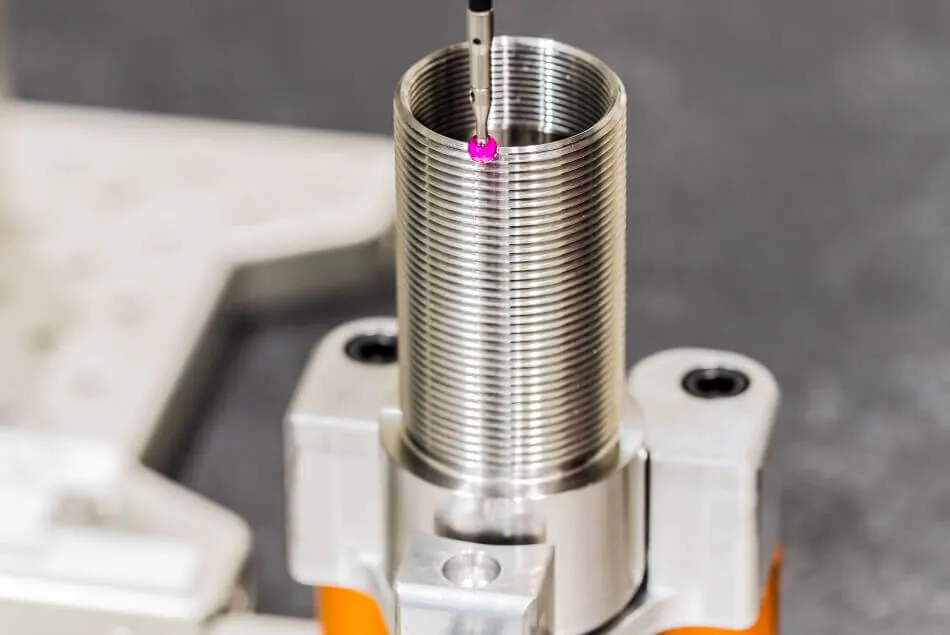
Quality assurance is non-negotiable. Every component undergoes 100% dimensional verification using Zeiss CONTURA G3 coordinate measuring machines (CMM), certified to ISO 10360-2 standards. Our inspection protocol includes full geometric dimensioning and tolerancing (GD&T) analysis, surface roughness mapping, and critical feature validation against CAD models. Data from CMM reports is traceable to each serial-numbered component, providing clients with auditable quality documentation for ISO/TS 16949 or aerospace compliance. This closed-loop process ensures that rubber molding kits consistently achieve the tight tolerances required for zero-defect rubber part production.

The following table details our standard and precision tolerance capabilities for rubber molding kit components:

Feature Type Standard Tolerance Precision Option Application Note
Critical Cavity/Core ±0.010 mm ±0.005 mm Sealing surfaces, parting lines
General Mold Features ±0.020 mm ±0.010 mm Non-sealing contours, ejector pockets
Hole Positioning ±0.015 mm ±0.008 mm Pin bores, cooling channels
Flatness/Parallelism 0.015 mm 0.005 mm Base plates, cavity mounting surfaces
Surface Roughness (Ra) 1.6 µm 0.4 µm Functional surfaces per molding process

This technical foundation—combining 5-axis CNC mastery, material science expertise, and metrology-grade validation—translates into rubber molding kits that deliver extended service life, reduced scrap rates, and superior repeatability. Clients benefit from minimized downtime during mold trials and accelerated time-to-market for their rubber components. At Wuxi Lead, we engineer not just metal, but the reliability that defines high-volume rubber manufacturing success.


Material & Finish Options

rubber molding kit manufacturing

Material Selection for High-Performance Rubber Molding Kits

When engineering precision rubber molding kits for industrial applications, the choice of base material and surface finish plays a decisive role in performance, durability, and cost-efficiency. At Wuxi Lead Precision Machinery, we specialize in custom metal manufacturing solutions tailored to the demanding requirements of rubber molding processes. Our expertise ensures optimal material pairing based on thermal conductivity, mechanical strength, corrosion resistance, and tool life.

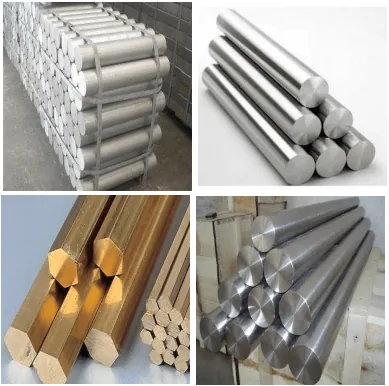
Aluminum is often the preferred choice for low- to medium-volume production runs due to its excellent thermal conductivity and lightweight nature. It allows for faster cycle times by efficiently transferring heat during the curing process. Additionally, aluminum is easier to machine, reducing lead times and tooling costs. However, its lower hardness makes it more susceptible to wear under high-pressure or abrasive molding conditions.

Steel, particularly tool steel variants such as H13 or P20, offers superior hardness and wear resistance, making it ideal for high-volume production environments. Steel molds maintain dimensional stability over extended use and resist deformation under high clamping forces and thermal cycling. While steel has lower thermal conductivity than aluminum, proper cooling channel design can mitigate this limitation. Steel is also more challenging to machine, requiring advanced CNC techniques and post-processing treatments.

Titanium is used selectively in specialized applications where extreme corrosion resistance and high strength-to-density ratios are critical. Though not common in standard rubber molding kits due to high material and machining costs, titanium excels in aggressive chemical environments or aerospace-grade sealing applications. Its biocompatibility and non-magnetic properties further expand its utility in medical and electronic industries.

Surface finishing significantly enhances mold performance and service life. Anodizing, particularly hard anodizing, is a widely adopted treatment for aluminum molds. This electrochemical process creates a durable, wear-resistant oxide layer that improves surface hardness and reduces friction. It also enhances corrosion resistance, which is vital when processing rubber compounds containing sulfur or other reactive agents. For steel molds, nitriding or chrome plating is often preferred, though anodizing is not applicable due to steel’s composition.

The following table summarizes key mechanical and thermal properties of the primary materials used in rubber molding kit fabrication:

Material Tensile Strength (MPa) Thermal Conductivity (W/m·K) Hardness (HRC) Corrosion Resistance Typical Application
Aluminum 6061 310 167 15–20 (HB) Moderate Low-volume, rapid prototyping
H13 Steel 1,500 35 48–52 Low (improved with coating) High-volume production
Titanium Grade 5 900 7.2 36–40 Excellent Specialty, corrosive environments

Selecting the right material and finish requires a holistic understanding of the molding process, production volume, rubber compound, and environmental exposure. At Wuxi Lead Precision Machinery, we collaborate closely with clients to engineer rubber molding kits that balance performance, longevity, and cost.


Manufacturing Process & QC

rubber molding kit manufacturing

Rubber Molding Kit Production Process: Precision Engineered for Zero Defects

At Wuxi Lead Precision Machinery, our custom metal rubber molding kits undergo a rigorously controlled production sequence designed to eliminate defects before they reach the client. This integrated approach ensures every component meets the exacting demands of high-performance sealing applications in aerospace, automotive, and medical industries. The foundation lies in meticulous design engineering. Our team utilizes advanced CAD/CAM software coupled with finite element analysis (FEA) to simulate material flow, thermal dynamics, and stress points under operational conditions. This virtual prototyping phase identifies potential weaknesses in cavity geometry, gating systems, and cooling channel layouts. Critical decisions regarding tool steel selection (typically H13 or S7 for optimal thermal fatigue resistance), surface hardening treatments, and precise dimensional tolerancing occur here. Client specifications and material compatibility data drive every parameter, ensuring the design inherently supports defect-free molding from the outset.

Prototyping transitions virtual models into physical validation. We employ high-speed CNC milling and precision wire EDM to fabricate bridge tooling or initial production cavities using the final tool steel grade. This phase is not merely a shape check; it is a comprehensive process window study. Multiple molding trials under controlled pressure, temperature, and cycle time variations are conducted using the client’s specified rubber compound. Each prototype part undergoes rigorous metrology, including CMM scanning against the native CAD model and material property verification. Dimensional deviations, flash formation, and surface imperfections are meticulously documented and fed back into the design and process parameters. Only when the prototype consistently achieves all critical-to-quality (CTQ) characteristics within specification is the process locked for mass production.

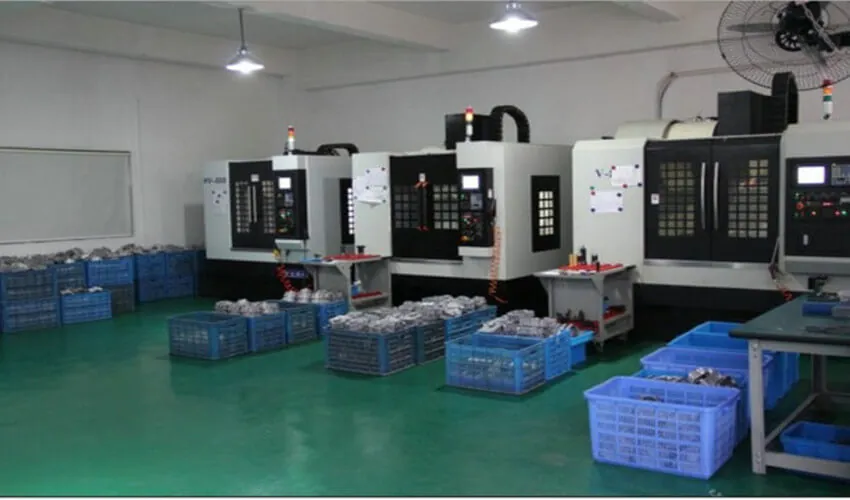
Mass production leverages the validated parameters within a closed-loop quality system. Our automated CNC machining cells, equipped with in-process probing and thermal compensation, manufacture each mold component to micron-level tolerances. Real-time statistical process control (SPC) monitors key machining variables. Every finished molding kit undergoes 100% dimensional inspection via calibrated CMMs and surface roughness testers. Final assembly occurs in a controlled environment, with torque specifications and alignment verified using laser alignment tools. Comprehensive documentation, including material certs, heat treatment records, and full inspection reports, provides complete traceability. This systematic elimination of variation at every stage guarantees the Zero Defects outcome essential for our clients’ critical applications.

The following table details key manufacturing specifications consistently achieved across our rubber molding kit production:

Parameter Specification Measurement Method Compliance Standard
Dimensional Tolerance ±0.02 mm CMM (Zeiss CONTURA) ISO 2768-mK
Surface Roughness (Cavity) Ra ≤ 0.8 μm Portable Profilometer ISO 1302
Hardness (Core) 48-52 HRC Rockwell Hardness Tester ASTM E18
Flatness (Parting Line) ≤ 0.01 mm Optical Flat + Interferometer Client Specific
Material Certification Full Mill Test Reports Spectrographic Analysis ASTM A681
Process Capability (CpK) ≥ 1.67 SPC Data Analysis AIAG PPAP Level 4

Why Choose Wuxi Lead Precision

Partner with Lead Precision for Precision Rubber Molding Kits Engineered to Perform

At Wuxi Lead Precision Machinery, we don’t just manufacture rubber molding kits—we engineer performance. As a trusted leader in custom metal manufacturing based in Wuxi, China, we specialize in delivering high-precision, application-specific solutions that meet the exacting demands of global industries. From automotive and aerospace to medical devices and industrial automation, our rubber molding kits are built to ensure repeatability, durability, and flawless output in even the most challenging production environments.

Our engineering team combines decades of experience with advanced CNC machining, precision tooling, and rigorous quality control to deliver rubber molding solutions that exceed expectations. Whether you require compression, transfer, or injection molding tooling, we design each kit to match your material specifications, part geometry, and production volume. Our kits are machined from high-grade tool steels and alloys, heat-treated for longevity, and finished to micron-level tolerances to ensure consistent part quality and extended mold life.

We understand that in high-end manufacturing, downtime is not an option. That’s why every rubber molding kit we produce undergoes comprehensive inspection and pre-assembly validation. Our process-driven approach includes 3D modeling, mold flow analysis, and first-article inspection reports, ensuring seamless integration into your existing production lines. By partnering with us, you gain more than a supplier—you gain a precision engineering partner committed to your operational success.

Below are key technical specifications that define the performance and reliability of our rubber molding kits:

Specification Detail
Material Options H13, P20, 420SS, S136, and customer-specified tool steels
Tolerance ±0.005 mm (standard), tighter upon request
Surface Finish Ra 0.1–0.8 µm, polished or textured as required
Molding Type Support Compression, Transfer, Injection
Cavity Configuration Single or multi-cavity, customizable layout
Cooling System Integrated conformal cooling channels (optional)
Lead Time 4–8 weeks, depending on complexity
Quality Standards ISO 9001:2015 compliant, full inspection reporting
Customization Level Full design-to-manufacture support, including CAD/CAM integration

When you choose Wuxi Lead Precision Machinery, you choose precision, reliability, and a commitment to excellence. Our global clients rely on us not only for superior product quality but also for responsive engineering support and on-time delivery—critical factors in maintaining competitive advantage.

Take the next step toward optimized production performance. Contact us today at [email protected] to discuss your rubber molding kit requirements with our engineering team. Let us help you transform your manufacturing challenges into precision solutions.


⚙️ Precision Cost Estimator

Estimate relative manufacturing effort based on tolerance.

Rubber Molding Kit Manufacturer | Precision CNC Guide

Contents of Table

Contact [email protected] Whatsapp 86 15951276160