Technical Contents
Engineering Guide: Sheetmetal Parts

Engineering Insight Precision Imperatives in Sheet Metal Fabrication
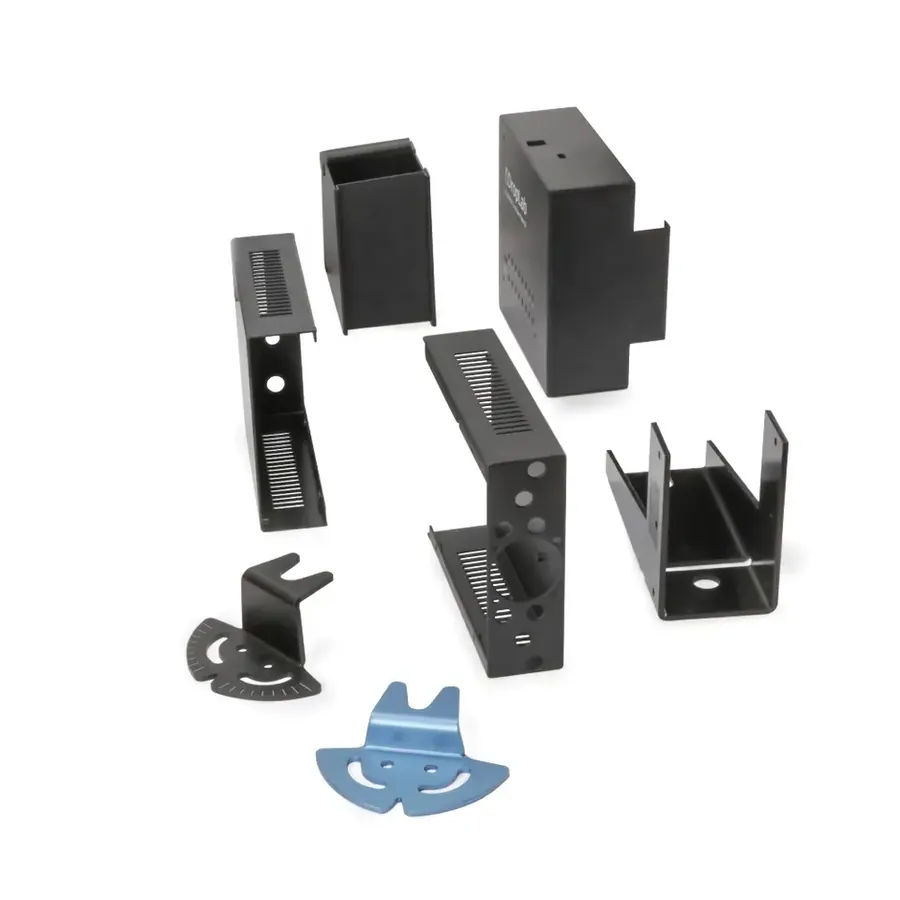
Precision in sheet metal fabrication transcends mere dimensional accuracy; it is the foundational element ensuring functional integrity, assembly efficiency, and long-term reliability within complex mechanical systems. In high-stakes applications ranging from aerospace enclosures to medical device housings, cumulative tolerance stack-up from poorly controlled forming, cutting, or bending processes leads directly to costly assembly delays, field failures, and compromised performance. Modern engineering demands tolerances held consistently within ±0.05mm for critical features, requiring not just advanced machinery but a holistic manufacturing philosophy where process control and metrology are integrated at every stage. This level of precision minimizes secondary operations, reduces material waste, and ultimately delivers components that perform predictably under operational stress.
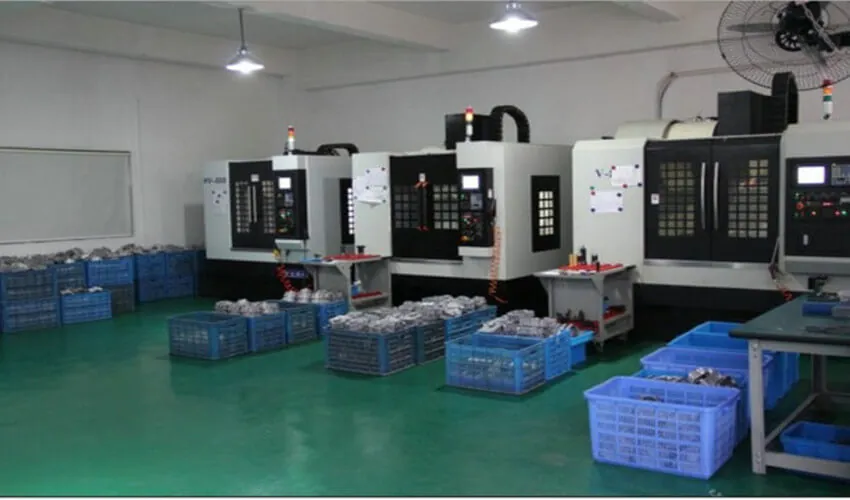
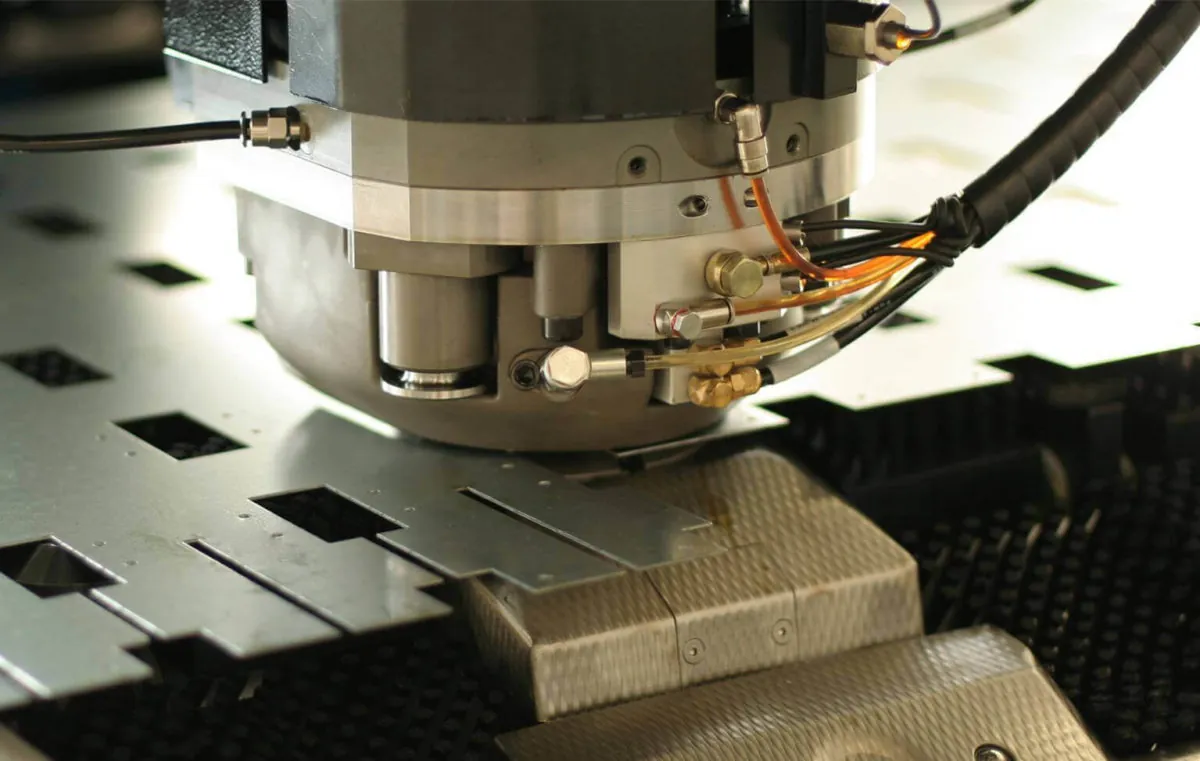
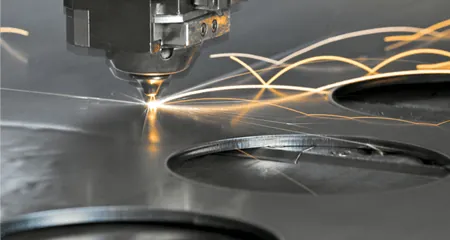
At Wuxi Lead Precision Machinery, we engineer this precision into every sheet metal component through rigorously validated processes. Our facility employs state-of-the-art CNC turret punching, high-power fiber laser cutting, and servo-electric press brakes, all operating within climate-controlled environments to eliminate thermal drift. Crucially, precision is verified through a multi-point inspection protocol utilizing calibrated CMMs, vision systems, and in-process gauging, ensuring conformance before parts progress. This systematic approach is non-negotiable for clients where failure is not an option.
Our capability to deliver this standard is proven through demanding real-world validation. Wuxi Lead supplied mission-critical structural and enclosure components for Beijing Olympic infrastructure projects, where dimensional stability under extreme environmental loads was paramount. Furthermore, we maintain active certification and production for Tier-1 military subcontractors, fabricating precision sheet metal assemblies for naval and ground vehicle systems subject to stringent MIL-STD environmental and durability testing. These engagements are not merely contracts; they are continuous validations of our engineering discipline and process maturity under the most exacting scrutiny.
The table below summarizes our core sheet metal fabrication capabilities, reflecting the precision benchmarks expected by leading global engineering teams:
| Specification Category | Capability Range | Industry Standard Benchmark |
|---|---|---|
| Material Thickness Range | 0.5 mm – 6.0 mm | 0.8 mm – 3.0 mm typical |
| Linear Cutting Tolerance | ±0.05 mm | ±0.1 mm |
| Hole Positional Tolerance | ±0.03 mm | ±0.08 mm |
| Bend Angle Tolerance | ±0.5° | ±1.0° |
| Minimum Feature Size | 1.0 x Material Thickness | 1.5 x Material Thickness |
| Primary Materials | SS304/316, AL5052/6061, SPCC, SGCC | SS304, AL5052, SPCC |
Achieving such precision consistently requires moving beyond equipment specification sheets to embed quality within the manufacturing DNA. For global OEMs and systems integrators, partnering with a supplier possessing demonstrable experience in Olympic-scale infrastructure and military-grade fabrication provides tangible assurance that your sheet metal components will integrate seamlessly and perform reliably. Precision is not incidental; it is the measurable outcome of disciplined engineering execution.
Precision Specs & Tolerances

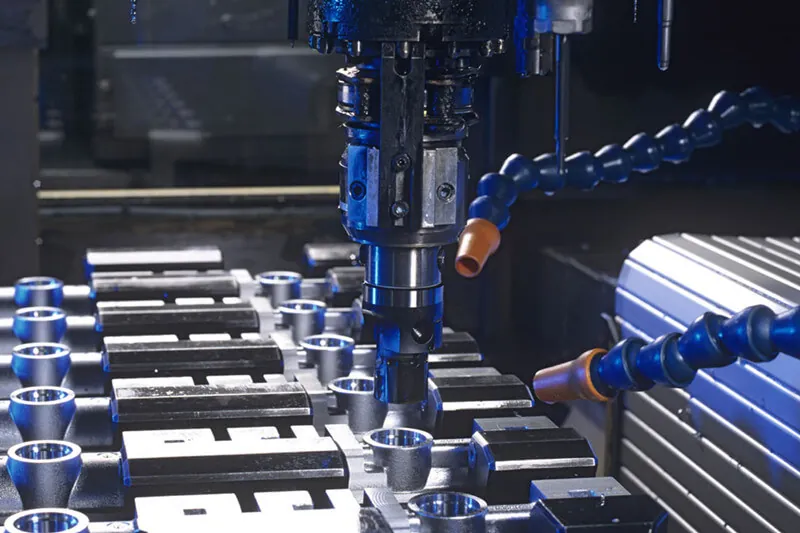
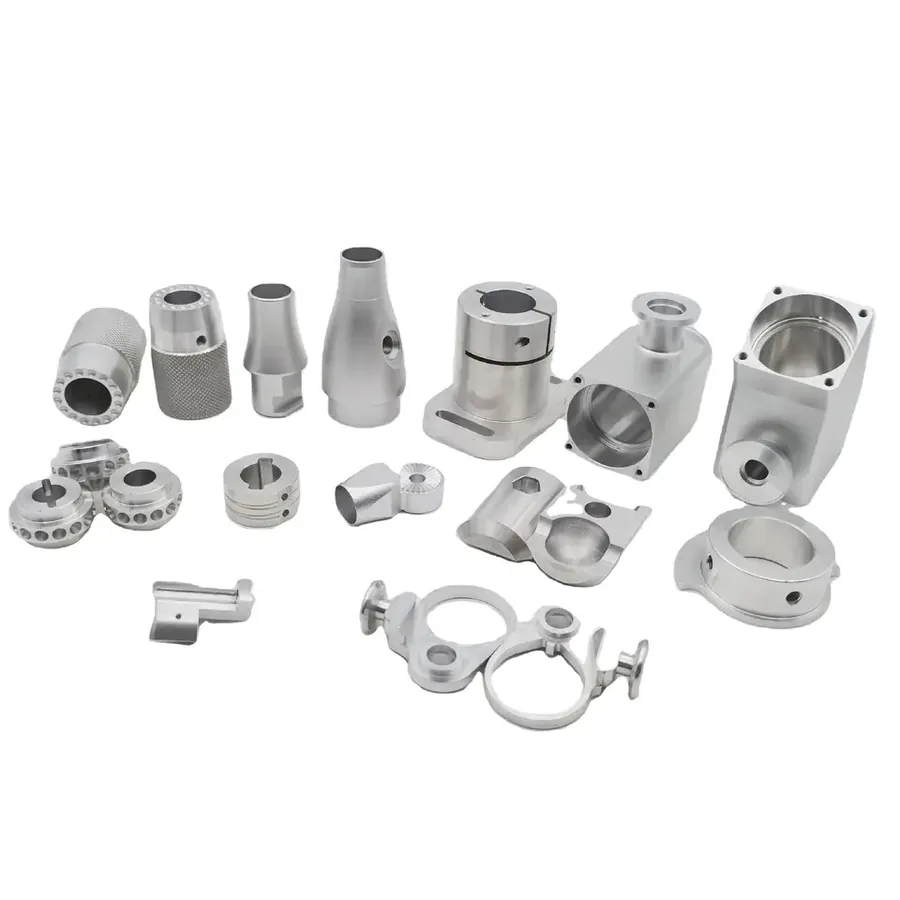
Wuxi Lead Precision Machinery delivers advanced manufacturing solutions for high-precision sheet metal components, serving industries where reliability, repeatability, and dimensional accuracy are critical. Our technical capabilities are anchored in state-of-the-art 5-axis CNC machining systems, which enable complex geometries and tight tolerance features that conventional sheet metal processing cannot achieve. These multi-axis platforms provide simultaneous movement across five planes, allowing for intricate contours, compound angles, and fully finished parts in a single setup. This reduces human error, improves surface integrity, and ensures consistency across production runs—whether prototypes or high-volume batches.
Our 5-axis CNC centers are integrated with automated tool changers, high-speed spindles, and real-time monitoring systems to maintain peak performance. These machines are optimized for a wide range of sheet metal materials, including stainless steel, aluminum alloys, titanium, and specialty alloys used in aerospace, medical, and industrial automation sectors. Advanced fixturing techniques and adaptive cutting strategies ensure minimal material deformation and optimal tool life, preserving the structural integrity of thin-gauge and complex sheet forms.
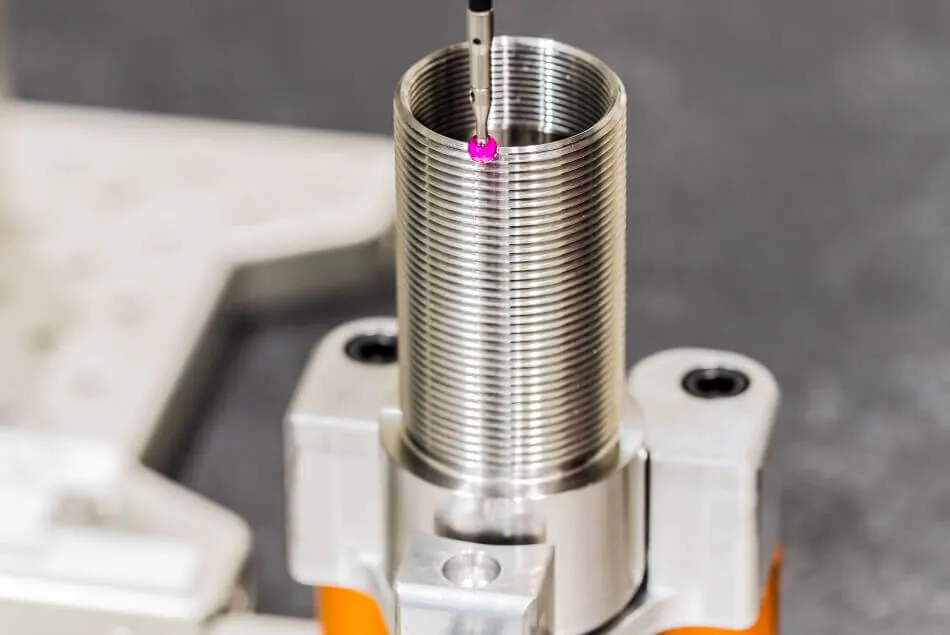
Quality control is embedded at every stage of production. All critical sheet metal components undergo comprehensive inspection using Coordinate Measuring Machine (CMM) technology. Our CMM systems utilize tactile probing and non-contact scanning methods to verify geometric dimensions, positional accuracy, flatness, and profile tolerances. Data from each inspection is documented and traceable, supporting full compliance with ISO 9001 standards and customer-specific quality requirements. This metrology-backed validation ensures that every component meets the exact specifications defined in engineering drawings and 3D CAD models.
We maintain strict environmental controls in our inspection lab to eliminate thermal drift and other external variables that could affect measurement accuracy. In addition to CMM, we employ optical comparators, surface roughness testers, and laser scanning for secondary validation on high-complexity parts. Our quality engineers work in parallel with manufacturing teams to implement process corrections in real time, minimizing rework and ensuring first-pass yield.
The following table outlines our standard machining tolerances for sheet metal components processed through our 5-axis CNC and inspection systems:
| Feature Type | Standard Tolerance | Precision Tolerance (Optional) | Measurement Method |
|---|---|---|---|
| Linear Dimensions | ±0.05 mm | ±0.02 mm | CMM, Micrometer |
| Hole Diameter | ±0.05 mm | ±0.01 mm | CMM, Pin Gauge |
| Positional Tolerance | ±0.08 mm | ±0.03 mm | CMM |
| Flatness | 0.1 mm per 100 mm | 0.05 mm per 100 mm | CMM, Surface Plate |
| Angular Features | ±0.1° | ±0.05° | CMM, Optical Comparator |
| Surface Roughness (Ra) | 3.2 µm | 0.8 µm | Surface Roughness Tester |
These capabilities position Wuxi Lead Precision Machinery as a trusted partner for mission-critical sheet metal solutions where precision, quality assurance, and technical expertise are paramount.
Material & Finish Options

Material Selection for Precision Sheet Metal Fabrication
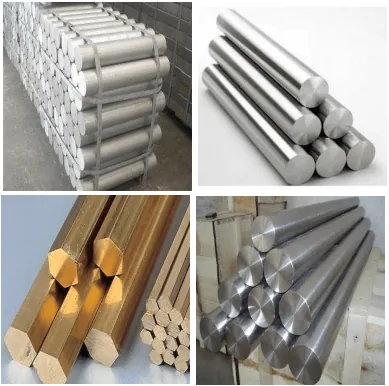
Selecting optimal materials is foundational to achieving performance, cost efficiency, and longevity in custom sheet metal components. At Wuxi Lead Precision Machinery, our CNC engineering expertise ensures material choices align with your functional requirements, environmental conditions, and production scalability. Below we detail critical considerations for aluminum, steel, and titanium alloys, alongside anodizing finish specifications.
Aluminum dominates aerospace, electronics, and automotive applications due to its exceptional strength-to-weight ratio and corrosion resistance. Grade 6061-T6 offers balanced machinability and weldability for structural brackets, while 7075-T6 delivers superior strength for high-stress components. Its low density reduces shipping costs and energy consumption in dynamic assemblies. Aluminum’s natural oxide layer provides baseline protection, but anodizing significantly enhances surface durability and aesthetic control.
Steel remains indispensable for high-wear industrial machinery and architectural elements. Austenitic stainless steel 304 provides reliable corrosion resistance for food processing equipment, whereas 410 stainless offers magnetic properties and hardenability for cutting tools. Carbon steel grades like 1018 are cost-effective for non-corrosive environments but require plating or painting for longevity. Steel’s higher density increases part weight but delivers unmatched tensile strength for load-bearing applications.
Titanium excels in extreme environments such as medical implants and aerospace systems where weight savings and biocompatibility are non-negotiable. Grade 2 (commercially pure) offers excellent corrosion resistance for chemical handling, while Ti-6Al-4V (Grade 5) provides aerospace-grade strength at elevated temperatures. Though costly, titanium’s fatigue resistance justifies its use in mission-critical components where failure is unacceptable.
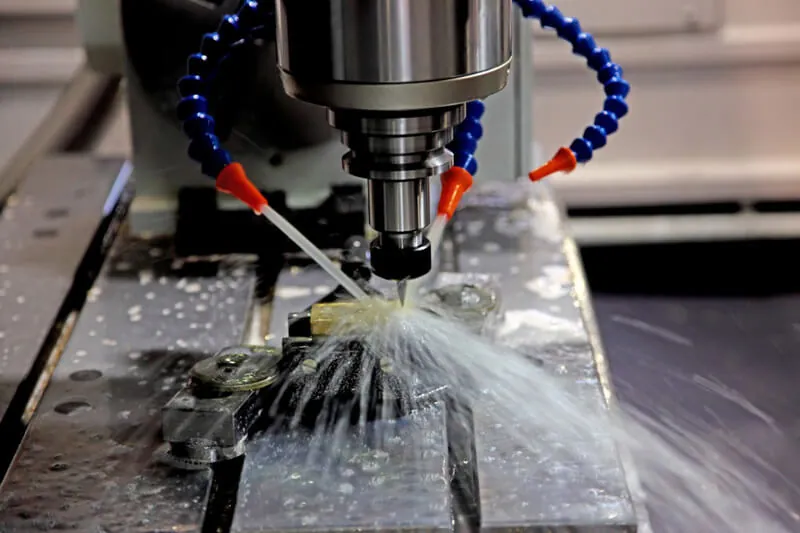
Material properties directly impact CNC machining parameters, tool wear, and secondary operations. Our engineers optimize feed rates and coolant strategies for each alloy to prevent warping or surface defects. Below is a comparative overview of key mechanical properties:
| Material | Key Alloys | Density (g/cm³) | Yield Strength (MPa) | Primary Applications |
|---|---|---|---|---|
| Aluminum | 6061-T6, 7075-T6 | 2.7 | 276–503 | Enclosures, brackets, heat sinks |
| Steel | 304, 410, 1018 | 7.8 | 205–440 | Frames, shafts, industrial housings |
| Titanium | Grade 2, Grade 5 | 4.5 | 240–880 | Medical devices, aerospace fittings |
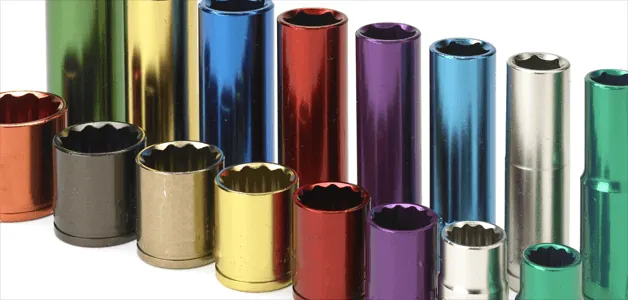
Anodizing is the premier surface treatment for aluminum, creating a durable, non-conductive oxide layer. Type II (sulfuric acid) anodizing achieves standard corrosion resistance with dye options for branding, while Type III (hard coat) delivers 50–100 μm thickness for abrasion resistance in hydraulic systems. Note that anodizing dimensional tolerances require ±0.002″ allowances on critical features. Titanium and steel typically utilize alternative finishes like passivation or powder coating due to anodizing incompatibility.
Material selection must integrate early with design intent. Consult our engineering team to evaluate trade-offs between performance, manufacturability, and lifecycle costs. Wuxi Lead Precision Machinery combines metallurgical expertise with advanced CNC capabilities to transform your specifications into flawless sheet metal solutions.
Senior CNC Engineer & Sales Director
Wuxi Lead Precision Machinery
Manufacturing Process & QC

The production process for precision sheet metal parts at Wuxi Lead Precision Machinery follows a rigorously controlled sequence designed to ensure zero defects and consistent quality across all manufacturing stages. Our methodology integrates advanced engineering with strict quality assurance protocols, enabling seamless transition from concept to high-volume output.
Design begins with a collaborative engineering review, where our technical team evaluates customer CAD models for manufacturability, material selection, and geometric feasibility. Using SolidWorks, AutoCAD, and PTC Creo, we perform detailed design for manufacturing (DFM) analysis to identify potential stress points, tolerance conflicts, or assembly challenges. This stage includes laser cutting path optimization, bend allowance calculations, and weld seam planning. All designs are validated through 3D simulation to eliminate interference and ensure dimensional accuracy before any physical work begins.
Prototyping follows design finalization, serving as both a functional and dimensional validation step. We produce initial samples using the same CNC-controlled equipment intended for mass production—ensuring process consistency. Each prototype undergoes first article inspection (FAI), including coordinate measuring machine (CMM) verification, surface finish testing, and material composition analysis. Customers receive a full inspection report with dimensional data, allowing for approval or minor adjustments before launch. This stage is critical in mitigating risk and confirming that all specifications meet required standards, including ISO 9001 and customer-specific requirements.
Mass production is initiated only after formal sign-off on prototype performance. Our automated production lines utilize state-of-the-art TruLaser 5030 fiber laser cutters, Amada CNC press brakes with automatic tool changers, and robotic welding cells to maintain repeatability and throughput. Every component is tracked via barcode throughout the workflow, enabling full traceability from raw material to finished part. In-process quality checks occur at every station, supported by real-time SPC (Statistical Process Control) monitoring to detect deviations before they affect output. Final inspection includes 100% visual checks and batch sampling for dimensional verification, ensuring conformance to tolerances as tight as ±0.05 mm.
Throughout the entire process, our zero-defect philosophy is enforced through layered process audits, employee certification programs, and continuous improvement cycles. All equipment is calibrated monthly per ISO 17025 standards, and our quality management system is integrated across departments to ensure alignment from engineering to shipping.
Key production capabilities are summarized below:
| Parameter | Specification |
|---|---|
| Material Thickness Range | 0.5 mm – 25 mm |
| Tolerance (Standard) | ±0.1 mm (tight tolerances to ±0.05 mm) |
| Max Part Size | 4000 mm × 2000 mm |
| Cutting Methods | Fiber Laser, Plasma, Waterjet |
| Forming Equipment | CNC Press Brakes up to 1000 tons |
| Welding Processes | MIG, TIG, Spot, Robotic Pulsed Arc |
| Finishing Options | Powder Coating, Anodizing, Passivation, Plating |
| Quality Standards | ISO 9001, ISO 14001, IATF 16949 (automotive) |
This end-to-end control ensures that every sheet metal component delivered by Wuxi Lead Precision Machinery meets the highest standards of precision, reliability, and performance.
Why Choose Wuxi Lead Precision
Partner with Lead Precision for Uncompromising Sheet Metal Excellence
In high-stakes industrial sectors like aerospace, medical device manufacturing, and advanced automation, sheet metal components demand more than basic fabrication. Tolerances tighter than ±0.05mm, complex geometries in exotic alloys, and zero-defect supply chain reliability separate viable suppliers from true strategic partners. At Wuxi Lead Precision Machinery, we engineer solutions where precision isn’t a claim—it’s a measurable outcome embedded in every process from raw material sourcing to final inspection.
Our ISO 9001-certified facility in Wuxi integrates German-engineered Amada CNC turret punching systems, Bystronic laser cutters, and TruBend press brakes with proprietary quality control protocols. This fusion of European-grade machinery and Chinese operational rigor delivers repeatable accuracy across volumes—from single prototypes to 50,000+ unit runs—while eliminating the communication gaps typical in offshore manufacturing. We specialize in materials ranging from 0.5mm aluminum 6061-T6 to 6mm stainless steel 316L and titanium Grade 2, ensuring your critical components meet ASTM, ASME, and MIL-spec requirements without costly rework cycles.
Core Sheet Metal Capabilities at a Glance
| Specification | Performance Standard | Application Impact |
|---|---|---|
| Tolerance Control | ±0.05mm on features <50mm | Ensures seamless integration in assemblies |
| Material Thickness | 0.5mm – 6.0mm (steel/stainless) | Supports lightweight structural needs |
| Max. Working Area | 3000mm x 1500mm | Accommodates large-scale enclosures |
| Secondary Operations | Deburring, welding, anodizing, powder coat | Single-source finishing reduces lead time |
| Lead Time | 7–15 days (standard orders) | Mitigates production line downtime risks |
Choosing a sheet metal partner means selecting a team that anticipates failure points before they reach your production floor. Our engineers collaborate during your design phase via DFM analysis, identifying cost-saving material optimizations and manufacturability improvements—reducing part costs by 18–32% on average while enhancing structural integrity. Unlike transactional vendors, we assign dedicated project managers fluent in English and German, providing real-time production visibility through our cloud-based tracking portal. This transparency transforms supply chain vulnerability into a competitive advantage, ensuring you meet aggressive launch schedules without quality trade-offs.
When your reputation hinges on component reliability, settle for nothing less than engineered certainty. Contact our technical sales team to discuss your next project’s specifications. Email [email protected] with your CAD files or requirements, and receive a precision manufacturing feasibility assessment within 24 business hours. Let Wuxi Lead Precision Machinery become the silent force behind your product’s success—where every bend, cut, and finish reflects our commitment to excellence. Your timeline starts now.
⚙️ Precision Cost Estimator
Estimate relative manufacturing effort based on tolerance.