L Mould Manufacturer | Precision CNC Guide

Engineering Guide: L Mould

l mould manufacturing

Engineering Insight: Precision Injection Mould Mastery

Achieving true dimensional stability and flawless surface replication in injection moulded components demands uncompromising precision at the tooling stage. The injection mould itself is not merely a cavity; it is the foundational instrument dictating part geometry, structural integrity, and functional performance under demanding conditions. Minute deviations in cavity geometry – often measured in microns – translate directly into part warpage, sink marks, flash, or critical fit failures downstream. This is where the distinction between standard tooling and true precision engineering becomes mission-critical, especially for sectors where failure is not an option.

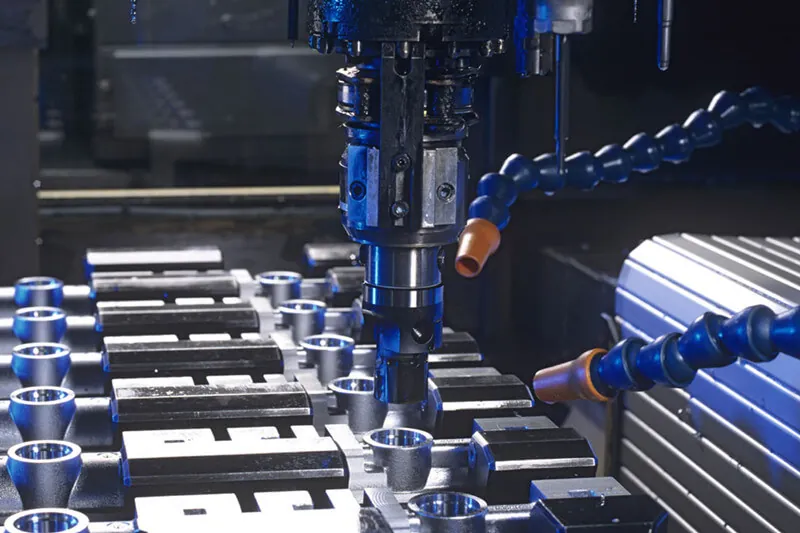
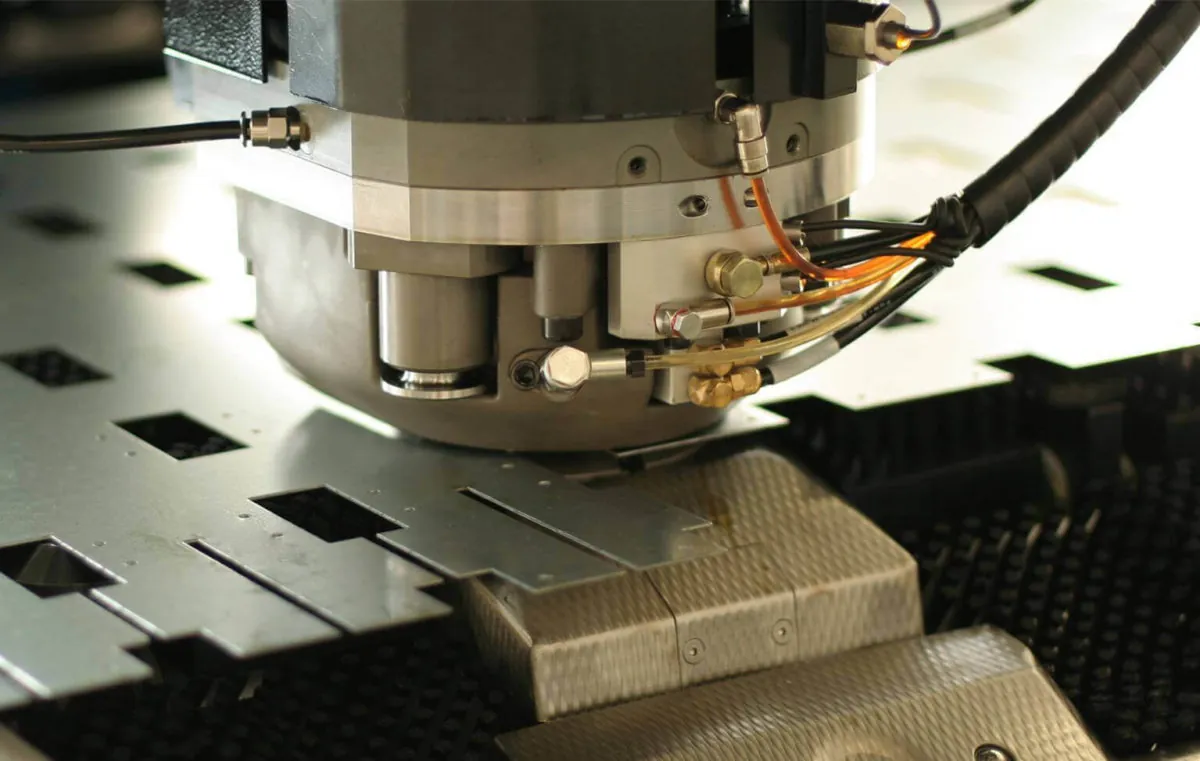
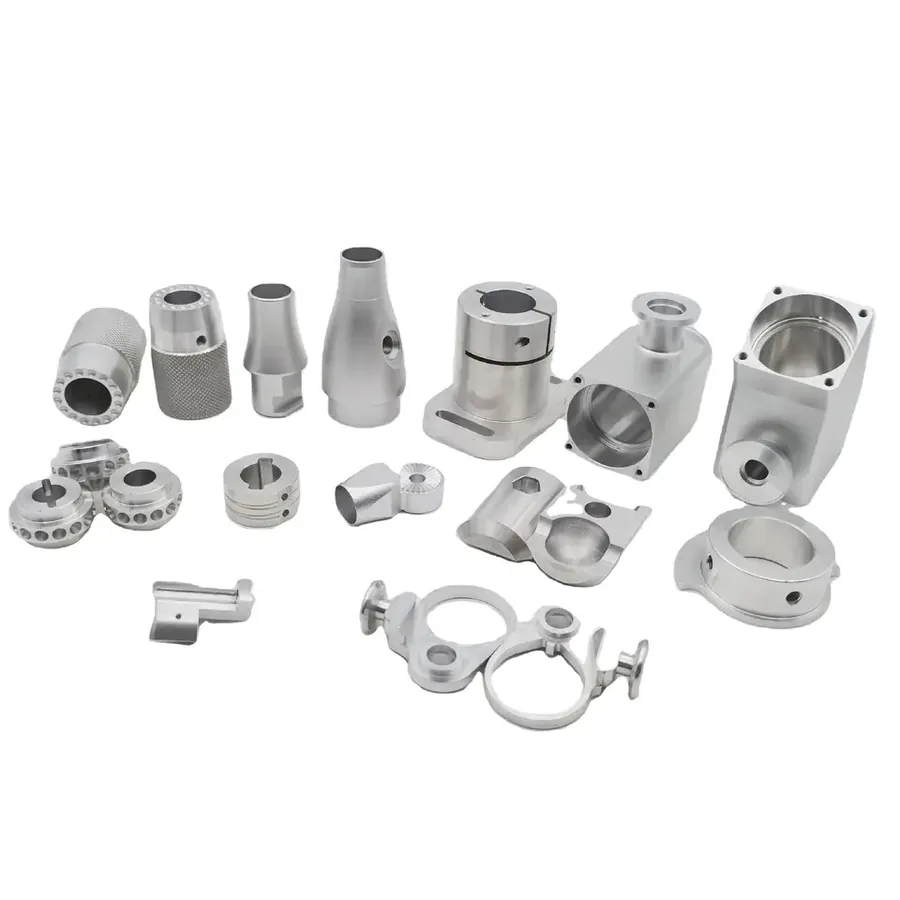
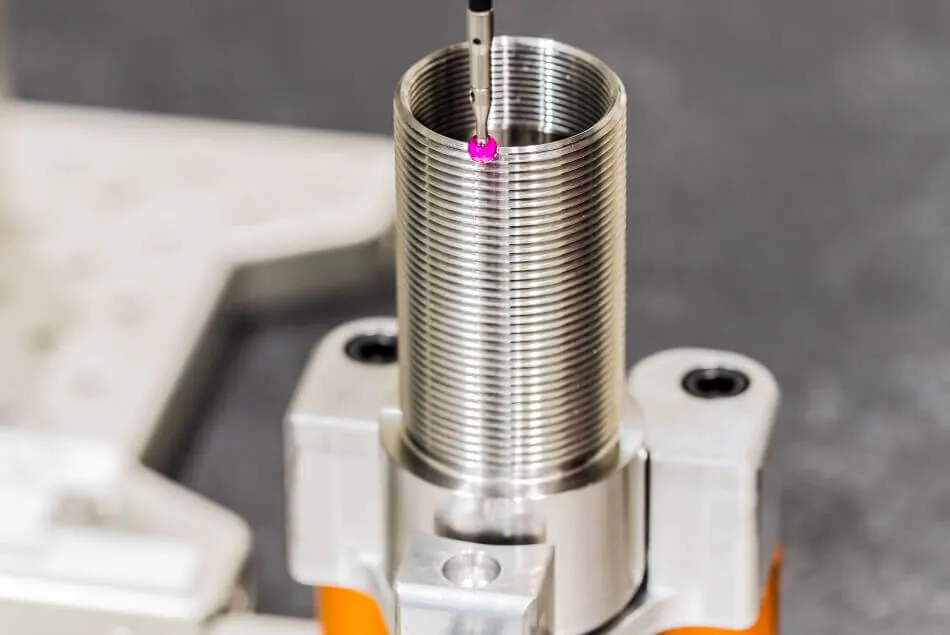
At Wuxi Lead Precision Machinery, we engineer injection moulds to tolerances exceeding standard industry benchmarks, routinely holding ±0.002mm on critical features. This level of control is non-negotiable for applications in aerospace hydraulic systems, medical implant housings, or military-grade electronic enclosures where micro-misalignments cause catastrophic system failure. Our process begins with advanced simulation to predict material flow and thermal behavior, followed by strategic material selection – often premium pre-hardened or maraging steels – and executed on state-of-the-art 5-axis CNC machining centers with sub-micron repeatability. Rigorous in-process metrology using coordinate measuring machines (CMM) and optical comparators ensures every contour, core pin, and cooling channel adheres precisely to the digital twin before final polishing and assembly.

Our commitment to extreme precision is validated through demanding real-world applications. We have successfully delivered moulds for components integrated into systems used during the Beijing Winter Olympics infrastructure, requiring exceptional cold-weather reliability and dimensional stability. Furthermore, our adherence to stringent military specifications, including precise thermal management within moulds to prevent warpage in complex geometries under cyclic stress, underscores our capability to meet the highest global standards. This experience translates directly to client value: reduced scrap rates, extended mould life, accelerated time-to-market, and components that perform reliably in the most unforgiving environments.

The table below outlines key precision capabilities inherent in our high-end injection mould manufacturing process:

Specification Category Capability Industry Standard Comparison
Critical Feature Tolerance ±0.002 mm ±0.01 – ±0.02 mm
Surface Roughness (Cavity) Ra 0.025 µm (Mirror Polish) Ra 0.1 – 0.4 µm
Thermal Stability Control ±0.5°C uniformity across cavity ±2.0°C or higher
Machining Repeatability < 0.001 mm (5-axis) 0.005 mm
In-Process Metrology 100% CMM verification on critical features Spot checks only

Precision injection moulding is an exact science where the tool defines the product’s destiny. Wuxi Lead Precision Machinery leverages decades of refined CNC expertise and proven success in elite applications to transform complex designs into production-ready reality. We don’t just build moulds; we engineer the certainty of performance. Partner with us to ensure your next high-value component is founded on无可挑剔 precision.


Precision Specs & Tolerances

l mould manufacturing

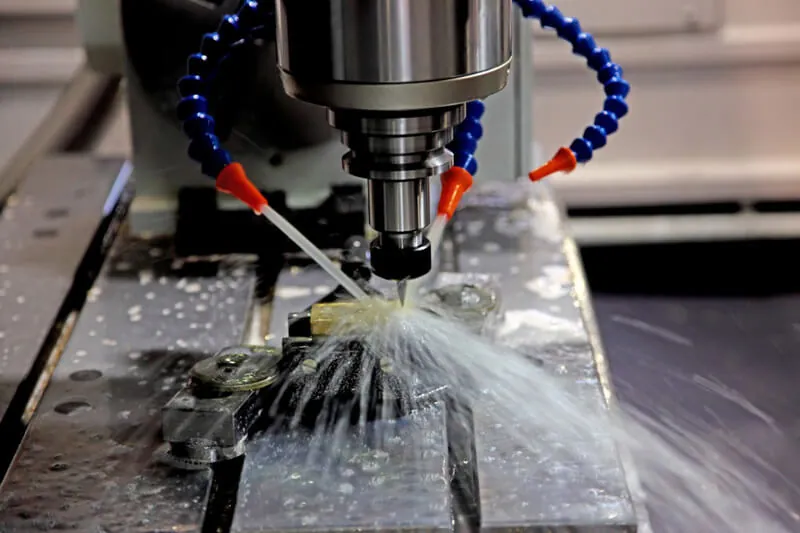
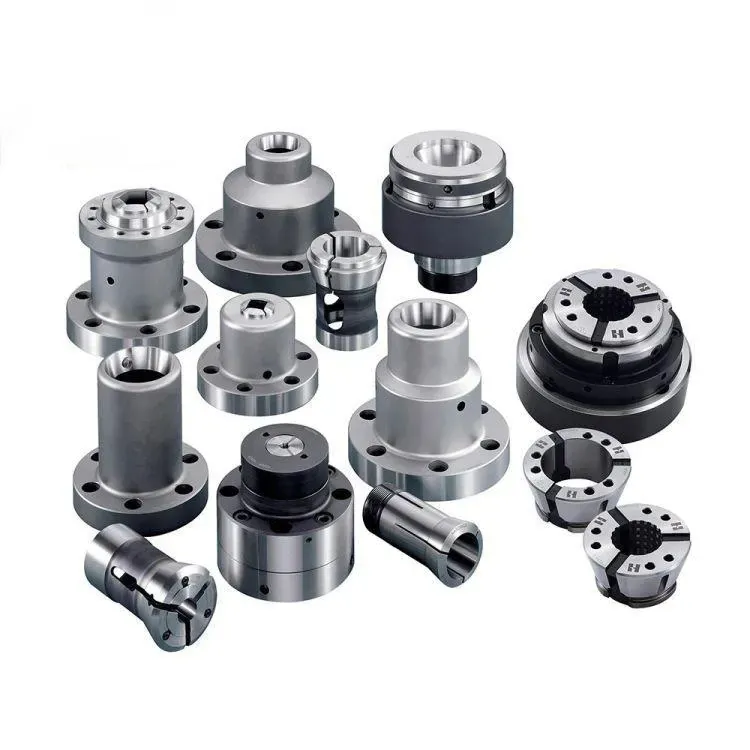
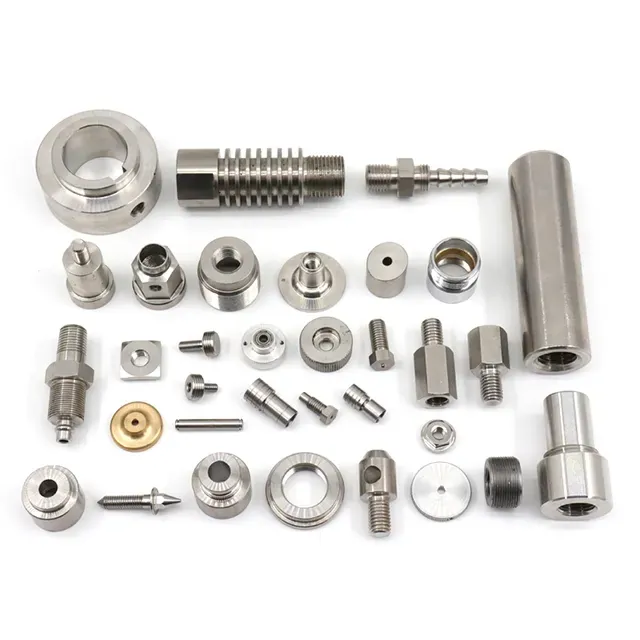
Wuxi Lead Precision Machinery delivers advanced custom metal manufacturing solutions tailored for high-performance industries including aerospace, automotive, energy, and medical device production. At the core of our technical capabilities is a fully integrated 5-axis CNC machining platform, enabling the production of complex, high-precision components with exceptional repeatability and surface integrity. Our machining centers are equipped with high-speed spindles, automatic tool changers, and real-time monitoring systems, ensuring optimal performance across diverse materials such as aluminum alloys, stainless steels, titanium, and high-temperature superalloys.

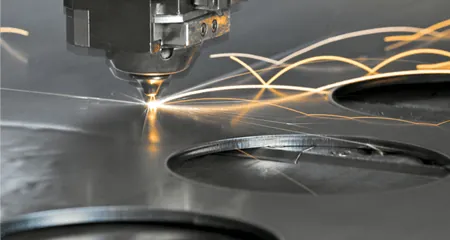
Our 5-axis CNC technology allows for simultaneous multi-directional cutting, reducing the need for multiple setups and minimizing cumulative tolerances. This capability is critical when producing intricate geometries such as impellers, turbine blades, mold cores, and structural housings. Advanced CAM programming and toolpath optimization ensure efficient material removal rates while preserving dimensional accuracy and part finish. Each machining operation is supported by rigorous fixturing strategies and in-process probing to maintain alignment and consistency across production runs.

Quality control is embedded throughout the manufacturing workflow. Every component undergoes comprehensive inspection using a state-of-the-art Coordinate Measuring Machine (CMM), capable of micron-level verification of geometric dimensions, positional tolerances, and surface profiles. The CMM system is integrated with CAD models for direct comparison, enabling rapid validation of as-built parts against design intent. This inspection process is fully documented, providing traceable quality reports for each batch or individual component as required by industry standards.

In addition to dimensional accuracy, we prioritize material integrity and surface quality. Our process engineers work closely with clients during the design-for-manufacturability phase to optimize part geometry, reduce lead times, and ensure long-term reliability. All operations are conducted in a climate-controlled environment to minimize thermal variation, further enhancing precision and consistency.

The following table outlines the standard technical specifications and achievable tolerances across our 5-axis CNC machining and inspection processes:

Parameter Specification
Machine Type 5-Axis Simultaneous CNC Machining Centers
Spindle Speed Up to 24,000 rpm
Travel Range (X/Y/Z) 1,100 / 600 / 500 mm
Positioning Accuracy ±0.005 mm
Repeatability ±0.003 mm
Standard Tolerance (Machined Features) ±0.010 mm
Tight Tolerance Capability ±0.005 mm (on critical features)
Geometric Tolerance (Flatness, Perpendicularity) ±0.01 mm/m
Surface Roughness (Ra) As low as 0.4 µm (polished), typical 1.6–3.2 µm (machined)
Inspection Equipment Zeiss CONTURA G2 CMM with VAST XT sensor
CMM Measurement Accuracy (1.9 + L/300) µm, where L = length in mm
Material Compatibility Aluminum, Steel, Stainless Steel, Titanium, Inconel, Brass, Tool Steels

Wuxi Lead Precision Machinery combines cutting-edge technology, rigorous quality assurance, and deep engineering expertise to deliver custom metal components that meet the most demanding technical requirements. Our capabilities are designed to support low to medium volume production with full scalability and rapid prototyping options.


Material & Finish Options

l mould manufacturing

Material Selection for High-Performance Injection Moulds

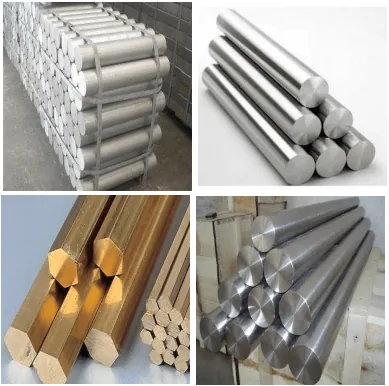
Selecting the optimal material for injection moulds is a critical engineering decision directly impacting tool longevity, part quality, and production economics. At Wuxi Lead Precision Machinery, we prioritize material properties aligned with your specific application demands, production volume, and part geometry. Aluminum, steel, and titanium each offer distinct advantages in CNC-machined mould construction, requiring precise evaluation against thermal management, wear resistance, and cycle time requirements.

Aluminum alloys, particularly 7075-T6, excel in rapid prototyping and low-to-medium volume production. Its superior thermal conductivity accelerates cooling cycles, reducing part ejection times by up to 30% compared to tool steels. This alloy machines efficiently, enabling complex cavity geometries with tight tolerances. However, aluminum’s lower hardness necessitates protective surface treatments like hard anodizing for extended use with abrasive polymers.

Tool steels such as H13 dominate high-volume production due to exceptional hardness, thermal fatigue resistance, and polishability. H13 maintains dimensional stability under repeated thermal cycling, critical for maintaining part tolerances over millions of shots. Pre-hardened variants (e.g., P20) offer balanced machinability and wear resistance for medium-run moulds. Steel’s higher density demands precise CNC thermal compensation strategies during machining to prevent post-fabrication distortion.

Titanium alloys (Ti-6Al-4V) serve niche applications requiring extreme corrosion resistance and strength-to-weight ratios, such as moulds processing highly aggressive polymers or medical-grade resins. While costly and challenging to machine, titanium’s non-reactive surface minimizes part sticking and degradation in critical environments. Its lower thermal conductivity requires integrated cooling channel optimization to offset slower cycle times.

Anodizing Finishes for Enhanced Mould Performance
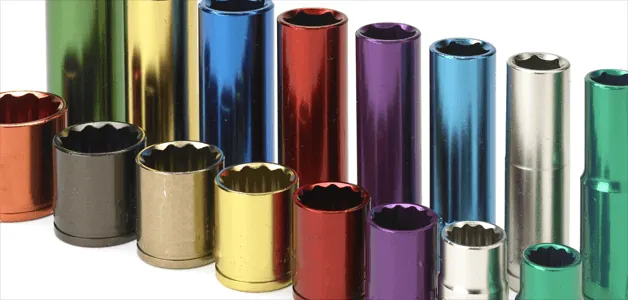
Anodizing is not merely cosmetic; it fundamentally enhances mould functionality. Hard anodizing (Type III) creates a dense, wear-resistant ceramic layer on aluminum moulds, improving surface hardness to 500-700 HV and reducing galling with polymer resins. This extends tool life in abrasive-filled materials like glass-fiber composites. For steel moulds, specialized anodizing variants improve release properties and resist chemical etching from PVC or flame-retardant additives. We tailor anodizing thickness (25-50 μm) and sealing processes to your resin chemistry, ensuring consistent part ejection and surface finish replication.

Key Material Properties for Mould Applications

Material Hardness (HB) Thermal Conductivity (W/m·K) Corrosion Resistance Best For
Aluminum 7075-T6 150 130 Moderate Prototypes, low-volume production
H13 Tool Steel 230 35 High (when treated) High-volume production
Ti-6Al-4V 360 7 Exceptional Corrosive resins, medical

Material selection must balance initial cost against total cost of ownership. An aluminum mould with hard anodizing may achieve 50,000 shots cost-effectively for prototypes, while H13 steel delivers 1M+ shots in automotive applications. Titanium’s upfront investment is justified only where its unique properties prevent catastrophic failure. Wuxi Lead’s engineering team conducts material lifecycle analysis during quoting, ensuring your mould specification maximizes ROI through precision manufacturing and application-specific expertise. Partner with us to transform material science into production advantage.


Manufacturing Process & QC

l mould manufacturing

At Wuxi Lead Precision Machinery, our production process for custom metal manufacturing—particularly for high-precision mold applications—is engineered to deliver flawless performance at every stage. We adhere to a rigorously structured workflow that spans from initial design through prototyping to full-scale mass production. Our Zero Defects philosophy is embedded in each phase, ensuring that every component meets exacting international standards for quality, durability, and dimensional accuracy.

The process begins with collaborative design engineering. Our team works closely with clients to translate conceptual requirements into detailed 3D CAD models, incorporating material selection, thermal dynamics, tolerance specifications, and manufacturability analysis. Finite Element Analysis (FEA) and mold flow simulations are employed to anticipate stress points, deformation risks, and cooling efficiency, allowing for preemptive optimization. This stage is critical in preventing downstream inconsistencies and ensures that the mold performs reliably under real-world production conditions.

Once the design is validated, we move to prototyping. Using advanced CNC machining, wire EDM, and high-speed milling technologies, we fabricate functional prototypes that mirror final production conditions. These prototypes undergo comprehensive inspection using coordinate measuring machines (CMM), optical comparators, and laser scanning to verify geometric accuracy within ±0.002 mm. Mold trials are conducted under actual injection parameters to assess part ejection, surface finish, cycle time, and structural integrity. Any deviations are immediately addressed through iterative refinement, ensuring that the mold design is perfected before entering mass production.

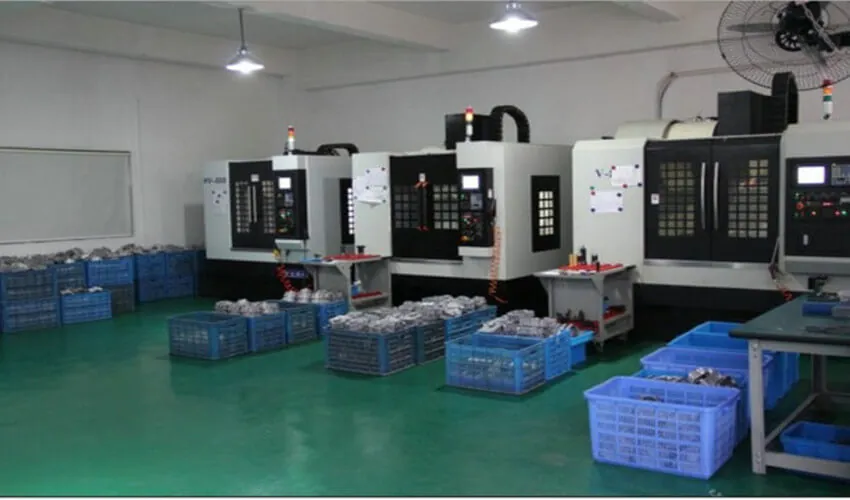
Mass production is executed in our ISO 9001-certified facility using fully automated, monitored machining cells. Each mold component is manufactured under strict process controls, with real-time data logging and in-process inspections at critical checkpoints. Our traceability system records material batches, machine settings, operator IDs, and inspection results for every part, enabling complete auditability. Surface treatments such as nitriding, chrome plating, or PVD coating are applied as required to enhance wear resistance and longevity. Final assembly is performed in a controlled cleanroom environment, followed by full mold validation and a comprehensive First Article Inspection Report (FAIR).

Throughout the entire production cycle, our Zero Defects strategy is enforced through statistical process control (SPC), root cause analysis, and continuous improvement protocols. This disciplined approach minimizes variability and eliminates non-conformances before they occur.

Below are key technical specifications for our mold manufacturing process:

Parameter Specification
Dimensional Accuracy ±0.002 mm
Surface Roughness (Ra) As low as 0.05 µm
Material Compatibility P20, 718, H13, S136, NAK80, Stainless Steel
Mold Life Expectancy 1,000,000+ cycles (depending on material)
Lead Time (Prototype) 15–25 days
Lead Time (Mass Production) 30–60 days
Quality Standards ISO 9001, ISO 13485, RoHS, IATF 16949
Inspection Equipment CMM, Optical Comparator, Laser Scanner, X-ray

By integrating precision engineering with systematic quality control, Wuxi Lead Precision Machinery ensures that every ‘l mold’ we produce is a benchmark in reliability, performance, and consistency.


Why Choose Wuxi Lead Precision

Elevate Your Precision Manufacturing Partnership with Wuxi Lead Precision Machinery

In the demanding landscape of custom metal manufacturing for high-performance injection moulds, selecting a partner capable of translating complex designs into flawless production assets is non-negotiable. Wuxi Lead Precision Machinery stands as your strategic ally, engineered to exceed the rigorous standards of aerospace, medical, and automotive sectors. We bridge the gap between conceptual ambition and tangible excellence through uncompromising process control, deep material science expertise, and a culture of zero-defect execution. Our ISO 9001-certified facility in Wuxi integrates advanced CNC milling, wire EDM, and surface grinding technologies under one roof, ensuring seamless workflow continuity from raw billet to finished mould. This vertical integration eliminates third-party dependencies, safeguarding your intellectual property while accelerating time-to-market by up to 30% compared to fragmented supply chains.

Our technical mastery is quantified in the precision metrics that define mission-critical mould performance. Every component undergoes rigorous in-process verification against micron-level tolerances, with full traceability from material certification to final inspection. The table below outlines our core capabilities for complex mould fabrication:

Specification Category Capability Range Industry Standard Benchmark
Dimensional Tolerance ±0.001 mm ±0.005 mm
Surface Roughness (Ra) 0.05 µm 0.2 µm
Cavity Complexity Up to 16 cavities 8 cavities
Material Compatibility P20, H13, S136, Maraging Steel, Titanium Alloys Standard Tool Steels
Lead Time (Prototype) 18–25 days 35–45 days
Validation Cycle 72-hour stress testing 48-hour testing

This precision is sustained through proactive risk mitigation. Our engineering team collaborates at the design-for-manufacturability (DFM) stage, identifying potential thermal distortion or ejection challenges before metal cutting begins. Real-time monitoring of spindle loads, coolant pressure, and tool wear ensures consistency across production runs, while our dedicated metrology lab—featuring Zeiss CMMs and optical comparators—validates conformance to ASME Y14.5 standards. For global clients, we provide bilingual project management with daily progress updates and secure cloud-based access to inspection reports, eliminating communication barriers without compromising data security.

The true differentiator lies in our commitment to your operational continuity. We engineer moulds for 500,000+ cycles without degradation, incorporating hardened wear plates and optimized cooling channels that reduce cycle times by 15–22%. When unexpected production demands arise, our rapid-response engineering cell deploys within 72 hours to troubleshoot in-field issues, minimizing line downtime. This operational resilience, combined with our 99.2% on-time delivery rate, transforms your mould investment into a predictable asset rather than a production liability.

Initiate your next high-stakes mould project with engineering certainty. Contact our technical sales team at [email protected] to submit your CAD files and receive a validated DFM analysis within 48 hours. Specify your target cycle life, material grade, and tolerance requirements to trigger our rapid quotation protocol. For urgent requirements, reference project code LP-MOULD-2024 to prioritize your request. Partner with Wuxi Lead Precision Machinery—where micron-level precision meets industrial-scale reliability. Your mould’s performance legacy begins with one email.


⚙️ Precision Cost Estimator

Estimate relative manufacturing effort based on tolerance.

L Mould Manufacturer | Precision CNC Guide

Contents of Table

Contact [email protected] Whatsapp 86 15951276160