Construction Steel Machining Parts Manufacturer | Precision CNC Guide

Engineering Guide: Construction Steel Machining Parts

construction steel machining parts manufacturing

Engineering Insight: Precision Imperatives in Construction Steel Machining

In structural steel fabrication for critical construction applications, dimensional accuracy transcends mere specification adherence—it directly dictates structural integrity, load distribution, and long-term safety. Sub-millimeter deviations in machined components like beam connectors, anchor plates, or complex node assemblies can induce catastrophic stress concentrations, compromising entire frameworks under seismic loads or extreme weather. Precision machining ensures perfect component alignment during assembly, eliminating field modifications that weaken structures and inflate project timelines. For high-rise towers, bridges, or industrial facilities, where steel tolerances operate at the absolute limits of material science, the margin for error is effectively zero. This demands machining processes capable of maintaining geometric consistency across massive workpieces, where thermal drift or tool deflection must be actively compensated in real-time.

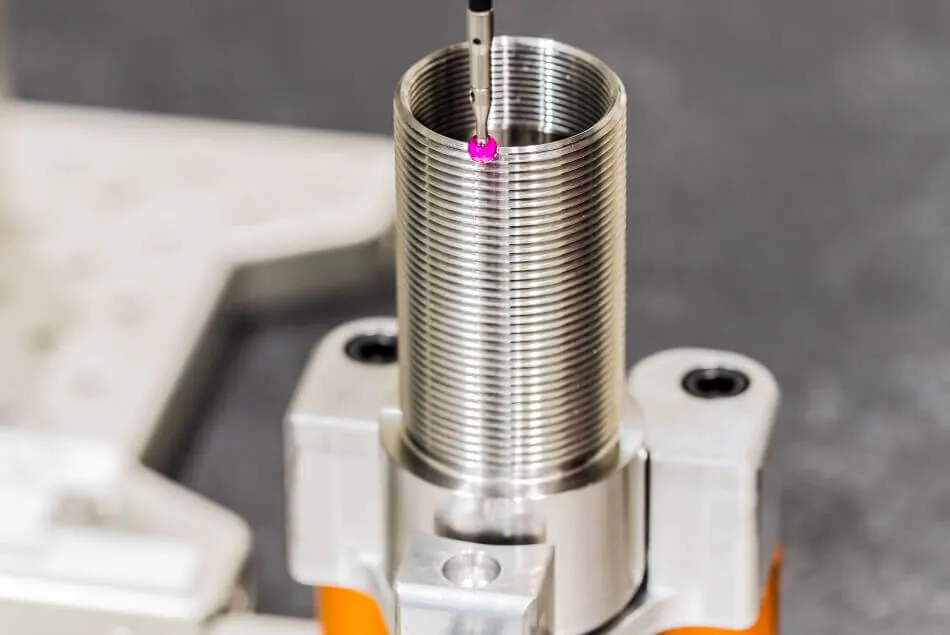
Wuxi Lead Precision Machinery applies aerospace-grade CNC methodologies to construction steel, leveraging 15+ years of experience machining mission-critical components. Our facility has delivered zero-defect structural elements for Olympic venue infrastructure requiring decades-long fatigue resistance and for defense projects where absolute geometric fidelity underpins operational security. This heritage instills rigorous protocols: we implement in-process laser probing on multi-axis mills to validate critical datums within ±0.005mm, utilize finite element analysis to predict and counteract material spring-back during high-torque machining, and maintain environmental controls to neutralize thermal expansion effects on large forgings. Every weld prep surface, bolt hole pattern, and bearing interface undergoes 100% CMM verification against 3D CAD models, ensuring seamless integration on-site.

Our technical capabilities are engineered for the uncompromising demands of modern structural steel:

Parameter Standard Capability Tight Tolerance Option Material Compatibility
Dimensional Tolerance ±0.025 mm ±0.005 mm ASTM A36, A572, A992, S355JR
Surface Finish (Ra) 3.2 μm 0.8 μm High-strength low-alloy steels
Geometric Accuracy Flatness ≤0.05mm/m ≤0.01mm/m Quenched & tempered grades
Max Work Envelope 3000 x 1500 x 1200 mm Custom fixtures to 5m Corrosion-resistant alloys
Process Validation 100% CMM + GD&T reporting Real-time SPC monitoring Custom material certifications

This precision ecosystem prevents costly rework during erection—a single misaligned shear tab can halt crane operations for days. By machining construction steel to aerospace tolerances, Wuxi Lead eliminates assembly conflicts, accelerates project schedules, and delivers the geometric certainty that underpins structural resilience. When your project’s legacy depends on flawless steel integration, our engineering discipline transforms specifications into built reality. Contact our technical team to discuss how precision machining de-risks your next structural milestone.


Precision Specs & Tolerances

construction steel machining parts manufacturing

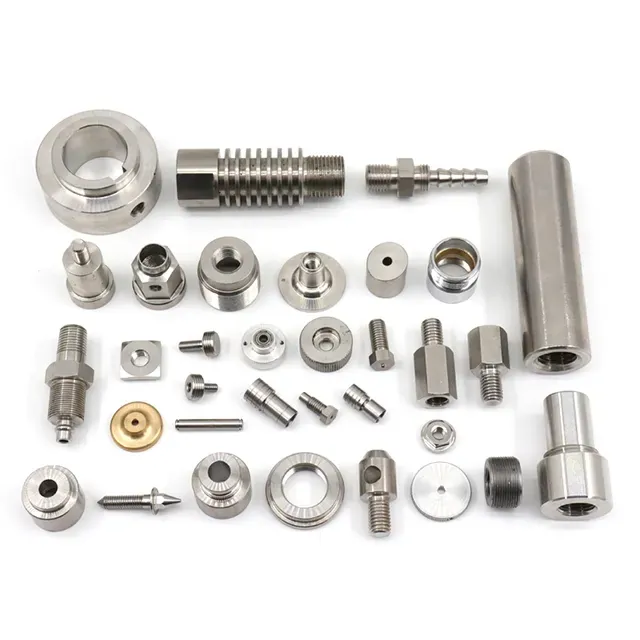
Wuxi Lead Precision Machinery delivers advanced technical capabilities in the machining of construction steel components, serving global clients with complex, high-integrity parts requiring tight tolerances and repeatable precision. Our expertise lies in transforming raw steel stock—ranging from mild carbon steels to high-strength alloy and stainless grades—into mission-critical structural and mechanical components used in heavy construction, bridge systems, industrial frameworks, and modular building technologies.

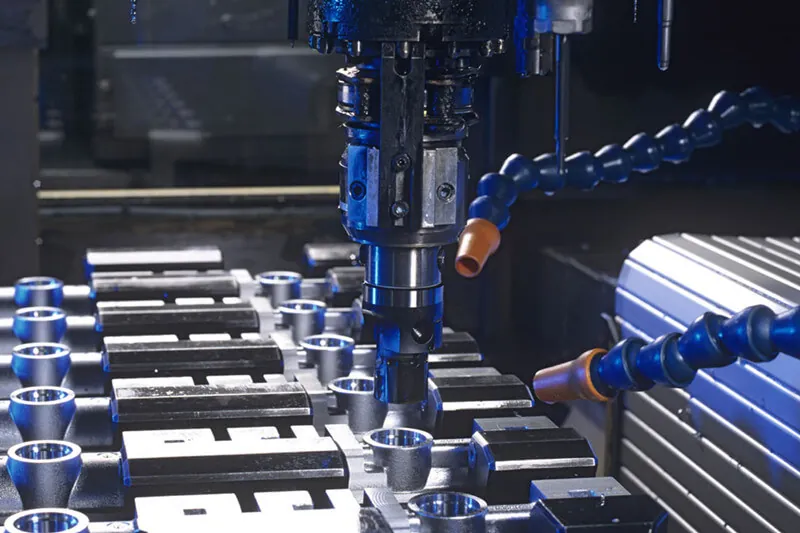
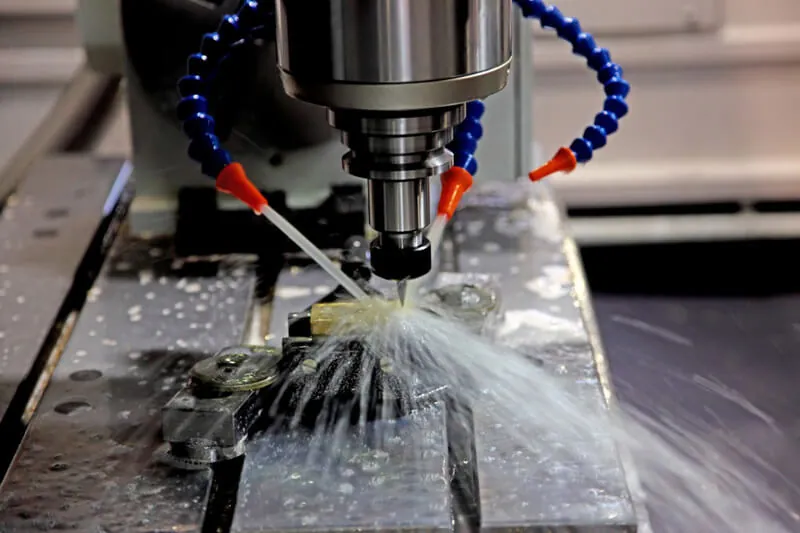
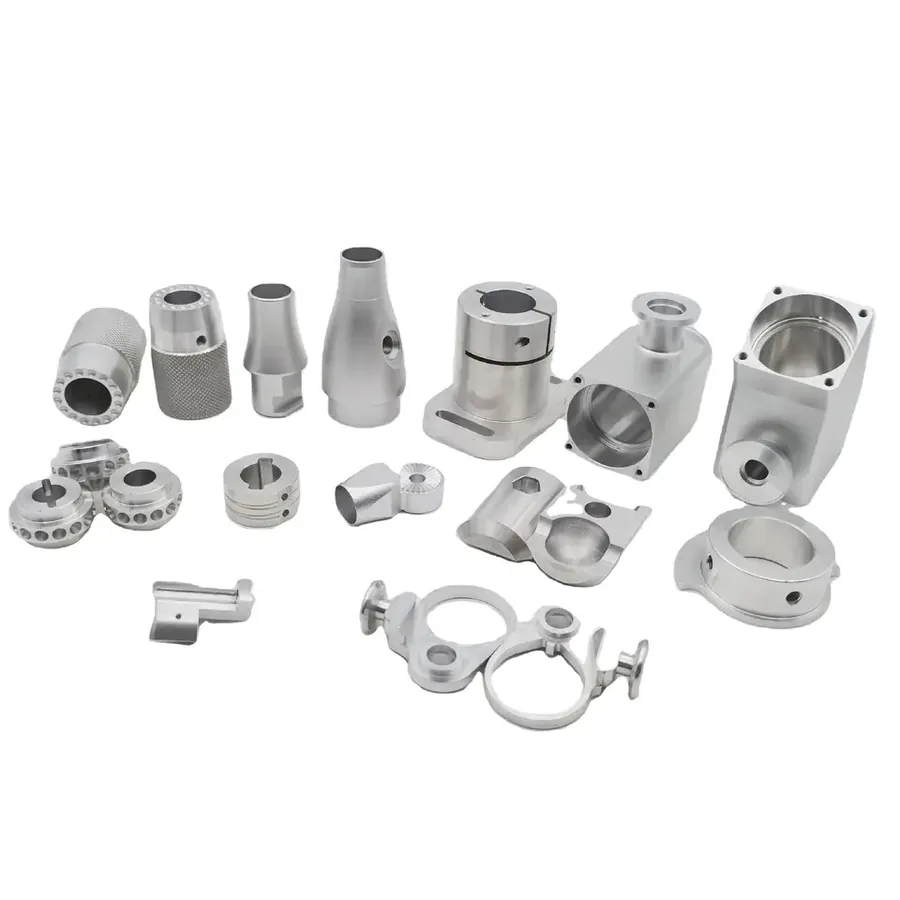
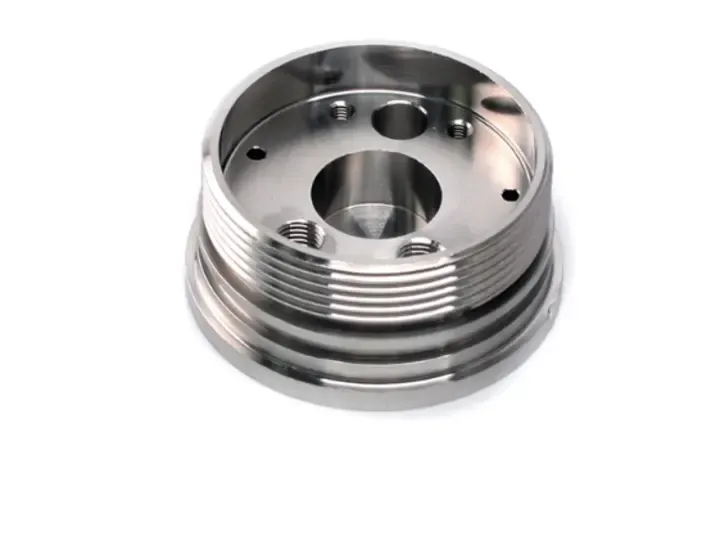
At the core of our production capability is a fully integrated 5-axis CNC machining platform. This technology enables us to perform highly complex milling, drilling, and contouring operations in a single setup, minimizing cumulative error and significantly improving geometric accuracy. The simultaneous multi-axis motion allows for efficient machining of intricate features such as angled mounting surfaces, compound radii, and deep recesses—common in structural connectors, hinge brackets, and load-transfer nodes. Our CNC systems are supported by high-rigidity spindles, automated tool changers, and real-time tool wear compensation, ensuring consistent output across both prototype and high-volume production runs.

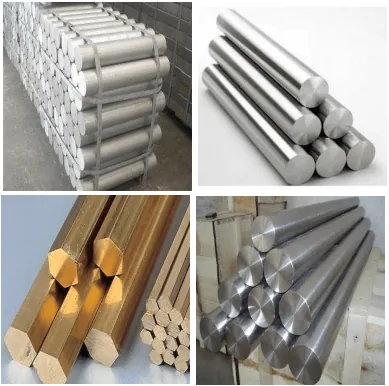
Material integrity is preserved through optimized cutting strategies and controlled feed rates, particularly important when working with hardened or abrasion-resistant construction steels. We support a wide range of stock forms, including forgings, castings, and hot-rolled sections, and can perform pre-machining operations such as sawing, leveling, and stress relieving to ensure dimensional stability prior to precision processing.

Quality assurance is embedded throughout the manufacturing workflow. Every construction steel machining part undergoes comprehensive dimensional verification using a Zeiss DuraMax and Contura G2 Coordinate Measuring Machine (CMM). This allows for full 3D inspection of critical features, including position, flatness, concentricity, and profile tolerances. Our CMM routines are programmed to match customer-supplied CAD models, ensuring alignment with design intent and GD&T specifications. All inspection data is documented and available with shipment, providing full traceability.

Our commitment to precision is reflected in the tight tolerances we consistently achieve across diverse steel alloys and part geometries. The table below outlines our standard machining capabilities.

Feature Typical Tolerance Capability Range
Linear Dimensions ±0.005 mm Up to 1,200 mm
Positional Tolerance ±0.01 mm GD&T compliant
Flatness 0.01 mm per 100 mm Up to 800 x 600 mm surface
Hole Diameter +0.015 / -0.005 mm Ø2 mm to Ø80 mm
Angular Features ±0.05° 5-axis simultaneous
Surface Roughness Ra 0.8 µm (machined) Down to Ra 0.4 µm (polished)

All processes are executed in accordance with ISO 9001:2015 standards, with ongoing operator training and machine calibration cycles ensuring long-term process control. Wuxi Lead Precision Machinery is equipped to meet the most demanding technical requirements in the construction steel sector, combining advanced hardware, metrology-grade validation, and deep metallurgical understanding to deliver reliable, high-performance components.


Material & Finish Options

construction steel machining parts manufacturing

Material Selection for Construction Steel Machining Parts: Precision Engineering for Structural Integrity

Selecting the optimal material for construction steel machining parts is critical to ensuring structural reliability, longevity, and cost efficiency. At Wuxi Lead Precision Machinery, we prioritize materials that balance mechanical performance with manufacturability. This guide outlines key considerations for aluminum, steel, and titanium alloys, alongside essential finishing processes like anodizing.

Aluminum alloys, particularly 6061-T6 and 7075-T6, offer an exceptional strength-to-weight ratio ideal for load-bearing structural components where weight reduction is paramount. These grades resist corrosion naturally and accept anodizing exceptionally well, enhancing surface durability without compromising dimensional accuracy. However, aluminum’s lower hardness compared to steel necessitates careful design for high-wear applications. For projects demanding lightweight frameworks or non-magnetic properties, aluminum delivers significant lifecycle value despite higher initial material costs.

Carbon and alloy steels remain the backbone of construction machining due to their unmatched tensile strength and fatigue resistance. AISI 4140 and 1045 steels provide excellent machinability and weldability, making them suitable for beams, brackets, and high-stress connectors. Proper heat treatment (e.g., quenching and tempering) is essential to achieve required hardness while maintaining toughness. While steel requires protective coatings to combat corrosion, its cost-effectiveness and broad availability ensure dominance in structural applications where weight is secondary to load capacity.

Titanium alloys like Grade 5 (Ti-6Al-4V) are reserved for specialized construction scenarios demanding extreme corrosion resistance and strength at elevated temperatures, such as coastal infrastructure or seismic dampers. Though challenging to machine due to low thermal conductivity and high reactivity, titanium’s 50% weight savings over steel and immunity to saltwater degradation justify its use in mission-critical components. We recommend titanium only where operational demands offset its premium cost and extended machining time.

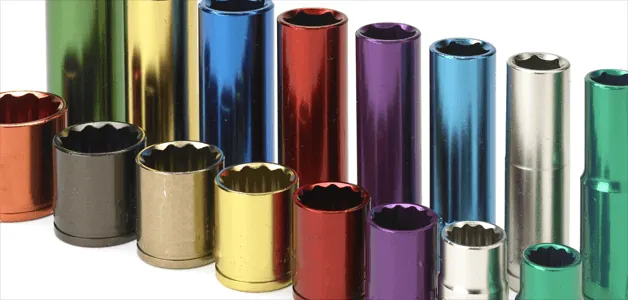
Surface finishing significantly impacts part performance. Anodizing is the industry-standard electrochemical process for aluminum, creating a hard, non-conductive oxide layer that resists abrasion and corrosion. Type II (sulfuric acid) anodizing suits general construction use, while Type III (hardcoat) provides superior wear resistance for high-friction interfaces. Unlike paint or powder coating, anodizing integrates with the base material, ensuring consistent adhesion and zero risk of chipping—critical for structural integrity in dynamic environments.

The following table summarizes key properties for informed material selection:

Material Yield Strength (MPa) Corrosion Resistance Machinability Rating Typical Construction Use Case
Aluminum 6061-T6 276 High (with anodizing) Excellent Lightweight frames, non-load beams
Steel AISI 4140 655 Low (requires coating) Good High-stress connectors, shafts
Titanium Ti-6Al-4V 880 Exceptional Fair Marine infrastructure, seismic parts

Material choice directly influences project viability. At Wuxi Lead, our CNC machining processes accommodate all three materials with tight tolerances (±0.005mm), and we collaborate closely with clients to match material properties to structural demands. Contact our engineering team for application-specific validation and finishing recommendations to maximize your component’s service life.


Manufacturing Process & QC

construction steel machining parts manufacturing

Wuxi Lead Precision Machinery delivers uncompromising quality in the production of construction steel machining parts through a rigorously controlled, end-to-end manufacturing process. Our methodology integrates precision engineering, advanced prototyping, and scalable mass production, all governed by a zero-defect philosophy. This ensures every component meets the structural, dimensional, and durability demands of modern construction applications.

The process begins with collaborative design engineering. Our technical team works closely with clients to interpret blueprints, load requirements, and environmental conditions. Using CAD/CAM software, we develop 3D models that optimize material usage, stress distribution, and machinability. Finite element analysis (FEA) is applied to simulate performance under real-world loads, ensuring structural integrity before any metal is cut. Design validation includes tolerance stack-up analysis and compliance checks against international standards such as ISO 2768 and ASTM A36.

Once design approval is secured, we proceed to prototyping. A limited batch of parts is produced using the same CNC machining centers intended for full-scale production. This ensures process consistency and allows for real-condition testing. Prototypes undergo dimensional inspection via coordinate measuring machines (CMM), surface finish evaluation, and mechanical property verification. Any deviations are addressed through iterative adjustments in toolpath programming or fixturing. Client feedback is incorporated at this stage to finalize geometry and fitment.

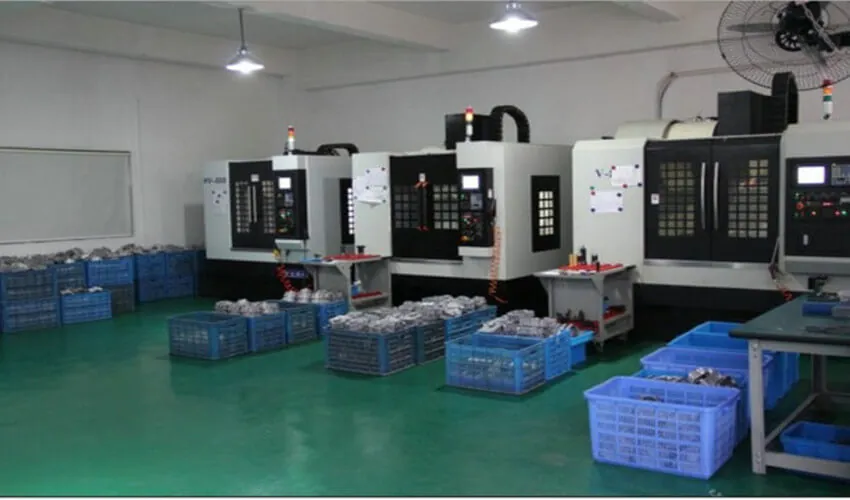
With prototype sign-off, we transition seamlessly into mass production. Our facility in Wuxi operates a fleet of multi-axis CNC lathes, machining centers, and robotic material handling systems, enabling high repeatability and throughput. Each production run follows a documented process plan with in-process inspections at critical stages. Statistical process control (SPC) monitors key dimensions in real time, while automated vision systems detect surface anomalies. All steel stock is traceable, with mill certificates and heat numbers recorded for full material accountability.

Throughout the production lifecycle, quality is non-negotiable. Our zero-defect framework includes first-article inspection reports (FAIR), production part approval processes (PPAP), and 100% inspection for critical features. Final parts are deburred, treated for corrosion resistance if specified, and packaged to prevent transit damage.

The following table outlines key specifications and capabilities for construction steel machining parts:

Parameter Specification
Material Types ASTM A36, Q235, Q345, 45# Steel, Stainless Steel (304, 316)
Tolerance ±0.01 mm (standard), down to ±0.005 mm (precision)
Surface Finish Ra 0.8–6.3 µm (machined), per customer requirement
Max Part Dimensions 1200 × 800 × 600 mm
Production Capacity Up to 50,000 units/month (depending on complexity)
Quality Standards ISO 9001:2015, ISO 14001, IATF 16949 (process compliance)
Testing Equipment CMM, Hardness Tester, Roughness Tester, Ultrasonic Tester

Wuxi Lead Precision Machinery combines engineering rigor with scalable manufacturing excellence to deliver construction steel components that perform reliably under demanding conditions.


Why Choose Wuxi Lead Precision

Elevate Your Construction Steel Machining Partnership

When structural integrity and precision define project success, your choice of manufacturing partner becomes mission-critical. At Wuxi Lead Precision Machinery, we engineer construction steel components that withstand seismic demands, extreme loads, and decades of service life. Our CNC machining centers—calibrated to aerospace-grade standards—transform raw ASTM A36, A572, and high-strength low-alloy (HSLA) steel into mission-ready parts with uncompromising dimensional fidelity. We understand that a single tolerance deviation in beam connectors or anchor plates risks entire structural frameworks. That is why every component undergoes real-time in-process metrology and full material traceability from mill certificate to final inspection.

Partnering with Lead Precision means integrating manufacturing expertise directly into your project lifecycle. Our engineering team collaborates from initial design review to eliminate costly rework, optimizing part geometry for weldability, fatigue resistance, and on-site assembly efficiency. We deploy 5-axis milling, precision turning, and robotic welding cells to handle complexities like contoured gussets, tapped hole patterns within ±0.02mm, and large-format flange machining up to 2000mm. Unlike generic suppliers, we specialize in low-volume, high-mix production tailored to construction timelines—delivering prototypes in 72 hours and full batches with zero compromise on metallurgical integrity. Below are core capabilities defining our construction steel machining advantage:

Specification Category Performance Standard
Maximum Part Size 2000 mm × 1500 mm × 800 mm
Dimensional Tolerance ±0.02 mm (critical features)
Surface Finish Ra 0.8 μm to 6.3 μm (as required)
Material Compliance ASTM A36, A572 Gr. 50, A992, S355JR
Certifications ISO 9001:2015, ISO 14001, MTR Traceability

Your next bridge, tower, or modular structural system demands more than machining—it requires engineering accountability. We embed quality at every process node, from raw material validation through FEM-verified stress analysis of complex geometries. Our facility in Wuxi operates under strict environmental controls to prevent warpage in large steel sections, ensuring flatness tolerances hold through final shipment. When deadlines tighten and specifications intensify, our dedicated project managers provide transparent progress tracking and rapid engineering pivots—no offshore communication delays, no quality ambiguities.

Do not let substandard machining jeopardize structural performance or project margins. Contact our engineering sales team today to discuss how Lead Precision’s construction steel expertise can accelerate your next build. Send project specifications, CAD files, or tolerance challenges to [email protected]. Our engineers will respond within 4 business hours with a feasibility assessment and actionable timeline. Partner with certainty—where precision steel machining meets construction-grade resilience.


⚙️ Precision Cost Estimator

Estimate relative manufacturing effort based on tolerance.

Construction Steel Machining Parts Manufacturer | Precision CNC Guide

Contents of Table

Contact [email protected] Whatsapp 86 15951276160